How Late Is Too Late To Seed An Ohio Lawn This Fall
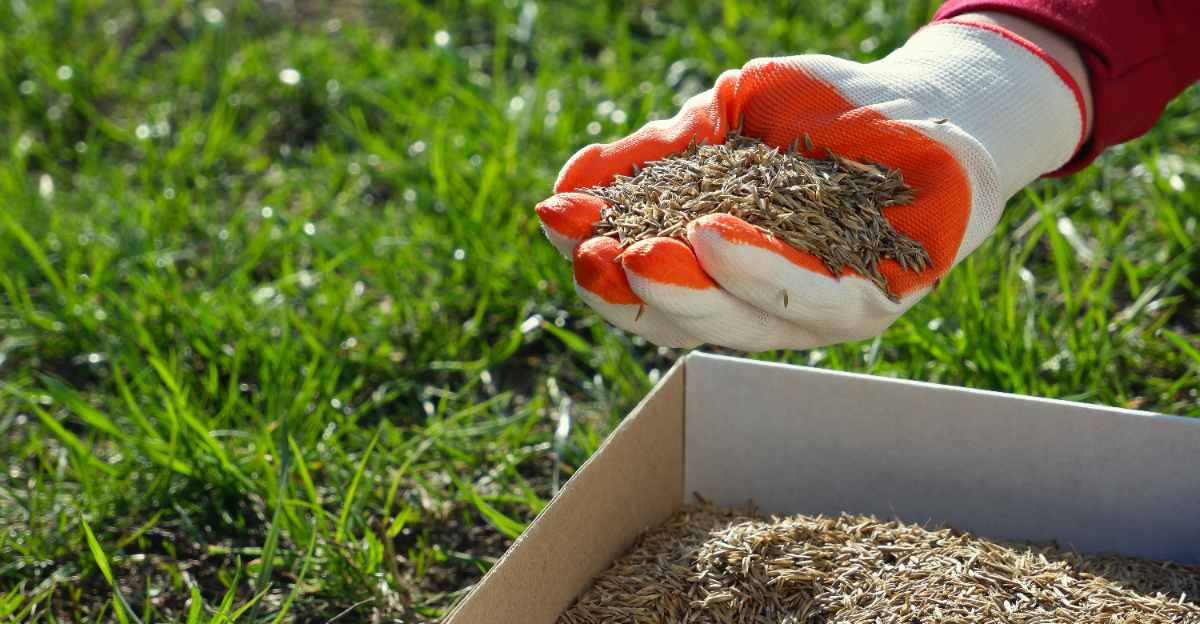
The worst time to seed an Ohio lawn is not always when the weather turns cold. It is when you spend money, spread seed, and realize the grass never had enough time to become established.
Fall makes that mistake easy because a few warm afternoons can create the illusion that the growing season has plenty left. Then temperatures drop, growth slows, and tiny new seedlings are left racing against conditions they cannot control.
The frustrating part is that two neighbors can seed only days apart and get completely different results. The calendar matters, but it is not the only thing deciding your success.
Soil warmth, nighttime temperatures, and the type of grass you choose can move the final date closer or push it farther away. Before you throw seed down this fall, know how much time your lawn actually has left.
1. September Is Still Prime Seeding Time
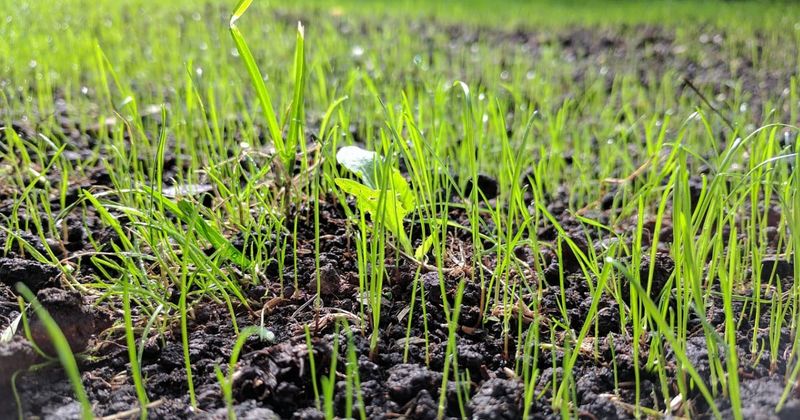
Cool nights and warm soil make a surprisingly powerful combination for establishing new turf. Soil that spent all summer absorbing heat does not cool down overnight, and that stored warmth encourages seeds to sprout even as air temperatures start to drop.
Ohio State University Extension identifies mid-August through September as the preferred fall seeding window for cool-season grasses across the state.
Earlier in September generally gives seedlings more time to develop before cold weather arrives. A lawn seeded in the first two weeks of the month has several more weeks of growing conditions than one seeded in the final days.
That extra time matters because roots need to spread and anchor before winter stress sets in.
Moisture conditions also tend to improve as summer fades. Rain becomes more reliable, and the brutal dry spells of July and August usually ease up.
Reduced heat stress means young seedlings are not fighting scorching temperatures at the same time they are trying to establish. Weeds are also less aggressive in the fall, giving new grass a cleaner start.
Seeding in September is not a guarantee of a perfect lawn by spring, but the biology clearly works in the homeowner’s favor during this window.
2. Northern Lawns Run Out Of Time First
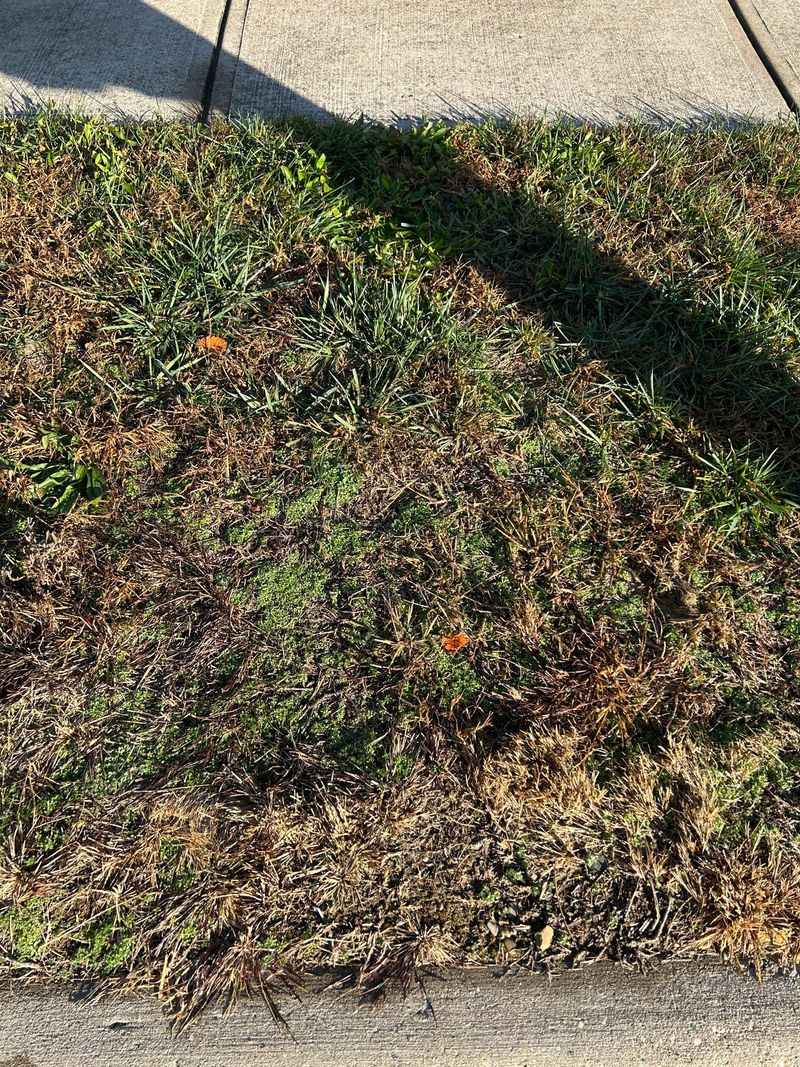
Fall moves faster in the northern part of the state than most people expect. Areas near Lake Erie and the northeastern counties see cooler overnight temperatures arrive earlier in the season.
That shorter window between late summer and the first hard freeze squeezes the practical seeding period considerably compared to central or southern parts of the state.
Ohio State guidance recognizes that regional differences matter when planning fall seeding. Northern lawns generally need to finish seeding earlier in the fall than those in central or southern areas.
A homeowner near Toledo or Cleveland is working with less time than someone near Columbus or Cincinnati, even if both are seeding the same grass species.
Local weather adds another layer of unpredictability. Elevation, proximity to bodies of water, and year-to-year variation in seasonal temperatures can all shift the practical window.
County lines do not create exact biological cutoffs, and no single date applies to every property in the state. A cool and wet September in a northern county can still support germination if the seed goes down promptly.
Your Ohio Garden Changes Every Week. Your Plan Should Too.
Gardening in Ohio changes quickly throughout the season. Every Friday you’ll receive a simple weekly plan showing exactly what to plant, prune, fertilize, harvest, and protect so you never miss the right timing.
Watching local forecasts and tracking soil temperature is better than relying on a fixed calendar date. That approach gives homeowners a more accurate read on whether enough growing time remains in their specific location.
3. Kentucky Bluegrass Needs The Earliest Start
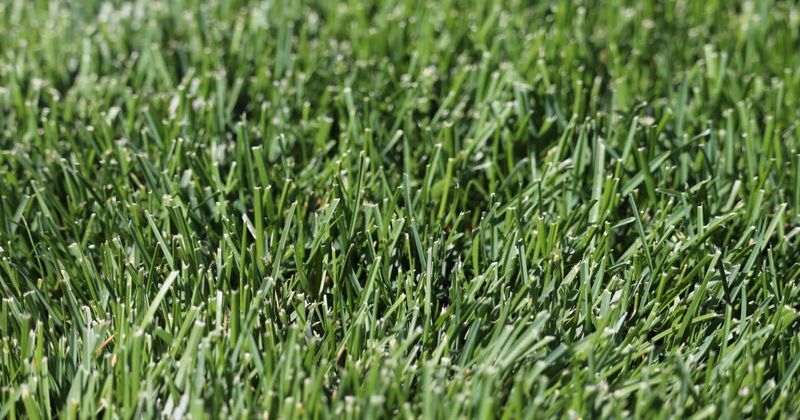
Some seeds simply take longer to get moving than others, and Kentucky bluegrass is a clear example of that. Compared to other common cool-season grasses used in the region, Kentucky bluegrass has a notably slow germination period.
Turfgrass resources consistently note that it can take significantly longer to sprout than perennial ryegrass or tall fescue under similar conditions.
Slow germination means the window for late-season planting narrows considerably. A seed that takes longer to sprout leaves fewer weeks for the seedling to develop roots before cold temperatures slow or stop growth entirely.
Planting Kentucky bluegrass in late September or October carries a real risk that the seedling simply will not have enough time to mature before winter arrives.
Germination is only the first step. Tiny shoots appearing above the soil do not mean the plant is established or ready to handle freezing temperatures, foot traffic, or winter dormancy.
Young Kentucky bluegrass plants need additional weeks of active growth to build the root system that supports long-term survival. Planting earlier in the fall window gives those roots a fighting chance.
Kentucky bluegrass remains a popular and attractive choice for lawns across the state. But its timing requirements make an early-to-mid September seeding date far safer than waiting until the calendar creeps toward October.
4. Perennial Ryegrass Buys You More Time
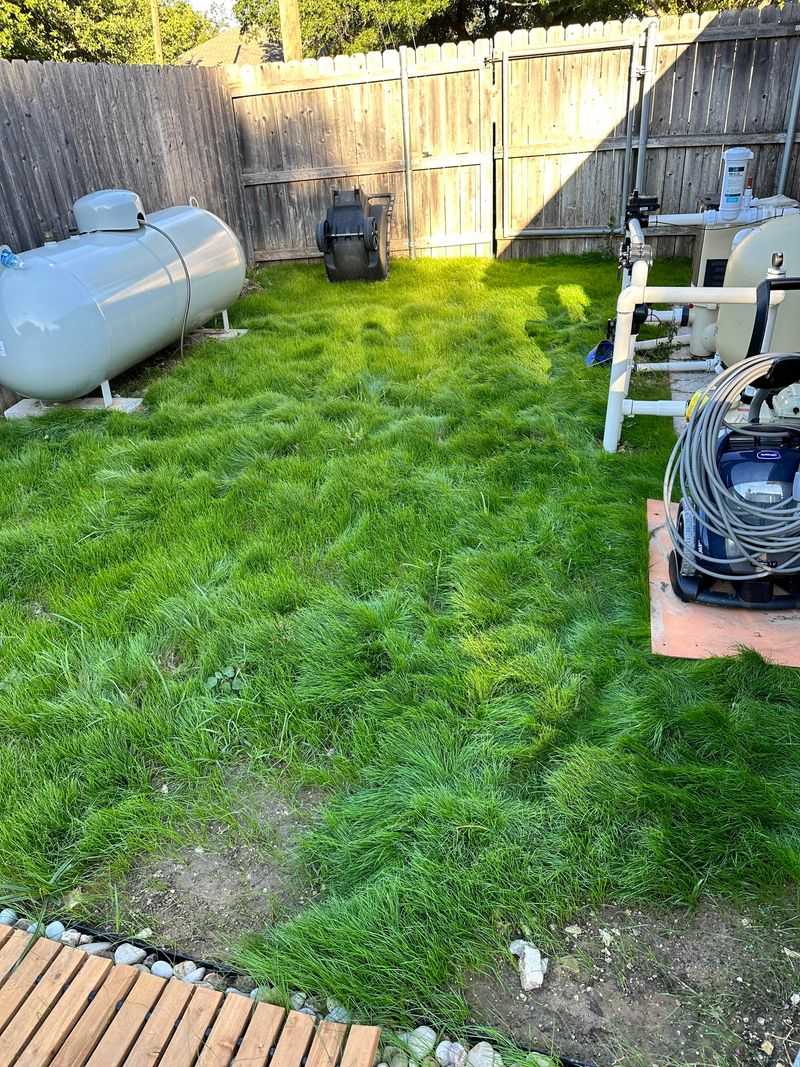
Seedlings appearing within days of planting can feel almost surprising the first time a homeowner tries perennial ryegrass. Among the common cool-season grasses used in the region, perennial ryegrass is well known for its relatively rapid germination rate.
Turfgrass resources note that it tends to sprout faster than Kentucky bluegrass under comparable conditions. That gives it a practical advantage when the calendar is getting later.
Faster germination means the seedling reaches the surface sooner and has more time to develop before cold weather sets in. That extra head start can make perennial ryegrass a more forgiving choice for late-September seedings in many parts of the state.
It also explains why seed mixtures often include a percentage of perennial ryegrass alongside slower-germinating species.
Speed does not equal full readiness, though. Germinating quickly is not the same as being winter-hardy and fully established.
A perennial ryegrass seedling that sprouts in early October still needs additional weeks of growth to build meaningful root depth. Planting too late can still result in weak plants that struggle through a harsh winter.
Perennial ryegrass is not a magic solution for very late seedings. But its faster start does extend the practical window a bit further into fall compared to slower species.
Understanding that distinction helps homeowners make smarter choices as the season advances.
5. Tall Fescue Can Handle A Later Start
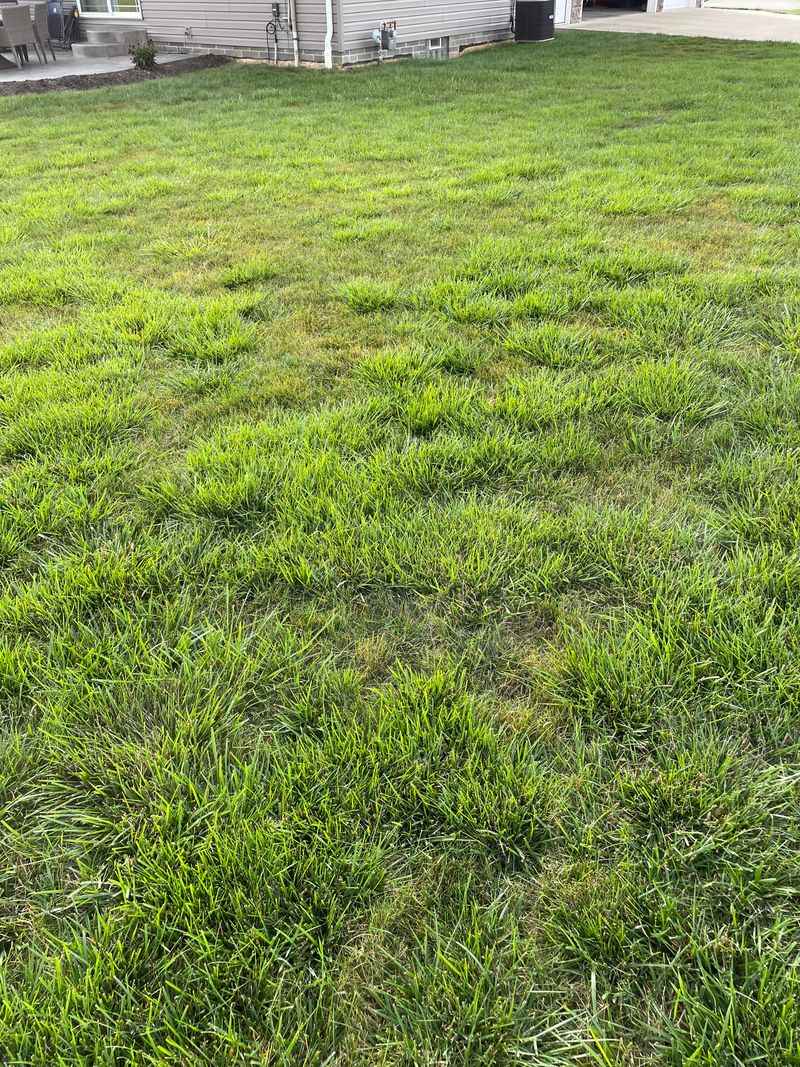
Comparing seed choices as the calendar moves into late September, tall fescue tends to stand out as a more flexible option. Tall fescue germinates faster than Kentucky bluegrass and establishes well under the cooling conditions that characterize early fall across much of the state.
Ohio State University Extension includes tall fescue among the recommended cool-season grasses for Ohio lawns. Its establishment characteristics make it well suited to the fall seeding window.
Soil temperature, moisture availability, and seed-to-soil contact still matter regardless of species. Tall fescue can handle a somewhat later start than Kentucky bluegrass, but that flexibility has limits.
Planting into dry, compacted, or poorly prepared soil reduces germination success no matter how forgiving the species. Good seed-to-soil contact remains essential, and consistent moisture in the days after seeding helps seedlings emerge reliably.
Tall fescue also brings other qualities that make it attractive for Ohio lawns, including better drought tolerance and adaptability to a range of soil types.
Those traits are secondary to the timing question, but they help explain why it appears so frequently in residential seeding projects across the state.
Homeowners seeding in late September who want a reasonable chance of establishment before winter will generally find tall fescue a safer bet than Kentucky bluegrass. Still, no species can fully overcome a seeding date that falls too late in the season.
6. October Seeding Becomes A Bigger Gamble
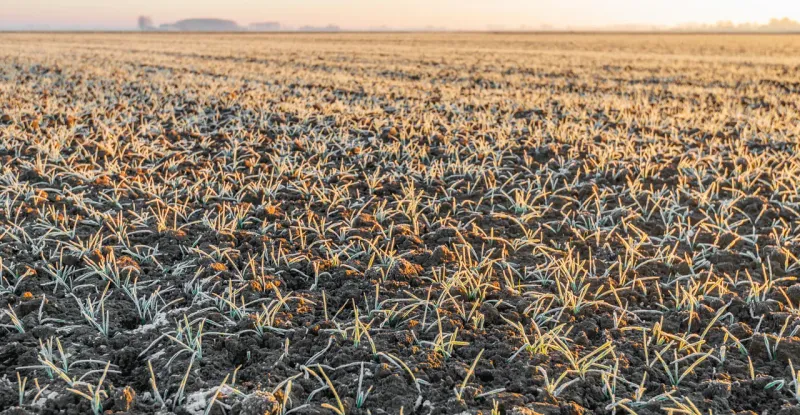
The calendar working against new seedlings becomes more obvious once October arrives. Soil temperatures begin dropping more consistently, nights grow longer, and the window of active grass growth shrinks week by week.
Seeding in October is not automatically impossible, but the risk of poor establishment increases as the month progresses.
Ohio State University Extension guidance for the central part of the state has referenced late October as a point where fall seeding becomes increasingly difficult.
A date like October 20 sometimes appears in regional discussions, but it reflects location-specific context rather than a single statewide cutoff.
A homeowner in a southern county may still have a narrow window near that date. Someone in a northern county may have already passed their practical limit weeks earlier.
Germination can still occur in October under the right conditions, but sprouting is not the same as establishment. A seedling that emerges in late October has very little time to develop meaningful root depth before cold temperatures slow growth.
Thin, shallow-rooted seedlings face a harder winter than those given more weeks to mature. Turfgrass research consistently emphasizes that insufficient establishment time is the main reason late-season seedings underperform.
Increasing risk is the honest way to describe October seeding rather than a firm yes-or-no answer. Outcomes vary by location, species, and the specific weather pattern of that particular fall.
7. New Grass Needs Time Before Winter Arrives
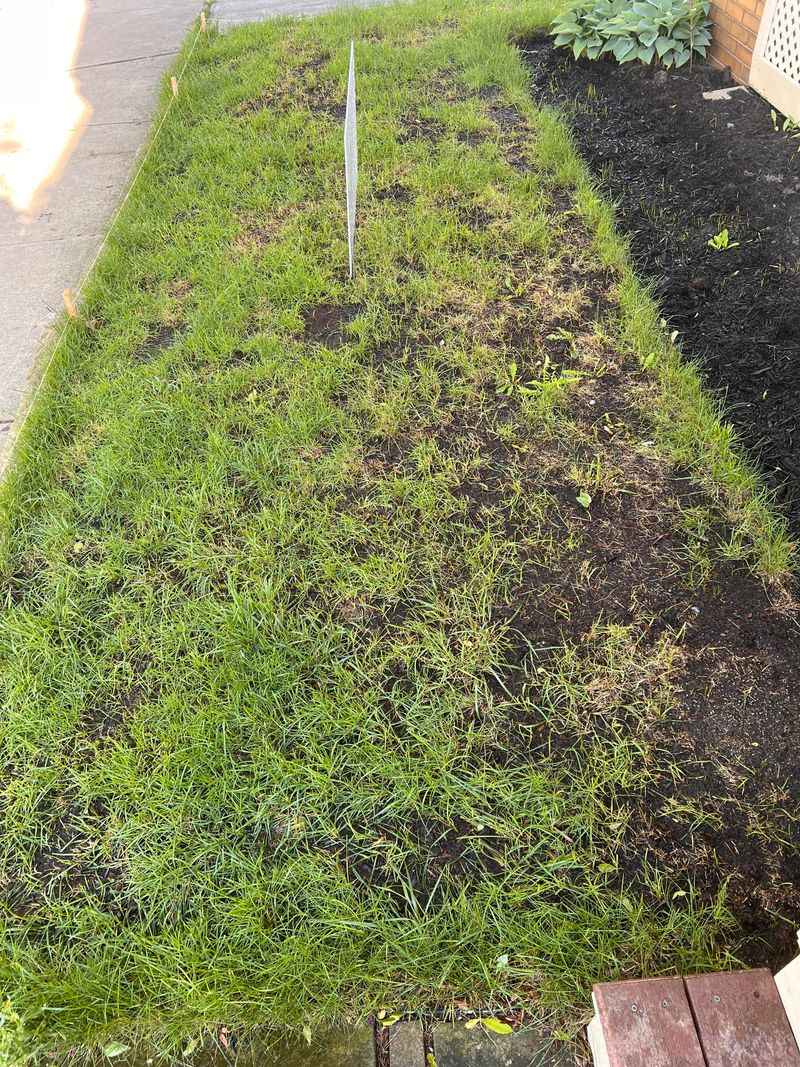
Tiny new blades poking through the soil surface can feel like a victory, but that moment is closer to the starting line than the finish line. Germination simply means the seed has cracked open and sent a shoot upward.
The plant has not yet developed the root system it needs to survive cold temperatures, foot traffic, or the stress of winter dormancy.
Turfgrass guidance consistently distinguishes between germination and establishment. Establishment refers to the point where a seedling has developed enough root mass and leaf area to function as a durable part of the turf.
Reaching that stage takes additional weeks of active growth after the first green shoots appear. Seedlings planted later in the fall have less of that critical growing time available before colder weather slows the process.
Mowing is one signal that establishment is progressing. Most turfgrass guidance suggests waiting until new grass reaches a height appropriate for its first cut before mowing.
That allows the young plants to anchor more firmly first. Watering consistently during establishment also supports root development.
A seedling that germinates but never fully establishes before winter is vulnerable in ways that a mature plant is not. Giving new grass enough time between seeding and the first hard freeze is not a bonus step.
It is the difference between a lawn that survives winter and one that has to be reseeded come spring.
8. Miss The Window And Spring May Be Safer
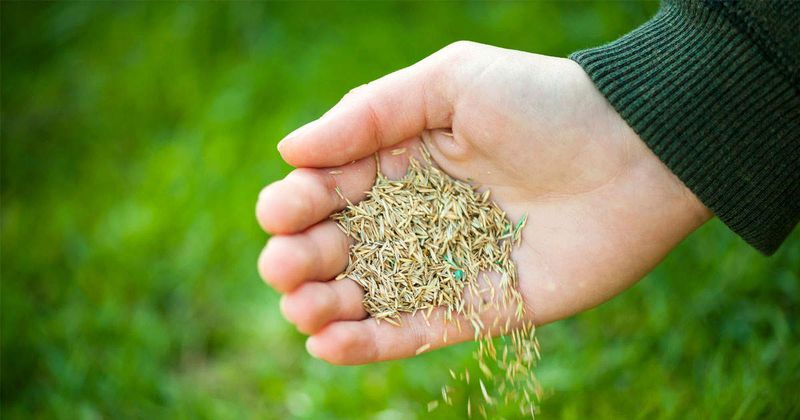
Pushing seed into the ground after the practical fall window has closed is rarely the smart move. Ohio State University Extension guidance acknowledges that spring seeding becomes a more sensible option once conditions no longer support fall establishment.
Fall is generally preferred for cool-season grasses because seedlings avoid the heat stress of summer. That preference only holds when enough growing time remains before winter.
Dormant seeding is sometimes discussed as an option for very late fall, where seed is placed intentionally to germinate the following spring. Authoritative turfgrass sources note that dormant seeding can work in some situations, but it carries its own risks.
Seeds sitting through winter without germinating can be displaced by erosion, foot traffic, or freeze-thaw cycles. Dormant seeding is not a casual backup plan and should be approached carefully based on reliable guidance for the specific situation.
Waiting for spring and doing the job correctly often produces better results than forcing a late fall seeding that is unlikely to establish. Late September remains useful in many areas of the state, particularly for faster-germinating species and in central or southern locations.
Northern lawns and slower species like Kentucky bluegrass generally need to wrap up fall seeding earlier. October seeding grows progressively riskier as the month advances.
Knowing when to stop and plan for spring is just as valuable as knowing the best time to plant.