The Flowering Bulbs Arizona Gardeners Can Plant This September
September opens another planting opportunity that is easy to overlook in a desert garden. Flowering bulbs planted now can set the stage for beautiful color later.
Timing matters more with bulbs than many gardeners expect. Put them in during the wrong season, and even healthy bulbs may struggle to perform well.
Arizona adds another challenge because traditional bulb advice does not always fit its warmer climate. Choosing varieties suited to local conditions makes a real difference.
Your garden can still support impressive bulb displays with the right planning. The key is knowing which choices belong on your September planting list.
Resist grabbing every colorful package that catches your attention at the store. Some bulbs are much better candidates for planting now than others.
The right September choices can reward your garden with a completely different look in the coming seasons.
1. Amaryllis Produces Bold Flowers From Large Bulbs
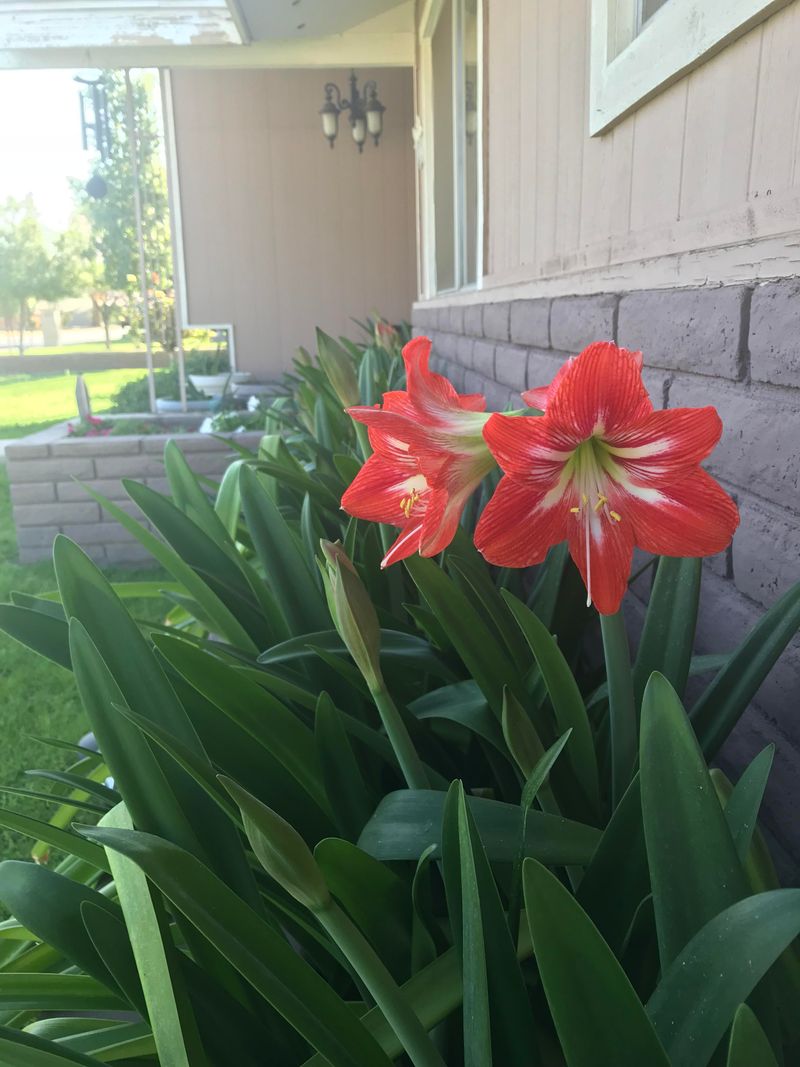
Few flowering bulbs make a statement quite like amaryllis. Those wide trumpet blooms come in shades of red, pink, white, and bicolor, and a single bulb can push out multiple flower stalks under the right conditions.
Plant in a spot that catches morning sun and stays shaded during the hottest part of the afternoon. Good drainage matters a lot here.
Amaryllis roots can rot if water sits around them, so sandy or amended soil works better than heavy clay.
Set the bulb so the top third stays above the soil line. Water it in after planting, then let the top inch of soil dry before watering again.
Consistent moisture without sogginess is the goal.
Amaryllis grown in containers can be moved indoors if a freeze is expected. In the low desert, hard freezes are infrequent but possible, so having that flexibility helps.
Feed with a balanced fertilizer once growth appears. Avoid heavy feeding before you see active growth, as it can stress the bulb rather than support it.
Blooms typically appear several weeks after planting, often in late winter or early spring. Exact timing depends on your specific conditions and the variety you choose.
Once it flowers, the display usually lasts a couple of weeks before the petals drop.
After flowering, leave the green foliage in place so the bulb can store energy for its next bloom cycle. Reduce watering gradually once the leaves begin to yellow naturally and growth starts slowing down.
2. Narcissus Brings Cheerful Color During The Cooler Season
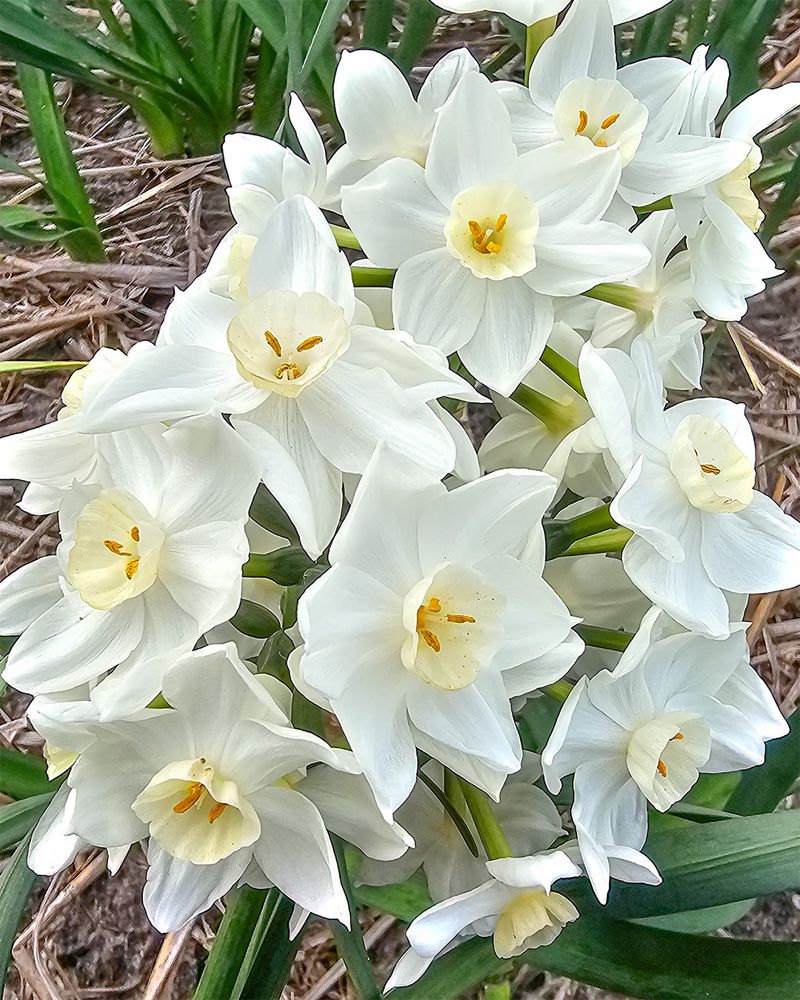
Narcissus is one of those bulbs that just works in the low desert. Plant it in September, let the cool season do its job, and you can expect cheerful yellow or white blooms sometime between late winter and early spring.
Variety selection matters more than most people think. Paper whites are a popular choice because they need little to no cold treatment to bloom.
Other narcissus types may need a chilling period, which can be done by refrigerating the bulbs for several weeks before planting.
Choose a bed with morning sun and afternoon shade. Sandy or loamy soil drains better than clay, and narcissus bulbs prefer not to sit in wet ground for extended periods.
Your Arizona Garden Changes Every Week. Your Plan Should Too.
Gardening in Arizona changes quickly throughout the season. Every Friday you’ll receive a simple weekly plan showing exactly what to plant, prune, fertilize, harvest, and protect so you never miss the right timing.
Plant bulbs about two to three times as deep as the bulb is wide. Water after planting, then hold off until the top inch or two of soil dries.
Overwatering before roots establish is one of the most common problems.
Narcissus tends to naturalize over time in mild climates, meaning the bulbs can multiply and return in following seasons. Results vary depending on your specific microclimate and soil conditions.
Once blooming finishes, let the foliage stay in place until it yellows naturally. Cutting it back too soon can reduce the bulb’s ability to store energy for next season’s growth.
A thin layer of mulch can help moderate soil temperatures while the bulbs establish roots during the cooler months.
3. Iris Can Settle Into Garden Beds During September
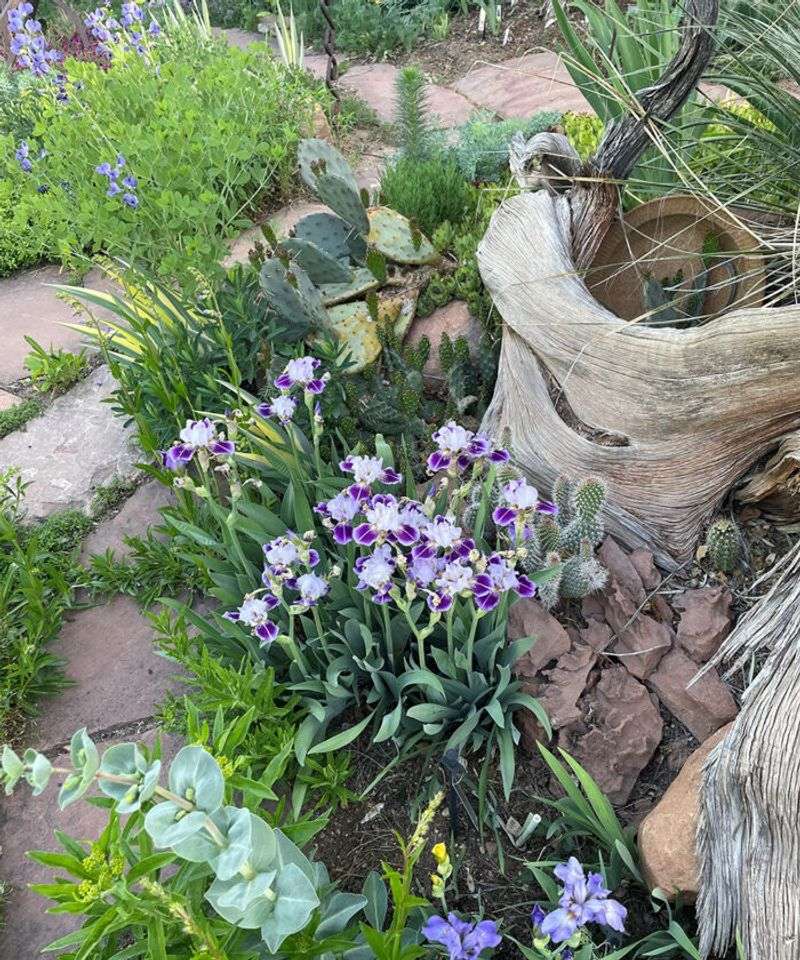
Bearded iris is a classic garden plant that actually handles desert conditions reasonably well when placed correctly. September planting gives the rhizomes time to anchor before cold nights arrive.
Rhizomes should sit near the soil surface rather than buried deep. Leaving the top of the rhizome slightly exposed helps prevent rot, which is a common issue in heavier or wetter soils.
Full sun is preferred, though some afternoon shade can help in hotter inland areas.
Soil preparation makes a real difference. Work in some compost or coarse sand if your bed tends to hold moisture.
Iris roots want air and drainage, not wet, compacted ground.
Water the rhizomes in after planting, then back off. Iris is more drought-tolerant than many flowering plants once it establishes.
Frequent watering during the warm months can cause more problems than it solves.
Bloom time for bearded iris typically falls in spring, though exact timing depends on the variety and your local conditions. Some reblooming varieties can push out a second flush in fall.
Divide clumps every few years when they start to look crowded. Crowded rhizomes tend to produce fewer flowers.
Replanting the outer sections and discarding the older center portions is a straightforward way to refresh a planting bed without starting over completely.
Keep mulch away from the exposed rhizomes so excess moisture does not collect around them. Good spacing also improves airflow and gives each plant room to develop a stronger flowering clump.
4. Rain Lilies Produce Delicate Flowers After Seasonal Moisture
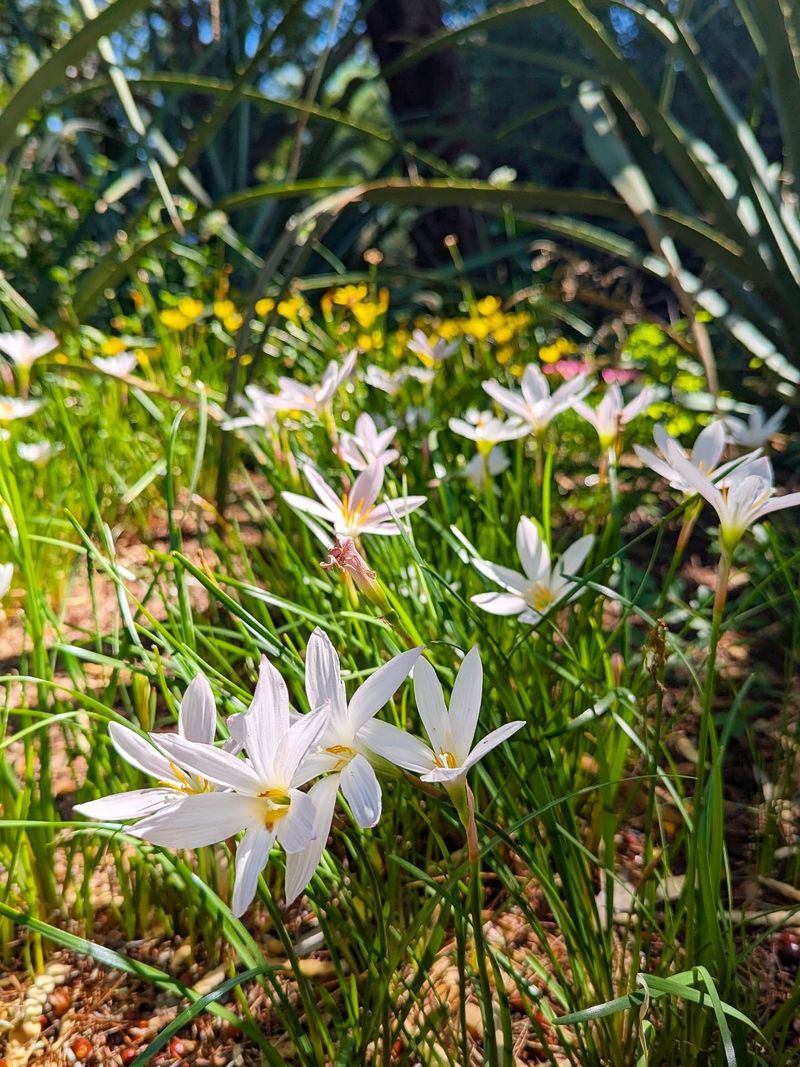
Rain lilies earn their name honestly. Give them a good soaking after a dry spell and they tend to push up blooms within a few days.
That response to moisture makes them a surprisingly satisfying plant to grow in the desert.
Zephyranthes and Habranthus are the two main genera most gardeners refer to as rain lilies. Both adapt well to low desert conditions and can handle the heat better than many other bulb plants.
Plant in a spot with morning sun and good afternoon drainage. Sandy or well-amended soil works best.
Bulbs that sit in wet ground for too long can develop rot, especially during warm months when the soil stays moist longer than expected.
Set bulbs just a few inches deep with the pointed end facing up. Water in after planting and let the soil settle naturally.
After that, rain lilies are fairly forgiving and do not need constant attention.
Blooms appear in shades of pink, white, yellow, and coral depending on the variety. Most flowers are small but produced in clusters, which creates a nice visual effect when a group of bulbs blooms together.
Rain lilies can multiply over time through offsets. Clumps can be divided every few years to spread them around the garden or share with other gardeners in your area.
5. Ranunculus Brings Layers Of Color To Cooler Garden Beds
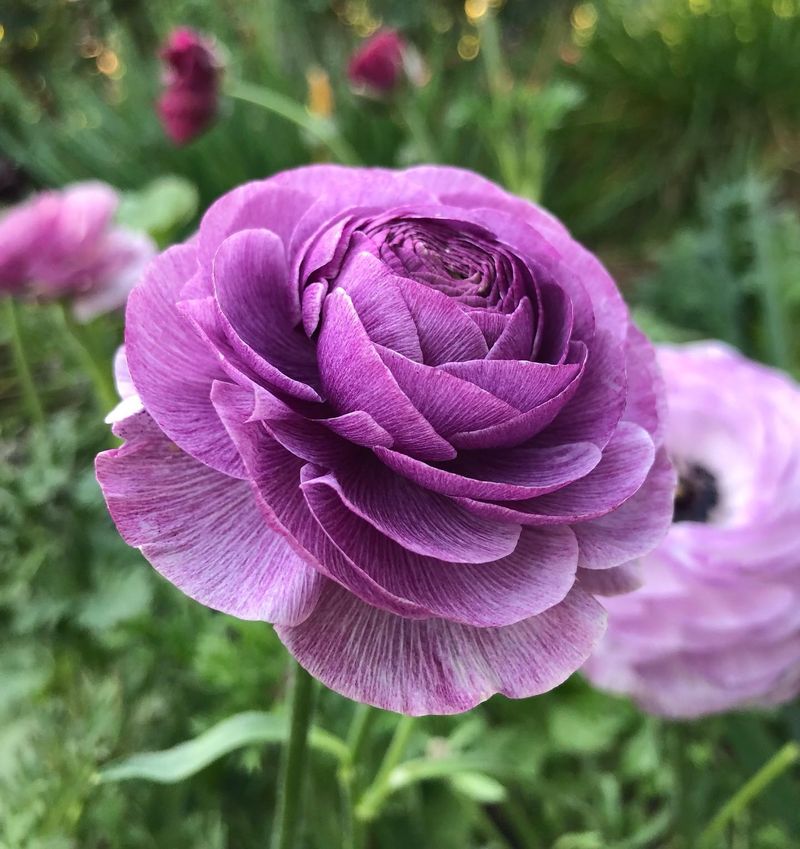
Ranunculus flowers look like they belong in a florist shop. Those tightly layered petals in deep reds, soft pinks, oranges, and creamy whites are hard to ignore, and they hold up well as cut flowers too.
Plant the small, claw-shaped corms in September when soil temperatures begin to cool. Warm soil can cause corms to rot before they sprout, so timing matters.
If temperatures are still very warm in your area, waiting until mid to late September is a reasonable approach.
Soak corms in cool water for a few hours before planting to help rehydrate them. Place them claw-side down about two inches deep in well-draining soil.
Morning sun with some afternoon protection tends to suit them well in warmer desert zones.
Water after planting and keep the soil consistently moist but not soggy. Ranunculus is sensitive to both drought and overwatering during the early growth phase, so checking soil moisture regularly helps avoid problems.
Blooms typically appear in late winter to early spring. Each plant can produce multiple stems over several weeks, which extends the display longer than you might expect from such a small corm.
Once the foliage starts to fade after bloom season, reduce watering gradually. Corms can sometimes be left in the ground in mild areas, though results vary based on summer heat and soil drainage.
6. Tulips Bring Classic Color From Fall-Planted Bulbs
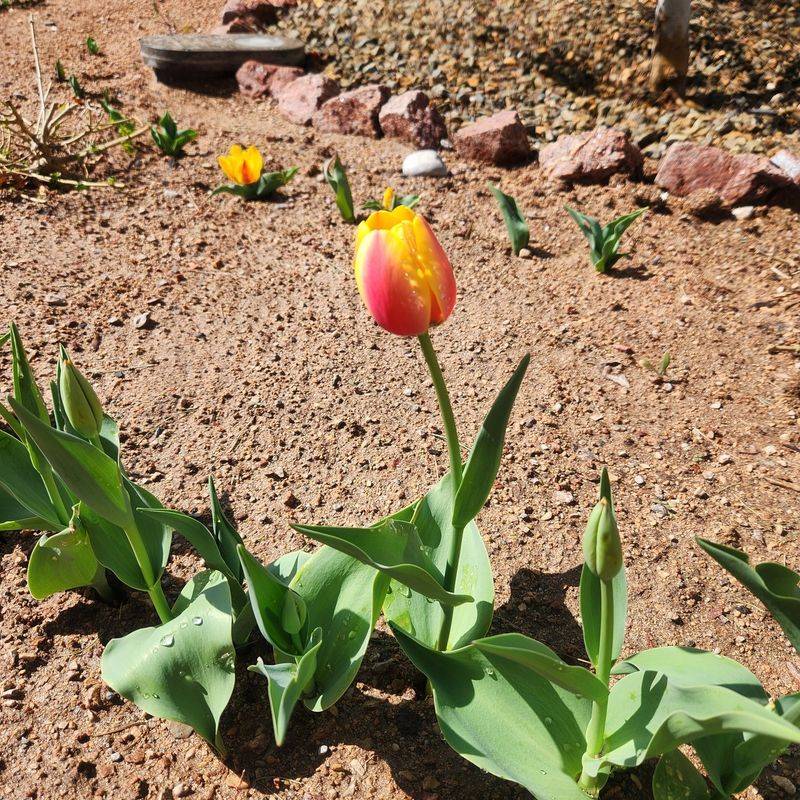
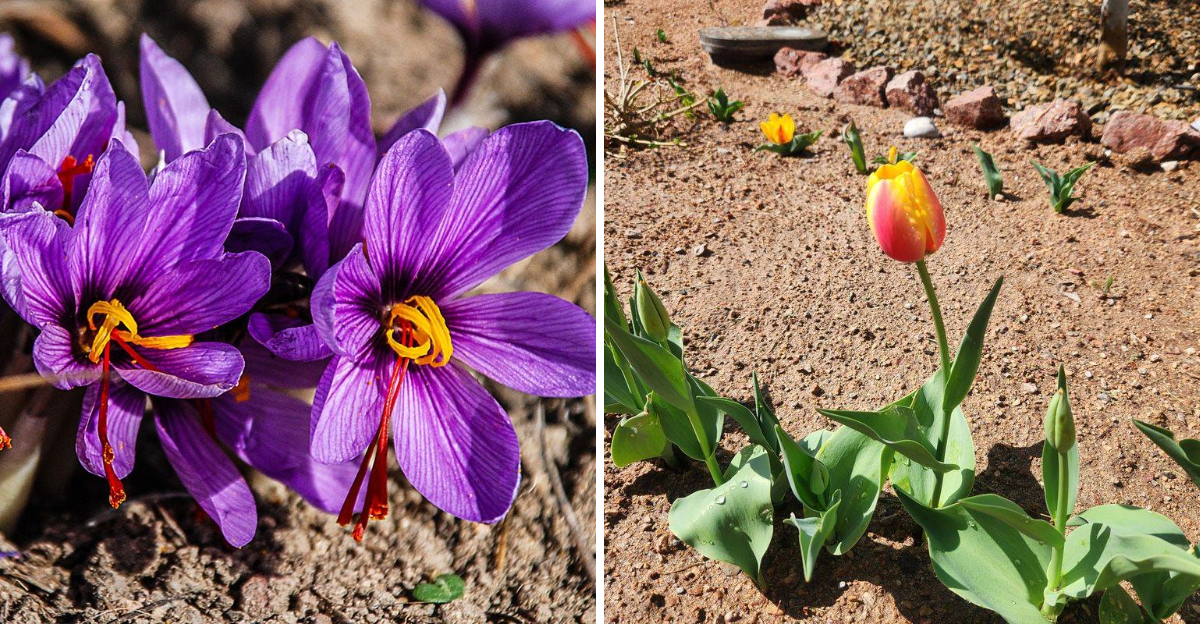
Tulips are not the easiest bulb to grow in a hot climate, but they are not impossible either. Success comes down to one key step: pre-chilling the bulbs before planting.
Tulips need a cold period to trigger proper bloom development. In Arizona, that cold period does not happen naturally in the soil, so you have to create it yourself.
Place bulbs in a paper bag and refrigerate them for six to eight weeks before planting. Keep them away from ripening fruit, which releases gases that can affect the bulbs.
Plant chilled bulbs in late September or early October into a sunny bed with excellent drainage. Set them at a depth of about two to three times the height of the bulb.
Water after planting and keep the soil evenly moist through the cool season.
Expect blooms in late winter or early spring depending on your elevation and the variety you chose. Tulips in the low desert are generally treated as annuals because summer heat makes reliable repeat blooming unlikely.
Replanting fresh bulbs each fall tends to give more consistent results than hoping stored bulbs return.
Container planting works well for tulips. Pots can be moved to a cooler, shaded spot if a late warm spell arrives during bloom time, which can help flowers last a little longer before they fade.
7. Crocus Adds Early Color From Small Fall-Planted Corms
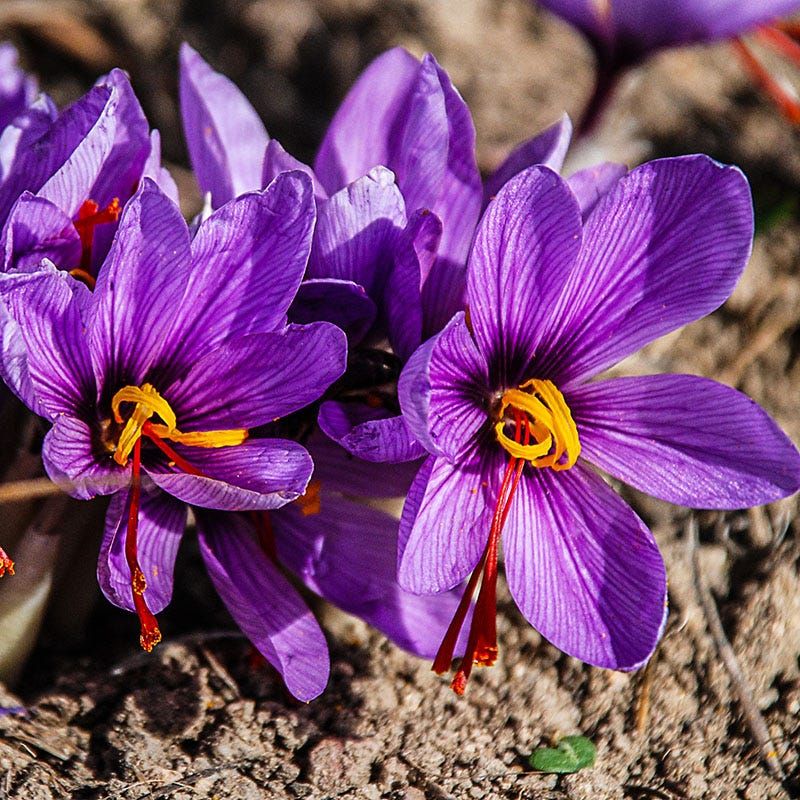
Crocus corms are small, but the blooms they produce in late winter can feel like a real reward after a long stretch of bare garden beds. Planting in September gives them time to root before the coldest weeks arrive.
Like tulips, crocus corms benefit from pre-chilling in warmer climates. Six weeks in the refrigerator before planting can help stimulate the blooming process.
Store them in a paper bag, not plastic, and keep them away from produce that releases ethylene gas.
Plant the chilled corms about three to four inches deep in a spot that gets full morning sun. Good drainage is non-negotiable.
Corms sitting in wet soil are prone to rot, especially if temperatures swing between warm and cool in the same week.
Water after planting and maintain light, consistent moisture through the cool months. Crocus roots are shallow, so the top few inches of soil are what matters most for keeping them properly hydrated.
Blooms appear as small cup-shaped flowers in purple, white, yellow, and striped combinations depending on the variety. Most crocus flowers open fully in sunlight and close at night or on cloudy days, which is a natural protective response.
Crocus naturalizes well in some climates, but in the desert, replanting fresh corms each fall tends to produce more reliable blooms than expecting the same corms to return year after year.
8. Hyacinths Produce Fragrant Flowers From Fall-Planted Bulbs
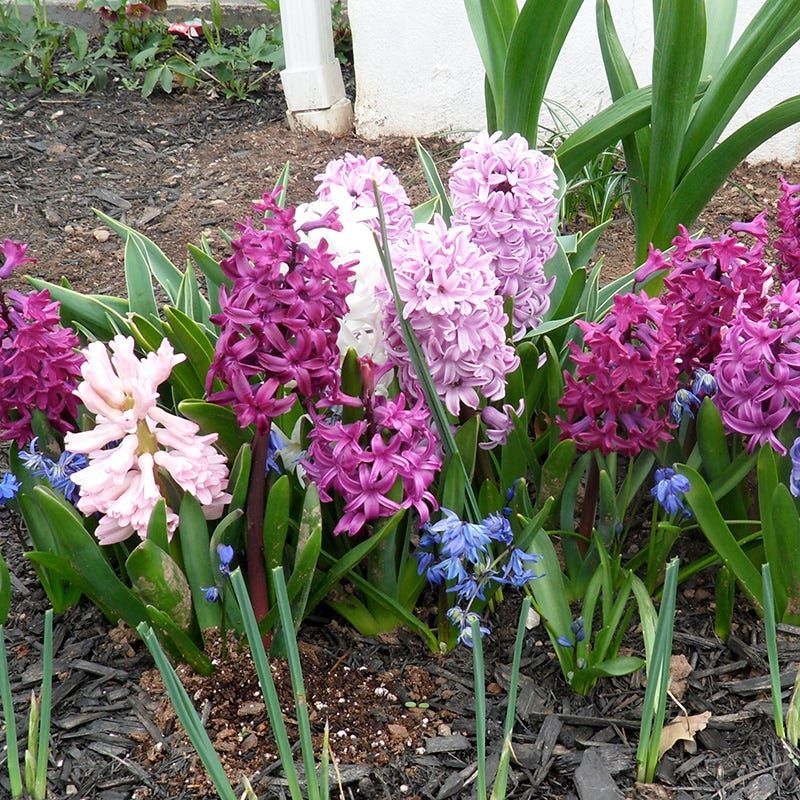
Hyacinths bring something most flowering bulbs cannot match: a strong, pleasant fragrance that carries across the garden on a cool morning. Planting them in September sets the stage for that late-winter payoff.
Pre-chilling is recommended in warmer climates. Place bulbs in a paper bag and refrigerate for six to eight weeks before planting.
Avoid storing them near apples or other fruit that release gases affecting bulb development.
Plant chilled bulbs in a sunny bed with good drainage. Set them about four to six inches deep with the pointed end facing up.
Space bulbs several inches apart so air can circulate around the emerging foliage, which helps reduce fungal issues in humid or wet stretches.
Water thoroughly after planting. Through the cool months, keep the soil lightly moist but not saturated.
Hyacinth bulbs are prone to rot in waterlogged conditions, so raised beds or sloped planting areas work particularly well in clay-heavy soils.
Blooms appear as dense, upright spikes covered in small star-shaped flowers. Colors range from deep purple and blue to pink, white, and soft yellow.
The fragrance is strongest on warm, calm mornings when the air is still.
Hyacinths in hot desert climates are often treated as seasonal annuals. Replanting fresh pre-chilled bulbs each fall gives you more consistent blooms than relying on stored bulbs to perform again the following season.