The Rare Connecticut Turtle Species Quietly Making A Comeback This Fall
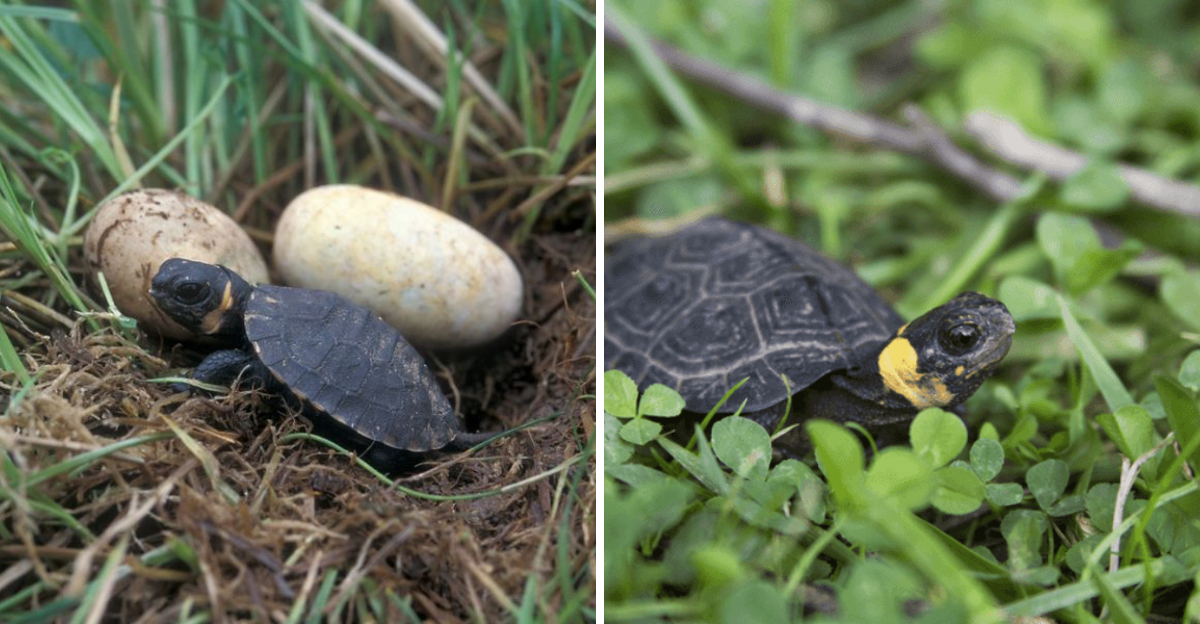
Your boots sink into Connecticut mud, and tiny eyes silently watch you closely. Beneath the cattails, something secretive has quietly reappeared. You are witnessing something among North America’s rarest and most secretive living reptiles.
Wetlands across Connecticut once sheltered countless secretive dwellers in silence. Habitat loss and illegal collection left their numbers quietly diminished. Now biologists report the strongest hatchling counts in years.
Restoration efforts have reshaped the fragile ground beneath your feet. Volunteers wade through muck at dawn, monitoring hidden nests. Predators and shrinking marshland still quietly test every fragile nest.
Yet recovery rates are climbing after years of steady decline. Scientists call this shift fragile, cautious, and undeniably real. Nothing about this quiet return feels guaranteed or permanent yet.
Each rescue represents years of patient work you rarely hear about. Stories like this rarely reach beyond quiet conservation circles like yours. This story deserves your full attention now.
North America’s Tiniest Freshwater Turtle
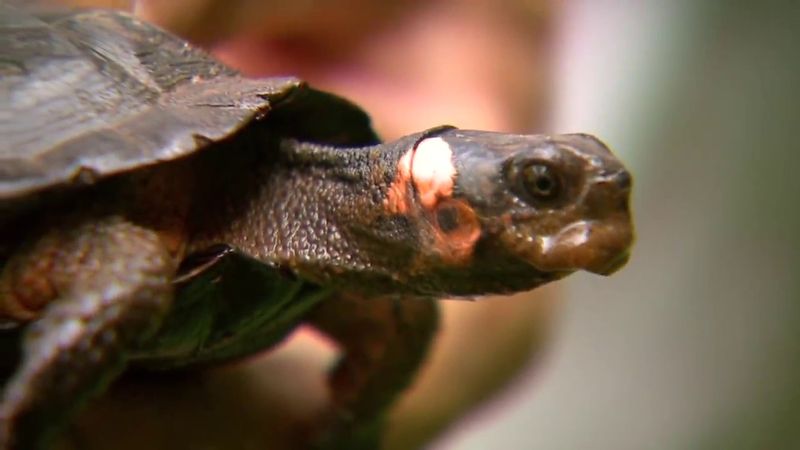
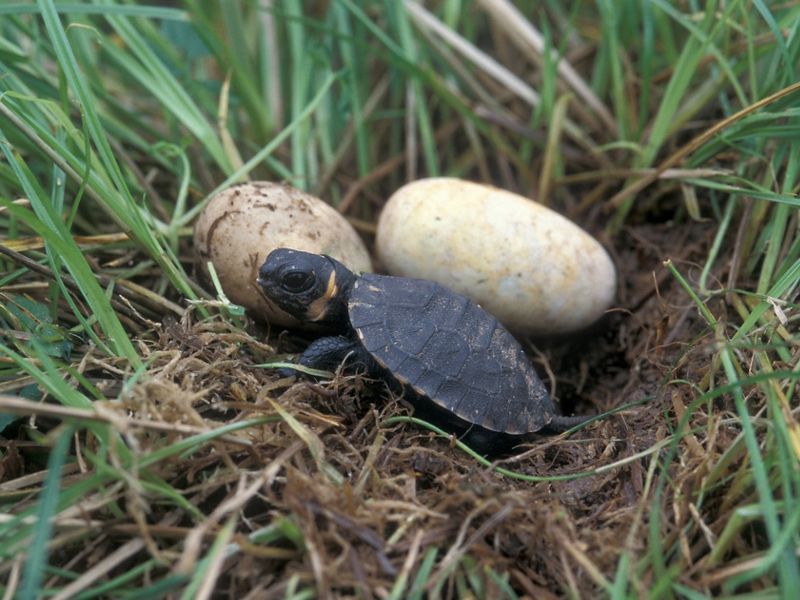
Barely the size of a deck of cards, the bog turtle packs an enormous amount of personality into its palm-sized shell. Glyptemys muhlenbergii, as scientists call it, holds the title of North America’s smallest freshwater turtle.
That little orange blotch behind each eye? That is the species’ signature calling card, making it one of the most visually striking reptiles on the continent.
Bog turtles spend most of their lives tucked into the soft, wet soils of Connecticut’s sphagnum bogs and sedge meadows. They burrow into muddy banks to stay warm and tend to be most active during the cooler mornings of spring and fall.
This makes autumn one of the best windows for spotting them before they settle in for their long winter dormancy.
Population estimates suggest only a few thousand bog turtles remain across their entire range, according to state and federal wildlife assessments.
Connecticut sits within the northern population cluster, which is considered genetically distinct from southern populations.
Protecting each individual turtle here carries enormous ecological weight, because every single one contributes to a gene pool that cannot be replaced. Their rarity is precisely what makes each confirmed sighting this fall feel like a celebration worth sharing.
Why Connecticut’s Wetlands Became So Important To Protect
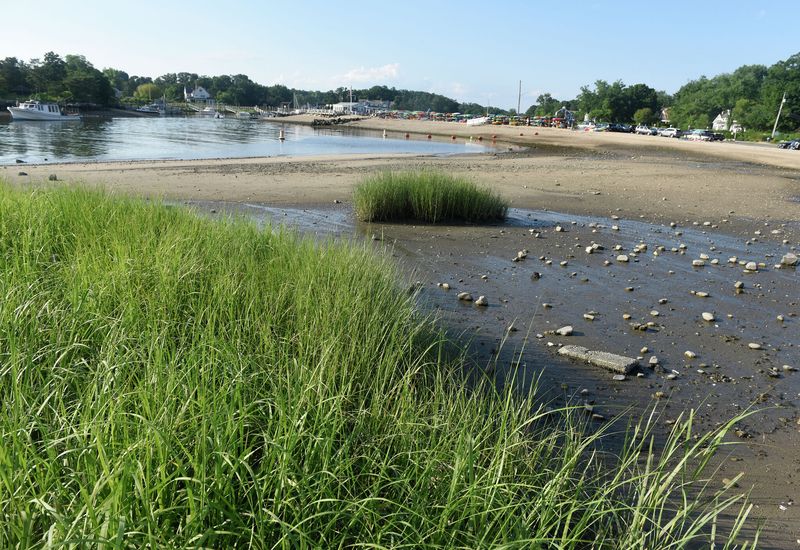
Connecticut may be one of the smallest states in the nation, but its wetlands punch well above their weight when it comes to biodiversity.
The state’s calcareous fens and spring-fed sedge meadows create exactly the wet, open, sunlit habitat that bog turtles rely on to feed, bask, and raise their young. Lose these wetlands, and you lose the turtles along with them.
Urban sprawl and agricultural drainage have significantly shrunk Connecticut’s suitable bog turtle habitat over the last century.
The wetlands that remain are often fragmented, meaning turtle populations become isolated from one another and struggle to find mates. Genetic isolation is one of the quieter threats facing the species today, and it is just as serious as outright habitat loss.
The encouraging news is that Connecticut’s wildlife agencies have identified dozens of historically occupied sites and are actively working to restore them.
Your Connecticut Garden Changes Every Week. Your Plan Should Too.
Gardening in Connecticut changes quickly throughout the season. Every Friday you’ll receive a simple weekly plan showing exactly what to plant, prune, fertilize, harvest, and protect so you never miss the right timing.
Invasive plants like purple loosestrife and common reed crowd out the low-growing sedges that bog turtles depend on.
Removal crews have been clearing these invaders steadily, and the results are showing up in the form of returning vegetation and, more recently, returning turtles.
Each restored acre represents a small but meaningful step toward rebuilding a connected network of safe habitat across the state.
How Conservation Efforts Sparked New Hope
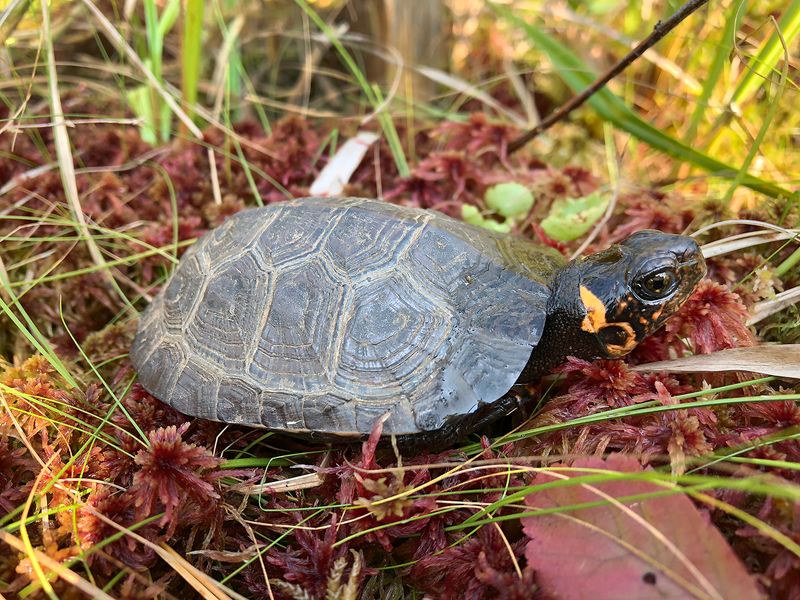
Picture a team of biologists wading through knee-deep mud before sunrise, headlamps cutting through the morning fog, searching for something smaller than a granola bar.
That is the dedicated reality behind bog turtle conservation in Connecticut, and those early mornings are starting to pay off in a big way. Survey teams this fall have reported juvenile turtles at sites where none had been seen in over a decade.
The Connecticut Department of Energy and Environmental Protection, alongside partners like the Nature Conservancy and various university research teams, has been running a coordinated recovery program for years.
Habitat restoration, nest protection, and careful population monitoring have all been part of the strategy. Slowly but steadily, the data is shifting in a hopeful direction.
One of the most exciting recent developments involves head-starting, a technique where eggs are collected from vulnerable nests, incubated safely, and then released as juveniles once they are large enough to better survive on their own.
Head-starting boosts early survival rates significantly, since hatchlings face enormous pressure from predators like raccoons and crows.
Seeing those head-started turtles show up in fall surveys as healthy, growing juveniles is the kind of milestone that keeps conservation teams motivated through even the muddiest fieldwork days.
The comeback is quiet, but the momentum behind it is real and building with each passing season.
Predators, Poachers, And The Hidden Pressures Turtles Still Face
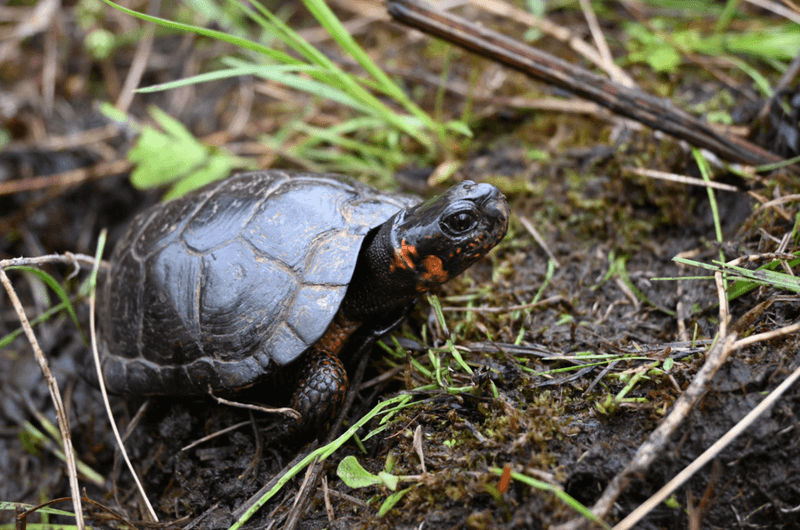
Recovery stories rarely travel in a straight line, and the bog turtle’s comeback is no exception. Even as habitat improves, these small reptiles face a gauntlet of ongoing pressures that keep conservationists on high alert every single season.
Understanding those pressures is key to appreciating just how remarkable each new hatchling truly is.
Nest predation is one of the most immediate challenges. Raccoon populations have surged in many parts of Connecticut, and a single determined raccoon can wipe out an entire season’s worth of nesting attempts at a small bog turtle site overnight.
Conservationists sometimes install protective nest cages to shield eggs from these raiders, though the approach requires careful monitoring to avoid trapping hatchlings later in the season.
Illegal collection for the exotic pet trade remains a serious and frustrating concern. Bog turtles are federally protected under the Endangered Species Act, but their rarity and striking appearance make them attractive targets for wildlife traffickers.
Wild-caught individuals can fetch significant sums on the black market, creating an incentive that enforcement agencies actively monitor. Reporting suspicious activity near known wetland sites is something every hiker and birdwatcher can do to help.
Public awareness has actually led to several successful tip-offs to wildlife authorities in recent years, proving that community vigilance is a genuine conservation tool worth cultivating.
What Bog Turtles Are Actually Doing Right Now
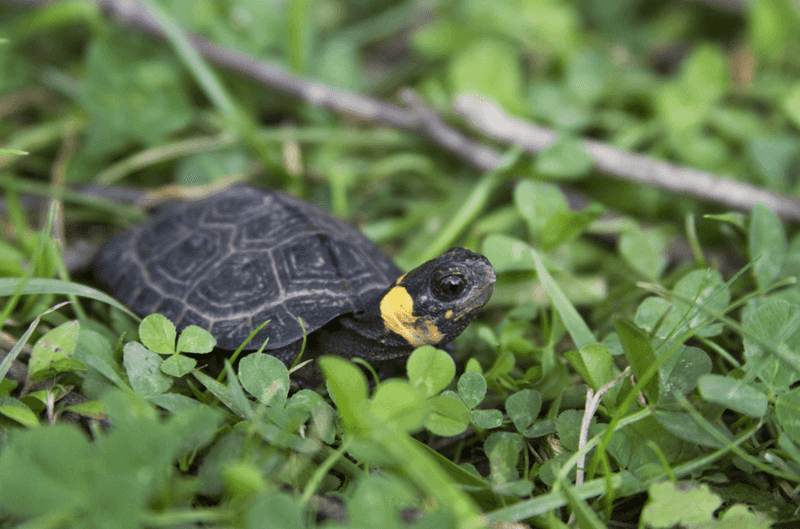
Autumn has a special rhythm for bog turtles, and it is one of the most fascinating chapters in their annual life cycle.
As temperatures begin to drop in September and October, these small reptiles spend more time basking to absorb whatever warmth remains in the shortening days.
Catching them sunning on mossy hummocks during these weeks is one of the season’s quieter pleasures for lucky observers.
Feeding ramps up in early fall as bog turtles try to build fat reserves before dormancy. They munch on berries, aquatic invertebrates, slugs, and even small amphibians, working through the wetland like tiny, methodical foragers.
Their metabolism is already beginning to slow, so every calorie counts as the days grow shorter.
By late October or early November, most bog turtles in Connecticut will have burrowed into the soft, insulating mud of their wetland homes, settling in for a dormancy period that can last until March or April.
This underground rest is not exactly the same as hibernation in mammals, but it serves a similar purpose, allowing the turtle’s body to survive cold temperatures with minimal energy use.
Watching a bog turtle take its last few autumn basking sessions before disappearing underground for months is a notable moment for observers.
How You Can Help, Whether At Home Or On The Trail
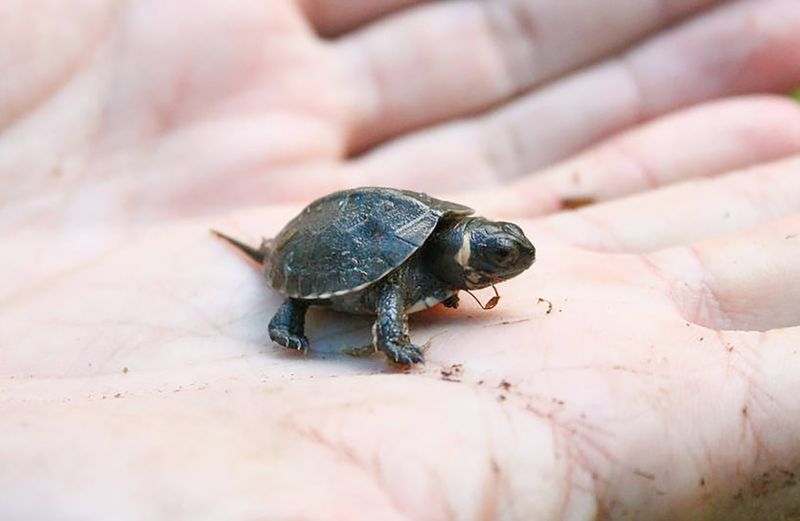
You do not need a biology degree or a pair of waders to make a real difference for bog turtles in Connecticut. Some of the most impactful actions happen right at home, in backyards and neighborhoods that sit near wetland corridors.
Small choices, made consistently by many people, add up to meaningful landscape-level change over time.
If your property borders a wetland or stream, consider leaving a buffer of native vegetation along the water’s edge rather than mowing right to the shoreline.
Native sedges, rushes, and wildflowers create micro-habitats that support the insects and invertebrates bog turtles feed on.
Reducing or limiting pesticide use near water is another simple but powerful step, since chemical runoff disrupts the aquatic food web that sustains these turtles and many other species.
Keeping pet cats indoors and managing domestic dog access near wetlands also helps protect ground-nesting wildlife, including turtles moving between habitat patches.
If you spot a turtle on a road near a wetland, you can gently move it in the direction it was already heading – never relocate it far from where you found it.
Reporting bog turtle sightings to Connecticut’s wildlife agency through their online reporting tools gives biologists valuable data at no cost to you.
Citizen science contributions like these have genuinely shaped how conservation resources get allocated across the state in recent years.
What A Successful Recovery Would Actually Look Like For This Species
Imagining a future where bog turtles thrive across Connecticut’s wetlands feels ambitious given where the species stands today.
Yet conservation biologists are not just hoping for survival – they are actively defining what genuine recovery looks like, and the picture they paint is surprisingly specific and science-driven. Recovery means more than just keeping a few individuals alive in isolated patches.
A recovered population would include multiple self-sustaining groups connected by functional habitat corridors, allowing turtles to move between sites and maintain genetic diversity naturally.
Biologists estimate that a truly stable northern population would require dozens of occupied sites, each supporting enough breeding adults to weather bad years without collapsing.
Right now, Connecticut’s known population falls well short of that benchmark, which is why every restored wetland acre matters so much.
Recent fall surveys are offering cautious but genuine encouragement. Juvenile turtles turning up at restored sites suggest that breeding is occurring and that young are surviving long enough to be counted, which is a significant hurdle.
Full recovery will likely take decades of sustained effort, continued habitat protection, and strong public support for wetland conservation funding.
But the bog turtle’s quiet return to Connecticut’s muddy meadows this autumn is a reminder that nature can respond when given even a modest amount of help. That small orange-patched face peering out from the sedges is a sign of quiet resilience.