Stop Pruning Your North Carolina Crape Myrtles This Late Or Winter Will Destroy Them
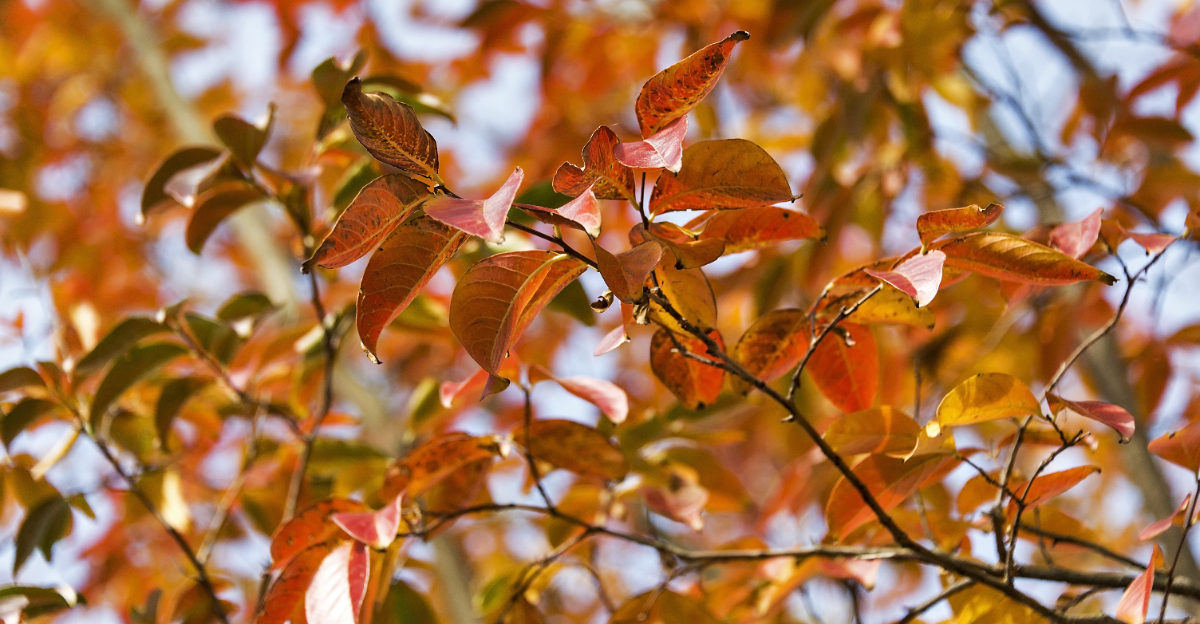
Crape myrtles are true showstoppers across North Carolina, painting yards with pink, red, purple, and white blooms all summer. Homeowners plant them for exactly that reason, the way they light up a landscape when little else is flowering.
But here’s what a lot of gardeners miss: the timing and technique behind pruning can quietly decide whether your tree bounces back strong or struggles once winter settles in.
Cut at the wrong moment, and you might be setting your crape myrtle up for stress it didn’t need to face. The good news is that avoiding this mistake isn’t complicated once you know what to look for.
A few small adjustments to your routine can make a noticeable difference in how your tree handles cold snaps and bounces back come spring.
Curious what those adjustments actually are? These eight facts walk through exactly what your crape myrtle needs from you, and when it needs it most.
1. Late Pruning Can Trigger New Growth
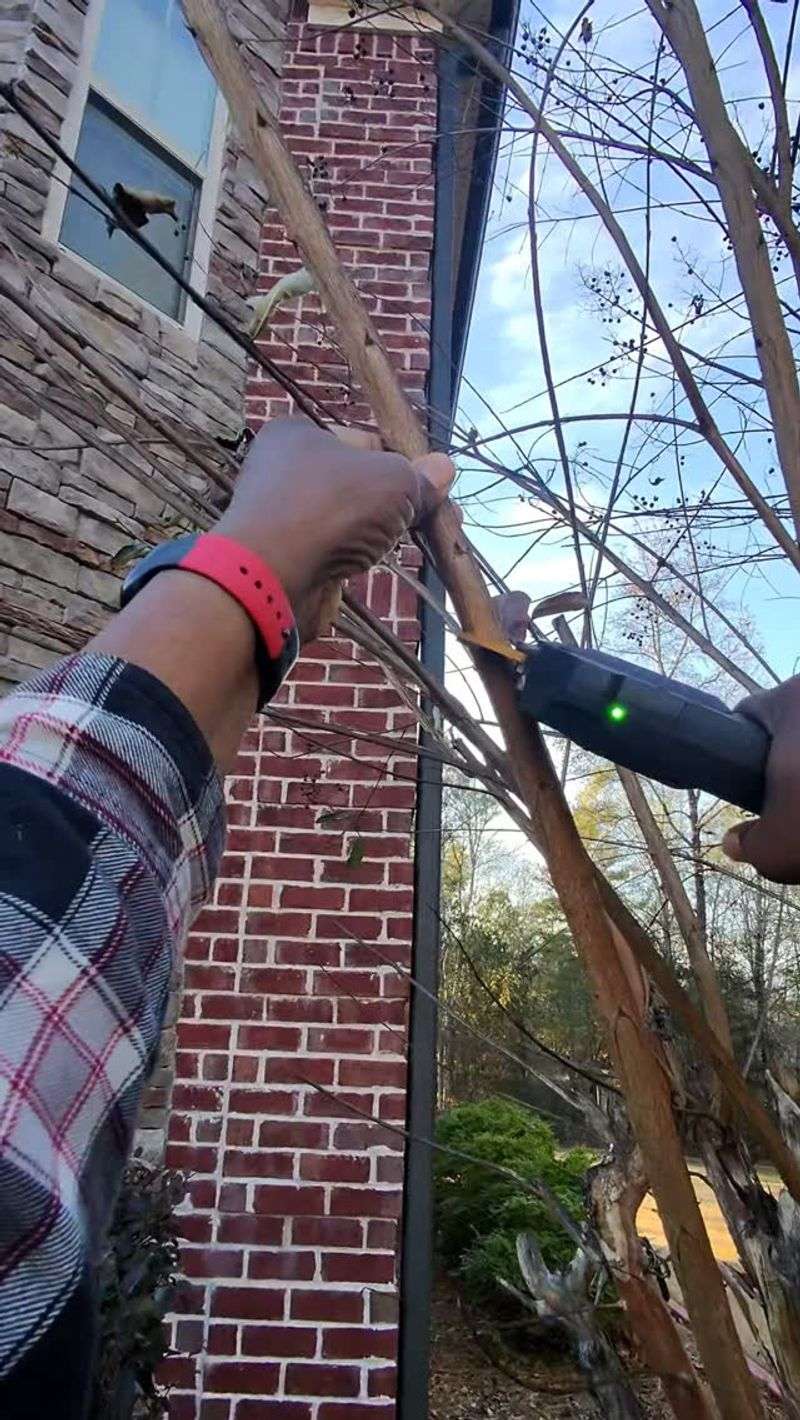
Timing matters more than most gardeners realize. When you cut a crape myrtle late in the year, the plant reads that snip as a signal to grow again. Instead of settling down for the cooler season, it pushes out fresh, soft shoots.
Those tender new stems appear at the worst possible moment. The tree should be slowing down and storing energy in its roots, not spending that energy on leaves and twigs it cannot protect.
A late haircut throws off the whole rhythm the tree naturally follows. Think of it like waking someone up right as they are about to rest. Their body gets confused, and so does your crape myrtle.
The plant tries to bounce back, sending out growth that has almost no chance of getting strong before the weather turns.
North Carolina falls can feel warm one week and chilly the next. That warmth tricks the tree into growing, and then a sudden cold snap catches those baby shoots off guard. The result is a stressed plant heading into the hardest season with brand new, fragile parts.
If you want your crape myrtle to stay healthy, resist the urge to grab your shears in fall. Let the tree do what it knows best, which is winding down slowly and safely.
Save your major cutting work for a smarter time of year when new growth will actually have room to thrive and mature properly.
2. Tender Growth Is More Vulnerable To Cold
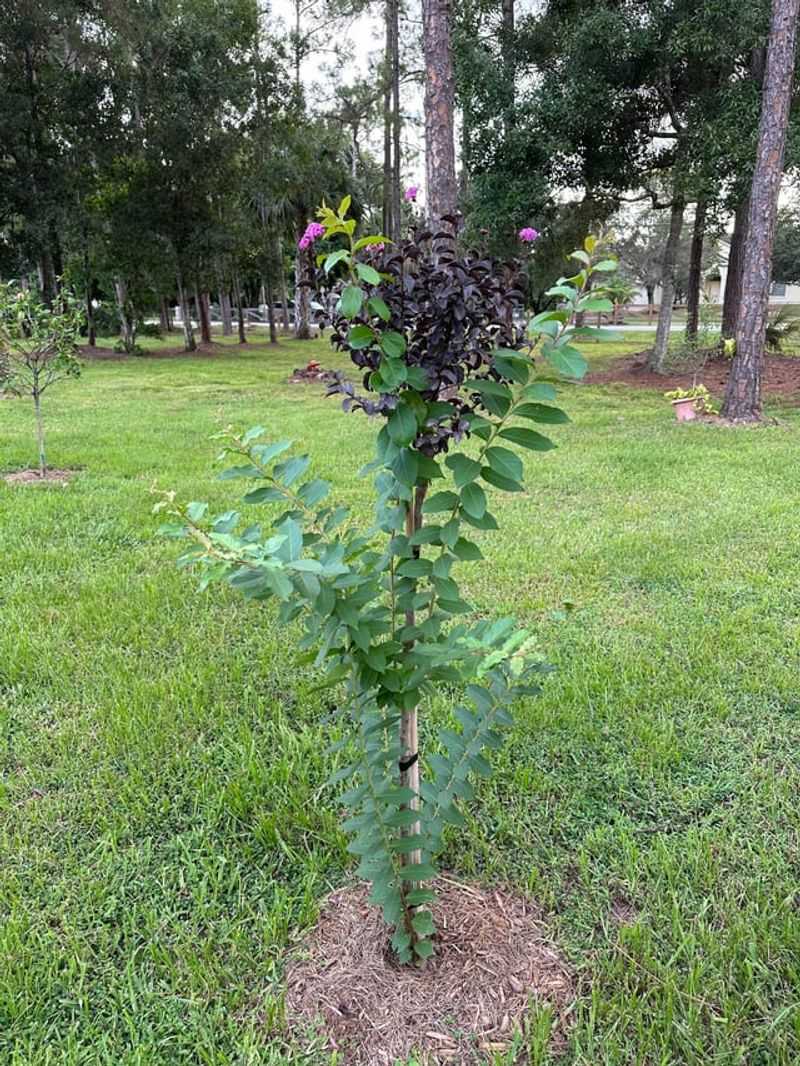
Fresh shoots are like newborns in the plant world. They start out soft, green, and full of water, which makes them easy targets for cold air.
Mature branches have tough, woody bark that shields them, but new growth simply does not have that armor yet.
When crape myrtles grow late in the season, those young stems run out of time. Toughening up, a process gardeners call hardening off, takes weeks of steady, cool weather. Late shoots never get that chance before the first freeze rolls through North Carolina.
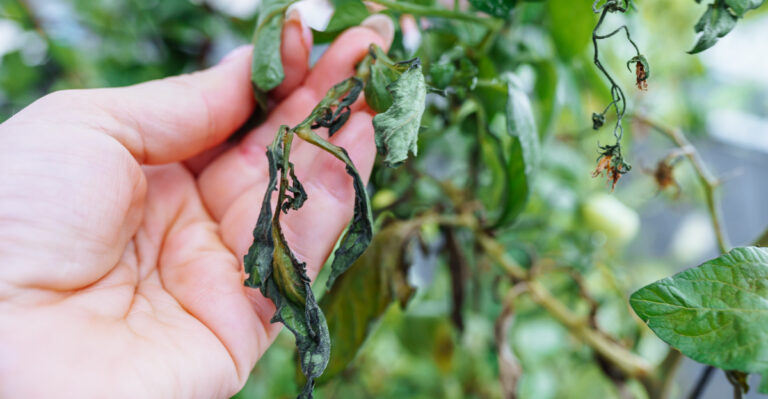
Here is what happens next. Cold temperatures cause the water inside those tender cells to freeze and expand. That damages the soft tissue, leaving behind blackened, mushy tips that cannot recover once spring arrives.
Your North Carolina Garden Changes Every Week. Your Plan Should Too.
Gardening in North Carolina changes quickly throughout the season. Every Friday you’ll receive a simple weekly plan showing exactly what to plant, prune, fertilize, harvest, and protect so you never miss the right timing.
Even worse, this stress does not stay in one spot. Damaged shoots can invite problems lower down the branch, weakening the whole tree over time. A plant that spends winter patching up injuries has far less energy for blooming later.
You can avoid all of this by letting your crape myrtle finish the season naturally. When no fresh growth is forced out at the wrong time, the tree keeps its focus on strengthening what it already has.
Strong, mature wood handles North Carolina winters just fine. It is only the rushed, late-season shoots that struggle. By keeping your shears put away in fall, you give every branch the time it needs to grow tough and ready for whatever the cold months bring.
3. Fall Is Not The Time For Heavy Cutting
After a summer full of blooms, it is tempting to tidy things up right away. Many folks see the spent flowers and reach for the pruning saw, ready to cut the tree down to size. That urge, though understandable, can backfire in a big way.
Heavy shaping and size reduction take a lot out of a crape myrtle. Big cuts open large wounds, and the tree responds by trying to heal and regrow. Doing this in fall forces the plant to work hard exactly when it should be resting.
Late winter is the smarter window for major work. By then the tree is fully dormant, meaning it has slowed way down and is not pushing new growth. Cuts made during dormancy heal cleanly once spring warmth returns.
There is another bonus to waiting. During the cold months, the branches are bare, so you can clearly see the tree’s shape and structure. That makes it much easier to decide which limbs to remove and where.
Cutting after summer flowering also robs you of natural beauty. Crape myrtle seed pods and smooth bark add real interest to a winter garden, giving your yard something lovely to look at when everything else is quiet.
So enjoy those late blooms and leave the big pruning for later. Your tree gets to rest, you get a better view for shaping, and the whole yard looks nicer through the colder season. Patience really does pay off with these plants.
4. Crape Myrtles Bloom On New Growth
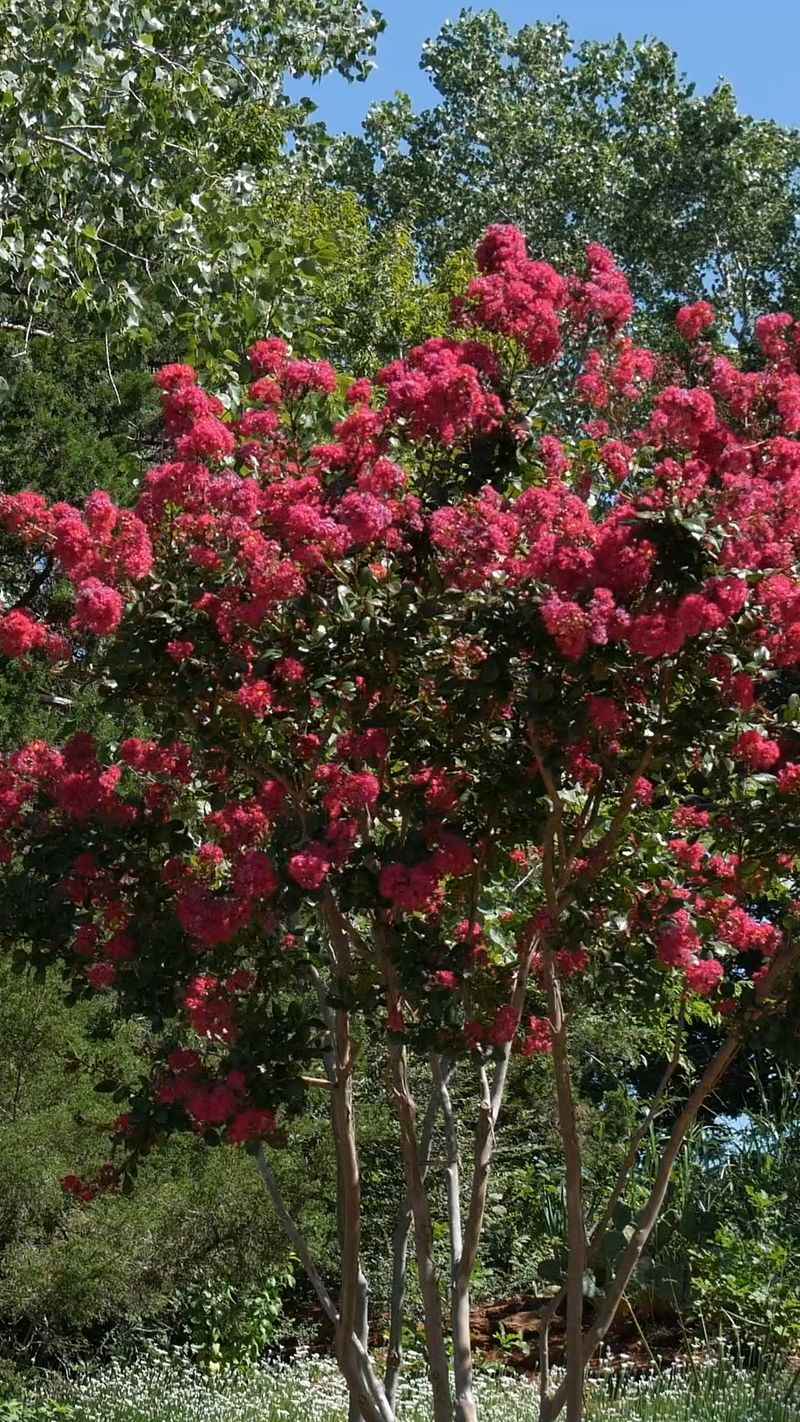
One of the coolest things about crape myrtles is where their flowers come from. These trees bloom on new growth, which means the stems that sprout during spring and summer are the ones that carry all those gorgeous blossoms.
That single fact changes everything about how you should prune. Because flowers form on fresh wood, cutting in late winter actually helps. You remove some older branches, and the tree replies by pushing out vigorous new stems loaded with buds.
According to NC State Extension, this is exactly why late winter pruning works so well. You are not chopping off next year’s flowers. Instead, you are encouraging the very growth that will burst into color once the weather warms up.
Compare that to trees that bloom on old wood, like some hydrangeas. Prune those at the wrong time and you lose the whole show. Crape myrtles give you more freedom, but only if you time your cuts before spring growth begins.
Understanding this rhythm takes the guesswork out of caring for your tree. When you prune during dormancy, every new shoot that appears has a real chance to mature and set flower buds throughout the season.
This is also why fall cutting causes so much trouble. Any growth you spark then has no season left to bloom, and it simply gets caught by cold weather.
Wait for the right moment, and your crape myrtle rewards you with a fuller, brighter display than you ever expected each summer.
5. Do Not Top Your Crape Myrtle
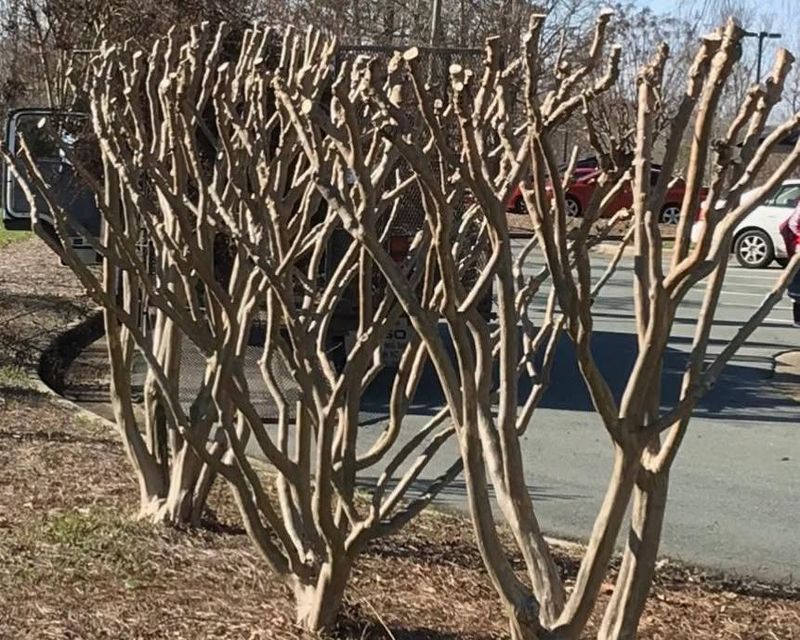
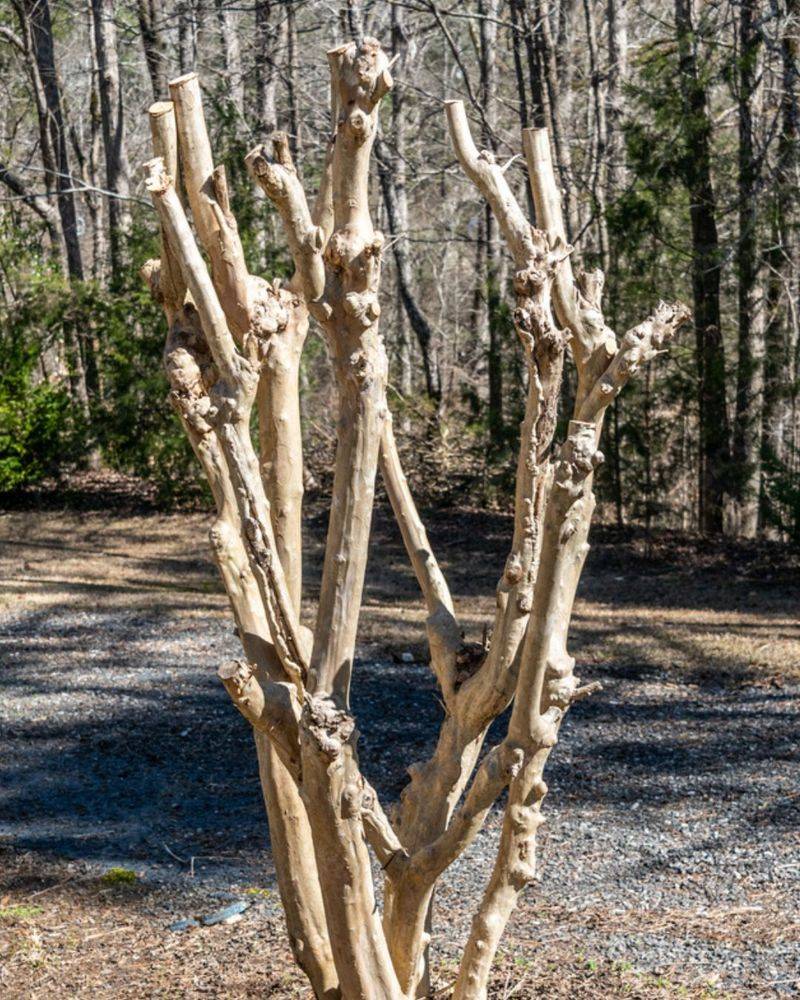
Drive around any neighborhood in late winter and you will spot it: crape myrtles chopped down to stubby, knuckled stumps. This harsh practice has an unkind nickname among gardeners, and for good reason. It hurts the tree far more than it helps.
Topping means cutting off the entire upper part of the tree into short, thick stubs. People do it thinking they are controlling size or boosting blooms, but the truth is the opposite. Those big wounds struggle to heal and open the door to decay.
What grows back looks nothing like a healthy tree. Instead of graceful limbs, you get thin, weak shoots crowding out of the stubs. These floppy branches cannot hold up heavy flowers, so they bend and sag in an unattractive way.
Topping also ruins the natural beauty crape myrtles are famous for. Their smooth, peeling bark and elegant branching form are lost forever once the tree gets butchered this way. You trade a stunning shape for an awkward, lumpy silhouette.
The good news is that gentle, thoughtful pruning gives you everything you actually want. A properly cared-for crape myrtle blooms beautifully without any drastic cutting at all.
If your tree is simply too big for its spot, the real fix is choosing a smaller variety next time. Crape myrtles come in many sizes, from shrubby types to tall ones. Pick the right one, and you will never feel tempted to top it again.
6. Remove Only What Is Actually Needed
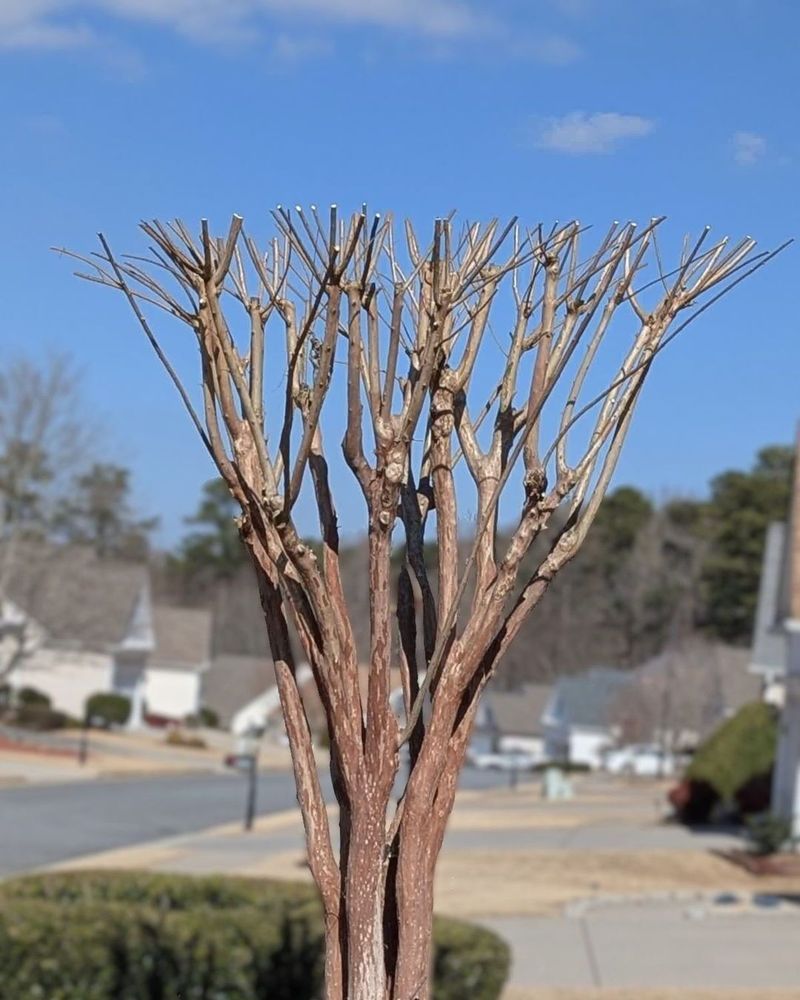
Less is truly more when it comes to pruning these trees. A crape myrtle does not need a heavy haircut every year to stay healthy. In fact, the best approach is often the lightest touch you can manage.
Focus your attention on branches that genuinely cause problems. Look for limbs that are damaged, broken, or clearly no longer growing. Removing those helps the tree stay strong and keeps it looking neat.
Crossing branches deserve a close look too. When two limbs rub against each other, they wear away the protective bark and create weak spots. Snipping one of them out prevents future wounds and lets air flow through the canopy.
Poorly placed shoots are another good target. Suckers that pop up from the base and skinny twigs growing straight up rarely add anything useful. Clearing them out tidies the tree and directs energy toward the branches that matter.
Beyond those specific fixes, resist the urge to keep cutting. Routine severe pruning stresses the plant and often triggers that weak, floppy regrowth nobody wants. Your goal is to guide the tree, not fight against it.
A helpful trick is to step back often as you work. Take a good look at the whole shape before making each cut, and remember that you can always trim a little more later.
By removing only what truly needs to go, you keep your crape myrtle graceful, open, and ready to bloom. This careful, minimal method saves you effort and rewards you with a naturally beautiful tree.
7. Wait Until Late Winter For Pruning

Timing your pruning right is honestly half the battle. In North Carolina, the sweet spot falls between late February and early March, just before the tree wakes up for spring. That short window gives you the best results.
At this point the crape myrtle is still dormant, resting quietly after the cold months. Cuts made now cause very little stress because the plant is not actively growing. It heals fast once warmer days arrive.
Waiting until late winter also means fresh spring growth has time on its side. New shoots emerge right after you prune, and they enjoy the entire warm season to mature and set flower buds. Nothing gets caught off guard by frost.
Another perk is visibility. With the branches bare, you can clearly see the tree’s framework and spot exactly which limbs need attention. That clear view makes shaping so much easier and more accurate.
Compare this to pruning too early in fall or winter. Cutting during a warm spell can trick the tree into growing, only for a hard freeze to damage those tender new parts. Waiting avoids that risky guessing game entirely.
Keep an eye on the calendar and the weather as winter fades. Once the worst cold has passed but before buds swell, grab your clean, sharp tools and get to work.
Sticking to this late winter schedule sets your crape myrtle up for a healthy, colorful year. It is a simple habit that pays off with stronger branches and brighter blooms every single summer.
8. Protect The Tree Instead Of Cutting It Back
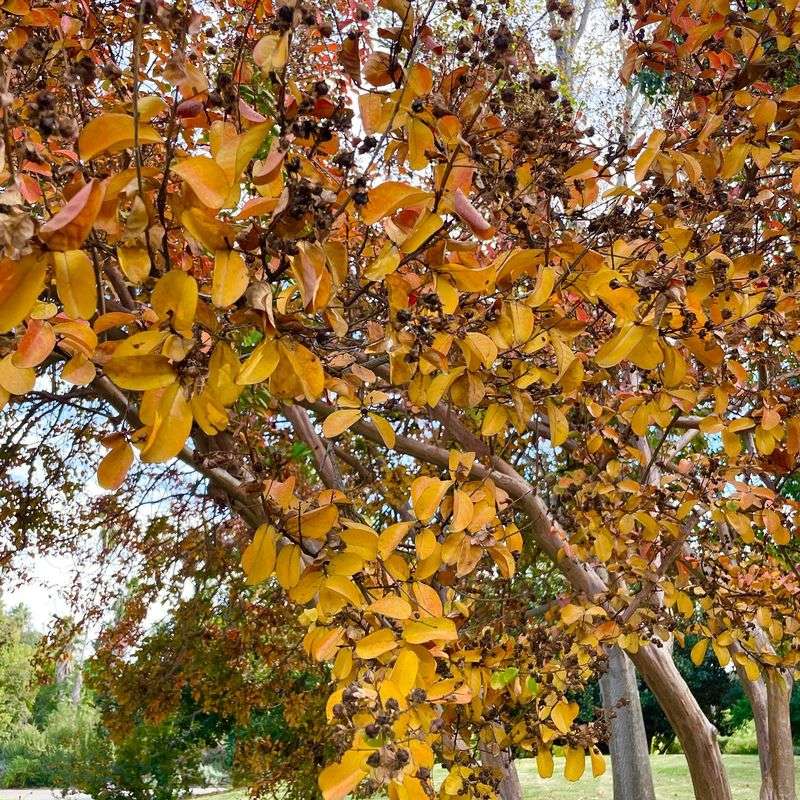
Fall care should be all about support, not scissors. Rather than reaching for your shears, think about what your crape myrtle really needs as the season winds down. The answer is comfort and strength, not a fresh trim.
Healthy roots come first. A layer of mulch spread around the base, kept a little away from the trunk, helps the soil hold warmth and moisture. Strong roots are the foundation for a tree that sails through the cold months.
Water still matters in fall, even as things cool off. If the season turns dry, give your tree a good, deep drink now and then. Well-hydrated roots handle temperature swings far better than parched ones.
Avoid anything that adds stress during this time. Heavy pruning, harsh fertilizers, and rough handling all push the plant to react when it should be settling in. The calmer you keep things, the smoother the transition.
Resist the temptation to force a new flush of growth too. Late feeding might sound helpful, but it only encourages tender shoots that cannot survive a freeze. Let the tree slow down at its own natural pace.
Clearing away fallen leaves and debris around the base is a nice finishing touch. It reduces hiding spots for pests and keeps the area tidy and healthy.
When you shift your focus from cutting to protecting, your crape myrtle enters winter calm, strong, and well prepared. Come spring, that gentle fall care shows up as vigorous growth and a tree bursting with color once again.