The Only Soil Amendment Worth Adding To Michigan Garden Beds This September
September in Michigan has a special feel. The air turns crisp, the light gets softer, and garden beds start asking for a little care after a long, busy summer.
Some soils are sticky after rain, while others seem to dry out in a blink. Either way, early fall is a smart moment to help the ground recover before cold weather settles in.
A lot of gardeners feel tempted to toss in all kinds of products. Yet one simple choice does more for texture, moisture, and next season’s planting than a whole shelf of flashy bags.
Think of it as giving your garden a cozy blanket and a hearty meal at the same time. Pick the right addition now, and spring planting can feel less like hard labor and more like a fresh start.
Compost Restores Balance To Worn-Out Soil
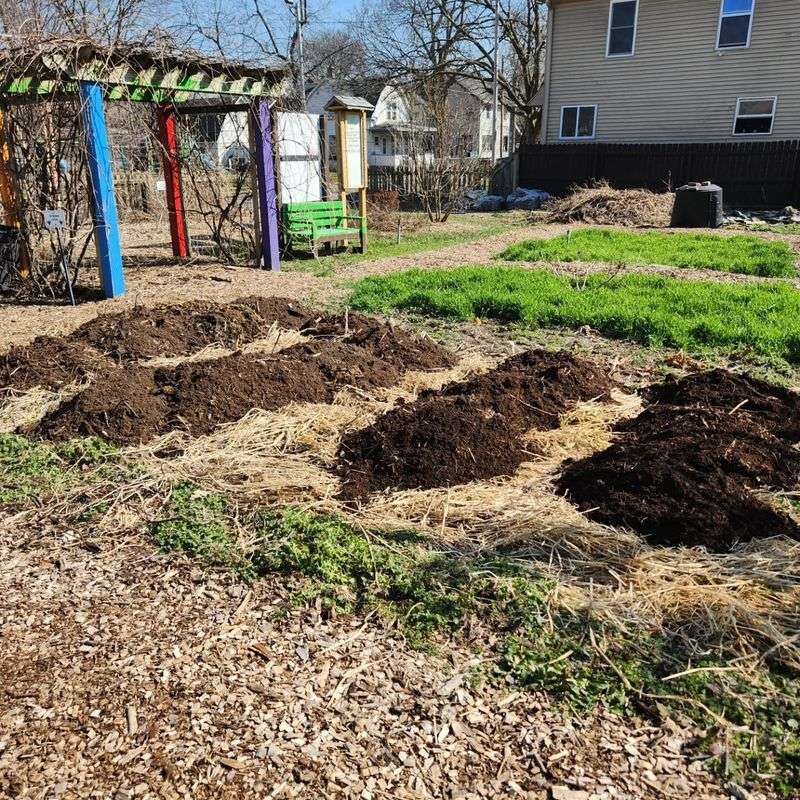
By September, Michigan garden beds often feel worn down after a long season of heat, heavy rain, and steady feeding. Clay soil turns sticky underfoot, while sandy patches seem to dry out within days.
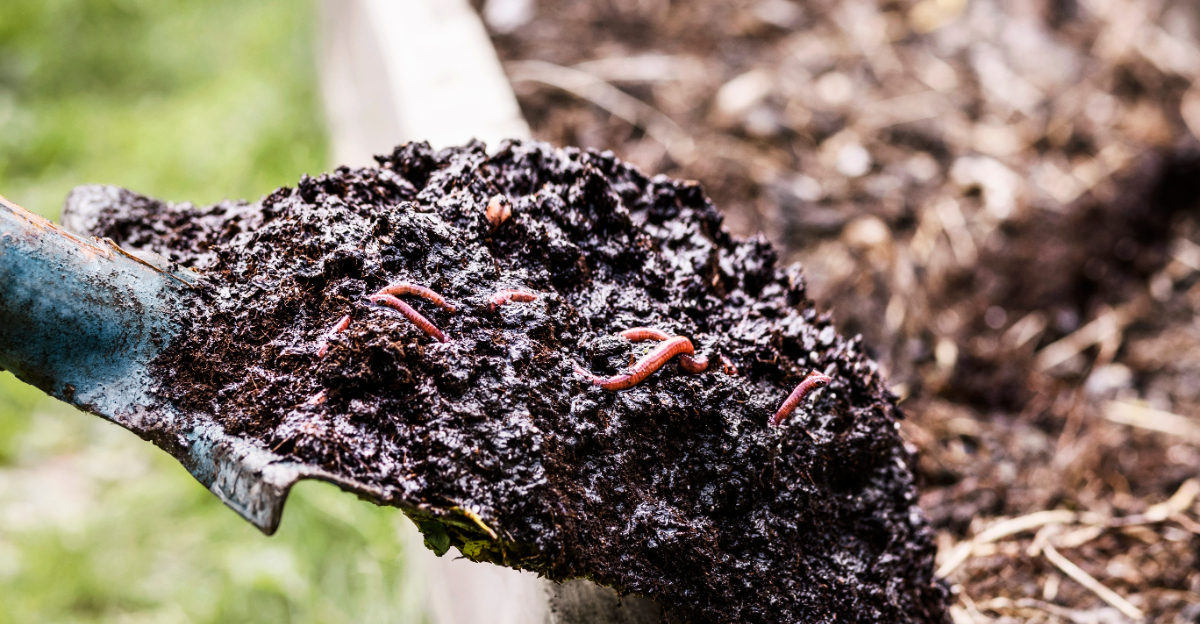
Compost works differently than fertilizer because it feeds the whole system rather than only the plants growing in it. It loosens dense soil, helps sandy ground hold onto water, and gives beneficial organisms a reason to stay active.
This steady supply of organic matter smooths out those extremes over several weeks. Beds that felt exhausting to dig in midsummer start responding with looser texture and better drainage by fall.
That kind of balance sets up everything else in the seasonal routine. As soil structure improves, moisture and nutrients move through it more evenly, supporting roots long after summer ends.
Worms and soil microbes respond quickly to this kind of amendment, breaking down organic material and cycling nutrients back into the root zone. Their activity keeps improving soil health well after the compost is first applied.
Michigan’s shifting fall temperatures make this extra support especially useful. A bed with strong structure handles freeze and thaw cycles far better than soil left thin and compacted.
Gardeners who add compost now are not chasing a quick fix for one season. They are building a foundation that carries plants through cooler weather and sets up stronger growth once spring planting begins.
Michigan Soil Conditions That Call For Compost
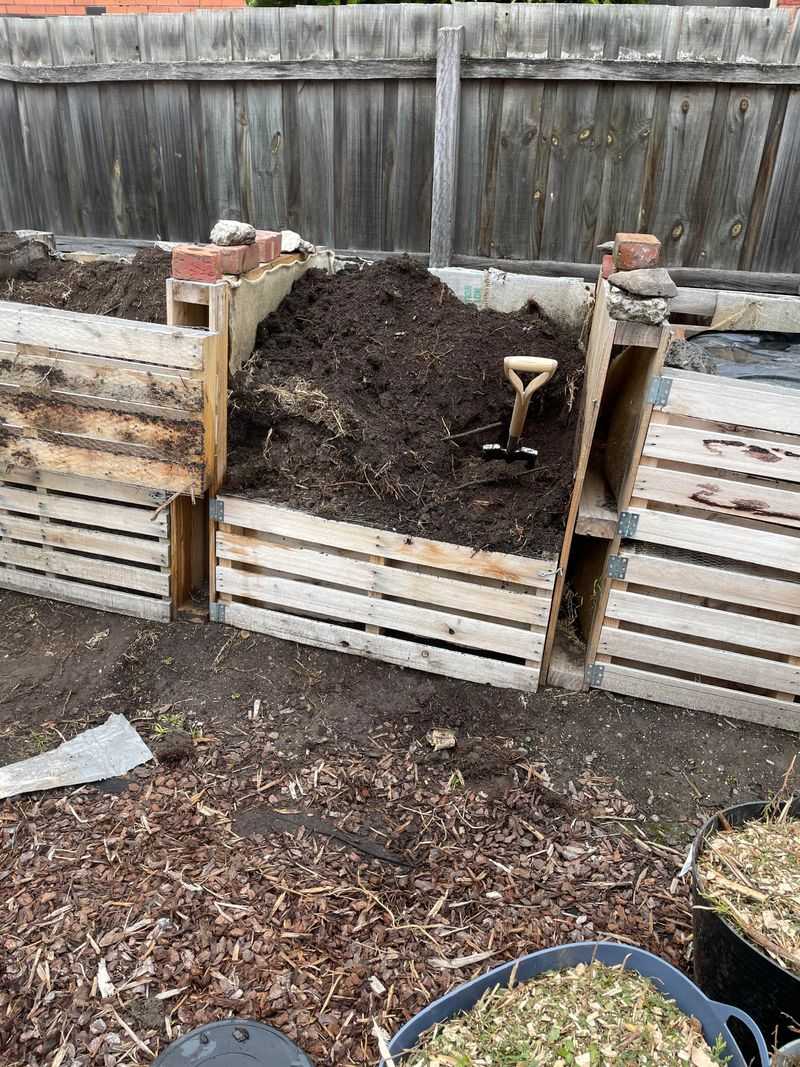
Home gardens across Michigan cover a wide range of soil types, from dense clay in southern regions to sandy ground near the Great Lakes shoreline. Each type responds to a long growing season in its own way.
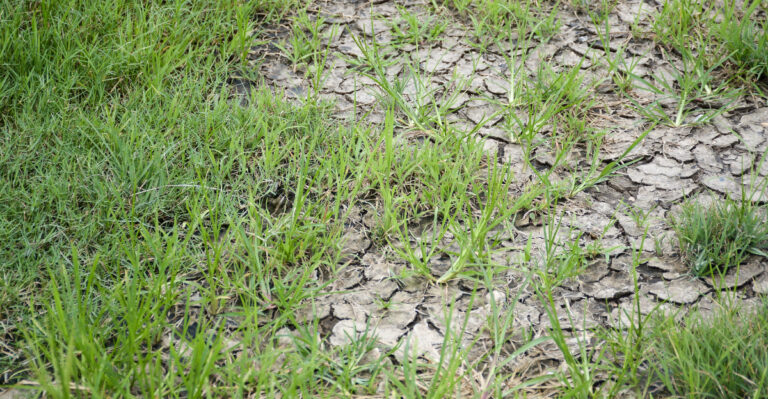
Clay-heavy beds often compact under repeated watering and foot traffic, leaving little room for air or roots to move. Water tends to pool on the surface instead of soaking in evenly.
Sandy soil faces the opposite problem, draining so quickly that nutrients wash away before plants can use them. Frequent summer watering can make this even more pronounced by September.
Heavy producers like tomatoes, squash, and flowering perennials pull nutrients from the soil all season long. By fall, many beds are noticeably thinner than they were back in May.
Your Michigan Garden Changes Every Week. Your Plan Should Too.
Gardening in Michigan changes quickly throughout the season. Every Friday you’ll receive a simple weekly plan showing exactly what to plant, prune, fertilize, harvest, and protect so you never miss the right timing.
Compost addresses both extremes at once instead of targeting just one soil type. It adds structure to clay while helping sandy soil hold moisture and nutrients longer.
Testing soil texture by hand is a simple way to see where a bed stands right now. Soil that clumps tightly or crumbles apart too easily both benefit from an added layer of organic matter.
Recognizing these patterns early makes it easier to plan compost use across an entire yard rather than guessing bed by bed.
A short walk through the garden after removing summer plants often reveals which areas need the most attention before winter sets in.
The Best Timing For This Fall Addition
September offers a rare combination for Michigan gardeners: soil that is still warm from summer, paired with air that feels far more comfortable to work in. That balance makes outdoor tasks less draining than they were in July.
Warm soil keeps microbial activity high, which means compost starts breaking down and blending into the bed almost right away. Waiting until soil cools significantly in late fall slows this process down.
Fall rain also plays a helpful role during this window. Steady moisture carries nutrients from the compost layer down toward the root zone without extra watering from the gardener.
Adding compost several weeks before the first hard frost gives it time to settle before winter dormancy begins. This head start means beds are already improving by the time spring planting rolls around.
Waiting until spring to apply compost is not a mistake, but it skips months of quiet improvement that could otherwise happen over the winter. Fall application simply makes better use of the calendar.
Marking a specific weekend in September for this task helps it actually happen instead of sliding into a long list of other fall chores.
Beds located in shadier parts of the yard may hold warmth a little longer, offering some flexibility for gardeners working through several planting areas one at a time.
Even a slightly later application still gives compost more time to work than skipping the fall step altogether.
Applying Compost The Right Way
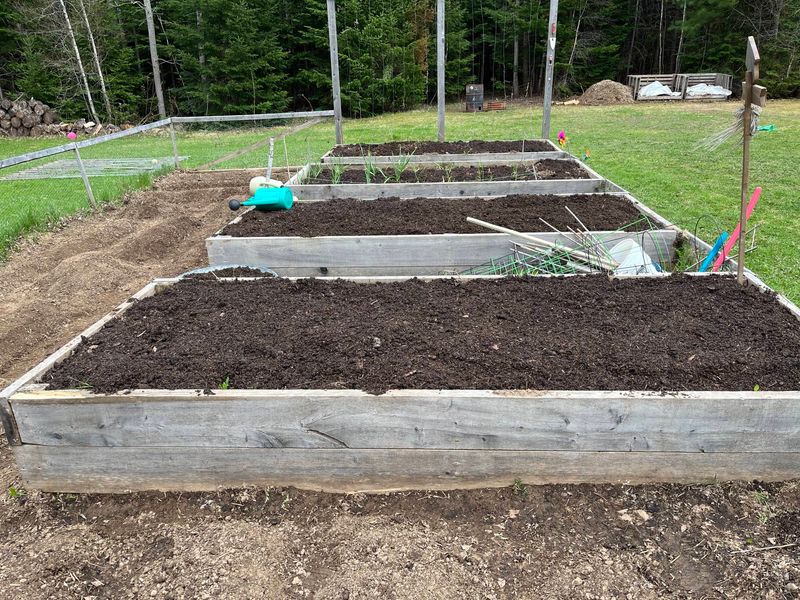
Spreading compost evenly matters more than adding a thick layer all at once. A layer between one and two inches across the bed is usually enough to make a noticeable difference by spring.
Working the compost into the top few inches of soil helps it connect with existing roots and soil life more quickly. A hand fork or light tilling motion is usually all that is needed.
Beds with established perennials call for a gentler touch near the base of each plant. Piling compost directly against stems can trap excess moisture and invite problems later on.
Vegetable beds that are already cleared of summer plants are the easiest to work with, since there is nothing to work carefully around. This makes early fall a convenient time to tackle these areas first.
Soil that is extremely wet or already frozen is not the right moment for this task. Waiting for a dry, workable afternoon leads to better mixing and less compaction underfoot.
A wide rake helps distribute compost more evenly across larger beds than a shovel alone. Taking time with this step pays off once the layer is worked into the soil.
Container gardens and raised beds benefit from the same approach, just with smaller amounts scaled to their size. A one-inch layer usually fits these tighter spaces well.
Once the compost is mixed in, a light watering helps settle everything into place before the next round of fall rain arrives.
Recognizing Compost That’s Ready To Use
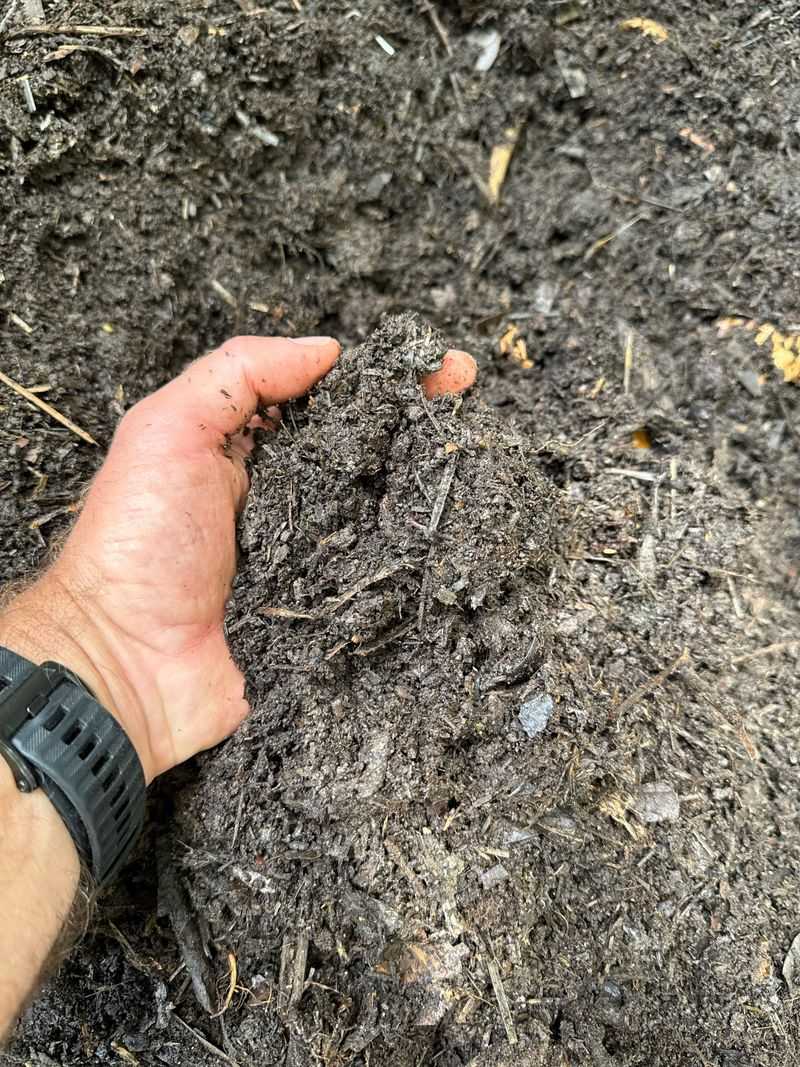
Finished compost has a distinct look and smell that sets it apart from material still breaking down. A rich, earthy scent similar to a forest floor after rain is one of the clearest signs.
Texture matters just as much as smell. Compost that is ready to use crumbles easily between the fingers instead of clumping into wet, heavy chunks.
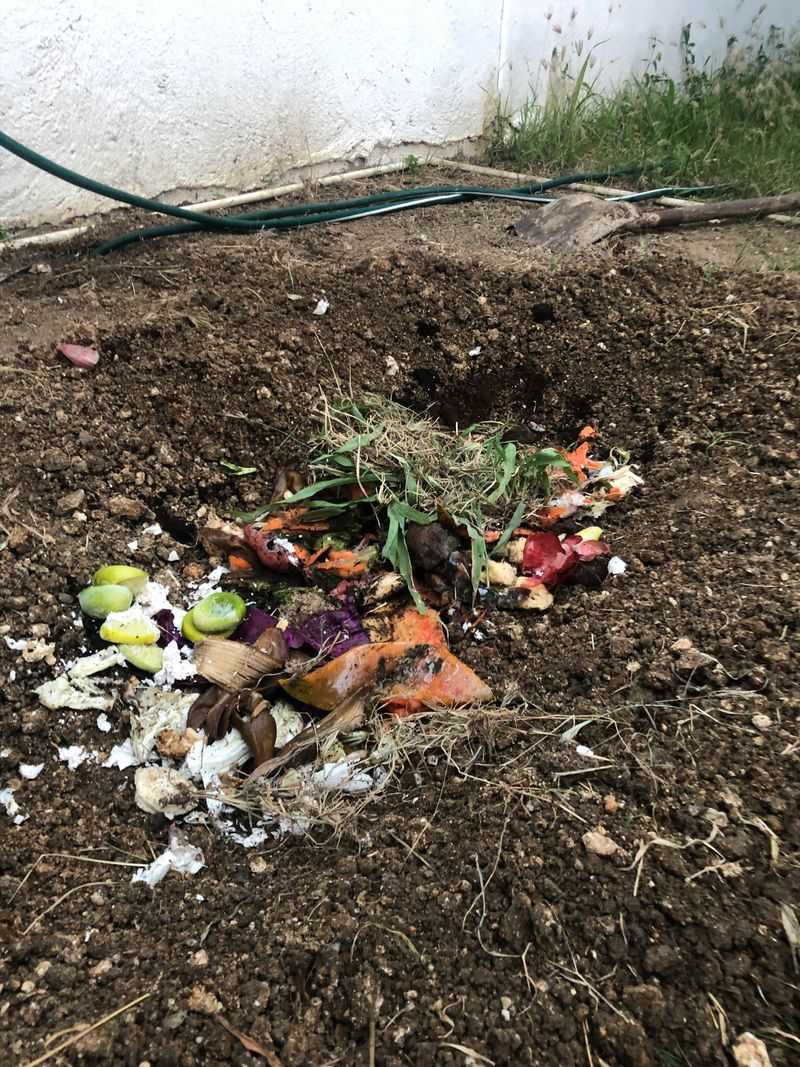
Recognizable pieces of food scraps or yard waste suggest the material needs more time before it goes into a garden bed. Fully broken-down compost should look uniform and dark throughout.
A sour or swampy odor is a sign that something went wrong during the breakdown process. That kind of compost is better left to finish decomposing rather than spread right away.
Homemade compost is a great option when it meets these signs of readiness. Backyard piles that have had several months to break down often produce excellent material for fall beds.
Bagged or bulk compost from a garden center works well too, as long as the source is reliable. Checking that it comes from clean yard waste or food scraps, without other debris mixed in, is worth the extra minute.
Local garden centers can often answer questions about how their bulk compost is made, which helps gardeners feel more confident about what they are adding to their soil.
Taking a moment to check quality before spreading saves time later, since poor compost can slow down soil improvement instead of speeding it along.
Locking In Moisture With A Mulch Layer
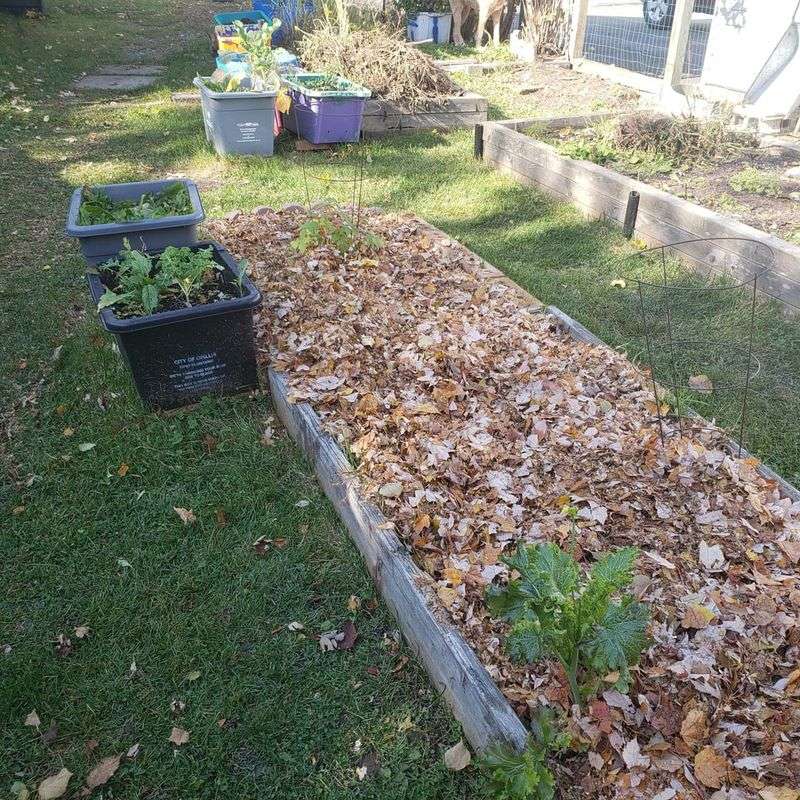
A layer of mulch spread over fresh compost helps lock moisture in place during unpredictable fall weather. Without this cover, rain and wind can wash nutrients away before soil life has a chance to use them.
Shredded leaves, straw, or bark mulch all work well for this step, and fallen leaves are often the most convenient option in September. A two to three inch layer is usually enough coverage.
Mulch also keeps soil temperature steadier as the season shifts. This matters most during the freeze and thaw cycles that Michigan often sees heading into late fall.
Beds with mulch tend to stay easier to work in once cold weather arrives, since the surface does not crust over as quickly. That difference becomes noticeable the next time gardening tasks call for digging.
Weeds also have a harder time establishing themselves under a solid mulch layer, which means less competition for nutrients once spring planting begins. Less time spent weeding in April is a welcome trade for one afternoon of fall coverage.
This combination of compost and mulch works together rather than as two separate steps. One feeds the soil while the other protects that investment through the colder months ahead.
Checking mulch depth again in late fall, after leaves settle and compact naturally, helps confirm coverage is still adequate before winter fully arrives.
A well-mulched bed heading into winter often means less repair work waiting in early spring, leaving more time for planting instead of soil recovery.