The Spots In Michigan Yards Where Ticks Are Most Likely Hiding
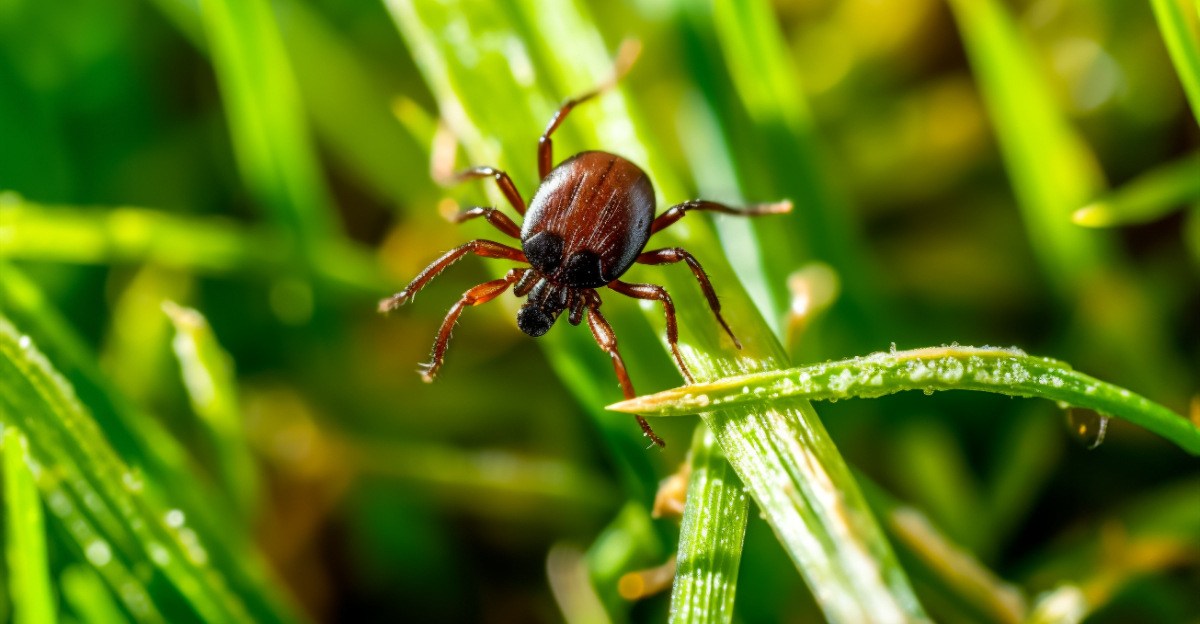
Ticks in Michigan don’t distribute themselves evenly across a yard, and knowing where they actually concentrate changes how you think about prevention entirely.
Most people focus on the lawn itself, keeping grass short and staying out of obvious wooded areas.
But the spots where ticks are most likely waiting in a typical Michigan yard aren’t always the ones that come to mind first.
They’re specific, predictable, and present in the majority of residential properties across the state regardless of how well maintained the yard looks overall.
Some of them are places you walk through or work in regularly without giving them a second thought.
Identifying these spots and understanding why ticks prefer them gives you a much more targeted way to approach the problem than treating the whole yard as one uniform risk zone.
1. Tall Grass And Overgrown Lawn Edges
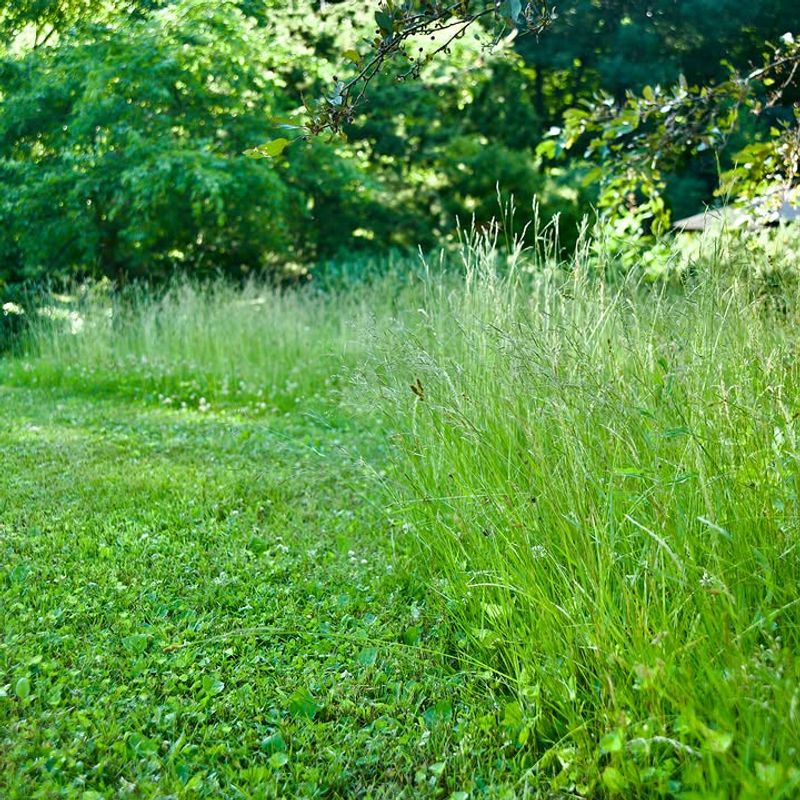
Picture walking barefoot through your backyard and brushing against a patch of grass that reaches your knees. That shaggy strip along your fence or garden bed is not just an eyesore.
It is one of the most common places ticks wait for a passing host in Michigan yards.
Ticks cannot jump or fly. Instead, they perch on the tips of grass blades and low vegetation in a behavior called questing, stretching their front legs out and waiting for contact.
Tall, dense grass creates a shaded, humid microclimate near the soil surface where ticks can stay hydrated and active much longer than they could in open, sunny turf.
Keeping your lawn mowed regularly makes a real difference. For Michigan cool-season grasses like Kentucky bluegrass or tall fescue, aim for a height between 2.5 and 3.5 inches.
Never cut off more than one-third of the blade at once, since that stresses the lawn. Mowing every five to seven days during the growing season keeps things tidy.
Do not forget the edges. The strips where your lawn meets a brush pile, garden bed, path, shed, or wooded area are especially important to trim.
A string trimmer works well for those awkward spots a mower cannot easily reach. Staying consistent with edging is one of the simplest and most effective habits you can build.
2. Leaf Litter And Yard Debris
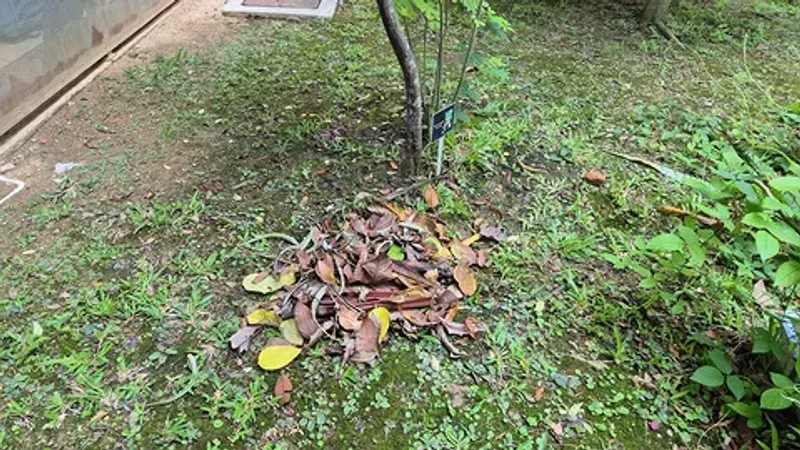
Autumn in Michigan is stunning, but all those fallen leaves piling up in your yard can quietly create a tick-friendly environment that lingers well into the following spring.
Leaf litter holds moisture, insulates the soil, and gives small mammals like mice and chipmunks the perfect shelter.
Since these animals can carry ticks, a debris-filled yard can become a hotspot faster than most people realize.
Fallen branches, old weeds, loose sticks, and forgotten garden scraps add to the problem. Any damp, shaded organic material stacked near patios, play sets, dog runs, or fence lines is worth cleaning up.
The goal is not a perfectly bare yard, but rather removing unnecessary buildup in the spots where your family spends the most time.
A practical schedule helps. In spring, rake out beds and remove winter debris before tick season peaks.
Your Michigan Garden Changes Every Week. Your Plan Should Too.
Gardening in Michigan changes quickly throughout the season. Every Friday you’ll receive a simple weekly plan showing exactly what to plant, prune, fertilize, harvest, and protect so you never miss the right timing.
Through summer, pick up grass clippings, pulled weeds, and fallen fruit regularly. In fall, bag or compost leaves promptly rather than letting them sit in deep piles.
If you use leaf mulch in garden beds, keep it away from high-traffic areas like walkways, swing sets, and seating spaces. Municipal yard-waste pickup is a convenient option for large amounts of material.
Contained composting works well too, as long as the pile stays managed and is located away from areas where kids and pets play regularly.
3. Dense Shrubbery, Hedge Rows, And Overgrown Foundation Beds
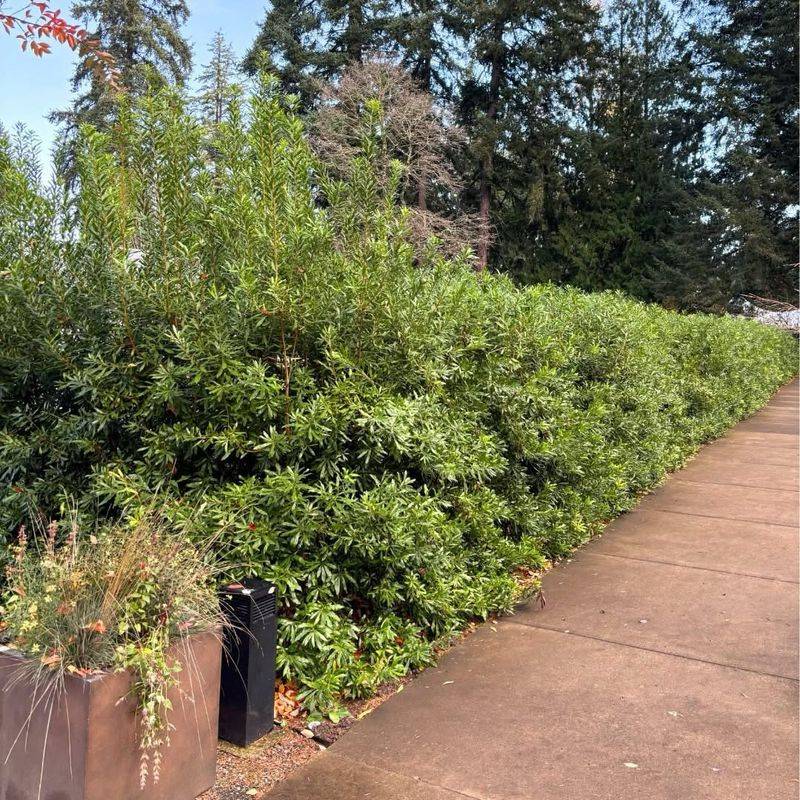
Thick foundation plantings look lush, but when shrubs crowd together and branches hang low to the ground, they create exactly the kind of shaded, humid environment where ticks do well.
Deer, mice, chipmunks, and rabbits also love these dense areas because they offer protected travel routes right alongside your house.
The combination of wildlife activity and heavy vegetation near the foundation is worth paying attention to. Ticks hitching rides on these animals can drop off into your garden beds and then end up on anyone who walks through or works nearby.
Overgrown perennial borders present a similar situation, especially when plants flop over pathways, patios, or children’s play spaces.
Good pruning habits make a noticeable difference. Removing withered wood, lifting low-hanging branches, and thinning crowded stems all improve airflow and let sunlight reach the soil, which helps the area dry out faster after rain.
Cutting back sprawling perennials and keeping plants from spilling onto walkways removes the places ticks and their hosts like to travel.
The goal is not to strip every shrub from your yard. Healthy, well-spaced foundation plants still look beautiful and support pollinators.
Spacing plants properly, thinning stems each season, and keeping the ground beneath shrubs clear of heavy leaf buildup is really all it takes. Better airflow and visibility go hand in hand with a lower-risk landscape.
4. Garden Edges Adjacent To Woods
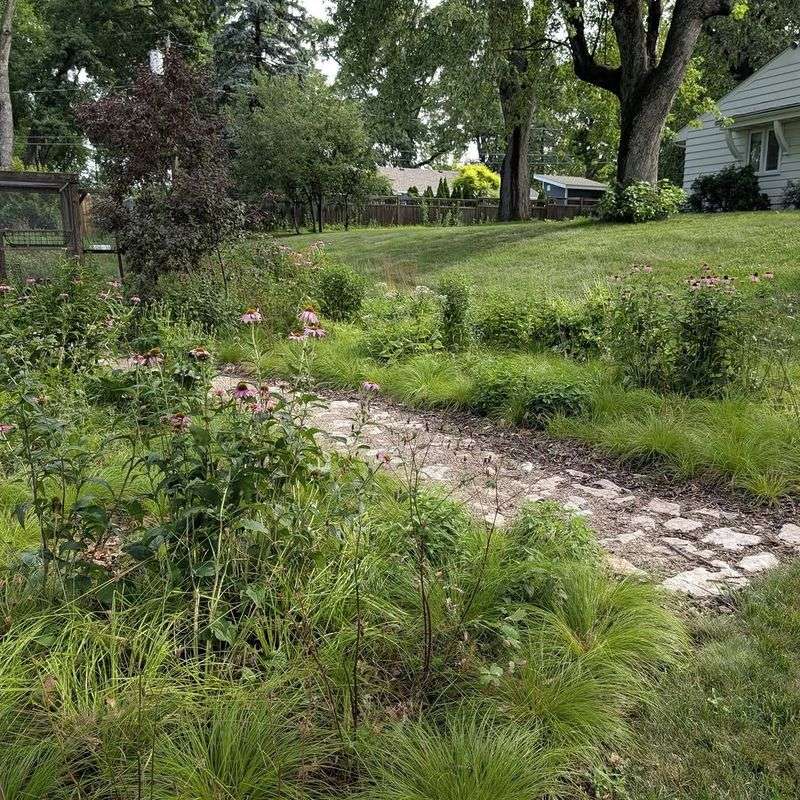
If your yard backs up to a wooded area, that narrow strip where the lawn meets the trees is one of the highest-risk tick zones on your entire property.
Ticks do not travel long distances on their own, but deer, mice, birds, and other wildlife carry them right to the edge of your mowed lawn and beyond.
The transition zone between wooded habitat and open grass is where tick activity tends to concentrate.
Leaf litter, brush, and shade from the tree line create the humid conditions ticks prefer, while the steady flow of wildlife along that corridor keeps bringing new ticks in throughout the season.
It is a busy intersection that most homeowners walk past every day without a second thought.
One of the most widely recommended strategies from public health and integrated pest management sources is creating a dry buffer strip, roughly three feet wide, between the wooded edge and your recreational lawn.
Wood chips or gravel work well for this. The dry material is less hospitable to ticks and also signals a clear visual boundary between managed and natural areas.
Maintain the strip by pulling weeds, removing leaf buildup, and refreshing decomposed mulch each season. Pairing the barrier with regular mowing and consistent leaf cleanup along the border makes it even more effective.
A little attention to this one zone can reduce your family’s contact with ticks significantly over a whole season.
5. Compost Piles And Brush Piles
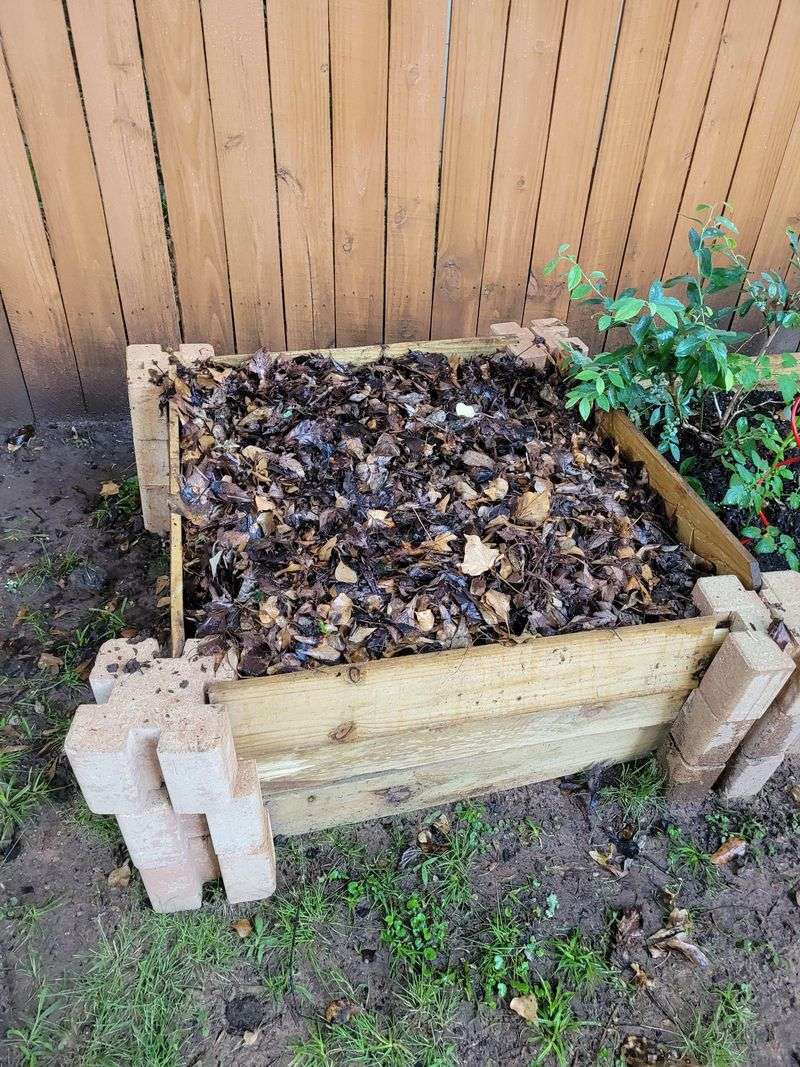
Compost is one of the best things you can add to a Michigan garden, but a soggy, neglected pile tucked into a shady corner can become a shelter for the small mammals that ticks often travel on.
Ticks are not attracted to compost itself. The real concern is that moist, dense organic material is appealing to mice, voles, and chipmunks, and where those animals go, ticks can follow.
Brush piles share the same issue. A heap of fallen branches and yard trimmings left in a damp, shaded spot creates a cozy refuge for rodents.
If that pile sits close to a patio, garden path, or play area, the risk of tick contact goes up for anyone spending time nearby.
Managing your compost well reduces the problem considerably. Using a contained bin with a lid keeps rodents out more effectively than an open pile.
Turning the compost regularly, balancing wet green material with dry brown material, and covering fresh food scraps all help keep conditions less attractive to wildlife. Keeping the surrounding grass trimmed also helps.
Locating your compost bin and any brush storage away from high-use spots like decks, play sets, and seating areas is a smart habit. You do not need to give up composting.
A well-run pile is still a fantastic gardening tool. Just a few management tweaks make it far less likely to become a wildlife magnet in your yard.
6. Moist, Shady, Poorly Drained Spots
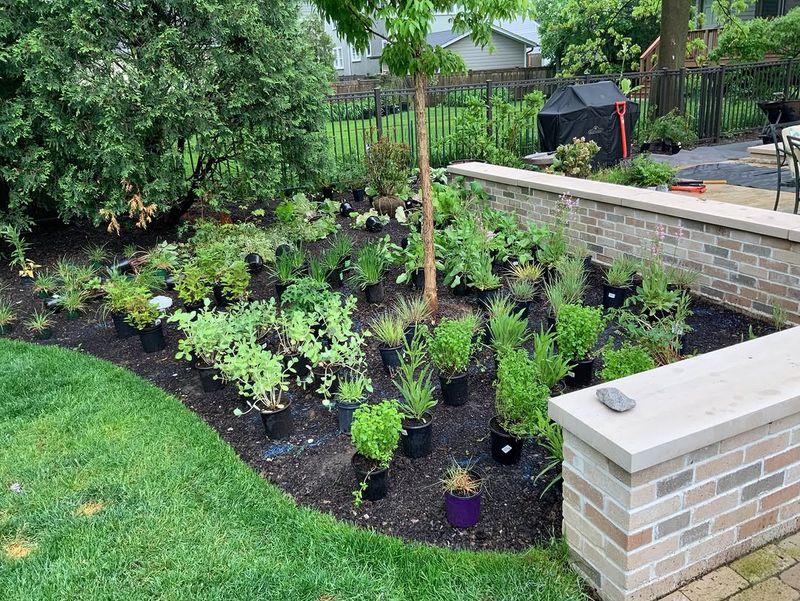
Shade alone is not the issue. What really matters to ticks, especially the blacklegged tick common in Michigan, is the combination of shade, moisture, dense ground cover, and animal activity all happening in the same spot.
Low-lying areas that stay wet, poorly drained corners beneath heavy tree canopies, and brushy zones that never fully dry out are worth keeping on your radar.
Ticks are surprisingly sensitive to dry conditions. They can lose body moisture quickly in open, sunny, breezy areas, which is why they tend to avoid those spots.
A shaded hollow that holds rainwater for days after a storm, or a corner of the yard where the soil stays perpetually damp, gives ticks a much better chance of surviving and staying active.
Improving drainage in problem areas pays off in more ways than one. Extending downspouts away from low spots, filling in ruts, and aerating compacted soil all help water move through rather than pool.
Thinning low branches to let more sunlight reach the ground also speeds up drying after rain.
Replacing dense, weedy ground cover in these areas with better-spaced plants improves airflow and makes the space less hospitable overall. Avoid running irrigation systems on a heavy schedule in already-shady spots.
The goal is simply to reduce the prolonged dampness that gives ticks their best chance of surviving between hosts throughout the warm season.
7. Unmaintained Pathways, Fence Lines, And Garden Borders
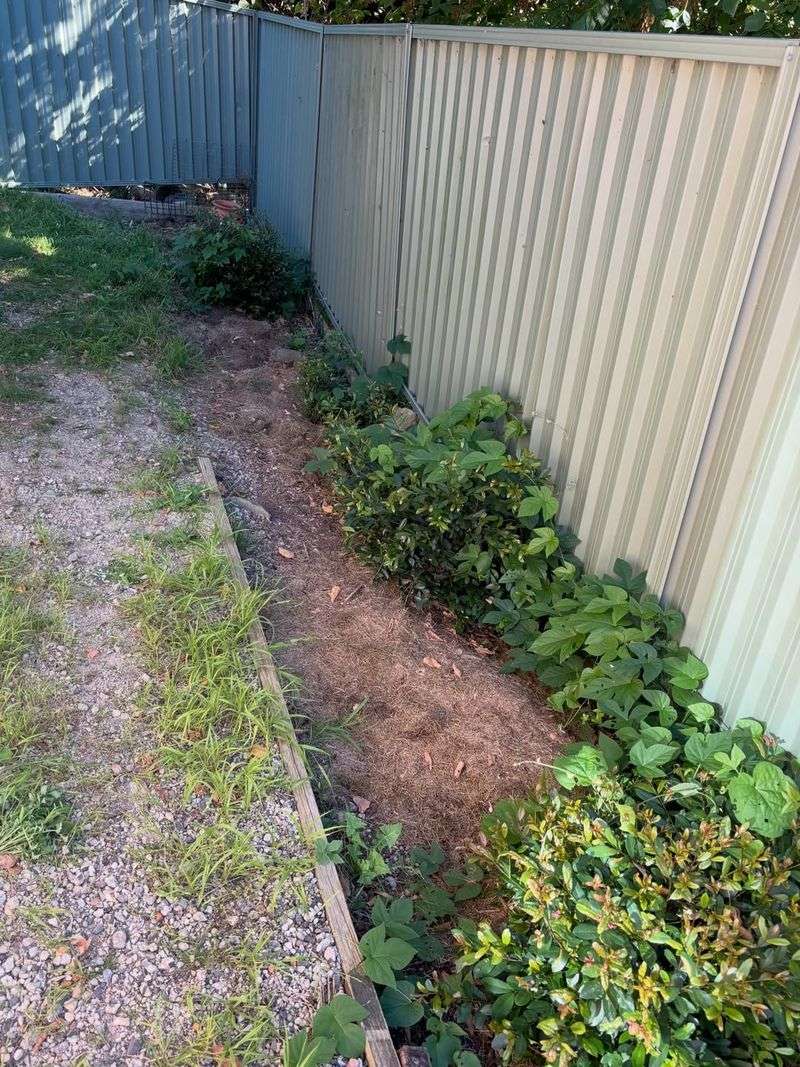
Fence lines, side yards, and narrow garden borders have a way of becoming invisible during regular yard maintenance.
The lawn mower misses them, cleanup time runs short, and before long those strips are filled with tall weeds, leaning plants, and layers of old leaves.
These overlooked zones stay shaded and damp, which makes them genuinely appealing tick territory.
Paths that cut through the yard are another spot worth checking. When plants flop over a walkway or grass creeps in from the sides, people and pets brush against that vegetation every time they walk through.
That kind of repeated contact with overgrown edges is exactly how ticks find their way onto clothing and fur.
String-trimming fence lines on the same schedule as mowing keeps those strips from getting out of hand. Widening paths slightly so they stay open and sunny also helps.
Cutting back any plants that lean into walkways and removing leaf buildup from along hardscape edges like patios, driveways, and stone borders reduces the damp cover ticks prefer.
Refreshing mulch or gravel along borders keeps the surface dry and tidy. Where possible, routing frequently used walkways through open, sunny areas rather than shaded corridors is a simple way to lower contact risk.
Consistent attention to these easy-to-miss strips throughout the season keeps them from quietly becoming the most tick-prone parts of your yard.
8. Bird Feeders, Woodpiles, And Wildlife Feeding Areas
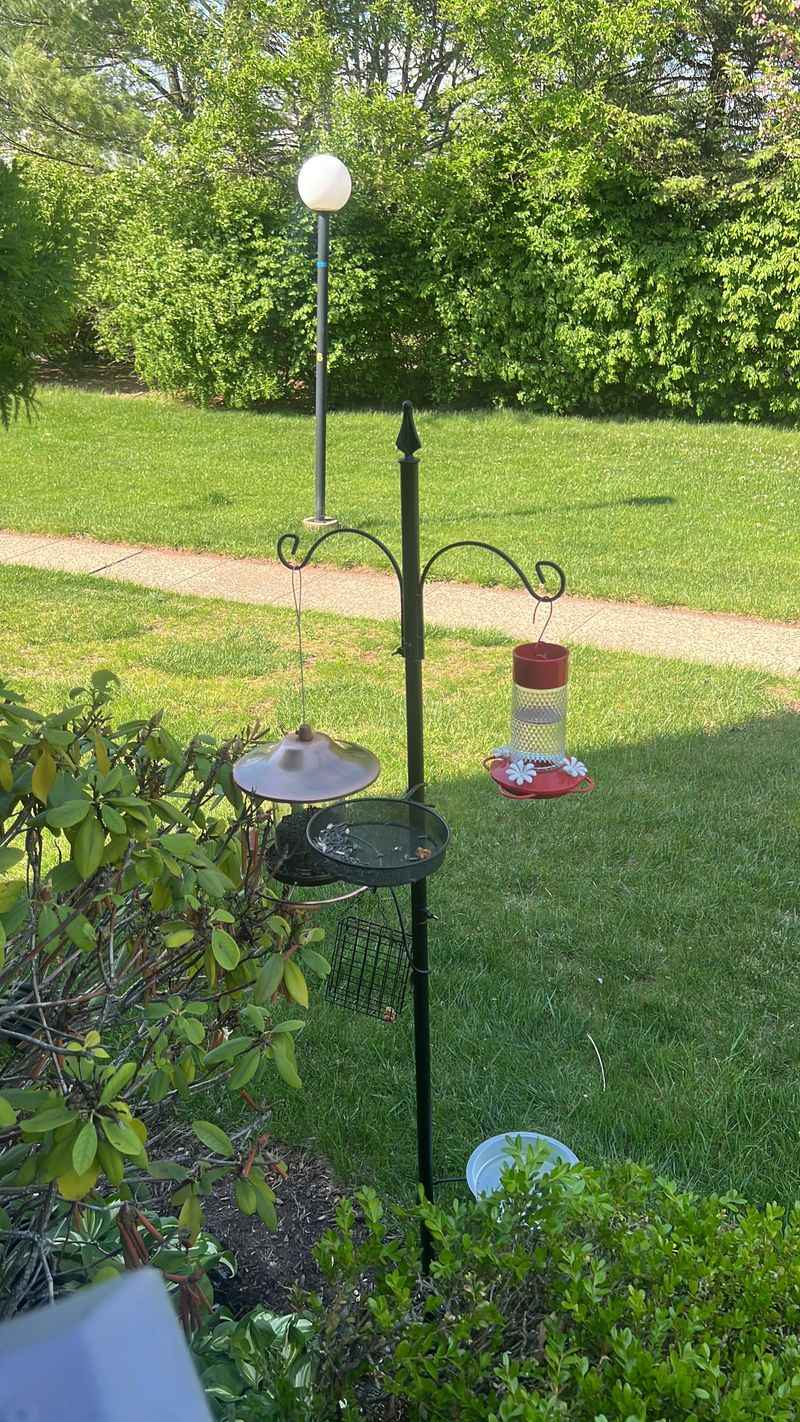
Bird feeders bring joy and color to a Michigan yard, but spilled seed on the ground is an open invitation for mice, chipmunks, squirrels, and deer.
Each of these animals can carry ticks into your landscape, and when they visit regularly near your patio or play area, the chances of ticks dropping off in those spots increases over time.
Woodpiles create a similar situation. Stacked firewood is a favorite shelter for rodents, especially when the pile sits on damp ground in a shady corner close to the house.
Ticks that ride in on mice can end up right at the edge of your most-used outdoor spaces without anyone noticing.
A few placement and management habits make a real difference. Moving feeders and woodpiles away from patios, decks, and play sets puts more distance between wildlife activity and the places your family spends time.
Using a seed catch tray under feeders reduces the ground-level spill that draws rodents in. Cleaning up fallen seed regularly also helps.
Stack firewood neatly on a raised rack in a dry, sunny location rather than directly on damp soil in the shade. Removing dense brush or weedy cover around feeding areas reduces the shelter wildlife needs to linger.
Birds and backyard wildlife are a wonderful part of outdoor life, but keeping concentrated food and cover away from high-use zones is a smart and simple adjustment.
9. Around Pet Resting And Play Areas
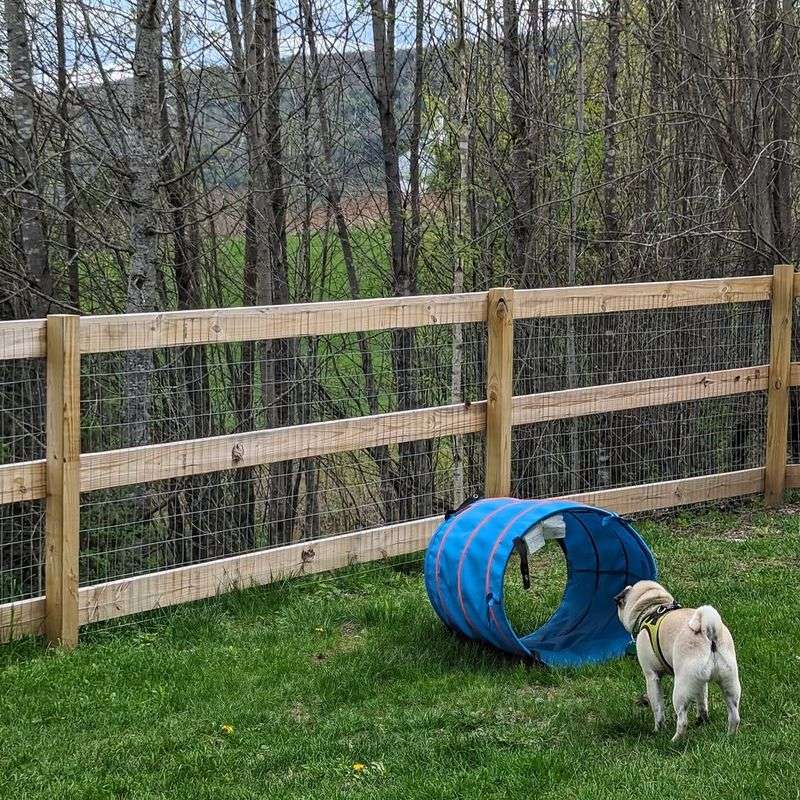
Pets spend a lot of time rolling in the grass, sniffing along fence lines, and lounging in their favorite shady spots. All of that outdoor activity puts them in frequent contact with the areas of your yard most likely to harbor ticks.
Dogs and cats are not attracting ticks to your yard, but they are very efficient at picking them up from tall grass, leaf piles, brushy edges, and wildlife corridors. Dog runs and outdoor kennels deserve the same attention as the rest of the yard.
Grass inside a run that goes unmowed, leaf piles that build up against the fence, or shrubs crowding the kennel edges all create the conditions where ticks can survive and wait.
Surfacing a dog run with clean gravel or short-cut grass and keeping the surrounding vegetation trimmed goes a long way.
Washing outdoor pet bedding regularly removes any ticks that may have hitched a ride inside on fabric.
Placing pet resting areas away from wooded borders and heavy shade gives ticks fewer chances to make contact in the spots your animals use most.
Removing leaf litter from around the kennel and trimming nearby shrubs keeps the area open and less hospitable. Checking your pets after every outdoor adventure is a habit worth building.
Veterinarian-approved tick prevention products for dogs and cats remain one of the most reliable layers of protection available, working alongside your yard maintenance routine to keep the whole family safer.