What It Means When Crows Suddenly Gather In Your Michigan Yard
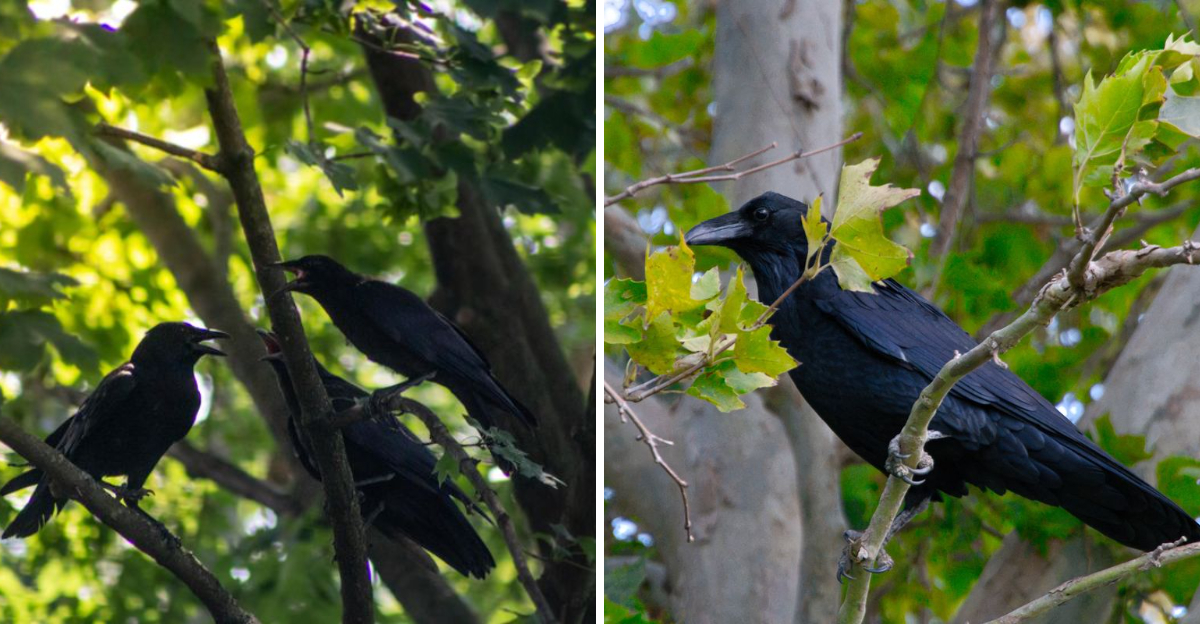
If you’ve stepped outside recently and noticed a whole crowd of crows gathered in your Michigan yard, you’re probably not imagining that it feels a little unusual.
One or two crows passing through is normal enough, but when a large group suddenly shows up together, it tends to grab your attention and leave you wondering what’s going on.
These birds are famously intelligent, and their behavior is rarely random, even when it looks that way at first glance.
There are actual reasons crows congregate the way they do, and understanding them can turn a slightly eerie moment into a genuinely interesting one.
Sometimes it points to something happening in the environment around your home, and sometimes it’s simply part of their natural social patterns. Either way, learning what draws them together can change how you see these visits entirely.
Once you know the signs to look for, a yard full of crows starts to feel a lot less puzzling.
1. They May Be Joining A Winter Roost
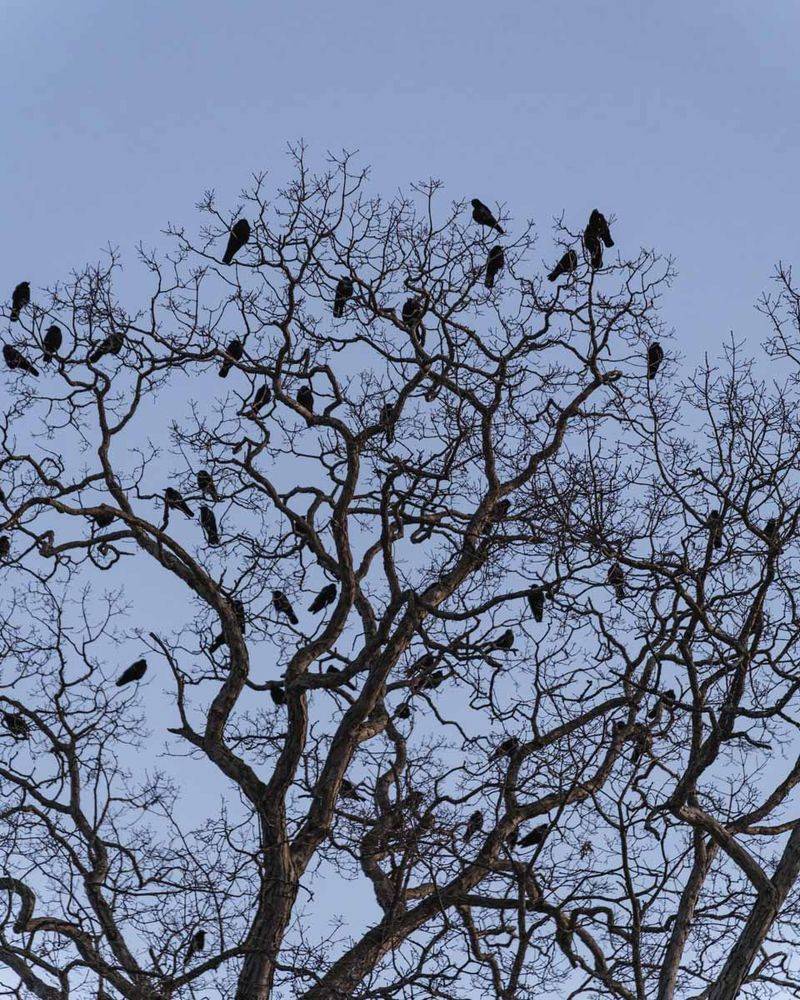
Cold Michigan evenings bring one of nature’s coolest shows. As fall slides into winter, crows begin forming huge nightly gatherings called roosts. Thousands of birds can pack into a small area of trees, and your yard might sit right along their path.
Roosting together gives crows some real advantages. There is safety in numbers, so more eyes can watch for hawks, owls, and other threats. When one bird sounds the alarm, the whole group knows to react fast.
Warmth plays a part too. Huddling close helps crows share body heat on freezing nights, which makes the long winter easier to handle. Michigan winters can be harsh, so every bit of shared comfort counts.
Roosts also work like busy news centers. Crows are smart, and scientists believe they swap information about where food can be found. A hungry bird can simply follow well fed neighbors to a good spot the next morning.
Your yard may be a resting stop before the crows head to their main roost, or it might be part of the roost itself. Either way, the gathering is a normal seasonal habit, not a strange event.
If you enjoy watching wildlife, grab a warm drink and observe the swirl of black wings at dusk. The sight of hundreds of crows settling in for the night is one of Michigan’s quiet winter wonders, and your yard just earned a front row seat.
2. The Season May Be Changing Their Behavior
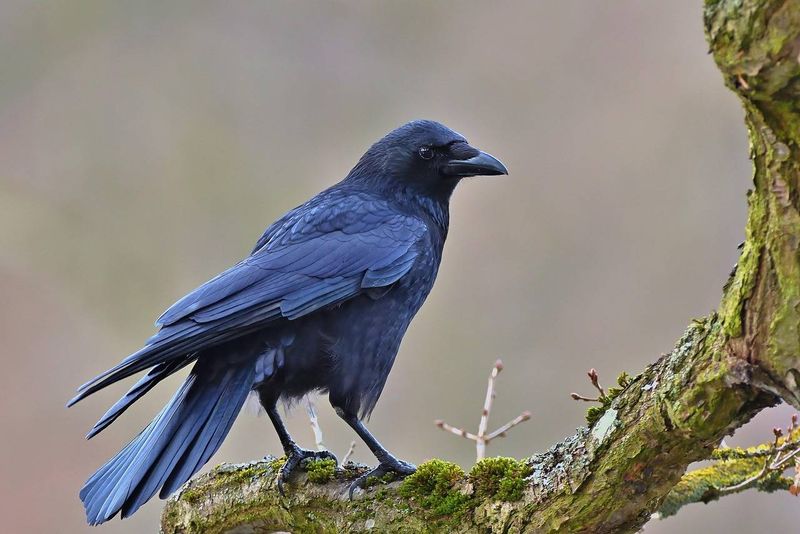
Timing explains a lot about crow behavior. During spring and early summer, crows split into pairs and small families to raise their young. They stay spread out and protective, guarding their nests and keeping to themselves.
Once the breeding season wraps up, everything shifts. The young birds have grown, and the pressure to defend a nest disappears. Suddenly crows become far more social, and they start mixing into bigger and bigger flocks.
Colder weather pushes this change even further. As Michigan temperatures drop, food gets harder to find, and crows learn that teaming up makes survival easier. Larger groups can search wider areas and share what they discover.
Your Michigan Garden Changes Every Week. Your Plan Should Too.
Gardening in Michigan changes quickly throughout the season. Every Friday you’ll receive a simple weekly plan showing exactly what to plant, prune, fertilize, harvest, and protect so you never miss the right timing.
You might notice the change happening right in your neighborhood. What started as a couple of crows in summer can turn into a chatty crowd by late autumn. The gathering is simply the natural rhythm of their year.
Fall is also when families and unrelated crows begin blending together. Young birds from the past nesting season often stick close to their parents, adding to the flock size you see.
Understanding this pattern takes away the mystery. A busy yard in October or November usually means the crows are following their seasonal habits, nothing more.
So if the numbers seem to jump overnight, remember it lines up perfectly with the calendar. The crows are just doing what crows do when summer fades and the chilly months roll in across the Great Lakes State.
3. Your Yard May Be A Good Meeting Spot
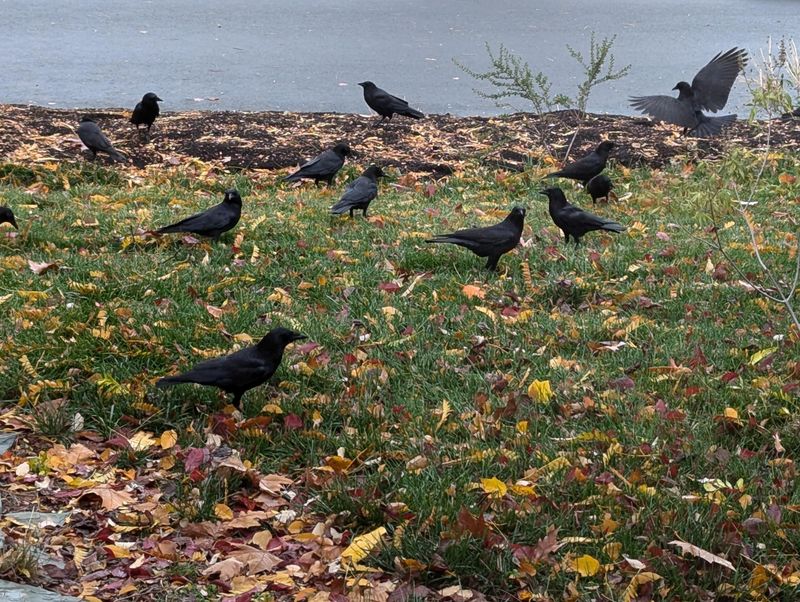
Crows are picky about location, and your yard might check all their boxes. These birds love spots that offer both a good view and a safe place to rest, and certain yards fit that bill perfectly.
Tall trees are a big draw. Crows like to perch high where they can scan the area for danger and keep watch over the group. If you have mature oaks, maples, or pines, you have basically built a crow lookout tower.
Open space matters too. A yard with a clear lawn or field nearby lets crows spot movement from far away. They feel more relaxed when nothing can sneak up on them.
Shelter adds extra appeal. Thick branches or evergreen trees block harsh Michigan wind and give the flock a cozy break from the cold. Comfort keeps them coming back.
Then there is the food factor. If your yard sits near gardens, feeders, or fields, crows may treat it as a convenient rest stop between meals. Easy access to snacks always wins them over.
Water can seal the deal as well. A birdbath, pond, or even a puddle gives crows a place to drink and clean their feathers.
When a yard combines height, openness, safety, and resources, it becomes a natural hangout. Think of it as prime real estate in the crow world. Your property simply offers everything a smart, social bird could want for a quick gathering or a longer stay.
4. They May Be Looking For Food
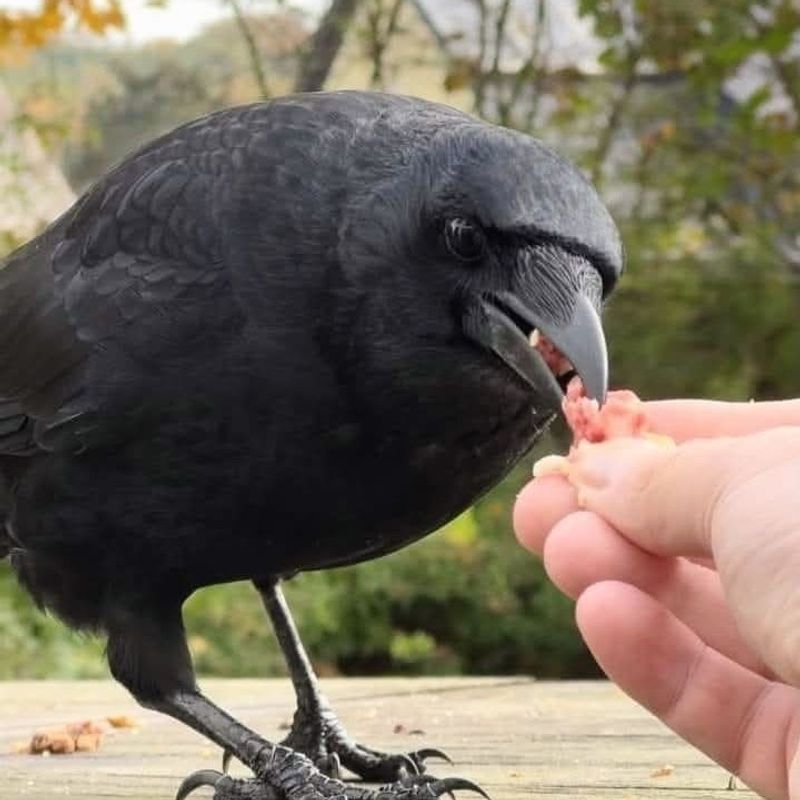
Few birds are as clever about food as crows. They are true opportunists, meaning they will eat almost anything they can find. If your yard offers snacks, word travels fast in the crow community.
Insects top their list. Crows love hunting through grass for beetles, grubs, and worms, which makes a healthy lawn a natural buffet. A yard full of bugs is a yard full of crow interest.
Fallen fruit is another magnet. Apples, berries, and other treats that drop from trees give crows an easy meal. They rarely pass up free food sitting on the ground.
Seeds and grains attract them too. Spilled birdseed under feeders, garden leftovers, or scattered corn can pull a whole flock into your space in no time.
Compost piles and open trash are like ringing a dinner bell. Crows have strong memories and sharp eyes, so once they find a reliable food source, they remember exactly where to return.
Their intelligence makes them fantastic problem solvers. Crows have been seen using tools, opening containers, and figuring out tricky puzzles just to reach a meal.
If a sudden crowd appears, take a quick look around your yard. There is a good chance something edible caught their attention.
Keeping food tidy can reduce large gatherings if they become too much. Secure trash lids, clean up spills, and pick up fallen fruit. Crows are wonderful to watch, but a little management keeps their visits pleasant and balanced for everyone.
5. They Are Not Predicting Bad Weather
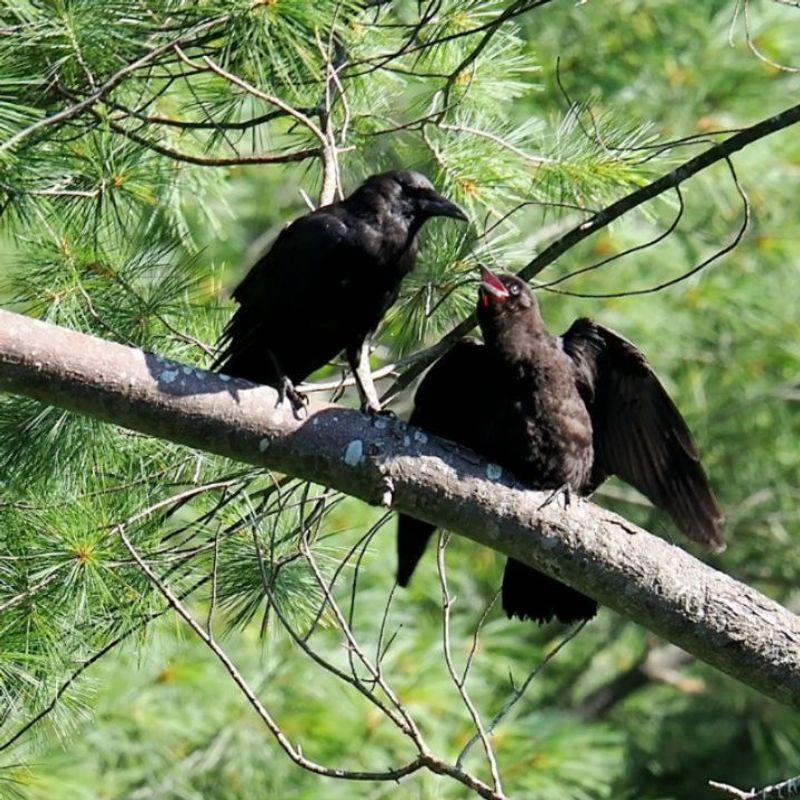
Old stories often connect crows to coming storms, but the truth is much simpler. A sudden gathering of crows is normal bird behavior, not a weather forecast. Michigan skies stay unpredictable no matter what the birds do.
People have long believed that animals sense danger before it arrives. While some creatures do react to pressure changes, crows gathering in your yard usually has nothing to do with an approaching cold snap or snowstorm.
Crows flock together for social reasons, food, and safety. Those drivers happen all season long, in sunny weather and cloudy weather alike. A big crowd on a calm day proves the point.
It is easy to see how the myth started. Crows are loud and noticeable, so folks began linking their sudden appearance to any unusual event that followed. Coincidence did the rest.
Weather still changes on its own schedule. If a storm rolls in after the crows visit, that timing is simply chance, not a prediction from the birds.
Believing the myth can lead to needless worry. Instead of watching crows for warnings, check a trusted forecast for accurate information about what the sky will bring.
Understanding this helps you enjoy the birds without stress. Their gatherings are part of everyday nature, not secret signals.
So the next time a flock lands and the clouds gather, relax and appreciate the view. The crows are just being crows, and the weather will do whatever it planned to do all along.
6. A Loud Group Does Not Mean Trouble
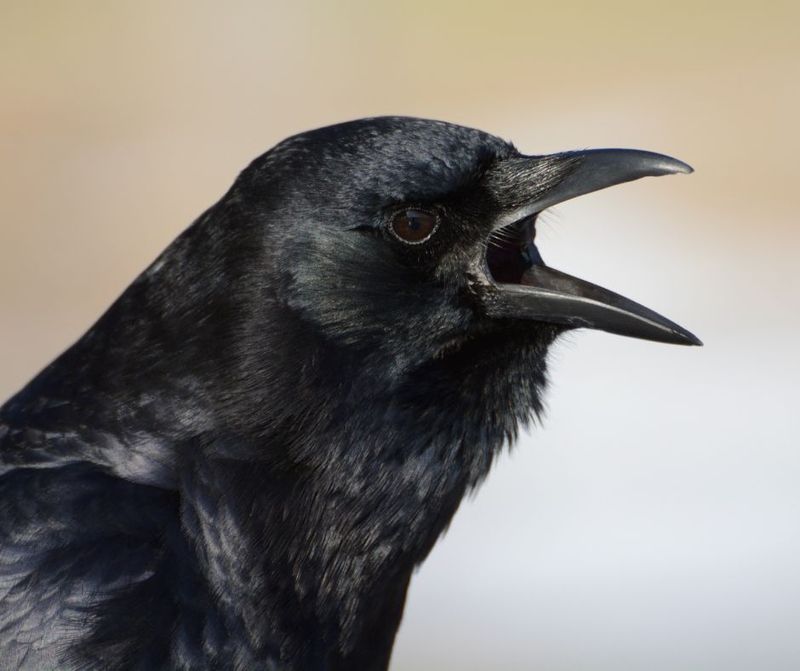
Noise is just part of the crow lifestyle. When a flock gathers, the racket can be impressive, with cawing, chasing, and flapping all happening at once. That commotion sounds dramatic, but it is completely normal.
Crows are chatty by nature. They use a wide range of calls to talk with each other, and researchers believe these sounds carry real meaning. A gathering full of noise is really a gathering full of conversation.
Chasing and swooping often look like fights, yet much of it is play or social sorting. Young crows especially like to test each other and practice their flying skills in busy groups.
Loud calls can also serve as warnings. If a hawk or owl appears, crows will gang up and shout together to drive the intruder away. This teamwork is called mobbing, and it keeps the whole flock safer.
Their volume rises simply because there are so many of them. More birds mean more voices, and crows are not shy about being heard across the neighborhood.
None of this signals that something bad is happening in your yard. The birds are just being their bold, social selves.
If the noise feels like a lot, remember it usually calms down as the group settles or moves on. Crows rarely stay loud in one place forever.
Try to appreciate the energy of the moment. A yard buzzing with crow chatter is a lively reminder that nature is active, curious, and full of personality right outside your door.
7. A Crow Filled Yard Can Be A Good Sign
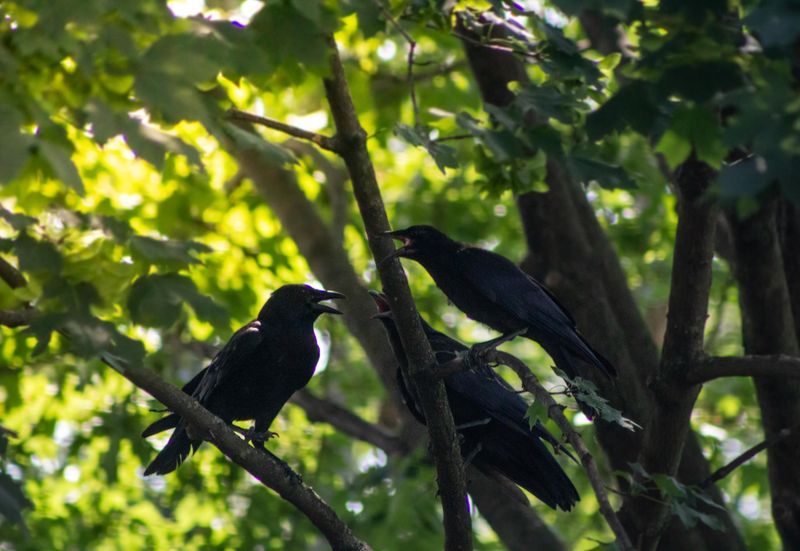
Believe it or not, a yard full of crows often means good things. These birds play a helpful role in a balanced backyard, and their presence hints that your outdoor space is alive and thriving.
Crows are natural pest controllers. They snap up beetles, grubs, caterpillars, and other insects that can harm your plants. A flock working over your lawn is basically free garden help.
They also clean up scraps that would otherwise pile up. By eating fallen fruit, seeds, and small leftovers, crows keep the yard tidier and reduce food that might attract less welcome visitors.
A healthy ecosystem needs many types of creatures, and crows fit right in. Their presence usually means there is plenty of food, water, and shelter, which points to a lively habitat overall.
Crows are also incredibly smart, and having them around brings a bit of wild personality to your yard. Watching them solve problems and interact is a treat for curious observers.
Some gardeners worry crows might bother other birds, but they mostly focus on insects and easy meals. In balance, they are just one thread in a larger web of backyard life.
Their sharp eyes even help keep certain rodents in check, adding another layer of natural support. So instead of shooing them away, consider the crows a compliment.
A yard that draws these intelligent birds is a yard doing something right. Their visits show that your little patch of Michigan is buzzing with the kind of life that makes nature so rewarding.
8. Enjoy Them Without Creating Problems
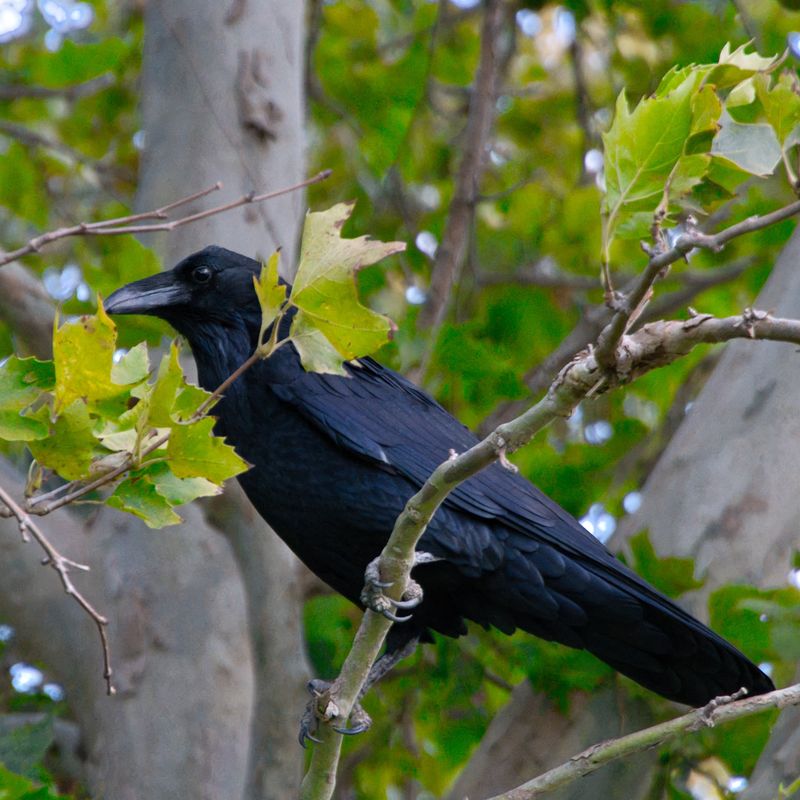
Loving crows and living well with them can go hand in hand. The trick is enjoying their visits without accidentally causing bigger issues down the road. A little care goes a long way.
Feeding large flocks on purpose is one thing to avoid. Piling out food might seem kind, but it can draw huge crowds, create mess, and upset neighbors. Big gatherings can quickly become overwhelming.
Instead, focus on supporting wildlife the natural way. Plant native trees, shrubs, and flowers that provide food and shelter for many species, not just crows. A varied habitat keeps everything in balance.
Native plants are perfect for Michigan yards. They handle local weather with ease, need less watering, and offer berries, seeds, and insects that birds naturally seek out.
Keep your yard clean and thoughtful. Secure trash cans, manage compost, and pick up spilled seed so no single food source pulls in an overwhelming flock.
Water features like birdbaths welcome many creatures while keeping things fair. Everyone gets a drink, and no one group takes over.
Giving crows space also helps. Watch and enjoy them, but let them come and go on their own terms rather than depending on you for meals. Responsible yard care creates a place where crows and other wildlife can thrive together.
You get the joy of watching these clever birds while protecting the peace of your neighborhood. With a thoughtful touch, your Michigan yard becomes a welcoming spot for nature to flourish year after year.