Mole, Vole, Or Pocket Gopher? What Those Strange Florida September Yard Tunnels Actually Mean
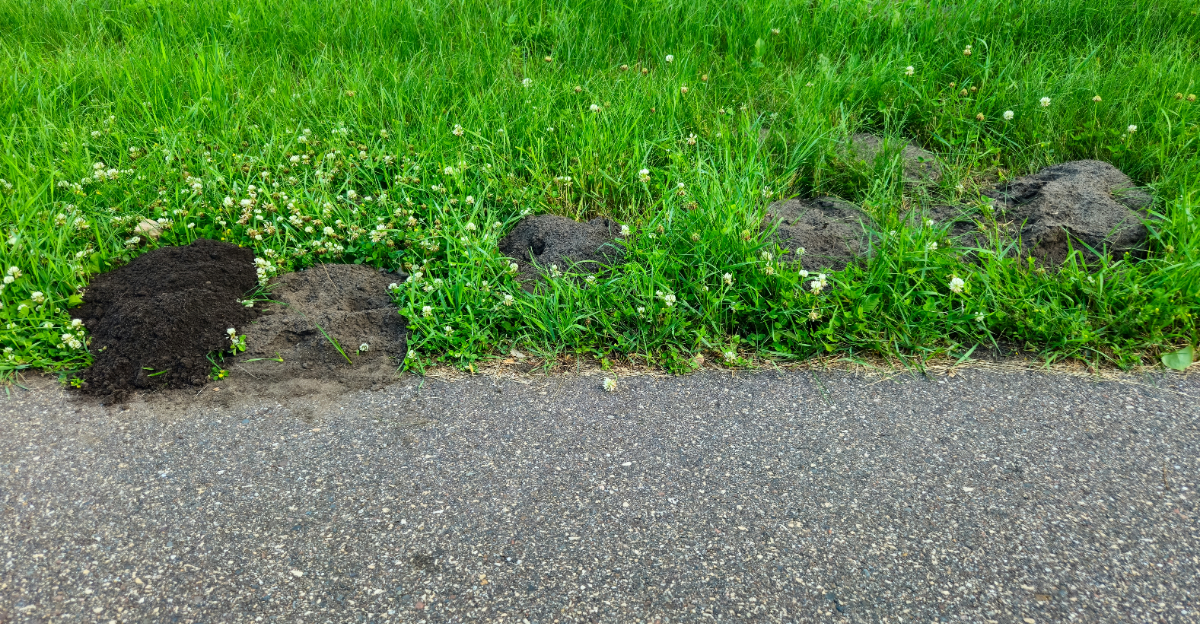
A raised line across your Florida lawn can make you stop mid-step. One day the grass looks normal.
The next, strange trails, lifted soil, or small openings appear where nothing was before. The first instinct is usually to blame whatever underground animal comes to mind, but that guess can send you in the wrong direction.
Moles, voles, and pocket gophers leave very different clues, and those details matter when you decide what to do next. The location of the tunnels, the shape of the damage, and what happens around the edges can reveal far more than the tunnel itself.
September adds another layer because changing weather can shift where these animals spend their time and what parts of the yard they target. Before you fill holes, set traps, or treat the lawn, take a closer look.
The ground is already showing you who moved through it, but you need to know which signs actually count.
1. The Tunnel Pattern Matters More Than The September Date
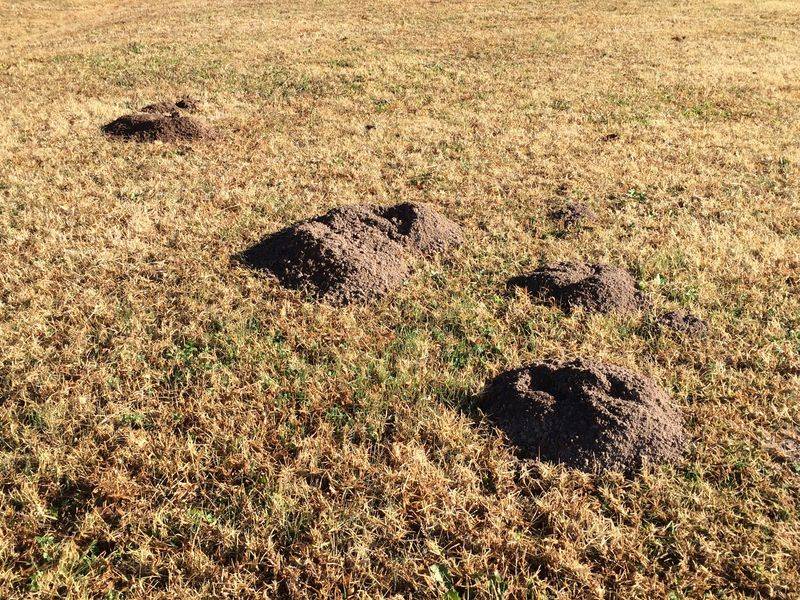
Fresh overnight damage across a Florida yard can feel urgent, but the calendar is not the right place to start your investigation.
September works well as a seasonal hook because warm soil and active wildlife make tunneling more visible, but the month alone cannot tell you which animal is responsible.
Start by observing the full picture. Look at whether the soil is raised into winding ridges or piled into distinct mounds.
Check whether there are open holes at the surface or whether any entrances appear plugged. Notice the size of any openings and whether the surrounding turf looks loose, spongy, or undisturbed nearby.
Soil type matters too. Sandy soils in certain regions favor some species over others.
Root and plant damage near the tunnels can point toward a plant-feeding animal rather than one chasing insects underground. Regional likelihood also helps narrow the list, since not every species lives in every part of the state.
Several animals and insects produce surface damage that looks similar at first glance. Diagnosing from a single clue leads to wrong conclusions and wasted effort.
Look at all the clues together before drawing conclusions. Raised ridges, mound shape, holes, soil type, root damage, turf disturbance, and location tell the story better than dates alone.
2. Raised Ridges Across The Lawn Point More Toward A Mole
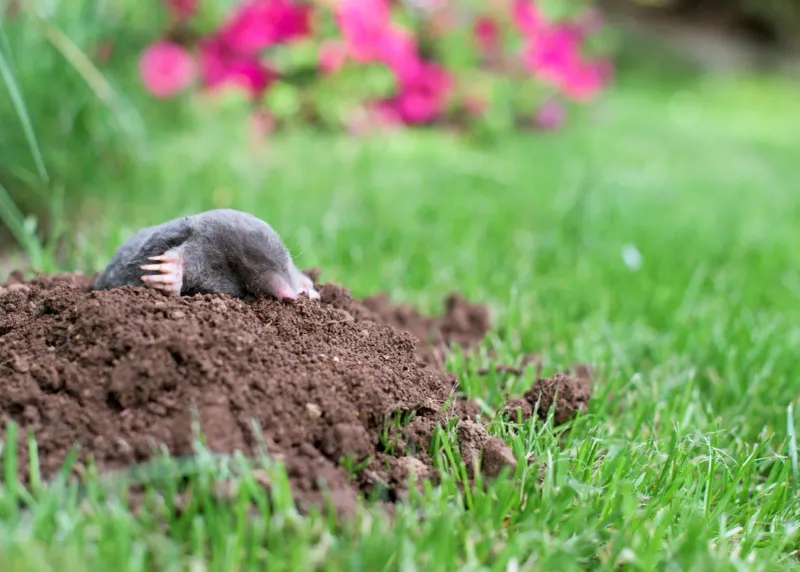
A winding raised ridge snaking across the turf is one of the more recognizable signs of shallow mole activity. Eastern moles create these ridges while traveling just beneath the surface in search of food.
The tunnels push the soil upward, leaving a soft, spongy path that you can press down with your foot.
Eastern moles primarily pursue earthworms, grubs, beetle larvae, and other soil-dwelling invertebrates. They are not after your grass roots or garden plants.
Moles are insect and invertebrate feeders, and that distinction matters when you are trying to sort out who is responsible for underground damage.
Deeper excavation can produce smaller, more symmetrical mounds that sometimes resemble a low volcano shape. These appear when a mole is pushing soil from deeper tunnels to the surface.
Your Florida Garden Changes Every Week. Your Plan Should Too.
Gardening in Florida changes quickly throughout the season. Every Friday you’ll receive a simple weekly plan showing exactly what to plant, prune, fertilize, harvest, and protect so you never miss the right timing.
The mounds tend to be more compact and centered compared to the larger, irregular mounds left by other diggers.
Mole crickets can create superficially similar surface disturbance, with loosened soil and slight ridging after their own shallow tunneling. That overlap is worth keeping in mind before assuming a mammal is at work.
Not every raised ridge belongs to a mole, and combining ridge shape with other clues gives a more reliable picture of what is actually moving beneath the lawn.
3. Crescent Shaped Sandy Mounds Suggest A Pocket Gopher
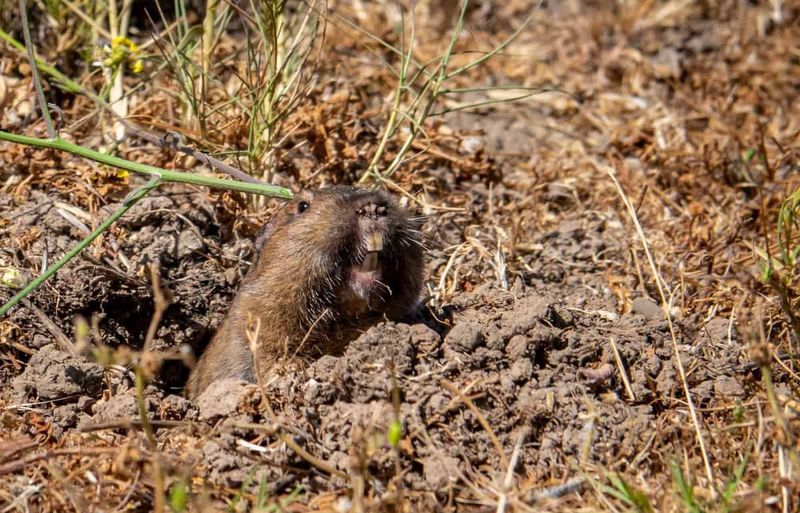
A fresh pile of sandy soil shaped roughly like a crescent or fan sitting on top of the lawn is one of the clearest signs of southeastern pocket gopher activity. The southeastern pocket gopher, Geomys pinetis, spends most of its life underground.
It pushes excavated soil to the surface while expanding its tunnel system.
These mounds tend to be larger and more irregular than the compact mounds associated with moles. The actual tunnel entrance is usually plugged with loose soil, so you may not see an obvious open hole nearby.
That plugged entrance is a useful detail because it separates pocket gopher mounds from some other types of digging.
Southeastern pocket gophers have a strong preference for sandy, well-drained soils. Their distribution is not uniform across the entire state, so regional location helps determine whether a pocket gopher is a realistic suspect for your yard.
Deep sandy soils in northern and central Florida are more likely pocket gopher habitat. Coastal areas and heavily clay-based soils are generally less suitable.
Pocket gophers are not the same animal as gopher tortoises, which also create prominent burrows in sandy Florida soils. Gopher tortoise burrows are much larger, wider, and shallower in slope.
Keeping these species separate helps avoid confusion and ensures any management response targets the right animal.
4. Small Holes And Plant Damage Can Put A Vole On The List
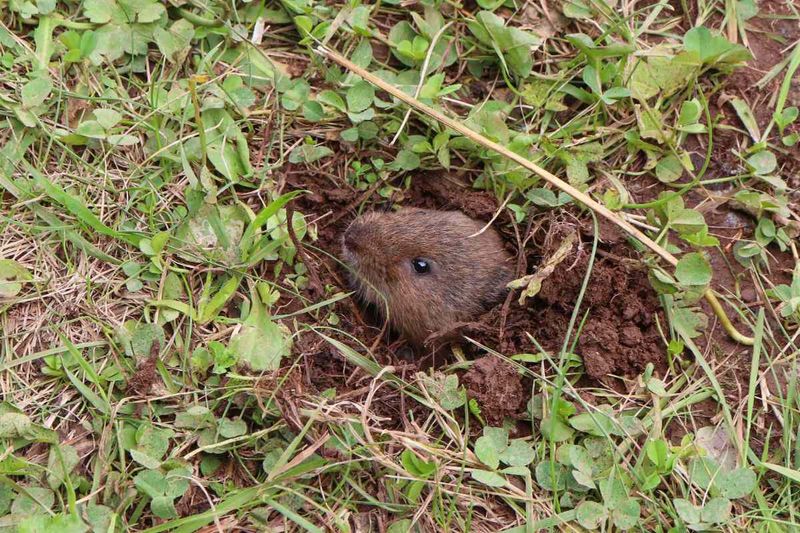
Subtle clues sometimes point toward voles rather than the more dramatic mound-builders. Voles are small rodents, and their signs tend to be less showy than a big sandy mound or a long raised ridge.
Small burrow openings roughly the diameter of a golf ball or smaller, combined with damaged plant material nearby, are worth paying attention to.
Surface runways, which are narrow, worn paths through grass at ground level, can appear in areas with dense ground cover. These paths form when voles travel repeatedly along the same route.
Not every lawn will show obvious runways, so the absence of them does not rule out voles entirely.
Feeding evidence is where voles really separate themselves from moles. Voles consume vegetation, including roots, stems, bark near the base of plants, and other plant material.
Wilting plants, gnawed stems near the soil surface, or missing root sections can all shift suspicion toward a plant-feeding rodent rather than an insect hunter.
Vole likelihood depends on location. Combine small openings, surface pathways, and plant feeding damage rather than relying on one clue alone when deciding whether voles are involved.
Resist the urge to label every small hole as a vole burrow without additional supporting evidence.
5. September Tunnels May Actually Belong To Mole Crickets
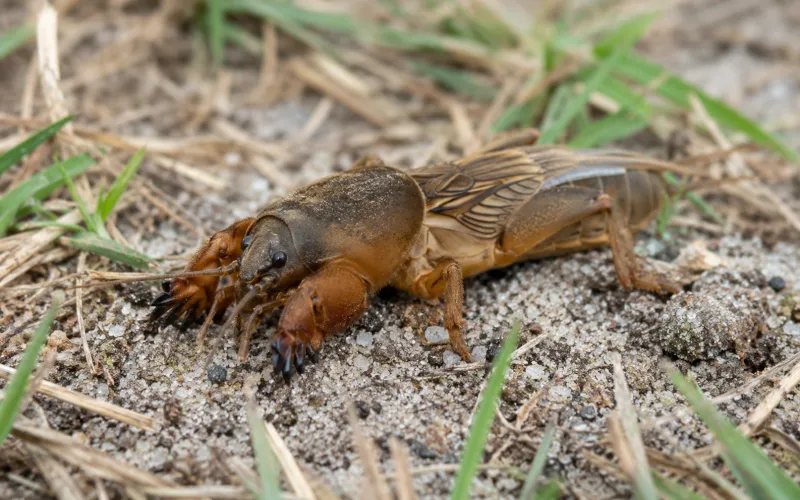
Loose, spongy turf and shallow soil disturbance in late summer do not always point to a mammal. Mole crickets are insects, not burrowing wildlife, and their tunneling can produce surface damage that looks surprisingly similar to what a small mammal might leave behind.
Mole crickets tunnel just below the surface and can loosen soil while pushing turf upward. This may create spongy, raised areas that differ from the ridges or mounds made by moles and pocket gophers.
UF/IFAS notes that mole cricket damage may become more visible from late August into early October. Larger nymphs from earlier summer activity can increase tunneling during this period.
Warm-season turf types used across much of the state can show this damage as browning or thinning patches where roots have been disturbed.
Checking for mole crickets is straightforward. Mixing a small amount of liquid soap with water and pouring it over a square foot of affected turf can bring mole crickets to the surface within minutes if they are present.
That simple test can save a Florida homeowner from treating the wrong problem entirely. September tunnels deserve a closer look before any mammal gets the blame.
6. What Is Being Eaten Helps Separate The Suspects
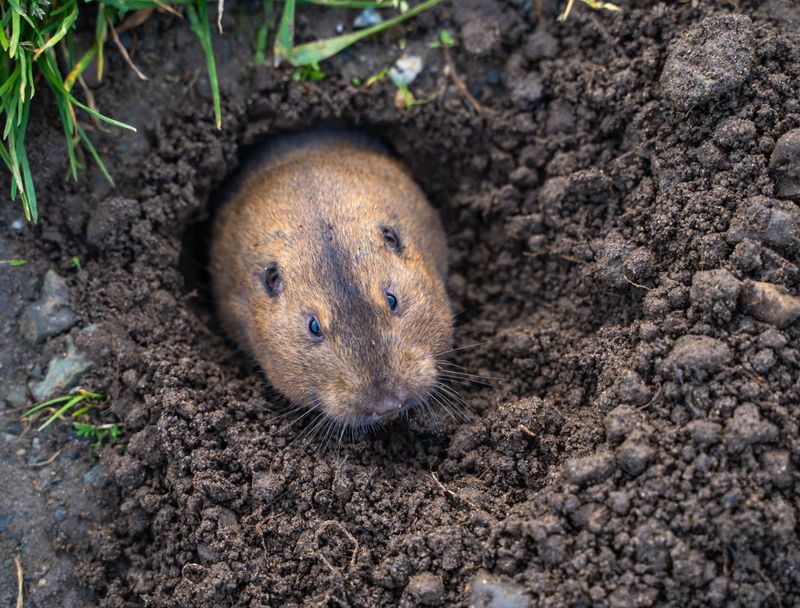
Underground feeding habits draw a clear line between the main suspects. Moles are insectivores at heart.
They spend their energy tracking earthworms, beetle grubs, and other invertebrates through the soil. Grass roots are not on their menu, so plant damage above or below ground generally points elsewhere.
Pocket gophers feed on plant material, including underground roots, bulbs, tubers, and fleshy plant parts.
A garden plant that wilts suddenly without an obvious above-ground reason, or a root system that has been chewed away, fits the pocket gopher profile more closely than anything a mole would do.
Their feeding is entirely vegetation-based.
Voles also consume vegetation and can cause damage to roots, stems, and the bark near the base of woody plants or shrubs. Bark gnawing close to the soil line during periods of active foraging is a recognized vole behavior.
Younger trees and ornamental plants can suffer noticeable damage from persistent vole activity near their root zones.
Combine feeding evidence with physical signs before identifying the animal. A single damaged plant alone is not enough to confirm what caused the problem.
Combine what is being eaten with the shape of any tunnels, the presence or absence of mounds, the size of any openings, and the soil conditions in the area. All of those pieces together build a reliable case for which animal is most likely responsible.
7. One Night Of Mounds Does Not Mean You Have An Army Underground
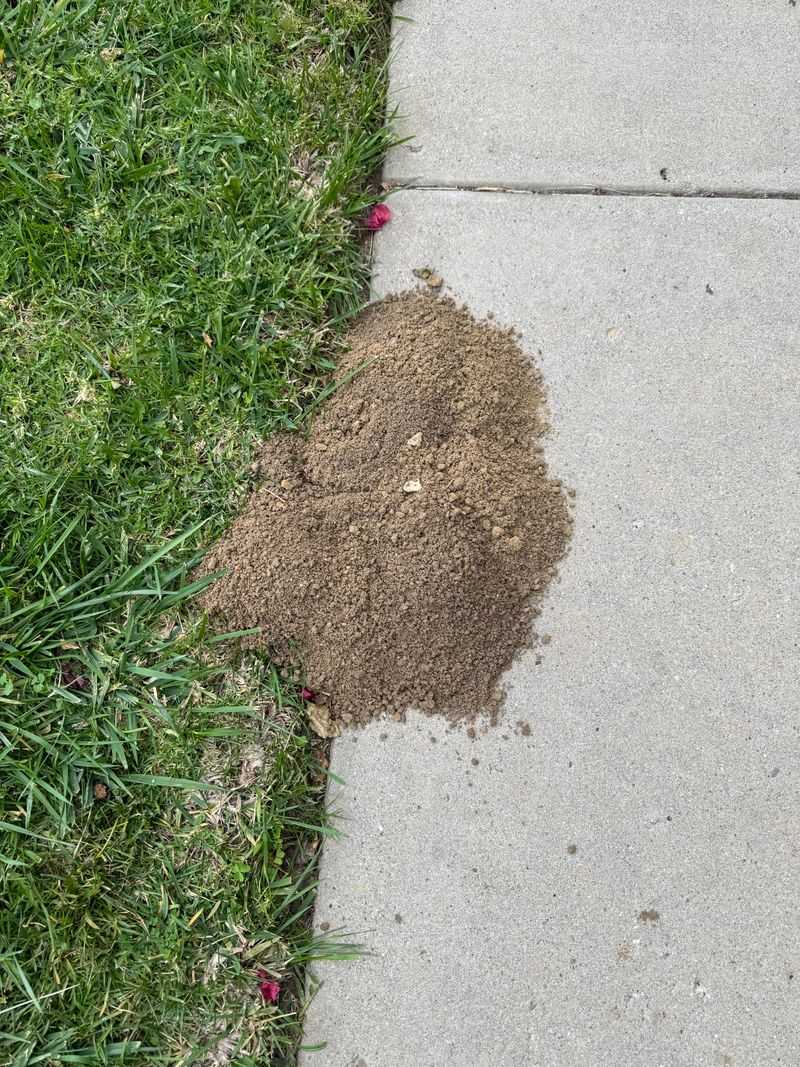
Waking up to find five or six fresh mounds scattered across the Florida yard can feel alarming, but surface damage rarely reflects the actual number of animals at work.
A single southeastern pocket gopher can create multiple mounds in one night while expanding its tunnel system in search of food and territory.
Eastern moles can also make a yard look heavily trafficked. One mole working through a lawn creates a network of feeding tunnels that branches in multiple directions.
The surface damage from that single animal can spread across a surprisingly wide area, making the situation look more crowded than it actually is.
Counting mounds or ridges to estimate population size leads to inaccurate conclusions. Surface activity reflects how actively an animal is tunneling at a given time, not how many animals are present.
Soil conditions, food availability, and seasonal activity all influence how much visible disturbance appears on any given morning.
Avoiding exaggerated language about the scale of the problem helps homeowners respond more calmly and accurately. A handful of mounds in the yard is worth investigating, but it does not automatically signal a large-scale problem.
Taking time to identify the likely cause and understand the realistic scale of activity leads to better decisions than reacting to the number of mounds alone.
8. Identify The Tunneler Before You Try To Stop It
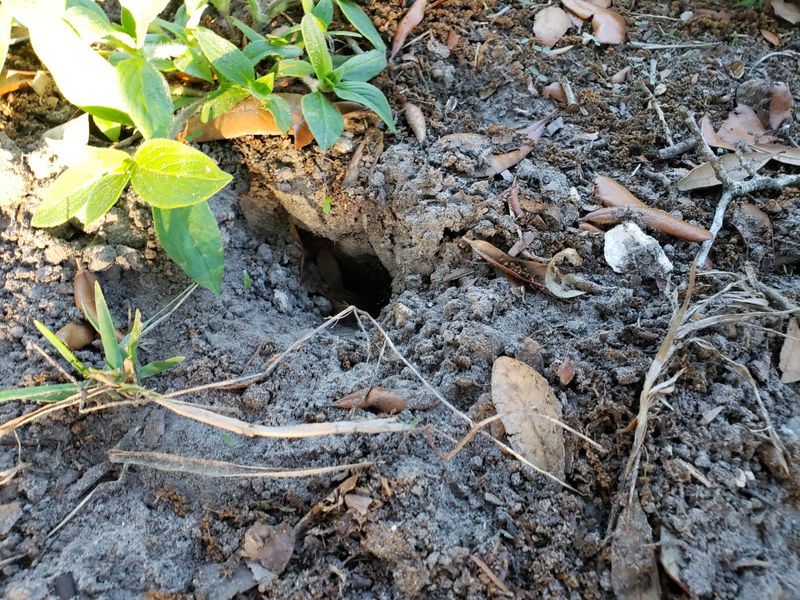
All of the clues gathered so far come together at this point. Raised ridges, crescent-shaped mounds, small openings, plant damage, turf disturbance, soil type, regional likelihood, and possible mole cricket activity should all be weighed before choosing any response.
Acting on incomplete information often means treating the wrong problem.
Some mole activity is mostly cosmetic. Moles also consume soil insects that can themselves cause lawn damage, so their presence is not entirely without benefit.
Understanding what the tunneler is actually doing underground helps homeowners decide how seriously the situation needs to be addressed.
Use only legal products labeled for the target species in your area. Avoid homemade methods like chemicals, gasoline, or exhaust fumes in tunnels, as they can harm people, pets, and wildlife.
Flooding tunnels is not a reliable fix either.
UF/IFAS Extension and Ask IFAS provide research-based guidance for managing these pests in Florida. Checking those resources before buying products or traps can save time and money.
September tunnels are clues, not a diagnosis. The pattern of ridges, mounds, holes, and feeding damage tells you far more than the date ever could.