Here’s What It Means When A Possum Shows Up In Your Michigan Yard
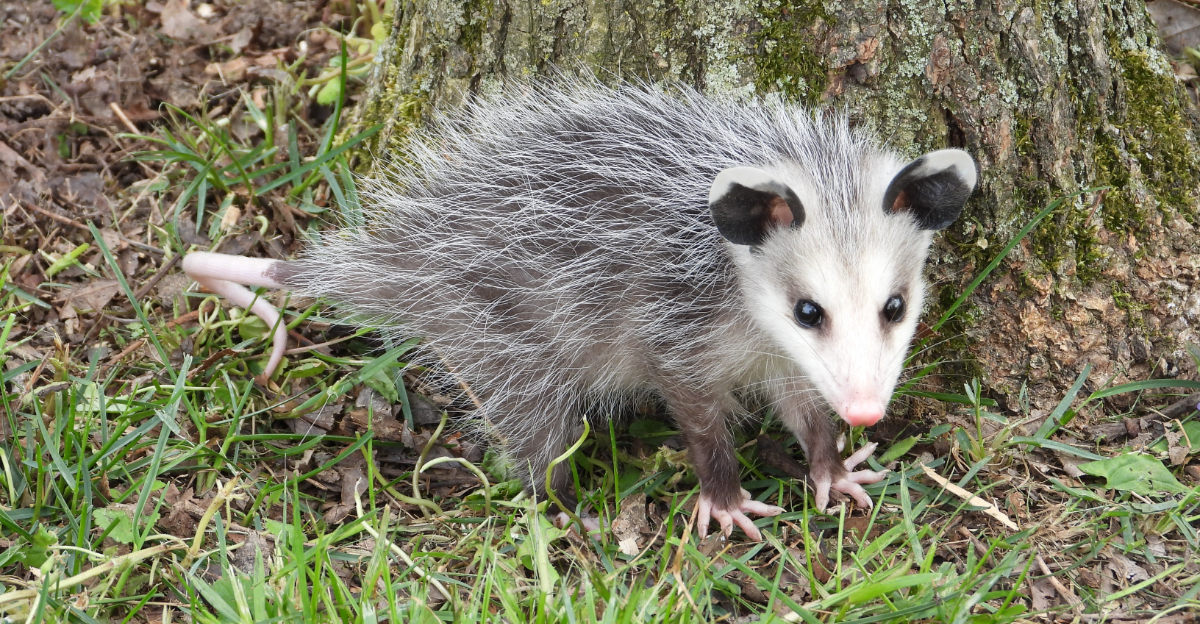
Spotting a possum ambling across your Michigan yard can catch you off guard, especially if it happens at an odd hour or somewhere you weren’t expecting.
These animals aren’t exactly rare, but most people don’t know much about why one might suddenly decide your yard is worth exploring.
It’s easy to assume the worst or brush it off entirely, but there’s usually a clearer explanation behind the visit than either extreme suggests.
Possums are surprisingly beneficial in ways many homeowners never realize, and their presence often says more about your yard’s environment than about anything to worry about.
Once you understand what draws them in and what their behavior actually signals, that late night encounter starts to make a lot more sense. It might even change how you feel about having one around.
Knowing what to look for turns a strange surprise into a moment worth understanding rather than fearing.
1. It May Be Looking For An Easy Meal
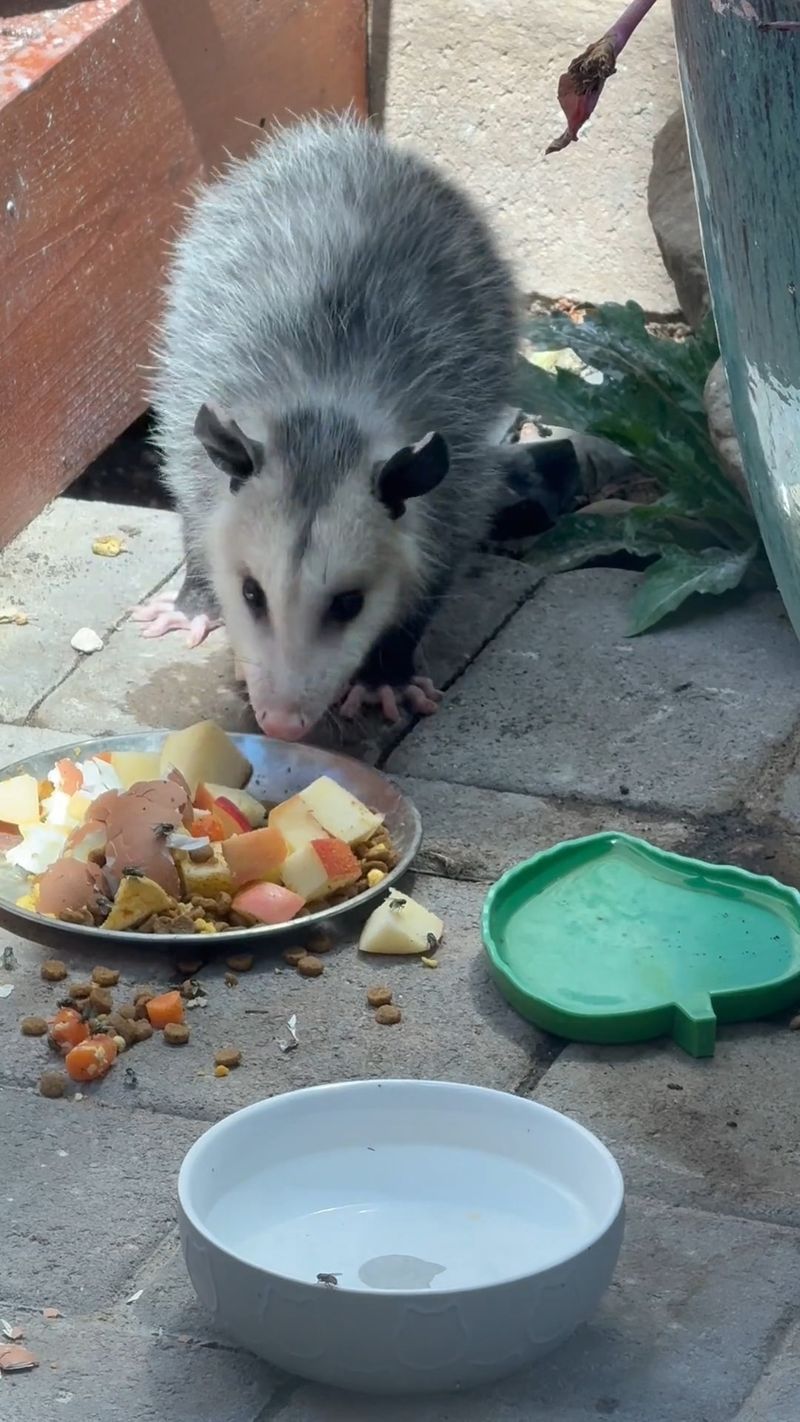
Hunger drives most of what a possum does, and your yard might look like an open buffet. These animals are not picky eaters at all, and they happily snack on whatever they can find without much effort.
Michigan yards often hold plenty of tasty options. Fallen apples under a tree, beetles hiding in the grass, slugs near the garden, and even small rodents can all pull a possum closer to your home. They also enjoy leftover pet food and scraps that spill out of trash cans.
Because they are opportunistic feeders, possums follow their noses wherever food smells strongest. That means a yard with fruit trees, thick flower beds, or an unsecured compost pile becomes very tempting after dark.
They are simply trying to fill their bellies before moving on. The good news is that this snacking habit is often helpful. When a possum eats insects and rodents, it quietly cleans up pests that might otherwise bother your plants.
So while its visit starts with hunger, the result can actually work in your favor. If you would rather not host a regular diner, small changes make a big difference. Pick up fallen fruit, keep pet bowls indoors overnight, and seal your garbage tightly.
Once the easy meals disappear, most possums lose interest and wander off to search somewhere else.
Understanding this simple food-driven behavior helps you see the possum not as a troublemaker, but as a hungry visitor passing through your neighborhood.
2. Your Yard May Offer Good Shelter
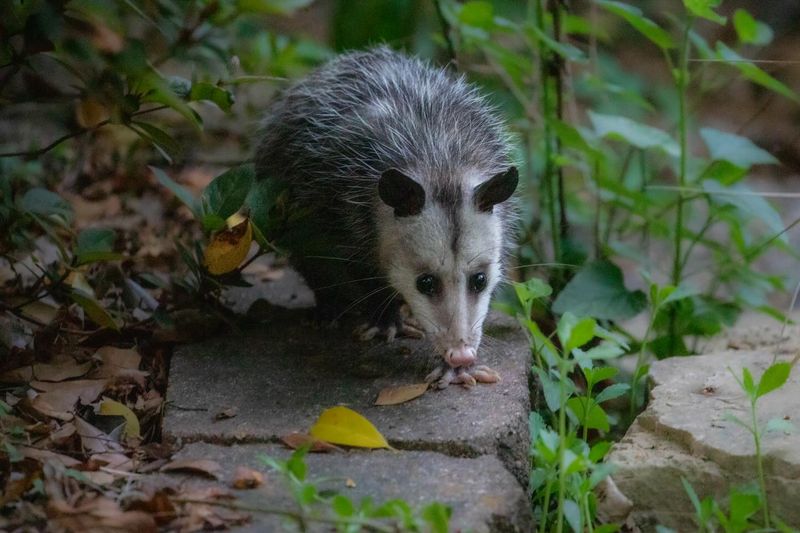
Sometimes a possum shows up not for food, but for a cozy spot to rest. These wanderers rarely dig their own homes, so they rely on hidden corners that other animals or nature provide.
Take a quick look around your property and you might notice plenty of inviting hideaways. Brush piles, thick leaf litter, spaces beneath decks, gaps under sheds, and hollow logs all give a possum a safe place to tuck away during the day.
Michigan weather plays a part too. When nights turn chilly or rain rolls in, a sheltered nook feels warm and protected.
Your Michigan Garden Changes Every Week. Your Plan Should Too.
Gardening in Michigan changes quickly throughout the season. Every Friday you’ll receive a simple weekly plan showing exactly what to plant, prune, fertilize, harvest, and protect so you never miss the right timing.
A possum searching for comfort will happily settle into whatever quiet space it stumbles upon. Most of the time, these stays are short. Possums are known for being nomadic, meaning they move from spot to spot instead of settling permanently.
One night your yard might be their bedroom, and the next night they are somewhere blocks away.
If you would prefer they nap elsewhere, tidy up the tempting hideouts. Clear away brush piles, rake up heavy leaf buildup, and block open gaps under structures with wire mesh or boards.
A neater yard offers fewer secret spots. Still, a resting possum is not a threat. It is simply borrowing a corner of your space for a little while before continuing its travels.
Seeing shelter as the reason behind the visit helps you respond with patience instead of worry, and it reminds you how resourceful these gentle drifters really are.
3. It Does Not Mean Your Yard Has A Pest Problem
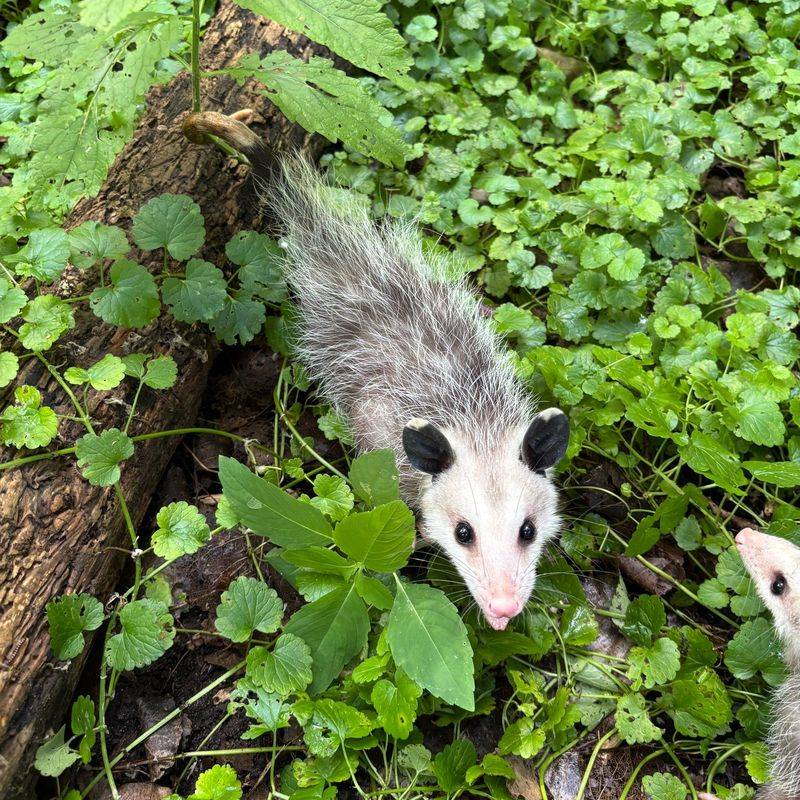
Seeing a possum can spark a worried thought that your yard is suddenly overrun with pests. Take a breath, because that assumption is usually far from the truth.
Possums travel long distances every night while searching for food and shelter. A single sighting most often means one curious animal is simply passing through, not that your property is crawling with problems.
They wander through clean yards and messy ones alike. These creatures cover a lot of ground, sometimes exploring several yards in one evening. So the possum you spotted might have already visited three neighbors before reaching your grass.
Its appearance says more about its travels than about your yard’s condition. In fact, a healthy yard with a few insects and small critters is completely normal. Every outdoor space has some bugs and rodents, and that natural balance is nothing to fear.
A possum snacking on those creatures is just part of the outdoor cycle. Instead of panicking, watch calmly and notice how the animal behaves. Chances are it will nibble a little, sniff around, and quietly move along without causing any trouble at all.
If you keep spotting possums night after night, then it may be worth checking for easy food or open shelter. But one visit rarely signals an infestation. Trusting this simple fact can save you a lot of stress and unnecessary cleanup.
A wandering possum is a normal part of Michigan wildlife, and its presence does not mean your yard has failed any kind of cleanliness test.
4. It May Actually Help Your Garden
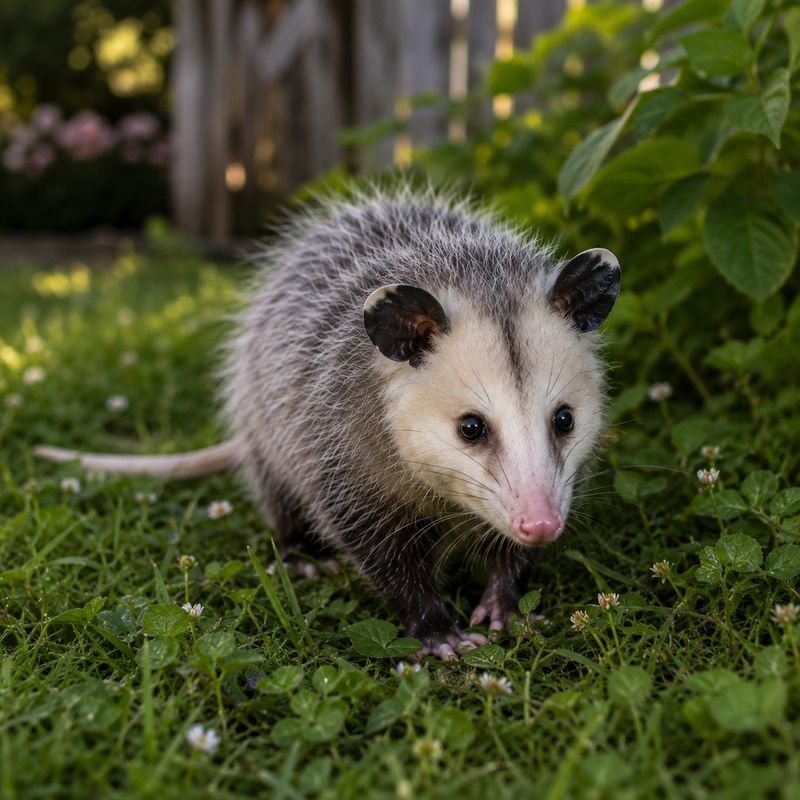
Here is a pleasant surprise many gardeners never expect: a possum can be one of your garden’s quiet helpers. Behind that plain appearance hides a hardworking little cleanup crew.
As they roam your yard, possums gobble up insects, slugs, snails, and small rodents that often chew on plants and vegetables. Fewer of these nibblers means healthier flowers and stronger crops for you to enjoy.
They also handle nature’s messier chores. Possums eat carrion, which means they clean up leftover scraps and remains that other animals leave behind.
This tidying keeps your yard fresher and reduces smells that might attract other unwanted visitors.
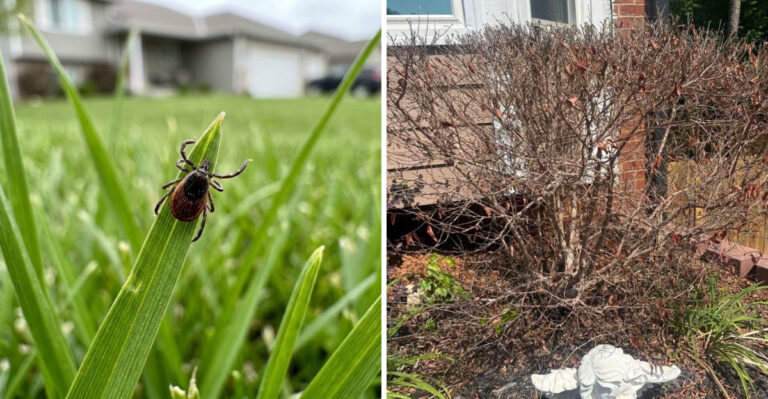
Michigan gardeners sometimes battle beetles and ticks, and possums help there too. Studies have shown these animals groom themselves often and remove many ticks that latch onto them.
That habit can lower the number of ticks wandering through your outdoor space.
Because they move slowly and rarely dig destructive holes, possums cause little harm compared to the good they provide. They are not diggers like some other backyard critters, so your garden beds usually stay intact.
Rather than shooing one away the moment you see it, consider the free pest control it offers. A single possum patrolling at night can quietly reduce the bugs and small pests that trouble your plants.
Thinking of the possum as a helper rather than a nuisance changes the whole experience. With its appetite for garden pests, this humble visitor might just leave your yard a little cleaner and healthier than it found it.
5. Fall Can Bring More Wildlife Activity
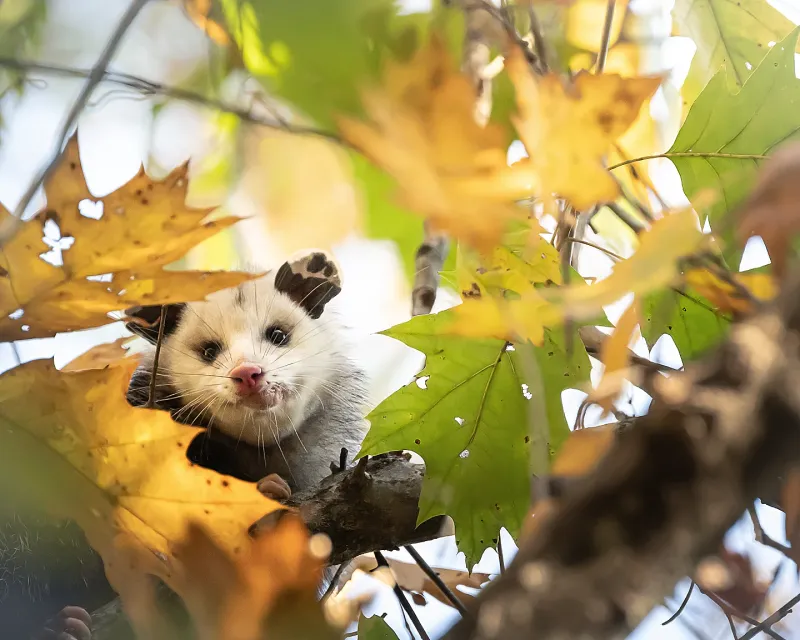
Autumn in Michigan brings crisp air, falling leaves, and, yes, more animal visitors than usual. If possums seem to pop up more often in fall, there is a good reason behind it.
As temperatures drop, wildlife scrambles to gather extra food before the cold settles in. Possums search harder and travel farther, which makes them more likely to cross your yard while stocking up energy for winter.
Shifting food sources also play a role. When natural snacks in the woods start to fade, animals move closer to homes where fruit trees, gardens, and trash cans still offer meals. Your yard suddenly becomes a promising stop.
Cooler nights encourage more movement too. Possums feel comfortable roaming in the chilly dark, so you might catch them shuffling across the lawn while you bring in the last of your garden harvest.
This seasonal boost in activity is completely normal. Squirrels, raccoons, deer, and possums all become busier as fall settles across Michigan. Spotting one is simply a sign that nature is preparing for the changing weather.
To keep things peaceful, secure your fall harvest and clean up dropped apples or pumpkins that draw hungry animals. A tidy yard invites fewer late-season guests.
Rather than feeling alarmed by extra visitors, enjoy the reminder that the seasons are turning. A possum crossing your yard on a cool autumn night is part of the rhythm of Michigan wildlife, busily doing what it needs to before winter arrives.
6. A Daytime Sighting Is Not Always An Emergency
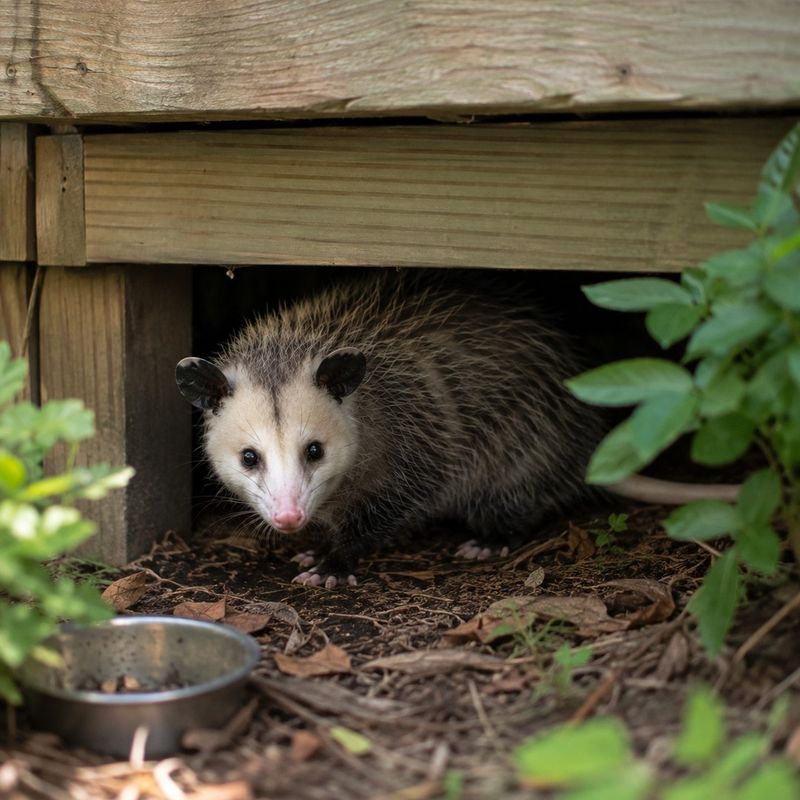
Spotting a possum in broad daylight might make you pause and wonder if something is wrong. In most cases, there is no need to sound the alarm.
Possums are mostly nocturnal, meaning they prefer to move around at night. Still, they sometimes wander during the day, especially when they are searching for food or traveling between resting spots.
A daytime stroll does not automatically mean the animal is sick. Young possums exploring on their own often appear during daylight hours. Hungry adults may also venture out when nighttime meals were hard to find.
Weather changes and shifting seasons can nudge them into the sunshine too.
Watch how the animal moves before jumping to conclusions. A possum that walks steadily, sniffs around, and heads toward cover is simply going about its business. There is usually nothing to worry about.
Of course, a few signs deserve closer attention. If a possum seems confused, unable to move well, or acts strangely aggressive, it is wise to keep your distance and contact a local wildlife expert or animal control for advice.
For a healthy-looking daytime visitor, the best plan is patience. Give it space and let it continue on its way without chasing or cornering it. Frightening a possum only causes unneeded stress for both of you.
Most daylight appearances end quietly, with the animal slipping back into hiding before long. Understanding that these visits are often harmless helps you stay calm and respond wisely instead of overreacting to a perfectly natural sight.
7. Leave Them Alone Unless There Is A Real Conflict
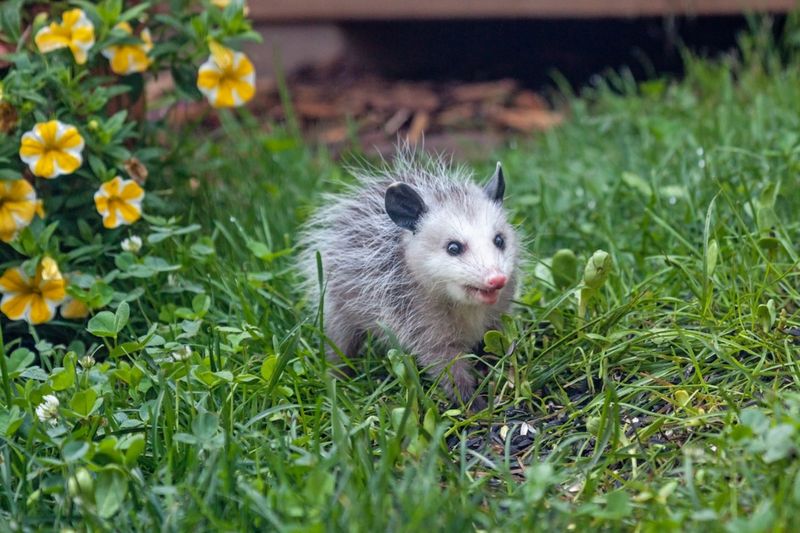
The simplest and often best response to a possum visit is to do nothing at all. These gentle wanderers rarely cause trouble, and most encounters end without any action needed on your part.
Possums are not aggressive by nature. When they feel scared, they often freeze or play possum, pretending to be still until the danger passes. They would much rather avoid you than start a fight.
Because they keep moving from place to place, a possum in your yard today will likely be gone tomorrow. Giving it space to leave on its own is usually all it takes to solve the situation peacefully.
Problems only tend to arise when something keeps them coming back. Unsecured garbage, open compost, and pet food left outside all act like invitations. Remove those attractions and the visits usually stop.
A few easy steps go a long way. Tighten trash can lids, feed pets indoors, and cover compost bins securely. Blocking gaps under sheds and decks also discourages any animal from settling in.
Should a true conflict ever develop, such as a possum stuck somewhere it cannot escape, reach out to a licensed wildlife professional. Trying to grab or trap the animal yourself can stress it and put you at risk.
For nearly every backyard sighting, patience and prevention are your best tools. Respecting a possum’s space keeps both of you comfortable, and it lets this quiet, harmless traveler continue its journey without any trouble at all across your Michigan yard.