Why More Spiders Are Showing Up Inside Michigan Homes This Time Of Year
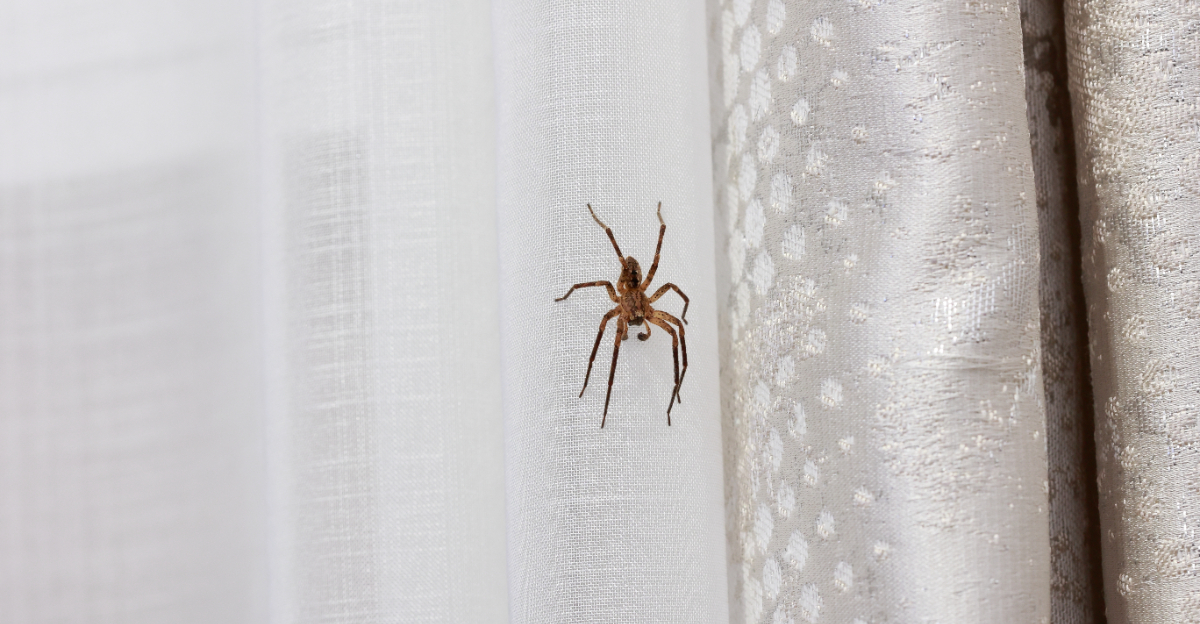
The nights are getting cooler, and something eight-legged is making itself at home. You flip on a light and spot a new visitor tucked in the corner of the ceiling. It feels like they show up out of nowhere once fall creeps in.
There is a reason your basement and garage suddenly seem busier, even though nothing else about the house has really changed. Michigan homes tend to gather more of these guests as summer fades. The weather, the food, and even the mating season all play a part.
Understanding the why can help you feel less spooked and more prepared. Here are seven simple reasons behind the seasonal shift.
1. Cooler Weather Pushes Them Toward Warmth
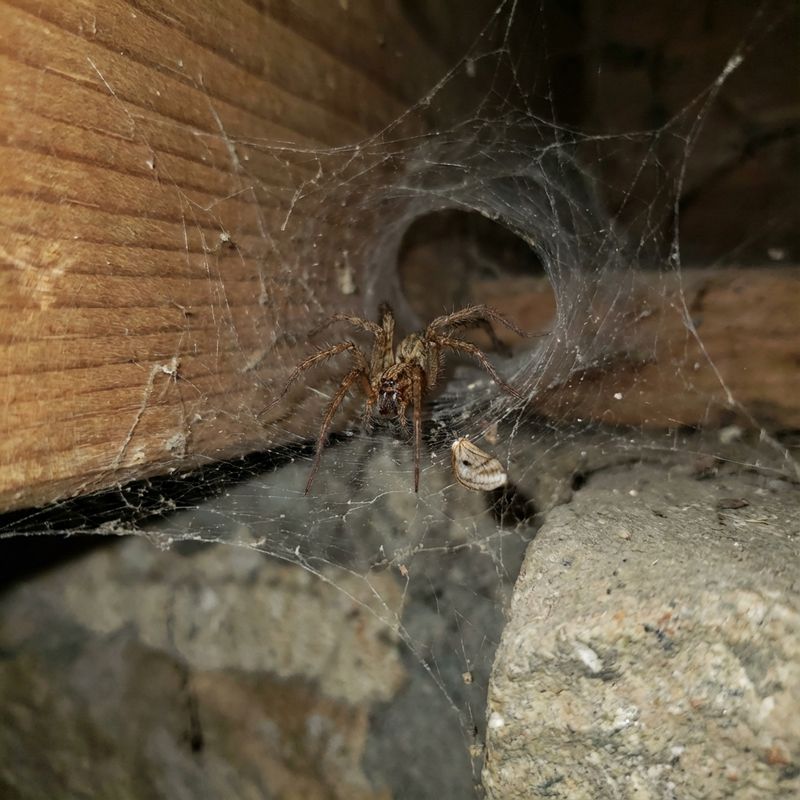
Michigan Septembers bring those first crisp mornings, and spiders notice the change just like we do. As outdoor temperatures drop, many species look for spots that stay warmer and steadier.
Your home, with its cozy walls and tucked-away corners, becomes an appealing option. Basements, garages, and window frames offer shelter that the chilly yard cannot match.
Spiders are cold-blooded, which means their body heat matches their surroundings. When the air outside cools, their movement slows, so a warm indoor spot helps them stay active and comfortable.
This is why you might spot more of them near heating vents, along baseboards, or in that quiet room you rarely use. They are not trying to bother you; they are simply following the warmth.
You can make your home a little less inviting with a few easy steps. Sealing gaps around windows and doors gives them fewer ways to slip inside.
Adding weather stripping helps too, and it keeps your heating bill friendlier as a bonus. Check where pipes and cables enter your house, since those small openings are common entry points.
Keeping clutter low in storage areas removes the hiding spots spiders love. A tidy basement or garage feels less like a shelter to them.
Interestingly, most spiders you find indoors during fall are house spiders that actually prefer living inside year-round. The cooler air just makes them more noticeable as they move around looking for cozy corners to settle into.
2. Mating Season Sends Males Wandering
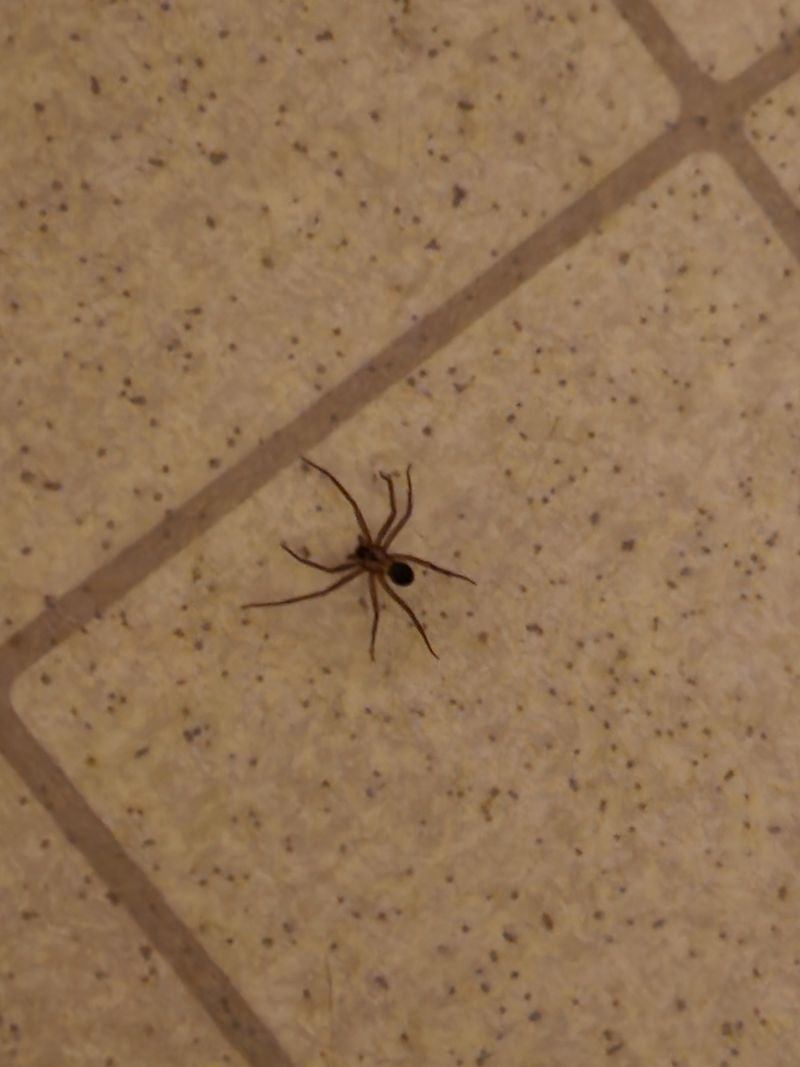
Fall is prime romance season in the spider world, and that changes what you see around the house. Male spiders go on the move, searching for females to mate with.
Because of this, the spiders you spot scurrying across the floor in September are often males on a mission. They leave their usual hiding spots and travel farther than they normally would.
These wandering males are the ones that surprise you crossing the living room rug or darting under the couch. Females tend to stay put in their webs, so the roamers you notice are usually looking for a partner.
The timing lines up perfectly with the cooler weather, giving the impression that spiders suddenly invaded overnight. In truth, many of them were already nearby; they just became bolder and more visible.
You do not need to panic when you see one taking a stroll. Most house spiders in Michigan are harmless and would rather avoid you entirely.
Your Michigan Garden Changes Every Week. Your Plan Should Too.
Gardening in Michigan changes quickly throughout the season. Every Friday you’ll receive a simple weekly plan showing exactly what to plant, prune, fertilize, harvest, and protect so you never miss the right timing.
If a wanderer makes you uneasy, gently guide it outside with a cup and a piece of paper. That approach lets you relocate the visitor without much fuss.
Keeping your floors clear and vacuuming regularly can reduce the number of spots where males feel comfortable pausing. Fewer hiding places mean fewer surprise encounters.
Here is a neat detail: this seasonal wandering is why arachnologists sometimes call autumn spider season. The uptick you notice is mostly love-struck males, not a home invasion.
3. Plenty Of Insects To Snack On
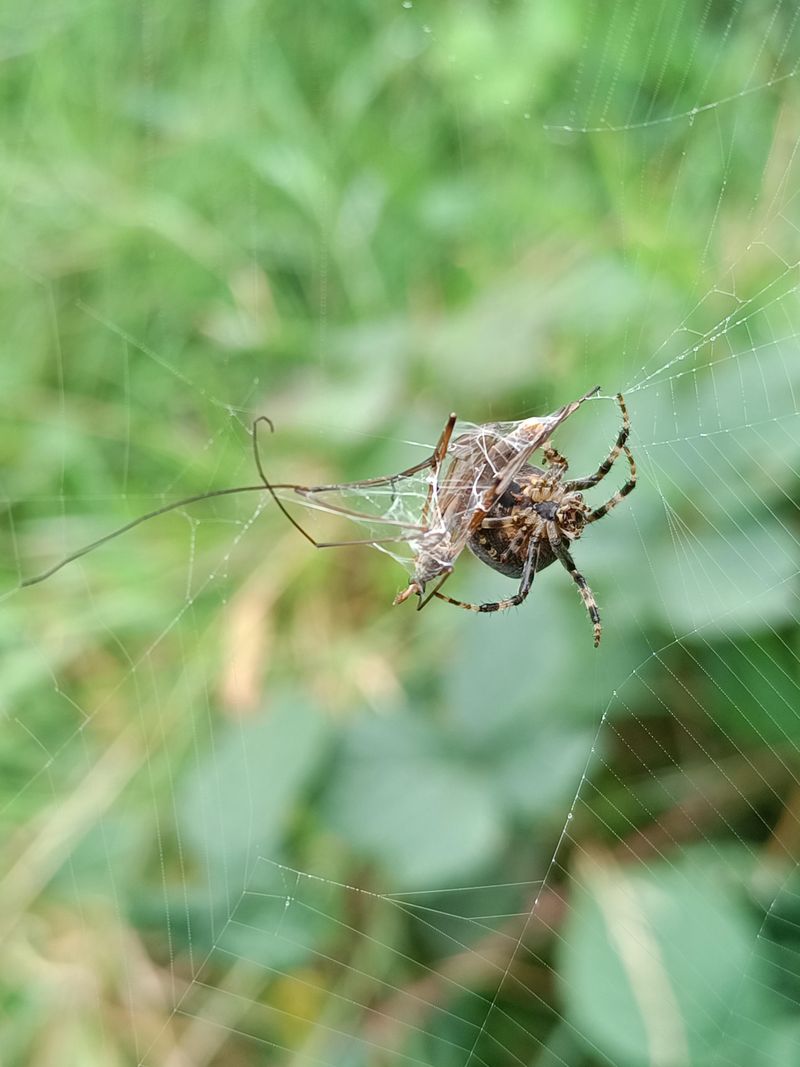
Where there is food, spiders will follow, and late summer offers a buffet. Michigan homes attract flies, gnats, moths, and other bugs, especially near lights and open doors.
Spiders are hunters, so a house full of small insects is like a well-stocked pantry. The more bugs that drift indoors, the more reasons spiders have to stick around.
Porch lights and window glow pull insects in during warm September evenings. Those insects then become easy meals, drawing spiders closer to your living spaces.
Damp areas such as basements and bathrooms often gather tiny bugs too. Spiders set up shop nearby to take advantage of the steady supply.
Reducing the insect population inside your home naturally makes it less appealing to spiders. Fixing leaky faucets and drying out damp corners removes what many bugs need to survive.
Switching outdoor bulbs to yellow or warm-toned lights can help, since those attract fewer insects. Keeping screens in good shape stops flying visitors from slipping inside.
Storing food properly and wiping up crumbs cuts down on the bugs that spiders like to eat. A cleaner kitchen means a quieter dinner scene for eight-legged hunters.
Believe it or not, spiders actually work as free pest control. A single common house spider can eat dozens of insects, helping keep other unwanted critters in check.
So while their presence might feel unwelcome, they are quietly handling a few pests you would rather not deal with yourself. That balance is part of nature doing its job.
4. Egg Sacs Hatching From Summer
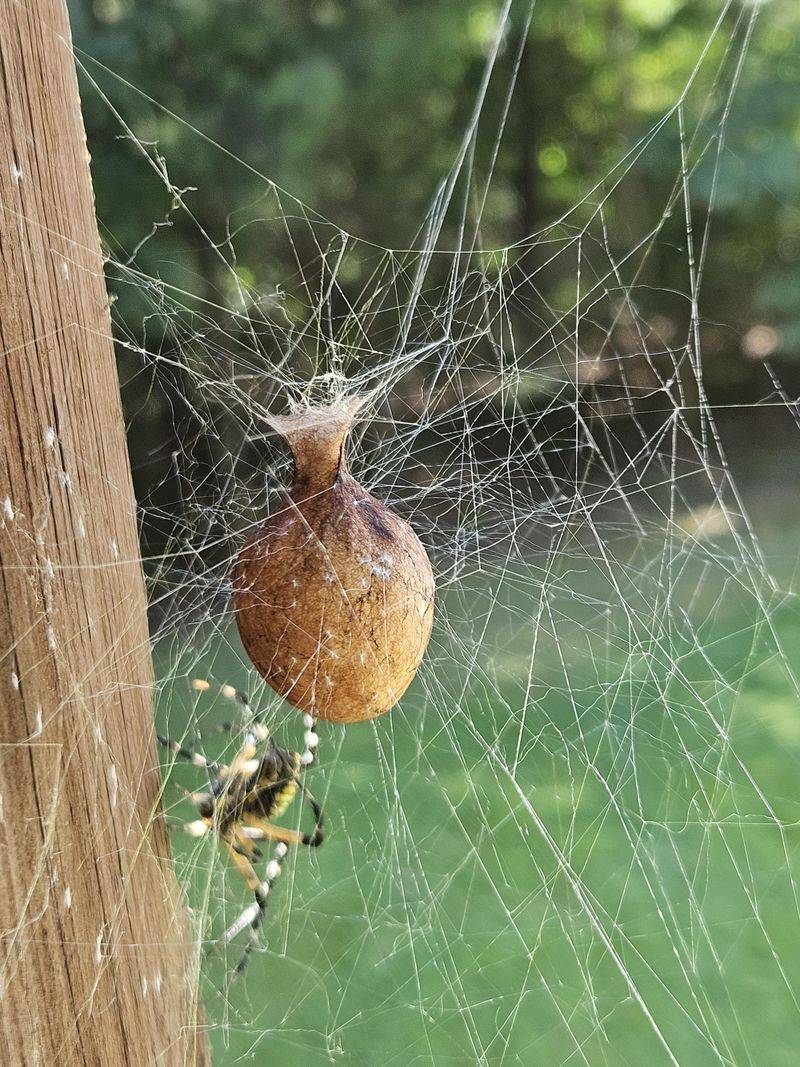
Summer is baby-making time for many Michigan spiders, and the results show up as fall arrives. Females lay eggs earlier in the season, tucking them into silky sacs.
Those sacs can hold dozens or even hundreds of tiny eggs. When they hatch, suddenly there are far more little spiders around than before.
The timing means you may notice a bunch of small spiders in September and early October. Many of them spread out from where they hatched, exploring new corners of your home.
These tiny newcomers are often the offspring of spiders that lived quietly in your basement or attic all summer. Now grown enough to move, they venture into rooms you use every day.
You can spot egg sacs in quiet, undisturbed places like ceiling corners, window sills, and behind furniture. They usually look like small cotton balls or papery bundles.
Regular cleaning helps you catch and remove these sacs before they hatch. A vacuum makes quick work of them, along with any webs nearby.
Paying attention to storage boxes and rarely opened closets can reveal hidden sacs too. Wiping down those spots during fall cleaning keeps future spider counts lower.
Dusting high corners and sweeping away webbing signals to spiders that the area is not a safe nursery. They tend to rebuild elsewhere when disturbed often.
Fun fact: some spider moms carry their egg sacs with them, while others guard them fiercely. That devotion is one reason so many spiderlings survive to explore your home.
5. Cracks And Gaps Offer Easy Entry
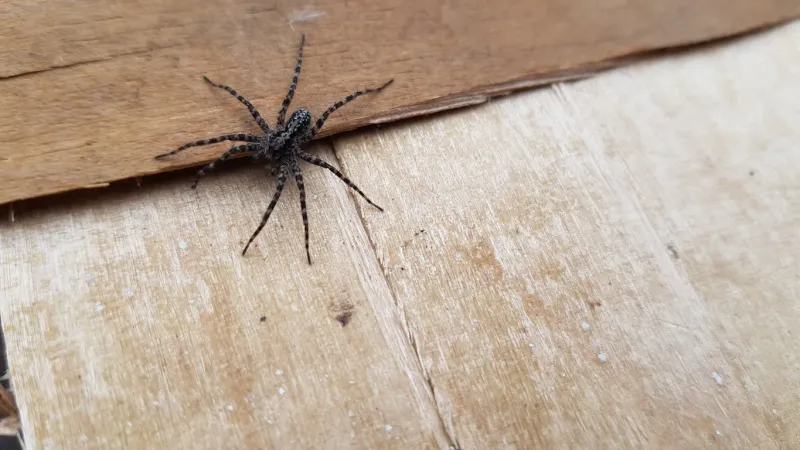
Old and new Michigan homes alike have tiny openings that spiders treat as welcome mats. A gap under the door or a crack near a window is all they need.
Spiders are surprisingly flexible and can squeeze through spaces you might overlook. Even a slim opening the width of a pencil can let one slip inside.
As fall settles in, these entry points become highways for spiders seeking shelter. Foundation cracks, vents, and gaps around utility lines all offer sneaky routes.
Older houses tend to have more of these openings due to settling and wear over the years. That is part of why some homes seem to attract more visitors than others.
Walking around your house to inspect for gaps is a smart fall habit. Focus on doors, windows, and anywhere pipes or wires pass through walls.
Caulk works wonders for sealing small cracks around window frames and baseboards. Door sweeps block the gap at the bottom where spiders often march in.
Checking that vents have proper screens keeps spiders from crawling through open ductwork. Repairing torn window screens closes another common doorway.
Taking care of these details also helps with energy savings and keeps other pests out. A tightly sealed home is cozier for you and less inviting for spiders.
Here is something handy to remember: spiders rarely chew their way in like some pests do. They simply use openings that already exist, so sealing gaps is one of the most effective steps you can take this season.
6. Basements And Garages Become Hideouts
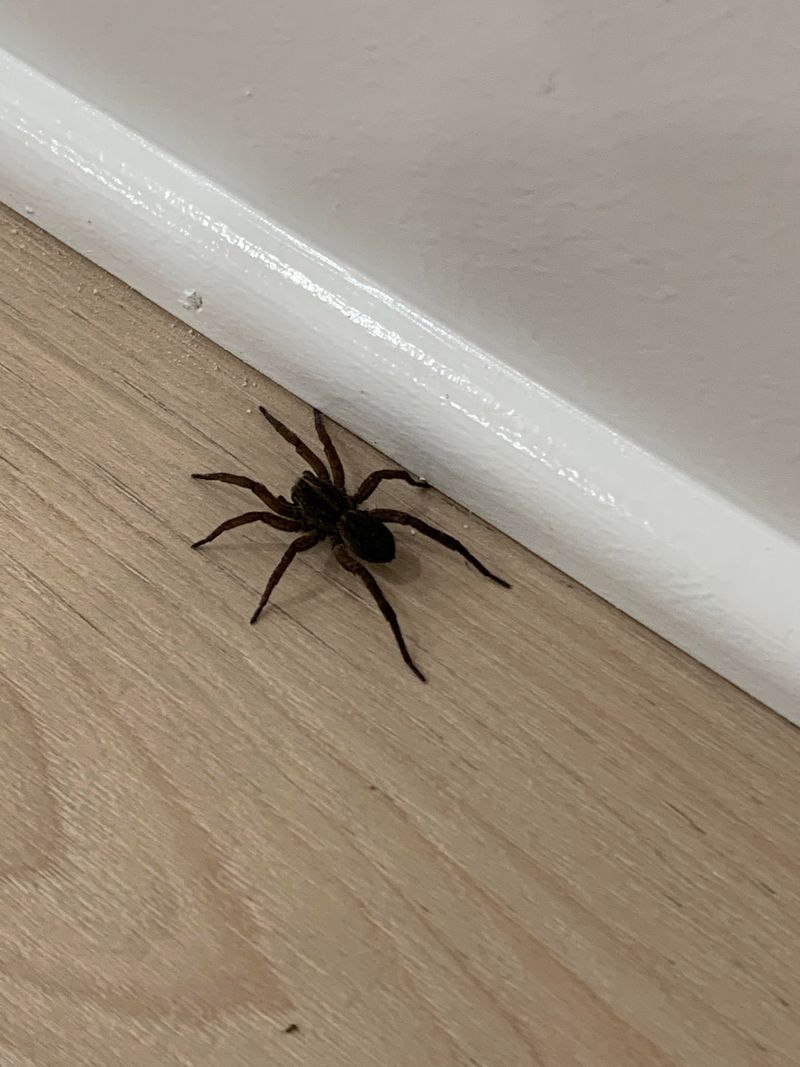
Quiet, dark, and rarely disturbed, basements and garages are spider paradise. These spaces offer everything an eight-legged tenant could want as fall arrives.
Cardboard boxes, stacked storage, and forgotten corners give spiders endless places to hide. The stillness means their webs stay intact for long stretches.
Michigan basements often stay cool and a bit damp, which draws insects that spiders love to eat. That steady food source keeps spiders comfortable settling in.
Garages get plenty of foot traffic through open doors, letting spiders wander in with ease. Once inside, they retreat to shelves and rafters where nobody bothers them.
Reducing clutter is one of the best ways to make these areas less appealing. Swapping cardboard boxes for sealed plastic bins removes hiding spots and blocks entry.
Sweeping down webs regularly discourages spiders from setting up permanent homes. When their work keeps getting cleared, they often relocate somewhere quieter.
Keeping items off the floor and organized on shelves cuts down on dark nooks. Good lighting also helps, since many spiders prefer dim spaces.
Storing firewood outside rather than in the garage keeps a common spider hideout away from your home. Bugs and spiders both love woodpiles.
A little airflow and dryness go a long way too. Running a dehumidifier in a damp basement makes the space less friendly to both insects and the spiders that hunt them.
With regular attention, these storage areas can stay far less spidery through the busy fall months.
7. Fall Harvest Brings Them Indoors
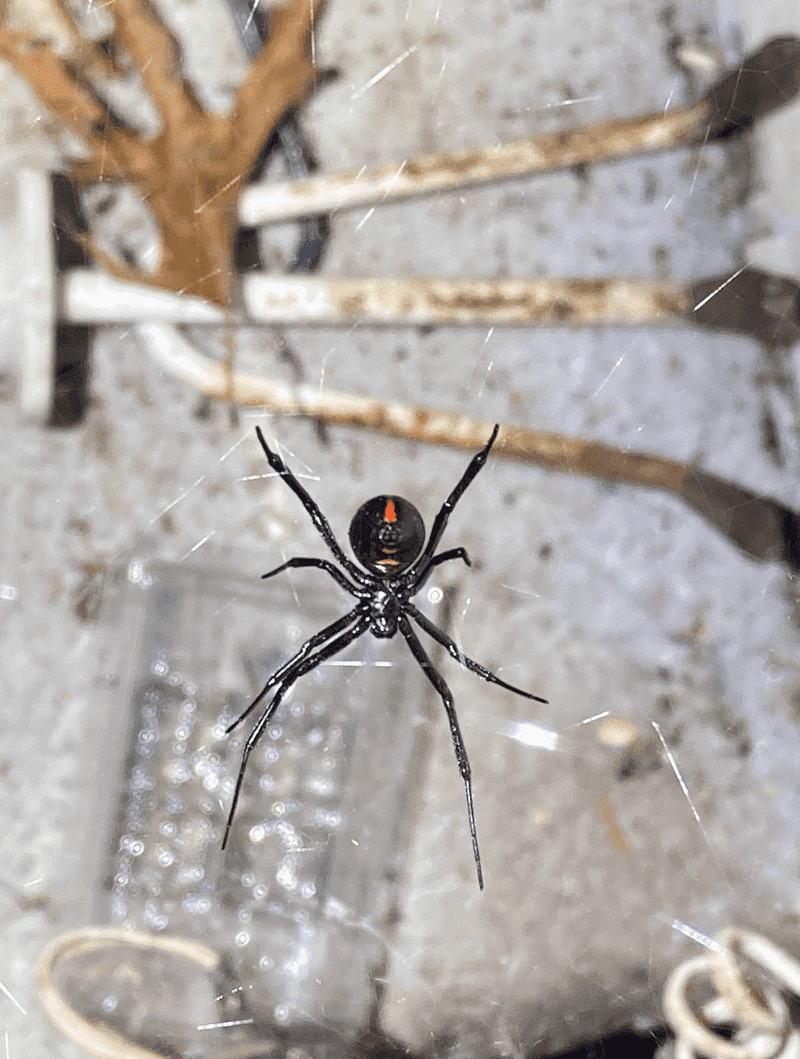
Autumn in Michigan means yard work, firewood, and gathering the last garden goodies. All that activity can carry spiders straight into your home without you realizing it.
Spiders often hitch rides on firewood, potted plants, and boxes brought in from outside. One trip from the garden shed can introduce a few new guests.
As people stack wood for the season, spiders hiding in the pile come along for the journey. They tuck into bark and crevices, then wander off once indoors.
Harvest time also stirs up outdoor spiders that were living in gardens and leaf piles. Disturbing their habitat sends them searching for a new place to settle.
Shaking off items before bringing them inside can knock loose any stowaways. Giving firewood a good inspection helps keep spiders out of your living room.
Storing wood a good distance from the house reduces the chance of spiders migrating indoors. Bringing in only what you plan to burn soon is a smart move.
Checking potted plants before moving them inside for winter catches hidden hitchhikers. A quick look under leaves and around the rim often reveals surprises.
Raking leaves away from your foundation removes a favorite outdoor spider hangout. Fewer leaf piles near the house means fewer spiders nearby wanting to come in.
Wearing gloves during fall chores keeps you comfortable while handling wood and plants. It is a simple habit that makes yard work more pleasant.
With a bit of care during harvest season, you can enjoy those autumn traditions while keeping unexpected guests to a minimum.