The One Thing You Must Do To Michigan Lilacs Before September Ends

Something quietly important happens in Michigan gardens during the last stretch of September, and most people walk right past it. The shrub by the fence looks finished for the year, so it gets ignored.
That shrub is not finished at all. It is making decisions about next spring while you rake around it and think about football.
Cool mornings, dusty soil, and a hose already coiled up for the season all point the same direction. Miss this short window and the letdown shows up months later, right when the neighborhood is at its prettiest.
The fix takes minutes of actual effort, and the shrub does the rest of the work through October.
Give Your Lilac One Deep Soaking Before October

Michigan lilacs need one slow, deep soaking before September closes out for the year. Give each mature shrub ten to twenty gallons of water, aimed at the root zone rather than the leaves.
A quick blast from the hose only wets the top inch of soil. Water applied slowly has time to sink down to where the roots are actually working underground.
Lay a soaker hose in a loose circle under the outer branches and let it run on low for forty-five to sixty minutes. A regular hose works too, set to a trickle and moved every ten minutes around the base.
Push a long screwdriver into the soil afterward to check your work. If it slides in easily to six or eight inches down, the water reached where it needed to go.
Lilacs planted within the past two years need less volume but the same attention. Five gallons poured slowly at the base is usually enough for a young root ball.
Morning is the friendliest time to water, since it gives foliage a chance to dry before evening. Skip the overhead sprinkler this time of year, since wet leaves sitting overnight invite trouble.
One thorough soaking usually covers a normal September. Sandy soil near the lake, however, drains fast and may need a second round about ten days later.
Treat the job like a short appointment rather than an afterthought. It takes less time than mowing the lawn and pays off the following spring.
The Buds Already Forming For Next Spring
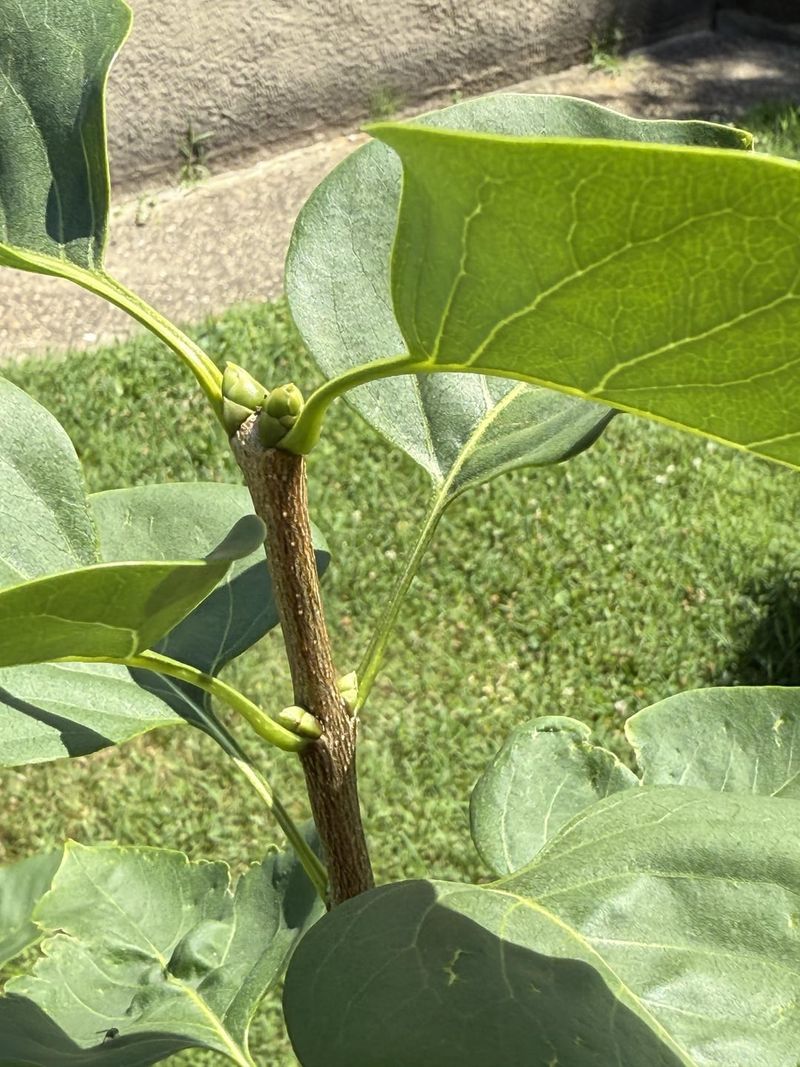
Peek at a lilac branch tip in late September and you will spot small, plump buds already sitting in pairs. Those are not just next year’s leaves; a good share of them hold next spring’s flowers, folded up and waiting.
Lilacs set their flower buds during summer, usually wrapping up the job by late August. Everything that happens afterward is about protecting and feeding what has already formed.
Leaves spend early fall turning sunlight into sugars and shipping them down to the roots for storage. That pantry powers the first burst of growth in April, long before new leaves can pull their own weight.
Drought throws a wrench in the process. A thirsty shrub closes the tiny pores on its leaves, sugar production slows, and some tender buds shrivel instead of filling out.
Your Michigan Garden Changes Every Week. Your Plan Should Too.
Gardening in Michigan changes quickly throughout the season. Every Friday you’ll receive a simple weekly plan showing exactly what to plant, prune, fertilize, harvest, and protect so you never miss the right timing.
Gardeners rarely notice the loss in September because the branches look perfectly fine. They notice in May, when a shrub that usually carries a hundred flower clusters manages thirty.
Root growth is the other quiet story. Lilac roots keep spreading through cool, moist soil well into November, and every new root hair adds to the shrub’s ability to handle a windy Michigan winter.
So the plant is doing two jobs at once: protecting buds and building underground. Both jobs need moisture in the top foot of soil, which is precisely what a dry September takes away.
Understanding that changes how the chore feels. You are not watering a bush; you are stocking the shelves.
Signs Your Lilac Is Already Asking For Water
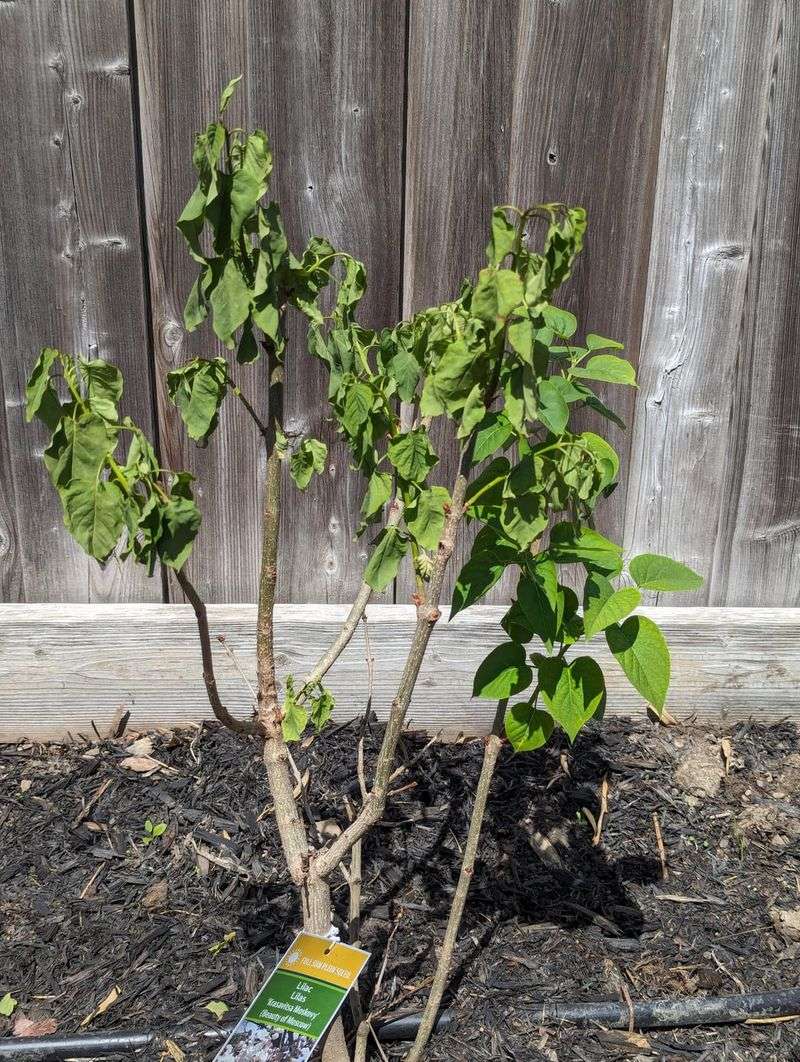
A lilac under stress rarely wilts the way a tomato plant does. The signals are quieter, and most people miss every one of them.
Leaves that curl slightly inward or lose their glossy sheen are often the first clue. A healthy lilac leaf stays flat and holds a deep green color well into fall.
Early leaf drop is another sign worth catching. If leaves near the bottom of the shrub turn yellow and fall weeks before the rest of the plant, the roots are likely running short on moisture.
Branch tips can also tell the story. New growth that looks slightly shriveled or duller than the rest of the branch usually means the shrub pulled back resources to protect its core.
Soil texture gives away the same information without waiting on the plant. Ground that has pulled away from the edges of a planting bed, forming a visible gap, has been dry for a while.
A shrub near a driveway, fence line, or south-facing wall shows stress faster than one tucked into a shadier corner. Reflected heat and reduced rainfall reach dry these spots out ahead of the rest of the yard.
None of these signs demand emergency action. They are simply the plant’s way of saying the deep soaking mentioned earlier should happen sooner rather than later.
Catching the signal early keeps the fix simple. One slow watering, and the shrub settles back into its normal rhythm.
The Common Mistake That Trims Away Next May’s Flowers

Every September, somebody looks at a lilac, decides it is shaggy, and reaches for the loppers. That tidy urge is the fastest way to trade a fragrant May for a plain green one.
Lilacs bloom on old wood, meaning branches that grew the previous year. Cut them now and you are snipping off buds that formed back in July.
The right pruning window opens the moment the flowers fade in late spring and closes within a few weeks. June is your month, not September.
A second misstep shows up in the fertilizer aisle. High-nitrogen feed applied in early fall pushes soft new shoots that have no time to harden before a cold snap rolls across the state.
Leave the plant food for spring. If a soil test says the shrub needs help, jot it down and act in April.
One exception is worth mentioning: broken, rubbing, or clearly ailing branches can come out any time. Removing those is repair work, not shaping.
Some folks also strip yellowing leaves by hand, thinking they are helping. Those leaves are still sending sugars downward, so let them drop on their own schedule.
Resist the urge to pile fresh soil around the trunk as well. Lilacs like their crown sitting at grade, with air moving freely around the base.
Do less in September and more in June. The shrub keeps score, and it settles up when the neighbors stroll past with their coffee, which is a bargain worth remembering.
Reading Michigan Soil And Weather Before You Water

Michigan hands out wildly different dirt depending on where you stand. Heavy clay grips water for days around Ann Arbor and Monroe, while sandy stretches near Muskegon let it slip through in hours.
Both types grow fine lilacs, yet they want different watering rhythms. Clay prefers one long, patient soak, and sand does better with two shorter rounds.
Before you turn on the spigot, dig a small hole about six inches deep near the drip line. Damp, crumbly soil means you can wait a few days, while dusty soil means go now.
Keep an eye on the rain gauge as well. An inch of steady September rain soaking in slowly can cover the week, though a fast thunderstorm mostly runs off and does far less than the number suggests.
Lilacs dislike soggy roots nearly as much as parched ones. If your shrub sits at the bottom of a slope where puddles linger for days, ease up and let nature handle it.
Slightly sweet soil, near neutral pH, is where these shrubs are happiest. Parts of southern Michigan lean that way thanks to limestone in the ground.
Wind matters too, especially along the lakeshore. A constant breeze pulls moisture from leaves faster than you would guess, so exposed plantings usually need the extra gallons.
Check the ten-day forecast once, make your call, and move on. Gardening well is mostly noticing, and September rewards anyone who takes ten seconds to look down at the ground.
Mulch, Cleanup, And The Finishing Touches Around The Base
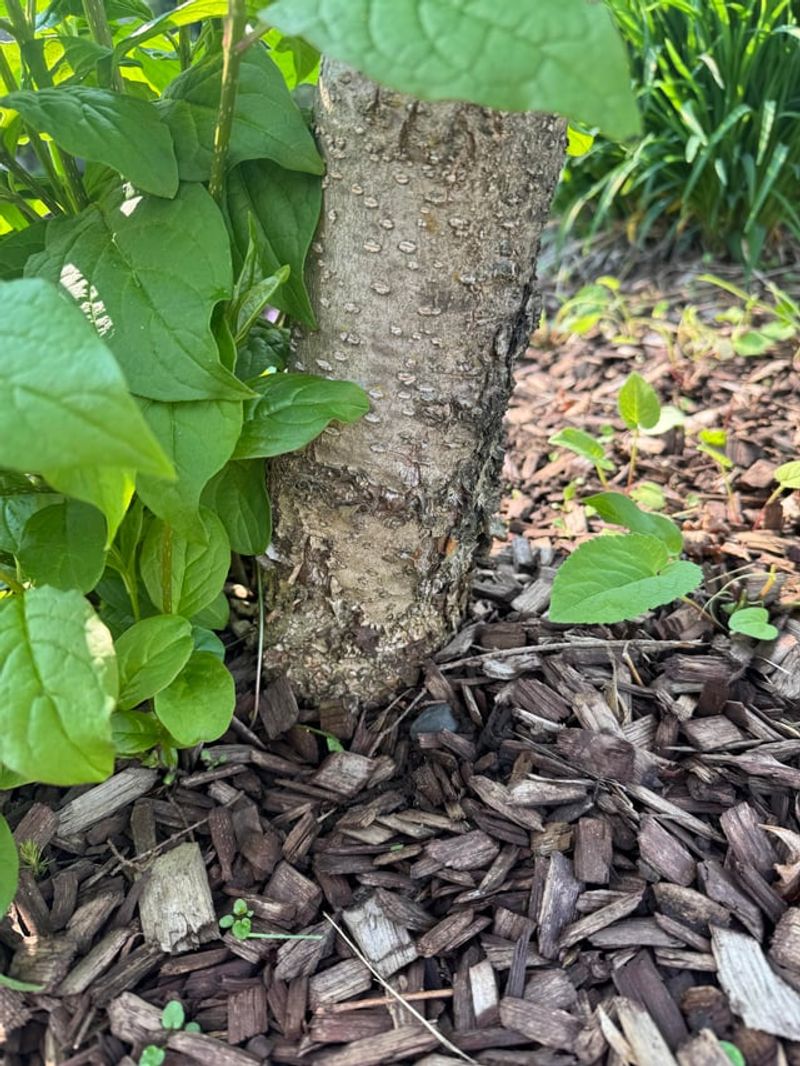
Once the water has settled in, the finishing work takes about fifteen minutes. Rake up the fallen leaves under the shrub and get them out of the bed.
Lilac foliage often picks up a dusty white coating by late summer, and that powdery film carries spores that overwinter in leaf litter. Bagging the debris cuts down on the same mess repeating next August.
Skip the compost pile for those particular leaves. Curbside yard waste pickup is the safer destination.
Next, spread two to three inches of shredded bark or chopped leaves over the root zone. Pull the layer back a few inches from the stems so the bark stays dry and voles find no cozy tunnel.
Mulch holds the moisture you just added, steadies soil temperature through Michigan’s freeze-and-thaw swings, and keeps grass from crowding the base. Consider it insurance on the watering you already did.
Suckers popping up around the trunk can be trimmed off at ground level whenever they appear, since removing them is not the same as shaping the top.
Give the surrounding turf a break from string trimmers, too. Nicked bark near the base weakens a shrub more than most people realize.
If a stake or old tie is still wrapped around a young trunk, loosen it before winter. Bark expands, and a forgotten tie can dig in during the cold months.
Then stand back and admire a clean, mulched, deeply watered lilac. It looks cared for, and it truly is.