The North Carolina Shrubs To Fertilize In September And The Ones To Skip
Somewhere in your garage sits a bag of fertilizer with your best intentions written all over it.
September arrives, the shrubs look a little tired, and reaching for that bag feels like the responsible thing to do.
It often isn’t.
Here’s what makes this month genuinely tricky in North Carolina. The same product, applied on the same day, may help one shrub and set another back.
Not because of the plant’s health. Because of what the plant is trying to do right now.
Some shrubs are setting buds for next spring. Some are winding down. One category is barely holding on after a hard summer and cannot use nutrients at all.
Feeding all of them the same way treats a diagnosis you never made.
The gardeners who get this right usually spend less money than the ones who don’t. They also spend less time fixing problems in February.
There’s a single inexpensive step that sorts nearly all of it out, and most people skip it entirely.
Which shrubs want feeding this month, and which ones want to be left alone? Keep reading.
1. Feed Azaleas Only When Soil Tests Show A Need
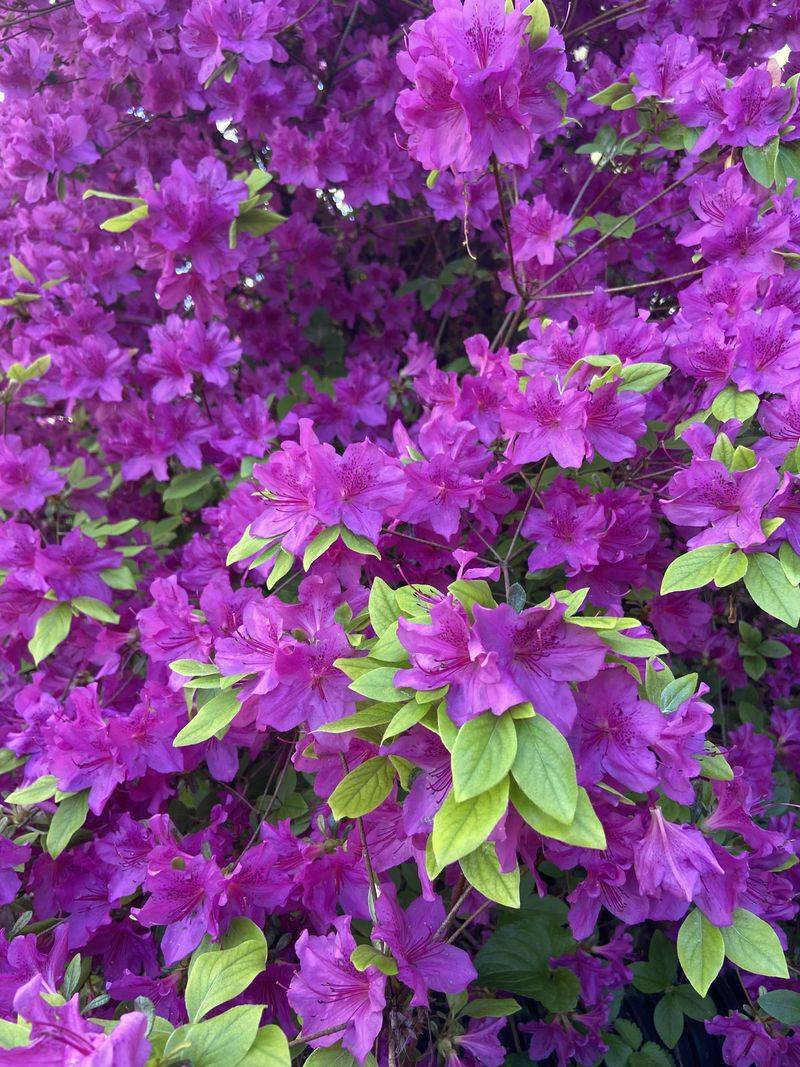
A well blooming azalea tempts everyone into thinking more fertilizer means better performance.
That guess often backfires in North Carolina. Azaleas prefer acidic soil and generally respond to careful feeding rather than automatic feeding every fall.
A soil test from NC State Extension or another reputable lab answers the question directly. Guessing costs more over time.
Target pH usually falls somewhere around 4.5 to 6.0. Within that range, with good leaf color and steady growth, September fertilizer may accomplish little beyond pushing tender shoots that lack time to firm up.
Symptoms deserve interpretation before treatment. Yellow leaves, weak growth, or reduced flowering can indicate nutrient issues, though poor drainage, root damage, and mulch piled against the stem produce similar signs.
Feeding the wrong diagnosis wastes both money and effort. An acid loving fertilizer helps mainly when the test shows an actual shortage.
Application technique matters when feeding is warranted. Water the root zone if soil is dry, spread product beyond the main stem, and keep granules off foliage.
Light application beats a heavy hand. Excess salts around shallow azalea roots create problems that take a season to resolve.
Healthy plants call for a different focus. Mulch, moisture, and a soil test cover it.
Sometimes the most productive garden task is putting the bag back on the shelf. Your wallet notices immediately.
2. Skip Healthy Boxwoods That Already Look Strong
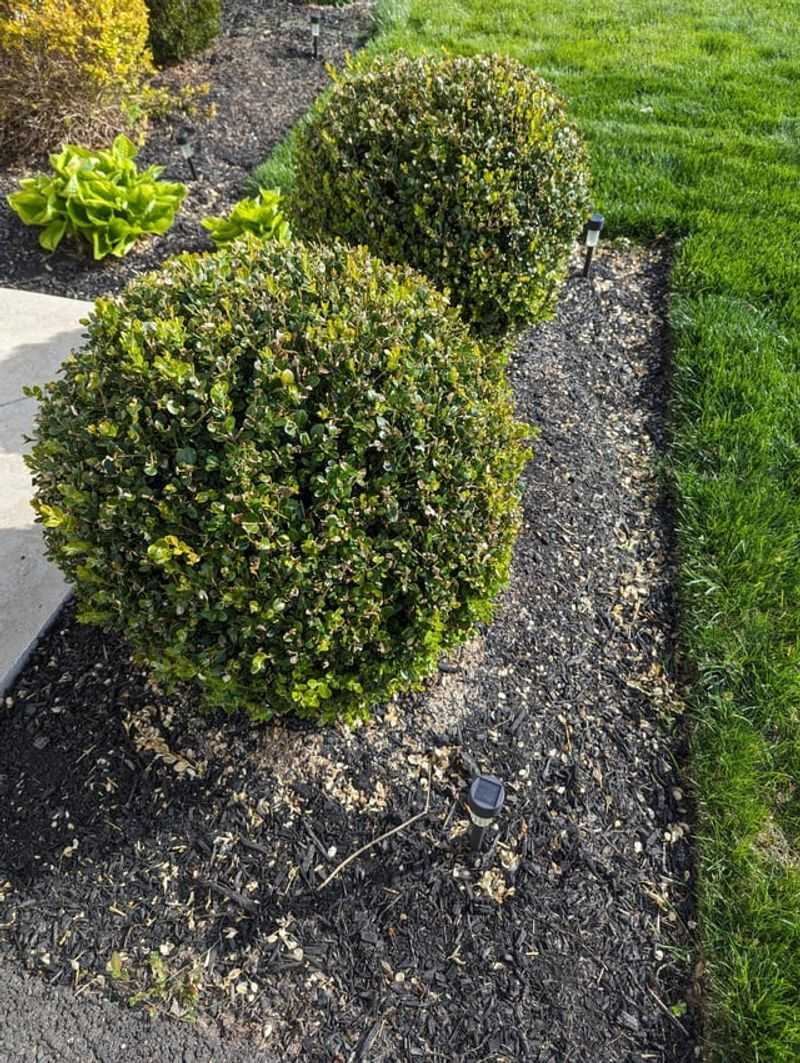
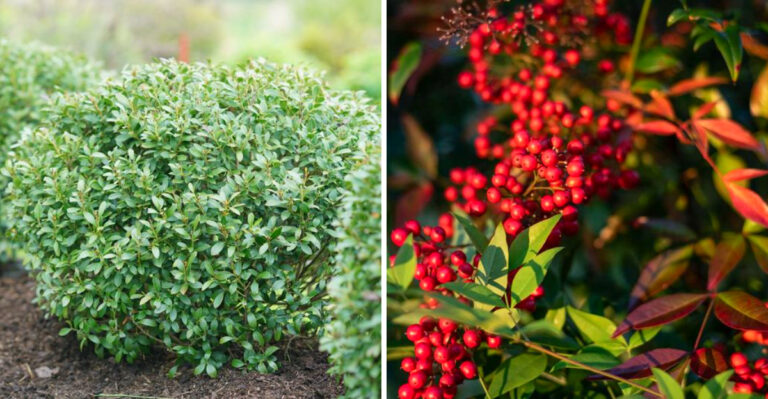
Boxwoods carry enough landscape prestige that people fertilize them out of respect.
Many established plants across North Carolina hold rich color and dense form for years with minimal feeding. Decent soil and water during dry stretches handle most of their needs.
Condition tells you more than the calendar does. Sturdy branching, leaves sized normally for the variety, and reasonable spring growth all point toward a plant that needs nothing.
A strong looking boxwood in September rarely benefits from fertilizer. Soft late growth is the more likely result.
Your North Carolina Garden Changes Every Week. Your Plan Should Too.
Gardening in North Carolina changes quickly throughout the season. Every Friday you’ll receive a simple weekly plan showing exactly what to plant, prune, fertilize, harvest, and protect so you never miss the right timing.
Warning signs deserve investigation rather than immediate feeding. Pale foliage, thinning branches, stunted growth, and unusual leaf spotting all have multiple possible causes.
Compaction, soggy soil, winter injury, pests, and disease sit high on that list. Boxwood blight in particular is a serious concern in the state and requires a very different response than fertilizer.
Simple checks come first. Pull mulch back from the trunk, look for circling roots, note whether downspouts flood the bed, and count actual sun hours.
A soil test remains the best nutrient guide when you get that far.
Mature boxwood care generally means less intervention. Shallow mulch, deep water during drought, and pruning only when needed.
Restraint is a real technique, not laziness. Occasionally the shrub knows what it’s doing better than you do.
3. Fertilize Hydrangeas Based On Their Growth Goals
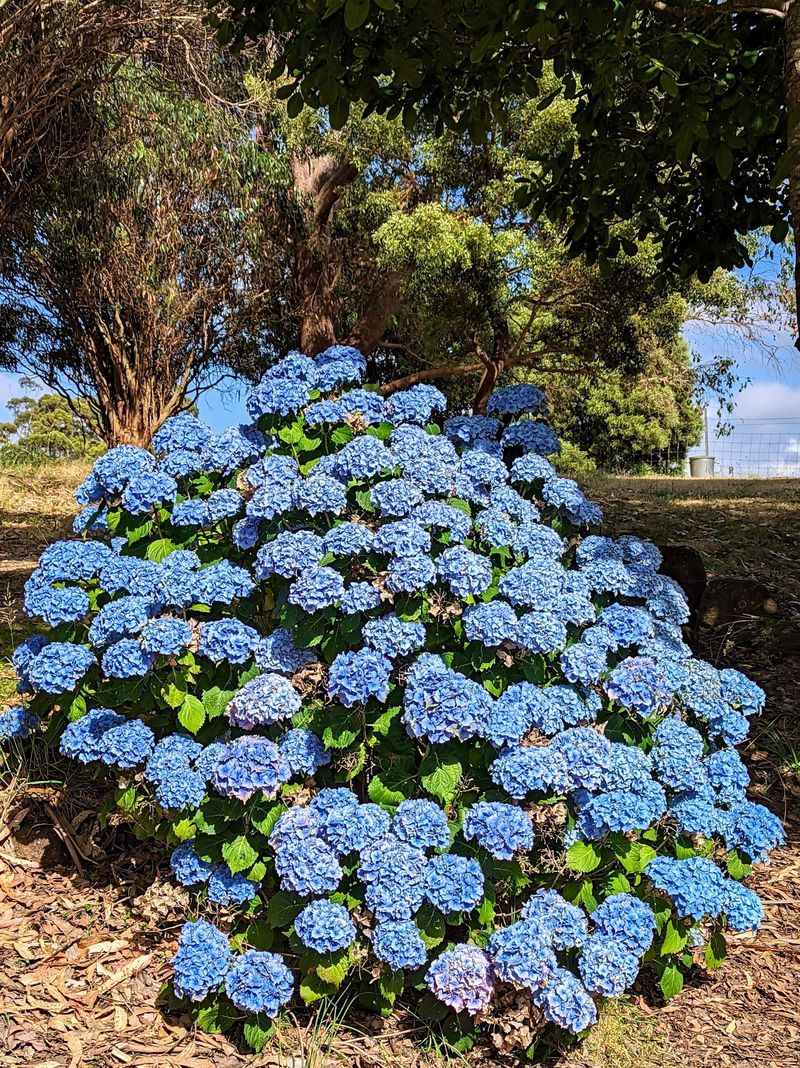
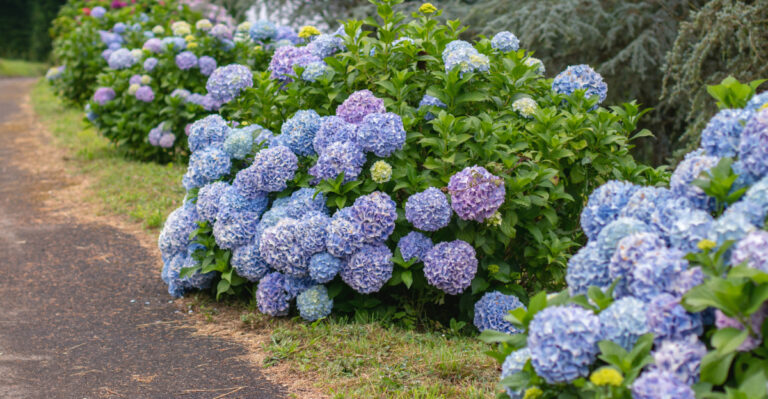
Hydrangeas complicate September because the types behave differently.
Some bloom on old wood, some on new wood, and gardeners want different outcomes from each. Bigger flowers, stronger stems, or a shrub that stays within its space are separate goals.
Start by identifying what you actually have. Bigleaf and oakleaf types often prefer modest feeding, since excess nitrogen tends to produce foliage at the expense of blooms.
Panicle and smooth hydrangeas tolerate more vigor. Even so, heavy late season fertilizer may push soft growth when the plant should be slowing down.
Flower color adds a familiar complication. Blue and pink shades in bigleaf hydrangeas depend largely on soil pH and aluminum availability rather than general fertilizer.
Extra plant food will not reliably shift color. It will produce leafy shoots that want more water and more pruning.
Assess the whole shrub before acting. Flopping stems, fewer blooms, and pale leaves can reflect poor light, drought, root crowding, or genuine nutrient shortage.
When feeding is warranted, apply lightly around the drip line rather than against the base. Water afterward.
Timing note worth keeping. Bigleaf types set next year’s buds during late summer and fall, so late nitrogen can trade flowers for foliage.
Match the plan to the plant. Hydrangeas reward specificity and punish one size fits all thinking with almost comic reliability.
4. Leave Mature Camellias Alone Unless Problems Appear
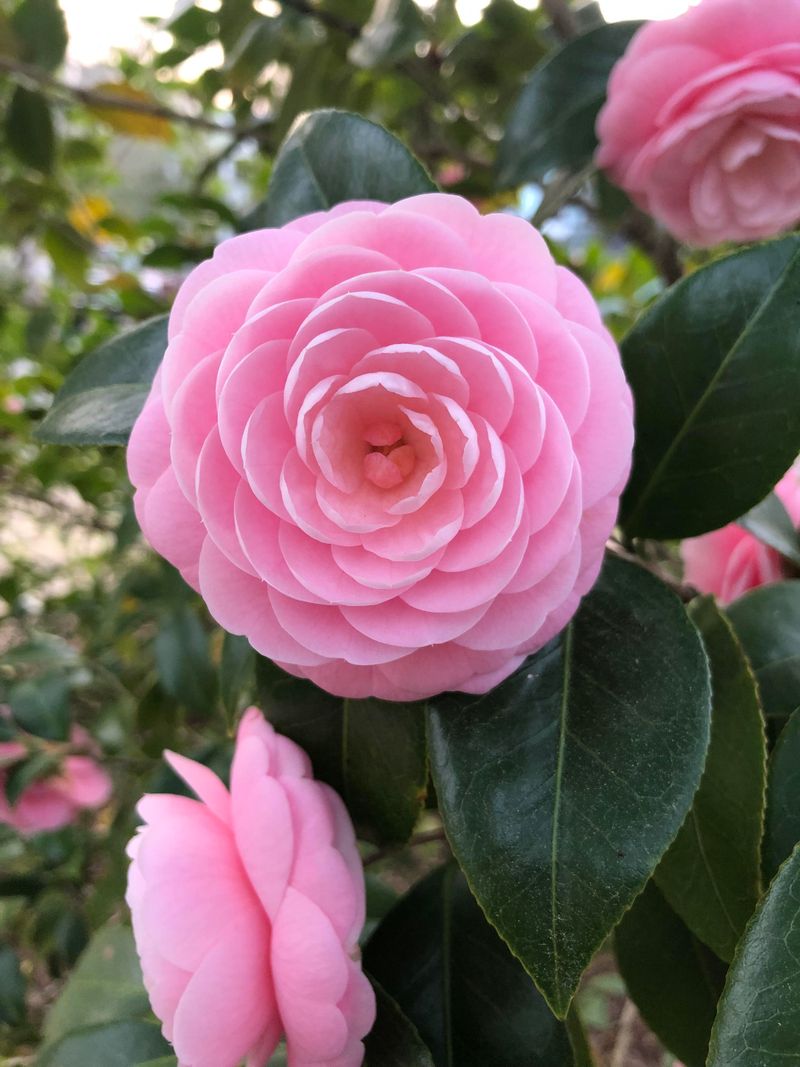
Camellias have an unhurried quality that tells you something about how they should be fed.
Mature plants in North Carolina yards often grow slowly but steadily, holding glossy foliage and setting buds without much intervention.
A balanced looking shrub rarely needs September fertilizer. Site conditions usually matter more.
Both Camellia japonica and Camellia sasanqua prefer acidic, well drained soil with even moisture. Soggy roots and thick mulch against the trunk both cause trouble.
Growth pace is the key detail. Applying fertilizer to a slow growing mature plant creates more risk than benefit in most cases.
Symptoms need reading before treatment. Yellowing between leaf veins, weak new growth, fewer flowers, and smaller leaves can point to nutrients or to drainage, root competition, or pH drift.
Testing removes the guesswork from that list.
Bud timing matters for feeding decisions. Camellias set flower buds in summer, and sasanqua types begin blooming in fall, so late nitrogen serves little purpose.
If feeding proves necessary, use an acid loving formulation lightly around the root zone. Keep product several inches from the main stem and water in well.
Otherwise, leave the plant alone. Mulch, steady moisture, and patience do more for a healthy camellia than anything in a bag.
Some shrubs simply want to be admired rather than assisted. Camellias fall squarely in that category.
5. Support Newly Planted Shrubs Carefully
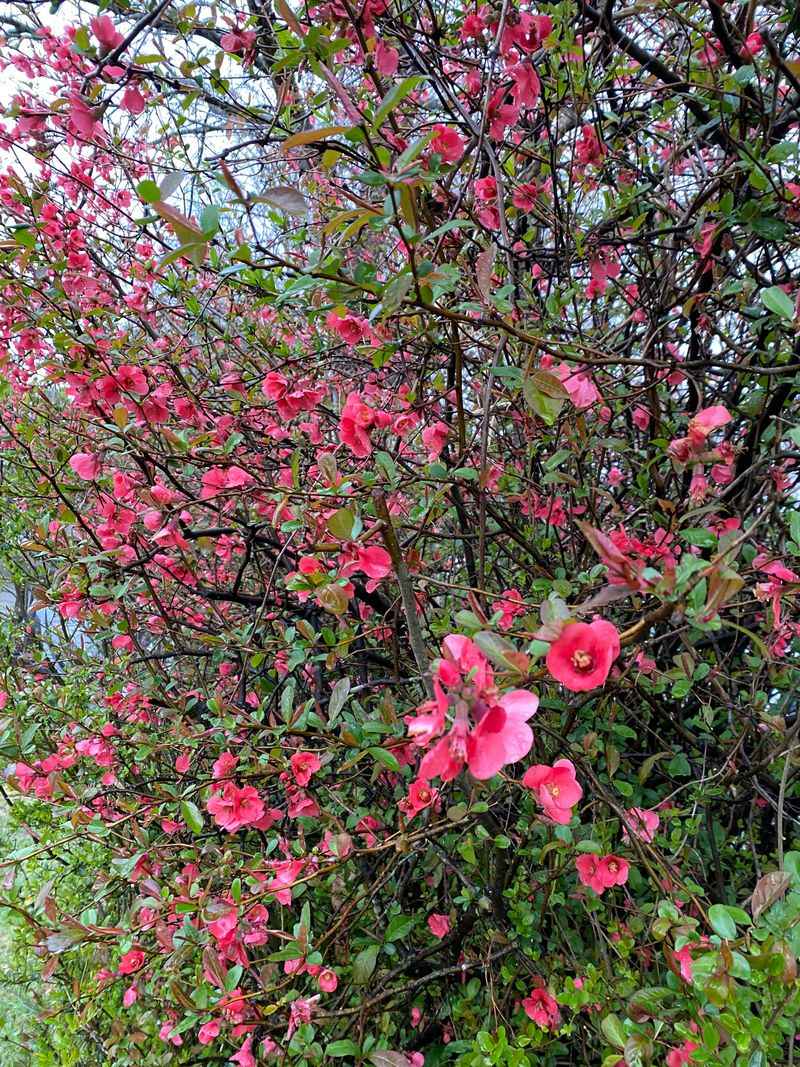
New shrubs behave a bit like new neighbors. A good welcome, steady attention, and no unreasonable demands early on.
September can work well for planting in North Carolina. Careful watering matters considerably more than fertilizer during establishment.
Root systems start out limited to the original root ball plus a narrow band of surrounding soil. That constraint changes everything about feeding.
A strong dose of fertilizer can overwhelm those roots, particularly while the plant adjusts to sun, wind, and shifting moisture. Excess salts irritate young roots that mainly want consistent moisture.
Planting technique does more good than any product. Set the shrub at the correct depth with the root flare visible.
Mulch two to three inches over the area without piling it against the stem. Then water deeply and check soil with a finger rather than judging from the surface.
Light feeding may help in genuinely poor soil or when a test shows a shortage. Even then, restraint pays.
A diluted liquid feed or a small amount of slow release product covers it. Fall planting also gives roots months to develop before summer heat returns, which is the real advantage.
Establishment comes from roots, not fast top growth. Focus on water, placement, and patience, and the shrub handles the rest without any coaching from you.
6. Avoid Feeding Heat-Stressed Shrubs
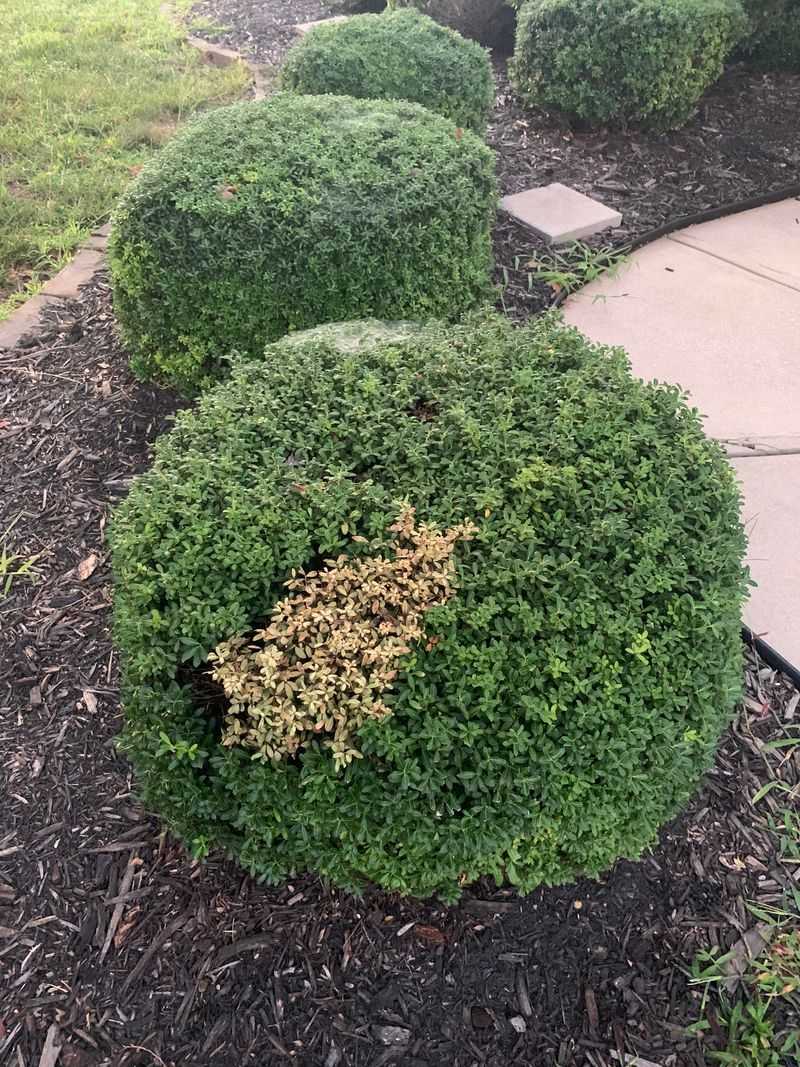
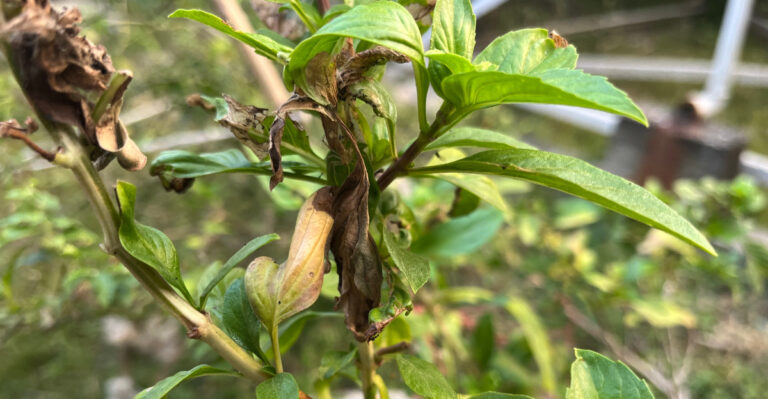
After a hard North Carolina summer, plenty of shrubs look thin, tired, or scorched at the leaf edges.
Feeding is the natural impulse. Recovery conditions serve those plants better than nutrients.
Struggling roots often cannot take up fertilizer effectively. Product may sit unused or add pressure the plant is not equipped to handle.
Heat stress has recognizable signs. Curled leaves, brown margins, late afternoon drooping, and early leaf drop all show up regularly.
None of those symptoms points automatically at poor soil. Reflected heat, compaction, shallow watering, and roots competing with turf all drain a shrub’s reserves first.
September suits assessment better than intervention. Check moisture a few inches down, water deeply if the root zone is dry, and refresh mulch for steadier conditions.
Location deserves consideration too. Shrubs near pavement or south facing walls run hotter and drier than the rest of the yard, and that gap widens every summer.
Hold fertilizer until the plant stabilizes or a soil test identifies a real shortage. New growth pushed late tends to be soft and vulnerable.
Gentle care outperforms a feeding spree here. Better watering habits, afternoon shade in extreme spots, and time.
Sometimes the most effective treatment involves doing nothing while looking concerned. Plants respond to that better than you might expect.
7. Use Soil Tests Before Opening The Fertilizer Bag
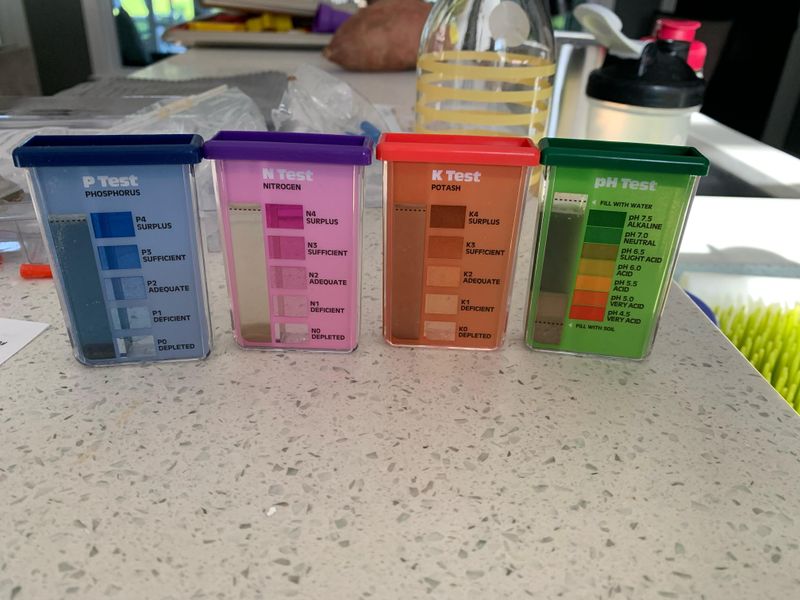
A soil test lacks the satisfying moment of opening a fresh fertilizer bag.
It remains one of the more useful tools available to North Carolina gardeners. You get pH and nutrient levels instead of assumptions.
That data explains why one shrub might need help while its neighbor should be left alone. Same bed, different requirements.
State soils vary dramatically from mountain sites to coastal sand to Piedmont clay. Regional generalizations only go so far.
One bed may hold plenty of phosphorus while needing a pH adjustment. Another may have adequate nutrients and poor drainage, which no fertilizer addresses.
Testing prevents treating every symptom as hunger. That habit alone saves money.
The process stays simple. Collect small samples from the root zones you want evaluated, mix as directed, and submit through the state lab or another reputable option.
NC State’s lab handles residential samples, with fees that vary by season, so checking current rates and turnaround before mailing is worth a minute.
Results usually arrive with recommendations matched to your numbers rather than someone else’s yard.
September makes this especially relevant, since late season feeding should be purposeful. No shortage means skip it confidently.
Better decisions beat more products every time. A soil test converts guesswork into something you can actually trust.
8. Match Fertilizer Timing To Each Shrub

September sounds like a clear cue to fertilize. Shrubs disagree among themselves.
Timing depends on the type of shrub, its age, how much new growth it’s making, and what the soil actually lacks. One plant may benefit now while its neighbor should wait.
Evergreens slowing down for fall call for caution. Late fertilizer can encourage tender shoots ahead of cooler weather.
Flowering shrubs vary considerably. Many set next season’s buds well before winter, so pushing leafy growth at the wrong moment trades blooms for bulk.
Deciduous shrubs with documented nutrient shortages often respond better than already healthy plants. Nothing responds well to fertilizer it doesn’t need.
Newly planted shrubs remain a special case, since root establishment outranks fast top growth. Heat stressed plants need stable moisture before anything else.
The condition of the plant in front of you outranks the date.
Fall soil temperatures also matter. Roots stay active well after top growth slows, which is why fall is often better for planting than for feeding.
A workable routine takes four steps. Identify the shrub, judge whether it’s vigorous or struggling, test the soil, and follow label rates if feeding is genuinely warranted.
Good timing turns out to be good observation wearing a different hat. Match the treatment to the plant and fall gets considerably easier to manage.