What Michigan Hostas Need In September Before They Disappear For Winter
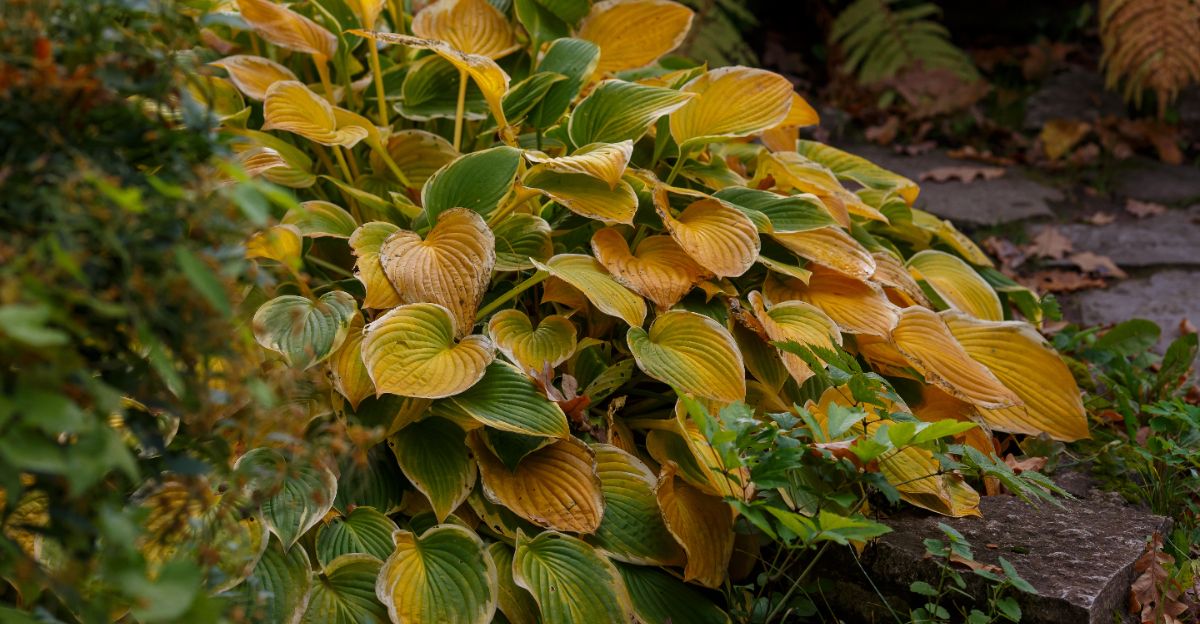
Hostas that looked lush and full all summer start sending a quiet signal once September rolls around, leaves losing their shine, edges starting to yellow at the tips. It’s easy to mistake this for a problem.
In reality, the plant is simply following its own internal clock, winding down exactly on schedule as it prepares for a long winter rest underground. What looks like decline is actually preparation.
A few specific steps taken now make a real difference in how strong and full those hostas come back next spring. Skip them, and you might notice smaller, sparser growth once warmer weather finally returns.
Understanding exactly what hostas need during this transition takes the guesswork out of fall cleanup. Here’s what matters most before these reliable shade plants disappear completely until spring.
1. Let The Leaves Keep Working
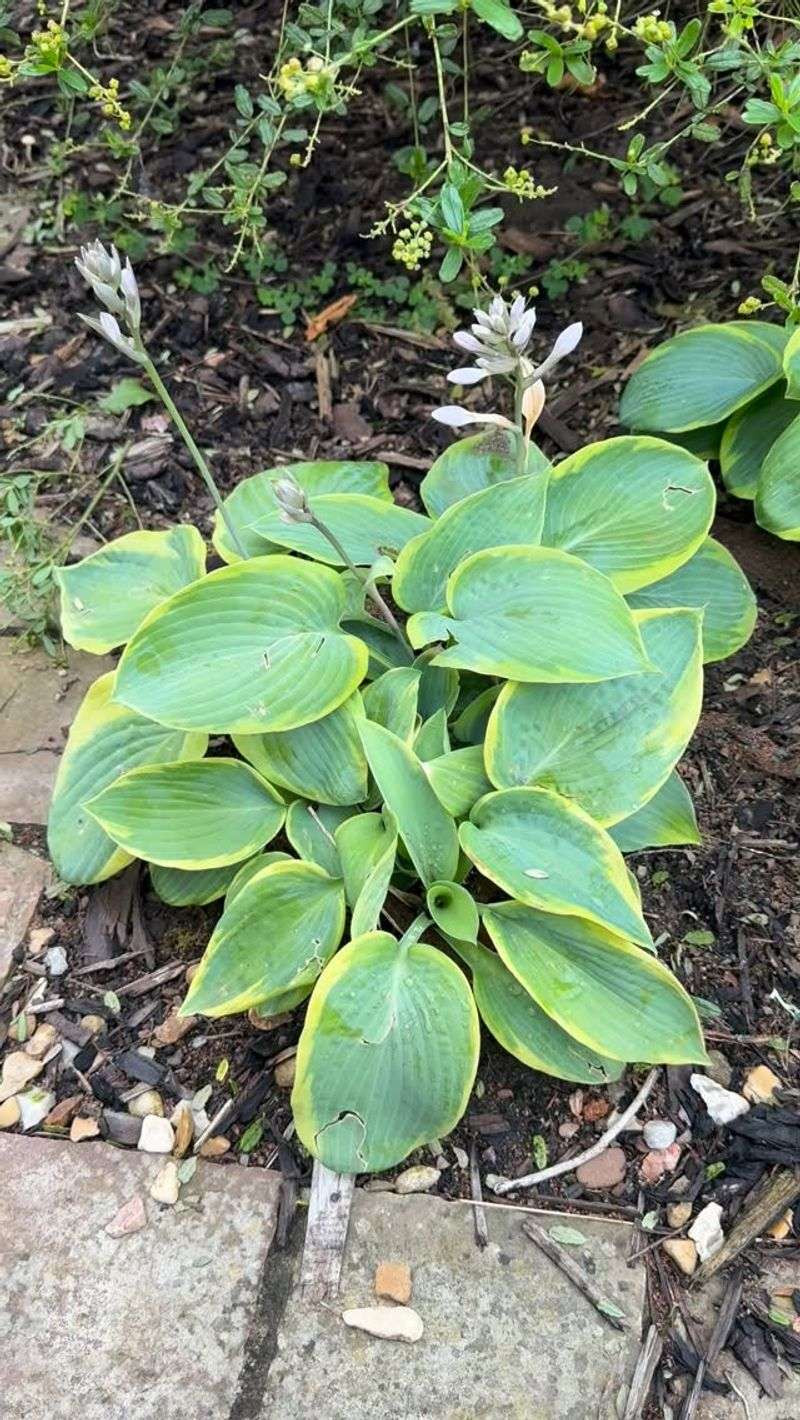
Think of hosta leaves in September as tiny solar panels still soaking up the sun. Even as summer fades, those green blades are quietly gathering energy and sending it down into the crown, which is the base where roots and new buds live.
The crown acts like a storage tank. All the food the leaves make gets tucked away there, waiting to fuel next spring’s fresh growth.
If you strip the leaves off while they are still green and healthy, you interrupt that saving process.
In Michigan, September often brings warm afternoons and cooler nights, a combination hostas seem to enjoy. The plant reads these shorter days as a signal to prepare for the cold months ahead, so leaving the foliage in place supports that natural rhythm.
You might feel tempted to tidy things up early, especially if the rest of your garden is winding down. Try to resist for now, because green leaves are a sign the plant is still hard at work.
A helpful way to picture it is packing snacks before a long road trip. The more the hosta stores now, the better prepared it will be to burst out strong when the snow melts.
Watch for the color change instead. When leaves begin turning yellow on their own, that tells you the plant has finished pulling energy back into the crown and is ready to slow down for the season.
2. Skip The Early Haircut
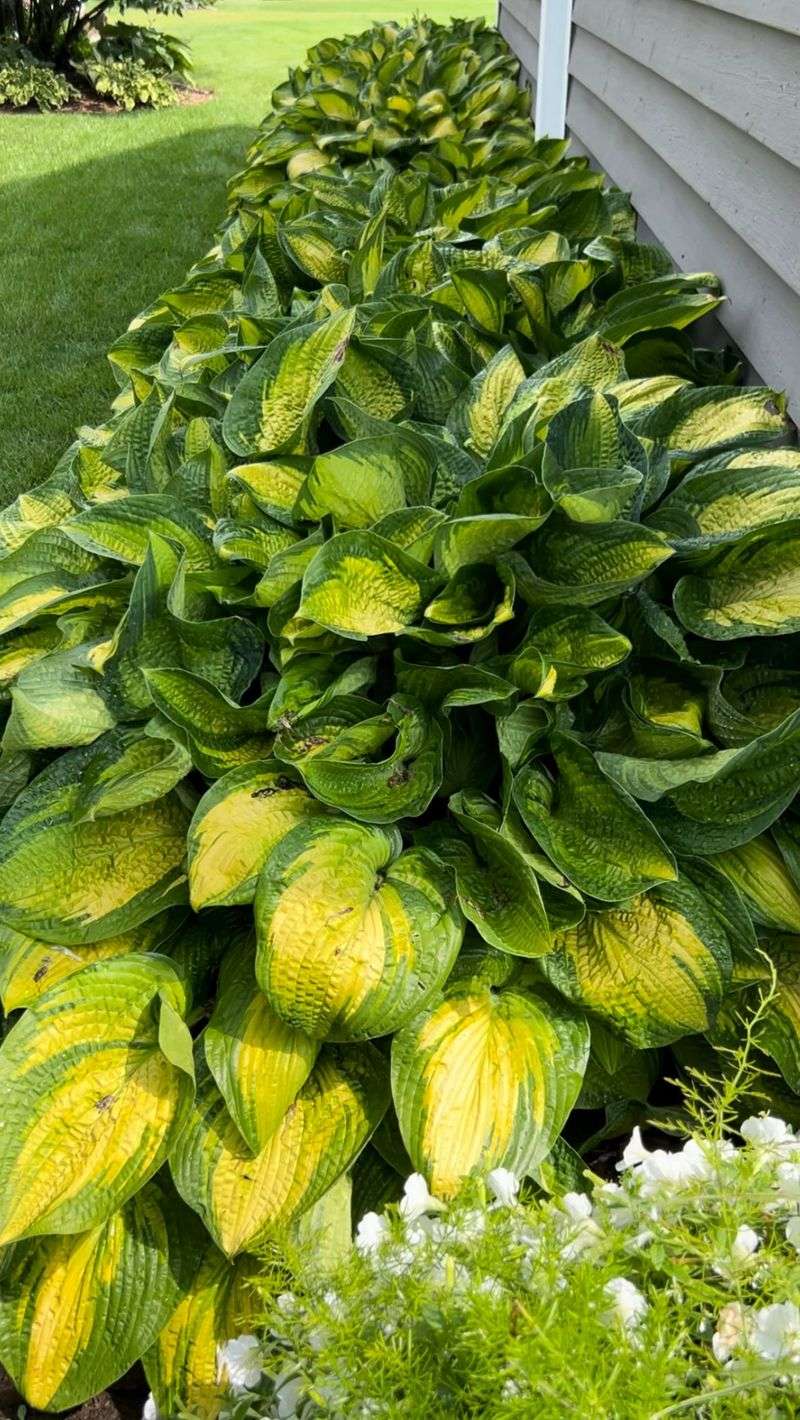
Reaching for the shears too soon is one of the most common September mistakes. It feels productive, but cutting back healthy foliage early can shortchange the whole plant.
Here is the thing about those leaves: while they stay green and firm, they are still feeding the crown. Removing them before they naturally fade is like taking a plate away from someone who is only halfway through dinner.
A hosta that loses its leaves too early has less stored energy going into winter. That can mean weaker growth, smaller clumps, or fewer leaves when spring arrives in Michigan.
Some gardeners worry that green leaves left in place will invite trouble. In most cases, healthy foliage is doing exactly what it should, and there is little reason to remove it just yet.
Your Michigan Garden Changes Every Week. Your Plan Should Too.
Gardening in Michigan changes quickly throughout the season. Every Friday you’ll receive a simple weekly plan showing exactly what to plant, prune, fertilize, harvest, and protect so you never miss the right timing.
Timing matters more than tidiness right now. The plant knows how to wind itself down, and it does this best when you let the seasonal cues guide the process instead of your calendar.
If you enjoy a neat garden, focus your energy elsewhere for a few weeks. Rake nearby paths, edge your beds, or plant fall bulbs while the hostas finish their slow retreat.
The reward for patience shows up months later. A hosta that kept its leaves through September usually pushes up plumper, healthier shoots once the ground warms again, giving you a fuller plant with very little extra effort on your part.
3. Keep Water Handy During Dry Spells
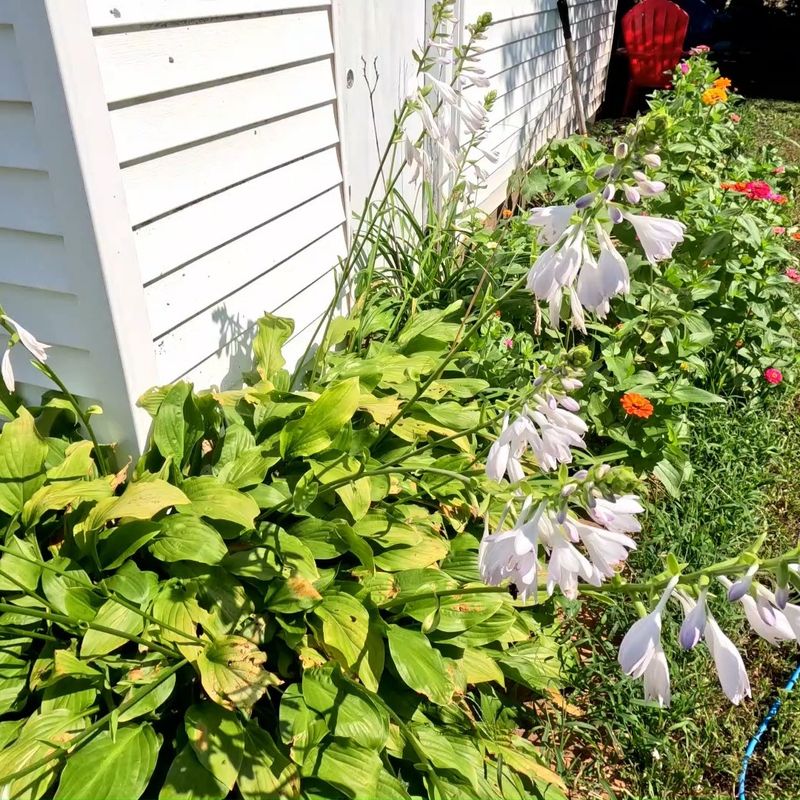
September in Michigan can surprise you with stretches of warm, rain-free days. When that happens, hostas still get thirsty, even though the growing season is winding down.
Roots keep drinking and storing moisture right up until the ground cools. A well-watered plant heads into winter in much better shape than one that spent September parched and stressed.
Newly planted or recently divided hostas need the most attention. Their roots have not spread out yet, so they cannot reach deep moisture the way an established clump can.
A simple test helps you decide when to water. Push a finger a couple of inches into the soil near the plant, and if it feels dry down there, it is time to give a good soak.
Aim for deep, slow watering rather than a quick splash. Letting water sink several inches down encourages roots to grow strong and reach further into the soil.
Morning is a smart time to water in fall. Leaves and soil have all day to dry, which lowers the chance of moisture sitting overnight and causing problems.
Keep an eye on the sky, too. If Michigan sends a week of steady rain, you can skip watering and let nature handle the job for you.
Once the leaves begin fading naturally and cooler weather settles in, the plant needs far less water. Until then, treating your hostas to a drink during dry spells keeps them content and ready for what comes next.
4. Trim Only The Truly Battered Leaves
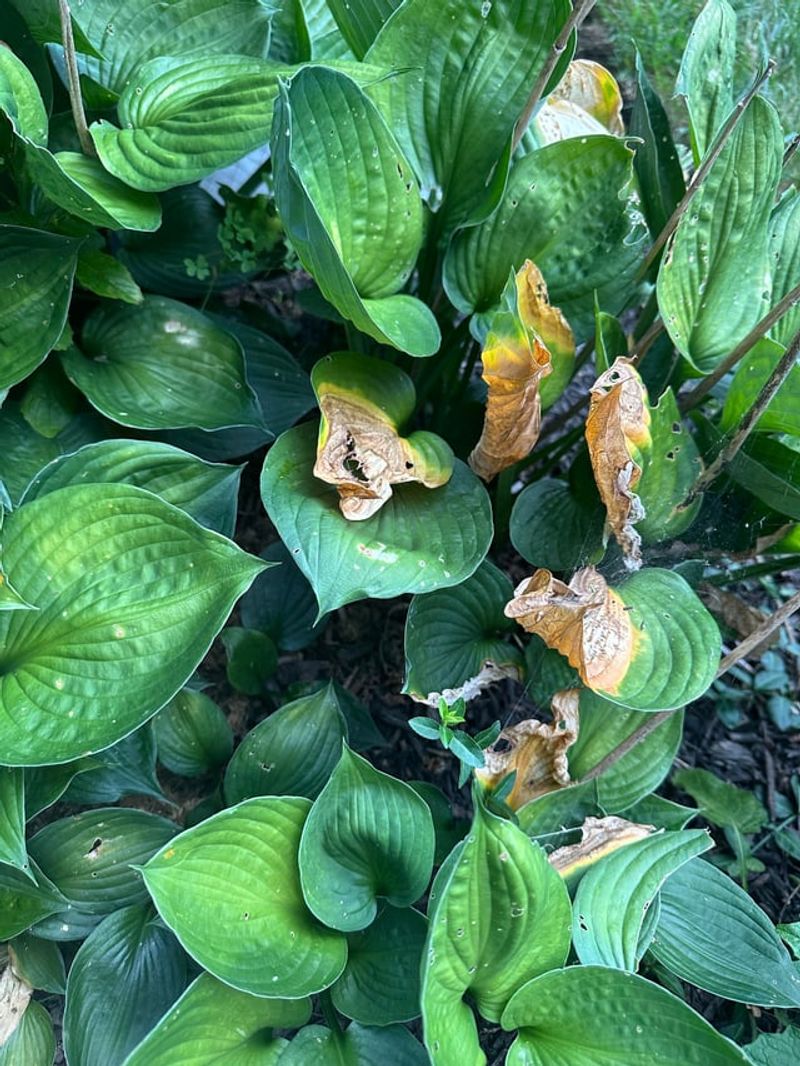
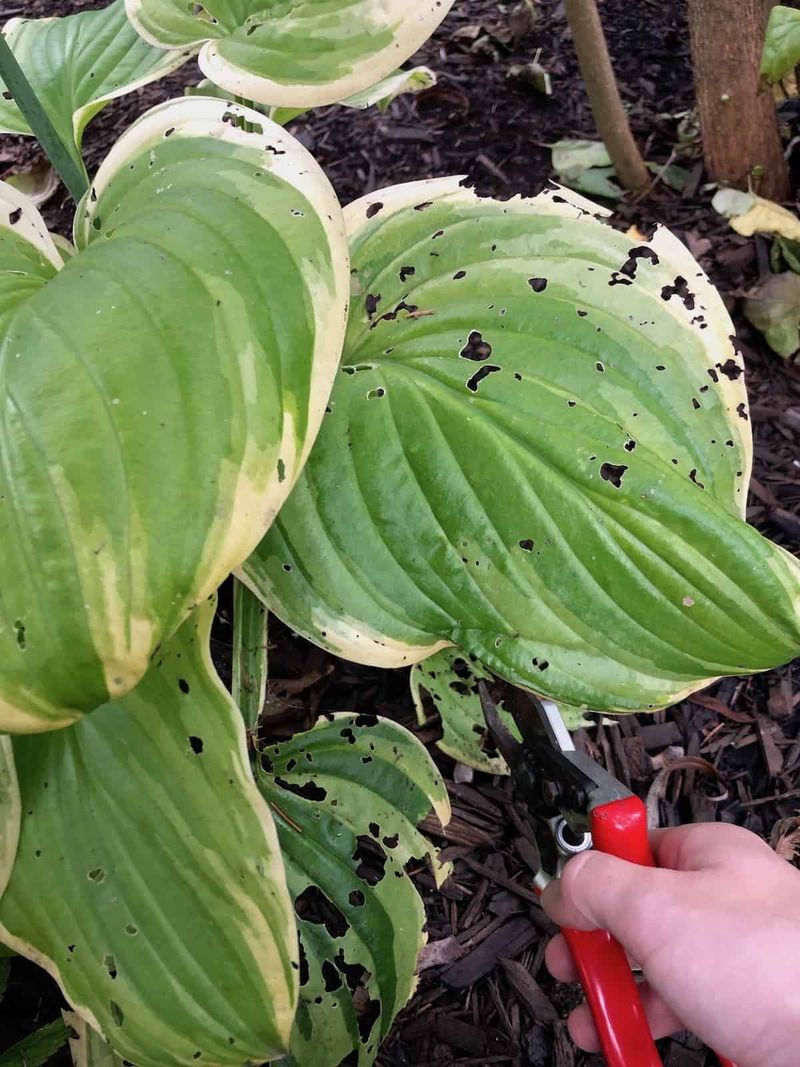
By September, some hosta leaves look a little rough. Slug holes, brown edges, and spotty patches are common after a long summer, and it is fine to tidy those specific leaves away.
The trick is being picky. Snip off only the leaves that are badly chewed, mushy, or showing signs of disease, and leave the healthy green ones alone to keep feeding the crown.
Removing damaged foliage does more than improve looks. Ragged, diseased leaves can spread problems to healthy parts of the plant, so clearing them helps keep the whole clump in better condition.
Use clean, sharp scissors or pruners for the job. Wiping the blades with rubbing alcohol between plants stops you from carrying disease from one hosta to the next.
Cut close to the base of each unhealthy leaf. Pulling or ripping can tug on the crown and loosen roots, which is not what you want this close to winter.
Toss the sickly leaves in the trash rather than the compost pile. Diseased material can survive composting and sneak back into your garden the following year.
There is no need to go overboard here. If most of the plant still looks green and firm, a light touch-up is all it needs, and the rest can wait for later cleanup.
Think of it as light grooming rather than a full trim. You are simply helping the plant put its remaining energy toward the leaves that are still pulling their weight.
5. Hold Off Until Frost Flattens Them
There comes a chilly morning in Michigan when your hostas look like they gave up overnight. Frost has touched the leaves, and the whole clump slumps toward the ground in a soft, floppy heap.
That collapse is actually your green light for cleanup. Once frost causes the foliage to fade and flatten, the plant has already pulled its energy safely down into the crown.
Many experienced gardeners wait for this exact moment on purpose. Cutting back after frost means the hosta got every last bit of value from its leaves before the cold arrived.
Michigan usually sees its first frosts sometime in October, though the timing shifts depending on where you live in the state. Northern areas cool down earlier than spots near the southern border or the lakeshore.
Watch the forecast as September ends. A light frost warning is your cue that the seasonal shift is beginning and cleanup time is drawing near.
After frost, the leaves turn mushy and yellow-brown, and they lift away easily. Cut the stems down to a couple of inches above the ground with clean pruners.
Waiting also saves you effort. Trying to cut firm green leaves earlier is harder work, and it goes against what the plant needs.
So mark the calendar loosely rather than firmly. Let the weather set the schedule, and step in with your clippers only once frost has done the hard part for you.
6. Rake Away The Faded Foliage
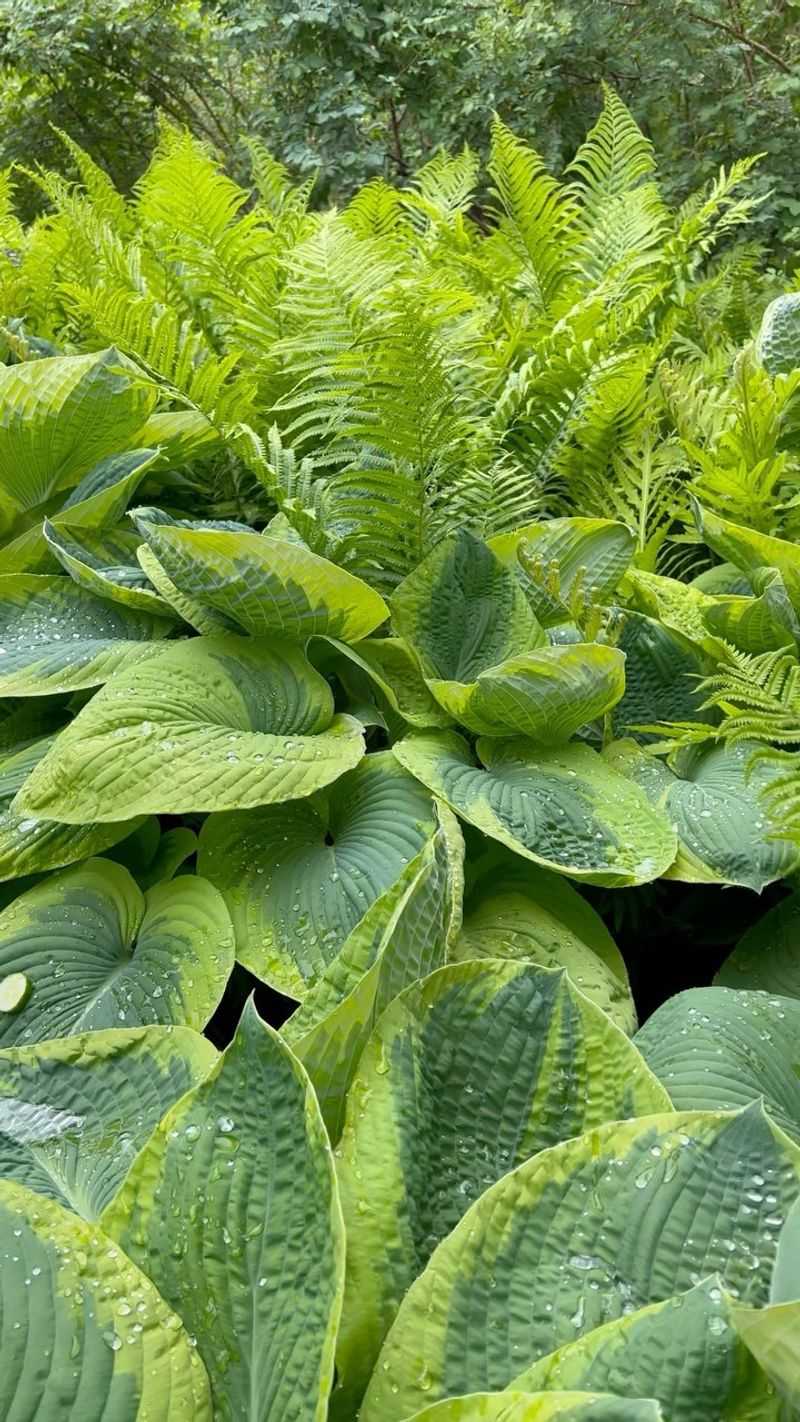
Once the leaves have faded and flopped, clearing them away is one of the smartest fall favors you can do. Leftover mushy foliage tends to sit right where pests love to hide.
Slugs are the big troublemakers here. Damp, rotting hosta leaves make a cozy shelter where slugs and their eggs can settle in and wait out the cold.
By removing that debris, you shrink the number of hiding spots near your plants. Fewer shelters in fall often means fewer slug problems chewing on your hostas next spring.
Rake or gather the collapsed leaves and stems from around each crown. Try to clear the soil surface so it is fairly tidy heading into winter.
Skip adding diseased or heavily damaged material to your compost. Trash is the safer choice for anything that looked sickly, since it keeps problems from returning later.
While you are down there, take a quick look at the crowns. A clean bed lets you spot any soft or damaged spots that might need attention.
This cleanup also improves airflow around the plant base. Better air movement helps the area dry out and discourages the damp conditions many pests and diseases prefer.
You do not need to scrub the soil bare or dig around. A simple, gentle clearing of the old foliage is plenty to give your hostas a fresh, healthy start when the growing season returns.
7. Size Up Your Overgrown Clumps
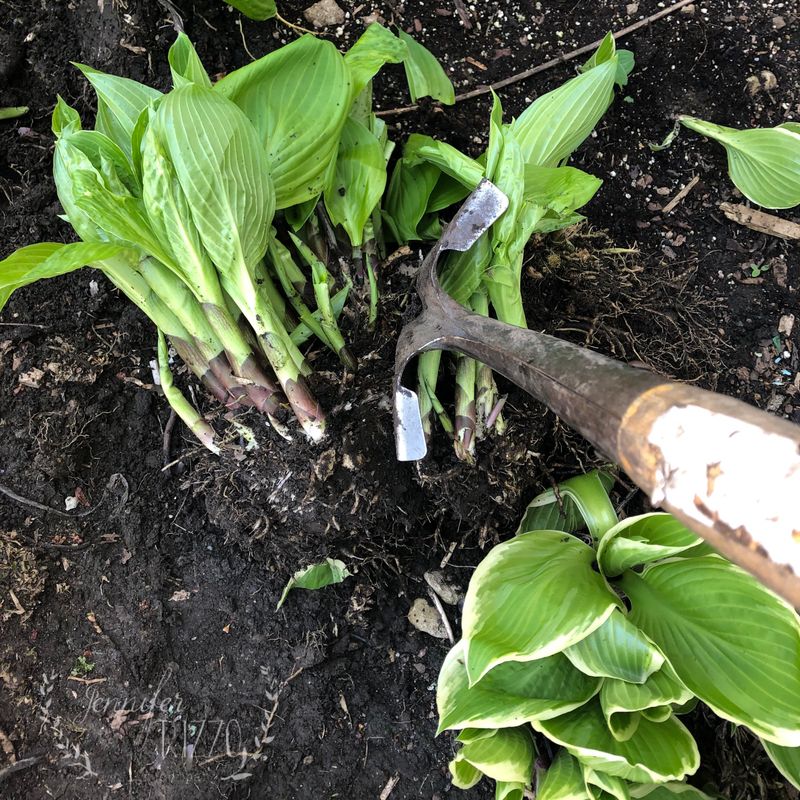
Ever notice a hosta that has ballooned into a giant, crowded mound? September is a fine time to size up those oversized clumps and decide whether they need dividing.
Crowded hostas can start looking bare in the middle or produce smaller leaves. When a clump gets too dense, splitting it into pieces gives each section room to grow and thrive.
Early September works well for this task in Michigan. The weather has cooled, but there is still enough warm ground time left for the divided pieces to settle in before winter.
Roots need those extra weeks to grab hold of the soil. A hosta divided too late may not establish well, leaving it fragile going into the cold months.
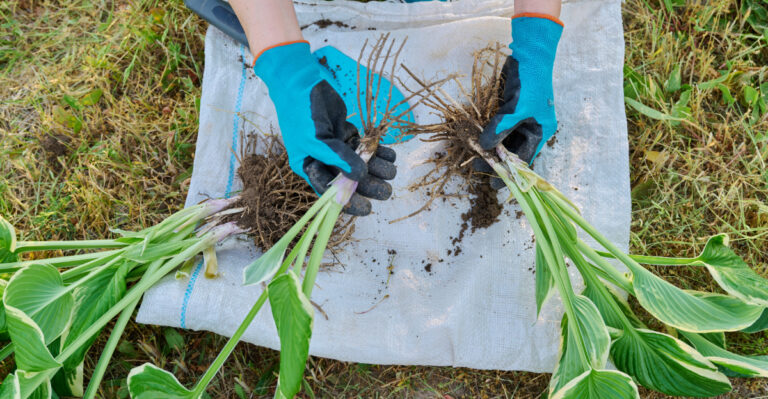
To divide, dig up the whole clump and gently separate it into chunks, each with roots and a few growing points. A sharp spade or knife makes the job easier for big, tough clumps.
Replant the pieces at the same depth they were before, then water them thoroughly. Keeping the soil moist over the following weeks helps those new roots spread.
Fall division is also a free way to fill empty spots in your garden. One overgrown plant can become several fresh ones for other shady corners of your yard.
If a clump still looks full and healthy, there is no rush. Division is a helpful tool when plants outgrow their space, not a yearly chore you have to check off.
8. Add Mulch But Keep The Crown Clear
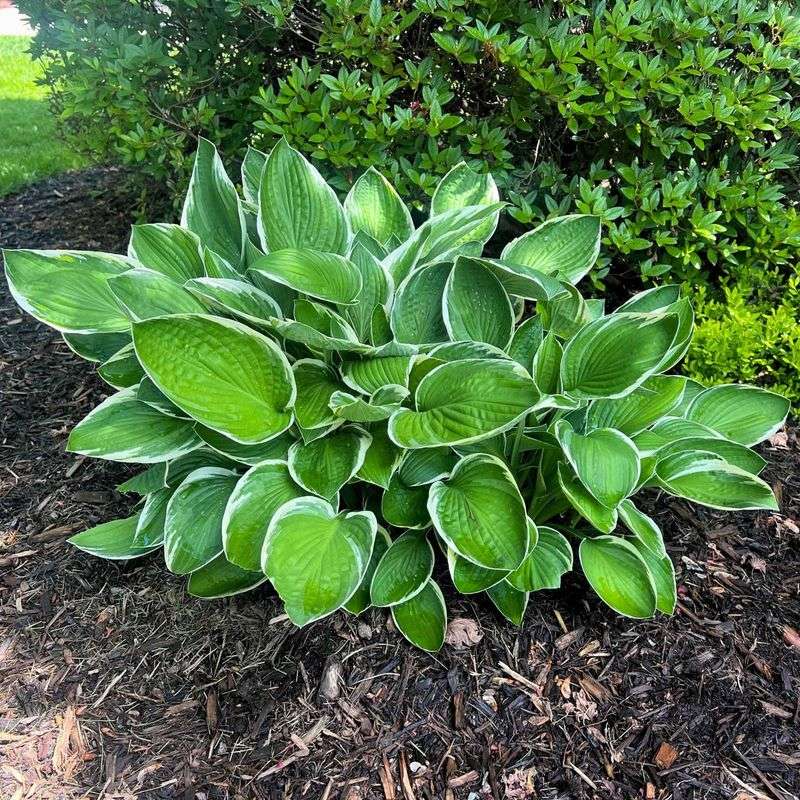
Michigan winters love to play a freezing game with the soil. Temperatures rise and dip, and the ground swells and shrinks in what gardeners call freeze and thaw cycles.
All that shifting can heave plants upward and expose tender roots to the cold. A light layer of mulch acts like a cozy blanket that steadies the soil temperature.
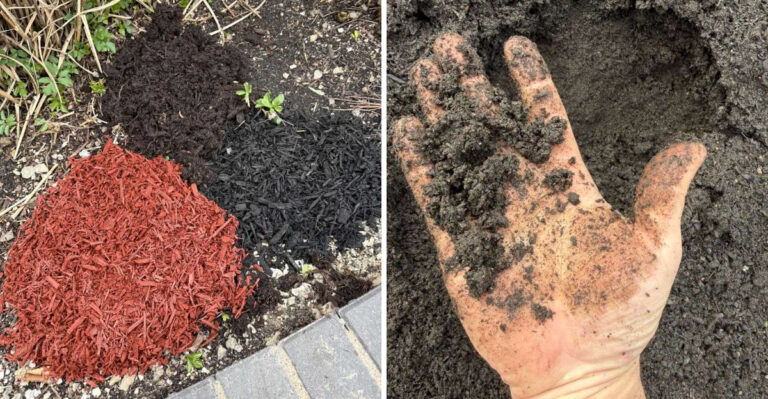
Once the ground has cooled in late fall, spread a couple of inches of mulch around your hostas. Shredded bark, chopped leaves, or straw all work nicely for this job.
Here is the golden rule: keep the mulch away from the crown, which is the plant’s center. Piling material directly on top can trap moisture and lead to rot at the base.
Leave a small open ring right around the crown, almost like a doughnut with a clear middle. This lets the center breathe while the roots stay protected around it.
Waiting until the soil is cold matters, too. Mulching too early can keep the ground warm and confuse a plant that should be settling down for winter.
The mulch does double duty over the season. It guards roots from harsh cold and, come spring, helps hold moisture and slow down weeds around your plants.
In spring, you can pull back some of that mulch as new shoots appear. Doing so gives the fresh growth a clear path up and keeps everything airy as the garden wakes again.