These Bare Lawn Patches Could Get Worse Before Fall Arrives
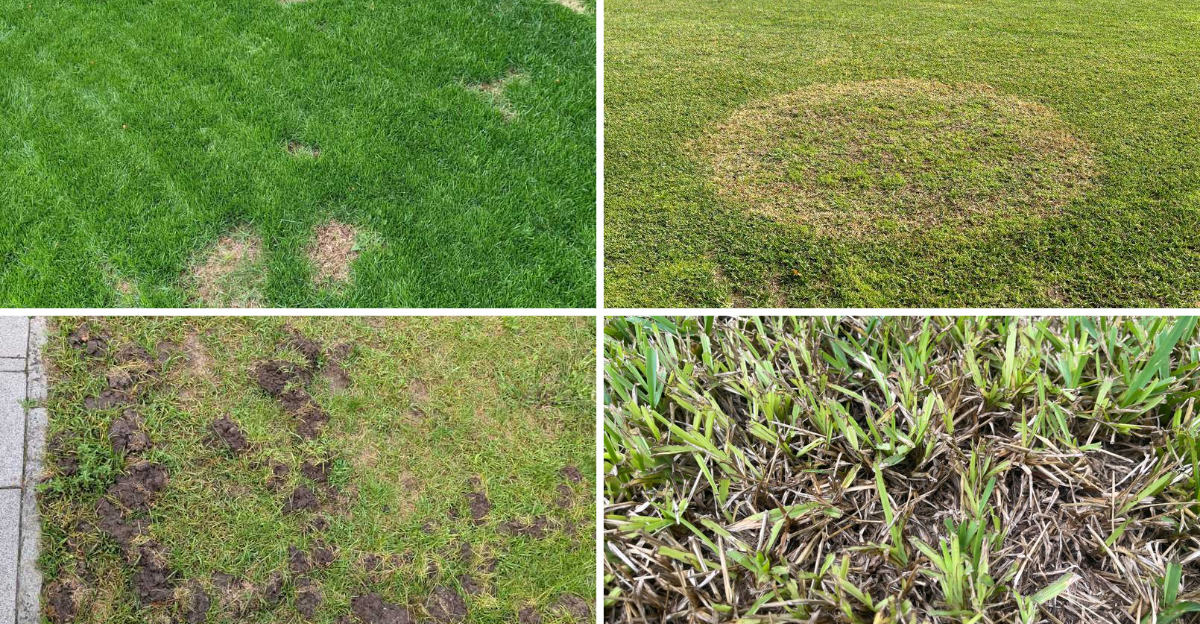
You walk out barefoot on a warm morning, coffee in hand, and something feels off underfoot. The grass crunches in one spot, and a thin ring of tan sits where green used to be.
A week later, that little spot has friends. Now there are three, and one of them is the size of a dinner plate.
Most bare patches are not random bad luck. They are messages, and each one has a cause you can actually track down with a shovel, a hose, and ten curious minutes.
Late summer stacks the odds against your turf all on its own. Heat, thin roots, and hungry visitors all show up at once, and small trouble spreads fast before cooler weather arrives.
Here are eight common culprits behind those growing gaps, plus what you can do about each one this season.
1. Grubs Chewing Roots Below The Surface
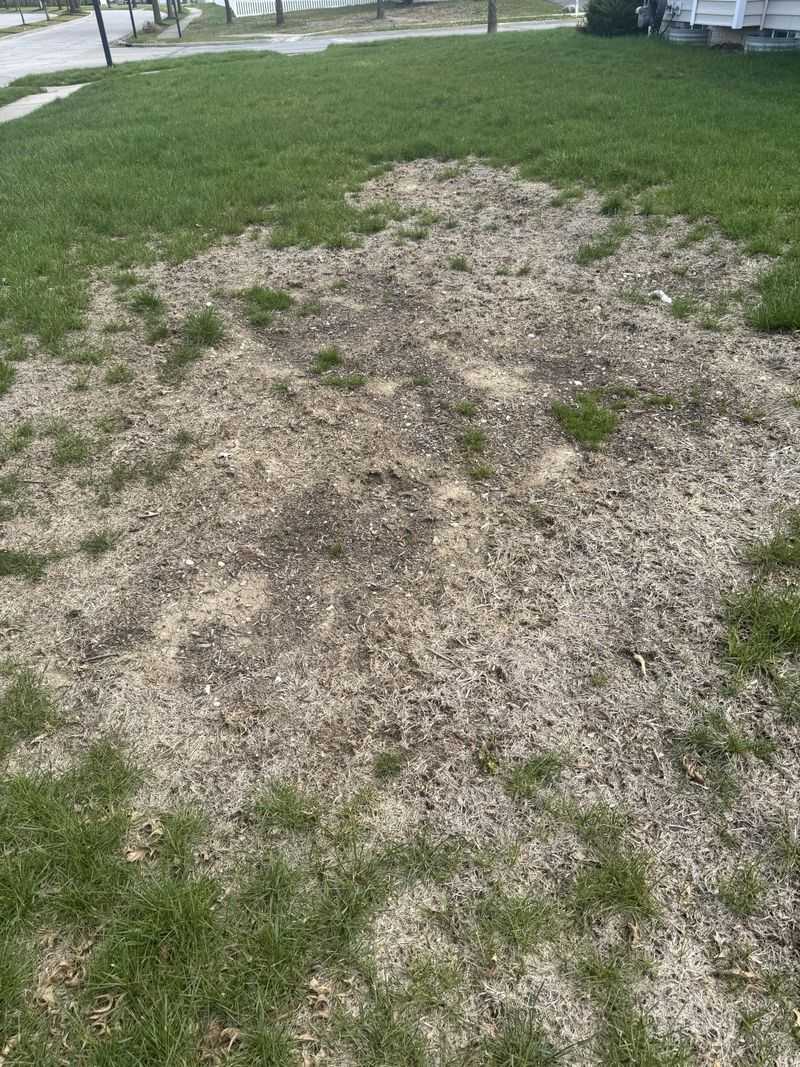
Grab a corner of a browning patch and give it a tug. If the turf rolls up like an old rug with no roots holding on, you have likely met the grub crew.
These fat, C-shaped beetle larvae live a couple inches down and feed on grass roots all late summer. Without roots, the blades cannot pull up water, so patches turn tan even when you irrigate.
Do a quick check before treating anything. Cut a one-foot square of sod on three sides, fold it back, and count the grubs you see. Five or fewer per square foot is usually tolerable for healthy turf. Ten or more in several spots means the damage will keep spreading.
Another clue shows up overnight. Skunks, raccoons, and crows tear up sections of lawn because they are digging for a protein snack, and that shredded mess is a strong hint.
Timing matters more than product choice. Grubs are small and near the surface in mid to late summer, which is when treatments work best. Water any granular application in well so it reaches the root zone.
Beneficial nematodes and milky spore offer slower, gentler options for gardeners who prefer them. They take patience and repeat applications, but they build long-term pressure on the beetle population.
Once the feeding stops, rake out the loose debris, add a thin layer of compost, and overseed. Cool fall air and moist soil give new seedlings a real shot at filling the gaps.
2. Dog Spots That Keep Widening
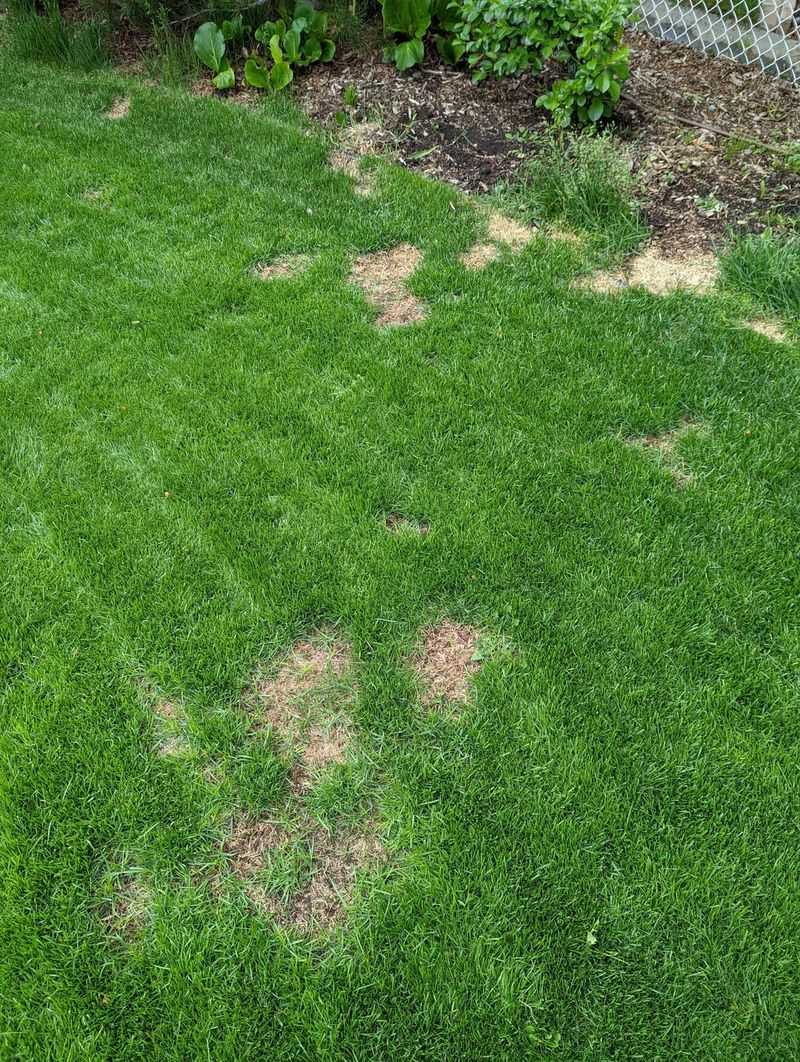
Ask anyone with a large dog and a small yard: the pattern is unmistakable. Round tan circles with a suspiciously lush green ring around the edge, usually in the same favorite corner.
Nitrogen is the reason. Dog urine is loaded with it, and a concentrated dose scorches the crown of the grass while the diluted outer edge gets a free fertilizer boost. That contrast makes the spot look like a bullseye.
Summer makes it worse. Dry soil holds those salts right where they landed, so nothing washes through and the affected area slowly creeps outward.
The easiest fix costs nothing. Keep a watering can by the back door and rinse the area within a few minutes of your dog visiting, using roughly a gallon per spot.
Training helps even more than rinsing. Many owners set up a mulch or pea gravel potty zone in a corner, then reward their dog for using it. Give it two or three weeks of consistency and the lawn stops taking the hit.
Extra water in the bowl also dilutes urine naturally, so keep it full and fresh in hot weather. Skip the pills and additives that promise miracles, since several can upset a dog’s system.
For repair, scratch up the damaged crown, sprinkle a little topsoil, and press in seed of the same grass type. Tall fescue and perennial ryegrass handle these spots better than fine fescue, which is worth remembering at your next overseeding.
3. Brown Patch Fungus Riding The Humidity
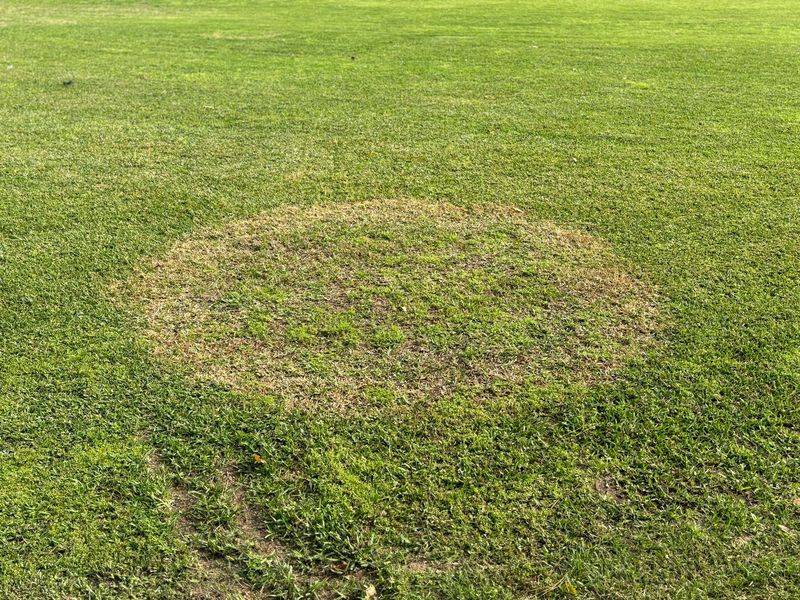
Muggy nights above 68 degrees, heavy dew, and thick turf make a perfect stage for brown patch. It shows up overnight as a soft circle of tan grass, sometimes with a smoky gray edge visible in early morning dew.
Tall fescue lawns get hit hardest, though ryegrass and bentgrass are not safe either. The fungus targets the leaf blades rather than the roots, which works in the lawn’s favor during recovery.
Look closely at individual blades and you may spot tan lesions with a thin dark border. That detail separates fungus from simple drought stress, and it changes how you respond.
Watering habits often set the whole thing in motion. Evening irrigation leaves leaves wet for ten hours, so shift to early morning and let the sun dry things by mid-day.
Ease off nitrogen fertilizer during hot spells too. Lush, fast growth is exactly what this fungus likes to feed on, so wait until temperatures cool before feeding again.
Air movement matters. Trimming low shrub branches and thinning dense plantings around the lawn edge lets breezes reach the turf and shortens leaf wetness time.
Mow with a sharp blade at a taller setting, around three to four inches for fescue, and rinse the mower deck after cutting through an affected area. Fungicides labeled for brown patch can protect valuable turf, but cultural changes carry most of the load.
Because the crowns usually survive, patches often green back up on their own once nights cool down. Give it time before you reach for the seed bag.
4. Compacted Soil Squeezing Out The Roots
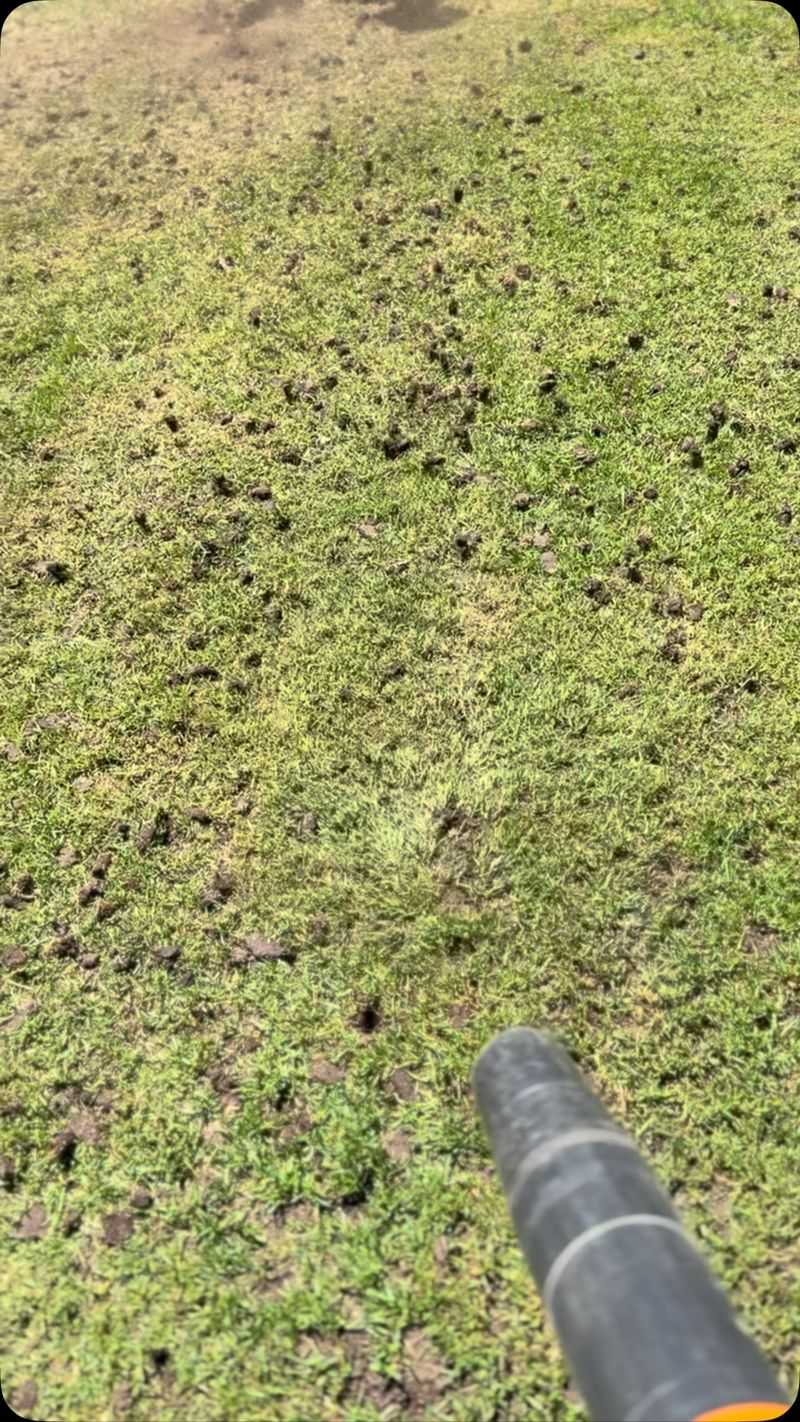
Some patches are not sick at all. They are simply exhausted from being walked on, parked on, and played on until the soil turned as tight as a packed dirt trail.
Roots need air pockets and space to spread. When foot traffic squeezes those pockets shut, water runs off instead of soaking in, and grass thins to nothing along the busiest routes.
Test it with a screwdriver. If you cannot push a six-inch screwdriver into moist soil using hand pressure alone, compaction is real and the grass is fighting a losing battle.
Clay soils compact fastest, and areas near driveways, gates, and play equipment show it first. Kids running the same route to the trampoline will write a permanent brown line into your yard.
Core aeration is the standard answer. A machine pulls finger-sized plugs of soil out, leaving holes that let air, water, and nutrients reach the root zone. Leave the plugs on the surface to break down naturally.
Early fall is prime aeration time for cool-season grass, and late spring works for warm-season types. Follow the aerator with compost and seed for a serious upgrade.
Long term, redirect the traffic. Stepping stones, a mulch path, or a gravel walkway gives feet somewhere better to land, and the grass finally gets a break.
Shady, high-traffic strips may never hold turf well. Groundcover or a small patio can be a smarter answer than reseeding the same tired spot every year.
5. Chinch Bugs And Sod Webworms Sipping Summer Away
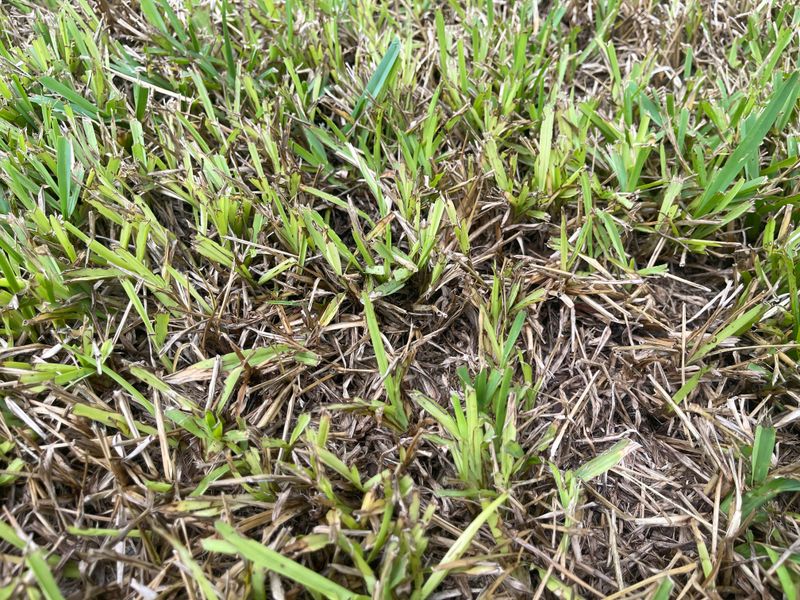
Here is a strange trick worth trying: cut the bottom off a coffee can, push it into the edge of a fading patch, and fill it with water. Chinch bugs float up within minutes, tiny and black with white wing patches.
Unlike grubs, these insects work above ground. They pierce grass stems and drink the sap while injecting a substance that blocks water movement, so blades yellow then turn straw colored.
Hot, sunny, dry areas are their favorite hangout. Strips along sidewalks, driveways, and south-facing slopes usually show damage first, which is why people blame the heat instead of the bug.
Sod webworms cause similar looking damage through a different method. The caterpillars chew grass blades at night and leave small ragged patches, plus green pellets of frass in the thatch layer.
Watch for small tan moths flying in a zigzag pattern just above the lawn at dusk. Those are the parents, and heavy moth activity often means patches are coming.
Thick thatch shelters both pests, so dethatching and regular raking removes their hiding spots. Steady watering during heat waves also reduces stress that makes turf an easy target.
Beneficial insects like big-eyed bugs and parasitic wasps do real work here. Flowering borders near the lawn support them, which reduces your need for sprays.
If damage keeps spreading, spot treat the active edges rather than the whole yard. St. Augustine and zoysia lawns in the South are especially worth monitoring through late summer.
6. Thatch Buildup Blocking Water And Seed
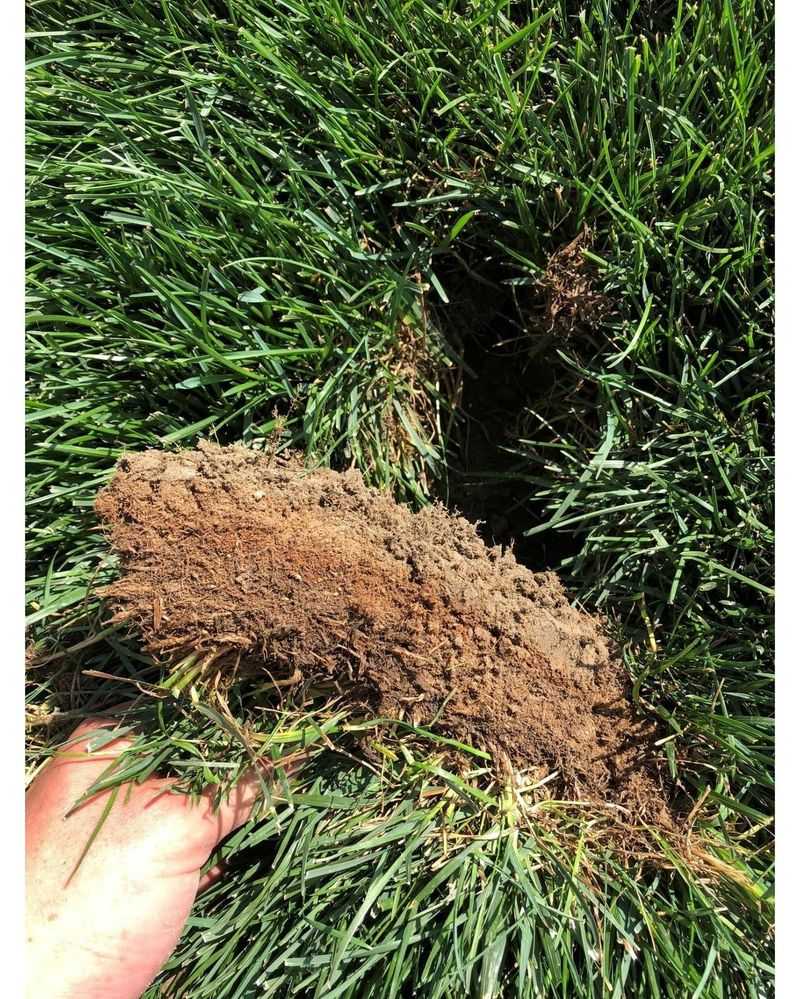
Ever notice how some lawns feel bouncy, almost like walking on a mattress? That spongy feeling is thatch, a tangled layer of stems and old roots sitting between the green blades and the soil.
A little thatch is helpful, cushioning the crowns and holding moisture. More than half an inch turns into a barrier that sheds water and keeps seed from ever touching dirt.
Slice out a wedge of sod with a knife and look at the profile. The brown fibrous band is easy to measure once you see it, and that measurement tells you what to do next.
Overwatering, heavy nitrogen, and certain spreading grasses build thatch fastest. Grass clippings are usually not the culprit, since they break down quickly and return nutrients.
When thatch gets thick, roots start growing inside it instead of the soil. Those shallow roots dry out within a day of hot sun, and patches appear seemingly out of nowhere.
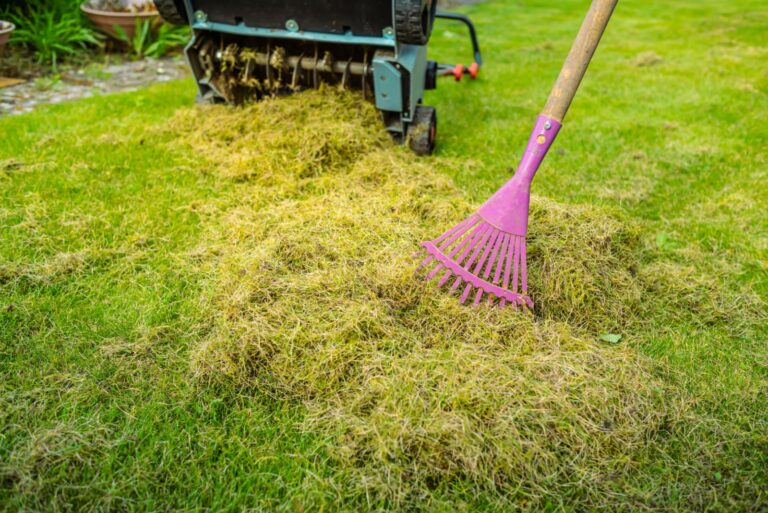
A power rake or vertical mower pulls the excess out, and core aeration mixes soil into the layer to speed decomposition. Both jobs suit early fall for cool-season lawns.
Earthworms and healthy soil microbes are quiet allies here. Topdressing with a quarter inch of compost feeds them, and they chew through thatch on your behalf.
After clearing the layer, seed makes real contact with soil and germination rates jump. Many gardeners are stunned at how quickly a stubborn thin lawn fills in once the barrier is gone.
7. Voles And Moles Tunneling Beneath The Turf
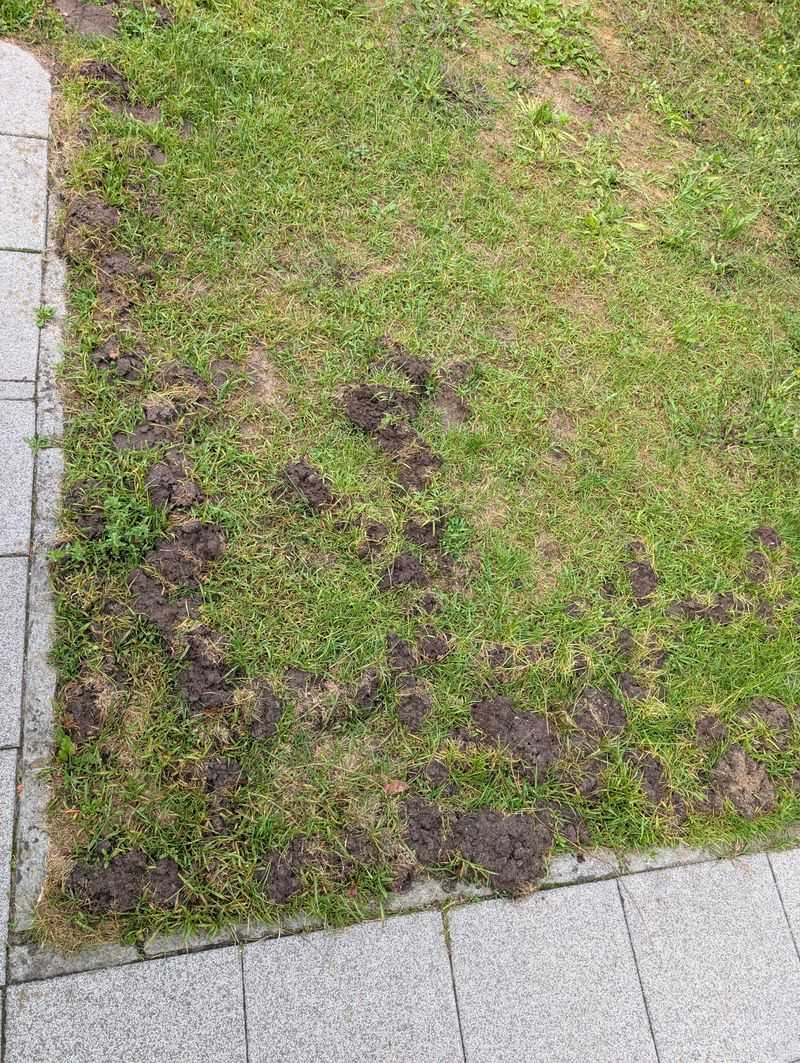
Raised ridges winding across the yard tell a different story than a simple bare patch. Voles and moles work underground, and grass often thins or browns right along their paths.
Voles chew through grass crowns and roots, leaving narrow trails about two inches wide. Moles rarely touch grass directly, tunneling instead for grubs and earthworms, and that digging still loosens soil enough to separate roots from moisture.
Check for entry holes about the size of a golf ball, often near foundations, garden beds, or mulch. Vole trails tend to connect two or more of these openings in a visible line.
Cool, damp mulch and thick groundcover give voles cover from predators, so pulling mulch back a few inches from lawn edges removes some of that shelter. Traps placed directly in an active runway work better than bait scattered across open grass.
For moles, reducing the grub population removes part of their food source, though earthworms will still draw them back. Tamping down raised tunnels and reseeding thin spots keeps the lawn from thinning further while numbers settle.
Neither pest sticks around once their food source drops or conditions turn less favorable, so patience alongside these steps usually pays off before the ground firms up for fall.
8. Sprinkler Blind Spots Baking The Same Patches
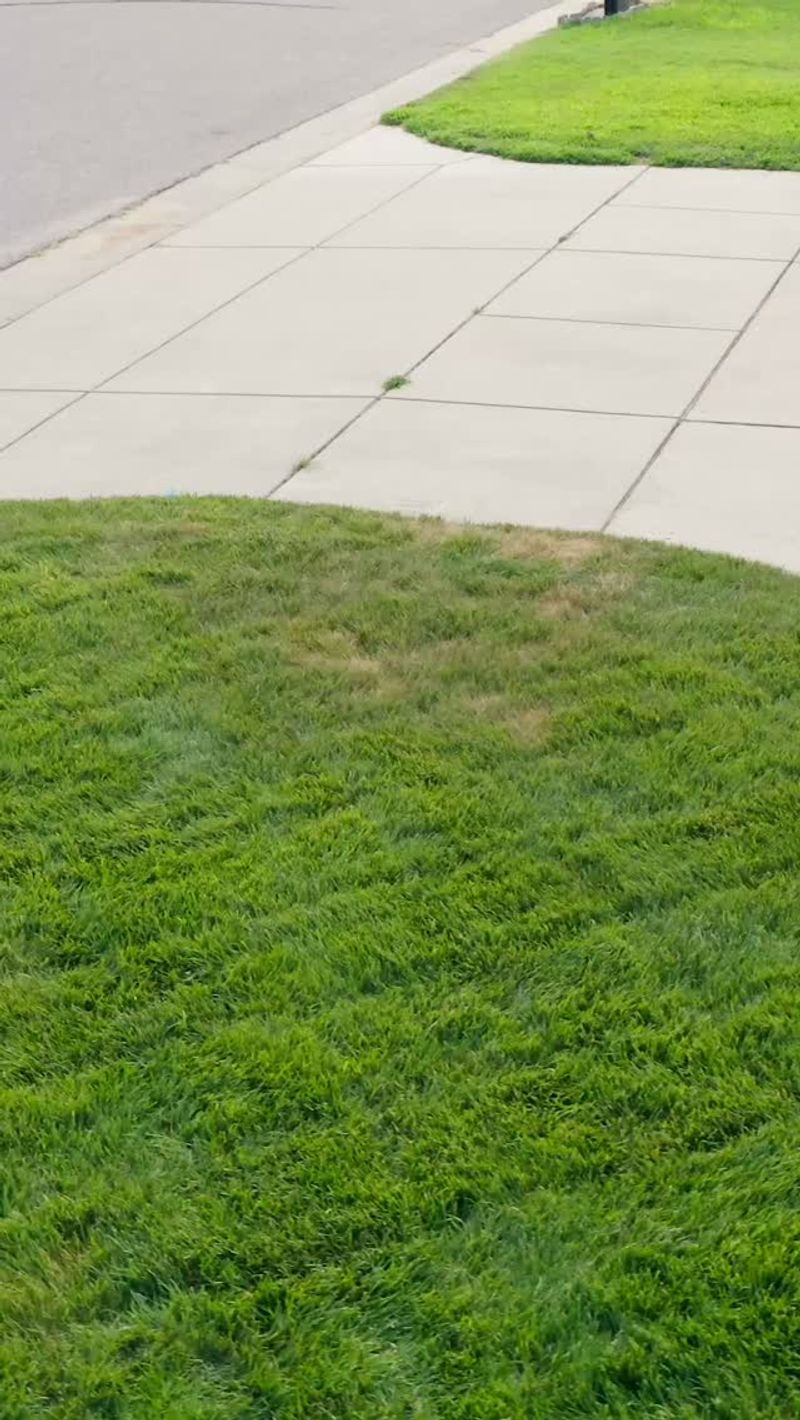
A confession from countless frustrated homeowners: the sprinkler was on the whole time. It just was not reaching that one stubborn strip near the fence.
Uneven coverage creates patches that look exactly like disease or insect damage. The shape gives it away though, usually a wedge, an arc, or a straight line matching the spray pattern.
Run a can test to see the truth. Set six tuna cans around the lawn, run the system twenty minutes, then compare water depths with a ruler.
Differences of more than a quarter inch between cans mean adjustment time. Clogged nozzles, tilted heads, low pressure, and shrubs blocking the spray are the usual suspects.
Slopes complicate things further. Water runs downhill before soaking in, so the top of a hill dries out while the bottom stays soggy, and two very different problems appear in one yard.
Cycle watering solves that neatly. Instead of one long run, water ten minutes, pause thirty, then water ten more so the soil has time to absorb.
Aim for about one inch of water per week total, delivered in one or two deep sessions rather than daily sprinkles. Deep roots handle heat far better than shallow ones.
Mark the chronic dry spots with a flag and check them after every watering for a week. Fixing coverage now means the patches you reseed this fall will actually have the moisture they need to take hold and stay green.