Connecticut’s September Bulb-Buying Window Closes Faster Than Most Gardeners Realize

Connecticut gardeners face a narrow window before the best bulbs disappear. Shelves empty faster than you might expect this season. Favorite colors slip away before you even notice the change.
Timing decides whether you get a vivid spring or dull result. Waiting a single week can cost you the tulip shade you wanted. Nurseries restock slower than you expect each year. Frost warnings arrive fast, and Connecticut soil cools quicker than most realize.
Crocuses sell out early, daffodils follow, and tulips go last. Smart buyers like you scout early, before crowds thin the selection. Quality matters as much as speed, since fragile bulbs produce fainter blooms.
Skipping research now means settling quickly for whatever bulbs remain later. Every choice you make today truly shapes what blooms months from now.
Patience feels tempting, but hesitation empties shelves before you finish deciding. Act now, because every hour you wait narrows your options.
Early Pick Means Better Bulbs
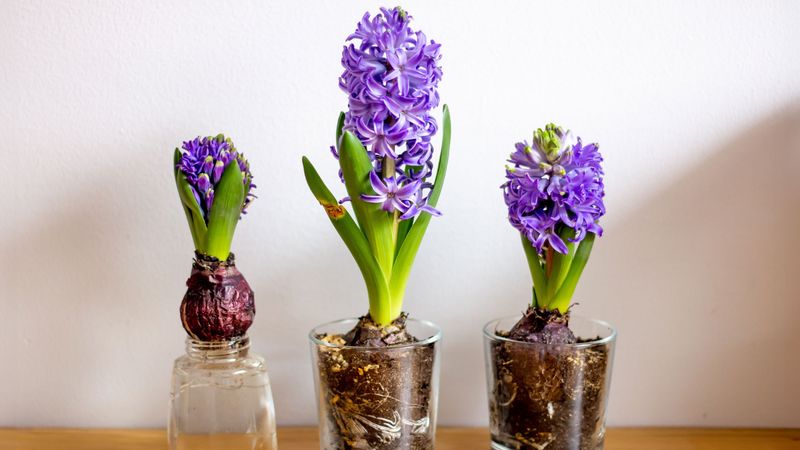
Some gardeners learn this lesson the hard way after grabbing the last box on the shelf. By late September, the biggest and healthiest bulbs may already be gone from many Connecticut stores.
Shopping earlier in the month gives you first choice, and that usually means stronger plants in spring.
Large bulbs matter because they hold more stored energy. That extra energy helps them grow sturdy roots, send up better leaves, and produce fuller flowers when the weather warms.
If you wait too long, you may find smaller bulbs, soft bulbs, or packages that have been handled too much.
Good bulbs should feel firm, dry, and solid in your hand. Skip any that look moldy, bruised, cracked, or shriveled, since those signs can point to poor storage or damage. A healthy bulb is like a packed lunch for the plant, and you want one that is still full.
Early shopping also gives you time to compare varieties without feeling rushed. You can read bloom times, heights, and color notes, then choose bulbs that fit your yard instead of settling for leftovers.
That simple step makes spring beds look more planned and less random. Think of September as the selection month, not just the planting month. Buying early does not mean planting immediately, but it does protect your options.
When Connecticut gardeners move before the shelves thin out, they usually end up with better bulbs, better color choices, and a better show next spring.
Popular Varieties Sell Out First
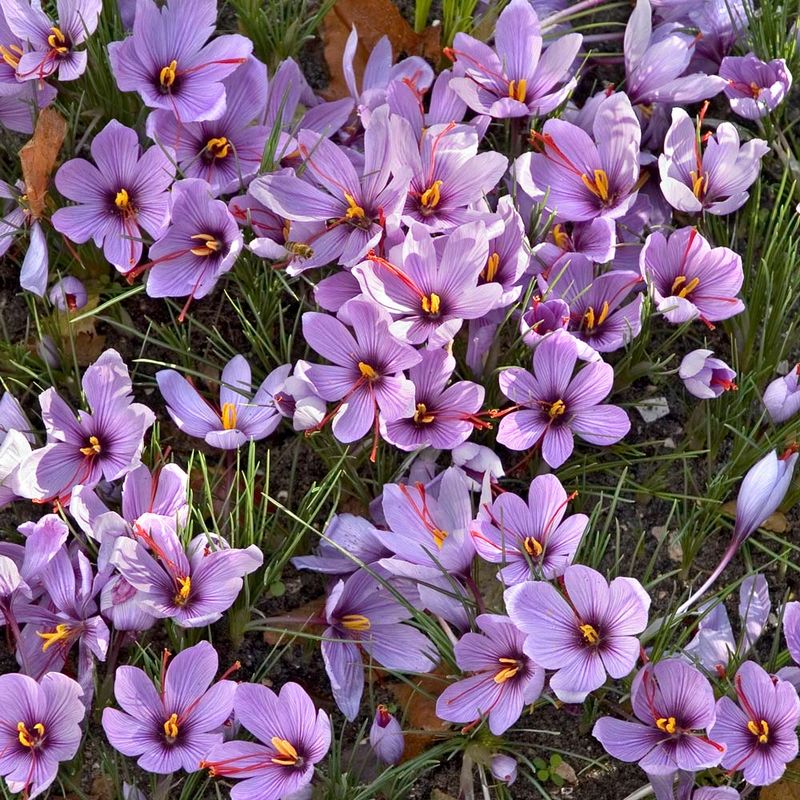
Walk into a nursery in mid September and demand moves quickly. The colors and types gardeners love most do not sit around waiting all month.
Bright tulips, classic daffodils, fragrant hyacinths, and unusual alliums often sell out before the season feels anywhere near over.
Connecticut gardeners are shopping for both beauty and reliability. People tend to grab proven favorites first, especially bulbs known to handle cold winters and bounce back well in spring.
That means the most popular pink tulips, white narcissus, and early crocus blends disappear quickly.
Specialty bulbs often go faster, since parrot tulips, double daffodils, giant alliums, and rare color mixes tend to arrive in smaller quantities than standard types. Once those limited boxes are gone, you may have to settle for common choices or search for another seller.
Your Connecticut Garden Changes Every Week. Your Plan Should Too.
Gardening in Connecticut changes quickly throughout the season. Every Friday you’ll receive a simple weekly plan showing exactly what to plant, prune, fertilize, harvest, and protect so you never miss the right timing.
A smart move is to make a short wish list before you shop. Write down the kinds you want, the colors you like, and whether you need early, midseason, or late bloomers. That list keeps you focused when shelves are crowded and choices start shrinking.
Photos on packages can tempt anyone into impulse buying, but timing matters more than excitement alone. If a certain flower is part of your spring plan, get it while stock is fresh and full. Waiting until the end of September can limit you to whatever remains.
Shipping Delays Eat Into The Season

Ordering bulbs online feels easy until the calendar starts to squeeze you. A cart full of spring color can look perfect on your screen, but shipping delays can quietly steal valuable time from Connecticut gardeners.
By the time boxes arrive, the best planting window may be shorter than expected.
Mail order companies often ship according to region, weather, and stock levels. That system makes sense, yet popular varieties can back up fast during busy weeks.
If a favorite item is delayed or split into separate shipments, you may end up waiting longer than planned.
September is a helpful month because it gives you breathing room. You can place orders early, check delivery estimates, and still have time to adjust if one seller runs out.
Waiting until the last minute turns every delay into a bigger problem, especially when fall weather begins to shift.
Once bulbs arrive, open the package right away. Look for signs of rot, mold, or softness, and contact the seller quickly if anything seems off.
Leaving a sealed box in a warm garage or sunny room can weaken bulbs before they ever reach the ground.
Online shopping can still be a great choice, especially for hard-to-find bulbs. The trick is treating September like a window that closes faster than expected, not like a wide open month.
When you order early and track your shipment carefully, you protect both your planting schedule and your chances of seeing a strong, cheerful spring display.
Cool Soil Comes Sooner Than You Think

Fall in Connecticut can shift temperature quickly. One week can feel like late summer, and the next can bring cool mornings that remind you winter is on the way.
That shift matters because bulbs need time in cool soil to start rooting before the ground gets too cold.
Buying in September helps you stay ready for that change. You do not always plant the same day you shop, but you want healthy bulbs on hand once conditions line up. If you wait to buy until the weather feels fully autumn-like, stores may already be picked over.
Most spring bulbs prefer soil that has cooled down from summer heat but is not frozen. In Connecticut, that sweet spot often arrives in fall and can vary a bit from one part of the state to another.
Northern and inland areas may cool sooner, while coastal spots can stay milder a little longer. A simple soil thermometer can help if you like clear signals.
Many gardeners aim to plant when soil temperatures drop enough for rooting but before winter shuts growth down. Good drainage matters too, since soggy ground can rot bulbs during cold months.
Think of September buying as getting prepared before conditions change. You can prepare beds, add compost if needed, and watch the weather without scrambling for supplies.
That calm start makes the whole job easier, and it gives your bulbs a better chance to settle in and wake up strong when spring sunlight returns.
Shorter Days Crowd Your Garden To-Do List

September can catch even organized gardeners off guard. In real life, it fills up fast with school schedules, sports, leaf cleanup, and the last warm weekends of the year. Bulb buying often gets pushed aside until stores are nearly empty.
That is why planning ahead matters so much. If you buy bulbs early in the month, one big job is already done before the rest of fall starts piling on.
You can then plant when you have a free afternoon instead of rushing through a picked-over display after work.
Garden tasks also stack up quickly in Connecticut. People are dividing perennials, pulling tired annuals, mowing leaves, and getting tools ready for colder weather.
Add holiday plans and shorter daylight, and the chances of forgetting bulbs get higher every week.
A simple trick is to pair bulb shopping with another September errand. Stop at a nursery when you buy mums, compost, or seed for fall lawn repair.
You can also set a reminder on your phone for the first or second weekend of the month, before your calendar gets crowded.
Bulbs are small, but they are one of spring’s biggest rewards. Buying them early removes stress and gives you more freedom about where and when to plant.
Instead of feeling like another unfinished chore, bulbs become a fun project waiting in the garage, ready for the right cool day and ready to turn a dull March yard into something bright.
Store Conditions Can Hurt Leftover Stock

A bulb can look fine but still be declining in quality. Time, heat, and rough handling all take a toll, especially when stock sits too long under bright lights or in warm indoor displays.
By the end of September, leftover bulbs may not be in the same shape they were at the start.
Connecticut shoppers often see bulbs sold in garden centers, hardware stores, grocery chains, and big box stores. Some places move inventory quickly, while others may keep the same boxes out for weeks.
The longer bulbs stay in poor conditions, the greater the chance they dry out, soften, or begin to mold.
Checking each package carefully can save you money and disappointment. Look for bulbs that feel plump and solid, not hollow, papery, or mushy.
If you see moisture inside the bag, white fuzz, dark spots, or strong odor, consider choosing a different package.
Packaging date and storage location matter more than many people realize. Bulbs kept in a cool, airy spot usually hold up better than bulbs stacked near heaters, sunny windows, or automatic doors. Even a great variety can fail if it spends too much time in the wrong place.
Buying earlier in September gives you access to fresher stock with less wear from shoppers and store conditions. It also gives you more chances to shop around if one location looks neglected.
A quick, careful inspection at purchase time can be the difference between a lively spring bed full of color and a patchy display that never reaches its promise.