The Kentucky Cave Creature Found Nowhere Else In The World
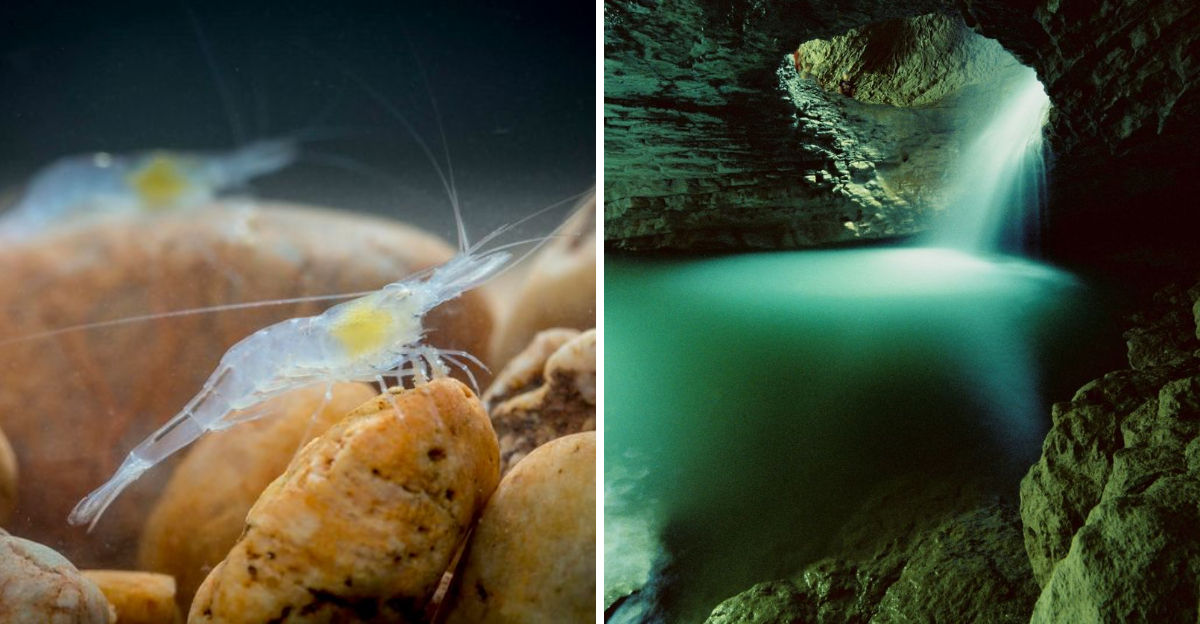
Darkness fills every step you take beneath Kentucky’s limestone hills. Water drips somewhere close, and you hear it everywhere. Blind creatures drift silently through these hidden streams without complaint.
A tiny creature has mastered an entire world without light. Pale, nearly translucent, it moves like a ghost underwater. Scientists call it the Kentucky cave shrimp, found nowhere else.
Its eyes disappeared generations ago, useless in total blackness. Barely the length of a paperclip, it still surprises you. Researchers track its numbers, worried about pollution seeping downward.
Every drop of rainwater above eventually reaches its hidden world. Tourists pass within feet of it, though you rarely notice. Few creatures on earth depend so entirely on a single place.
This shrimp exists only here, in these specific dark waters. Change from above reaches it slowly, day after day. You will not walk away from this strange, blind shrimp without wanting more answers.
Meet The Ghostly Swimmer Of Mammoth Cave
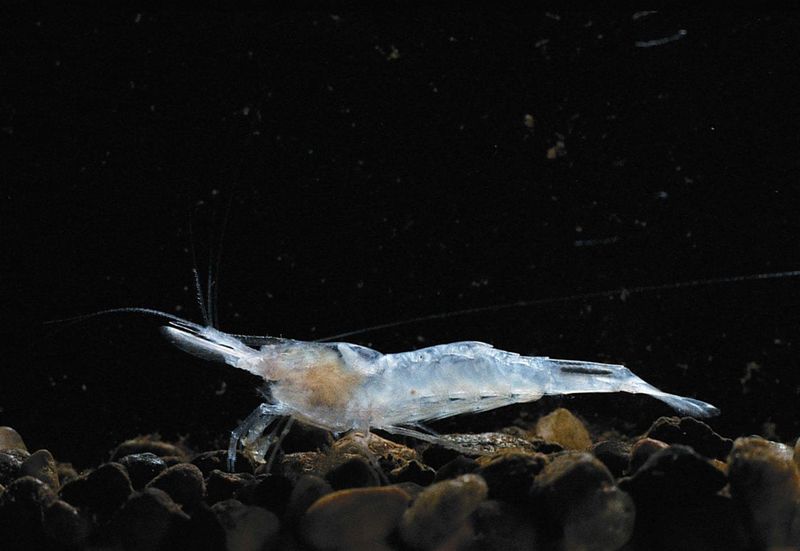
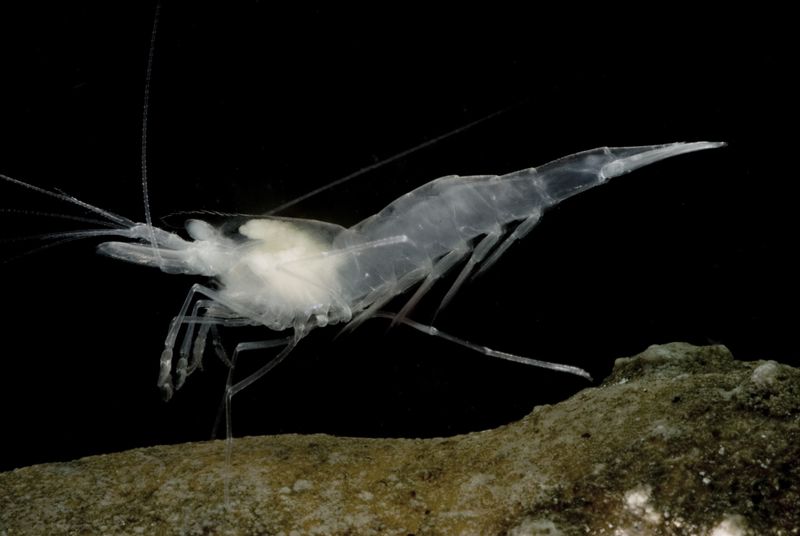
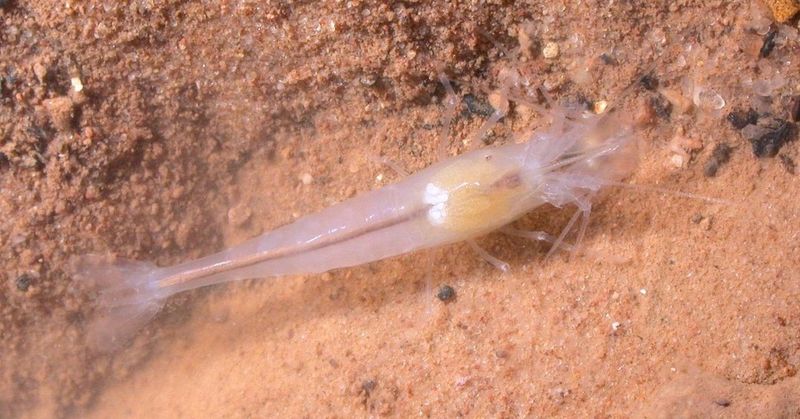
Palaemonias ganteri sounds like a mouthful, but the common name is friendlier: the Kentucky cave shrimp. It measures roughly an inch long, about the length of a thumbnail joint.
Hold one up to a light and you would see straight through it. The body has no pigment at all, because color serves little purpose where sunlight has never reached.
Its eyes are reduced to tiny stalks that register nothing. Instead of sight, the shrimp relies on long, feathery antennae that sweep the water and read every ripple, current shift, and food particle drifting by.
Naturalists first described the species in 1901, giving it a name that has stuck ever since. For years afterward, almost nobody spotted one, which led some researchers to wonder whether the little swimmer had disappeared entirely.
Careful surveys later proved otherwise. Divers and biologists wading through cold underground streams found small populations tucked into base-level passages where water moves slowly.
What makes the shrimp remarkable is not just its looks. It represents an entire branch of life that adapted to permanent darkness, trading sight and color for sensitivity and patience.
Visitors on Mammoth Cave tours rarely see one, since the shrimp prefers deep water routes away from walking paths. Rangers still talk about it often, because it has become a symbol of the hidden world beneath the hills.
Learning its name is the easy part. Understanding how something so delicate survives underground is where the story gets genuinely surprising.
Why This Shrimp Lives Only Beneath Kentucky
Geography did something unusual here. The rolling countryside around Mammoth Cave National Park sits on soft limestone that rainwater has been dissolving for millions of years.
The result is karst terrain, a landscape riddled with sinkholes, springs, and more than four hundred mapped miles of connected passages. No other cave system on the planet stretches quite this far.
Kentucky cave shrimp turn up in only a handful of these underground streams, mostly within Barren, Edmonson, Hart, and Warren counties. Search anywhere else on Earth and you will come up empty.
Your Kentucky Garden Changes Every Week. Your Plan Should Too.
Gardening in Kentucky changes quickly throughout the season. Every Friday you’ll receive a simple weekly plan showing exactly what to plant, prune, fertilize, harvest, and protect so you never miss the right timing.
Biologists call a species like this an endemic, meaning its entire global range fits inside a small area. For this shrimp, the whole world amounts to a few dozen square miles of water flowing through rock.
The reason comes down to isolation. Once ancestors of the shrimp washed into these caves long ago, they could not travel back out or move to neighboring systems separated by solid stone.
Generation after generation, they adapted to what they had. Over enormous stretches of time, they became something distinct from any surface relative.
Related species exist elsewhere, including the Alabama cave shrimp, but each one is its own separate story locked in its own cave system. They cannot mix or trade genes.
That isolation is both a marvel and a vulnerability. A creature with one home has no backup plan, which is exactly why researchers watch these Kentucky streams so closely.
Thriving In Total Darkness While Finding Food
Groceries do not grow in the dark. Without sunlight, there are no plants, no algae mats, and no ordinary food chain starting from green leaves.
So the shrimp waits for deliveries from above. Rainwater sinking through sinkholes carries leaf bits, soil particles, bacteria, and organic scraps down into the cave streams.
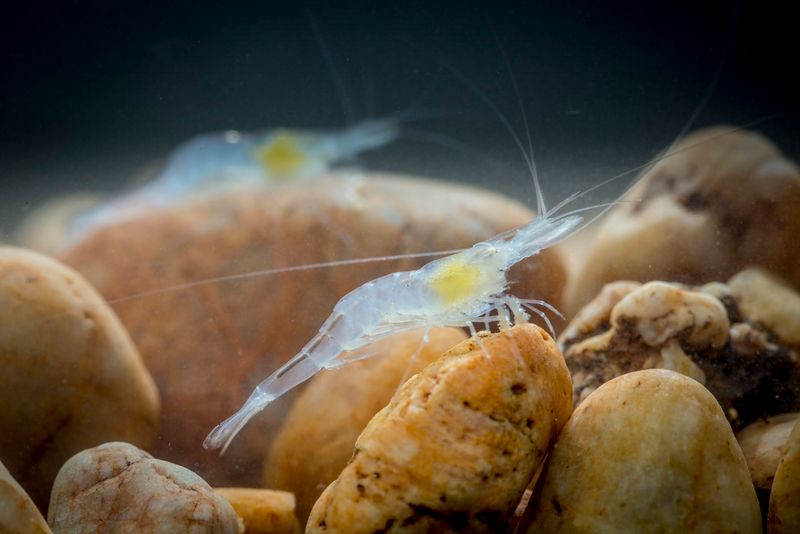
Once that material settles into fine silt on the streambed, the shrimp goes to work. It sifts through the sediment with tiny bristled legs, picking out microscopic bacteria, fungi, and decayed plant matter.
Feeding this way is slow going. Energy is scarce underground, so the shrimp moves at an unhurried pace and burns very little fuel doing it.
Those long antennae do double duty. They detect chemical traces in the water and pick up faint vibrations, helping the shrimp locate richer patches of silt and avoid trouble.
Cave biologists sometimes describe underground streams as economies running on imported goods. Every calorie originates on the surface, which links the shrimp directly to the fields, forests, and neighborhoods overhead.
Flooding actually helps. Seasonal high water flushes fresh nutrients through the passages and redistributes food into places the shrimp can reach.
Southern cavefish share the same waters and occasionally treat the shrimp as a meal, so the pale swimmer stays close to the bottom and darts away from disturbances.
It is a lean, careful existence. Yet this animal has been making it work in the dark for an extraordinarily long stretch of time.
Federally Endangered Since 1983
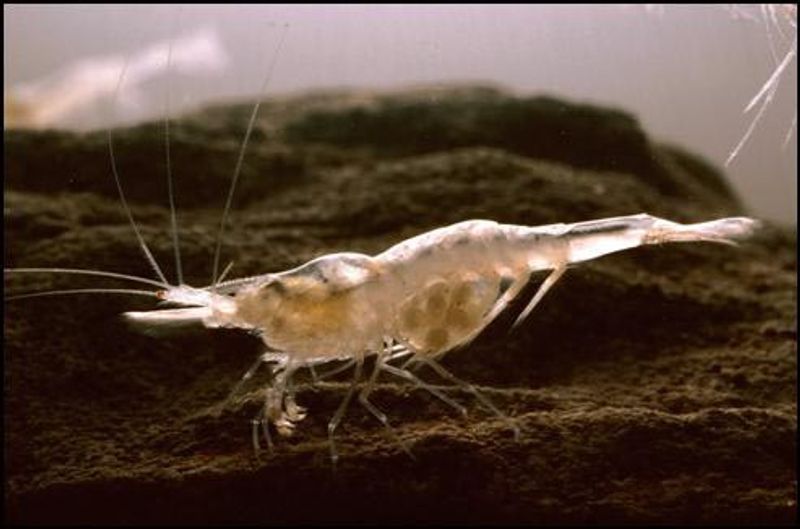
The federal government added the Kentucky cave shrimp to the endangered species list on October 12, 1983. That listing came after surveys turned up worryingly small numbers.
At the time, biologists estimated only a few hundred individuals across all known sites. Counting is tricky underground, so estimates carried plenty of uncertainty.
Later work found the shrimp in additional locations, including spots outside the national park boundary. Those discoveries were encouraging, though they did not remove the concern.
Endangered status brings real protection. Federal agencies must consider the shrimp before approving projects that could affect its water, and recovery planning becomes an official responsibility.
A recovery plan published in the late 1980s set goals around water quality monitoring, habitat protection, and better population data. Much of that work continues today.
Park staff conduct regular surveys in accessible stream passages, recording counts, water temperature, and chemistry. Repeating the same routes over many years lets them spot trends rather than guessing from single visits.
Volunteers and university researchers pitch in, since crawling through wet cave passages takes people power. Some survey trips involve hours of belly-crawling to reach a single monitoring point.
Progress has been steady but modest. The shrimp remains listed, largely because its tiny range means one serious contamination event could undo decades of careful work.
Protection here is less about dramatic rescues and more about patience. Keep the water clean, keep watching, and give the species room to hold its ground.
Groundwater Trouble Flows Downhill
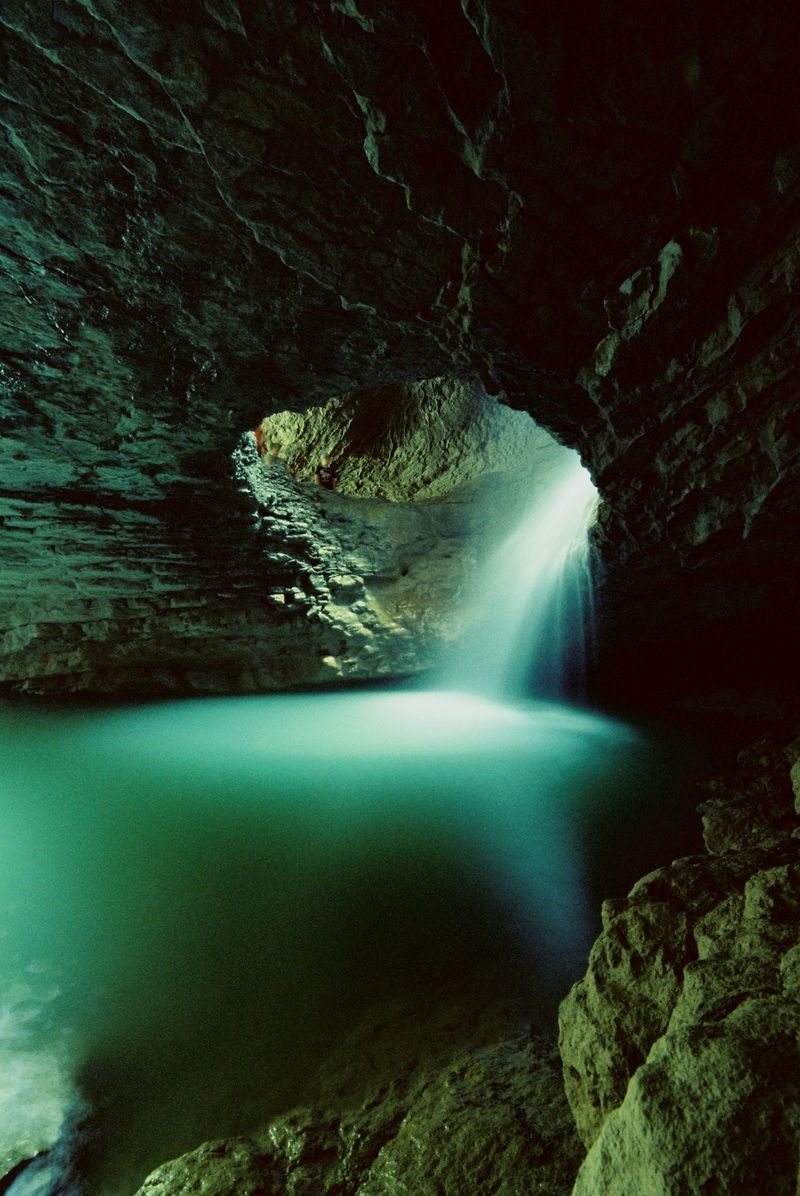
Here is the uncomfortable truth about karst country: whatever lands on the ground can reach the cave in hours. There is no thick filter of soil to slow things down.
Rain hits a parking lot, a pasture, or a lawn, then slides into a sinkhole and drops straight into the aquifer. Along the way it picks up passengers.
Oil and gasoline residue from roads, fertilizer and pesticide runoff from fields, road salt in winter, and leaking septic systems all end up in the same underground plumbing.
For a creature with no eyes and no escape route, water quality is everything. The shrimp cannot relocate to a cleaner stream, because there is no other stream to reach.
Sediment poses its own problem. Heavy construction runoff can smother the silt beds where the shrimp feeds, burying the fine organic material it depends on.
Kentucky learned this lesson the hard way. In 1980, a tanker truck crash near Interstate 64 released toxic cyanide salts into the groundwater, contaminating nearby cave streams and killing thousands of aquatic organisms.
The response was practical. Communities including Park City and Cave City built sewage treatment improvements, and the state installed spill containment basins along highways above sensitive recharge areas.
Dye tracing helped enormously. Researchers pour harmless colored dye into sinkholes and watch which springs it emerges from, mapping invisible water routes with real accuracy.
Those maps now guide land use decisions across the region. Knowing where water goes turns out to be the most useful conservation tool available.
A Slow, Quiet Life Cycle
Speed is not part of the plan here. Everything about the shrimp’s life runs on a slower clock than its sunlit relatives.
Surface shrimp often produce hundreds of eggs at a time. Cave shrimp carry far fewer, sometimes only a couple dozen, and they invest more in each one.
Females hold their eggs beneath their bodies until the young hatch. The hatchlings emerge relatively well developed, skipping some of the risky free-floating larval stages that surface species go through.
Growth takes time. With so little food available, individuals may need years to reach full size, and they likely live considerably longer than typical shrimp.
Reproduction appears tied to seasonal flooding, when nutrient-rich water sweeps through the passages. Better food supply means better odds for the next generation.
Low birth rates create a real challenge for recovery. A population that adds only a handful of new members each year cannot bounce back quickly from a setback.
That is one reason biologists emphasize prevention over repair. Protecting existing shrimp is far more effective than hoping a damaged population rebuilds itself.
Metabolism runs low too, which is an advantage in a food-poor environment. Less energy spent means longer survival between meals.
Scientists still have gaps in the record, partly because observing courtship and hatching in a pitch-black underground stream is genuinely difficult work.
What they do know paints a picture of endurance. This is an animal built for the long haul rather than the quick sprint.
How Visitors And Neighbors Can Help
You do not need a wetsuit and a headlamp to make a difference. Most of the help this species needs happens on the surface, in ordinary daily choices.
Anyone living in the karst region can start with their septic system. Regular pumping and repairs keep waste out of the groundwater that feeds cave streams.
Lawn and garden habits matter too. Using less fertilizer and choosing careful pest control reduces what washes into sinkholes during the next storm.
Sinkholes should never serve as trash spots. Old tires, paint cans, and yard debris tossed into a sinkhole go directly into the aquifer, not into some harmless hole.
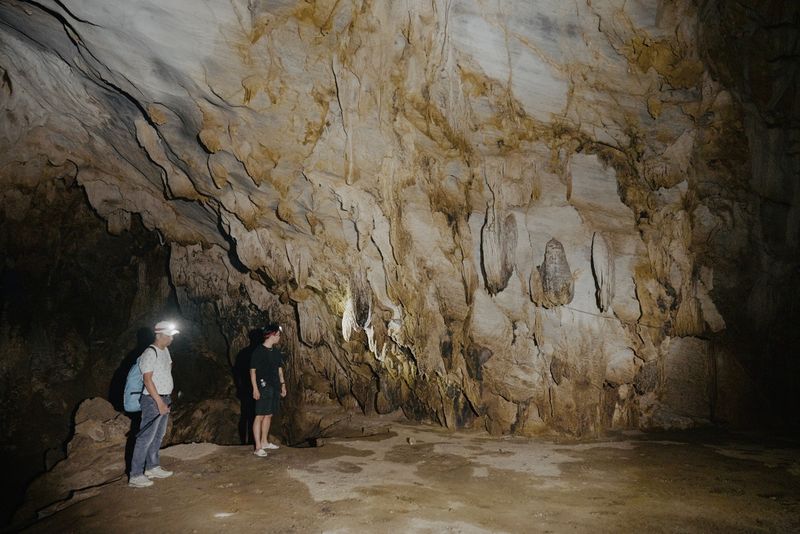
Visitors touring Mammoth Cave can help by staying on marked trails and keeping hands out of cave streams. Even small disturbances stir sediment and stress the animals living there.
Cave gear deserves attention as well. Cleaning boots and equipment between different caves helps prevent spreading contaminants or diseases between separate underground systems.
Supporting the park directly works too. Ranger programs, citizen science projects, and friends groups all fund the monitoring that keeps this shrimp on the radar.
Spreading the word carries real weight. Plenty of Kentuckians have no idea a globally unique animal swims beneath their commute.
Talking about it changes that. A neighbor who knows what lives downstream tends to think twice before dumping something questionable.
Small habits, repeated across a whole community, add up to clean water and a future for one very unusual little swimmer.