The Green Film Spreading Across Kentucky Ponds In September
Kentucky ponds look like postcards in June, all blue sky and lazy dragonflies skimming across the surface. By the last stretch of summer, a few of them start wearing a strange new coat.
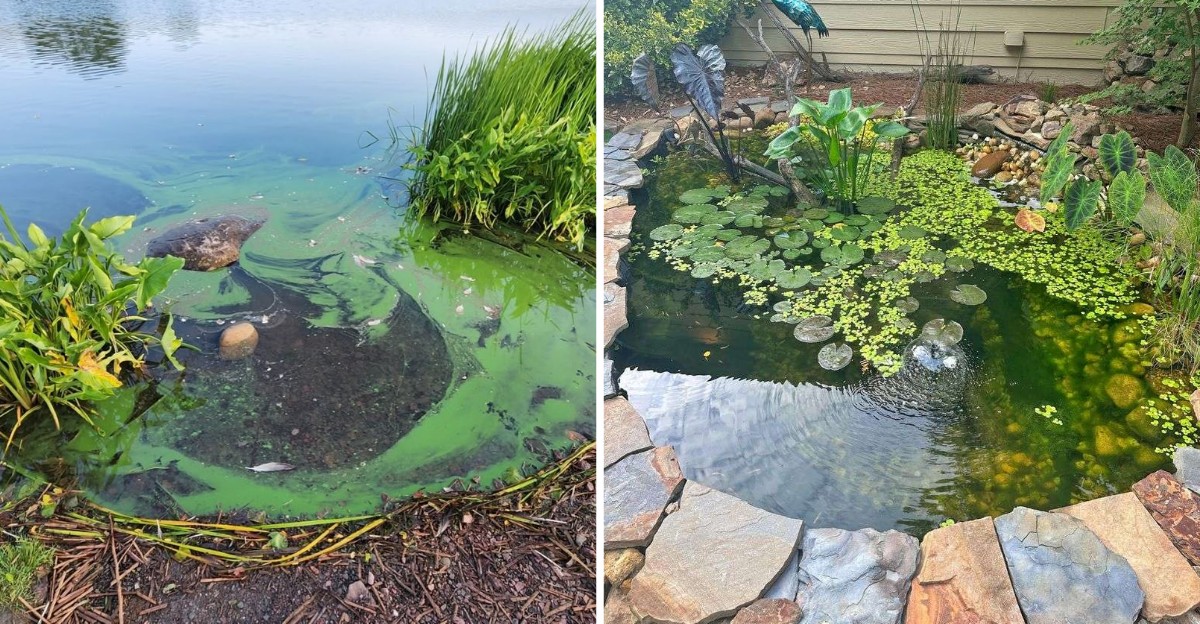
You spot it from the porch first, a smear of odd color where clean reflections used to sit. Closer up, the water looks like somebody stirred house paint through it and wandered off.
The sour smell shows up next, musty and faintly barnyard, riding along on the warm afternoon breeze. Cattle keep drinking anyway, dogs keep splashing happily, and nobody up at the house thinks twice.
September in this state has a real talent for turning quiet farm water into something genuinely peculiar. Most folks just call it algae and move on with their day.
The Blue-Green Bacteria Behind The Slick
Scoop a cup of that green water and hold it up to the light. The color stays suspended, like paint stirred into the glass, instead of settling out.
Most Kentucky pond films in September come from cyanobacteria, often called blue-green algae. They are ancient bacteria that photosynthesize, and they have been around for billions of years.
True algae feel stringy and can be lifted on a stick like wet hair. Cyanobacteria break apart instead, smearing into streaks that look like spilled latex paint.
Color ranges from bright pea green to teal, and sometimes a dull olive brown. A strong musty or septic smell often drifts off the surface on warm afternoons.
Wind pushes the film toward one bank, where it piles into thick mats overnight. Farm ponds with cattle access tend to show the heaviest buildup along the downwind edge.
Not every green pond holds a harmful bloom, but you cannot judge safety by looking. Kentucky Division of Water staff can advise on sampling if your pond looks suspicious.
Blooms can appear within two or three days after a stretch of hot, still weather. They can fade just as fast, which fools people into thinking the problem solved itself.
Keep a simple log of dates, color, and smell each time you notice changes. Patterns show up quickly, and that record helps any specialist you call later.
Treat any thick green film as questionable until it clears and stays clear. That caution costs you nothing, and it protects the animals that drink there daily.
Nutrient Runoff From Fields And Lawns
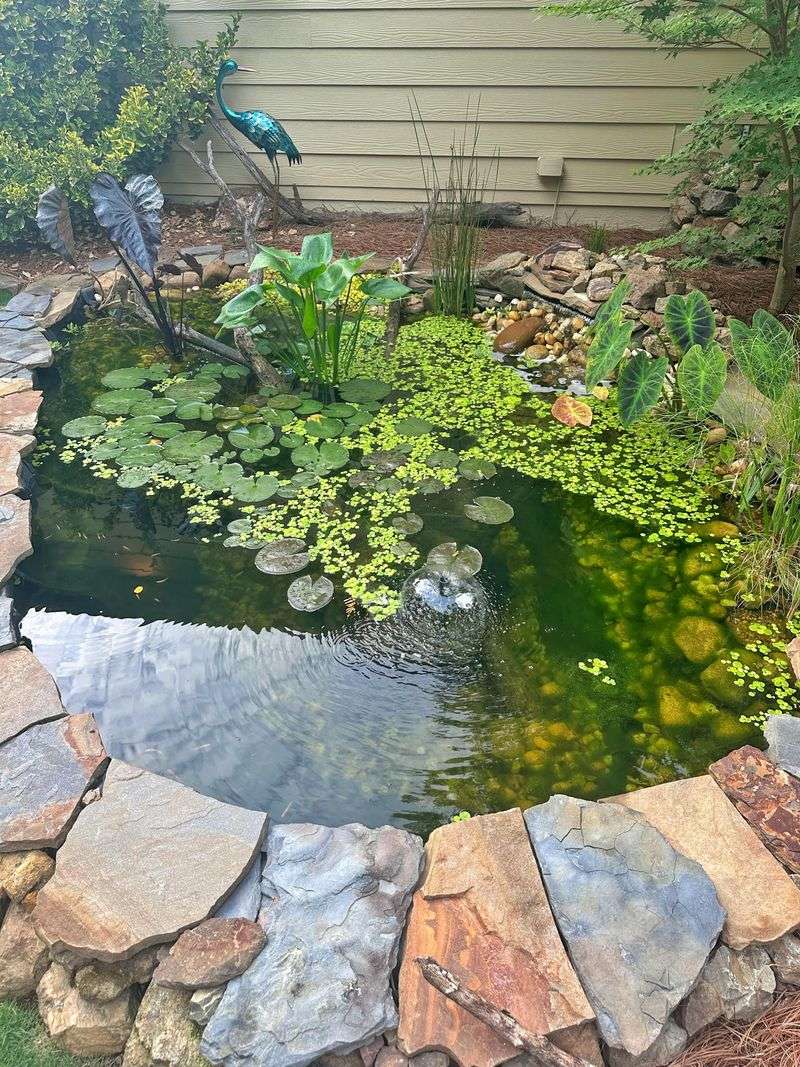
Ponds rarely turn green on their own, since something has to feed the growth. Nitrogen and phosphorus act like fertilizer for water, and Kentucky landscapes deliver plenty of both.
Rain washes lawn fertilizer, manure, and eroded topsoil straight down the slope into the basin. A single storm can drop months worth of nutrients into a half-acre farm pond.
Cattle standing in shallow water add waste directly, skipping the filtering that grass would provide. Their hooves also stir sediment, releasing phosphorus that had settled quietly in the mud.
Leaky septic systems and barn lots near the shoreline contribute more than owners expect. Even grass clippings blown toward the bank break down and release nutrients within weeks.
Your Kentucky Garden Changes Every Week. Your Plan Should Too.
Gardening in Kentucky changes quickly throughout the season. Every Friday you’ll receive a simple weekly plan showing exactly what to plant, prune, fertilize, harvest, and protect so you never miss the right timing.
Goose and duck flocks matter too, especially on suburban ponds around Lexington and Louisville. Twenty resident geese can deposit several pounds of waste along a shoreline each week.
Phosphorus is the usual culprit because freshwater systems hold onto it for years. It binds to soil particles, sinks, and then returns whenever the bottom water loses oxygen.
A grassy buffer strip, twenty feet wide, catches a surprising share of that runoff. Letting the mower rest near the bank is one of the cheapest improvements available.
Soil testing before you fertilize pasture prevents wasted money and lower pond quality. Many Kentucky fields already carry enough phosphorus for several seasons of decent growth.
Fencing livestock out and piping water to a tank pays back in cleaner water. Cost share programs through local conservation districts often cover part of that project.
Late Summer Heat And Low Water Levels
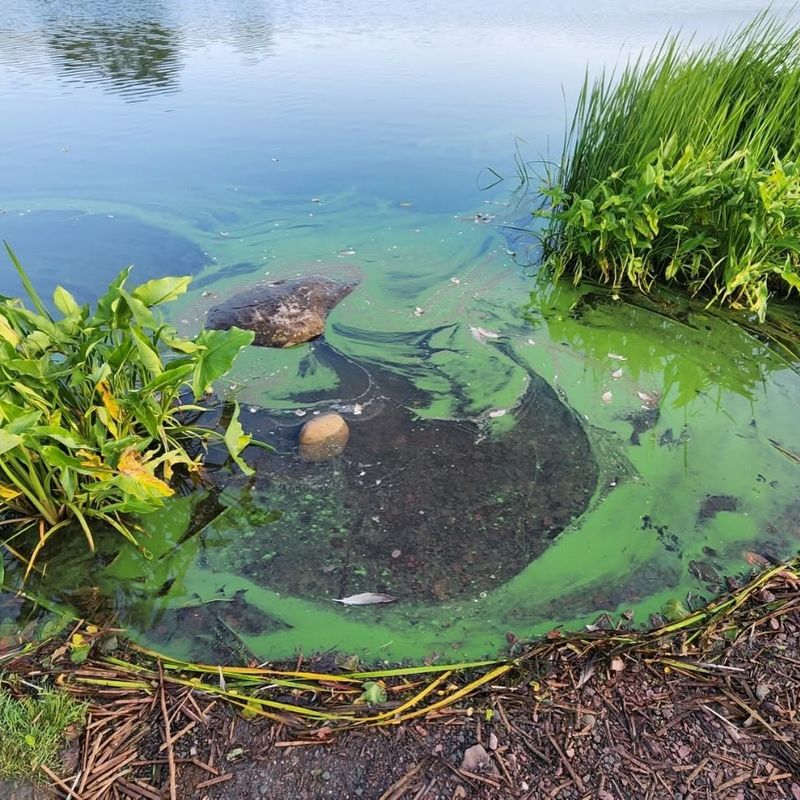
September in Kentucky brings warm water, tired ponds, and very little steady rain. Those three conditions line up beautifully for bacteria that love calm, sunny surfaces.
Surface temperatures often sit in the upper seventies well into the month. Warm water holds less oxygen, which stresses fish and favors the green stuff instead.
Water levels drop after a dry August, concentrating nutrients in a smaller volume. The same amount of phosphorus in half the water means twice the feeding power.
Long, still days let the film float undisturbed rather than mixing down into the column. Cyanobacteria can adjust their buoyancy, rising to sunlight and sinking for nutrients at night.
Summer stratification also plays a part in deeper ponds across the state. Warm water sits on cold water for months, and the bottom layer loses its oxygen.
When that happens, phosphorus locked in the sediment releases into the water above. A sudden cool snap can then mix everything, delivering a nutrient jolt to the surface.
That mixing explains why some ponds turn green right after the first fall front. Owners blame the weather change, when the fuel had been building since July.
Blooms usually ease once nights cool and water temperatures drop, which typically happens well into fall in Kentucky, so September patience is required.
Checking the pond twice a week during this stretch beats discovering trouble by accident. Five minutes at the bank tells you plenty about the month ahead.
Risks For Pets, Livestock, And Swimmers
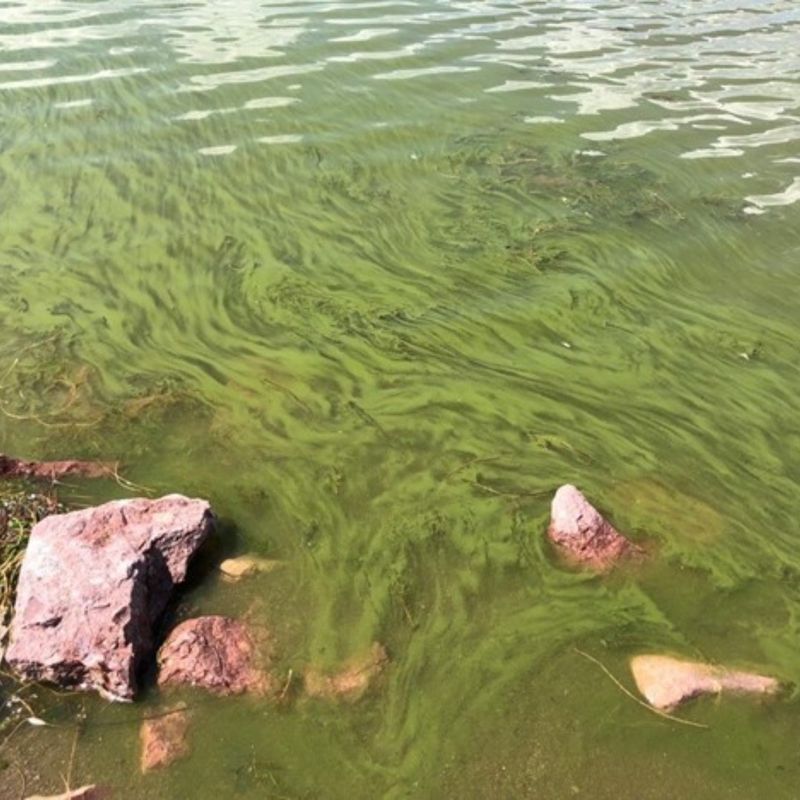
A farm dog will happily drink from the greenest water on the property. That habit is the biggest reason Kentucky veterinarians see late summer pond emergencies.
Some cyanobacteria produce toxins that affect the liver or the nervous system. Not every bloom makes them, and the amount can shift from one day to the next.
Dogs face extra risk because they swim, then lick the film from their coats. A small animal needs only a mouthful of concentrated scum to become seriously ill.
Cattle and horses drinking from a bloom-covered edge can show weakness, tremors, or diarrhea. Call a veterinarian immediately if animals act strangely after visiting a green pond.
People usually get milder symptoms, such as skin rash, sore eyes, or stomach upset. Children splashing in the shallows swallow more water than most adults realize.
Boiling does not remove these toxins, so skip bloom water for any household use. Standard camp filters and garden setups fail to handle them reliably as well.
Rinse pets with clean water right away if they wade into a green pond. Do it before they groom themselves, because that is when most exposure happens.
Fish caught from a blooming pond should be cleaned carefully, discarding organs and skin. Many biologists suggest simply waiting until the water clears before keeping any fish.
Post a simple sign at the bank when the film looks thick. Neighbors and visiting kids cannot judge risk by color alone, and a warning helps.
Common Mistakes With Copper Treatments
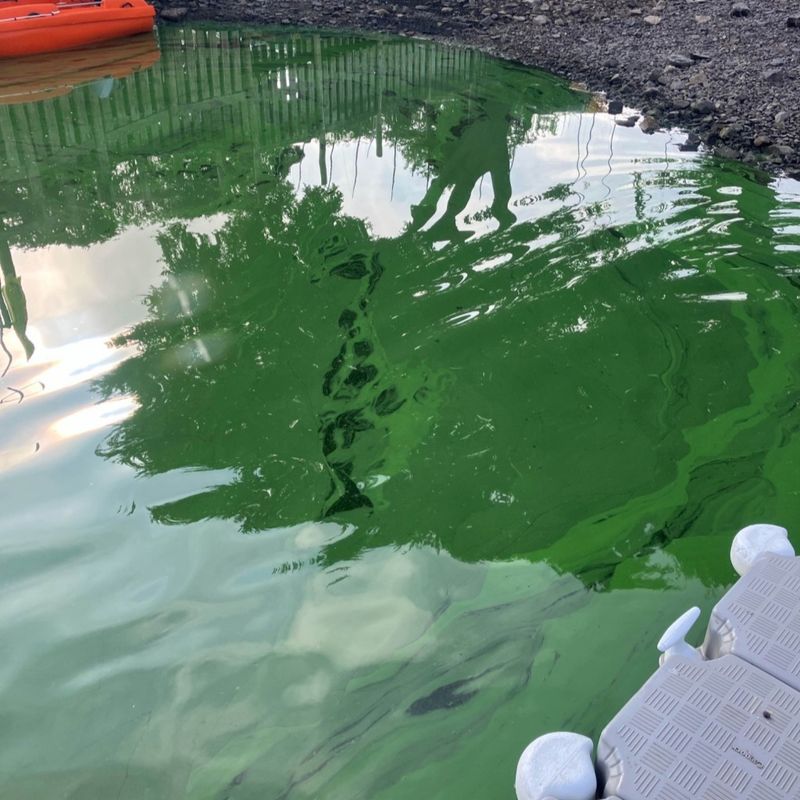
Reaching for copper sulfate feels satisfying, and it does clear water quickly. The trouble is what happens in the twenty-four hours after the green disappears.
Broken cyanobacteria cells release whatever toxins they were holding straight into the water. Toxin levels can spike higher after treatment than during the bloom itself.
Oxygen crashes follow too, as bacteria consume the sudden pile of decaying material. Fish losses in Kentucky farm ponds often trace back to an over-eager treatment weekend.
Treating only a third of the pond at a time reduces both problems. Wait a week or two between sections, and keep animals away throughout.
Dosage depends on water hardness, and much of Kentucky sits on limestone. Harder water needs different rates, so read the label and measure surface acres honestly.
Copper also builds up in sediment over years, harming the insects fish feed on. Ponds treated every summer often end up with poorer fishing than untreated neighbors.
Barley straw, pond dyes, and algaecides all get oversold at the farm store. Dye helps a little by limiting sunlight, but it cannot outrun heavy nutrient loading.
Skipping treatment entirely is sometimes the wiser call during a mild September bloom. Cooler weather is close, and a bloom left alone often fades without any chemicals.
Whatever you choose, keep livestock and pets off the water for several days. The window right after treatment deserves more caution than the bloom did.
Record the date, product, and amount used on a note in the barn. Next September, that page keeps you from repeating an expensive guess.
Aeration, Shade, And Long-Term Prevention
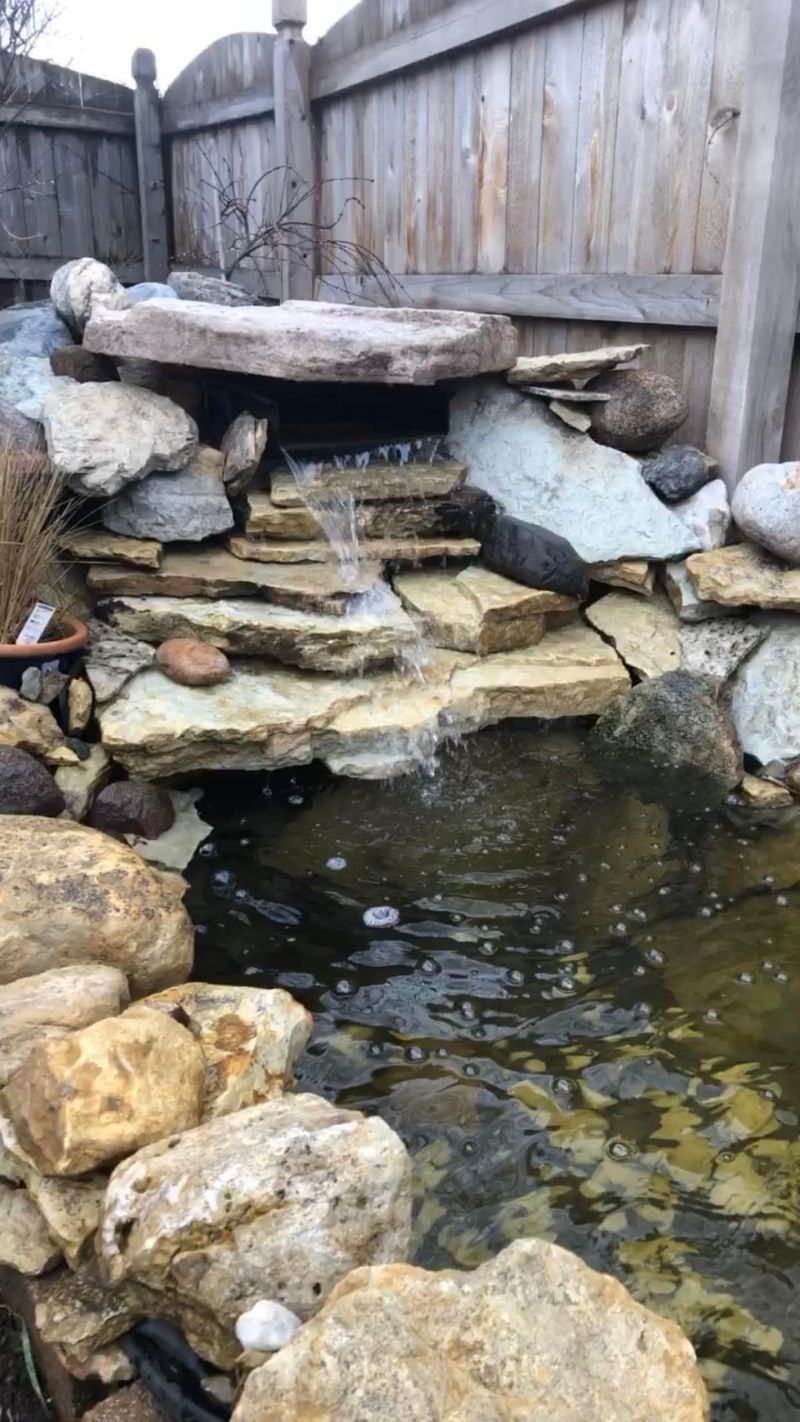
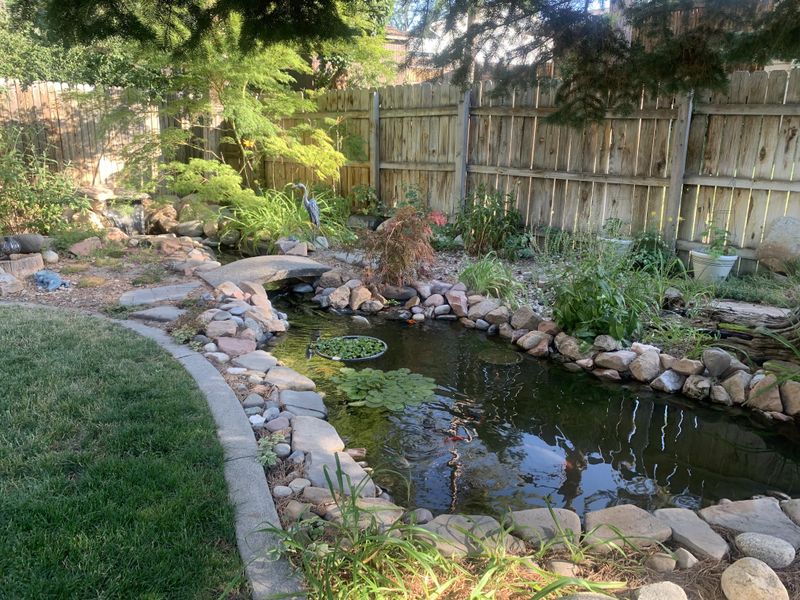
Ponds that stay clear through September usually share one thing, and that is movement. Water that circulates resists the stagnant, sunlit conditions blooms depend on.
A bottom diffuser aeration system pushes air from the deepest point upward. That gentle current mixes the layers, keeps oxygen available, and locks phosphorus in the sediment.
Surface fountains look lovely but mostly stir the top two or three feet. For bloom control, diffused aeration running through the night does far more good.
Shoreline plants such as pickerelweed and arrowhead soak up nutrients before algae reach them. A planted edge also slows waves and holds the bank together during heavy rain.
Aim for roughly one third of the shoreline in native vegetation. Kentucky nurseries stock plenty of suitable species, and they spread on their own quickly.
Keeping geese from settling in helps more than most homeowners expect. Tall grass along the bank discourages them, since they dislike walking through heavy cover.
Deeper ponds resist blooms better because sunlight cannot reach the whole water column. If you are building new, six to eight feet of depth pays off later.
Fall is the right season for dredging, fencing, and planting projects in Kentucky. Work done in October gives next summer a real head start.
Local extension offices offer free pond advice and will look at your photos. A quick email in September can save a costly guess next spring.
None of these fixes work overnight, but together they change the whole pond personality. Give it two seasons, and September may pass without a single green streak.