The Meaning Behind Finding A Toad Hiding In Your Ohio Garden Beds
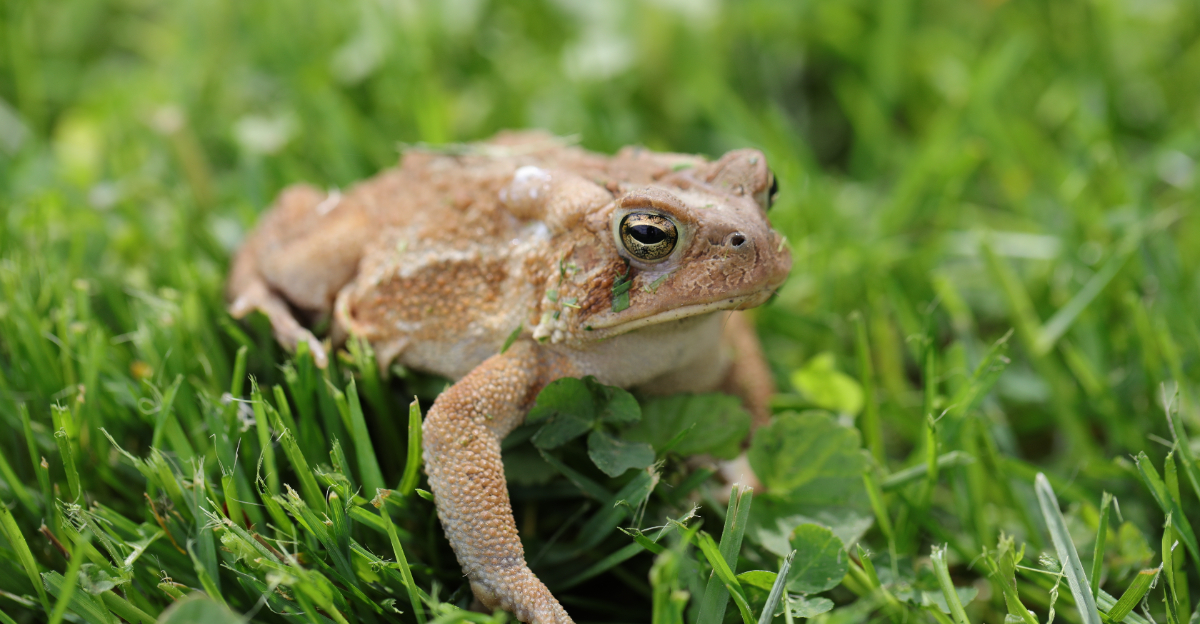
You reach under the hosta leaves to pull a weed, and something lumpy shifts against your fingers. Your heart jumps before your brain catches up.
There it sits, half buried in cool soil, blinking at you like you interrupted a nap. It does not run, and it does not seem worried about you at all.
Ohio gardeners meet this quiet neighbor more often than they expect, usually in the shady, damp corners of a mulched bed. Most folks scoop it away without ever wondering why it chose that exact spot.
That choice says quite a lot about your soil, your watering habits, and the bugs crawling through your beds. Stick around, because this little squatter is basically a free garden report card.
A Living Sign That Your Soil Stays Healthy
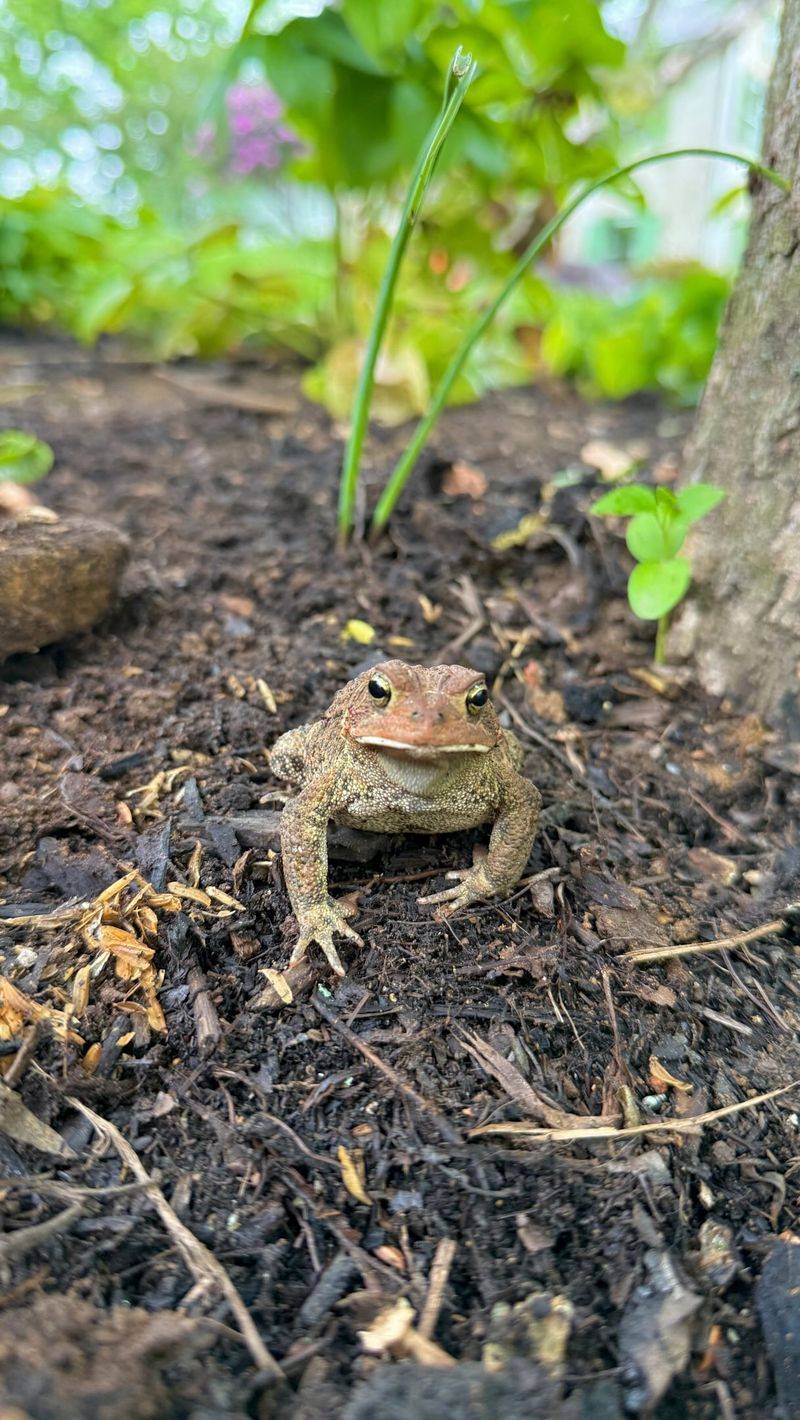
Soil tells stories, and a toad tucked into yours is writing a good chapter. These amphibians breathe partly through their skin, which means anything harsh in the ground gets absorbed straight into their bodies.
Because of that sensitivity, toads settle where the dirt is clean, crumbly, and rich with organic matter. Heavy chemical use tends to push them out long before gardeners notice any other warning signs.
Ohio beds that hold moisture without turning soggy are especially appealing. A toad can burrow backward using the hard bumps on its hind feet, sinking into loose loam in under a minute.
If your soil is compacted clay, that trick becomes nearly impossible, so the presence of a burrowing toad suggests you have decent structure down there. Earthworm activity, leaf mulch, and steady watering all contribute to the kind of texture they favor.
Think of it as a quiet endorsement from a creature with very picky standards. Scientists often study amphibian populations as indicators of environmental quality for exactly this reason.
Practical takeaway: if you spot one, ease up on any granular treatments in that area. Add shredded leaves or compost each fall to keep the ground spongy and cool.
Avoid tilling deeply in spots where toads have been seen, since burrows sit only a few inches down. A gentle hand fork works better than a rototiller around established perennials.
Your reward is soil that holds water longer and plants that need less fussing overall.
Your Bug Population Just Met Its Match
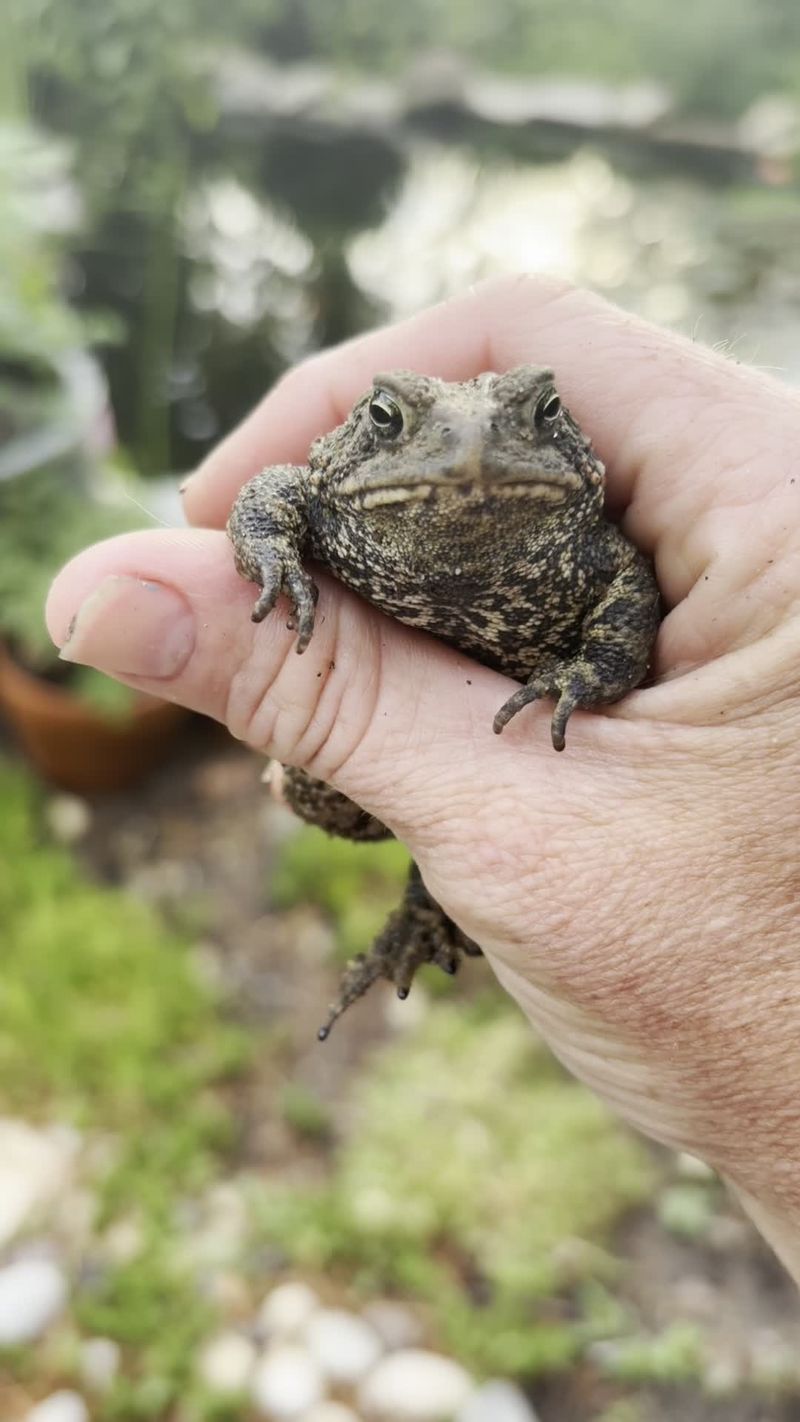
One adult American toad can put away roughly 10,000 insects over a single growing season. That number gets impressive fast when you picture slugs, cutworms, and squash bugs disappearing from your rows.
Ohio gardens deal with plenty of chewing pests, especially in humid July stretches. Toads hunt at dusk and after dark, which is precisely when many of those troublemakers come out to feed.
Their tongues snap forward in about a twentieth of a second, faster than you can blink. Anything moving and roughly bite-sized becomes fair game, including sowbugs, ants, beetles, and the occasional small slug.
What makes them so useful is their patience. A toad will park near a tomato stem and wait, picking off hornworm moths and other visitors without trampling a single leaf.
Your Ohio Garden Changes Every Week. Your Plan Should Too.
Gardening in Ohio changes quickly throughout the season. Every Friday you’ll receive a simple weekly plan showing exactly what to plant, prune, fertilize, harvest, and protect so you never miss the right timing.
Gardeners who welcome toads often notice fewer chewed hosta edges and less damage on low-growing greens. The effect builds over a few seasons as toads return to familiar territory.
Encourage the arrangement by leaving a shallow dish of water sunk into the soil. Change it every couple of days so it stays fresh and mosquito free.
Skip broad-spectrum insecticides in beds where toads patrol, since removing their food supply sends them elsewhere. Spot treatments and hand picking work better alongside amphibian helpers.
You end up with a pest control crew that works nights, asks for nothing, and skips the invoice entirely. Not a bad trade for a little shade and moisture.
Cool, Damp Hideouts Are Doing Their Job
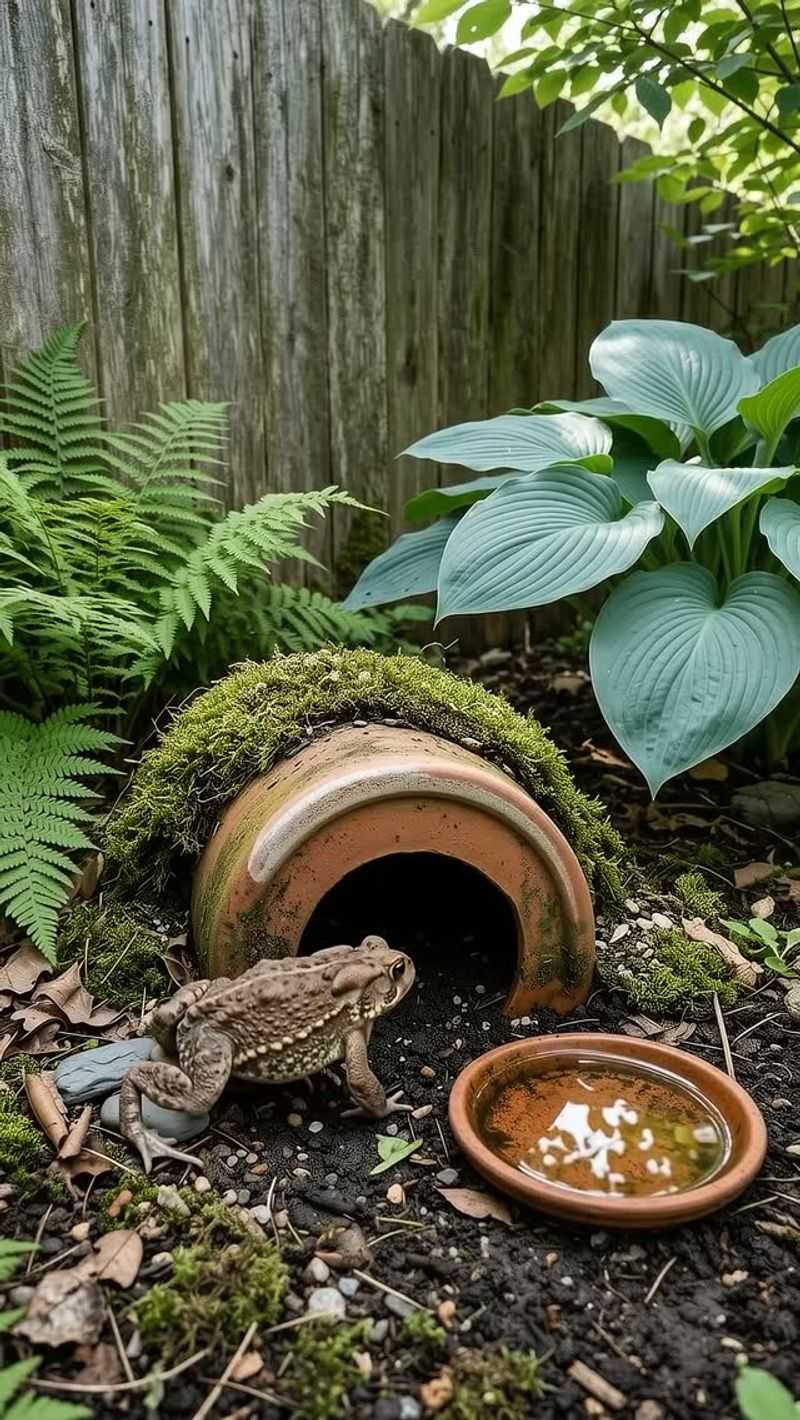
Heat is the biggest challenge for an animal that breathes through its skin. Ohio summers push into the nineties with sticky humidity, and toads survive by finding spots that stay ten or fifteen degrees cooler.
Under mulch, beneath flat stones, and inside the shade of broad leaves are their favorite retreats. If a toad picked your bed, your layering and plant coverage are working as intended.
That same cool pocket benefits your roots enormously. Mulch two to three inches deep slows evaporation, moderates soil temperature, and cuts your watering chores nearly in half.
Hostas, ferns, astilbe, and coral bells all create the low canopy toads appreciate. Those plants also happen to thrive in the partial shade common along Ohio house foundations and fence lines.
Try leaving one corner slightly wild rather than tidying every square inch. A small pile of bark chunks or a half-sunk pot gives amphibians somewhere to retreat during heat waves.
Watch where the toad reappears day after day, since it likely has a preferred hollow. Avoid disturbing that pocket when you weed or divide perennials.
Watering in the early morning keeps the top layer damp through midday without leaving foliage wet all night. Toads will use those moist edges as a base camp.
The whole setup costs almost nothing and pays back in lower water bills. Your plants stay perkier, and your resident amphibian sticks around instead of wandering off to the neighbor’s yard.
Not Every Bumpy Visitor Is The Same Species
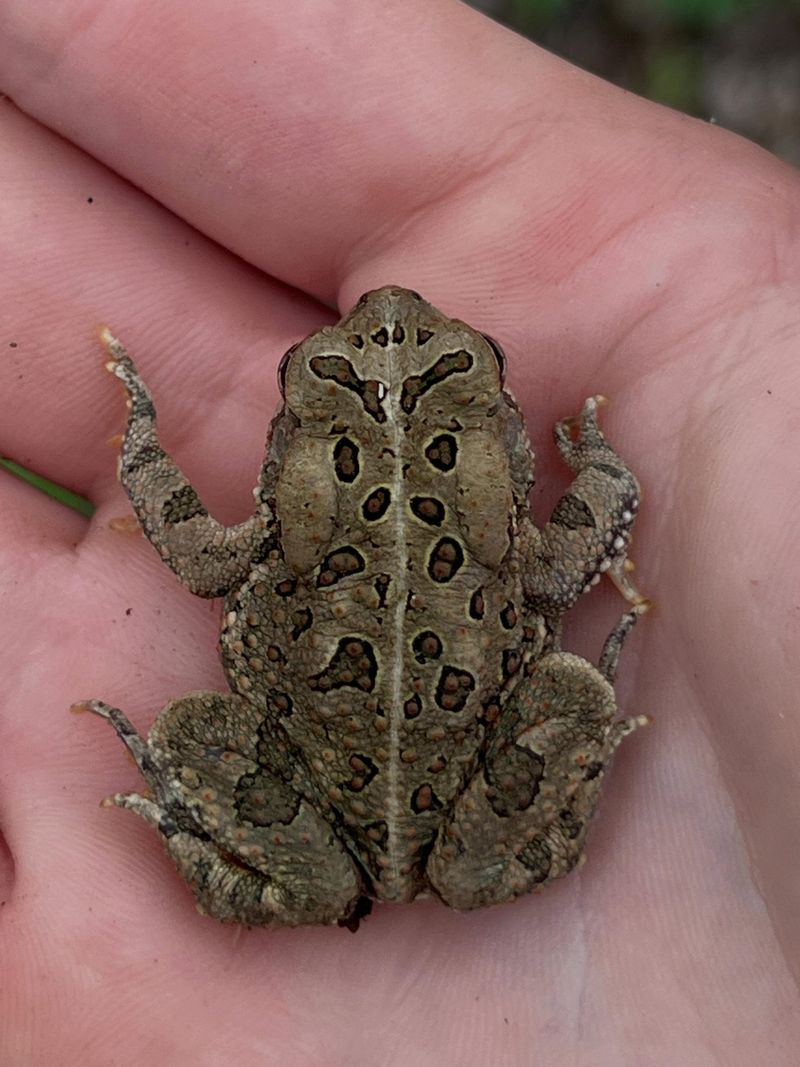
Ohio hosts two toads that gardeners commonly meet, and telling them apart is a fun five-second puzzle. The American toad is the usual suspect, wide across the body with one or two large warts inside each dark back spot.
Fowler’s toad turns up statewide but favors sandy, loose soil. Think river corridors and lakeshores rather than heavy clay. It carries three or more warts per spot and typically has a pale, unmarked belly.
Their calls differ noticeably too. American toads produce that long pleasant trill, while Fowler’s sounds more like a nasal bleat that some describe as a crying baby.
Size runs from about two to four inches for both, with females larger than males. Color shifts from brick red to olive to gray depending on soil, temperature, and individual variation.
People sometimes confuse them with frogs, but toads have drier, bumpier skin and shorter legs built for hopping rather than leaping. Frogs stay closer to water year round.
Those bumps are not warts in the human sense and they do not transfer to your hands. The two large bulges behind the eyes are parotoid glands that release a bitter substance if a predator bites down.
Handling gently with damp hands is fine, though washing afterward is smart practice. Identifying which species visits your beds adds a small thrill to routine garden chores and helps if you ever report sightings to local naturalists.
Chemical-Free Gardening Gets A Silent Thumbs Up
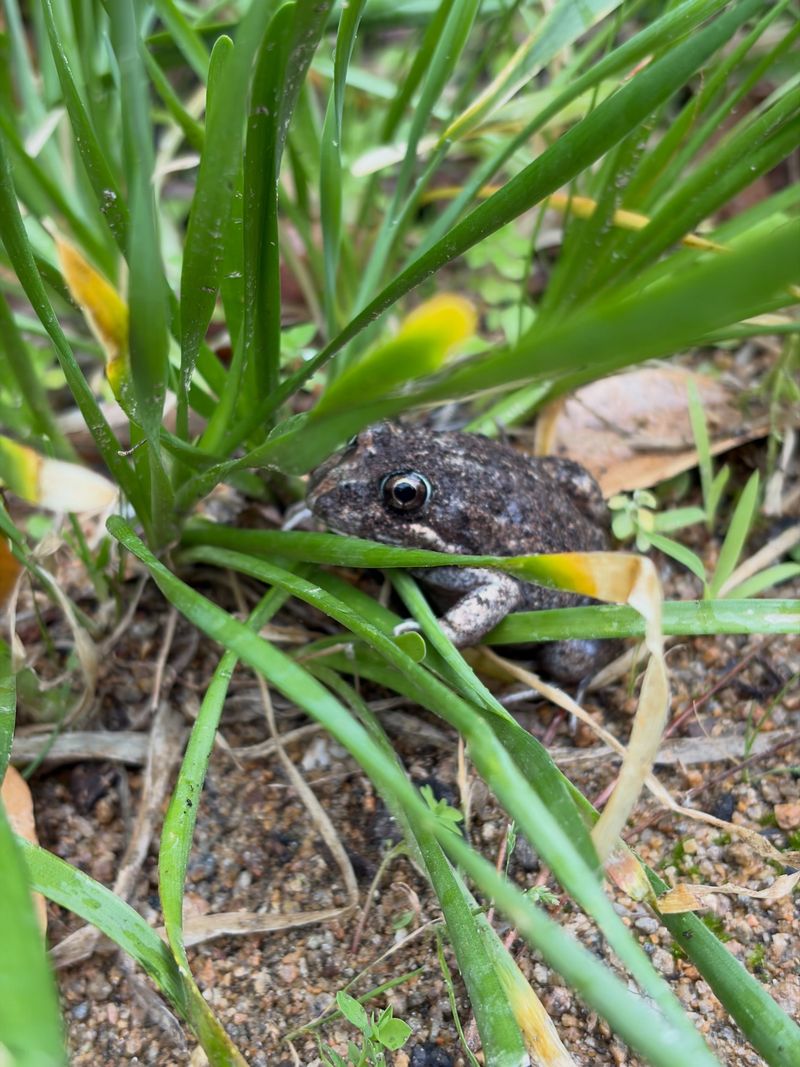
Think of a toad as a tiny inspector with very high standards. Their permeable skin absorbs whatever sits on the soil surface, so herbicides, fungicides, and insecticides hit them harder than most creatures.
Repeated exposure weakens them, disrupts development, and eventually clears them out of treated areas. Their continued presence therefore suggests your garden runs fairly clean.
Slug pellets containing metaldehyde deserve special caution, since toads may consume slugs that have picked up the bait. Iron phosphate products are considered a safer alternative for amphibian-friendly beds.
Lawn fertilizer with weed control is another common issue in Ohio subdivisions. Runoff carries granules into flower borders where toads shelter during the day.
Switching to spot treatment rather than blanket application makes a real difference. Pull weeds by hand in the beds and reserve any product for stubborn problem patches only.
Compost, leaf mold, and cover crops build fertility without introducing anything harsh. Plants grown that way tend to resist pests better anyway, reducing the temptation to spray.
If you must apply something, do it midday when toads are tucked underground and skip watering it in heavily near their hideouts. Read labels for amphibian warnings, which appear more often than people realize.
Keeping a toad happy and keeping your vegetables safe to eat turn out to be the same project. The amphibian in your zinnias is essentially confirming that whatever you harvest is worth putting on the dinner table.
Simple Ways To Roll Out The Welcome Mat
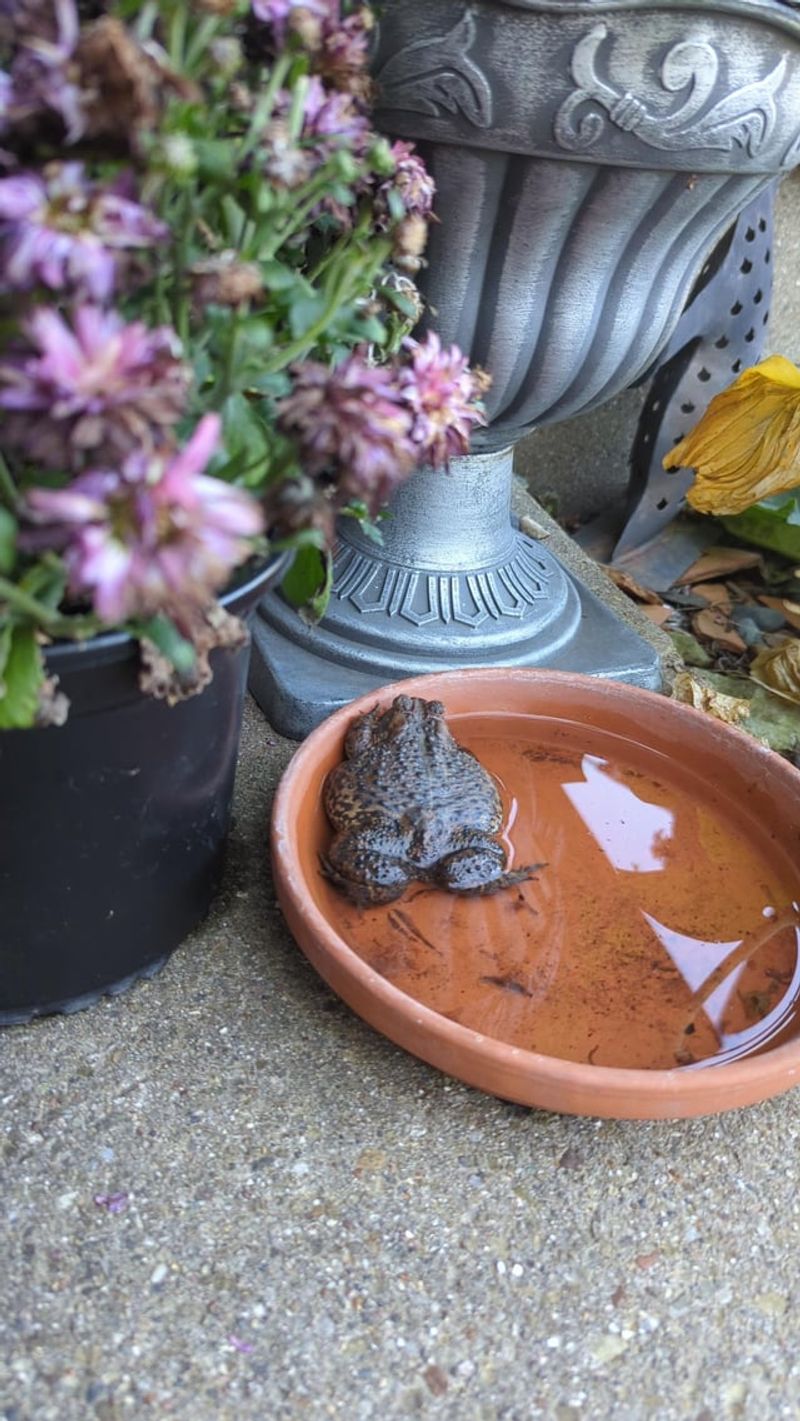
Rolling out the red carpet for a toad takes about ten minutes and zero dollars. Start with shelter, since that ranks highest on their list of needs.
An old terracotta pot with a chip in the rim, flipped upside down and pressed slightly into soil, becomes an instant residence. Position it in shade where afternoon sun cannot bake the interior.
Water comes next, and it does not need to be fancy. A plant saucer sunk flush with the ground, filled with an inch of water, gives them a place to soak and rehydrate through the skin.
Refresh it every two or three days to keep mosquitoes from setting up shop. Adding a small rock lets other creatures climb out safely.
Groundcover plants and low shrubs create safe travel routes between hiding spots. Creeping thyme, sweet woodruff, and native sedges all work well in Ohio conditions.
Skip the bright landscape lighting near their zone, or at least aim it away from beds. Excessive light disrupts nighttime hunting patterns for both toads and the insects they chase.
Keep cats indoors during evening hours if possible, since they are one of the biggest risks to small amphibians in suburban yards. Fencing gaps at ground level let toads pass between properties.
Give it a season or two and word gets around. Before long you may find two or three sharing your beds, quietly handling the night shift while you sleep.