Stop Cutting Every Ohio Perennial To The Ground In September
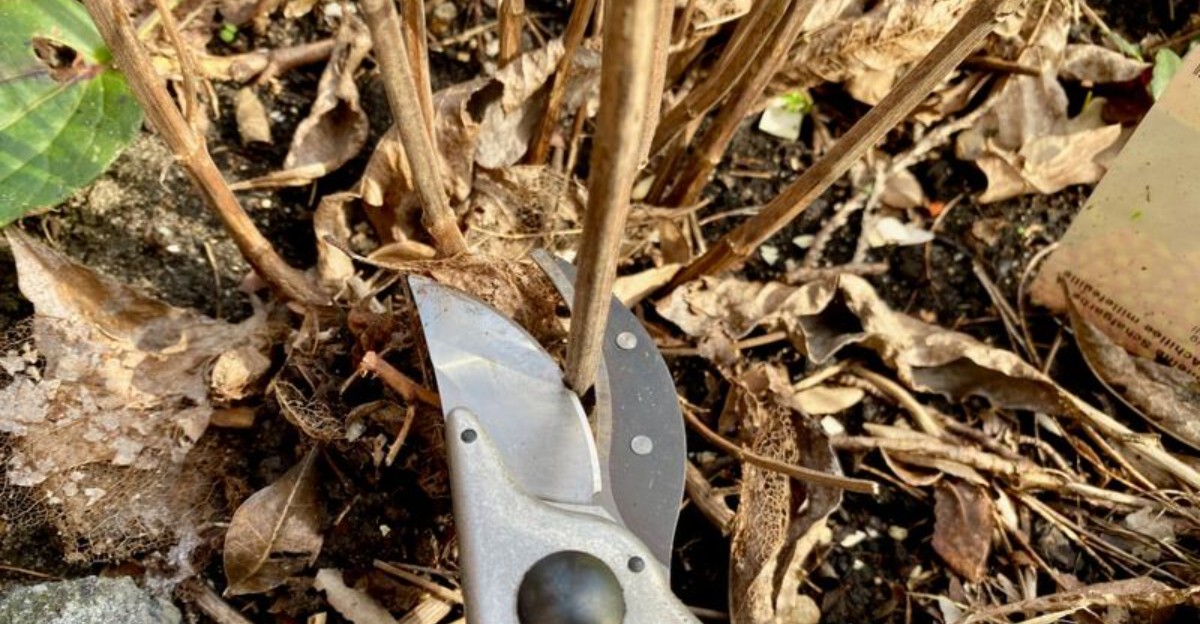
September in Ohio smells like damp mulch, cooling soil, and the faint sweetness of apples going soft outdoors. That first crisp morning sends half the neighborhood outside, clippers in hand, looking for something to tidy.
The urge makes plenty of sense, because tangled beds look messy once the first frost browns the edges. Still, that tidy instinct can quietly cost your garden more than most Ohio gardeners ever realize.
Beneath the browning stems sits a whole hidden world that depends on being left alone awhile. Winter in the Midwest is rough, and bare soil offers almost nothing worth hiding under.
So before the tools come out, a little thought saves you a year of regret. Your garden, it turns out, would much rather look a little rumpled than freshly barbered.
1. The Case For Standing Stems In Autumn Beds
Gardeners in Ohio often treat September like a finish line, but the calendar is not the boss. Most perennials are still moving sugars from their leaves down into roots.
Cutting stems while they are still green removes the factory that fuels next spring’s growth. Roots go into winter with a thinner fuel tank than they should have.
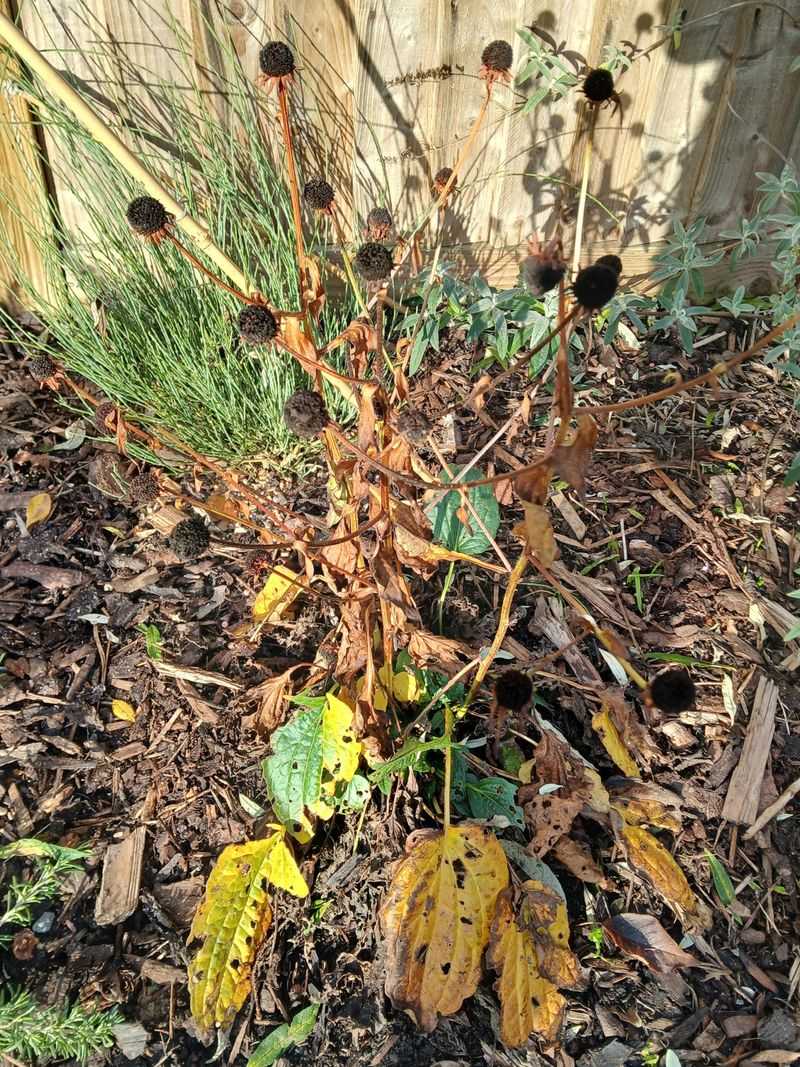
Standing stalks also catch snow, which acts like a fluffy quilt over the crown of the plant. That insulation keeps soil temperatures steadier during Ohio’s wild January swings.
Freeze and thaw cycles cause real trouble here, heaving shallow roots right out of the soil. A layer of stems and trapped leaves slows that damaging seesaw.
Mulch alone cannot do all of that work, since it packs down and sheds water oddly. Plant material adds loft that keeps air pockets around the crown.
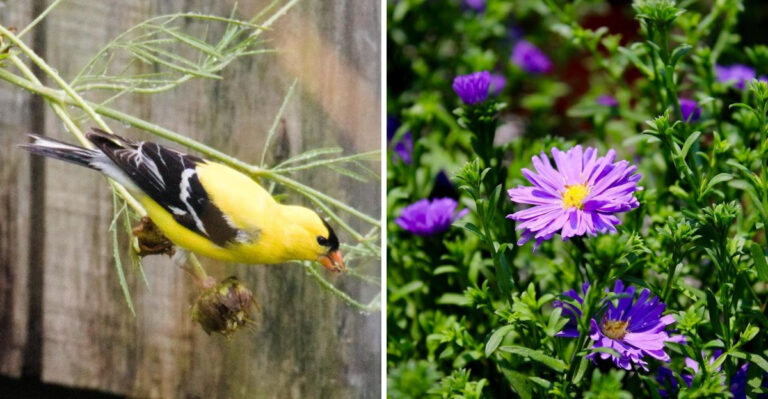
Seed heads feed goldfinches, juncos, and chickadees through the coldest weeks when other food is scarce. Watching birds swing on a coneflower stalk beats staring at bare mulch.
There is a visual payoff too, since frost outlines grasses and sedum heads on gray mornings. Winter interest is a real design goal, not just an excuse for skipping chores.
None of this means your beds must look wild until May, because selective cleanup works fine. The goal is choosing what to trim instead of shearing the whole border.
Think of your garden as a winter apartment building with many small tenants. Handing out eviction notices in September rarely ends well for anyone.
2. Hollow Stalks As Winter Shelter For Native Bees
Snap an old bee balm stem in half sometime and peek inside the straw-like tube. That tiny hallway is prime real estate for Ohio’s small native bees.
Ohio hosts roughly 500 native bee species, and most of them are solitary rather than hive dwellers. Many raise young inside pithy stems of coneflower, raspberry, or joe-pye weed.
Small carpenter bees and leafcutter bees tuck eggs into those chambers with a packet of pollen. The next generation waits inside there quietly until warm spring weather finally arrives.
Hauling those stems to the curb in September removes next summer’s pollinators before they get a chance. Fewer bees in June means fewer tomatoes, squash, and beans later on.
Your Ohio Garden Changes Every Week. Your Plan Should Too.
Gardening in Ohio changes quickly throughout the season. Every Friday you’ll receive a simple weekly plan showing exactly what to plant, prune, fertilize, harvest, and protect so you never miss the right timing.
Butterflies and moths use stems too, gluing cocoons along stalks or hiding in curled leaves. Swallowtail chrysalises can look almost exactly like a bit of brown twig.
Ladybugs, lacewings, and tiny predatory wasps also settle into hollow plant litter for the cold months. Those helpers patrol your aphids for free once temperatures climb again.
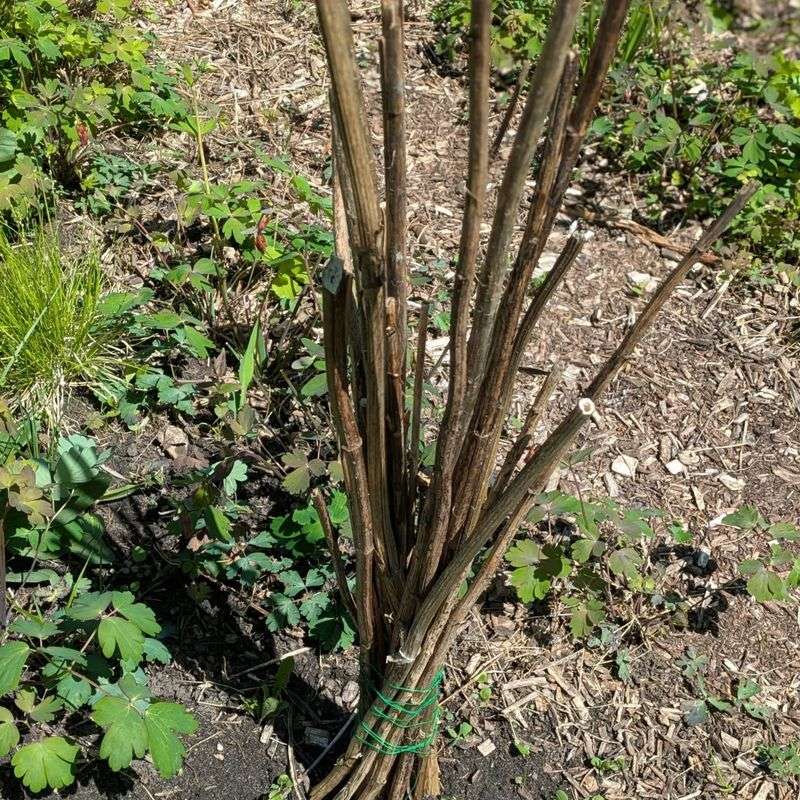
A simple compromise is trimming tall stalks to about fifteen inches instead of ground level. Those stubs still offer nesting tunnels while the bed looks neater.
New growth hides the stubble by late May, so nobody notices your bee hotel. Bees find the freshly cut ends easily, which is the whole point of the trick.
Skip the store-bought bamboo bee house and let your garden do the job for free. Your perennials were building bee condos long before anyone sold them.
3. Frost Dates Across Ohio Growing Zones
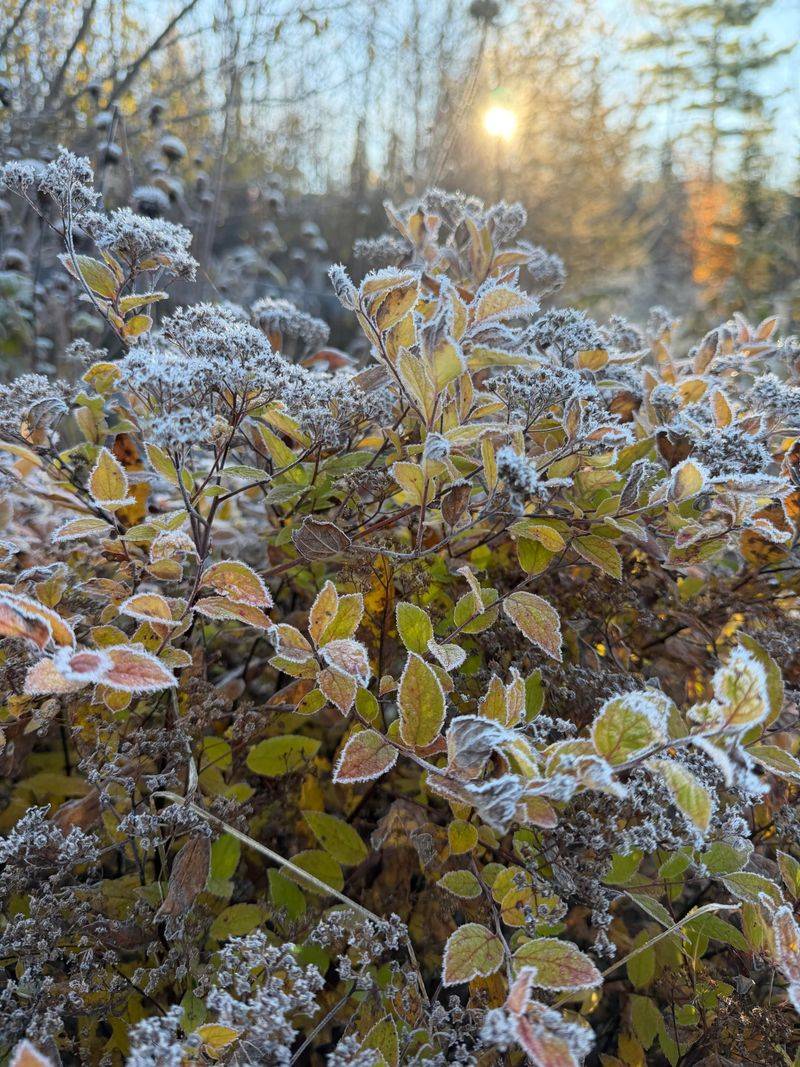
Ohio stretches across zones 5b through 7a, which is a bigger spread than people expect. A gardener in Ashtabula and one in Cincinnati live on different schedules.
Northeast Ohio usually sees its first light frost in the first half of October. The Ohio River valley often coasts into late October without one.
Average first-frost maps help, but weather rarely reads the map carefully. Some years a cold snap arrives in late September, then summer warmth returns.
September, then, is still growing season across almost the whole state. Leaves are busy, roots are loading up, and the plant is not finished.
Cutting green foliage now is like unplugging a phone at forty percent battery. It will start spring weaker, and you may not notice until June.
A better cue than any calendar date is the plant itself turning tan and brittle. Once stems rustle instead of bending, the transfer of energy has wrapped up.
For most Ohio yards that moment lands somewhere between mid-October and Thanksgiving. Microclimates matter too, so a south-facing wall can delay things by two weeks.
Lake Erie also plays referee, holding northern shoreline gardens warmer late into fall. Inland valleys just south can frost a week or two earlier.
Keep a small notebook or phone note of your yard’s first frost each fall. After three seasons you will have a schedule tailored to your own street.
Fall bulb planting and lawn seeding fill September nicely if your hands need a job. The perennial border can wait its turn without complaining once.
4. The Blanket Cleanup Mistake In Midwest Borders
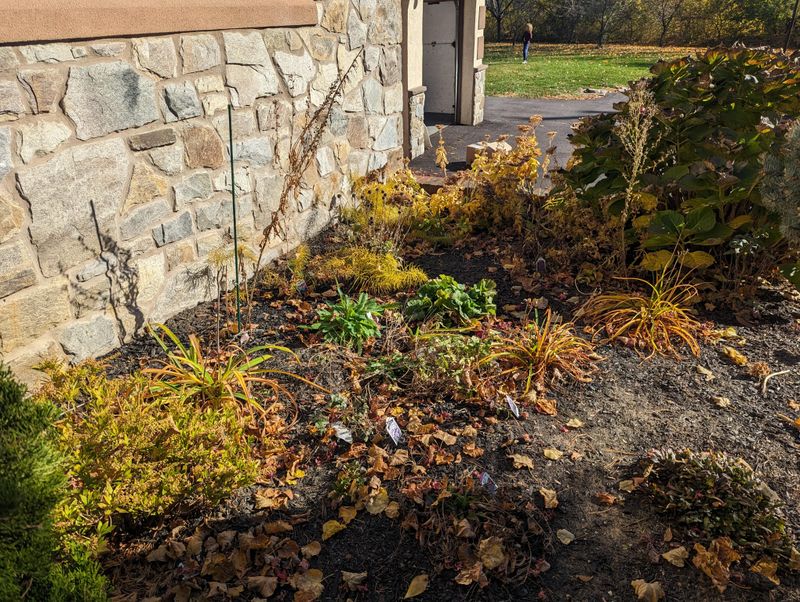
Weekend cleanup often turns into a race, with one setting on the hedge shears for everything. Plants, unfortunately, did not agree to that uniform haircut.
Borderline-hardy perennials like garden mums, agastache, and Russian sage lean on their old stems for protection. Shearing them in September strips that insulation right before winter.
Ohio gardeners lose mums this way constantly, then blame the nursery for weak plants. Left standing, those same clumps often sail through February just fine.
Butterfly bush, lavender, and blue mist shrub behave the same way in our climate. Their woody stems need the whole winter before any pruning decisions.
Evergreen and semi-evergreen perennials take an even bigger hit from fall shearing. Heuchera, hellebore, dianthus, and epimedium keep working through mild winter spells.
Ornamental grasses are another common casualty of early tidiness, since their crowns hate sitting wet. Standing blades shed rain and snow away from the center.
Heavy raking that follows the shearing removes leaf litter holding moisture and moderating soil temperature. Bare clay then bakes, cracks, and heaves through every thaw.
Exposed crowns also dry out during those bright, windy January days with no snow cover. Winter burn shows up as brown mush the following April.
Weeds notice open soil faster than anything else in the neighborhood. A cleared border in October is basically an invitation for chickweed.
Slowing down and sorting plants into groups takes maybe ten extra minutes. Your knees will appreciate the shorter chore list too.
5. Perennials That Truly Benefit From A September Haircut
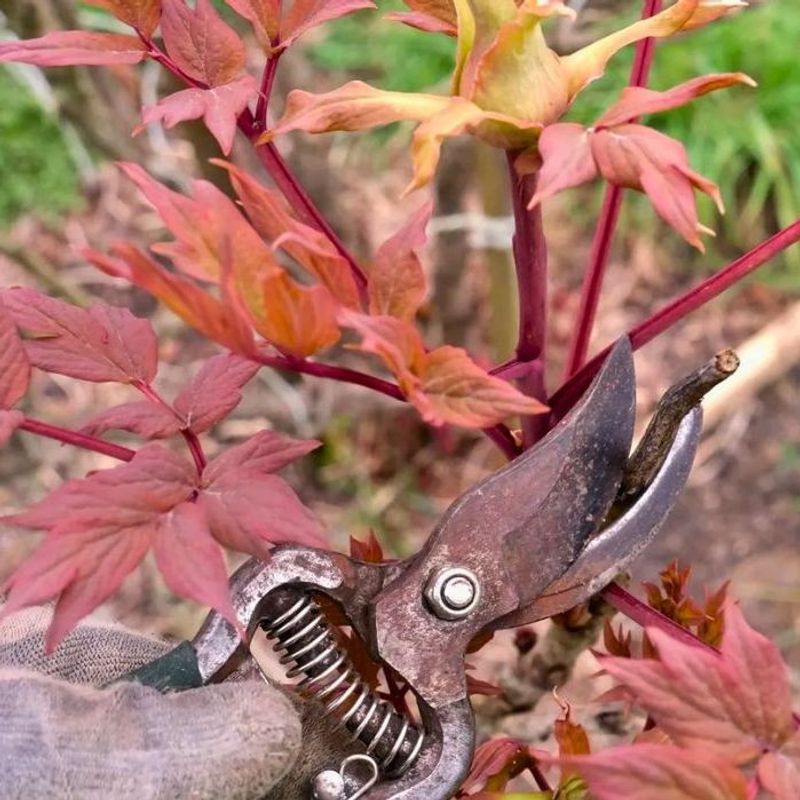
Some plants genuinely do want the shears, and peonies top that list every year. Their leaves carry botrytis spores that overwinter happily in the litter.
Cut peony stems to about an inch above soil once foliage yellows in fall. Bag that material rather than composting it, since spores survive cool piles.
Bearded iris deserves attention because iris borer moths lay eggs on old leaf bases. Trimming fans back and clearing debris breaks that pest cycle.
Garden phlox and bee balm often end August looking dusted with white powdery mildew. Removing that foliage lowers the spore load waiting for next July.
Hollyhock rust and daylily leaf streak follow the same rule about tidy removal. Hostas benefit too, since slug eggs and nematodes shelter in collapsed leaves.
Vegetable-garden thinking helps here, because sanitation drives most fungal control. Removing infected tissue is cheaper and safer than spraying next summer.
Aggressive self-sowers are worth clipping early for a different reason altogether. Snipping seed heads off obedient plant or feverfew saves hours of weeding.
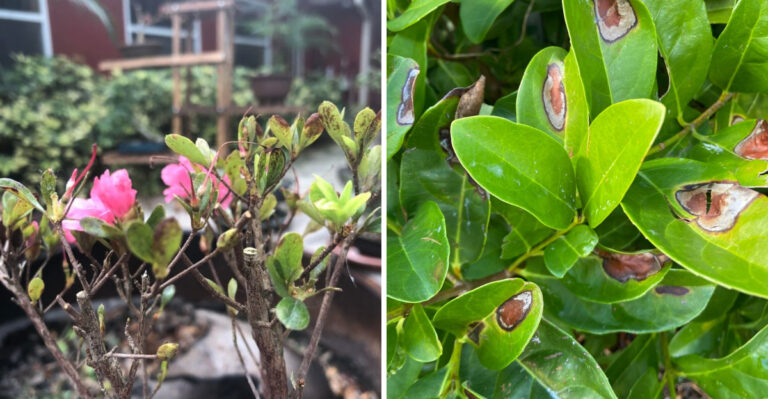
Anything that looked sick all summer should leave the bed regardless of species. Spotted, blotchy, or mushy foliage is a reservoir, not a blanket.
Even in these cases, wait until foliage fades rather than cutting lush green growth. Late September into October usually hits that sweet spot statewide.
Clean your pruners with a disinfecting solution between plants so you stop spreading trouble around. Two seconds with a rag beats a season of blotchy leaves.
6. Spring Cutback Timing For Healthier Blooms
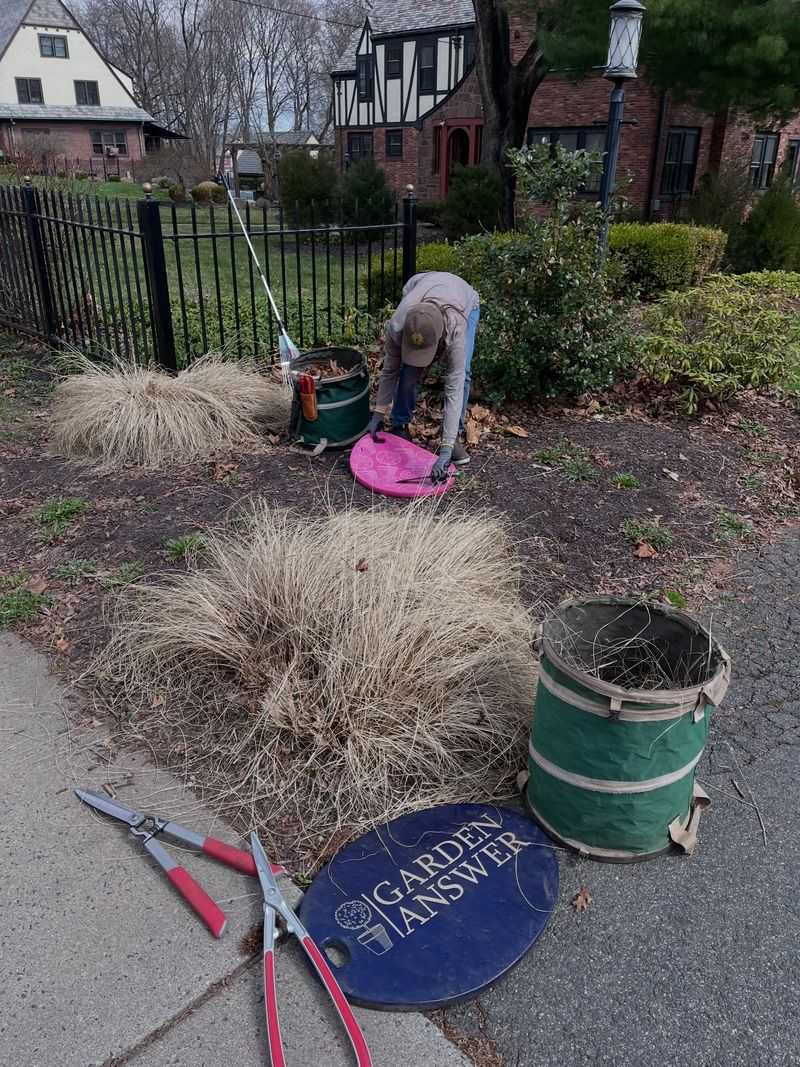
The payoff for waiting shows up in April, when cleanup goes faster than you expect. Brittle stems snap off in handfuls instead of fighting back.
Aim for the stretch when soil temperatures hold near fifty degrees for several days. In most of Ohio that means somewhere in mid to late April.
Blooming forsythia and redbuds work as handy natural alarm clocks for spring cleanup. Insects sheltering inside old stems usually stir once those bright flowers open.
Cutting too early in March traps the same creatures you protected all winter. A few warm days in February mean nothing to soil temperature.
Watch the plants for signals too, since fresh green shoots appear at the crown. Cutting just above that new growth protects tender tips.
Stack the cut stems loosely behind a shrub or against the compost bin. Anything still sleeping inside can finish emerging on its own time.
Chop smaller material into short pieces and drop it right back onto the bed. Free mulch, free nutrients, and no trips to the curb.
Leave roughly fifteen inches of hollow stubble on a few stems near the back. Bees will move in again, and nobody will spot it.
Trim ornamental grasses before new blades appear, keeping the cut around four inches high. A serrated knife handles big miscanthus clumps better than pruners.
Gardens that wait tend to bloom heavier, host more butterflies, and need less fussing. Turns out laziness has excellent public relations when it works.