What Those Tiny Cup-Shaped Fungi In Oregon Mulch Are Actually Doing
Rain taps the fir bark for three days straight, and then something odd shows up. Odd little clusters show up, tucked in near the roses.
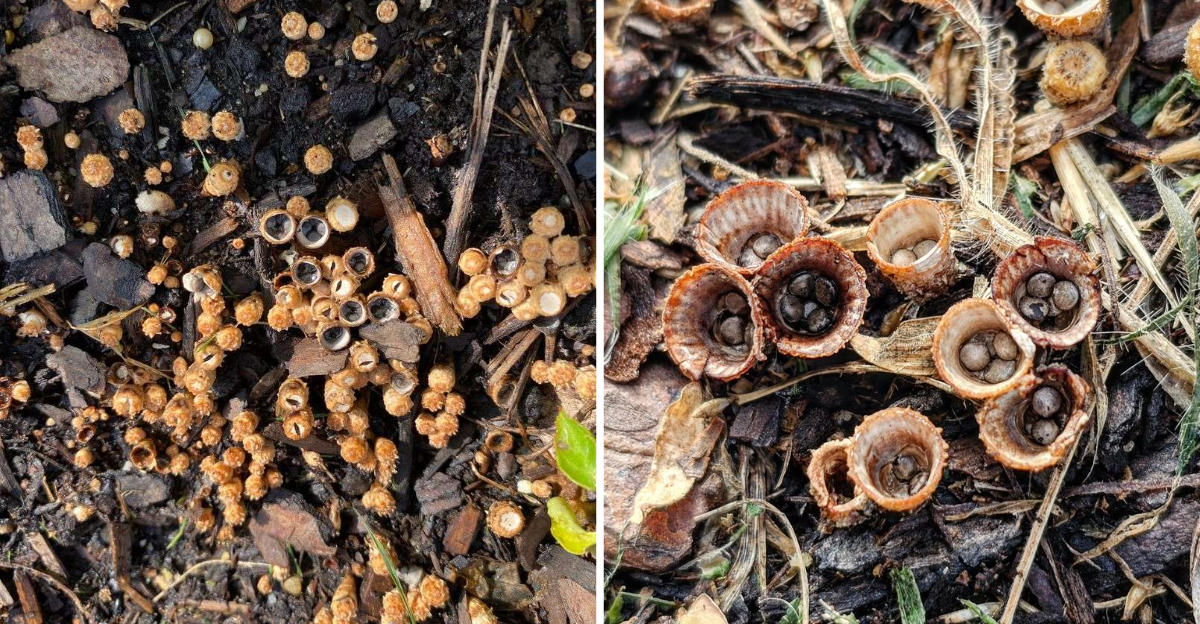
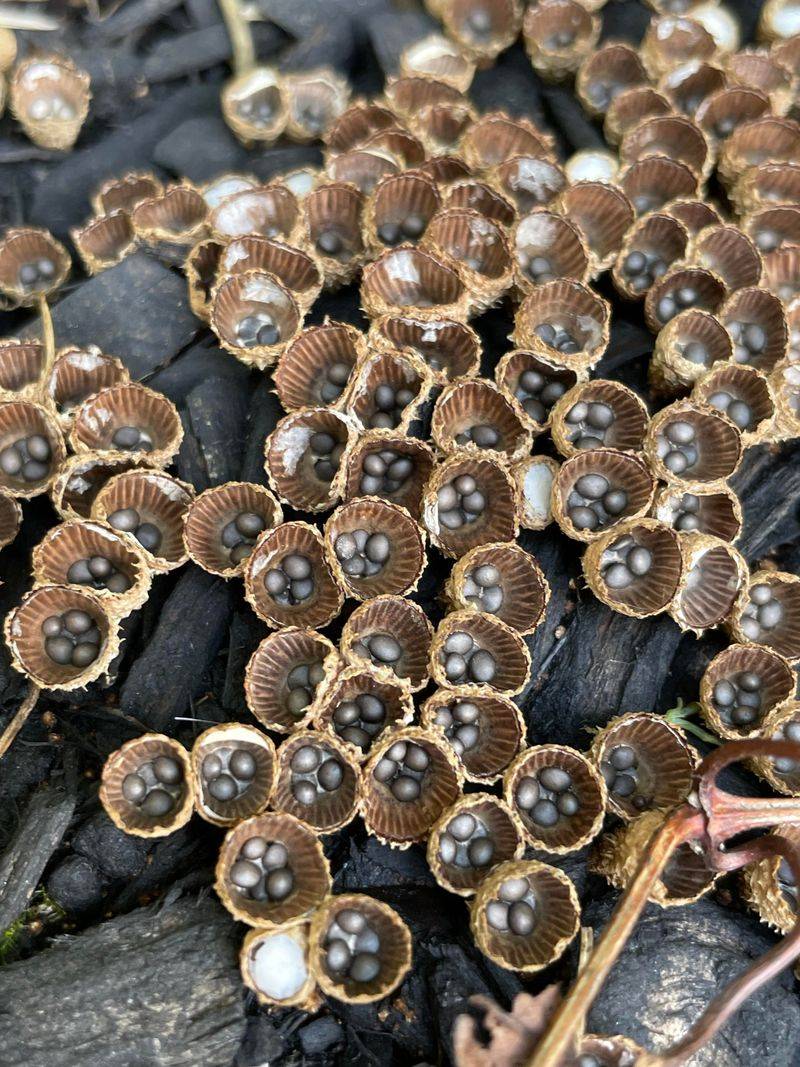
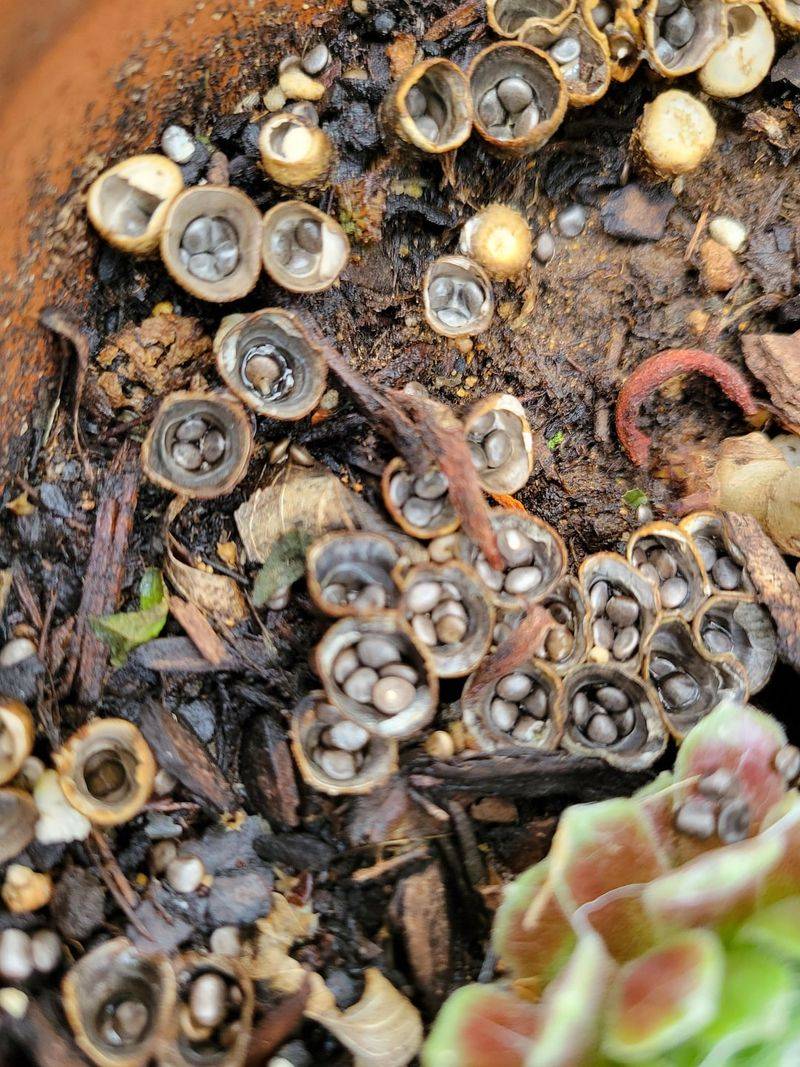
Some look like miniature bird nests holding pale eggs. Others look like tiny goblets waiting for a fairy toast.
Most Oregon gardeners give them a poke, shrug, and go back to weeding. That is a missed opportunity, because those cups are running a quiet operation underneath your shrubs.
They are recycling, launching, feeding, and signaling all at once. Stick around and you will start seeing your mulch bed as the busy little factory it truly is.
1. Breaking Down Bark Into Plant Food
Every bag of shredded fir bark you spread is basically a locked pantry. The nutrients are in there, but they are chained inside tough fibers called lignin and cellulose that plant roots cannot touch.
Cup fungi carry the enzyme toolkit that pops those chains open. Their thread-like bodies, called mycelium, spread through the mulch long before any cup appears on the surface.
As those threads feed, they release nitrogen, phosphorus, potassium, and trace minerals back into the top layer of soil. Your hydrangeas and hostas take up that released material through their roots.
Oregon gardeners get an extra boost from the climate. Wet winters and mild springs west of the Cascades keep the fungal threads active for months, while gardeners in drier states may see activity only in short bursts.
A practical takeaway here matters. If you spot cups, avoid raking your mulch flat and bare every weekend, because you are chopping up the network doing the composting.
Instead, top-dress with an inch of fresh material each spring and let the older layer break down naturally underneath. Over three or four seasons, that lower layer turns dark, crumbly, and rich.
Landscapers sometimes call this the mulch-to-soil pipeline. Rather than hauling in bagged amendments, you let the fungi build the amendments in place.
The cups themselves are only the fruiting stage, similar to apples on a tree. The real work happens in the pale threads you glimpse when you lift a handful of damp bark.
2. Trapping Moisture Around Thirsty Roots
Fungal threads act like a fine sponge woven through your mulch. Water clings to those threads instead of draining straight past the bark.
Growers who study soil often measure a real difference in moisture retention between a bed with active fungal growth and one that is sterile and fresh. The difference shows up most during Oregon’s bone-dry stretch from July into September.
Mycelium also produces sticky compounds that bind small particles together. Those crumbs create pore spaces that hold water while still letting air reach roots.
Your rhododendrons and Japanese maples notice. Shallow-rooted shade plants that struggle in August often do better in beds where fungi have been working for a couple of seasons.
There is a catch worth knowing. Very thick fungal mats, sometimes called hydrophobic layers, can occasionally repel water and send rain running off sideways.
Test for it with a quick check. Pour a cup of water on the mulch surface, and if it beads up and rolls off after thirty seconds, break the crust gently with a hand cultivator.
Your Oregon Garden Changes Every Week. Your Plan Should Too.
Gardening in Oregon changes quickly throughout the season. Every Friday you’ll receive a simple weekly plan showing exactly what to plant, prune, fertilize, harvest, and protect so you never miss the right timing.
Watering deeply and less often helps prevent that crust from forming. Soaker hoses tucked under the mulch deliver water below the surface where roots and threads both benefit.
Keep your mulch depth around two to three inches. Piling it six inches deep encourages soggy mats, slug hideouts, and stems that stay damp longer than they should.
3. Signaling That Your Mulch Is Still Fresh
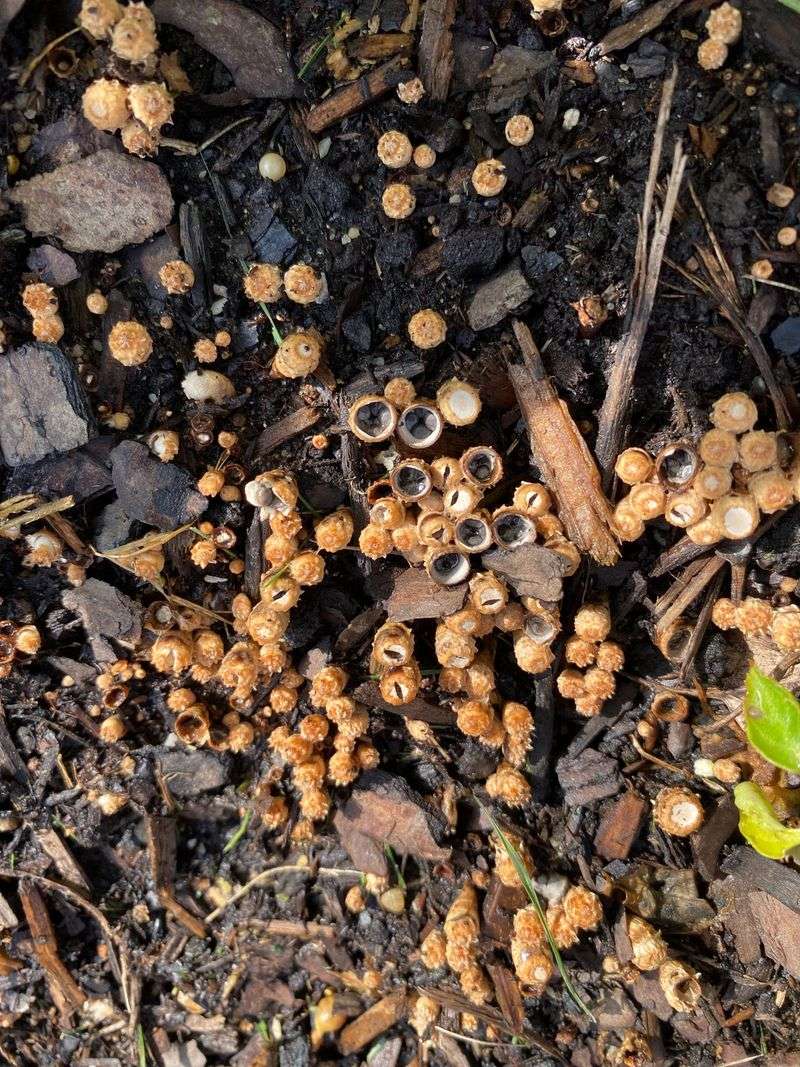
Timing tells you something. Cup fungi tend to show up on mulch that has had time to soften and break down, but before it turns fully to compost.
Very fresh wood chips are too tough for most cup species. Fully broken down material has already given up its easy calories, so the fungi move on.
Seeing a flush of cups is a reasonable sign your bed still has usable carbon left in it. Translation: you probably do not need to reapply mulch this year.
Gardeners around Portland and Eugene often over-mulch out of habit, adding three inches every single spring. That builds up an oxygen-poor layer that suffocates shallow roots over time.
Use the cups as a checkpoint instead. If they are popping up, poke a finger into the bed and measure the depth before you order another yard of bark.
When the fungi stop appearing and the mulch looks like dark crumbly compost, that is your cue to refresh. At that point the layer has become soil, which is a win, not a failure.
Keep a small note in your garden journal with the date you last spread mulch. Comparing that date to fungal activity gives you a personal timeline for your own yard.
Different materials burn through at different speeds. Fine bark dust breaks down much faster than chunky hemlock bark, which can hold its shape for several seasons.
4. Feeding An Underground Crowd Of Tiny Critters
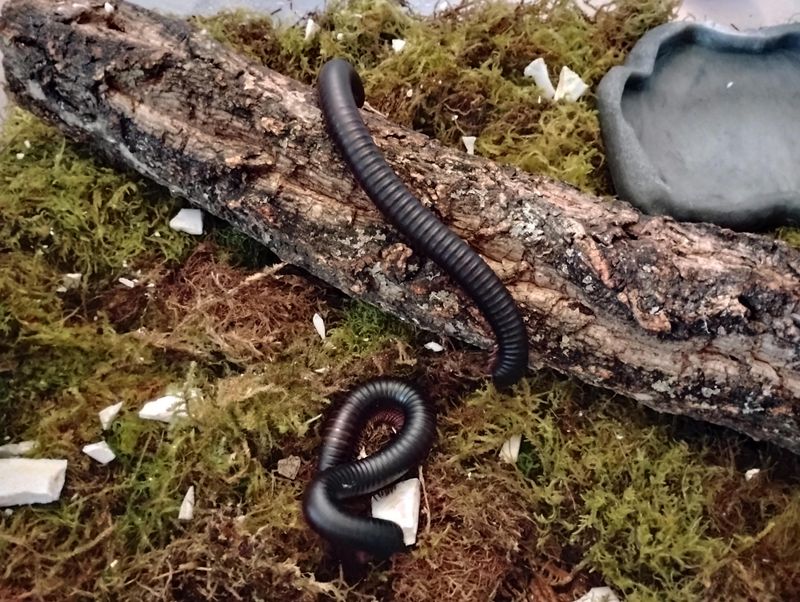
Lift a chunk of mulch where cups are growing and you will find company. Springtails bounce away, mites scurry, and pale millipedes curl into coils.
Fungal tissue is one of the richest foods in that whole layer. It is softer than wood and packed with nitrogen, which makes it a magnet for small grazers.
Those grazers then become food for ground beetles, rove beetles, and spiders. Higher up the chain, towhees and juncos scratch through Oregon mulch beds hunting exactly that buffet.
Predatory beetles matter to you personally, because many of them eat slug eggs and cutworm larvae. A bed with active fungal life tends to hold more of these unpaid helpers.
Skip the broad-spectrum insecticide drenches in mulched borders. Those products flatten the beneficial crowd along with the pests, and the recovery takes months.
Give the system some structure to work with. Leaving fallen leaves on top of your bark through winter adds another food layer and keeps the temperature steadier.
Watch for one honest downside. Rich mulch layers also appeal to slugs, which are practically the state mascot in western Oregon.
Manage that with iron phosphate bait around hostas and lettuce rather than clearing out the mulch entirely. You get slug control while the recycling crew keeps clocking in.
The bigger picture is simple: cups on the surface mean traffic underneath. That traffic is what turns bark into living soil.
5. Competing With Less Welcome Wood Rotters
Space in a mulch bed is contested territory. Every scrap of bark can only feed one organism at a time, and the fungi that arrive first tend to hold their ground.
Cup fungi are generally saprobes, meaning they consume material that is no longer living. They are not equipped to attack healthy plant tissue.
By occupying the bark, they crowd out room that other, pushier organisms might use. That includes some root pathogens that thrive in bare, compacted, waterlogged ground.
Researchers describe this as competitive exclusion. It is the same reason a thick lawn keeps weeds out better than patchy grass does.
You can nudge the balance in your favor. Rotate mulch types occasionally, mixing hemlock bark one year with arborist wood chips the next, which supports a wider range of species.
Avoid dumping fungicides on mulch as a precaution. Those products knock back the harmless residents while doing little against the tougher problems in deeper soil.
Watch stems and trunks instead of the mulch surface. Pull bark back a couple of inches from the base of shrubs and trees so the crown stays dry and firm.
Oregon’s damp shoulder seasons make crown rot a genuine concern for rhododendrons and boxwood. Mulch volcanoes piled against trunks cause far more trouble than any cup fungus ever will.
Think of the cups as tenants who pay rent. They eat waste and leave nutrients behind.
6. Building Soil Structure One Thread At A Time
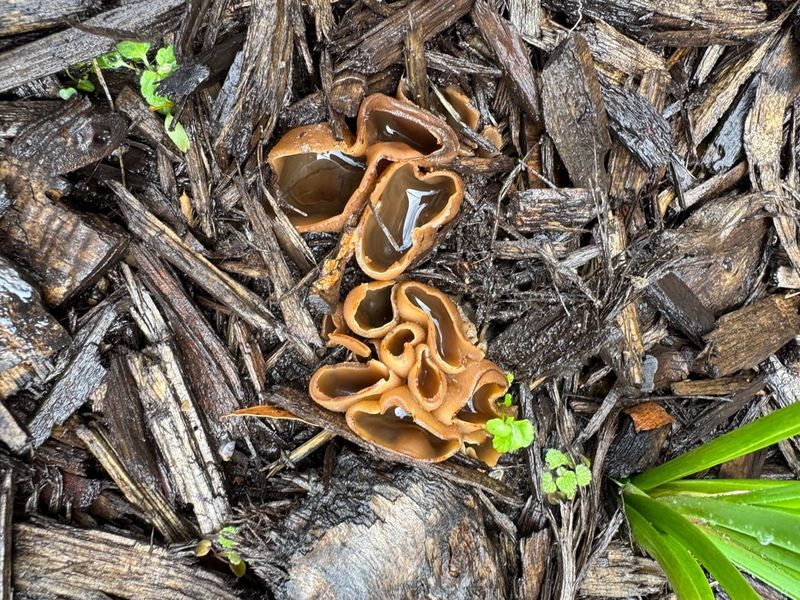
Squeeze a handful of soil from beneath an old, fungus-rich mulch bed and it holds together in soft crumbs. Squeeze soil from a bare, compacted path and it either powders or forms a slick brick.
The difference comes from glue. Fungal threads and their byproducts help bind clay, silt, and sand grains into stable clumps called aggregates.
Aggregates create the pore spaces that let air, water, and roots move freely. That structure is the whole reason gardeners chase good soil in the first place.
Much of western Oregon sits on heavy clay that turns to concrete by midsummer. Fungal activity in mulch is one of the cheapest ways to soften that top layer without hauling in truckloads of compost.
Patience pays here. Noticeable change usually takes two or three years of continuous mulching, not a single season.
Tilling undoes the progress fast. Repeated tilling shreds the threads and collapses the aggregates they built.
Try a no-dig approach in perennial beds. Plant through the mulch, top up when it thins, and let the layers stack.
Vegetable gardeners can do the same with a lighter material like straw or leaf mold. The same aggregate-building happens, just on a faster schedule.
Fun detail: some of these fungal glues stay in the soil for years after the threads themselves are gone. Your structure improvements outlast the organisms that made them.
7. Responding To Oregon’s Rain On A Schedule
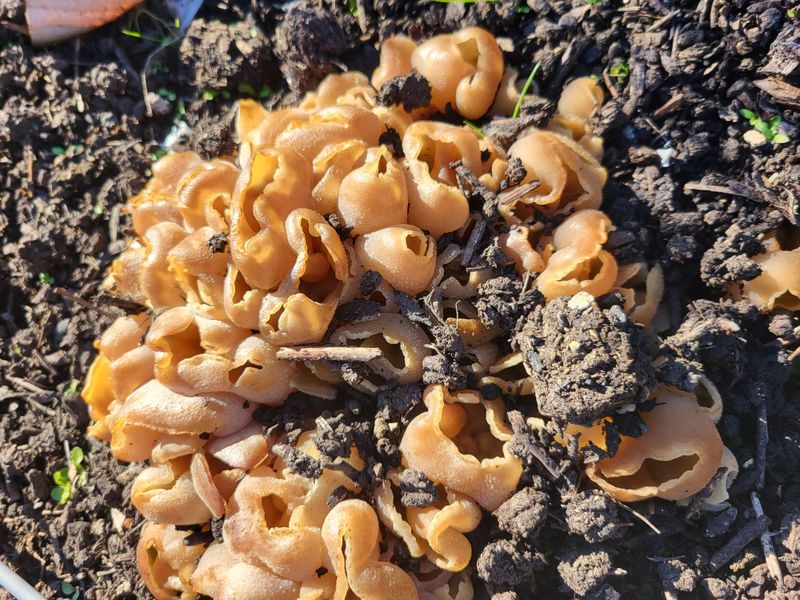
Ask any longtime Willamette Valley gardener when the cups appear and you will hear the same answer. Late October, right after the first serious soaking.
Fruiting takes a lot of water and energy, so the fungus waits for conditions that make the investment worthwhile. Temperatures between about 45 and 65 degrees plus several days of moisture flips the switch.
A second flush often arrives in March or April when spring rains return. July and August usually go quiet as the surface dries out.
Coastal gardens in Astoria or Newport may see cups almost year-round thanks to fog and steady drizzle. East of the Cascades in Bend, appearances are rarer and shorter.
Knowing the schedule helps you plan. If you dislike the look of fungi in a front bed, time your fresh mulch application for early summer rather than fall.
Irrigation habits matter too. Daily short sprinkler cycles keep the surface constantly damp and encourage more fruiting than deep weekly soaks.
Adjust drip emitters to run under the mulch instead of spraying over it. Your plants get the water and the surface stays a bit drier.
None of this is required for plant health. It is purely about appearance, and plenty of gardeners find the cups charming enough to leave alone.
Try photographing them after a rain. The wet caps catch light in a way that surprises most people looking through a phone camera.
8. Sorting The Harmless Cups From The Look-Alikes
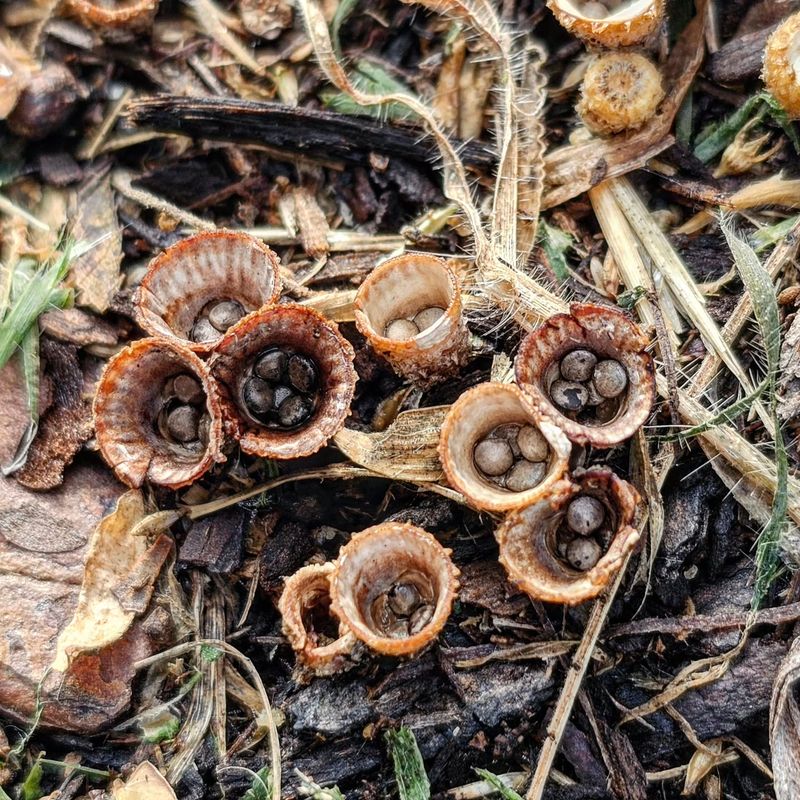
Not every cup in your mulch belongs to the same family. Knowing which is which saves you worry and the occasional trip to a plant clinic.
Bird’s nest fungi are the easiest call. Look for a shallow cup, roughly a quarter inch wide, holding several flat gray or brown discs inside.
Fluted bird’s nest species have grooved inner walls that look almost pleated. Splash cups without visible discs have usually already fired their payload.
Then there is the shooting fungus, which forms tiny cream-colored bumps rather than open cups. That one shoots dark sticky spore masses onto siding and cars, and it is the only member of this crowd that genuinely annoys homeowners.
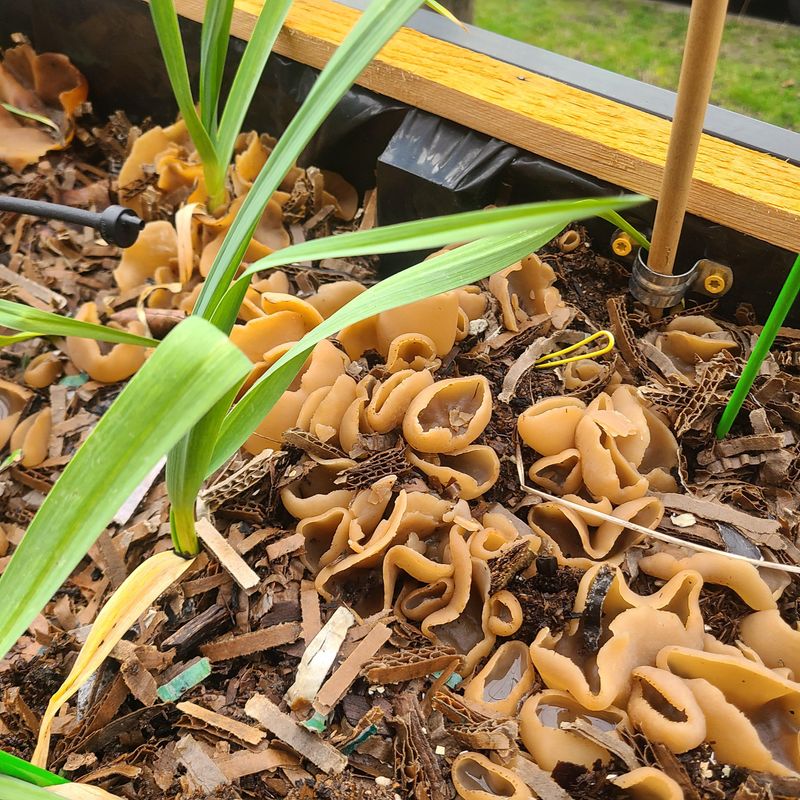
Orange peel fungus shows up as bright wavy discs that look like discarded citrus rind. It grows on disturbed soil and hard-packed paths more than in deep bark.
Scarlet elf cup shows off in winter on buried hardwood sticks. Its glowing red bowls are a Pacific Northwest treat worth kneeling down for.
Handle any of them with normal common sense. Wash your hands after digging, and treat every wild mushroom as look-only unless an expert confirms otherwise.
Keep a hand lens in your garden bucket. A ten-power loupe turns a boring speck into a structure you will actually remember.
Oregon Mycological Society forays and the OSU Extension Master Gardener plant clinics can identify samples for you, often for free.