10 Places You Should Avoid Planting Coneflowers In North Carolina
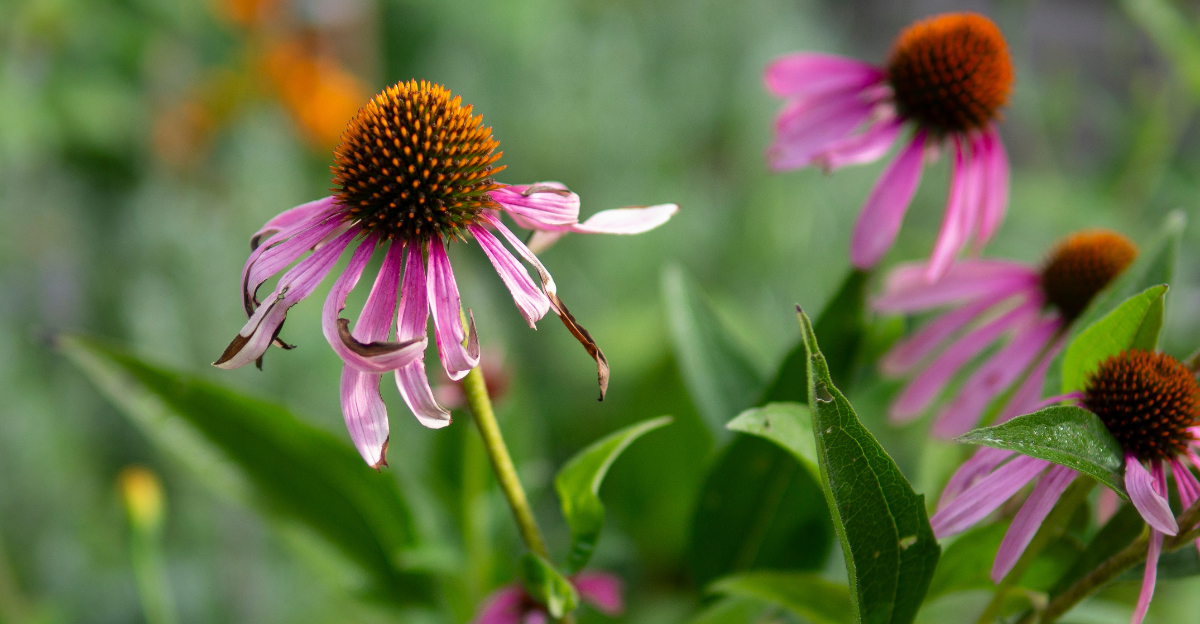
Coneflowers look like little rays of sunshine bobbing along in a summer breeze, their purple petals and spiky centers making them one of the most beloved sights across the Tar Heel State.
Gardeners plant them expecting nothing but easy, cheerful color, and most of the time that’s exactly what they get.
But here’s the catch that catches a lot of people off guard: these bloomers can be surprisingly picky about where they end up. Plant them in the wrong spot, and instead of putting on a show, they sulk quietly all season long.
Some corners of your yard practically invite trouble without you realizing it, whether that’s soggy soil that never quite dries out or a gloomy patch of shade that blocks the sunlight they crave.
Knowing where not to plant honestly matters just as much as knowing where to dig. Before grabbing your trowel, it helps to walk through ten spots that tend to spell frustration for coneflowers growing in North Carolina.
1. Soggy Low Spots Where Water Pools

Picture the corner of your yard where rainwater gathers after a big Carolina thunderstorm. That standing puddle might seem harmless, but coneflowers strongly dislike wet feet.
These prairie natives evolved in open grasslands where water drains quickly. When their roots sit in soggy ground for days, they struggle to breathe and become weak.
North Carolina gets plenty of summer downpours, especially in the Piedmont and coastal areas. Low spots that stay damp can lead to root rot, a common problem for these flowers.
You might notice yellow leaves, drooping stems, or plants that simply fade away over a season. The trouble often starts underground where you cannot see it.
Instead, look for a spot where water disappears within an hour or two after rain. Coneflowers reward good drainage with strong stems and loads of blooms.
If your only open space stays wet, try building a raised bed or adding a mound of soil. Even a few inches of extra height helps water flow away from the roots.
Mixing in coarse sand or compost can also improve heavy clay that traps moisture. Many North Carolina yards have thick clay, so this small step makes a big difference.
Testing your soil is easy: dig a hole, fill it with water, and watch how fast it empties. Slow drainage warns you to pick another location. Give your coneflowers a home that dries out between rains, and they will thrive for years.
2. Deep Shade Under Tall Trees
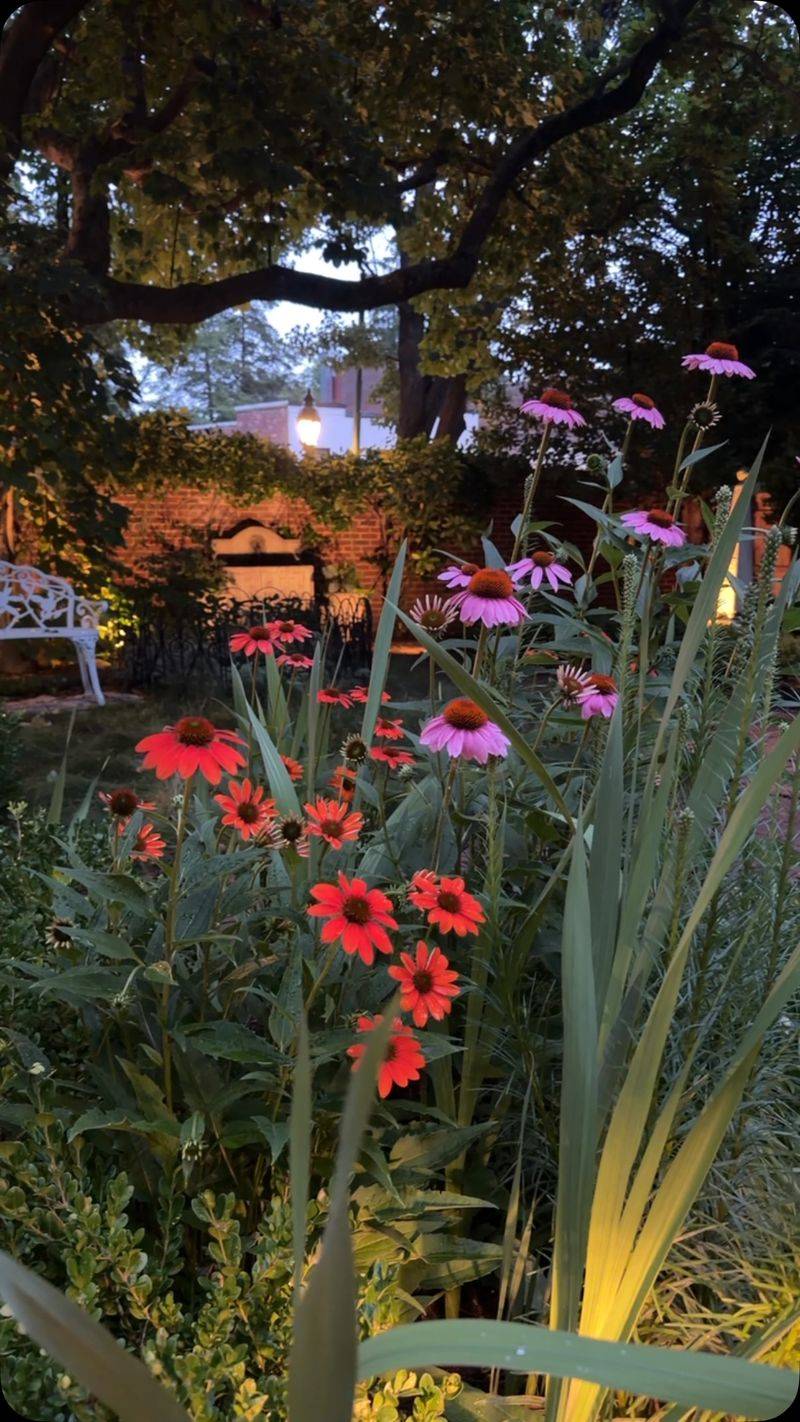
Under the canopy of towering oaks and pines, the ground stays cool and dim all day. It feels like a peaceful hideaway, but coneflowers see it as a struggle.
These plants crave sunshine, and lots of it. Full sun means at least six hours of direct light, something deep shade cannot offer.
North Carolina forests and older neighborhoods often have big shade trees that block the sky. Beneath them, coneflowers grow tall and floppy as they stretch toward any light they can find.
Your North Carolina Garden Changes Every Week. Your Plan Should Too.
Gardening in North Carolina changes quickly throughout the season. Every Friday you’ll receive a simple weekly plan showing exactly what to plant, prune, fertilize, harvest, and protect so you never miss the right timing.
Weak, leggy stems flop over and produce far fewer flowers than you hoped for. The blooms that do appear tend to look pale and small.
Shade also keeps morning dew on leaves longer, which invites powdery mildew, a fuzzy white fungus. Damp, dark conditions are exactly what that fungus loves.
If your yard is mostly shaded, save it for plants that enjoy less light, like hostas or ferns. There are wonderful shade lovers that will fill the space happily.
Look instead for a sunny opening, maybe along a fence line or near the south side of your house. Even a spot that gets strong afternoon sun can work well.
Watch your yard for a full day and note where the sun lingers longest. That bright patch is where your coneflowers belong.
Give them the light they crave, and they will pay you back with cheerful, upright blooms all summer long.
3. Heavy Clay That Never Drains
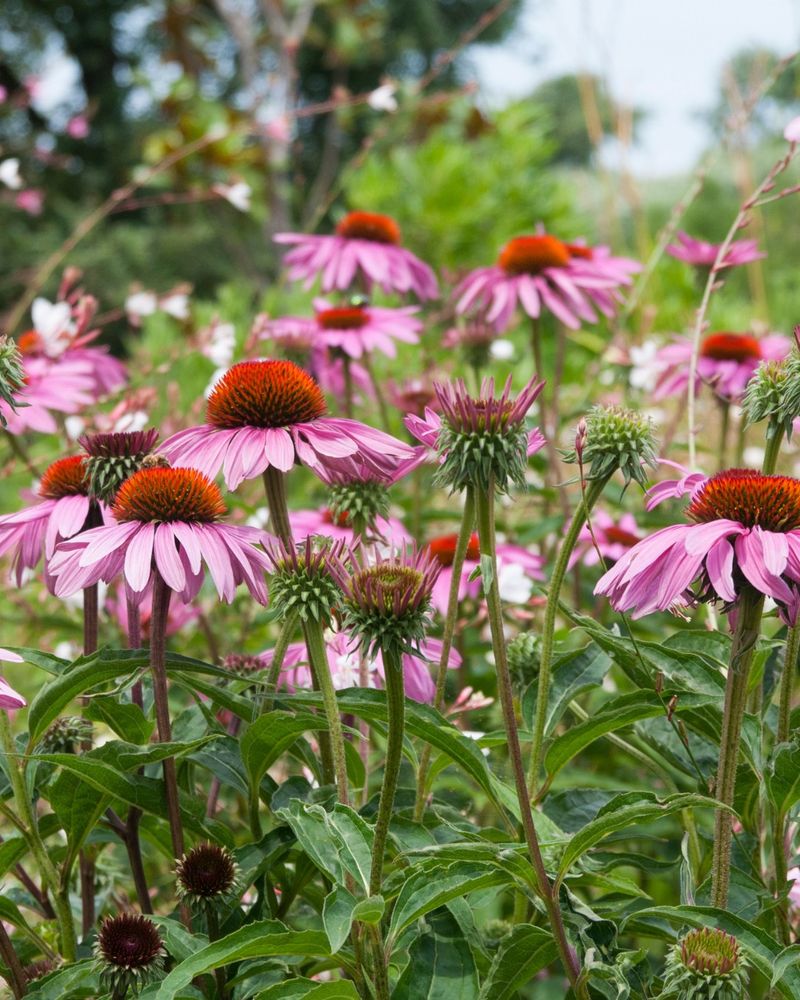
Anyone who has dug in North Carolina’s red clay knows how stubborn it can be. That thick, sticky soil clings to your shovel and bakes hard as a brick in summer.
Coneflowers can tolerate average soil, but pure clay pushes their patience too far. Water sits on top or drains painfully slowly, leaving roots gasping.
The Piedmont region is famous for this dense, iron-rich clay. When it gets wet, it turns to goo; when it dries, it cracks like old pottery.
Roots have a hard time pushing through compacted clay to find nutrients. As a result, plants stay small and produce fewer of those bright, showy flowers.
Rather than fighting the clay, you can improve it before planting. Mixing in two or three inches of compost loosens the soil and helps water move through.
Coarse sand and shredded leaves also break up the heavy texture over time. The more organic matter you add, the friendlier the ground becomes.
Raised beds offer another smart fix, letting you fill them with a lighter blend of soil. This gives roots room to spread without a battle.
Avoid planting straight into untouched clay and hoping for the best. A little preparation now saves a lot of disappointment later.
Once the soil drains well and holds some richness, coneflowers settle in nicely. They will reward your effort with sturdy stems and vivid summer color.
4. Crowded Beds Packed Too Tightly

It is tempting to squeeze one more plant into a full flower bed. But coneflowers hate feeling cramped against their neighbors.
When plants grow shoulder to shoulder, air cannot move freely between them. Trapped, humid air is the perfect setting for fungal problems.
North Carolina summers bring warm, muggy days that already raise the humidity. Add tight spacing, and you create a recipe for powdery mildew and leaf spots.
Crowded roots also compete fiercely for water and nutrients underground. The strongest plant wins, while the others grow thin and bloom poorly.
Give each coneflower about one to two feet of breathing room. That spacing lets breezes dry the leaves and slows the spread of disease.
Good airflow keeps foliage healthy and helps flowers last longer through the season. Your bed will look fuller and neater as each plant matures.
If you already planted them too close, you can dig and move some in early spring. Transplanting when the weather is cool gives roots time to settle.
Spacing also makes it easier to spot pests like aphids before they multiply. You can catch small problems while they are still small.
Resist the urge to overfill, even when the empty gaps look bare at first. Young coneflowers grow quickly and will soon fill the space.
Plan for the plant’s mature size, not its tiny starter size. Patience and proper spacing lead to a healthier, showier garden.
5. Windy Open Areas Without Support
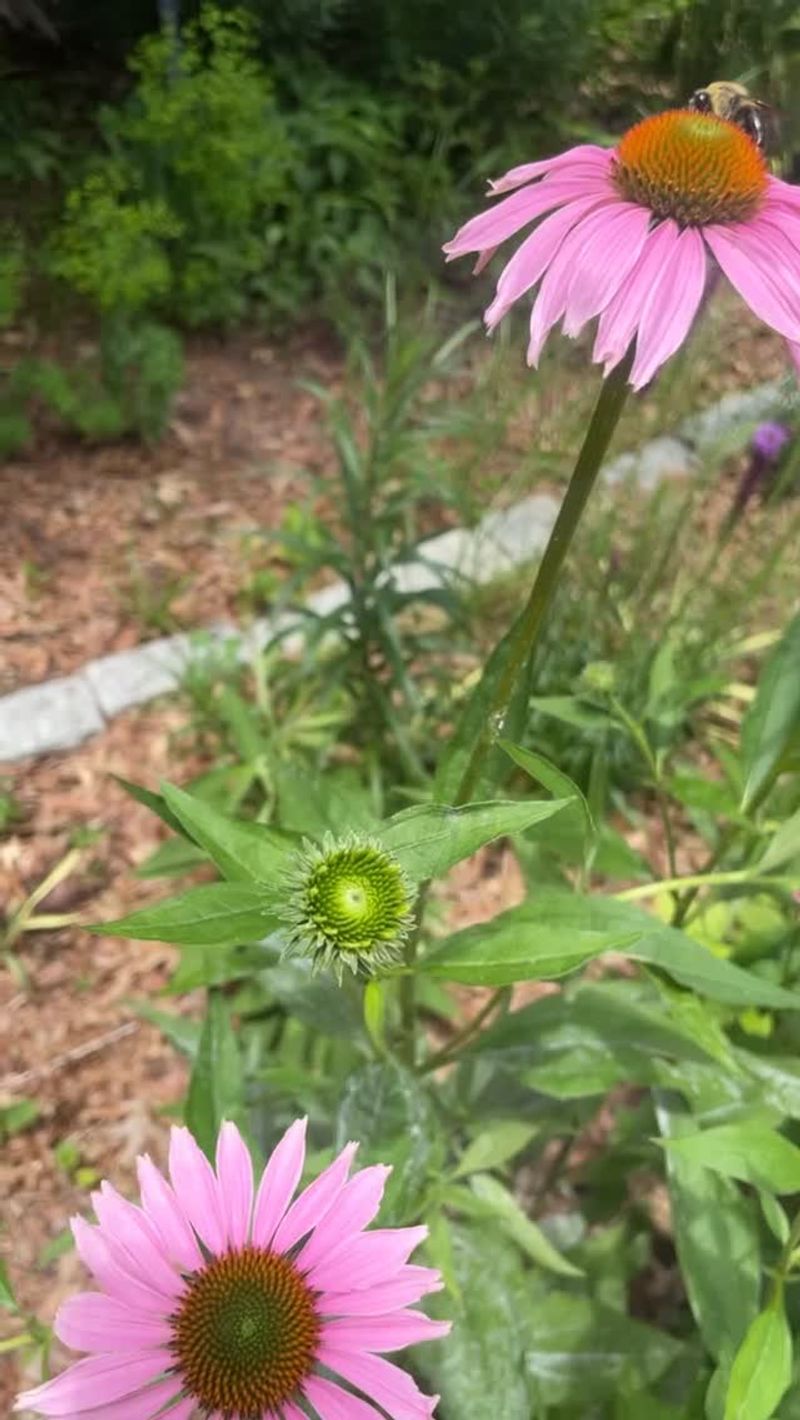
An open field or hilltop feels like a bright, sunny dream for a flower. Yet strong, steady wind can bully tall coneflowers all season.
Their stems grow two to four feet high, which makes them top-heavy when in bloom. A gusty afternoon can leave them leaning at odd angles.
Certain parts of North Carolina, like ridges in the mountains or wide coastal plains, catch a lot of wind. Constant breezes can snap stems or flatten whole clumps.
Bent and broken plants look messy and struggle to stand back up. The heavy flower heads only make the problem worse when they soak up rain.
Choosing a spot with some natural shelter helps a great deal. A nearby fence, hedge, or wall can block the harshest gusts.
You can also plant coneflowers among sturdier companions that offer gentle support. Grasses and shrubs act like a buffer against the wind.
For very exposed beds, small stakes or plant rings keep stems upright. Set them early so plants grow into the support naturally.
Pinching plants back in late spring encourages shorter, bushier growth. Shorter stems handle wind far better than tall, spindly ones.
Avoid leaving your coneflowers standing alone in a wide, blustery space. Even tough plants appreciate a little protection from rough weather.
With some shelter, they hold their heads high and bloom beautifully through the breezy months.
6. Right Beside Aggressive Spreading Plants

Some plants play nicely, and others try to take over the whole neighborhood. Coneflowers can lose that battle against pushy spreaders.
Mint, certain groundcovers, and running grasses send out roots that grab space fast. They creep into a coneflower’s territory and steal water and food.
In North Carolina gardens, aggressive plants often thrive in the warm, long growing season. What starts as a small patch can swallow a bed within a year.
Coneflowers prefer to hold their own clump without constant competition. When surrounded by hungry neighbors, their growth slows noticeably.
You might see fewer blooms and thinner foliage as the spreaders win ground. Over time, the coneflowers can get crowded right out.
Keep vigorous plants in separate beds or contain them inside buried pots. A pot sunk into the ground keeps roaming roots in check.
Pairing coneflowers with well-behaved companions makes for a calmer garden. Black-eyed Susans and coreopsis grow at a friendly, matching pace.
Check the label or do a quick search before adding a new plant nearby. Words like spreading or vigorous are your warning signs.
Pulling stray runners each spring also helps keep the peace. A little tidying stops invaders before they gain a foothold.
Give your coneflowers polite neighbors and their own room to grow. They will stay full, upright, and blooming without a constant turf war.
7. Too Close To House Foundations
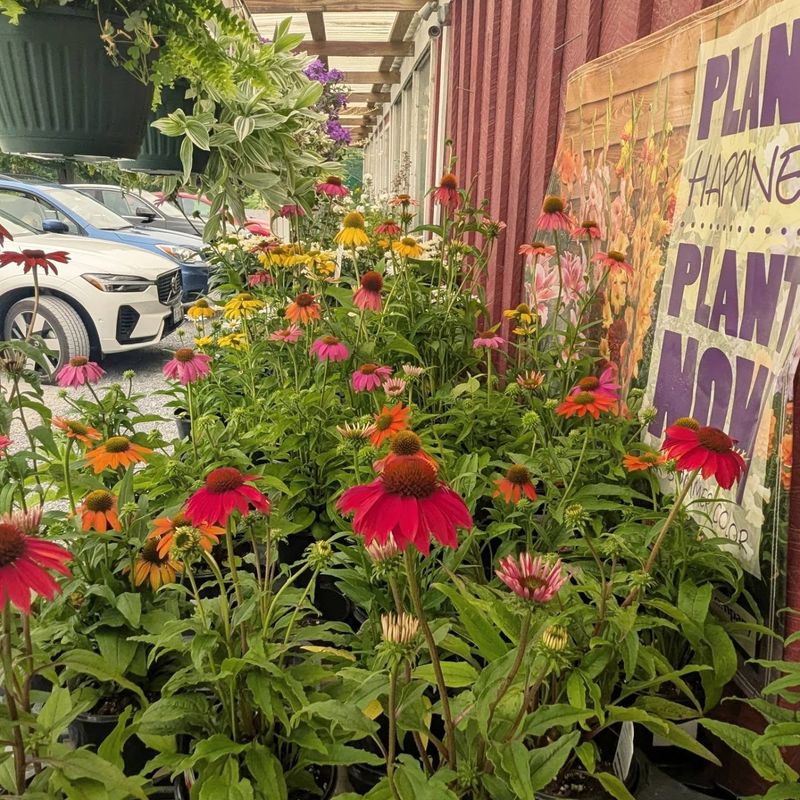
That narrow strip of dirt hugging your home’s foundation looks like handy planting space. Sadly, it hides several problems for coneflowers.
Soil next to foundations often stays unusually dry because roof overhangs block the rain. Plants there can go thirsty even during a rainy week.
Brick and concrete walls also soak up heat and radiate it back all afternoon. In North Carolina summers, that extra warmth can stress the plants.
Builders sometimes leave leftover gravel or lime in foundation soil. That debris changes the soil chemistry in ways coneflowers dislike.
Roots need room to spread, but a tight strip against the wall limits their space. Cramped roots mean smaller plants and fewer flowers.
Water runoff from gutters can also flood these spots unpredictably. One heavy storm might drown roots that were bone dry the day before.
If you love flowers near the house, choose a bed a few feet out from the wall. That gap gives plants rain, room, and steadier conditions.
Placing a proper garden bed away from the foundation also protects your home from moisture. Everybody wins with a little breathing space.
Should you plant close anyway, improve the soil and water often during dry spells. Consistent care can help offset the tough conditions.
For the healthiest coneflowers, though, step back from the foundation. A little distance lets these prairie flowers feel more at home.
8. Freshly Fertilized Vegetable Patches
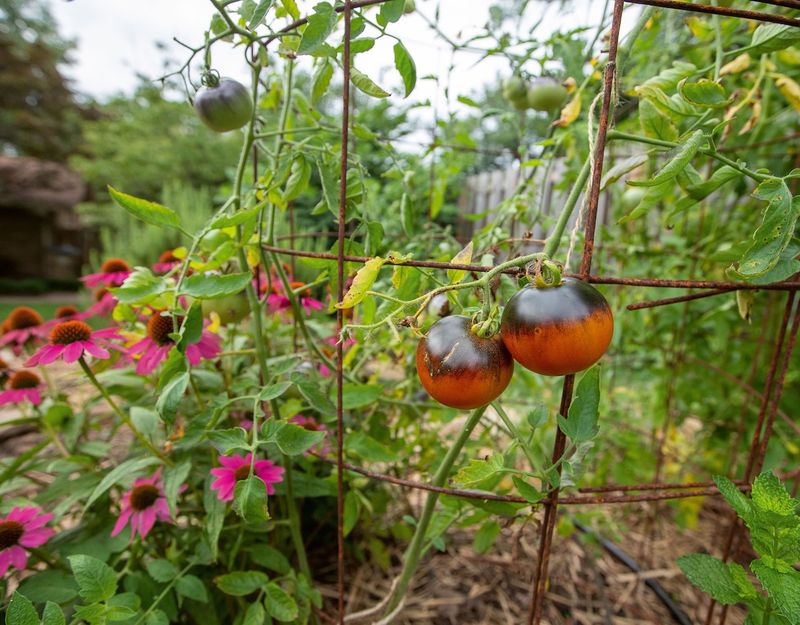
A vegetable garden overflowing with rich, dark soil seems like paradise for any plant. For coneflowers, though, all that richness backfires.
These flowers actually prefer lean, average soil rather than heavily fed ground. Too much fertilizer pushes them to grow leaves instead of blooms.
Vegetable beds get regular doses of nitrogen to fuel leafy crops. That same nitrogen makes coneflowers tall, floppy, and short on flowers.
Gardeners in North Carolina often boost veggie beds with compost and plant food all season. The nutrients that thrill tomatoes overwhelm a coneflower.
You might end up with a jungle of green foliage and only a handful of blooms. The plant spends its energy on leaves it does not really need.
Rich soil can also make stems weak and prone to flopping over. Extra pampering, in this case, does more harm than good.
Give coneflowers their own bed with plain, unfertilized soil instead. They perform best when they have to work a little for their food.
If you already mixed them into a veggie patch, skip feeding that spot. Cutting back on fertilizer helps flowers return. A thin layer of compost once a year is plenty for these tough natives. More than that just spoils them.
Keep the fancy feeding for your vegetables and let coneflowers enjoy simple living. Lean soil brings out their strongest stems and brightest color.
9. Shady North-Facing Slopes
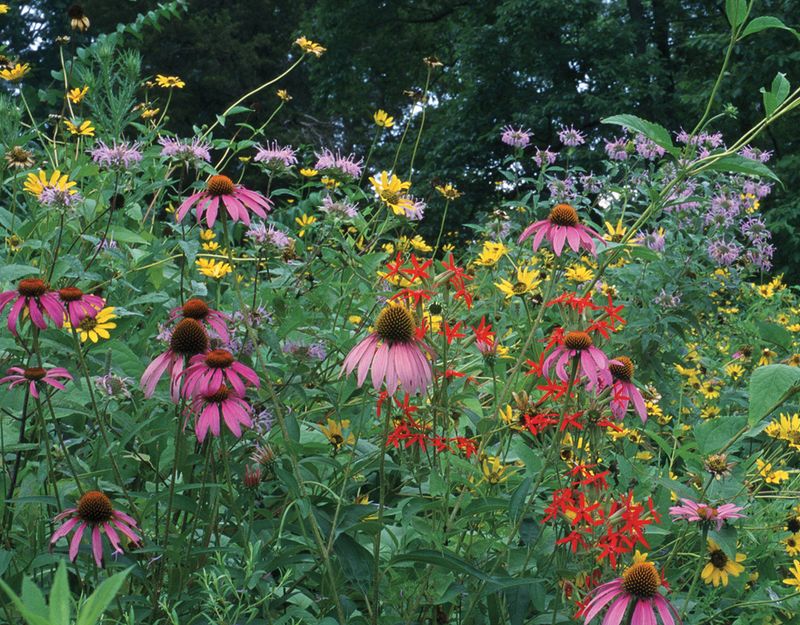
Hillsides add lovely shape to a landscape, but the direction they face really matters. A north-facing slope gets the least sunlight of any spot in your yard.
Because the sun travels across the southern sky, north slopes stay shady and cool. Coneflowers simply cannot gather the light they need there.
In North Carolina’s mountains and hilly Piedmont, these slopes stay damp and chilly. Snow and moisture linger there far longer in winter and spring.
Cool, shaded ground slows growth and delays flowering by weeks. Your coneflowers may bloom late, or barely bloom at all.
Lingering dampness on a shady slope also encourages fungal spots on leaves. Poor sun plus wet foliage is a rough combination.
South-facing or west-facing slopes make much better homes for sun lovers. Those sides bask in warmth for most of the day.
If a north slope is your only option, fill it with shade-tolerant plants instead. Ferns, wild ginger, and hostas will look right at home.
You could also terrace a sunny section higher up where light reaches better. A little planning turns a tricky hill into a thriving garden.
Before planting, watch how sunlight crosses the slope through the day. Note where shadows stay longest, and avoid those chilly pockets.
Match each plant to the light it craves, and everyone thrives. Coneflowers, in particular, need that bright, warm exposure to truly shine.
10. Poorly Drained Container Pots
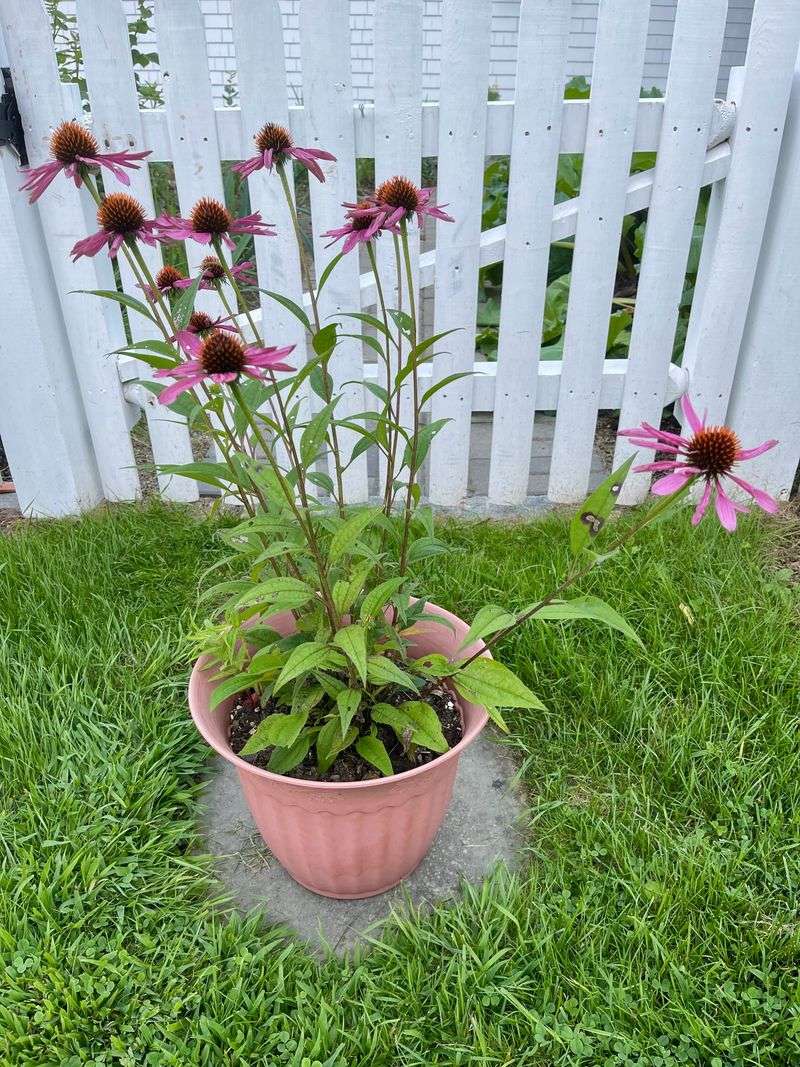
Pots let you place flowers on a patio, porch, or sunny step with ease. Yet a container without proper drainage traps coneflowers in trouble.
These plants send down surprisingly deep roots for their size. A shallow or airless pot leaves them cramped and struggling.
When a pot lacks holes in the bottom, water collects and cannot escape. The roots sit in a soggy pool that leads to rot.
North Carolina’s frequent summer storms fill outdoor pots quickly. Without drainage, one rainy stretch can waterlog the soil for days.
Decorative pots often skip drainage holes to look tidy and clean. Pretty as they are, they can spell disaster for thirsty-but-fussy roots.
Choose a deep container with several holes at the bottom instead. Good drainage lets extra water flow right out.
A gritty, well-draining potting mix helps even more. Skip heavy garden clay, which clogs pots and holds too much moisture.
Raising the pot slightly on feet or bricks keeps holes from getting blocked. Airflow underneath speeds up drying after rain.
Container coneflowers also dry out faster in hot weather, so check them often. The goal is moist but never swampy soil.
Pick a big, breathable pot with real drainage, and give it plenty of sun. Treated right, coneflowers can flourish in containers and brighten any small space.