These Michigan Fruits Are At Absolute Peak Harvest In September
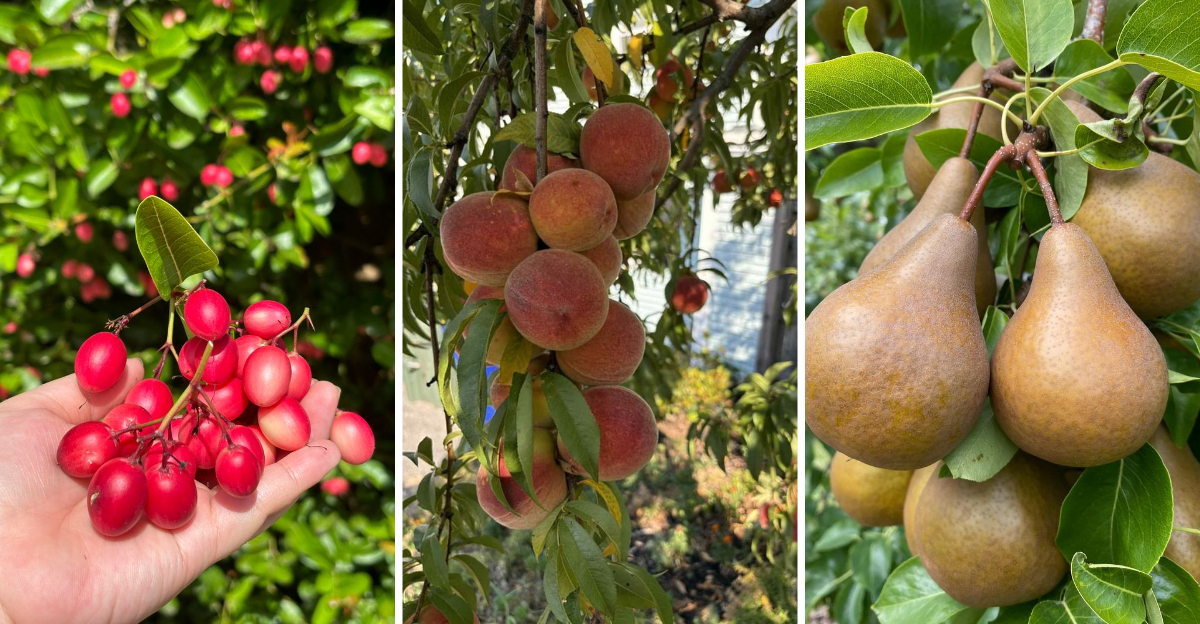
Something shifts in Michigan when the mornings turn crisp and the lake breeze finally has an edge to it. The roadside stands multiply overnight, hand-painted signs leaning into the shoulder of every county road.
You can smell it before you see it, that sweet, ripe-fruit perfume drifting out of orchard bins. Bees stagger around the crates like they have had a long shift.
September is the month when Michigan growers stop planning and start hauling. The state ranks near the top nationally for several crops, and most of them ripen in one glorious, overlapping stretch of weeks.
So grab a bushel basket and clear some counter space. Here are eight fruits hitting their sweetest, juiciest moment right now.
1. Honeycrisp Apples From The Ridge
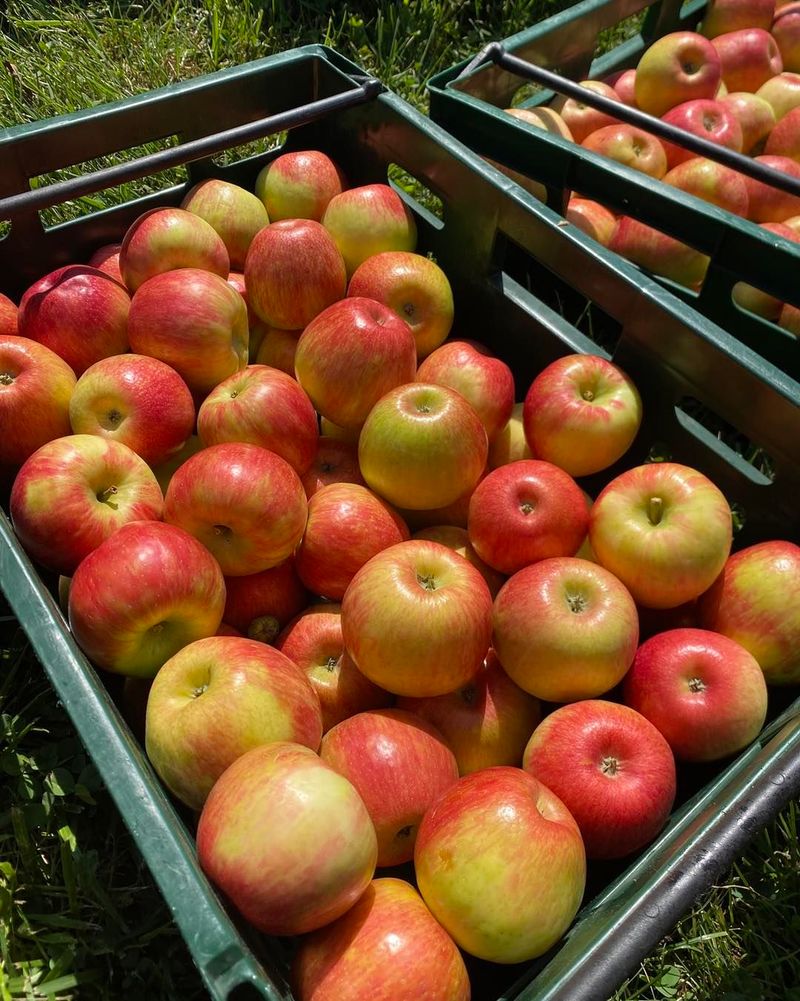
Ask any Michigan orchard worker what causes the biggest traffic jam in September, and they will point at Honeycrisp. Picking usually starts in the first two weeks of the month along the Fruit Ridge north of Grand Rapids.
The variety came out of the University of Minnesota breeding program and was released in 1991. Its cells are unusually large, which is why the bite makes that loud, wet crack people love.
Michigan growers harvest roughly 25 million bushels of apples in a typical year. Cool September nights paired with warm days push sugar up and keep the acid bright.
When you are choosing at a stand, look for a background color that leans yellow rather than green. A fully green base under the red blush usually means it came off the tree a little early.
Handle them carefully because the same big cells that make them crisp also bruise easily. One drop into a hard basket can leave a soft brown spot by the next morning.
Storage is where Honeycrisp really earns its keep. Kept cold in the crisper drawer with a bit of humidity, they hold their texture for months, far longer than most September varieties.
They are a poor choice for applesauce because the chunks refuse to break down. Save them for lunchboxes, cheese boards, and thin slices layered on a sharp cheddar sandwich.
If a stand offers seconds at a discount, grab them. Bruised Honeycrisp still bake beautifully into crisps and galettes.
2. Concord Grapes Along Lake Michigan
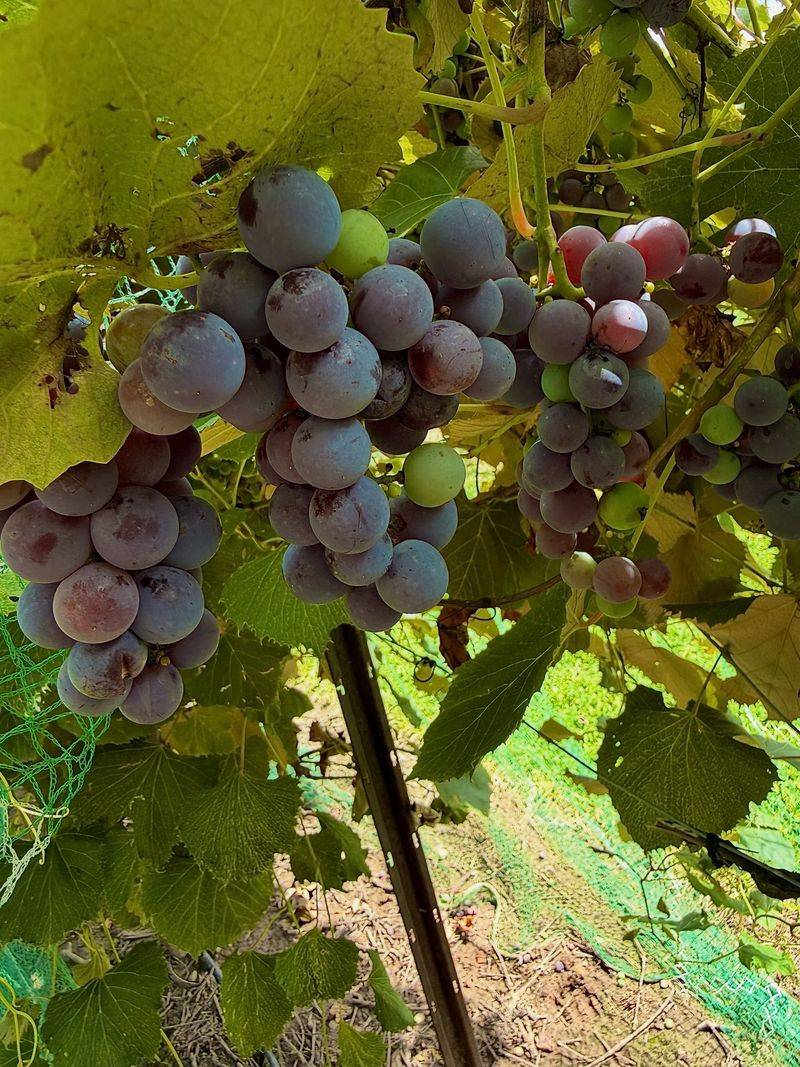
Roll down your window near Lawton or Paw Paw in mid-September and the air smells like grape jelly. That is not an exaggeration, it is Concord season, and southwest Michigan is drowning in it.
Michigan ranks among the top Concord-producing states in the country, behind only Washington and New York. Most of the acreage hugs the lakeshore counties of Van Buren and Berrien, where lake-moderated air keeps frost away long enough for full ripening.
Concord grapes were developed by Ephraim Bull in Massachusetts around 1849, and nearly every vine grown today traces back to that single seedling. The dusty gray coating on the skin is called bloom, a natural wax the fruit produces itself.
Ripeness is easy to judge with these. A ready cluster releases from the vine with a light tug, and the berries taste sweet rather than sharp right at the stem end.
Your Michigan Garden Changes Every Week. Your Plan Should Too.
Gardening in Michigan changes quickly throughout the season. Every Friday you’ll receive a simple weekly plan showing exactly what to plant, prune, fertilize, harvest, and protect so you never miss the right timing.
They are slip-skin grapes, meaning the pulp squirts out of the jacket when you squeeze. Kids find this endlessly entertaining and slightly disgusting, which is half the fun.
For juice, simmer the whole grapes with a splash of water, then strain through a cloth. Refrigerate the juice overnight so the tartrate crystals settle out before you bottle it.
Fresh Concords bruise quickly and only hold about a week in the fridge. Buy what you can process within a few days.
Try them frozen straight from the bag as a snack. The skins slip off in your mouth like tiny sorbet packets.
3. Bartlett And Bosc Pears At Their Turn
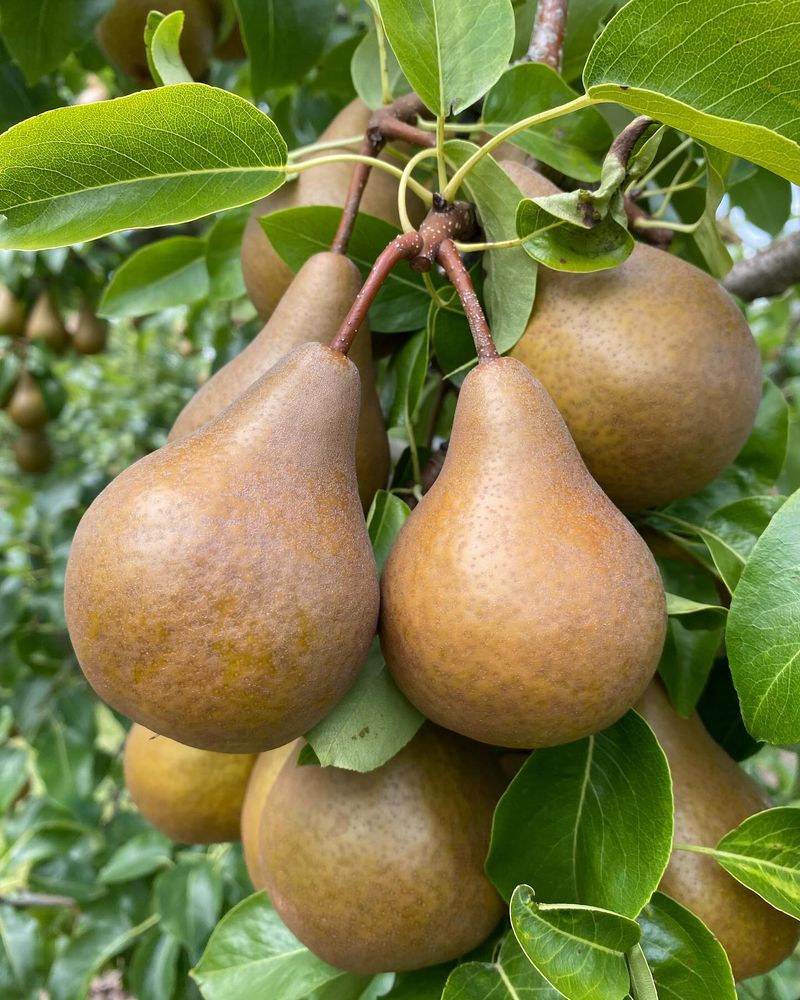
Pears are the quiet cousins in the September lineup, and they play by their own strange rules. Unlike apples, they refuse to ripen properly while still hanging on the branch.
Growers pick Bartletts firm and green in late August through mid-September, then let them finish off the tree. Bosc follows a week or two behind, wearing that distinctive cinnamon-brown russet coat.
Michigan orchards in the Grand Traverse region and along the southwest shoreline supply most of the state’s crop. The cool nights near the water help the fruit build sugar without turning mealy.
The trick everyone should know is the neck check. Press gently near the stem, and if it yields slightly, the pear is ready to eat, no matter how firm the belly still feels.
Speed things up by tucking pears into a paper bag with a banana or apple. The ethylene gas those fruits release cuts ripening time down to a couple of days.
Bartletts shift from green to buttery yellow as they soften, which makes them the easiest to read. Bosc stays the same color the whole way through, so the neck test matters even more.
Bosc holds its shape when heated, so it wins for poaching, roasting, and tarts. Bartlett turns silky and is the classic choice for canning and sauce.
Once ripe, move them to the refrigerator right away. That pauses the clock and buys you another three to five days.
4. Italian Prune Plums In Short Supply
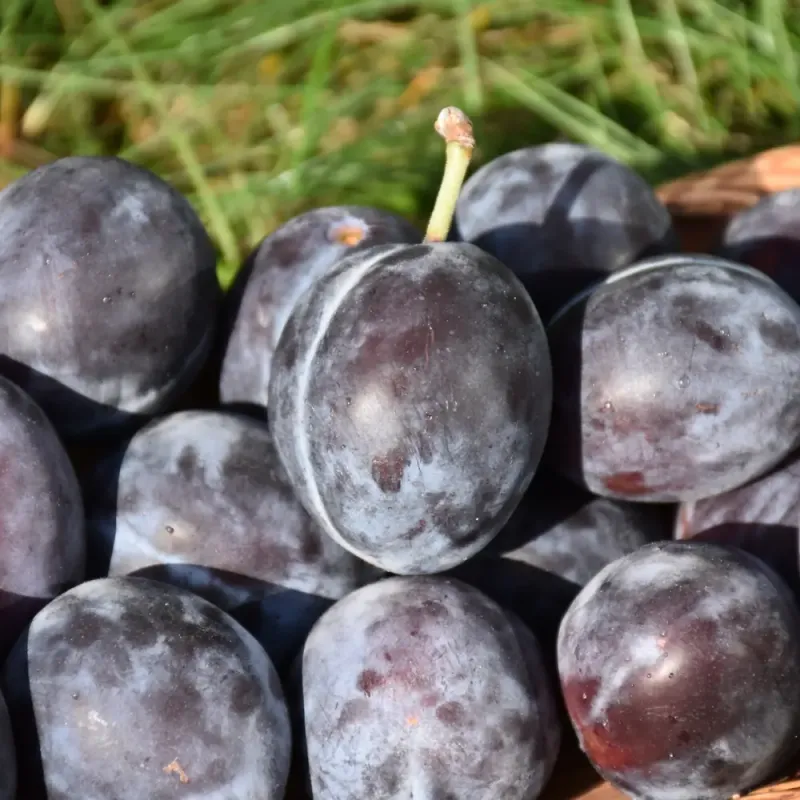
Blink and you will miss these. Italian prune plums show up around the first week of September and vanish before the month is half over.
Small, oval, and deep violet with a silvery haze, they look nothing like the round red plums in grocery stores. The flesh is golden green, dense, and far less watery.
Michigan grows plums mainly in the southwest counties, with a smaller pocket up in the Traverse City area. Total acreage is modest, which is exactly why the season feels like a secret handshake among market regulars.
What makes them special is the freestone pit. Twist the fruit in half with your thumbs and the stone pops right out, no knife required.
Bakers treat these things like gold. A German plum cake, or Zwetschgenkuchen, uses nothing but halved plums pressed into dough, and the fruit collapses into jammy pockets as it bakes.
They also dehydrate into genuine prunes, which is where the name comes from. Halve them, lay them cut side up, and dry at low heat until leathery.
For fresh eating, wait until the fruit gives slightly under gentle pressure. Rock-hard prune plums taste flat and a little astringent.
Freezing works well too. Pit them, spread on a sheet pan, freeze solid, then bag them for winter crisps.
If you spot a flat of them at a stand, buy more than you think you need. Next weekend they will likely be gone.
5. Fall Red Raspberries Making A Comeback
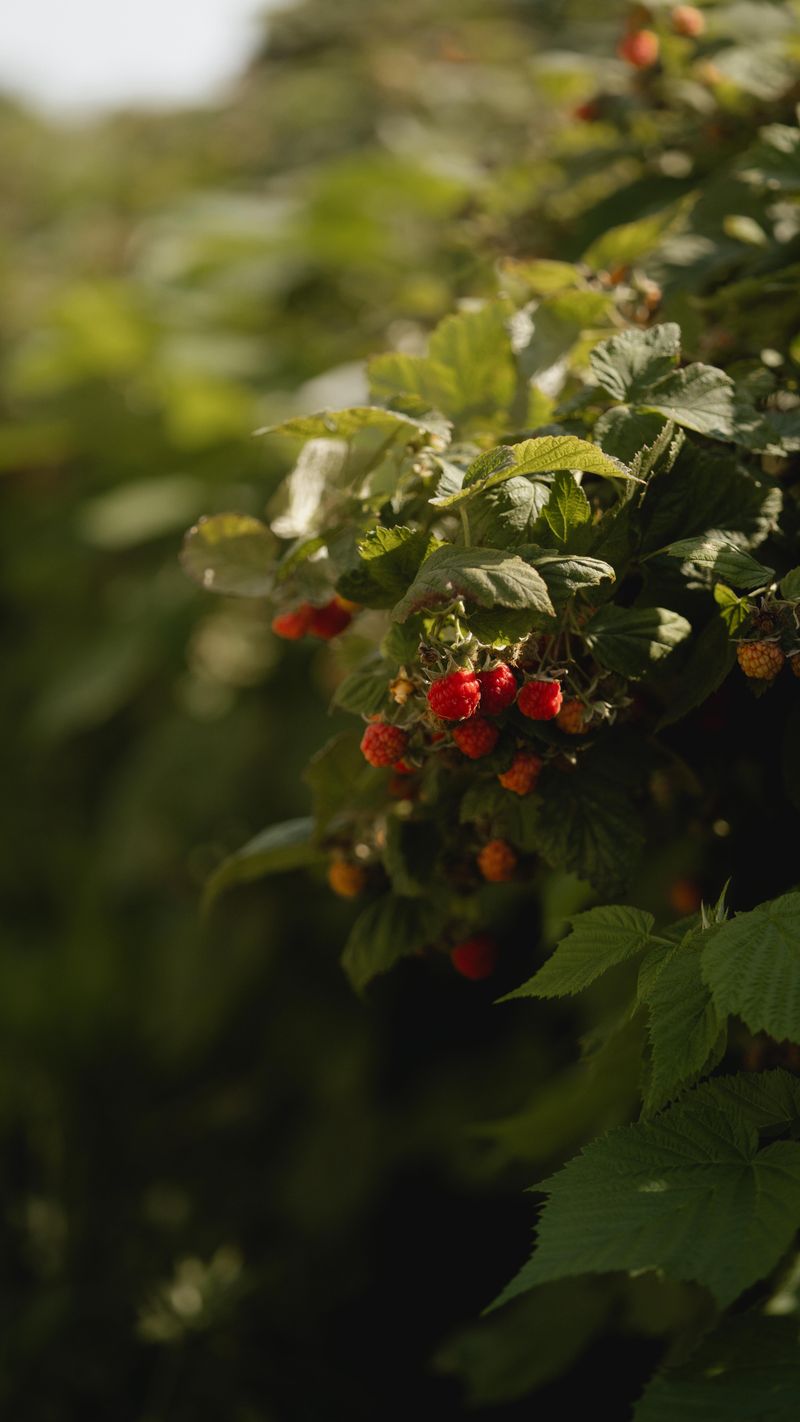
Most people file raspberries under summer and move on. That is a mistake, because the everbearing types stage a second act that runs straight through September.
Varieties like Heritage, Caroline, and Autumn Britten fruit on first-year canes, called primocanes. Michigan growers all over the Lower Peninsula plant them specifically for this late window.
Cooler weather changes the fruit. September berries tend to be larger, deeper in color, and noticeably more aromatic than the June crop, partly because slower ripening concentrates the flavor compounds.
Pest pressure drops off too, and there is less competition from wild berries, so u-pick rows are usually quieter. You can often pick a few quarts without seeing another person on the row.
Ripeness is simple to judge here. A ready raspberry slides off the core with almost no pull, leaving a hollow center behind.
Pick into shallow containers no more than three or four berries deep. Pile them higher and the bottom layer turns to jam before you reach the car.
Skip washing until right before you eat them. Water speeds up mold, and these berries have maybe two days of shelf life to begin with.
Freezing is the practical move for a big haul. Spread them in a single layer on a tray, freeze hard, then transfer to bags so they stay separate.
A handful stirred into oatmeal on a chilly October morning tastes like stealing a day back from summer.
6. Elderberries Ripening In The Hedgerows
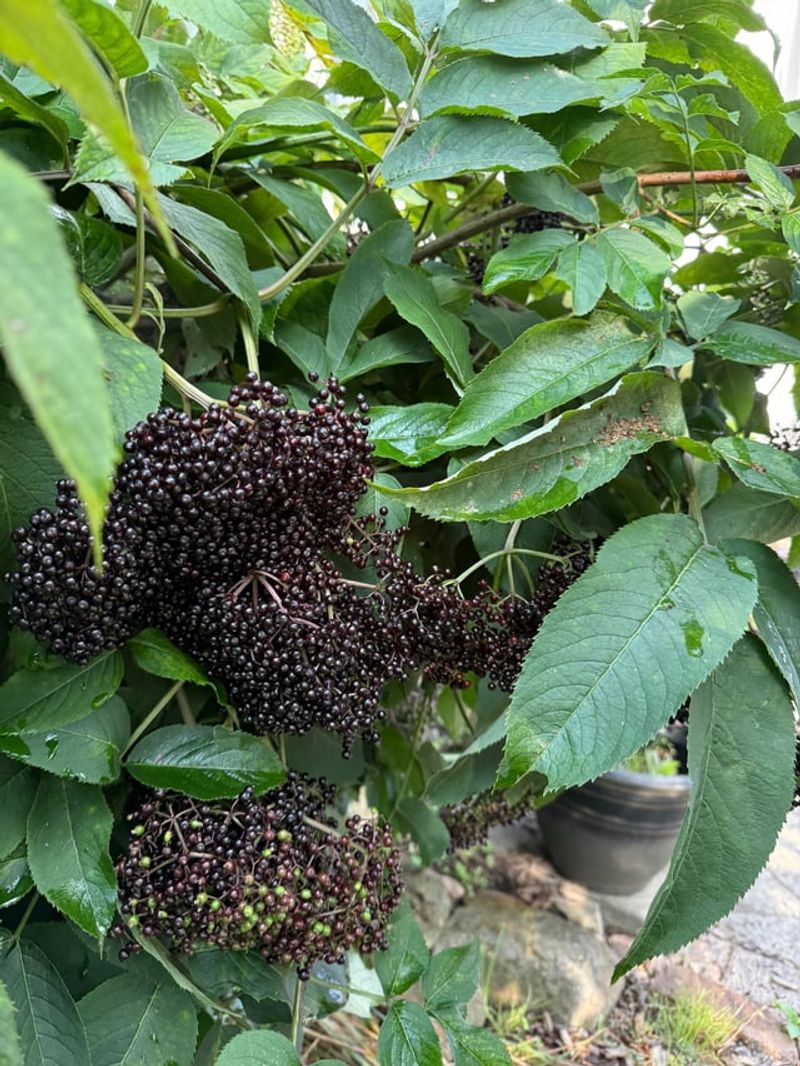
Along country fencerows and damp ditch banks, big umbrella-shaped clusters of tiny dark berries start bending their stems in late August and early September. Michigan foragers watch for them the way other folks watch for morels.
American elderberry, Sambucus canadensis, grows wild across the state and is increasingly planted on small farms. Interest exploded in the last decade thanks to elderberry syrup showing up on every pharmacy shelf.
Harvest the whole cluster with pruners rather than picking individual berries. Back at the kitchen, freeze the clusters for an hour and the berries knock off the stems with a flick.
Here is the part that matters most. Raw elderberries, along with the stems and leaves, contain compounds that upset the stomach, so the fruit should be cooked before eating.
Simmered with water, honey, ginger, and cinnamon, they make the classic syrup that keeps in the fridge for a couple of months. The same cooked juice turns into excellent jelly and a rich, tart cordial.
Watch out for lookalikes when foraging. Elderberry clusters droop and grow on red-tinged stems, while pokeweed berries hang in tight grape-like spikes on thick magenta stalks and should be left alone.
If you want your own supply, elderberry shrubs are almost embarrassingly easy to grow. They tolerate wet feet, spread by suckers, and fruit within two or three years.
Leave some clusters for the catbirds. They found them first.
7. Late Peaches Hanging On Through Labor Day
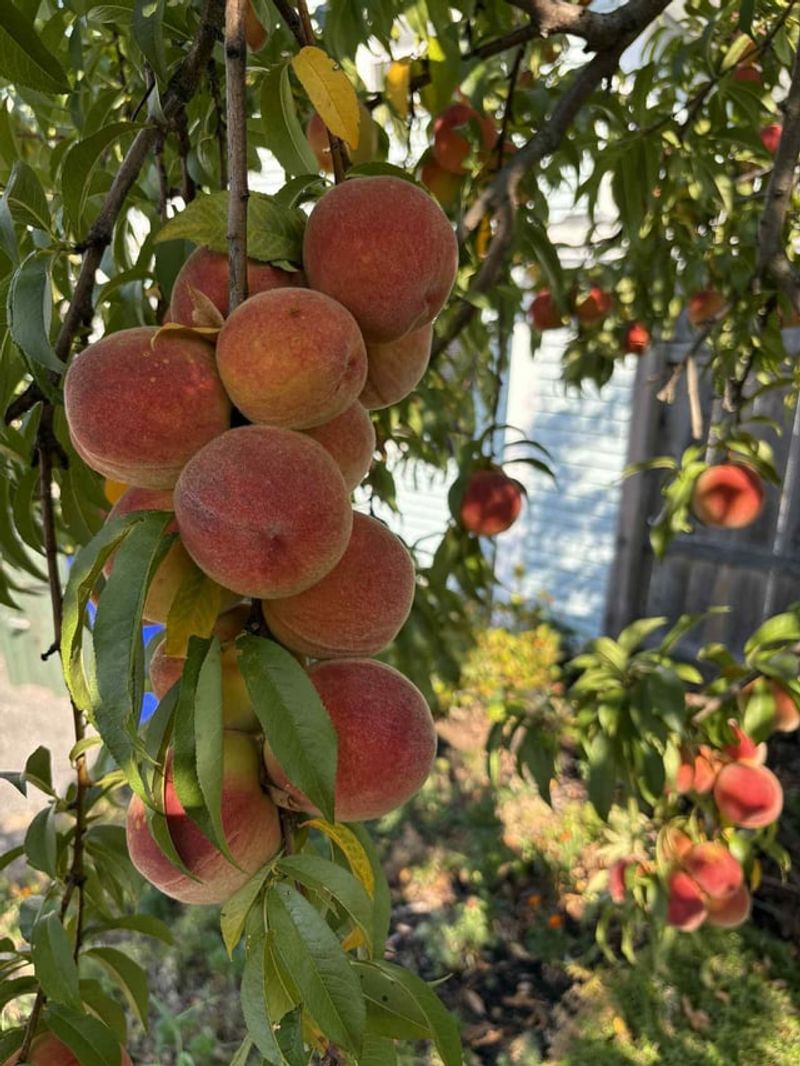
The peach season most people remember peaks in August, but the best fruit often comes last. Late varieties like Cresthaven, Fairtime and Encore hold on through the first two or three weeks of September.
Southwest Michigan does the heavy lifting here, with Berrien and Van Buren counties leading the way. Lake Michigan acts like a giant thermostat, delaying spring bloom past the worst frosts and stretching autumn warmth.
Cresthaven was actually bred at Michigan State University and released in 1963, and it remains a workhorse for growers who want a firm freestone that ships without falling apart.
Freestone is the word to listen for at the stand. The pit releases cleanly, which makes canning, slicing, and grilling dramatically faster than wrestling with a clingstone.
Color is a poor ripeness test because red blush is mostly genetics and sun exposure. Instead, check the background between the red patches, which should be deep gold rather than pale green.
Smell the stem end. A ripe peach announces itself from arm’s length, and if it has no scent, it will taste like nothing.
Ripen them on the counter shoulder side down so the tender bottoms do not flatten. Once they yield to a gentle press, refrigerate.
Cold storage before ripening causes mealy, dry flesh, so resist putting hard peaches in the fridge.
Halve one, brush with a little oil, and grill it cut side down for four minutes. That is dessert, done.
8. Cranberries Coloring Up In The Bogs
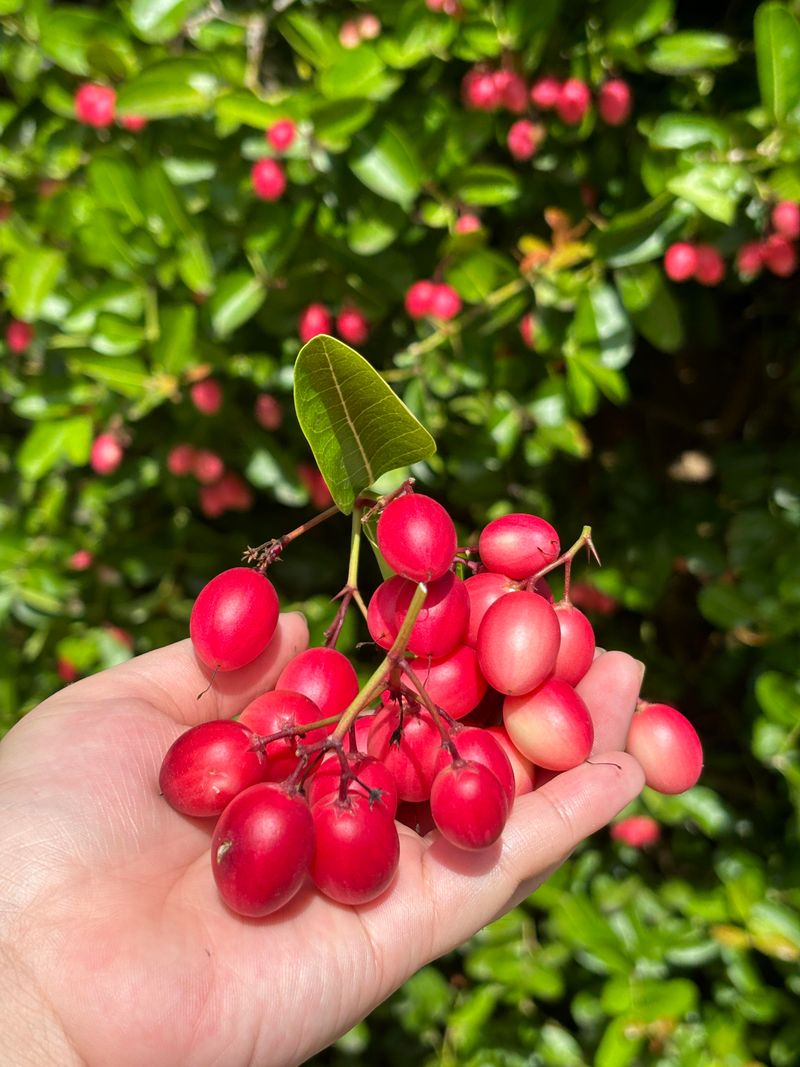
Michigan is not Wisconsin, but the state does grow cranberries, mostly in a scattering of marshes across the western Upper Peninsula and a few northern Lower Peninsula operations. September is when the berries flip from pale pink to full crimson.
Cranberries grow on low trailing vines in beds of sand and peat, not underwater as the commercials suggest. Growers flood the beds only at harvest, because the berries contain tiny air pockets that make them float.
Those air pockets also explain the bounce test. Old-time sorting machines dropped berries over a barrier, and only the firm, fresh ones bounced high enough to make the cut.
Michigan’s crop is small compared to the giants, but a handful of family marshes sell direct in fall. Fresh local cranberries taste sharper and more floral than the bagged supermarket kind.
Sugar is the obvious partner, though a pinch of salt and a strip of orange peel does more for the flavor than dumping in extra sweetener.
Storage is where cranberries shine. Kept cold and dry, they last a month or longer in the fridge, and they freeze straight in the bag with no prep at all.
Toss frozen ones directly into muffin batter so they do not bleed pink streaks everywhere.
Sort before cooking and discard any that look shriveled or soft. One mushy berry can turn a whole batch of sauce muddy and dull.