The One September Thing Texas Citrus Needs Before Fruit Sets
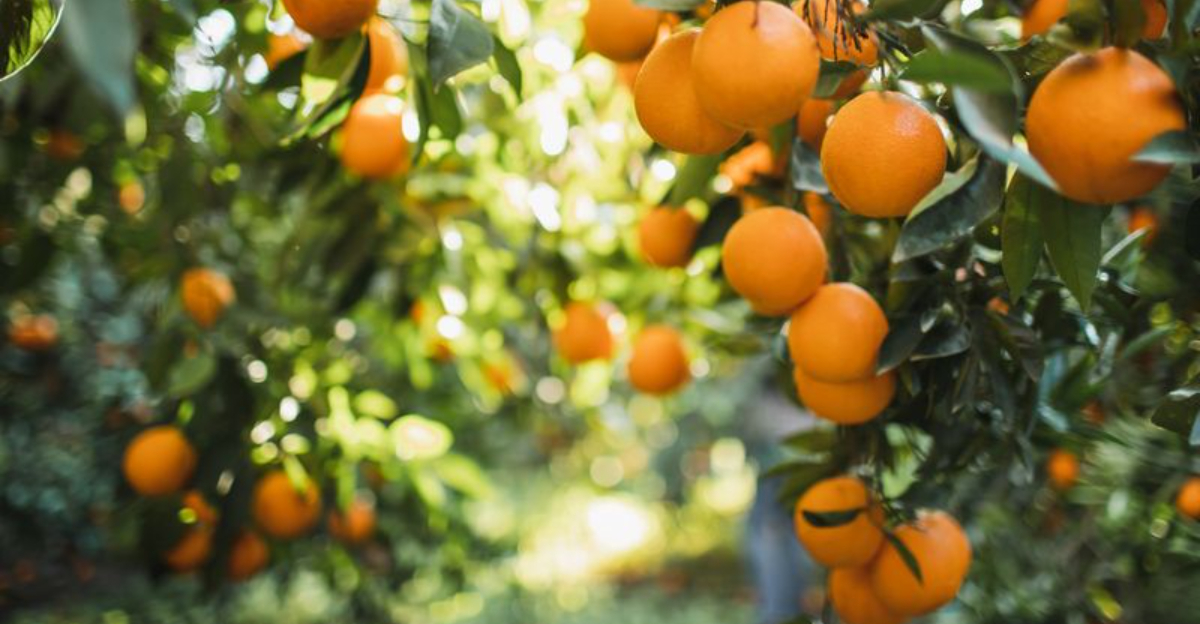
Texas citrus trees have been working hard through a long hot summer. By September the season is shifting in ways that matter enormously for the fruit that’s coming.
This is the month when conditions begin to align for fruit set, and what happens right now directly influences the size, quality, and abundance of the harvest ahead.
Most Texas citrus growers stay focused on general maintenance and assume September is just another month to get through. It isn’t.
There is one specific thing these trees need in September that most homeowners overlook entirely. It takes very little time.
It costs nothing extra. But skip it and the tree heads into fruit set already behind, producing what it can with what it has rather than what it could have been with a little well timed attention.
Give Texas Citrus A Deep Watering Check Before Fruit Sets
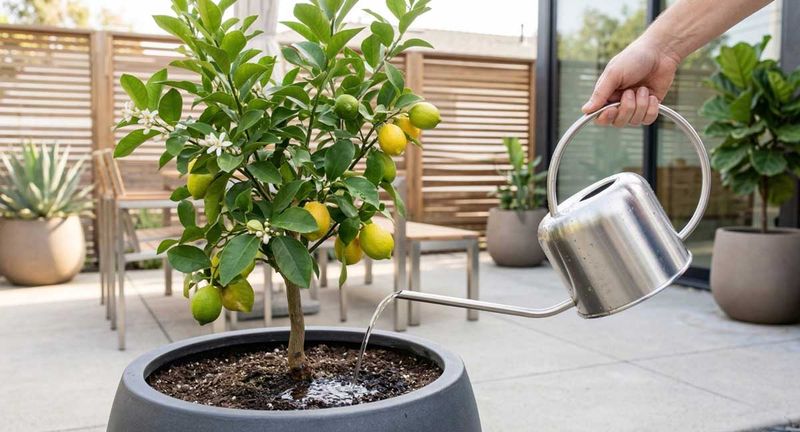
One of the most important September tasks for Texas citrus is steady, deep watering. When soil stays evenly moist, young fruit has the water it needs to swell and stay attached.
Citrus roots reach down about two to three feet in most Texas soils. A quick sprinkle only wets the top layer, so aim to soak deeply instead.
Try watering slowly at the base until moisture reaches well below the surface. A long, gentle flow works far better than a fast splash that runs off.
Check the soil before you water each time. Push a finger or a screwdriver a few inches down, and if it feels dry, it is time to give the tree a drink.
Most established citrus trees in Texas do well with a thorough soaking every five to seven days during warm spells. Younger trees may want water a bit more often since their roots are still small.
Mulch spread around the tree helps hold that moisture in the ground. Keep the mulch a few inches away from the trunk so the bark can breathe.
Consistent moisture matters more than a huge amount all at once. Trees that swing between soggy and bone dry tend to drop fruit and grow stressed.
Morning is a smart time to water because less moisture escapes into the hot afternoon air. Your tree drinks it up before the heat peaks.
When you keep watering steady through September, your citrus can focus its energy on holding and growing fruit. That simple habit sets the stage for a fuller, sweeter harvest down the road.
Why September Water Stress Can Reduce Your Citrus Harvest
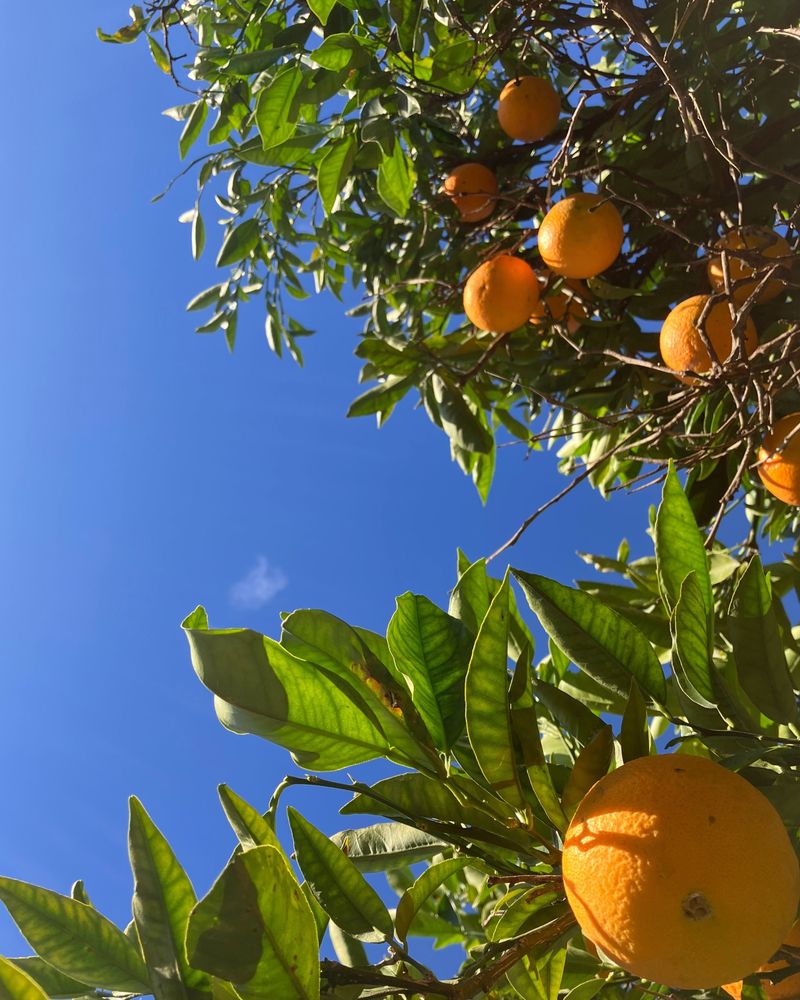
Texas Septembers can still feel like an oven, and that lingering heat puts real pressure on citrus trees. When soil dries out during this stretch, trees feel the strain quickly.
A thirsty tree pulls back on the fruit it can support. This often shows up as small green fruits dropping to the ground before they mature.
Water stress also affects the fruit that stays on the branch. Citrus may turn out smaller, tougher, or less juicy when the tree runs short on moisture.
Your Texas Garden Changes Every Week. Your Plan Should Too.
Gardening in Texas changes quickly throughout the season. Every Friday you’ll receive a simple weekly plan showing exactly what to plant, prune, fertilize, harvest, and protect so you never miss the right timing.
The heat speeds up how fast water leaves the leaves. On breezy, dry days, a tree can lose moisture faster than its roots pull it in.
You might spot the warning signs if you watch closely. Curling leaves, a dull gray-green color, or wilting in the afternoon all hint at a tree that needs a drink.
Sandy Texas soils drain quickly and dry out sooner than heavy clay. Knowing your soil type helps you guess how often to check for dryness.
Repeated stress adds up over the weeks. A tree bouncing between dry and wet often sheds more fruit than one kept steadily moist.
Cracked or splitting fruit can also trace back to uneven watering. When a dry tree suddenly gets a lot of water, the fruit skin cannot stretch fast enough.
Preventing stress is easier than fixing it later. Once fruit drops, it will not return, so steady care now protects what you have.
Keeping your tree comfortable through the last warm weeks helps it hold more fruit and finish the season with better quality.
Check Citrus Nutrition Before Adding Fertilizer
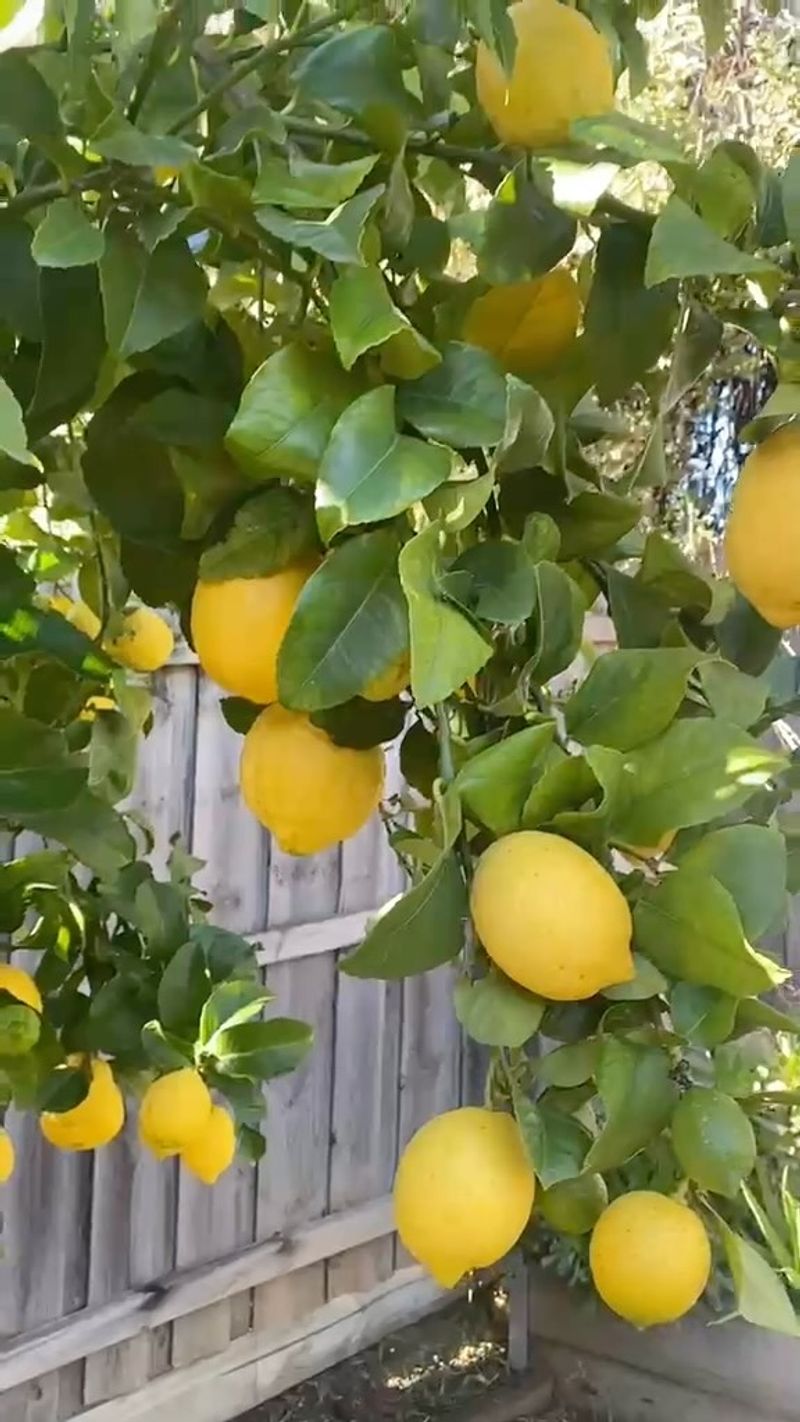
Reaching for fertilizer feels like a caring move, but citrus does not always want more food in September. The smart step is to check what your tree truly needs first.
Leaves tell a helpful story. Deep green, healthy foliage usually means the tree has plenty to work with right now.
Yellowing leaves can signal a shortage, but they can also point to other causes. Overwatering, poor drainage, or cool roots sometimes create the same look.
Pay attention to the pattern of yellow. Older leaves fading first often hints at nitrogen, while yellow between the veins can suggest iron or zinc concerns.
A simple soil test brings real answers instead of guesses. Texas A and M AgriLife Extension offers testing that shows what your soil already holds.
Late-season nitrogen can push soft new growth at the wrong moment. That tender growth is more vulnerable when cooler weather rolls in.
Most Texas citrus follows a feeding schedule that wraps up earlier in the year. Many growers stop nitrogen by late summer so trees can settle down for fall.
Feeding a tree that does not need it can lead to salt buildup in the soil. That buildup makes it harder for roots to pull in water.
Micronutrients are a different story and can sometimes help even now. Iron and zinc foliar sprays may correct clear deficiencies without pushing heavy growth.
When in doubt, watch and test rather than dump on fertilizer. A calm, observant approach protects your tree and your harvest.
Knowing the difference between a hungry tree and a stressed one saves money and keeps your citrus balanced through the season.
Avoid These September Citrus Care Mistakes
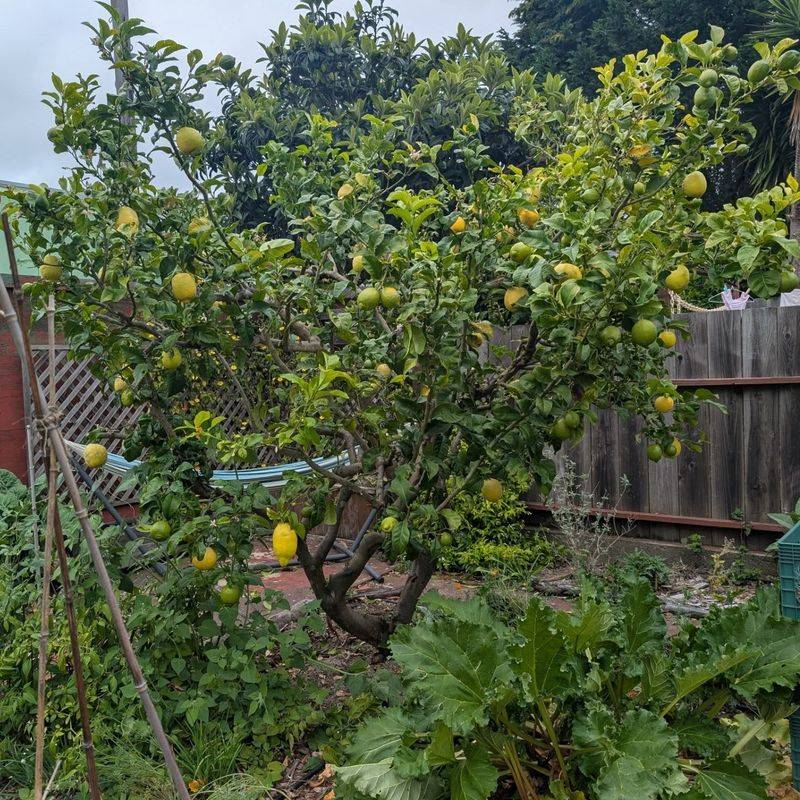
Even caring gardeners slip up in September, and a few common mistakes can cost you fruit. Knowing them ahead of time helps you steer clear.
Overwatering tops the list for many Texans. Soggy soil chokes roots of air, and that stress can lead to yellow leaves and fruit drop.
The fix is to water deeply but let the top few inches dry a bit between soakings. Roots want moisture and air, not a swamp.
Piling on fertilizer is another frequent slip. Extra nitrogen this late can spark tender growth that struggles when temperatures cool.
Heavy pruning right now is best avoided too. Cutting a lot removes leaves the tree needs and can expose fruit and bark to sunscald.
Speaking of sunscald, some folks strip too many inner branches. Those leaves shade the fruit and trunk from harsh Texas rays.
Letting mulch touch the trunk causes trouble as well. Bark stays too damp and can rot, so leave a small gap around the base.
Ignoring pests is a quiet mistake many make. A quick weekly look for aphids, spider mites, or leaf-eaters catches problems early.
Some gardeners forget to check drainage after rain. Standing water around roots for days invites disease and weakens the tree.
Skipping the finger-in-the-soil test leads to guesswork. A ten-second check tells you far more than a set watering schedule.
Rushing to react to every yellow leaf causes overcorrection. Slow down, observe patterns, and change one thing at a time.
Sidestepping these errors keeps your tree steady and lets it put energy into growing the fruit you are hoping to enjoy.
Prepare Texas Citrus Trees For Fall Weather Changes
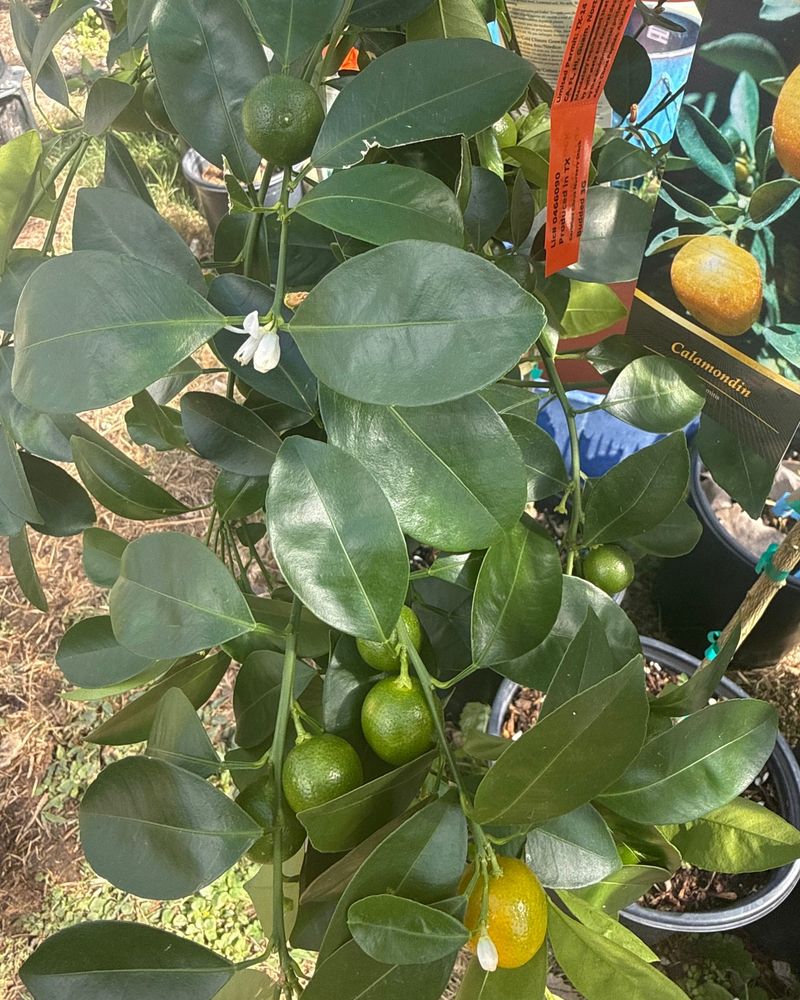
As Texas eases toward fall, your citrus tree starts sensing the shift. Helping it adjust now makes the change smoother for both roots and fruit.
The first move is to slow down on nitrogen feeding. Letting growth firm up helps the tree handle cooler nights better.
Keep watering steady, but watch the weather closely. Cooler days mean soil dries slower, so you may space out soakings a little.
A fresh layer of mulch offers real protection. It steadies soil temperature and locks in moisture as the air grows less humid.
Spread that mulch two to three inches deep in a wide ring. Remember to leave breathing room around the trunk.
Now is a good time to plan for cold snaps ahead. Texas fall weather can swing fast, and a surprise chilly night is possible.
Keep frost cloth or old blankets handy just in case. Young trees especially benefit from a quick cover during early cold spells.
Healthy, hydrated trees handle temperature dips better than stressed ones. Steady water now builds resilience for later.
Check that your tree sits where it gets good airflow. Trapped cold air in low spots can settle around sensitive branches.
Avoid heavy pruning going into fall. New growth from cuts is fragile when cooler weather arrives.
Clear away fallen fruit and leaves under the tree. That tidy habit lowers the chance of pests and disease over the coming months.
A little preparation now sets your citrus up to sail through the season change. Comfortable trees keep working on their fruit while the weather cools.
September Citrus Checklist For Better Fruit Development
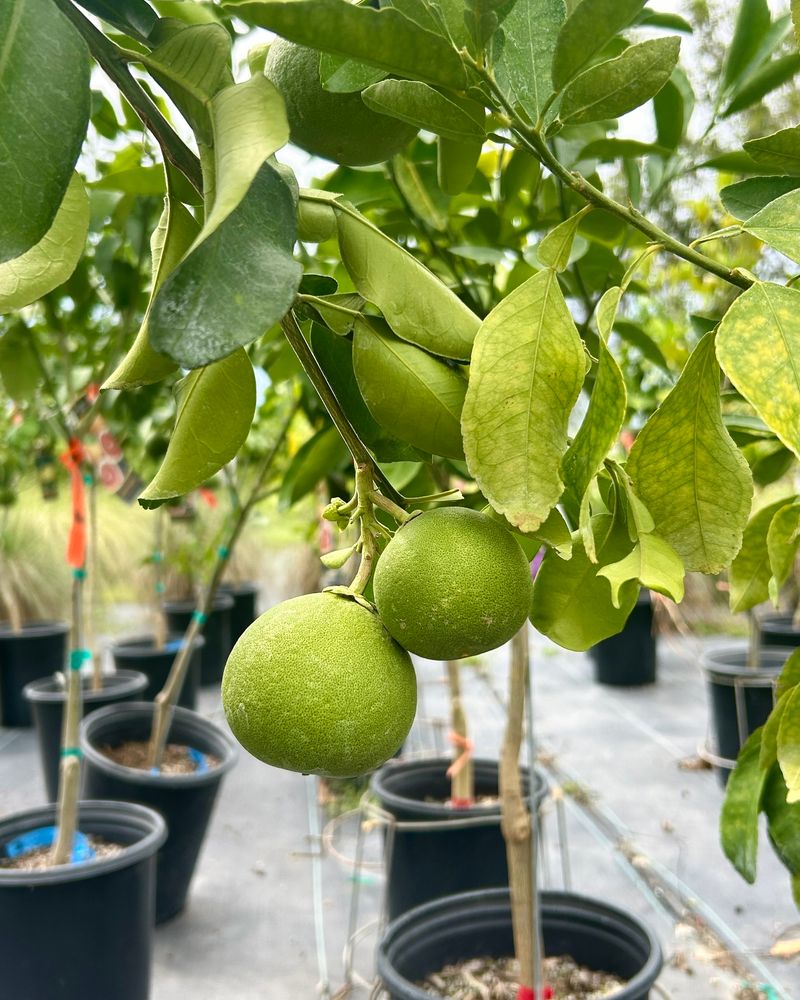
Pulling everything together makes September care feel simple instead of overwhelming. A short checklist keeps your tree on track for great fruit.
Start with water, since that is the star of the season. Soak deeply and check soil moisture a few inches down before each watering.
Watch for stress signals during hot spells. Curling leaves or afternoon wilting mean your tree wants a drink sooner.
Hold off on heavy fertilizer unless a test shows a real need. Late nitrogen can cause more trouble than benefit right now.
Refresh your mulch to lock in moisture and steady the soil. Keep that gap around the trunk so bark stays healthy.
Take a quick weekly walk around the tree. Look under leaves for pests and glance at the fruit for any splitting or drop.
Skip big pruning jobs for now. Save shaping for a better time so the tree keeps its shade and energy.
Clear fallen fruit and debris from the ground. A clean base lowers pest and disease risks as fall approaches.
Keep frost cloth ready for surprise cool nights later in the season. Being prepared beats scrambling last minute.
Note what you observe week to week. Simple records help you spot patterns and improve care next year.
Water early in the day so less moisture escapes in the heat. Your tree drinks it up before the sun peaks.
Following these easy steps helps your Texas citrus hold its fruit and grow it well. A little steady attention now leads to a rewarding harvest ahead.