Ornamental Grasses Michigan Homeowners Are Planting Instead Of Boxwood For Low Borders
Boxwood has had a very long run in Michigan gardens, and it has earned a certain respect. Tidy, dependable, and perfectly happy being clipped into submission every season.
But a growing number of Michigan gardeners are starting to wonder if a stiff little green border is really the most exciting thing a yard edge can offer.
Ornamental grasses and sedges are the answer that more homeowners are landing on, and the difference in feel is immediate.
Where boxwood holds its shape and stays put, grasses move. They catch the light, shift with the breeze, and change character across the seasons in a way that no amount of pruning can replicate.
For yards that could use a little more life along the edges, the timing has never been better to make a change.
1. Pennsylvania Sedge Softens Shady Edges
Shaded front beds and wooded backyard edges often struggle to support plants that need full sun, and that is exactly where Pennsylvania sedge earns its reputation.
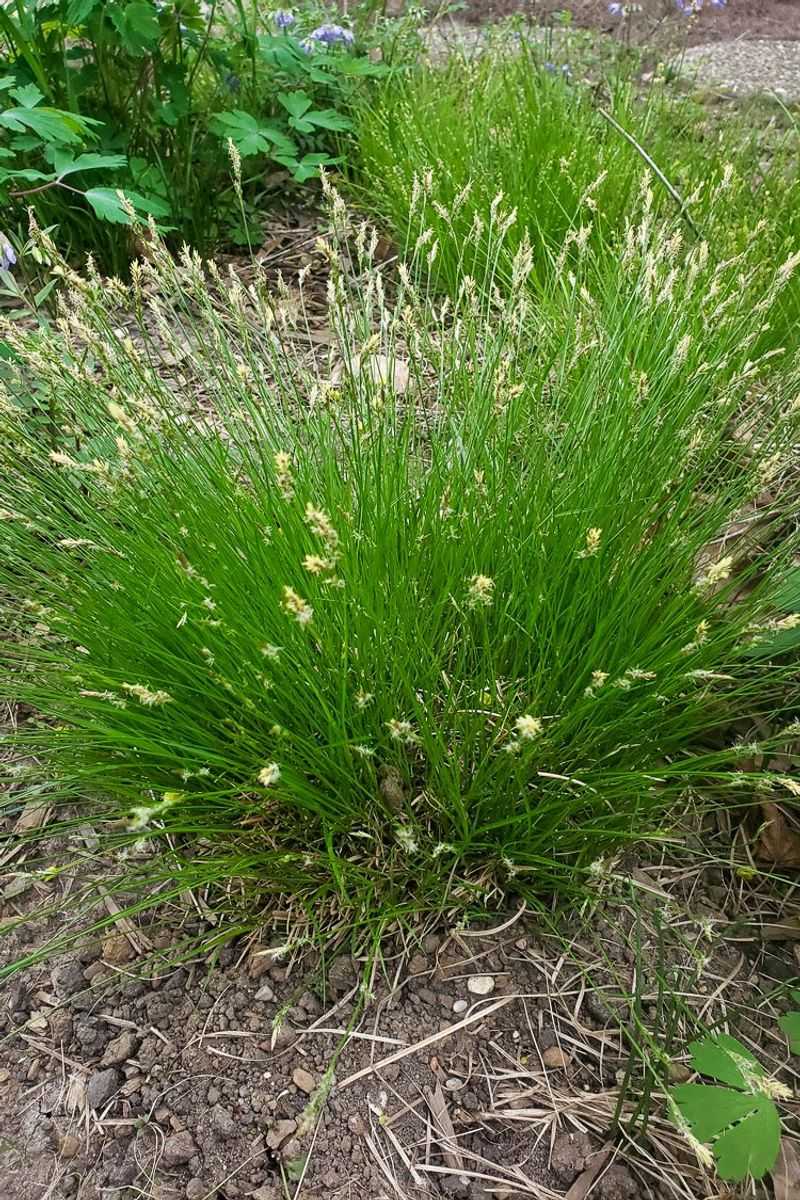
This fine-textured native sedge grows naturally in Michigan woodlands, forming low, arching clumps that stay relatively short, typically reaching around six to twelve inches tall depending on the cultivar and conditions.
Its soft green blades give garden edges a relaxed, natural look that feels very different from the rigid geometry of clipped boxwood.
Pennsylvania sedge handles dry shade reasonably well once it settles in, which makes it a practical choice for areas under trees where moisture can be limited. It spreads slowly by rhizomes, gradually filling in gaps along a border without becoming aggressive.
Michigan gardeners appreciate that it holds its color through much of the growing season and stays low enough to work as an edging plant without frequent cutting.
Unlike boxwood, Pennsylvania sedge is not meant to be sheared into a formal hedge shape. Its appeal comes from its natural, mounded form and the way it softens hard edges along paths or foundation beds.
It tends to perform best in part shade to full shade with reasonably well-drained soil. For homeowners replacing boxwood in a shaded spot, Pennsylvania sedge offers a native, low-maintenance option with genuine woodland charm.
2. Blue Grama Keeps Sunny Borders Light
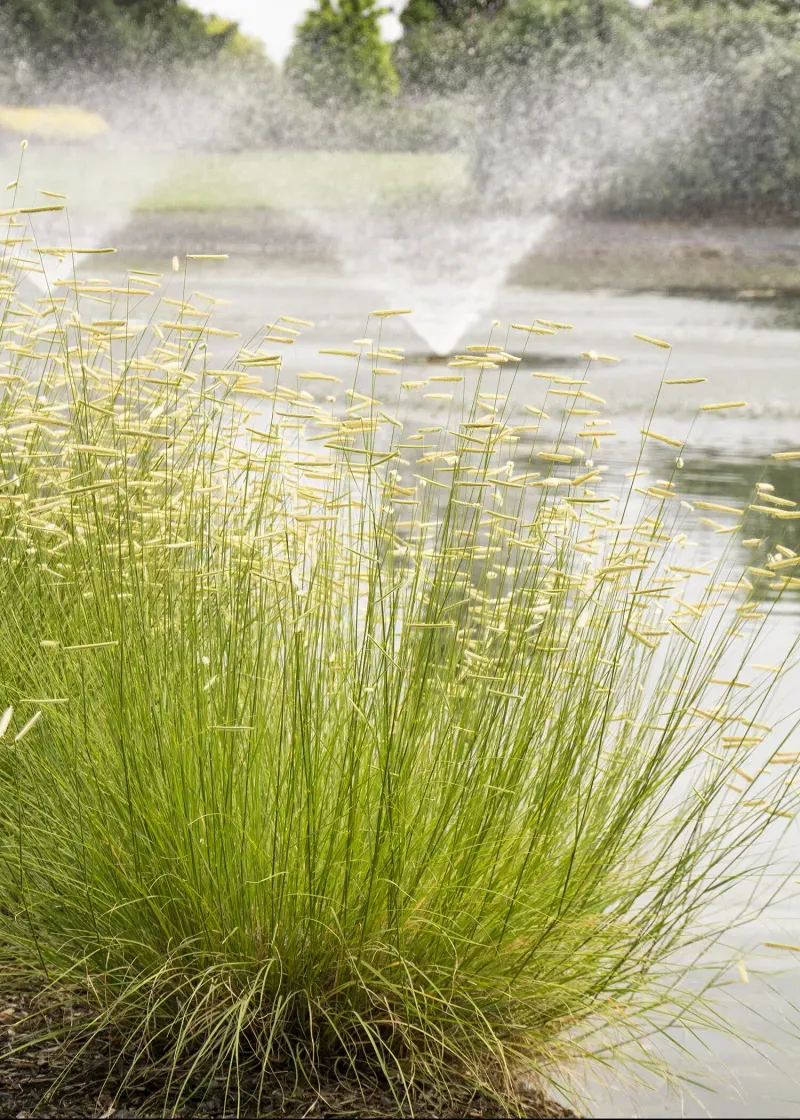
Few grasses bring as much quiet character to a sunny border as blue grama, a native prairie grass that grows across much of the Midwest and suits Michigan’s variable climate well.
It stays relatively compact, usually reaching somewhere between eight and eighteen inches tall, and its distinctive curved seed heads, which resemble tiny eyelashes, add a playful detail that catches the eye from late summer into fall.
The fine-textured foliage has a subtle blue-green tone that gives borders a cool, airy quality.
Blue grama is a warm-season grass, meaning it stays dormant and tan through winter months before greening up in late spring. Gardeners who prefer a border that looks tidy year-round may want to keep that in mind.
However, many homeowners find the soft tan winter form appealing, especially when frost settles on the seed heads on a quiet morning.
Your Michigan Garden Changes Every Week. Your Plan Should Too.
Gardening in Michigan changes quickly throughout the season. Every Friday you’ll receive a simple weekly plan showing exactly what to plant, prune, fertilize, harvest, and protect so you never miss the right timing.
This grass thrives in full sun and well-drained soil, and it handles dry conditions better than many ornamental plants.
It is not a direct substitute for the dense, evergreen wall that boxwood provides, but along sunny walkways or at the front of a dry border, blue grama brings texture and movement that feels fresh and unforced.
Checking the mature height of specific cultivars before planting helps ensure the right fit for a low Michigan border.
3. Prairie Dropseed Adds A Soft Mounded Look
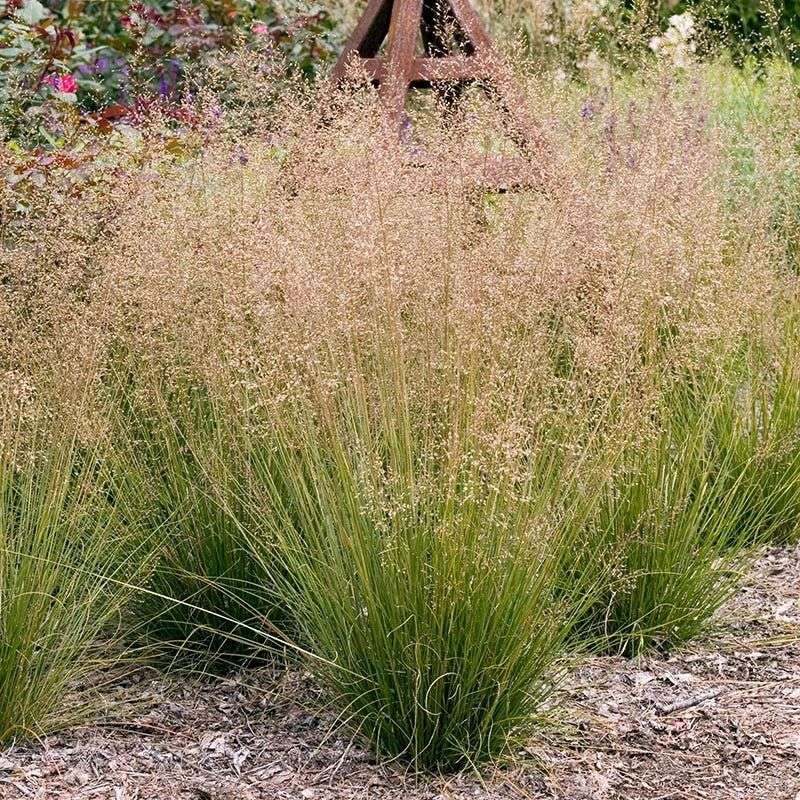
Walking past a clump of prairie dropseed in late summer, many gardeners notice a faint, sweet fragrance drifting from the delicate flower panicles.
That subtle scent, combined with the grass’s naturally rounded, fountain-like shape, makes it one of the more charming native grasses available for home landscapes.
Prairie dropseed typically grows between eighteen and twenty-four inches tall and wide, forming tidy mounds that require very little maintenance once established.
As a native Michigan grass, prairie dropseed is well adapted to the region’s cold winters and clay-heavy soils, though it prefers well-drained conditions and full sun to light shade.
It is a warm-season grass, so it greens up later in spring than cool-season plants, but by midsummer it fills in beautifully.
The foliage turns a warm orange and gold in fall, adding seasonal color to borders long after many other plants have faded.
Compared with boxwood, prairie dropseed offers a softer, more relaxed border presence. It does not hold a clipped shape, but its naturally mounded form works well along walkways, patio edges, and foundation beds where a low, rounded plant is needed.
Michigan homeowners interested in native plantings often find it rewarding because it supports local ecosystems and asks for relatively little in return.
Confirming the mature size of the specific cultivar before planting helps match it to the right border scale.
4. Blue Fescue Brings Cool Blue Color
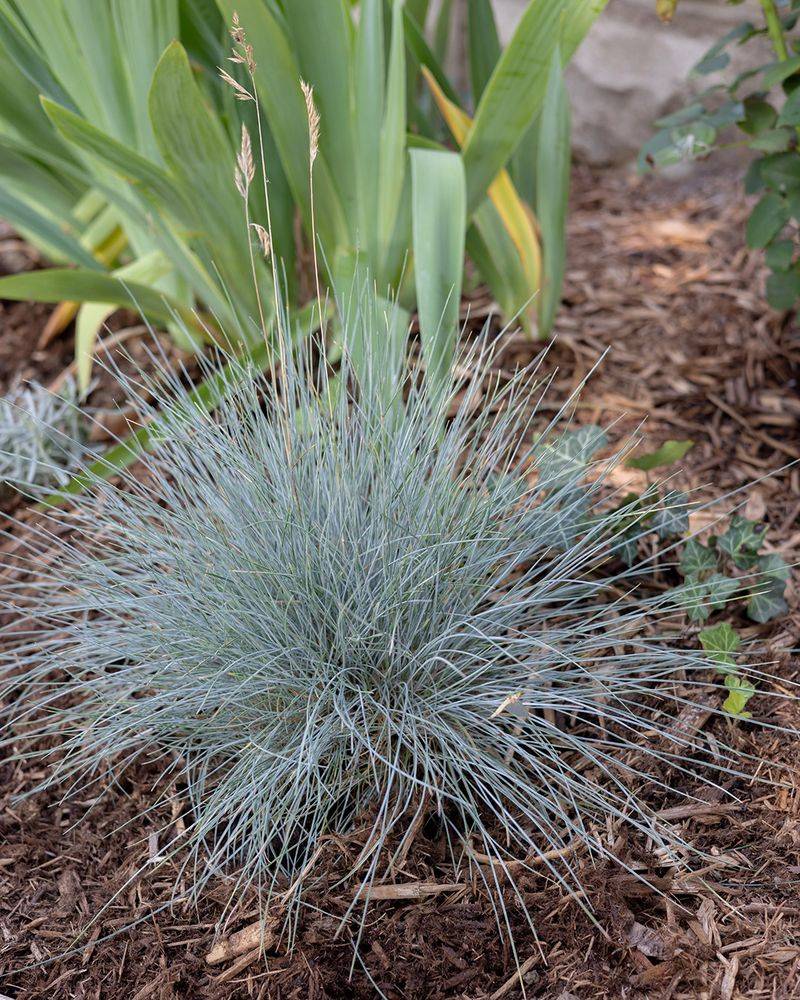
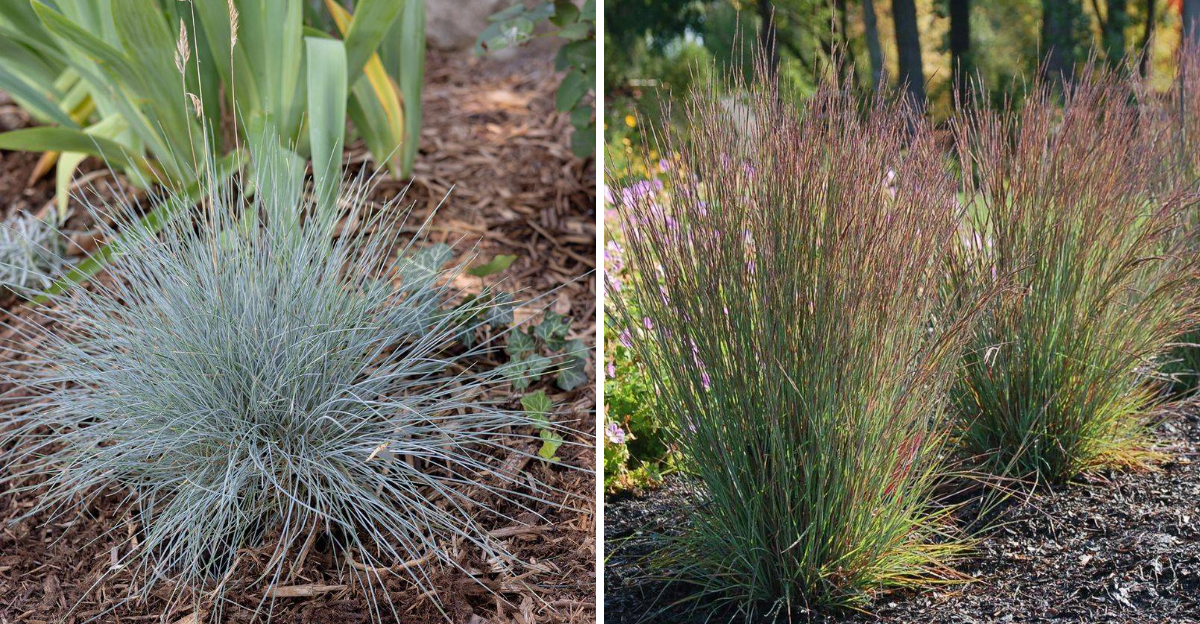
Color is one of the first things people notice about blue fescue, and that striking silver-blue foliage is the main reason homeowners keep reaching for it when designing low borders.
The compact, spiky clumps typically stay between six and twelve inches tall, making blue fescue one of the shorter ornamental grass options available for edging along walkways, patio edges, or the front of a foundation bed.
The cool color contrasts nicely with green or bronze neighboring plants.
Blue fescue is a cool-season grass, which means it looks its best in spring and fall. Summer heat, especially in humid conditions, can stress the plant, and some clumps may look a bit tired by August.
Dividing clumps every few years helps keep them looking fresh and prevents the centers from opening up. Good drainage is important, as blue fescue does not tolerate wet feet well, particularly through Michigan’s wet spring seasons.
Unlike boxwood, blue fescue does not form a solid hedge, but a row of evenly spaced clumps creates a rhythmic, low edging effect that many gardeners find appealing.
The blue tone remains relatively consistent through the growing season, giving borders a cool, structured look without requiring shearing.
Homeowners should check specific cultivar heights before planting, since sizes can vary. Overall, blue fescue adds reliable color and compact form to sunny, well-drained Michigan borders.
5. Japanese Forest Grass Brightens Shady Paths
Shaded Michigan paths and north-facing foundation beds can feel dull and heavy without the right plant to lighten them up.
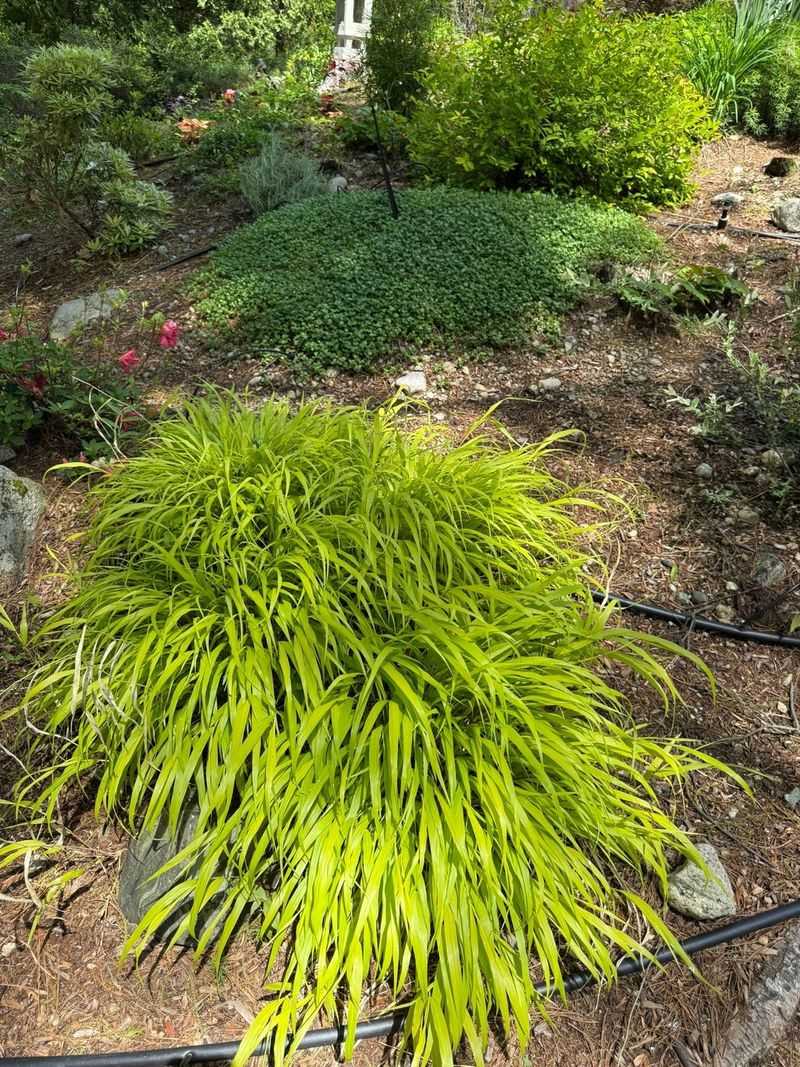
Japanese forest grass, with its cascading golden or lime-green foliage, brings a luminous quality to shady spots that few other plants can match.
The arching blades catch whatever light filters through overhead trees and seem to glow softly, making a narrow path feel more welcoming and a dark corner feel much less heavy.
This grass typically grows between twelve and eighteen inches tall, though cultivar size can vary, so checking the label before planting is a sensible step. It prefers part shade to full shade with consistent moisture and reasonably rich, well-drained soil.
In Michigan, it generally handles the winters well, retreating to the ground and returning reliably in spring, though a layer of mulch in exposed spots can offer some extra protection during harsh cold stretches.
Japanese forest grass is not a native plant, but it is not considered invasive in Michigan landscapes and is widely used in home gardens across the region. Compared with boxwood in a shaded border, it offers a much softer, more flowing look.
It does not hold a clipped shape, but its naturally tidy, mounded form works well along paths, under trees, or beside shaded patios. For homeowners who want color and movement in a shady border, this grass is a genuinely appealing option.
6. Japanese Sedge Gives Borders A Tidy Shape
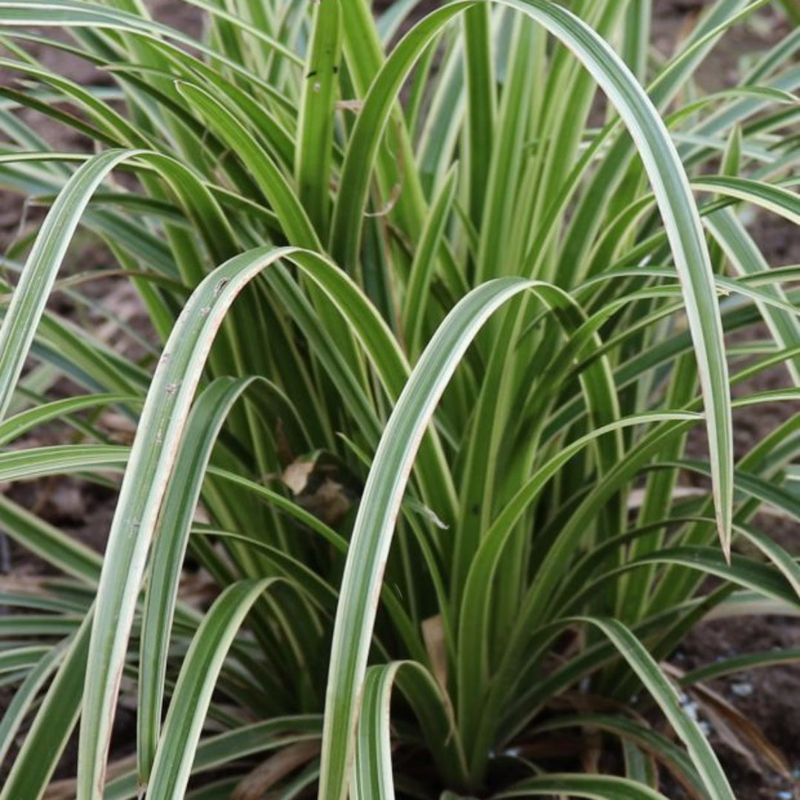
Homeowners who want a low border plant with a fairly tidy, contained shape often find Japanese sedge to be a practical and attractive option.
Unlike some ornamental grasses that spread aggressively or flop outward over time, many Japanese sedge cultivars hold a neat, arching clump form that stays relatively well-behaved along walkways and foundation beds.
The dark green, often variegated foliage gives borders a clean, finished look through most of the growing season.
Japanese sedge is an evergreen or semi-evergreen plant in many Michigan conditions, which means it can provide some visual interest through the winter months, though cold winters may cause some browning at the tips.
It generally prefers part shade to full shade and appreciates consistent moisture, making it well suited to Michigan’s shadier garden spots where drainage is reasonable.
It is not a full-sun plant, so placement matters.
Compared with boxwood, Japanese sedge offers a softer border texture without the need for regular shearing. It does not form a dense hedge, but a row of evenly spaced clumps creates a cohesive, low edging effect along paths or bed fronts.
Several cultivars are available with different leaf widths, colors, and heights, so homeowners should confirm mature size before purchasing to make sure the selection fits the intended border scale.
It is a reliable, low-fuss option for shaded Michigan home landscapes.
7. Bowles Golden Sedge Adds A Bright Glow
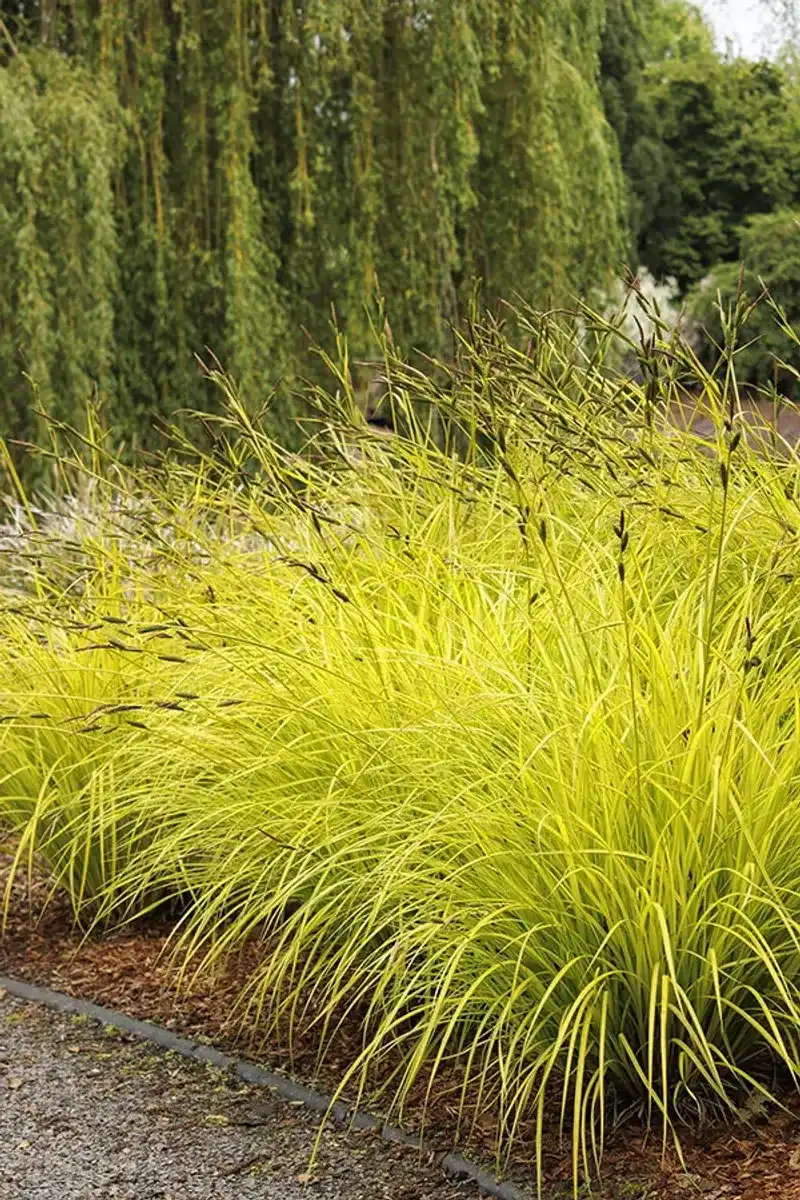
Bright yellow foliage in a garden border tends to draw the eye immediately, and Bowles golden sedge does exactly that with its vivid, golden-yellow blades that seem to light up moist, shaded spots in the landscape. Named after the English plantsman E.A.
Bowles, this sedge brings a warm glow to areas that might otherwise feel dim and overlooked. The arching foliage typically reaches around twenty-four inches tall, and the upright, fountain-like clumps have a graceful presence that feels both bold and refined.
Bowles golden sedge performs best in consistently moist to wet soil, which makes it a strong candidate for gardens near rain gardens, pond edges, or low-lying areas that tend to hold water after heavy rain.
It tolerates part shade to full shade well and generally handles Michigan winters without much trouble, though some tip browning can occur in very exposed locations.
It is not well suited to dry, sandy soil or full sun, where the foliage color may fade and the plant may struggle.
Unlike boxwood, Bowles golden sedge is not a clipped hedge plant. Its value lies in its natural arching form and striking color rather than a tightly sheared shape.
For homeowners dealing with a wet, shady border where few plants thrive, it offers a genuinely useful and visually rewarding solution.
Verifying the mature height of the specific cultivar before planting ensures it fits comfortably within a low border setting.
8. Dwarf Little Bluestem Brings Native Texture
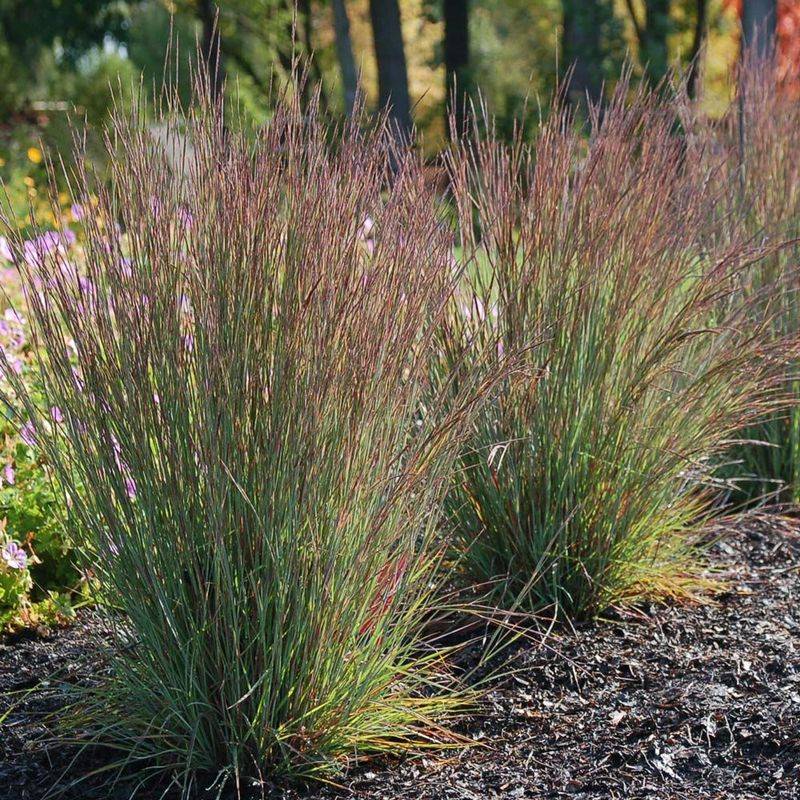
Late summer and fall in Michigan reveal one of dwarf little bluestem’s best qualities: the foliage shifts from blue-green to warm shades of orange, copper, and russet that hold through much of the winter season.
Standard little bluestem can grow quite tall, but dwarf cultivars have been selected to stay shorter and more compact, making them a more practical choice for low borders along walkways or the front of a foundation bed.
Mature height varies by cultivar, so checking the plant tag before purchasing is an important step.
Little bluestem is a native prairie grass with strong roots in the region’s natural landscape. It thrives in full sun and well-drained soil, and it handles dry conditions and lean soils with ease once established.
Overly rich or consistently wet soil can cause the clumps to flop, so good drainage is genuinely important for keeping dwarf selections looking their best along a Michigan border.
Compared with boxwood, dwarf little bluestem offers a completely different kind of border presence.
It does not provide the dense, evergreen wall that boxwood creates, but it brings native texture, seasonal color, and winter interest that boxwood simply cannot match.
The silvery seed heads catch morning light through the colder months, giving borders a quiet, natural beauty.
For homeowners interested in supporting native plants while refreshing their low border design, dwarf little bluestem is a rewarding and well-suited choice.