What It Means When Hawks Start Circling Over Your Michigan Yard In Fall
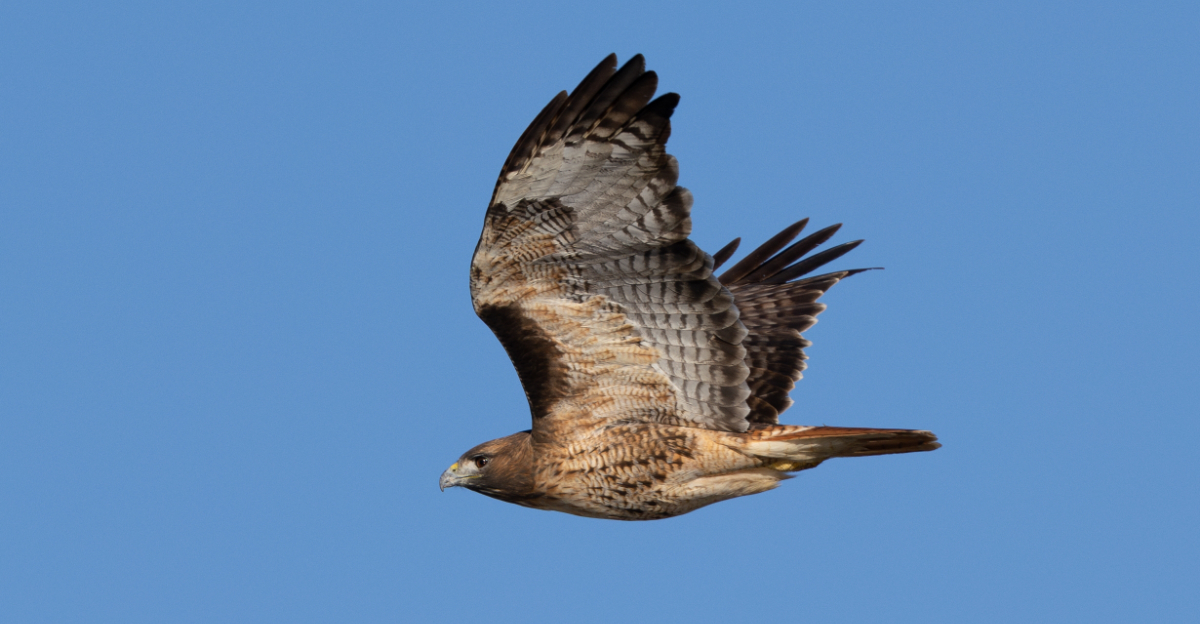
A large shape catches your eye on a crisp fall afternoon, gliding in slow, wide circles high above the yard. You stop what you’re doing and just watch for a moment, unable to look away.
There’s something about a hawk overhead that feels more deliberate than an ordinary bird sighting. Once you spot one circling, you start noticing how often it happens as the weather turns cooler each week.
Plenty of people assume it’s simply passing through, gone as fast as it showed up. But fall brings its own specific reasons why hawks linger and circle exactly the way they do above yards like this one.
Knowing what actually pulls them in changes how you might read that next silhouette overhead. A handful of seasonal shifts explain exactly why this happens right now, and none of them are as random as they seem.
1. They Are Riding Warm Air On Their Fall Migration
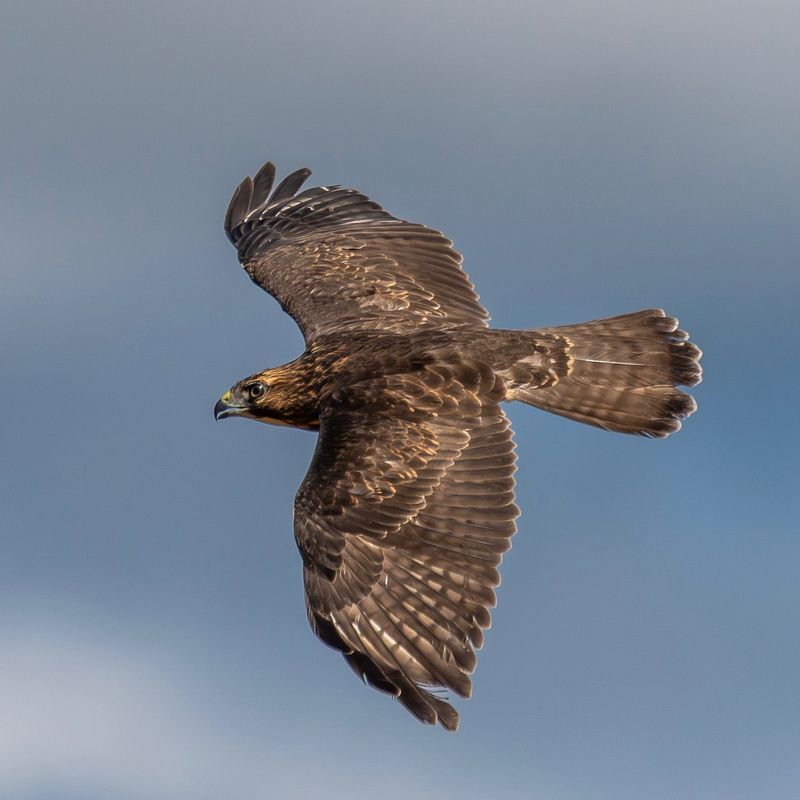
Picture a bird that barely flaps its wings yet stays high for hours. That lazy, looping flight is often a sign of migration in full swing.
Michigan sits along important migration routes, and fall is prime time for hawks heading south. Species like broad-winged hawks gather into groups called kettles, spiraling upward on columns of warm rising air known as thermals.
These thermals form when the sun heats the ground and pushes warm air skyward. Hawks ride them like an elevator, gaining height without wasting energy, then glide toward the next lift.
Your yard might simply sit under one of these invisible highways. Places near Lake Erie and the Detroit River, such as the Detroit River Hawk Watch, record thousands of migrating hawks each autumn.
If you see many birds circling together and drifting in one direction, you are probably watching travelers rather than local residents. They are not hunting your yard, just passing through on a long trip.
Mid-September often brings the biggest broad-winged movements in Michigan, so keep your eyes up around then. Cool, clear days with light winds after a cold front tend to be busiest.
Grab binoculars and enjoy the free nature show while it lasts. Once the birds catch enough height, they will peel off and continue south, sometimes toward Central and South America.
Seeing a kettle overhead is a special treat. It means your little patch of Michigan connects to a journey covering thousands of miles.
2. Your Bird Feeder Turned Into A Hawk Buffet
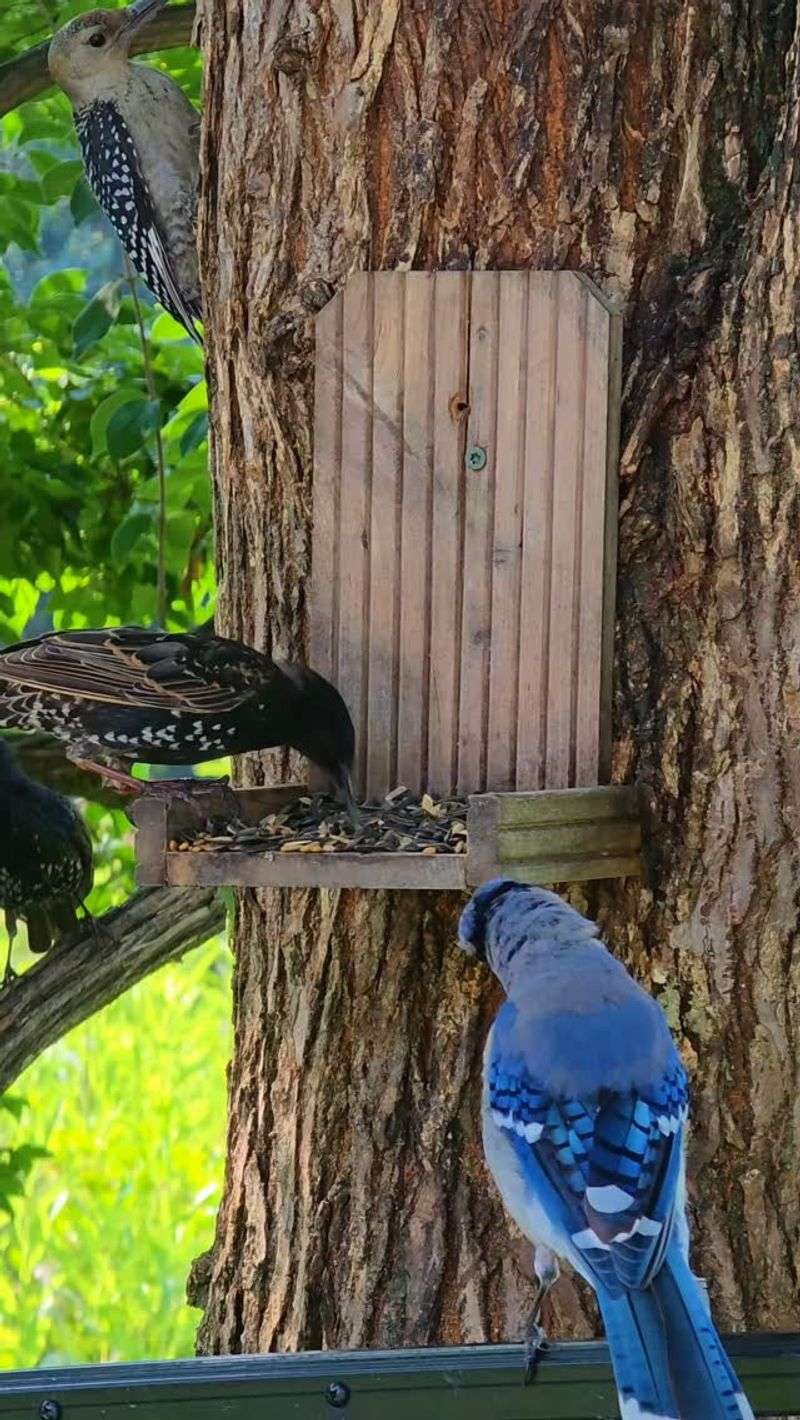
Here is a twist many folks do not expect: feeding songbirds can also feed hawks. Where small birds gather, hunters take notice.
Two Michigan regulars, the Cooper’s hawk and the smaller sharp-shinned hawk, specialize in catching other birds. They watch busy feeders the way you might watch a snack table at a party.
When one starts circling above your yard, it may be scouting the crowd of sparrows, finches, and doves you have gathered. This behavior is completely natural and part of a healthy food chain.
The hawk is not doing anything wrong. It is simply finding an easy meal where prey is plentiful and predictable.
Your Michigan Garden Changes Every Week. Your Plan Should Too.
Gardening in Michigan changes quickly throughout the season. Every Friday you’ll receive a simple weekly plan showing exactly what to plant, prune, fertilize, harvest, and protect so you never miss the right timing.
If the visits bother you, try pausing your feeders for a week or two. Without a reliable buffet, songbirds spread out and the hawk usually moves along.
Placing feeders near shrubs or brush piles also helps. Small birds can dive into cover quickly, giving them a fair chance to escape.
Avoid open feeder setups in the middle of the lawn during fall, since they leave songbirds exposed. A little shelter goes a long way toward balance.
Remember that all hawks are protected under the federal Migratory Bird Treaty Act. Harming them is against the law, so peaceful solutions are the only way to go.
Watching a Cooper’s hawk hunt can actually be thrilling. You are witnessing skilled flying and sharp instincts right in your own backyard.
3. Rodents And Squirrels Are Throwing A Feast
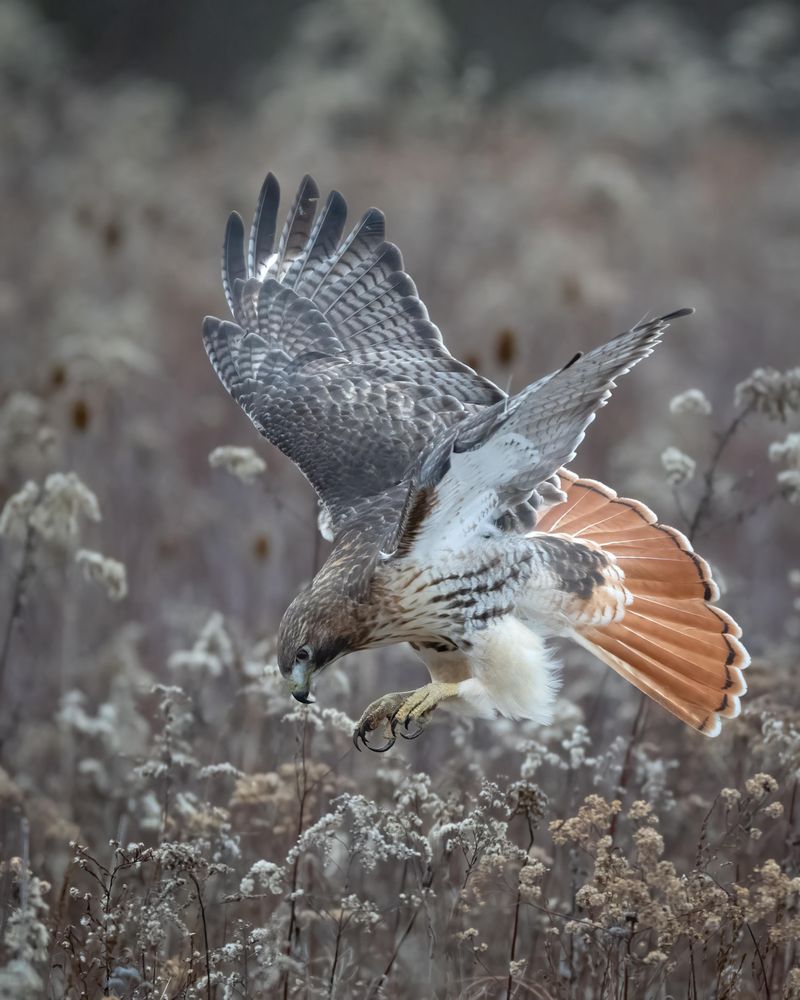
Fall is harvest season, and not just for people. Squirrels, chipmunks, mice, and voles get busy stashing food, which makes them easy to spot.
All that scurrying draws the attention of the red-tailed hawk, Michigan’s most common large hawk. These birds love open areas where they can see movement below.
When a red-tail circles slowly and stares down at your lawn, it is probably scanning for a rodent snack. Their eyesight is roughly eight times sharper than ours, so nothing goes unnoticed.
A yard with tall grass, bird seed scattered on the ground, or a fallen fruit tree can attract plenty of rodents. That, in turn, attracts hungry hawks.
If you want fewer circling visitors, tidy up the buffet on the ground. Sweep spilled seed, secure compost, and clear brush where mice like to hide.
Honestly though, a hawk hunting rodents is doing you a favor. Fewer mice and voles means less nibbling on your garden and fewer critters trying to sneak indoors for winter.
Think of the red-tail as a free, natural form of pest control. It works quietly and asks for nothing in return.
You can enjoy the sight without worry, since these hawks focus on small mammals rather than pets. A leashed dog or supervised cat has little to fear.
Next time one circles low, appreciate the teamwork. Your yard offers a meal, and the hawk helps keep the rodent numbers in check.
4. That Circling Is A Territory Announcement
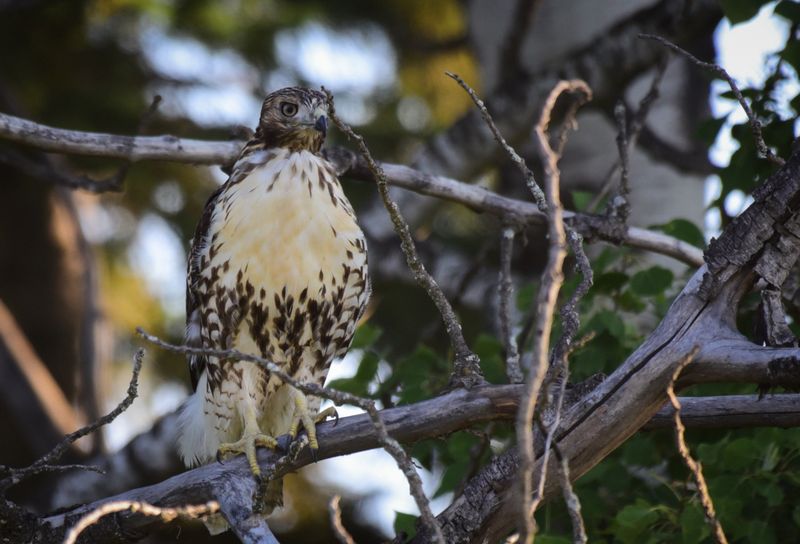
Sometimes those loops in the sky are more like a billboard than a hunt. Hawks use circling flight to say, this space is mine.
During fall, some resident hawks in Michigan stick around instead of migrating. They defend feeding grounds where prey stays available through the cooler months.
A hawk soaring in wide, high circles over the same patch day after day may be marking its claim. It wants other hawks to know the boundaries.
You might even hear that famous sharp scream, the raspy keeeeer often used in movies. Red-tailed hawks make this call while patrolling their turf.
If two hawks circle together and one dives at the other, you could be watching a border dispute. These aerial spats sort out who gets which hunting area.
For your yard, this simply means a hawk considers your neighborhood a good place to live. Steady food and safe perches make an area worth defending.
Tall trees, utility poles, and fence posts give hawks lookout spots to watch over their claim. Michigan’s mix of woods and open fields is ideal for this.
There is nothing to fear from a territorial hawk. It is focused on rivals of its own kind, not on you or your daily routine.
Enjoy having a full-time neighbor with feathers. A resident hawk often becomes a familiar face, returning to the same perch season after season.
Over time you may learn its habits and favorite spots. That connection turns your yard into a small window on wild behavior.
5. A Fresh Batch Of Young Hawks Is Learning To Fly
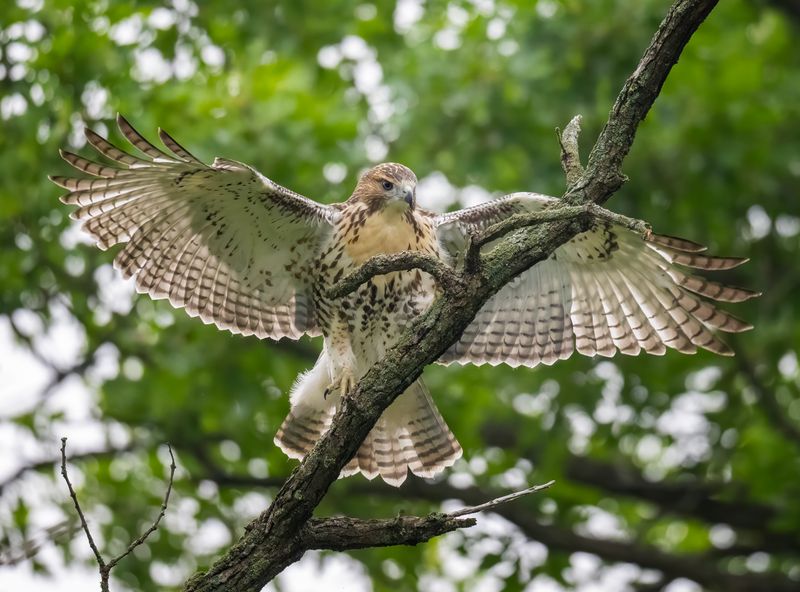
Every autumn brings a wave of rookies to the sky. Young hawks hatched that spring are now testing their wings on their own.
By fall, these juveniles have left the nest and must figure out flying and hunting solo. Their circling can look a bit clumsy compared to the smooth loops of adults.
In Michigan, young red-tailed and Cooper’s hawks often wander widely as they search for their own space. Your yard might just be one stop on their learning tour.
You can sometimes spot a youngster by its streaky brown chest and slightly awkward turns. They flap more and glide less than experienced birds.
These teenagers are curious and still figuring out what counts as food. That is why a young hawk might perch on a low branch and study everything for a long time.
They are not a threat to large pets, though tiny outdoor animals are safest supervised during any hawk season. A little caution keeps everyone comfortable.
Watching a juvenile practice is genuinely charming. You can almost see it building confidence loop by loop.
Fall is a tough stretch for these newcomers, since many young hawks struggle to find enough food their first winter. The ones circling your yard are working hard to survive.
Rooting for them feels natural once you understand their story. Each successful hunt is a small victory in a big learning curve.
If you keep seeing a scruffy young hawk return, you are watching a wild creature grow up right before your eyes.
6. Cooler Weather And Cold Fronts Push Them Overhead
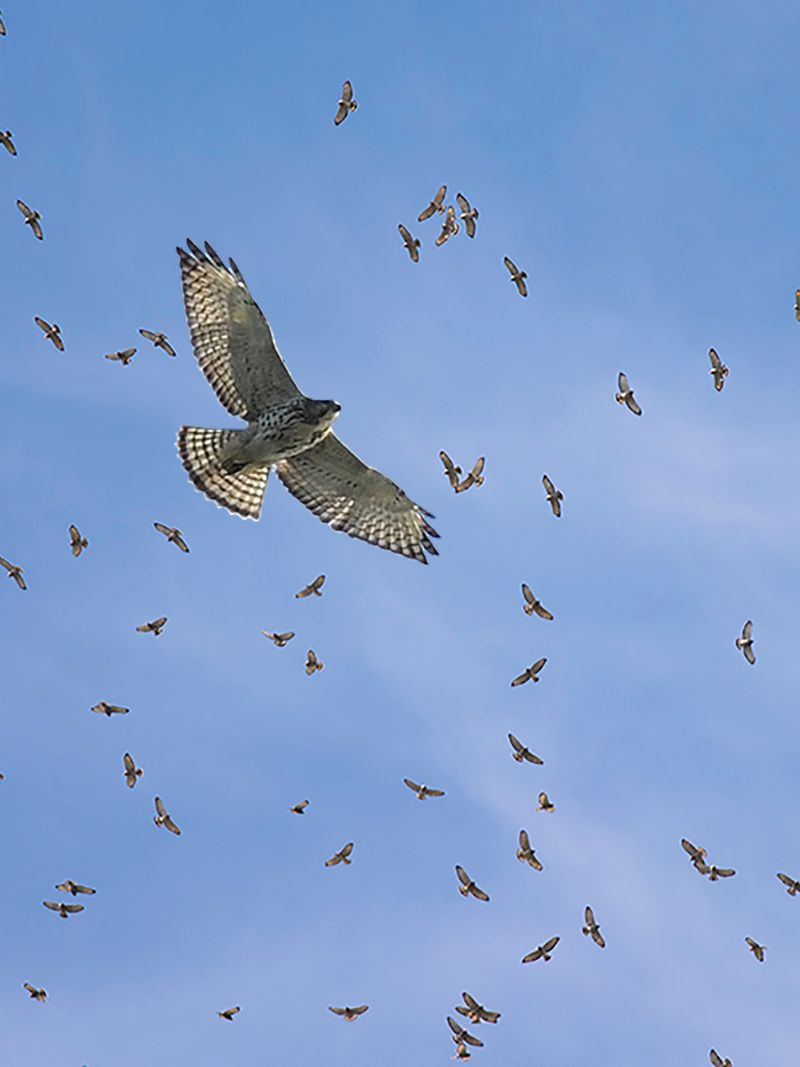
Weather is like a starting gun for migrating hawks. A crisp cold front can send them streaming across skies almost overnight.
When northwest winds sweep in behind a front, hawks use them to glide efficiently toward the south. The birds save energy by letting the breeze do part of the work.
That is why you might see many hawks circling on one clear, cool day and almost none the next. Their movement follows the weather closely.
Michigan’s Great Lakes shape these patterns in a big way. Hawks avoid crossing wide open water, so they funnel along shorelines and pile up at spots like the Keweenaw Peninsula.
If your yard sits near a lake or ridge, cold fronts may bring surprise crowds overhead. The days right after the wind shifts are usually the most active.
Sunny mornings help too, since warming ground creates the thermals hawks love. Combine sunshine with a helpful wind, and the sky can fill with circling shapes.
Keeping an eye on the forecast can turn you into a backyard hawk watcher. Plan to look up on bright days following a September or October cold snap.
The circling you see during these times is mostly about travel, not hunting. The birds are simply climbing high before gliding onward.
There is a real thrill in matching the weather to the wildlife above. You start to predict when the show will happen and rarely miss it.
Bundle up, look up, and let the changing season deliver its feathered parade.
7. Your Yard Offers The Perfect Perch And Lookout
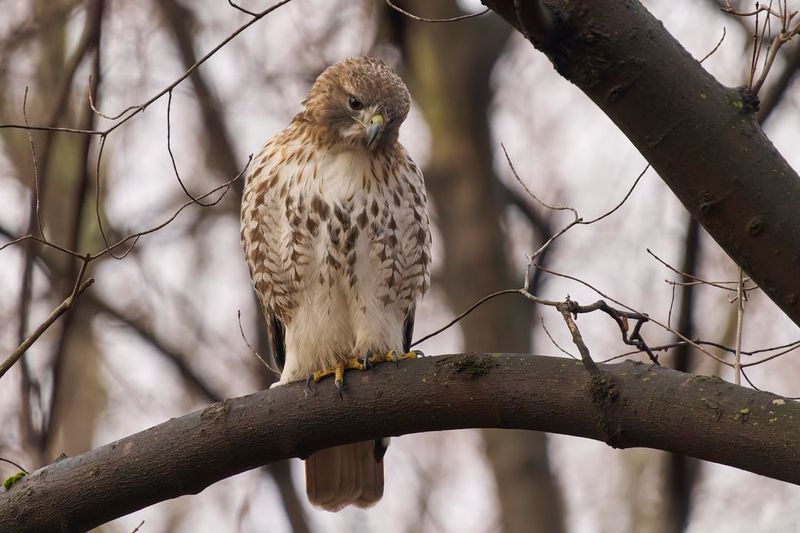
Real estate matters to hawks just like it does to us. A good lookout can make your yard a regular hangout.
Hawks love tall, sturdy perches that give a clear view of the ground below. A big oak, a wilted snag, a light pole, or a rooftop antenna all fit the bill.
In autumn, many trees drop their leaves, opening up sightlines that were hidden all summer. Suddenly hawks can see and be seen from those bare branches.
If your property has a mix of open lawn and tall structures, you have basically built a hawk headquarters. They circle to check the area, then settle on a favorite spot to watch.
Notice where a hawk lands again and again, and you have found its preferred station. Birds are creatures of habit and return to reliable perches.
This is usually good news for your landscape. A watchful hawk helps keep rabbits, mice, and voles from overrunning your garden beds.
You do not need to change a thing unless the visits worry you. If they do, adding netting over prized areas protects small creatures without harming the hawk.
Leaving a dry tree standing, when it is safe to do so, actually supports local wildlife. Many birds rely on these snags for perching and nesting.
Consider it a compliment that a sharp-eyed predator chose your yard. It means the habitat you have created feels safe and rich enough to be worth watching over.