Create A Mosquito-Resistant Georgia Yard With This Native Plant
Mosquitoes can turn a comfortable evening outside into a constant battle, so it is easy to understand why certain garden plants get attention. One Georgia native often enters that conversation because of its strongly scented foliage.
That fragrance becomes especially noticeable when the leaves are brushed or crushed. This is where expectations need to stay realistic, because growing one plant will not create an invisible mosquito barrier.
Still, thoughtful placement can make the plant a useful addition near spaces where you regularly sit outside. Its value also goes beyond the scent that first gets your attention.
Before adding it everywhere, learn how to use the plant effectively.
Pairing smart planting with proven mosquito control habits gives you a much stronger approach.
This native plant can play a supporting role while adding flowers and fragrance.
1. Meet Bee Balm, Georgia’s Fragrant Native Showoff
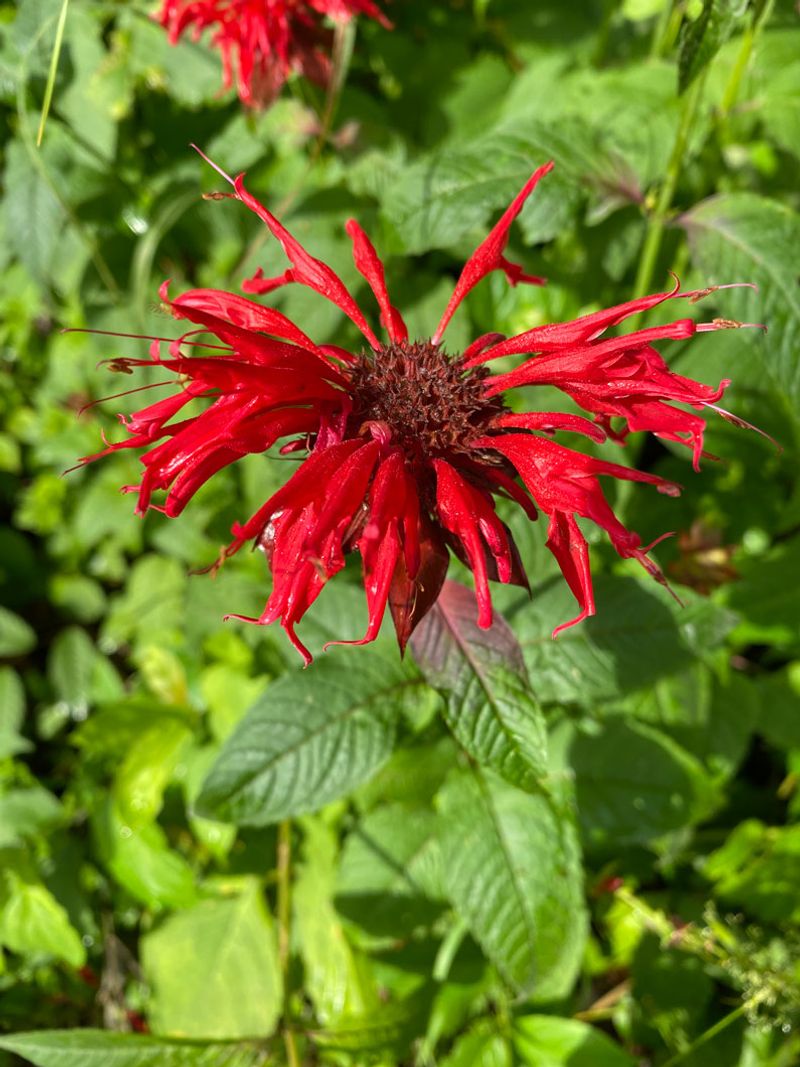
Brush your hand across a patch of Monarda didyma and you will understand the fuss right away. The leaves release a sharp, minty, almost oregano-like scent that lingers on your fingers.
Commonly called scarlet bee balm or Oswego tea, it belongs to the mint family and grows naturally in parts of the southeastern mountains, including north Georgia.
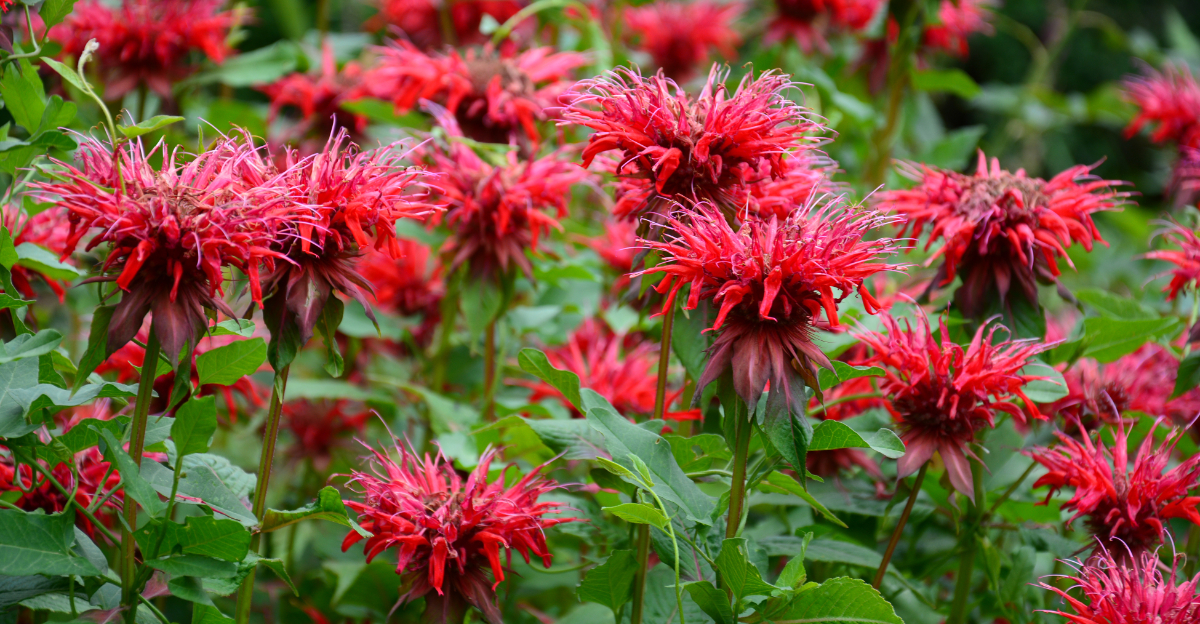
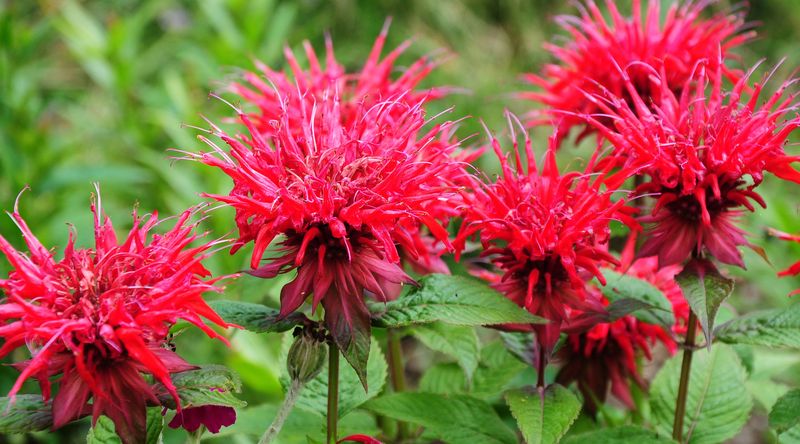
The flowers look like small fireworks frozen mid-burst, with ragged red petals ringing a central disk. Hummingbirds, bees, and butterflies visit them steadily through the warm months.
Scent released from undisturbed leaves is faint, and it will not clear a yard of mosquitoes.
Think of bee balm as one helpful piece of a larger plan rather than a single solution. Its real strength is that it earns its space anyway, feeding pollinators and adding color while offering a pleasant scent you can release by rubbing a leaf.
Fun bit of history, the name Oswego tea comes from a traditional beverage brewed from its leaves by Indigenous peoples and later colonists.
Beauty first, bonus fragrance second.
2. Why The Scent Matters More Than The Myth
Let us clear something up before anyone plants a hedge of bee balm and expects a bug-free porch. Fragrant foliage can influence insect behavior, but it does not build an invisible wall.
The practical takeaway is simple. If you want the fragrance to actually reach your nose and the air around you, you need to disturb the leaves.
Rub a few between your palms before you sit down. Snap off a sprig and set it on the table near your chair.
Some gardeners tuck crushed leaves into a pocket or rub them lightly on clothing, though it is wise to test a small skin patch first since plant oils can irritate sensitive skin.
Pair the plant with the things that genuinely reduce mosquito numbers, like emptying standing water weekly and running a fan on your patio.
Moving air disrupts flight, and mosquitoes are weak fliers. Bee balm adds a pleasant layer on top of that groundwork.
Planting it close to a patio or walkway also makes it easier to brush against the foliage and release its fragrance. The scent becomes more noticeable when the leaves are handled rather than left untouched.
Your Georgia Garden Changes Every Week. Your Plan Should Too.
Gardening in Georgia changes quickly throughout the season. Every Friday you’ll receive a simple weekly plan showing exactly what to plant, prune, fertilize, harvest, and protect so you never miss the right timing.
You can cut a few fresh sprigs whenever you plan to spend time outdoors.
Replace them once the fragrance begins to fade. This way, bee balm can complement the practical mosquito-control steps you are already using.
3. Sun, Soil, And The Georgia Clay Question
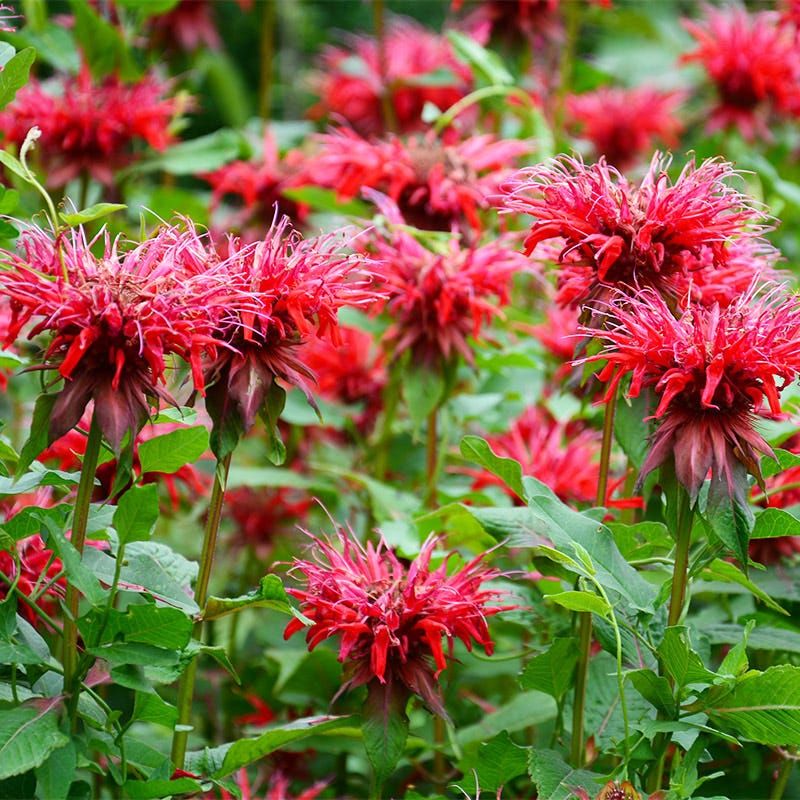
Georgia soil has a personality. In much of the Piedmont it is red clay that turns to brick in August and sticky paste in February.
Bee balm prefers rich, moist, well-drained ground, so heavy clay needs a little help before planting. Work in compost or aged leaf mold to loosen the structure and improve drainage.
Full sun produces the sturdiest stems and heaviest bloom, though the plant tolerates part shade. In hotter parts of the state, a spot with morning sun and light afternoon shade can reduce stress on the foliage.
Raised beds are a friendly option if your yard drains poorly. Soggy roots in winter tend to cause more trouble than summer heat.
Monarda didyma is generally rated for USDA zones 4 through 9, which covers Georgia from the mountains down toward the coastal plain.
South Georgia gardeners may find the plant less content in extreme summer humidity, so extra airflow and afternoon shade help.
Water during establishment and through dry spells, since the plant naturally grows in moist woodland edges and stream banks. Mulch keeps roots cooler and holds moisture.
Skip heavy fertilizer. Overly rich feeding can encourage floppy growth that leans and needs staking.
4. Tucking It Around Patios And Seating Spots
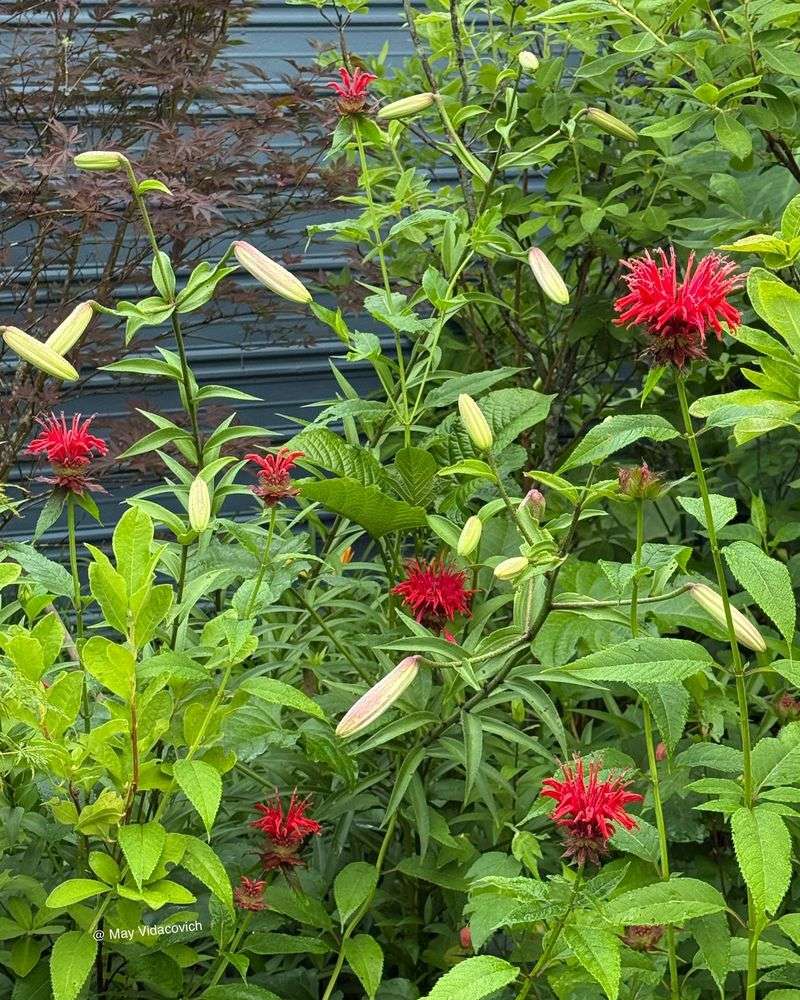
Placement is where bee balm gets interesting. The closer it grows to where you sit, the more likely you are to catch its scent on the breeze or brush against it walking by.
Line a border along the edge of a patio, or set it in large containers flanking the steps. Container growing also keeps the spreading roots in check.
Height matters when planning. Scarlet bee balm often reaches two to four feet tall, so it works better behind low edging plants than in front of them.
Along a walkway to the back door, the plants get bumped naturally by passing legs and arms. That gentle contact releases the oils without any effort from you.
Leave breathing room between plants, roughly a foot and a half to two feet, because good airflow reduces mildew problems in humid Georgia summers.
A pot on the table within arm’s reach is a clever move. You can pinch a leaf and pass it around while everyone settles in.
Consider the sightlines too. The red blooms look striking against a dark fence, a stone wall, or the deep green of a hedge.
5. Keeping Powdery Mildew From Crashing The Party
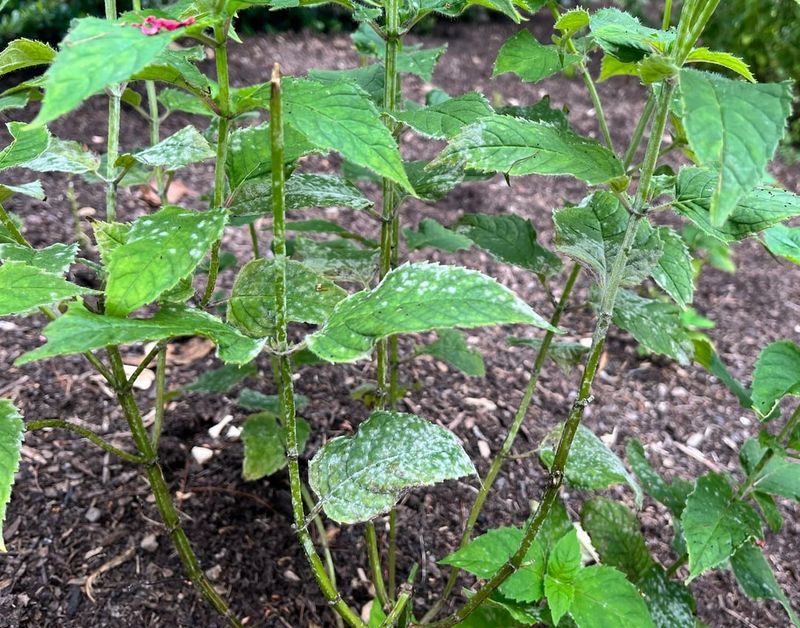
Ask any southern gardener about bee balm and powdery mildew will come up within thirty seconds. Humid air, crowded stems, and damp evenings create ideal conditions for that dusty white film.
The good news is that mildew usually looks worse than it is. Plants often bloom fine even with spotted lower leaves.
Prevention beats treatment here. Space plants generously so air moves freely through the clump, and thin crowded stems in spring.
Water at the base rather than overhead, and try to water earlier in the day so foliage dries before nightfall.
Cultivar choice helps a great deal. Several selections of Monarda have been bred and evaluated for improved mildew resistance, including well-known varieties often sold at Georgia garden centers.
Ask your local nursery or your county Extension office which selections have performed reliably in your part of the state. Local experience beats a catalog description.
Removing badly affected lower leaves can tidy the plant and reduce spore load. Clear fallen debris at the end of the season rather than letting it sit around the crown.
Avoid piling on nitrogen fertilizer, since lush soft growth tends to show mildew more readily.
If you accept a little late-summer spotting as part of the deal, bee balm remains a rewarding plant.
Perfect leaves are rare in a Georgia August anyway.
6. Wildlife That Shows Up For The Blooms
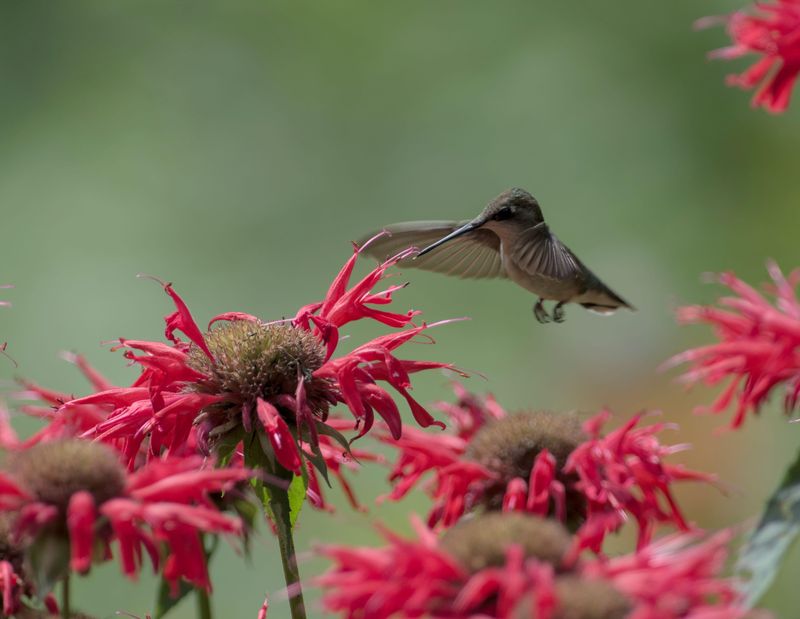
Plant bee balm and prepare for traffic. Those tubular red flowers are practically designed for ruby-throated hummingbirds, which nest across Georgia in the warm months.
Bumblebees push their way into the blossoms with comic determination. Butterflies and various native bees stop by throughout the bloom period.
Monarda supports specialist pollinators and moths as well, making it a genuinely useful native rather than just a pretty face.
There is a nice ripple effect worth mentioning. Yards with layered native plantings tend to support more insect-eating birds and other predators, which is a healthier long-term approach than chasing pests with sprays.
Broad-spectrum insecticides applied around a yard can harm bees and other beneficial insects, so keeping them away from blooming bee balm is a kindness to your visitors.
Deer generally leave aromatic mint-family plants alone, though hungry deer sometimes surprise everyone. Rabbits usually pass it by too.
Leave a few seed heads standing through fall if you like. Small birds occasionally pick at them, and the dried stems add winter texture.
Watching a hummingbird work a stand of bee balm at dusk is one of those small backyard pleasures that makes gardening feel worthwhile.
The pollinator activity alone justifies the space. The fragrant foliage just happens to be a pleasant bonus for the people sitting nearby.
7. Taming A Plant That Likes To Wander
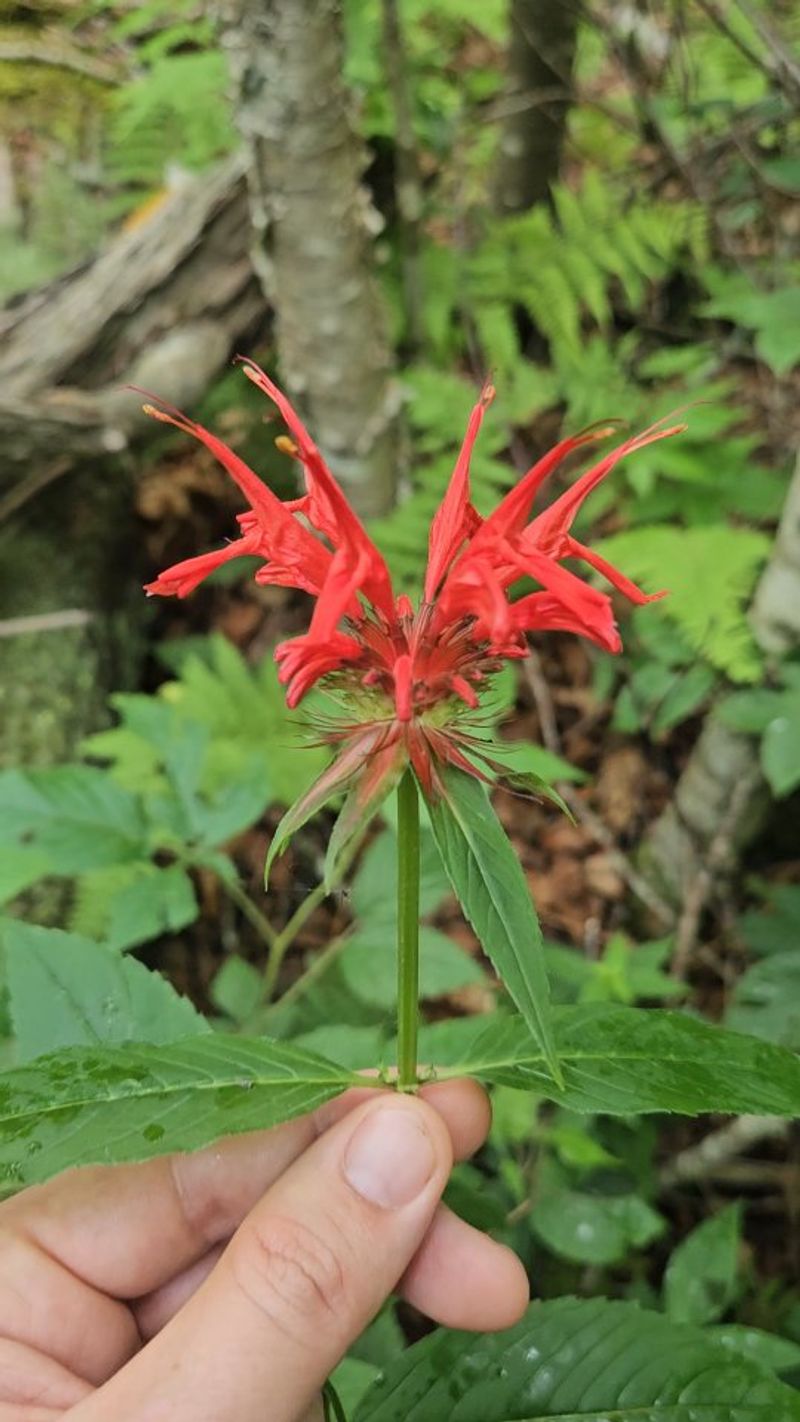
Mint family membership comes with a habit. Bee balm spreads by underground rhizomes, and a polite little clump can turn into a sprawling colony in a few seasons.
Some gardeners love that, especially in a naturalized bed or a pollinator meadow where filling space is the goal.
Others want tidier edges. Dividing the clump every couple of years keeps it vigorous and gives you free plants to move elsewhere or hand to a neighbor.
Early spring is a practical time to divide, when new shoots are just appearing. Lift the clump, cut it into sections with healthy roots, and replant at the same depth.
Container planting solves the spreading question entirely. A large pot on the deck keeps the roots contained and puts the fragrance right where you sit.
Buried edging or a bottomless nursery pot sunk into the bed can also slow lateral travel.
Older clumps sometimes hollow out in the center, which is a clear signal that division is overdue.
Cutting stems back after the main bloom flush can encourage a tidier shape and sometimes a lighter second round of flowers.
Please avoid digging plants from wild areas. Buy from reputable nurseries or native plant sales instead, which protects wild populations and gets you healthier stock.
A little management keeps this plant a welcome guest rather than a bully.
8. Building The Rest Of Your Mosquito Game Plan
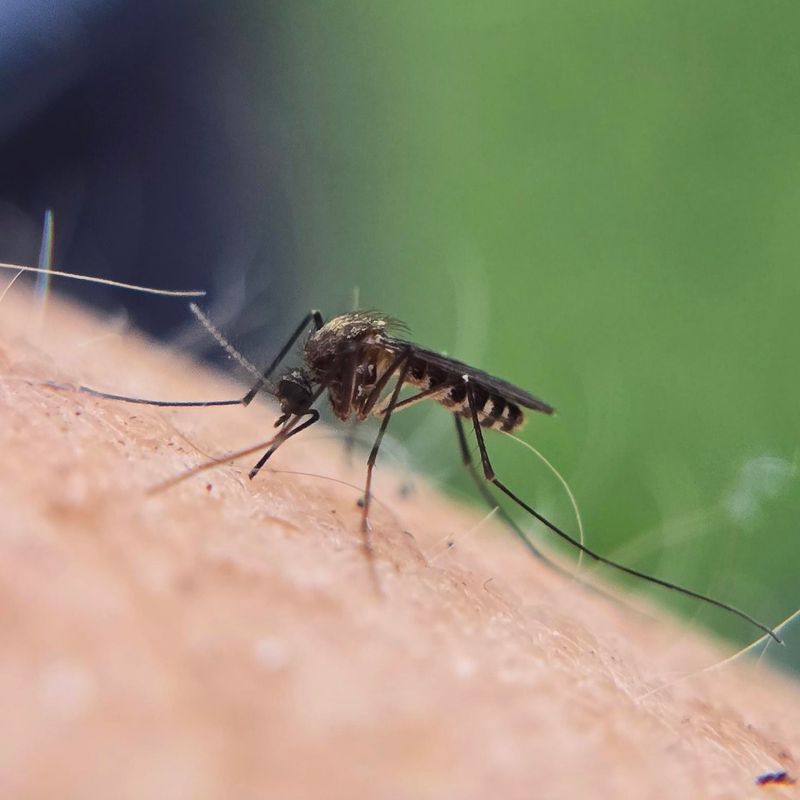
Bee balm plays a supporting role, so let us talk about the lead actors. Standing water is where mosquitoes reproduce, and removing it does more than any plant can.
Walk your yard weekly and tip out anything holding water. Saucers under pots, kids’ toys, clogged gutters, tarps, and wheelbarrows are common culprits.
Refresh birdbath water regularly. Mosquito larvae need several days in still water to develop, so frequent changes interrupt the cycle.
Fans make a noticeable difference on a patio.
Mosquitoes struggle in moving air, and a simple oscillating fan often improves an evening considerably.
For personal protection, EPA-registered repellents remain the most reliable option, and the CDC lists ingredients such as DEET, picaridin, and oil of lemon eucalyptus among effective choices.
Long sleeves and lighter clothing help during peak activity around dawn and dusk. Repair torn window screens while you are at it.
Layer bee balm into this picture as the plant that makes the space beautiful and smells wonderful when brushed. Pair it with other fragrant natives and pollinator favorites for a bed that earns its keep.