The Ohio Lawn Job You Should Finish Before September Gets Away From You
Think your lawn work is finally over because summer is winding down? Not so fast.
September is one of the most important months of the year for Ohio grass, and the choices you make now can shape how your yard looks when spring returns. After months of heat, foot traffic, mowing, and dry spells, your lawn is ready for a reset.
Cooler temperatures and fall moisture create the perfect conditions for roots to recover, new grass to grow, and your yard to rebuild its strength before winter arrives. A few simple jobs done at the right time can make a huge difference.
The trick is knowing what deserves your attention before September slips away and the cold weather moves in.
1. Give Your Ohio Lawn The Gift Of Air With Aeration
Picture your grass roots trying to breathe under a heavy blanket, that is what compacted soil does to a lawn.
Summer in our state packs the ground down hard, thanks to family cookouts, mower weight, and our thick clay soils.
Compaction is a big deal because tight soil blocks air, water, and food from reaching hungry roots.
Water just rolls off the top instead of soaking in, and fertilizer sits uselessly on the surface.
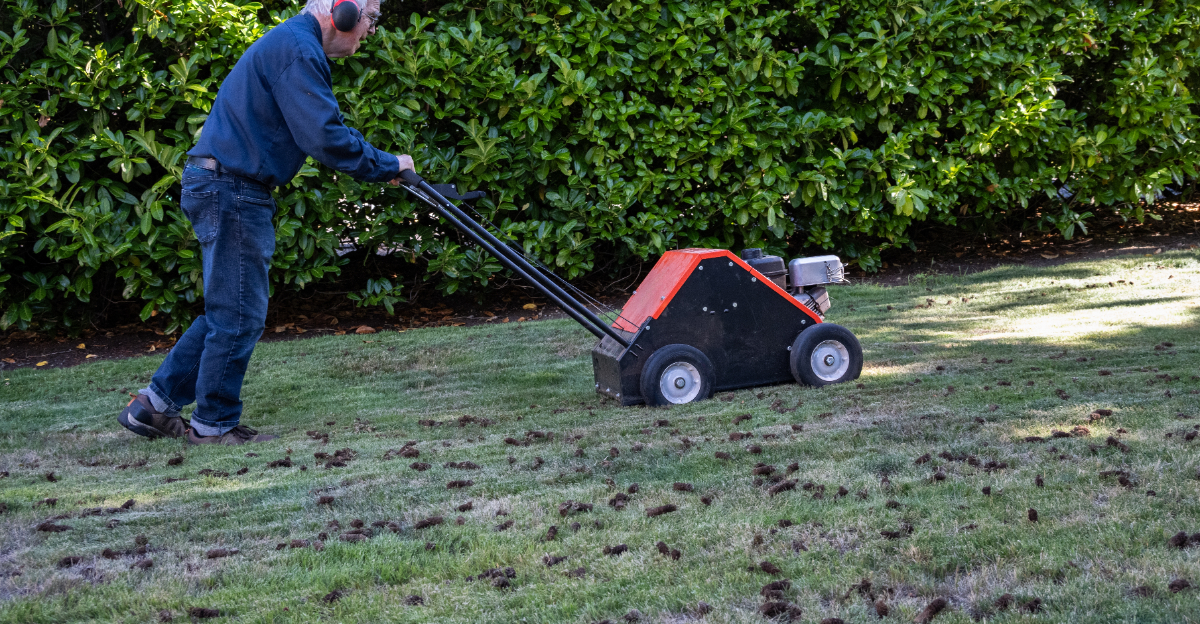
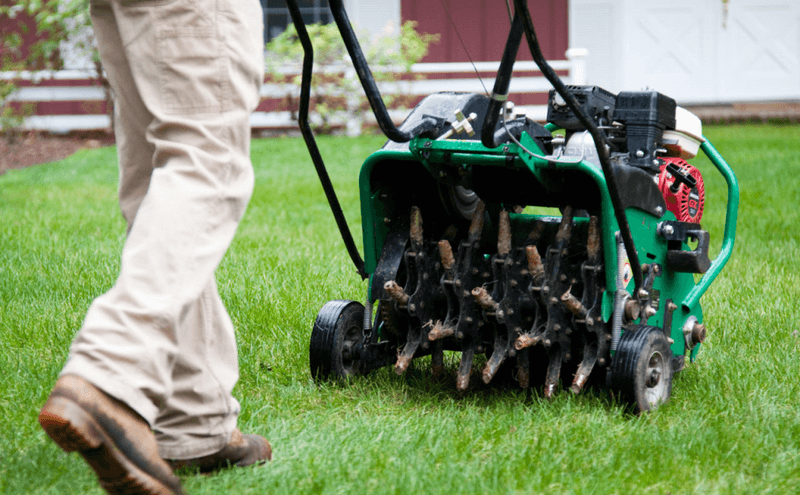
Core aeration fixes this by using a machine that pulls small plugs of soil and thatch out of your yard. Those little plugs look a bit like goose droppings, and you can leave them to break down and feed the soil.
The holes left behind become open doorways for oxygen, moisture, and nutrients to reach deep roots.
Drainage improves, thatch shrinks, and your grass grows sturdier and better at handling drought. Early fall is usually the best window for aeration across the state because warm soil helps roots recover while cooler weather reduces stress on the grass.
Water your lawn a day before so the ground is moist but not soggy, which makes plug removal easier. For yards full of clay, this single step sets the stage for a thick, healthy turf.
2. Transform Thin Areas With Targeted Overseeding
Right after you aerate, grab your grass seed, because overseeding is the perfect follow-up move.
Lots of lawns look tired and patchy once the summer heat finally lets up.
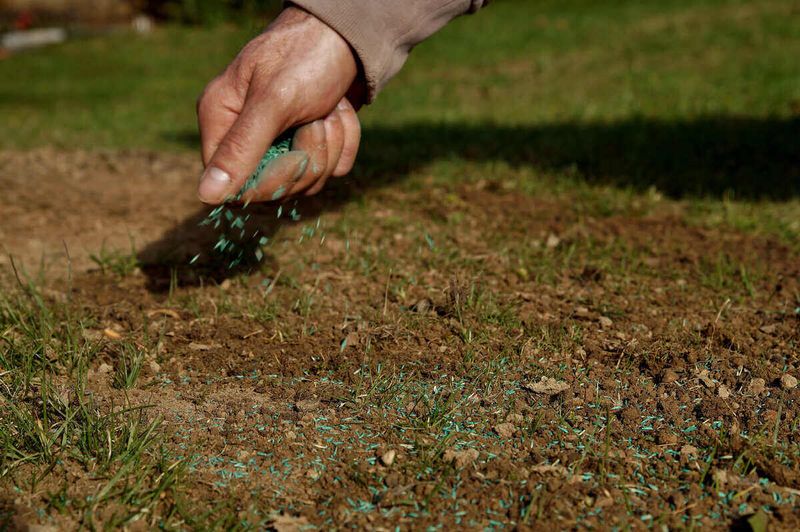
Spreading fresh seed into your existing grass fills bare spots and creates a thicker, fuller carpet of green.
Late summer into early fall is usually the best time for overseeding in Ohio, with September offering a great balance of warm soil and cooler air.
The soil still holds summer warmth, which helps seeds sprout quickly and confidently.
Cooler air and steadier rain give tiny seedlings the steady moisture they need without harsh heat. Weeds also slow down in fall, so your new grass gets breathing room to settle in.
Seeding right after aeration is smart because those holes give seeds great contact with the soil.
Reach for cool-season types like Kentucky bluegrass, turf-type tall fescue, or perennial ryegrass, all friendly to our weather.
Spread the seed evenly, rake it in lightly, and add a thin layer of compost for protection.
Your Ohio Garden Changes Every Week. Your Plan Should Too.
Gardening in Ohio changes quickly throughout the season. Every Friday you’ll receive a simple weekly plan showing exactly what to plant, prune, fertilize, harvest, and protect so you never miss the right timing.
Keep the top inch of soil moist until sprouts appear. Depending on the grass type and conditions, this can take anywhere from one to several weeks.
Skip heavy foot traffic and wait three to four weeks before any weed spray on these fresh spots.
3. Fuel Your Ohio Lawn With Essential Fall Fertilization
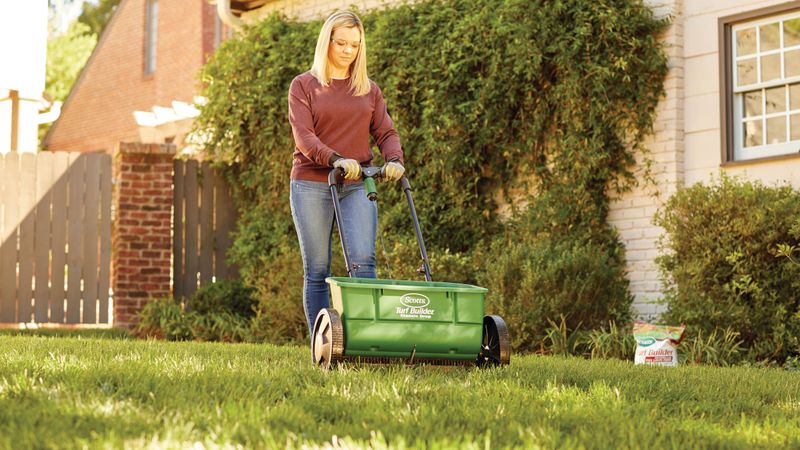
Many folks assume spring is feeding time, but fall fertilizing is one of the most important feedings of the year for cool-season lawns.
Even when the grass looks like it stopped growing on top, a lot is happening below the surface. Roots are busy soaking up energy and storing it to survive cold winter ahead.
Feeding now helps repair summer root damage and builds up a nice reserve of nutrients. The payoff shows up as a faster spring green-up, richer color, and better resistance to disease and stress.
Across most of the state, late August through mid October is the sweet spot for this application.
In Southwest Ohio, late September into mid October works especially well.
A fall fertilizer with the right balance of nutrients can help strengthen your lawn before winter. A soil test is the best way to know whether extra potassium is needed.
For general fall feeding, look for a product with plenty of nitrogen instead.
Slow-release granular fertilizer is a smart pick since it feeds steadily without wild growth spurts. A quick soil test can reveal exactly what your yard is missing, so you buy the right bag.
Spreading fertilizer soon after aerating and overseeding lets those nutrients reach roots directly for the best results.
4. Conquer Weeds Before Winter In Your Yard
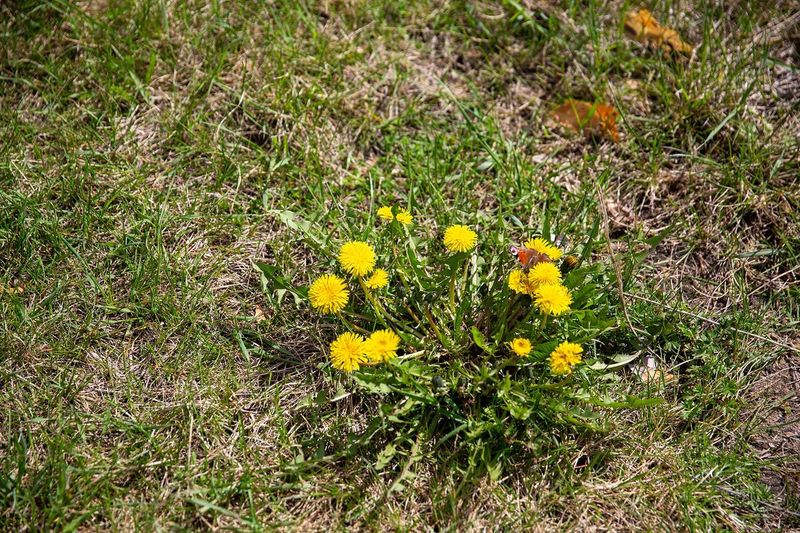
Just when you think summer weeds have quit, they often make a sneaky comeback in September.
Good news though, fall is the strongest season for beating broadleaf weeds in Ohio.
As temperatures drop, weeds pull nutrients from their leaves down into their roots to prepare for winter. That natural pull sends herbicides deep into the plant, giving you more complete and lasting control.
Instead of just wilting the tops, a well-timed fall spray reaches the whole weed, roots and all.
For visible troublemakers like dandelions, clover, creeping Charlie, or wild violet, fall applications are most effective while weeds are actively growing, often from September into October.
Products blending 2,4-D, MCPP, and dicamba handle a wide range of broadleaf weeds nicely.
Stubborn creeping Charlie often surrenders to a triclopyr-based formula.
Worried about winter annuals like henbit and chickweed? A pre-emergent applied in early October can stop them.
Here is the catch: never use pre-emergents where you just overseeded, since they block your new grass too.
Always read labels carefully, and avoid spraying a stressed or struggling lawn. Handling weeds now in the state means far fewer headaches come spring and a cleaner, denser yard.
5. Perfect Your Mowing And Watering Routine

Don’t roll your mower into the shed just yet, because your grass still needs regular cuts through fall.
Growth slows down in September, but mowing stays important until late October or early November in Ohio.
Now is a good time to set your mowing height around two and a half to three inches.
That slightly shorter cut keeps long blades from matting and lets sunlight reach the grass crown.
Keep your mower blades sharp too, since dull blades tear grass and leave frayed, weak edges.
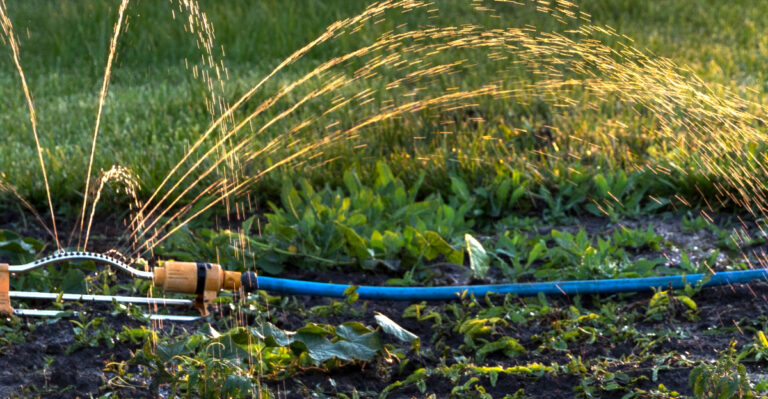
Your watering plan also deserves a fresh look, especially if you recently spread new seed. September brings more rain to our state, but don’t count on nature to do all the work.
Your lawn may still need supplemental water in September, especially during dry stretches. Aim for deep watering when rainfall is not enough to keep the grass healthy.
Deep, infrequent watering beats quick daily sprinkles because it pushes roots to grow further down.
Aim for one or two good soakings a week instead of light surface splashes. Water early in the morning, ideally before ten, so it soaks in before the sun burns it off.
Morning watering also lets blades dry before night, cutting the risk of fungal problems until the ground freezes.
6. Rake Or Mulch Fallen Leaves Regularly
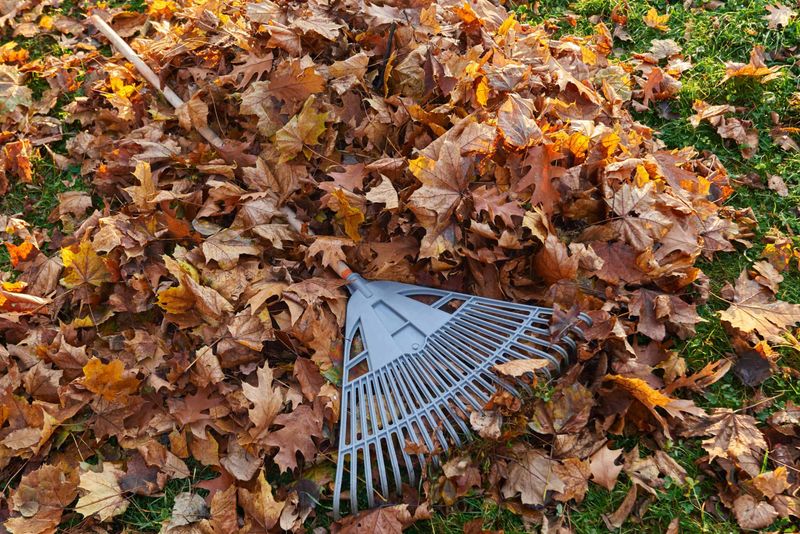
Those first colorful leaves drifting down feel like a cozy sign of fall in our state.
Left alone, though, they can turn into trouble for the grass hiding underneath. Thick, wet layers of leaves smother your lawn by blocking sunlight and trapping dampness.
That soggy, low-oxygen mess invites fungus and pests you really don’t want.
The simple fix is to rake or mulch the leaves often, ideally about once a week. A mulching mower is a real time-saver here, chopping leaves into tiny bits.
Those shredded pieces break down fast and feed your soil like a free, natural fertilizer.
You get double the benefit, a tidy yard and healthier ground at the same time. Staying on top of leaves during September keeps your grass breathing and growing strong.
Many homeowners save time by mulching instead of bagging every single weekend.
Regular cleanup also stops matted patches from forming where grass struggles to recover. Keeping leaves in check protects all the hard work you put into aerating and seeding.
Come spring, your lawn will thank you with fewer bare, moldy spots and steadier green growth.
7. Plan To Winterize Your Sprinkler System
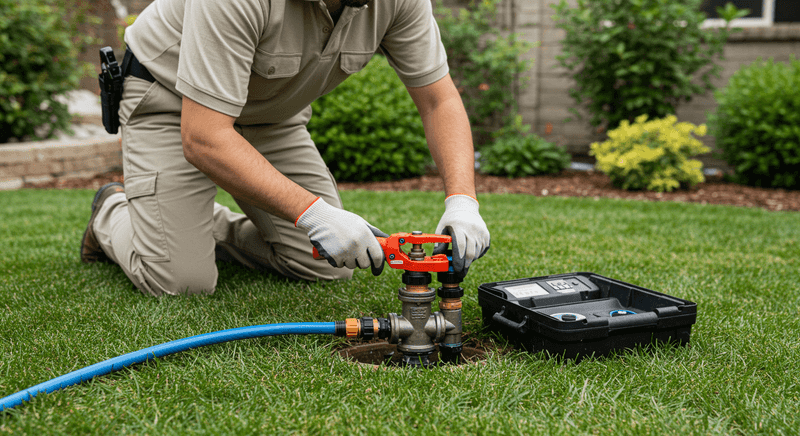
If you have an in-ground sprinkler system, September is the time to start thinking ahead about winter.
You will keep watering into late fall, but freezing weather is closer than it feels.
Before hard freezes hit the state, usually late October through mid November, you need to blow out your system.
Water left sitting in the pipes can freeze, expand, and crack them wide open.
A burst pipe means a messy, expensive repair waiting for you in the spring. Blowing out the lines pushes leftover water out with air pressure so nothing stays behind.
Some homeowners handle this themselves, while others hire a pro to do it safely.
Getting it scheduled early in the season means you won’t scramble when temperatures suddenly drop.
Ohio winters can arrive quickly, so putting this on your calendar now is a smart move.
Protecting your irrigation gear saves you money and stress once the growing season returns. Mark a reminder for late October so the job doesn’t slip your mind during busy fall days.
A little planning today keeps your watering system ready to spring back to life next year.
8. Collect A Soil Test For Smarter Lawn Care
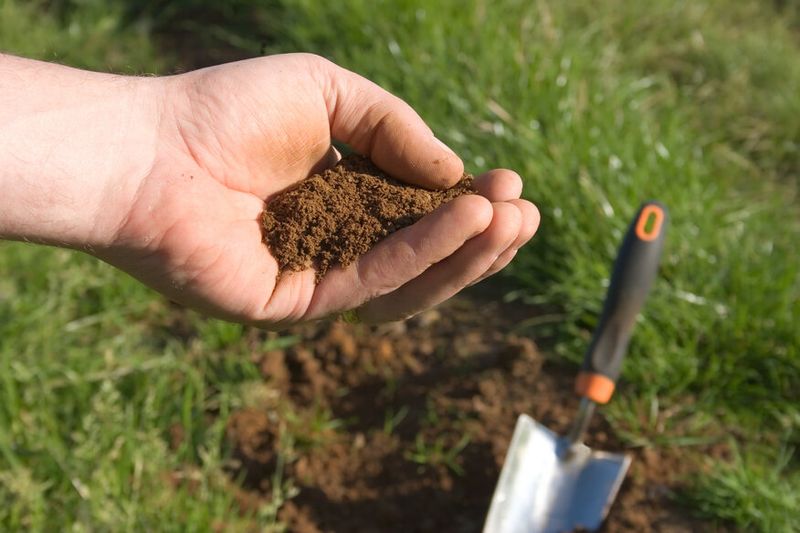
Ever wonder why your lawn seems to struggle no matter what you feed it? A soil test often holds the answer.
September is a great time to grab a sample and send it off for analysis.
Knowing your soil’s pH and nutrient levels lets you fine-tune your whole lawn care plan.
Instead of guessing, you can buy the exact products your yard actually needs. Most lawns grow best when soil pH stays slightly acidic, usually around 6.0 to 7.0.
If your test shows the number sitting too low, you can plan a lime application in October. Lime works slowly, taking several months to gently balance out the soil.
A fall treatment gives it plenty of time to do its job before the next growing season.
Corrected soil conditions help your grass use nutrients more efficiently, making your fertilizer applications more effective. Collecting a sample is easy, just gather bits of soil from a few spots around the yard.
Local extension offices can often help you send the sample to a lab.
Taking this step now means every dollar you spend on your lawn goes further and works smarter.
9. Reduce Thatch To Keep Grass Breathing
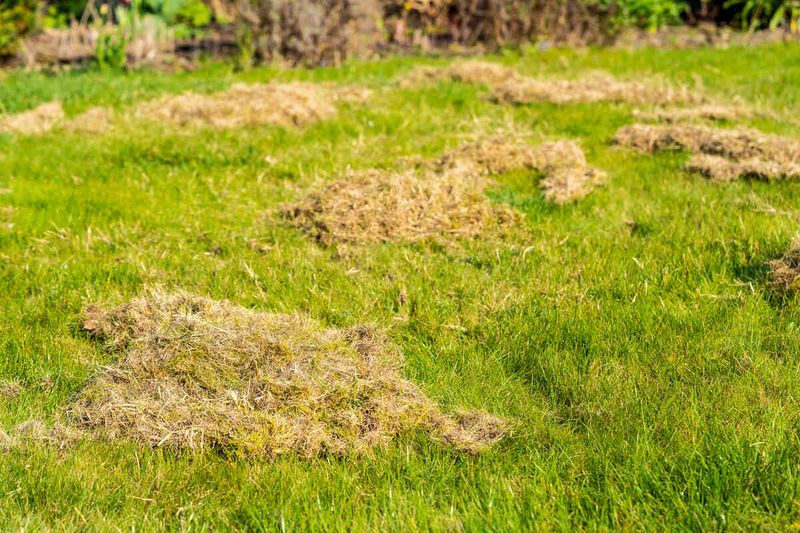
Thatch is a layer of organic material made from grass stems, roots, and other plant matter that builds up between the green blades and the soil surface.
A thin layer is fine, but too much acts like a barrier your lawn can’t push through.
Heavy thatch blocks water, air, and nutrients from reaching the roots that need them most. It also gives insects and disease a cozy place to settle in and cause trouble.
September’s cooler weather makes it a comfortable window to tackle thatch across Ohio.
The good news is that core aeration already helps break thatch down naturally. For thicker buildup, a dethatching rake or power rake pulls the extra material loose.
Once you rake it up, you can toss the debris into your compost pile.
Clearing thatch pairs perfectly with overseeding, since seeds finally reach bare soil. Your grass responds by growing deeper roots and drinking in moisture more easily.
Don’t go overboard, though, because ripping out too much at once can stress the lawn.
A gentle, well-timed dethatching in September leaves your yard breathing easy and ready to thrive next spring.