Disconnecting And Draining Your Garden Hose Can Reduce Freeze Risk For Wisconsin Outdoor Plumbing This Winter
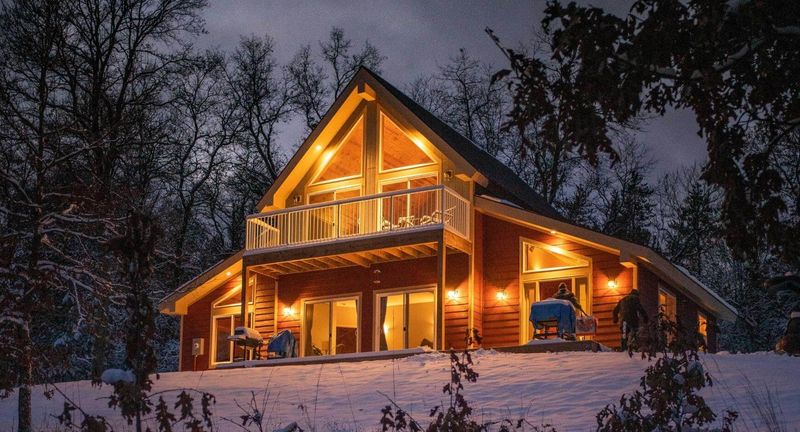
Every fall, Wisconsin homeowners tackle a long list of chores before the cold sets in, and one of the easiest to overlook is the garden hose still connected to the outdoor spigot. Leaving a hose attached when temperatures drop can trap water in the faucet assembly and, in some setups, in the pipe behind the wall, giving ice a foothold it would not otherwise have.
Disconnecting and draining that hose removes a preventable source of trapped water and helps the outdoor faucet work the way it was designed to. The steps are straightforward, and taking care of them before the first freeze can spare Wisconsin homeowners from a frustrating and potentially costly plumbing problem come spring.
Why Wisconsin homeowners should disconnect hoses before freezing weather
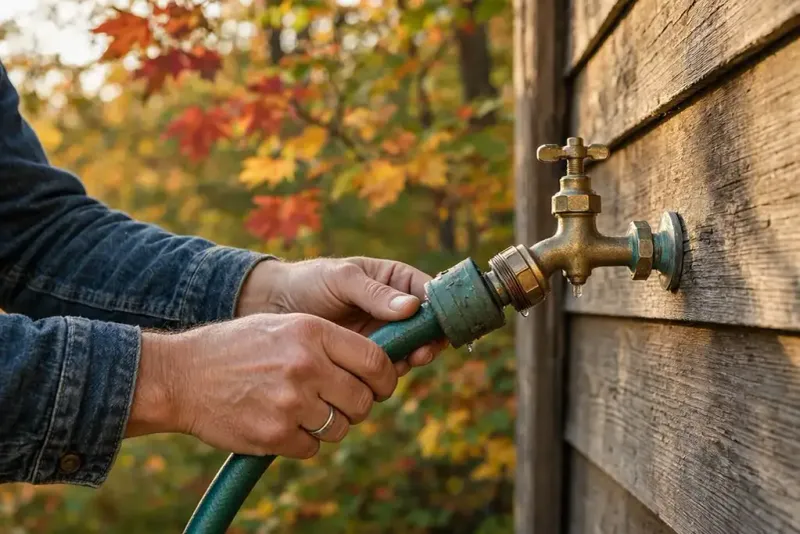
Winterizing a garden hose gets treated as a minor afterthought in Wisconsin, but the reason it belongs near the top of the fall checklist is specific: an attached hose can prevent an outdoor faucet from draining the way it was built to. When water has nowhere to go, it sits in the faucet assembly or in the short pipe section behind the exterior wall, and that standing water becomes a freeze risk once temperatures drop.
UW-Madison Extension in Chippewa County specifically advises Wisconsin residents to detach garden hoses when temperatures fall below freezing, framing it as a routine seasonal task rather than an emergency measure.
The distinction worth keeping in mind is between the hose itself and the faucet assembly it connects to. A disconnected, fully drained hose left outdoors may wear faster from repeated temperature swings, but it is unlikely to cause damage to the home’s plumbing.
The real concern is the attached hose, along with any timers, splitters, or spray nozzles left on the faucet, because those fittings can hold water and block the spigot’s drainage path.
Illinois Extension’s outdoor plumbing winterization guide makes this point clearly, noting that attached hoses allow water to remain in the line.Disconnecting and draining a hose reduces one preventable source of freeze damage, but it cannot guarantee that every pipe in a Wisconsin home will come through winter intact. Insulation quality, faucet installation, pipe material, and the severity of the cold all play a role.
Oregon State University Extension’s hose storage guidance reinforces that a drained, disconnected hose is a much lower risk than one left full and attached. Think of hose winterization as sensible Wisconsin maintenance, one step in a broader fall routine, not a single action that solves every outdoor plumbing concern.
How freezing water creates pressure in Wisconsin plumbing
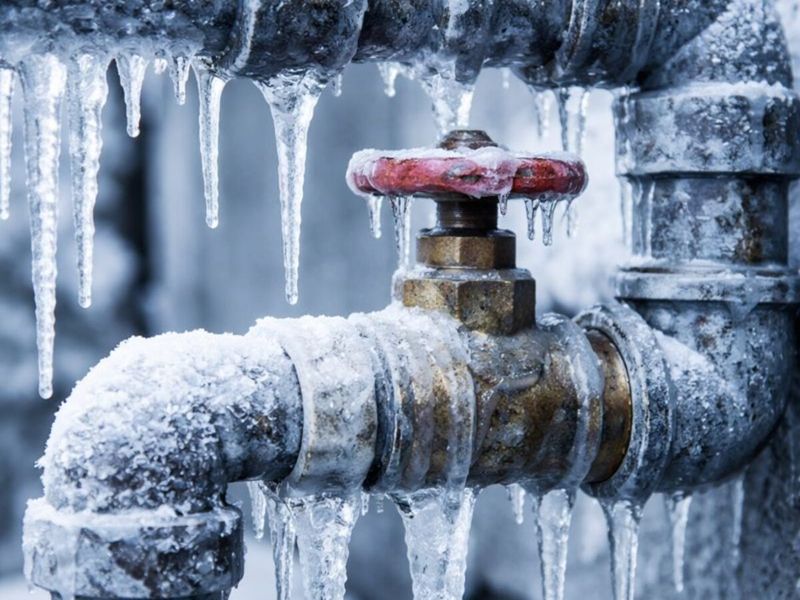
Water behaves differently from most substances when it gets cold enough to freeze. Rather than shrinking, it expands, and the U.S.
Geological Survey confirms that water increases in volume by approximately 9% when it transitions to ice. In an open environment, that expansion is harmless.
Inside a confined plumbing section with nowhere for the water to go, that same expansion can generate pressure capable of stressing fittings, cracking faucet bodies, or damaging the pipe itself.
Your Wisconsin Garden Changes Every Week. Your Plan Should Too.
Gardening in Wisconsin changes quickly throughout the season. Every Friday you’ll receive a simple weekly plan showing exactly what to plant, prune, fertilize, harvest, and protect so you never miss the right timing.
Wisconsin homeowners sometimes picture a pipe wall simply splitting under the direct push of expanding ice, but the actual failure can be more complicated than that. Pressure may build in the water column between a closed shutoff valve and a developing ice plug, or it can accumulate in a faucet assembly where an attached hose has prevented drainage.
The location of the freeze, the design of the faucet, the pipe material, and how long temperatures stay below freezing all influence whether and where damage occurs. There is no single mechanical sequence that describes every plumbing failure, and a brief overnight dip to 31 degrees Fahrenheit is not the same threat as several days of single-digit cold in a northern Wisconsin location.
The garden hose is not the same as a household water pipe, and it is worth keeping that difference clear. A hose that freezes while still attached to the spigot is a problem primarily because it can trap water in the faucet assembly or the pipe behind the wall, not because the hose itself will damage the home.
Illinois Extension notes that attached hoses can allow water to remain in outdoor plumbing lines, which is exactly the condition that makes freezing temperatures more dangerous. Oregon State Extension adds that a fully drained, disconnected hose poses far less risk than one left full and connected, even through a Wisconsin winter.
Use Wisconsin’s local forecast, not a statewide winterization date
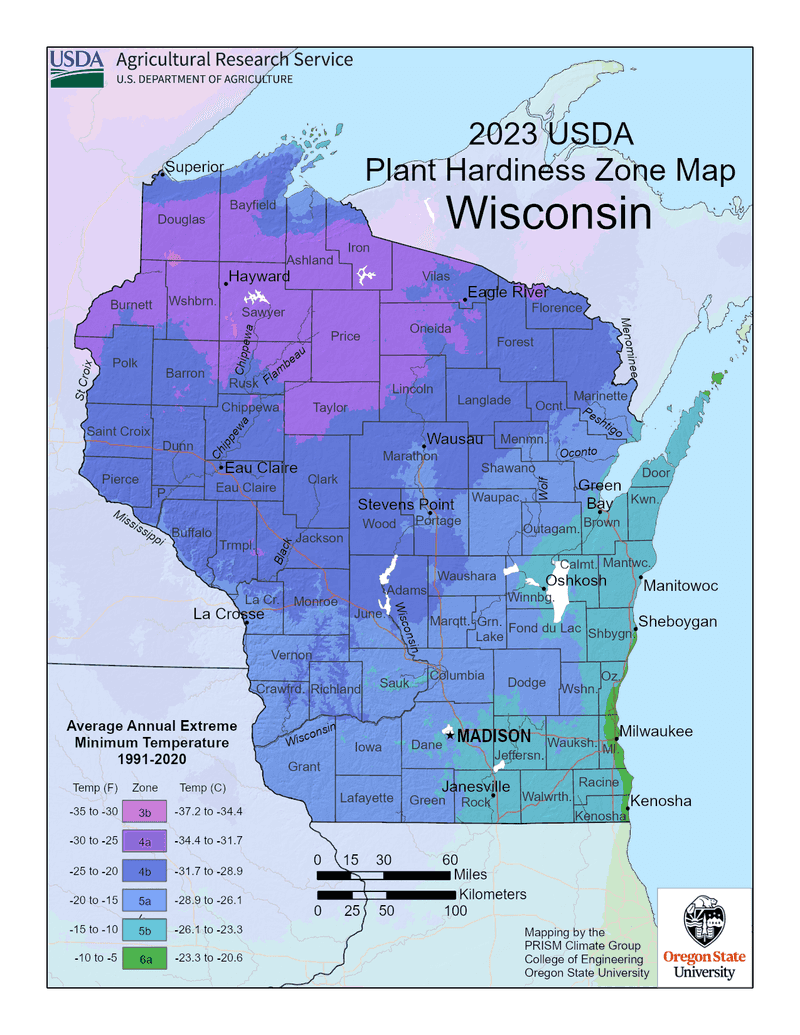
One of the most common mistakes Wisconsin homeowners make with outdoor plumbing is waiting for a specific calendar date rather than watching the actual forecast. Wisconsin’s first fall freeze does not arrive on the same day everywhere in the state, and the difference between locations can be significant.
National Weather Service climate data for southern Wisconsin shows that Milwaukee averages a first fall freeze around October 22, while Madison’s average falls closer to October 7. Move north into Wisconsin’s lake country or the northern counties, and the first freeze can arrive weeks earlier still.
Lake Michigan and Lake Superior influence temperatures in communities near their shores, sometimes delaying the first frost compared with inland Wisconsin locations at the same latitude. Rural properties, low-lying areas, and spots with minimal tree cover can see freezing conditions earlier than nearby towns.
The National Weather Service distinguishes a standard freeze at 32 degrees Fahrenheit or below from a hard freeze at approximately 28 degrees or below, and the two carry different implications for outdoor plumbing exposure and risk.
A brief overnight temperature dip to 31 degrees followed by a warm afternoon is a different situation from several consecutive nights at 20 degrees. The practical approach for Wisconsin homeowners is to treat the local forecast as the trigger: when sustained or repeated freezing temperatures are expected for your specific location, that is the time to disconnect the hose, remove attachments, and complete the outdoor faucet procedure.
Checking a Wisconsin-specific weather service rather than relying on a regional date gives a much more accurate sense of when to act, and it keeps the task grounded in actual conditions rather than a general rule that may not apply to your property.
Follow this Wisconsin hose-disconnection and drainage sequence
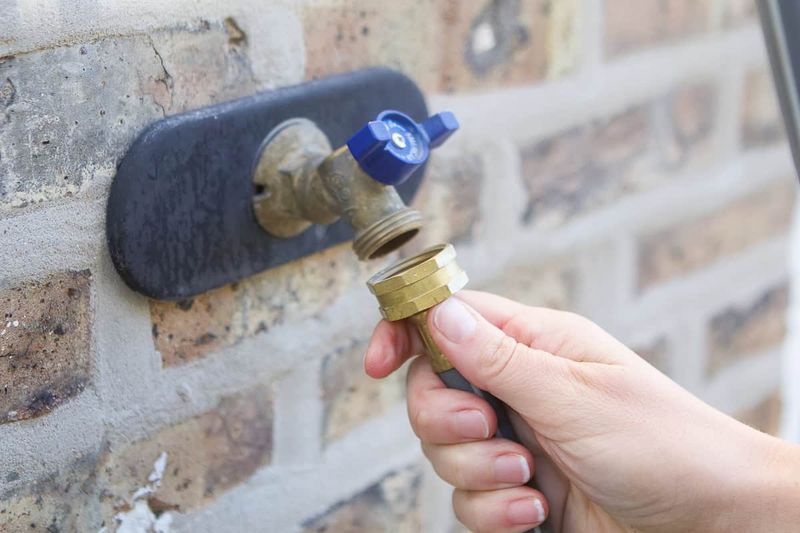
Starting the process before a freeze is predicted for your Wisconsin location gives you the most flexibility. Begin by turning off the outdoor faucet fully and then unscrewing the hose from the spigot.
Before moving on, check for any additional fittings still attached to the faucet or the hose end: timers, hose splitters, spray nozzles, inline filters, and backflow preventers can all hold water and should be removed and drained separately. Illinois Extension specifically recommends removing these attachments because they can retain water or physically block the faucet from draining as designed.
If the hose connection feels stiff or the fitting appears seized, do not force it. A frozen or corroded connection can be damaged by aggressive turning, and a faucet body that is already stressed by cold is more vulnerable to cracking.
Let the fitting warm up if temperatures allow, or contact a plumber if the connection will not move safely. University of Georgia Extension guidance on winterizing outdoor pipes cautions that frozen hoses are more fragile and should not be forced during freezing weather.
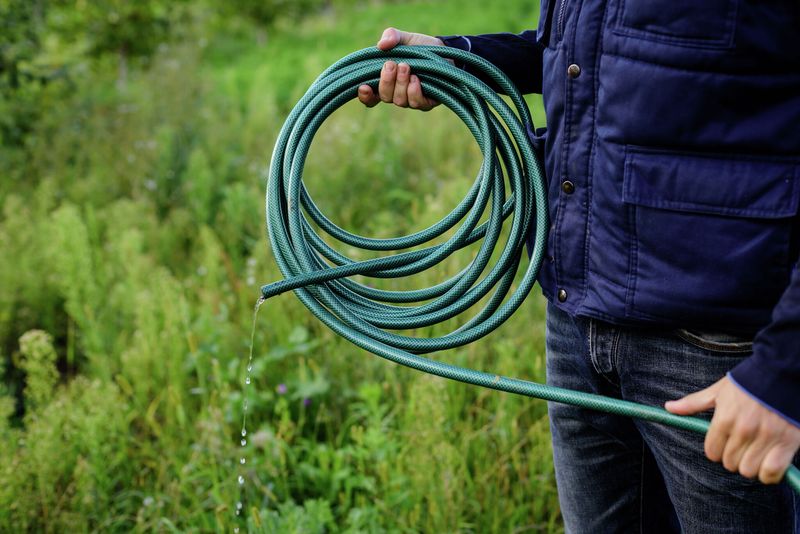
Once the hose is disconnected, drain it completely before storage. Drape the hose over a fence rail, deck railing, or raised surface and let gravity pull the remaining water toward the lower end.
Work along the length of the hose if needed to move water toward the open end. A fully drained hose is far less likely to split during cold weather because there is nothing left to expand inside it.
Oregon State University Extension recommends this gravity-drain method and notes that storing the drained hose in a sheltered Wisconsin location, such as a garage or shed, can extend its service life by reducing exposure to repeated temperature swings. If indoor storage is not possible, a drained and disconnected hose may remain outdoors, though it will age faster than one kept sheltered through a Wisconsin winter.
Winterize the Wisconsin outdoor faucet separately
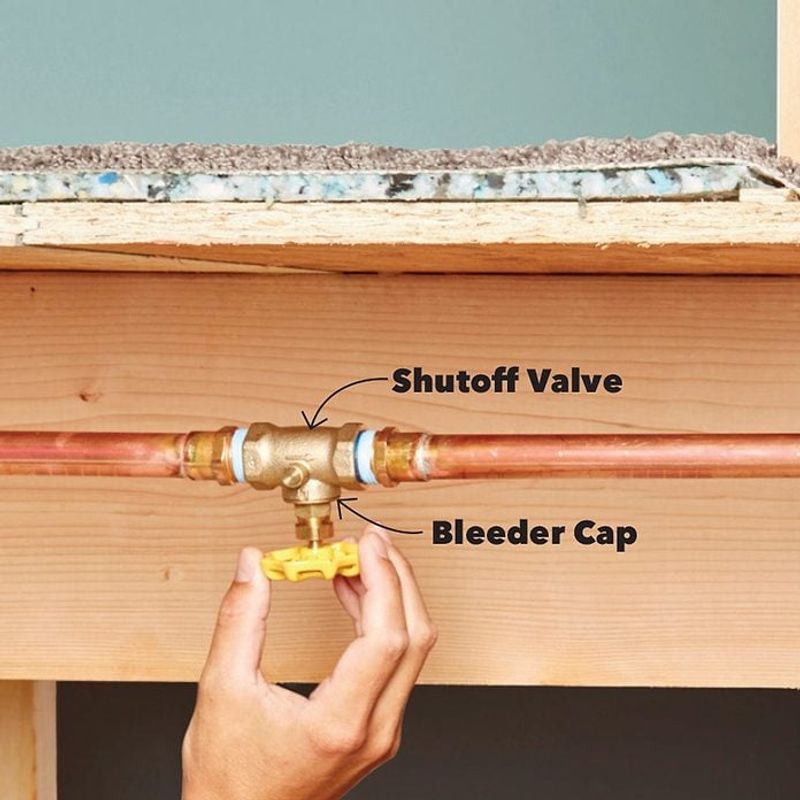
Removing the hose is one part of outdoor plumbing preparation in Wisconsin, but the faucet itself requires its own attention. Many Wisconsin homes, particularly older properties and cottages, have a separate interior shutoff valve that controls water flow to the outdoor spigot.
If your home has one, closing that valve before freezing weather arrives is a key step that hose removal alone cannot accomplish. Wisconsin Homeownership Preservation Education’s home-maintenance guidance recommends closing exterior-spigot shutoffs and draining thoroughly before winter sets in.
After closing the interior shutoff valve, go outside and open the exterior faucet to release any water still sitting in the pipe between the valve and the spigot. Leave the exterior faucet open briefly so that water can drain out completely, then close it again.
This drain-down step matters because water left in that short pipe section can freeze even after the shutoff is closed, especially in Wisconsin homes where that section of pipe runs through an unheated garage, crawlspace, or exterior wall with minimal insulation.
Exposed plumbing, poorly insulated walls, and faucets mounted on north-facing exterior surfaces in Wisconsin deserve extra attention. These locations lose heat faster and can reach freezing temperatures even when the interior of the home stays warm.
Illinois Extension’s winterization guide identifies vulnerable faucet locations as a reason to go beyond hose removal and address the full faucet assembly. Faucet winterization and hose disconnection work together; neither step replaces the other, and completing both gives Wisconsin outdoor plumbing the best chance of coming through winter without damage.
Why a frost-free Wisconsin faucet still needs winter care
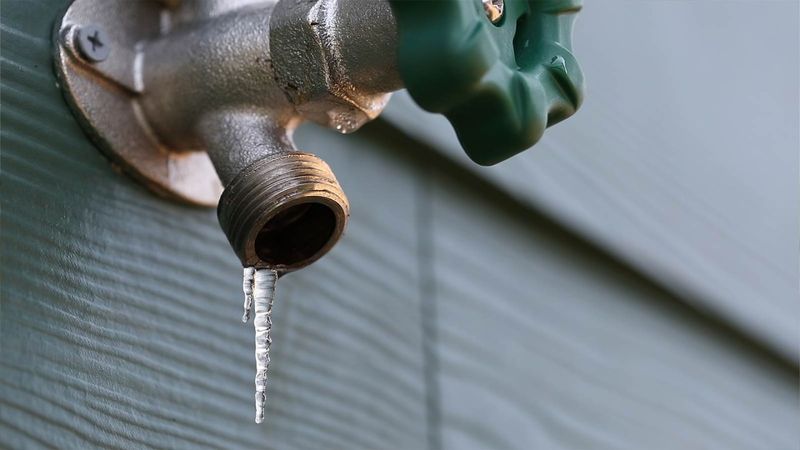
Frost-free faucets, sometimes called frost-proof sillcocks, are designed to keep the water shutoff point several inches inside the wall where temperatures stay above freezing. Many Wisconsin homes built or renovated in recent decades have these fixtures, and they do offer meaningful protection compared with older faucet designs.
Reduced risk, though, is not the same as no risk, and the frost-free label can create a false sense of security that leads homeowners to skip winterization steps they still need to take.
The protection a frost-free faucet provides depends entirely on the faucet being able to drain after use. When a garden hose, timer, splitter, or nozzle remains attached to the spigot, water cannot drain back through the faucet’s internal tube the way it was designed to.
That trapped water sits in the faucet body or the connected fitting, exposed to outdoor temperatures, and can freeze even though the shutoff point is located inside the wall. Illinois Extension cautions that frost-free faucets can still freeze when they are improperly installed, insufficiently insulated, or blocked from draining by an attached hose or fitting, which is a common situation in Wisconsin homes where hoses are left connected through the first cold snap.
Installation angle also matters. A frost-free faucet that tilts slightly upward toward the exterior rather than sloping back toward the inside of the wall will not drain properly by gravity, regardless of what is or is not attached to it.
Canada Mortgage and Housing Corporation guidance on frost-proof faucets notes that proper installation angle is essential for these fixtures to function as intended. Wisconsin homeowners with frost-free faucets should disconnect hoses and attachments before freezing weather, just as they would with any other outdoor spigot, and should not assume the fixture’s design eliminates the need for seasonal attention.
Prepare Wisconsin drip lines, soaker hoses, and irrigation equipment
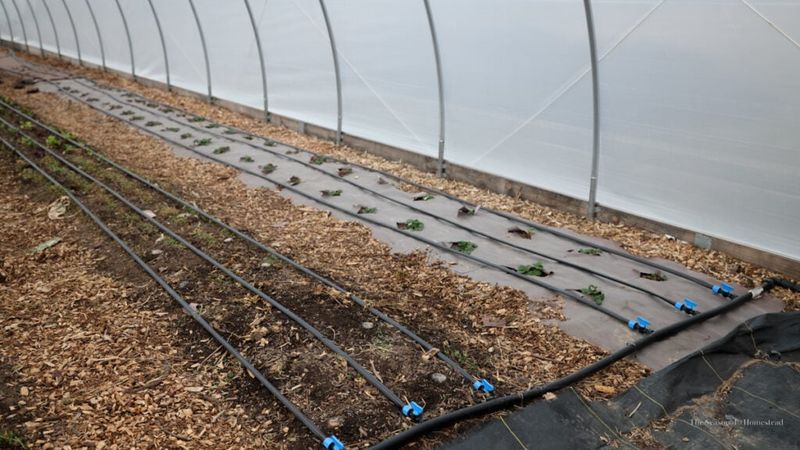
Garden hoses are only part of the outdoor watering picture for many Wisconsin properties. Drip irrigation lines, soaker hoses, in-ground systems, inline timers, pressure regulators, and backflow preventers all hold water and need attention before freezing weather arrives.
The process for these systems shares the same logic as hose winterization: remove the water source, eliminate trapped water, and protect components that cannot handle repeated freeze-thaw cycles.
Start by disconnecting the water supply to the irrigation system or soaker hose setup. Remove complex fittings first, particularly timers and pressure regulators, since these components often have internal chambers where water collects and can be damaged by freezing even when the rest of the line looks fine.
Lift drip tubing and soaker lines and arrange them so that any low spots can drain. If sections of tubing run through garden beds or along the ground, walk the line and check that water is actually moving out rather than pooling.
Iowa State University Extension advises draining these systems before Wisconsin-style winters and warns that air pressure above 30 psi during blowout procedures can damage delicate emitters and thin-walled tubing, so caution is warranted if compressed air is used.
Store timers, pressure regulators, and other sensitive fittings indoors through the Wisconsin winter. Soaker hoses and drip tubing can often be coiled and stored in a garage or shed if they are fully drained.
If any component of an irrigation system appears frozen solid when you go to winterize it, do not force connections or attempt to drain it under pressure. NC State Extension’s frozen-pipe guidance recommends shutting off the water supply immediately if a pipe has frozen or burst, avoiding any open flame or torch for thawing, and contacting a licensed plumber when the location or condition of a freeze is unclear.
That advice applies equally to irrigation supply lines running to Wisconsin garden beds and to the main outdoor plumbing serving the home.
Make Wisconsin hose winterization part of the fall checklist
Folding hose winterization into the broader fall checklist is the most reliable way Wisconsin homeowners can make sure it actually gets done before freezing weather arrives. The core takeaway is straightforward: disconnecting and draining the hose removes a preventable source of trapped water and helps the outdoor faucet drain as designed.
UW-Madison Extension in Chippewa County lists hose disconnection among its fall reminders for Wisconsin homeowners for exactly that reason.
Storing the drained hose in a sheltered Wisconsin location, such as a garage or shed, protects it from the repeated temperature swings that accelerate aging in rubber and vinyl hoses. Oregon State University Extension confirms that sheltered storage generally extends hose life, though a disconnected and fully drained hose left outdoors is still far better than one left full and attached to the spigot.
Neither option guarantees that household pipes will remain intact through a severe Wisconsin winter, because insulation, installation, and cold severity all matter independently.
Each fall, check the local Wisconsin forecast, inspect the hose, remove all attachments from the faucet, verify the interior shutoff valve if the home has one, and confirm that the exterior faucet drains completely. Wisconsin home-maintenance guidance treats this sequence as a standard fall task, not an emergency response.
A hose hanging dry in the garage is a small thing, and it is also the clearest sign that Wisconsin outdoor plumbing got the attention it deserved before winter arrived.