What Oregon Gardeners Should Do With Brown Summer Lawns Before Fall Rain Returns
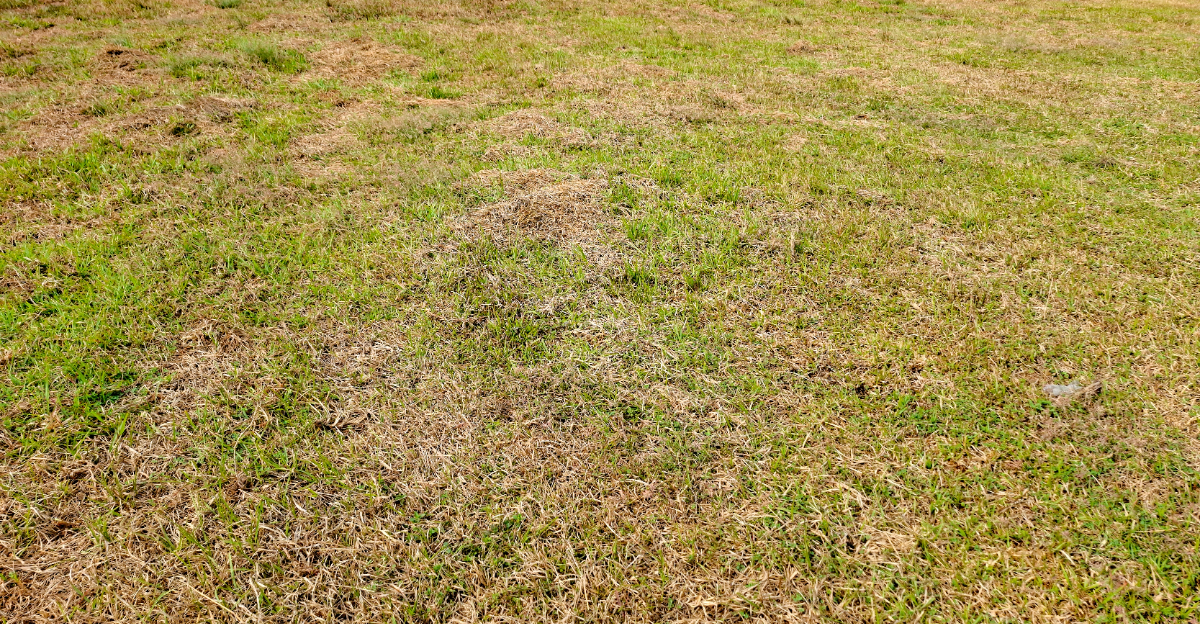
Late August can make an Oregon lawn look worse than it is.
The blades turn straw-colored. Footsteps sound crunchy. Thin spots seem to appear overnight, and the first instinct is to water hard, rake harder, or reach for a seed bag.
That reaction can create extra work.
Across western Oregon, low-maintenance cool-season lawns can turn brown during summer dormancy and resume growth once fall rain returns. An early September soak can help that recovery begin before the rainy pattern settles in.
So what should you do right now?
Start with restraint.
Do not tear out brown turf just because August left it tired. Check for compaction, weeds, and truly bare areas. Save seed for patches that need it.
Use core aeration only where soil has become compacted. Then match any repair work to your part of Oregon, because lawns east of the Cascades depend much more heavily on summer irrigation.
The smartest late-summer lawn plan is not a rescue mission.
It is preparation for the season already on its way.
1. Give Dormant Turf Time To Recover
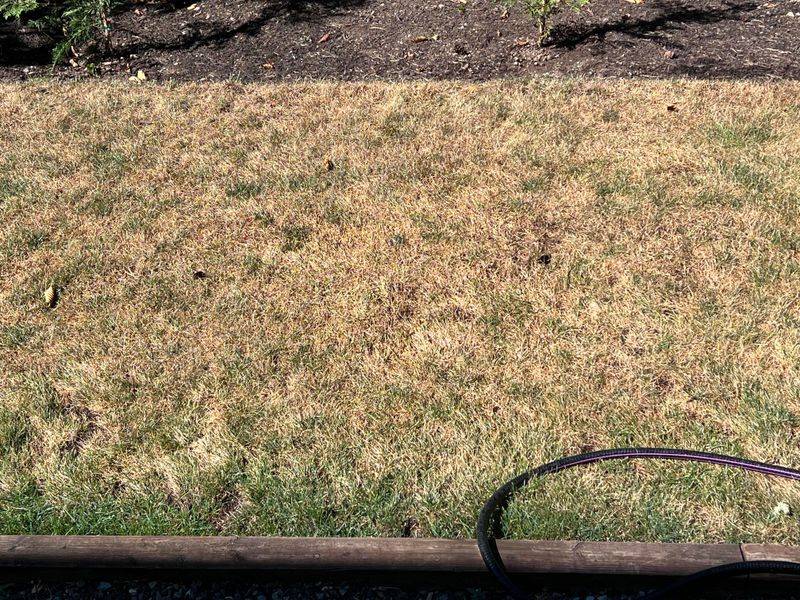
Brown turf deserves a little patience before any major repair begins.
In western Oregon, low-maintenance lawns can survive summer without irrigation through dormancy.
The blades turn straw brown, growth slows, and the lawn becomes less tolerant of foot traffic and weed pressure. Fall rain usually brings green growth back once moisture and cooler weather return.
Give the lawn that chance before you remove large sections.
Walk the yard and mark places that look different from the general brown color. A broad, even tan cast often fits summer dormancy better than isolated bare soil, severe loss of density, or patches that never respond after moisture returns.
Keep heavy traffic off the driest areas for now. Dormant turf handles wear poorly, so repeated games, wheelbarrow trips, or furniture moves can turn temporary summer stress into a thinner patch that needs repair later.
Watch the lawn after an early fall soak or the first dependable rain. Sections that green back confirm that the crowns remained viable. Areas that stay bare after nearby turf resumes growth become better candidates for seed.
Do not let August color make the diagnosis for you.
Western Oregon lawns can look remarkably rough at the end of summer and still return once the season changes.
Give the grass a chance to answer first.
A little patience now can save a large amount of seed, soil work, and unnecessary renovation in September.
2. Use One Early September Soak
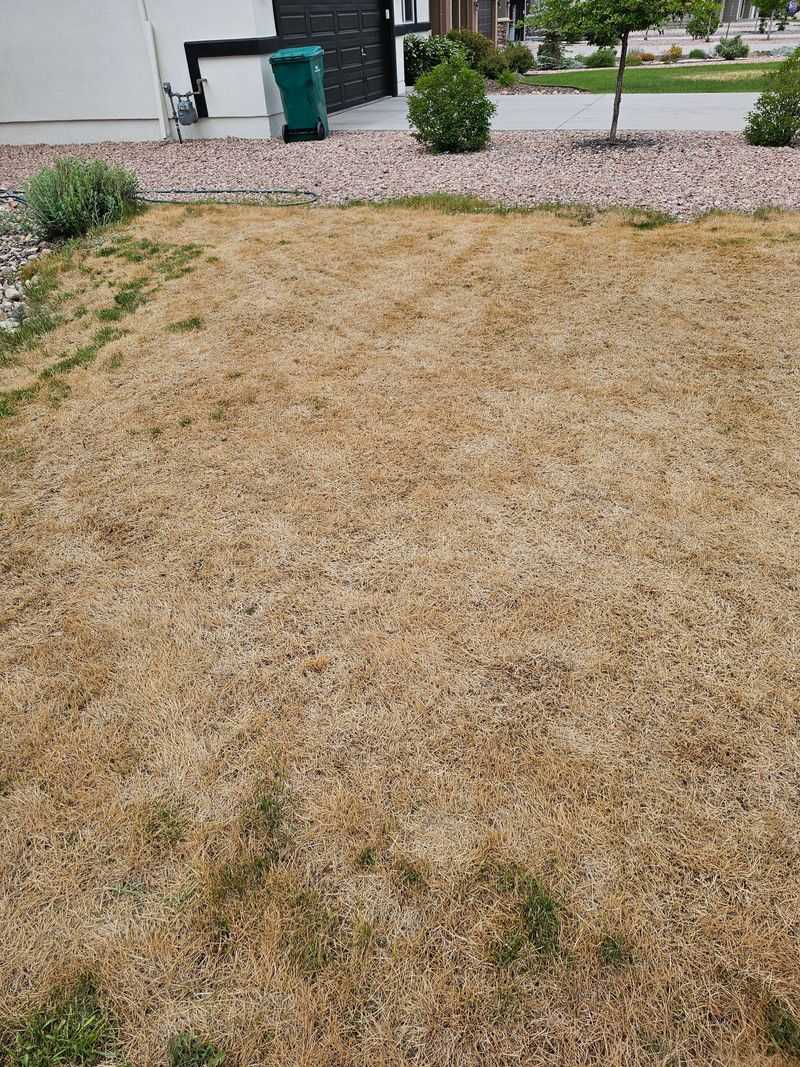
One well-timed soak can help a dormant western Oregon lawn start its fall comeback.
OSU recommends an early September irrigation before the seasonal rains arrive. That moisture can help dormant turf resume growth and can make later core aeration or seed repair more effective.
Use the forecast before you turn on the sprinkler.
A strong rain system due within a day or two may do the job for you. A dry first week of September gives supplemental irrigation more value, especially after a long summer without lawn water.
Your Oregon Garden Changes Every Week. Your Plan Should Too.
Gardening in Oregon changes quickly throughout the season. Every Friday you’ll receive a simple weekly plan showing exactly what to plant, prune, fertilize, harvest, and protect so you never miss the right timing.
Apply water evenly across the brown turf rather than chase isolated spots with a hose. The goal is to rehydrate the active root zone and support renewed growth, not flood the soil in one marathon session.
Soil texture still matters.
Western Oregon clay soils can hold water longer and need less frequent irrigation than sandy soils. Stop before water runs onto sidewalks or collects in low areas.
Then step back.
Post-Labor Day irrigation becomes less necessary in most western Oregon years as nights cool, days shorten, and seasonal rain approaches. Continued sprinkler use should follow actual soil moisture and weather, not the summer program still stored in the controller.
Use that early September soak as a bridge.
The lawn does not need a permanent return to July irrigation. It needs enough moisture to wake up before Oregon fall weather takes over.
3. Rake Loose Material And Pull Weeds
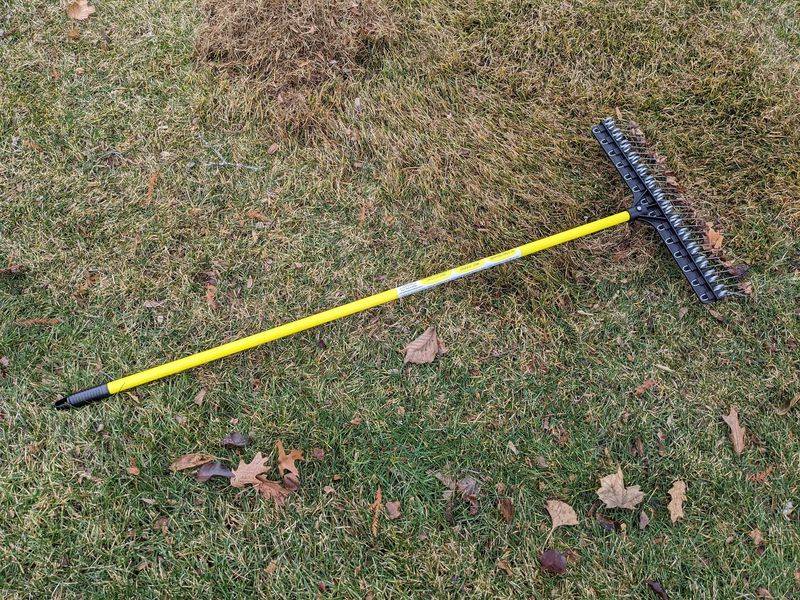
A light cleanup helps fall recovery, but an August lawn does not need a punishment rake.
Start with loose leaves, dry surface debris, and weeds that pull easily by hand. Remove material that blocks contact with the soil, especially in thin areas you may seed later.
Keep the rake gentle across dormant turf.
Hard, repeated passes can tear at stressed plants and expose more soil just before fall weeds get another opportunity. Use a flexible rake for surface cleanup and save aggressive power equipment for lawns that truly need major renovation.
Thatch deserves the same restraint.
Grass clippings alone do not create serious thatch trouble, and OSU notes that returned clippings can add nutrients back to a lawn.
A layer beneath the green blades only becomes a renovation concern when it interferes with water movement, root health, or seed-to-soil contact.
Check rather than assume.
Cut a small plug from a problem area and look at the layer between soil and turf. Dense thatch paired with poor water penetration may justify more work.
A thin lawn with visible soil rarely needs an aggressive dethatch pass just because the surface looks messy.
Pull obvious weeds while the ground remains workable and mark larger patches for later attention.
The goal this weekend is clarity.
Clear enough debris to see the lawn, preserve the turf that remains, and leave major mechanical work for a real problem rather than a late-summer impulse.
Your rake should reveal the recovery plan, not become the main event.
4. Aerate Compacted Areas When Soil Is Workable
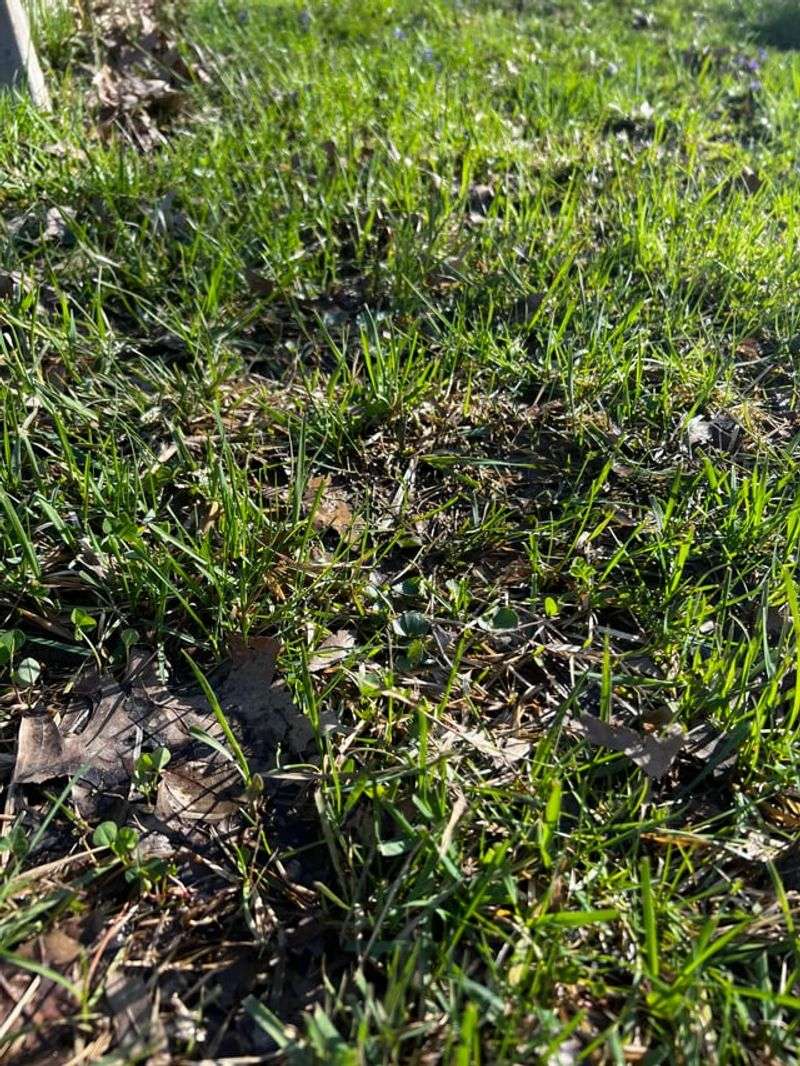
Core aeration earns its place only where compaction has become a real problem.
OSU recommends core cultivation for lawns with compacted soil, poor water penetration, localized dry spots, or excessive thatch. A lawn without those symptoms does not need aeration simply because the calendar says fall.
Test the busiest parts of the yard first.
Gate approaches, play zones, pet routes, and narrow paths often take the most summer traffic. Soil there may feel hard, shed irrigation, or stay thin compared with quieter areas.
Wait for workable moisture.
Rock-hard summer soil can resist the hollow tines, while saturated soil can smear under equipment and create another compaction problem. An early September soak or first moderate rain can bring the soil into a better condition for clean cores.
Make the pass where the symptoms exist.
Core aeration opens channels that improve water movement and gives roots more room in dense soil. It also creates useful seed-to-soil contact in thin areas that need fall repair.
Do not turn the whole property into a construction zone without cause.
A compact strip beside the gate may deserve two passes from a core aerator while an open back lawn needs none.
Leave healthy turf alone and focus effort where the soil tells you something is wrong.
That targeted approach saves labor and protects areas that already function well.
Fall lawn care works best when every machine has a reason to leave the garage.
5. Overseed Thin Patches Around Labor Day
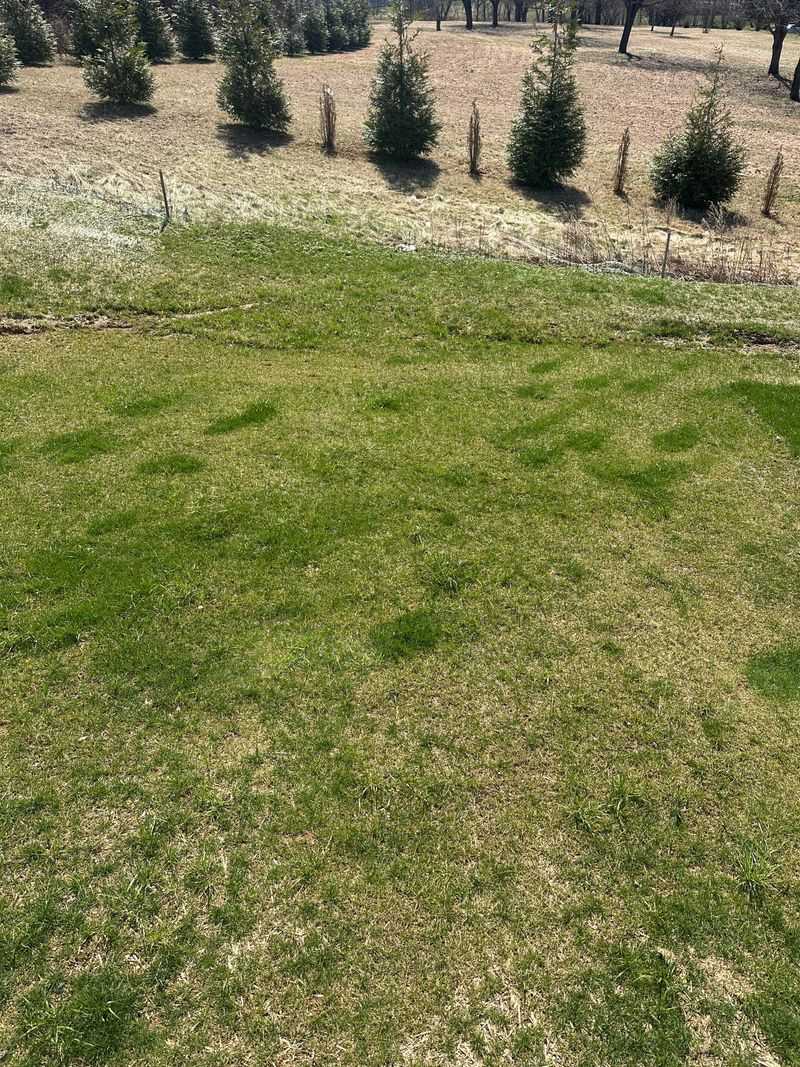
Thin western Oregon patches now sit inside one of the best seed windows of the year.
OSU places the Willamette Valley’s prime fall period around August 15 through September 15. Warm soil supports germination, while cooler nights and shorter days reduce stress from a midsummer start.
Use seed only where density needs help.
A lawn that greens back evenly after dormancy may not need a full overseed. Bare patches, traffic scars, and thin zones that leave soil exposed are stronger candidates.
Prepare those spots before seed goes down.
Rough the soil lightly with a rake, remove loose debris, and create direct seed-to-soil contact. Core aeration can help on compacted areas, but healthy open soil only needs a simple surface scratch.
Choose the seed rate listed for the mix and spread it evenly. A perennial ryegrass and fine fescue mix remains a common western Oregon option, though site conditions should decide the final blend.
Keep the seeded surface moist through germination during dry weather.
That may require light irrigation before regular fall rain arrives. Once seedlings establish and rain becomes dependable, reduce supplemental water.
Do not wait too far into fall without a reason.
OSU notes that later seed dates require higher rates and face weaker establishment as temperatures drop. The Willamette Valley window is especially favorable right now.
Use it on the patches that proved they need help.
The goal is not a bag of seed across every brown blade. It is a denser lawn where summer left real openings.
6. Match Grass Seed To Your Oregon Region

Oregon’s mountain line changes the answer when you buy grass seed.
West of the Cascades, OSU commonly recommends mixtures built around perennial ryegrass with fine fescue for many home lawns. Those blends establish quickly and handle many western Oregon sites.
East of the Cascades, the recipe changes.
Kentucky bluegrass has a much stronger role in central and eastern Oregon, while tall fescue also fits hot, dry areas and sites where lower irrigation demand matters. Local shade, traffic, soil, and water availability still shape the final choice.
Read the seed tag before the bag reaches your cart.
A bargain mix can contain species that perform poorly in your yard or clash with the turf already present. Match new seed to the dominant grass where practical so color, texture, and maintenance needs do not create a patchwork lawn.
Shade deserves its own decision too.
Fine fescue can play a larger role in shaded mixes, but wet shade in western Oregon can raise disease pressure. A tree canopy that blocks both light and air may need a landscape solution beyond another round of seed.
Central and eastern Oregon also need a different summer-water mindset.
OSU notes that turf there generally requires irrigation for persistence through the dry season, while western Oregon lawns can survive summer dormancy without irrigation where brown color and weed pressure are acceptable.
Do not carry a Willamette Valley seed rule to Bend by habit.
Your side of the Cascades changes both the grass and the recovery strategy.
7. Feed Only After Growth Returns
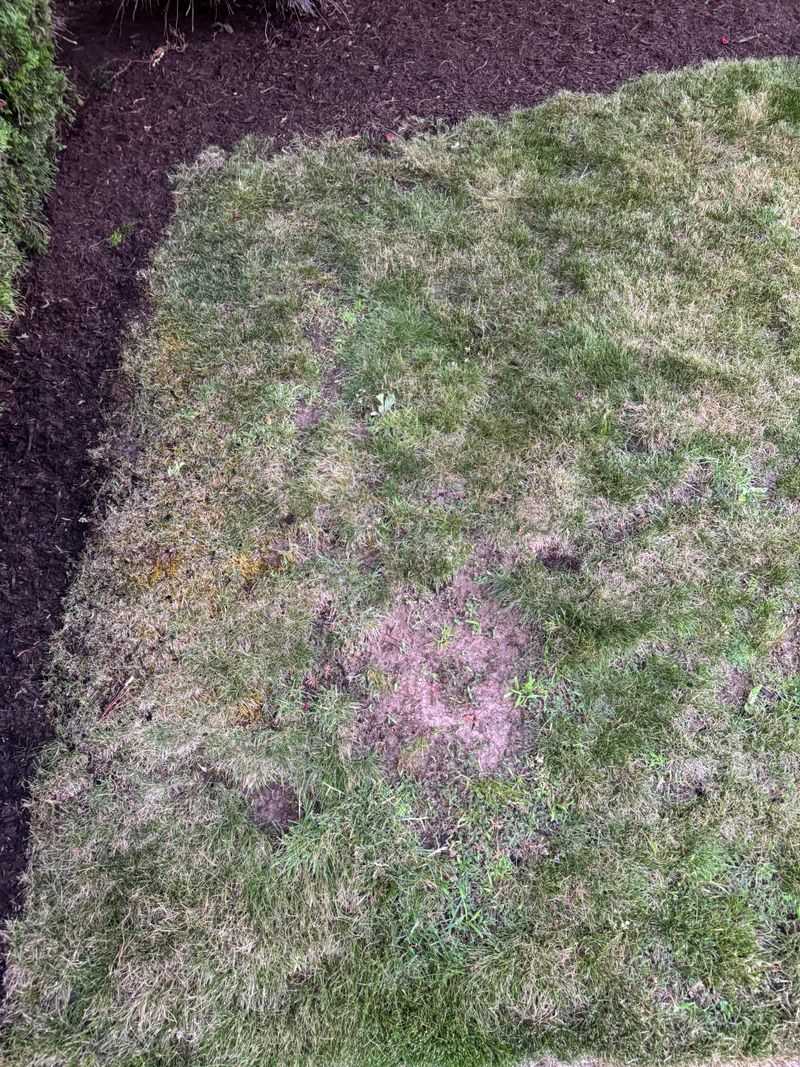
Fertilizer works best once the lawn has moisture and active fall growth to use it.
OSU lists Labor Day as one of the practical seasonal fertilizer points for western Oregon lawns, but the broader goal matters more than a holiday date.
Apply only what healthy turf needs and match the rate to grass type, lawn age, and maintenance level.
Let recovery start first.
A lawn that remains dry and fully dormant does not need a heavy nutrient push merely because the calendar turned. Rehydrate the turf, allow green growth to return, then make the fertilizer decision with an active plant in front of you.
Pay attention to the product label.
Western Oregon lawns usually need nitrogen far more than phosphorus, and OSU recommends fertilizers with high nitrogen and very low phosphorus for established lawns unless a soil test shows another need.
Return clippings after the lawn resumes regular cuts.
OSU notes that clippings can recycle a meaningful amount of nitrogen back into the turf and do little to create thatch under normal conditions. That can reduce the amount of fertilizer the lawn needs over time.
Use a soil test before lime enters the plan.
Do not add lime just because western Oregon has acidic-soil stereotypes. Actual pH gives you a reason for the amendment.
Fall fertilizer should support recovery, not compensate for guesswork.
Give the lawn moisture, confirm active growth, and feed to match the turf in your yard.
That order keeps an August lawn out of a chemistry experiment.
8. Let Fall Rain Carry The Recovery
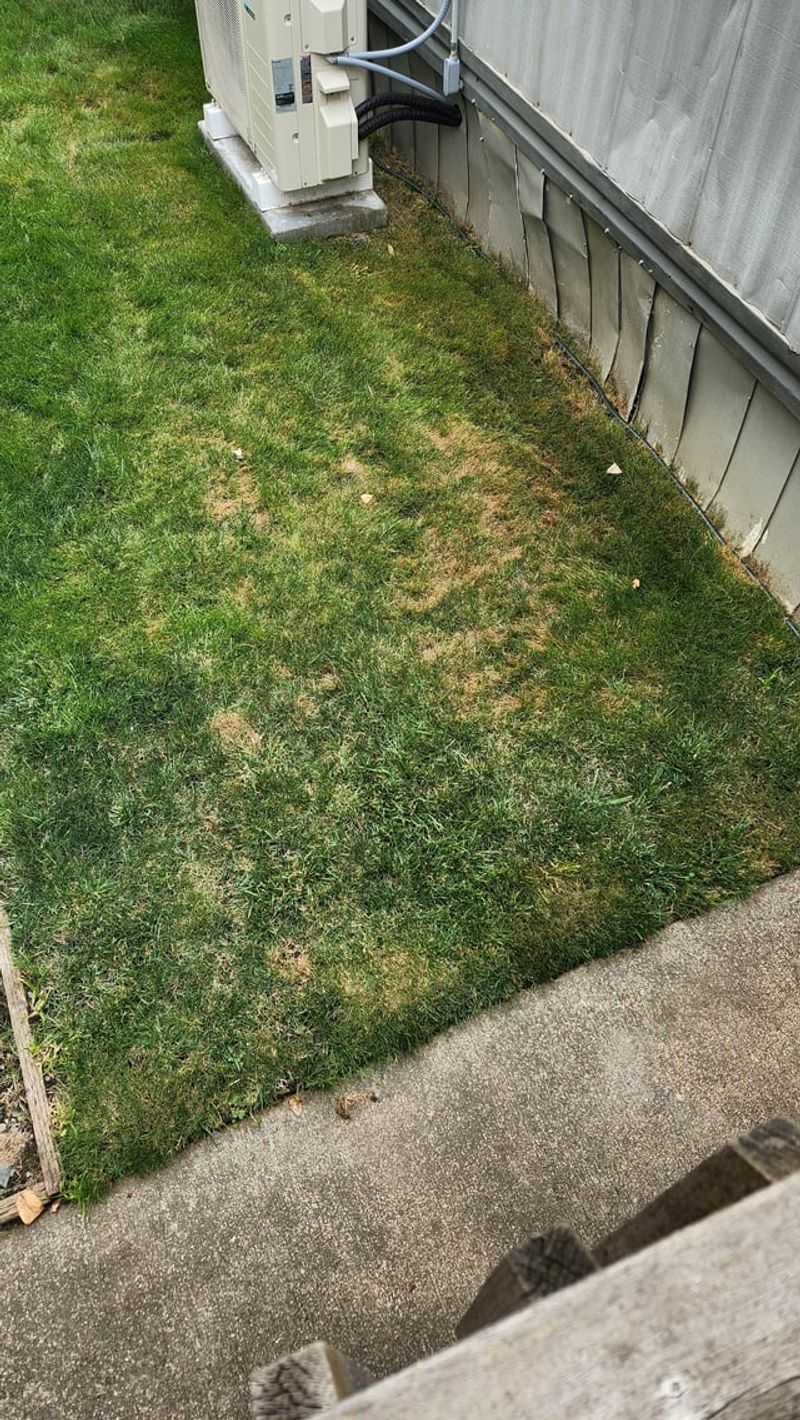
The best moment in a western Oregon lawn recovery plan comes when the sprinkler can finally stay off.
Seasonal rain usually brings dormant turf back into active growth, and post-Labor Day irrigation becomes unnecessary in most years once cooler weather and dependable moisture arrive. Let actual rainfall replace the summer controller rather than run both at once.
Adjust the mower as green growth returns.
Never remove more than one-third of the blade height in a single cut. OSU notes that taller turf supports better stress tolerance than a lawn cut extremely short, so resist the urge to scalp away every brown tip on the first fall pass.
Leave clippings where they spread evenly.
They break down quickly and return nutrients to the lawn. Remove only heavy clumps that smother the surface.
Keep an eye on repaired patches through the next several weeks.
Fresh seed needs steady surface moisture through germination. Older turf can rely more on the rain once the soil stays consistently moist.
Watch weeds too.
Summer dormancy can leave openings where unwanted plants gain ground. A denser fall lawn helps close those spaces, so recovery, proper cuts, and selective seed repair all work together.
Do not force the lawn to look perfect in one weekend.
Oregon fall weather does much of the work.
Your job is to prepare the soil, repair the true gaps, and then let rain carry the season forward.
Sometimes the smartest lawn tool in September is simply the off switch on the irrigation controller.