8 Reasons This Year’s Satsuma Season Came Early In Louisiana
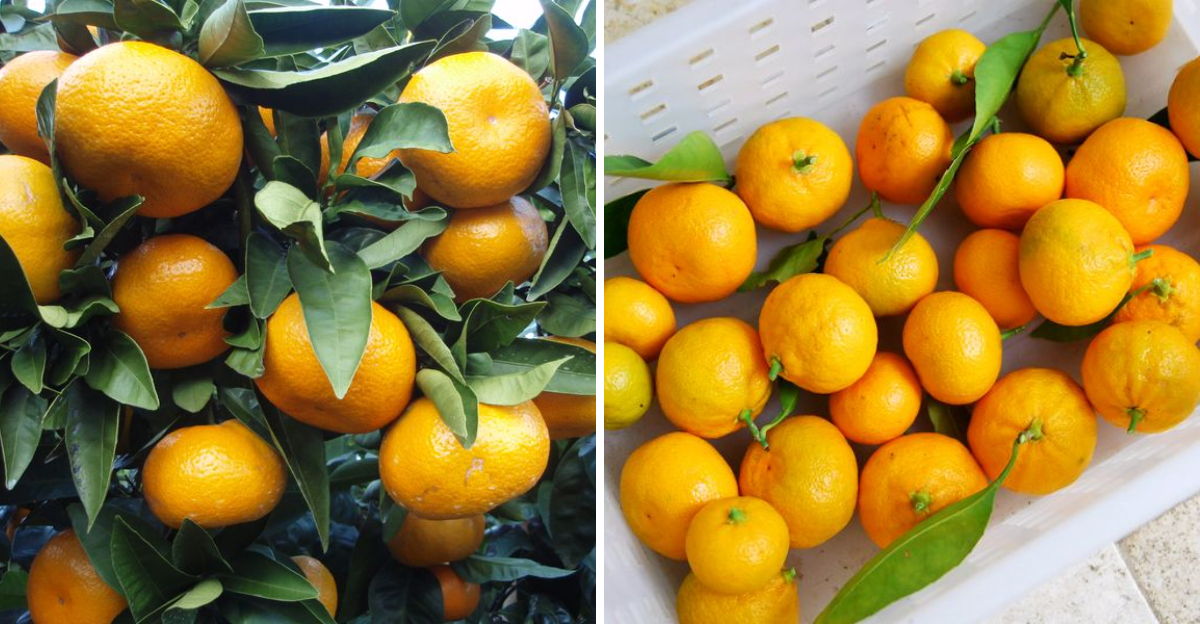
Louisiana porches are glowing bright orange far too soon this particular year. You didn’t expect sweet citrus until Thanksgiving finally arrived. Roadside stands are stacking baskets weeks before anyone predicted.
Skins are loosening fast, colors are deepening quickly, and juice runs remarkably sweet. Backyard growers keep reaching for clippers, puzzled but undeniably eager. Nobody planned for citrus to ripen this quickly right around you.
Quiet shifts in weather nudged these trees along faster. Small changes in soil and sunlight stacked together silently. Groves scattered across Louisiana rarely move at such an aggressive pace.
Farmers across the region are noticing color change well before the calendar allows. Your neighbors down the block are already peeling fruit you haven’t even touched yet.
Trees near you might already be running weeks ahead too. Curiosity pulls you steadily toward the reasons hiding quietly behind this shift. This mystery will not let you walk away.
1. A Warm, Early Spring Kicked Bloom Time Forward
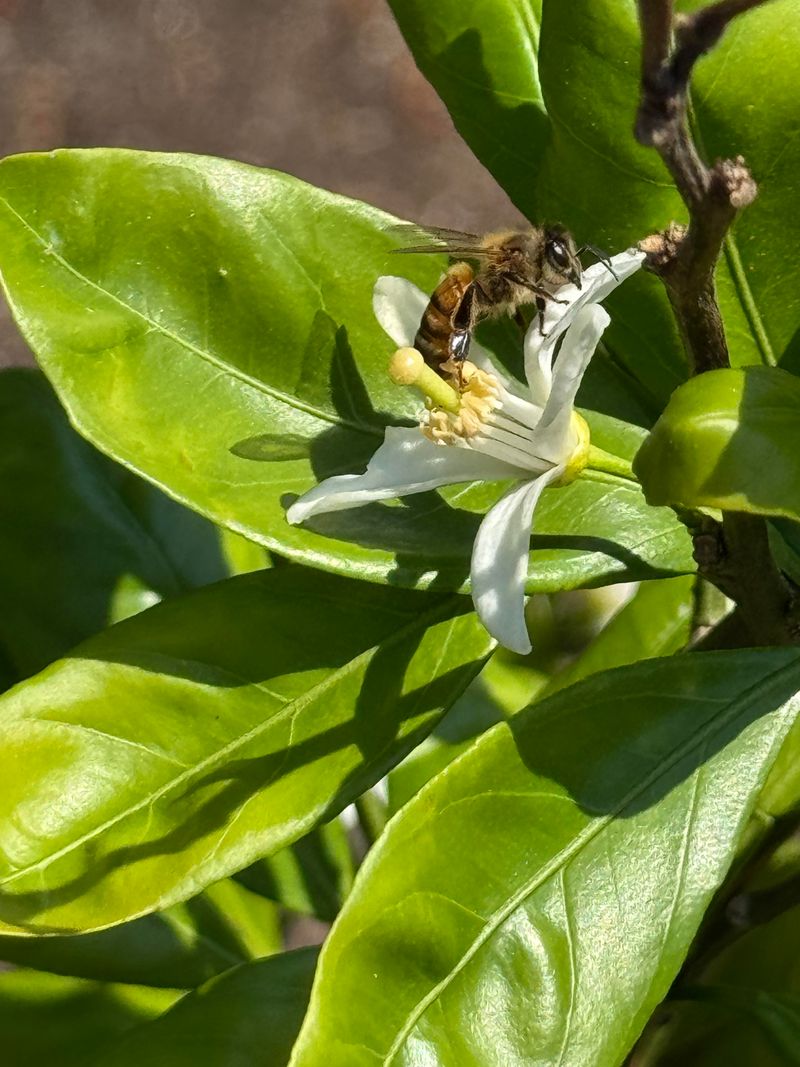
Ask any Plaquemines Parish grower when the season really starts, and they will point back to March. Bloom sets the clock for everything that follows.
Louisiana warmed up fast this past spring, with daytime temperatures climbing into the seventies and eighties well before the usual date.
Citrus trees respond quickly to rising heat. Once the soil warmed and nights stopped dipping cold, buds swelled and flowers opened.
Growers in several parishes reported blossoms opening earlier than usual, though exact timing varied by location. Since satsumas need a set number of warm days between flowering and ripening, an early bloom simply shifts the finish line closer.
Growers noticed the bees showing up sooner too, which helped fruit set quickly and evenly. When pollination happens in one tight window instead of dragging out, the whole crop matures on a similar timeline.
Here is a useful takeaway for home gardeners. Mark your bloom date on a calendar each year, then count forward roughly seven to eight months as a general guide.
That rough math can offer a useful estimate for your picking window, though results vary by tree and year. If your tree bloomed in mid-March this year, September color change should not shock you.
Fun bit of history: satsumas arrived in the Gulf South in the late 1800s, and Louisiana farmers have been tracking these bloom dates in notebooks ever since. Some families still keep the same ledger, passed down through generations of growers.
2. Heat Units Piled Up Faster Than Usual
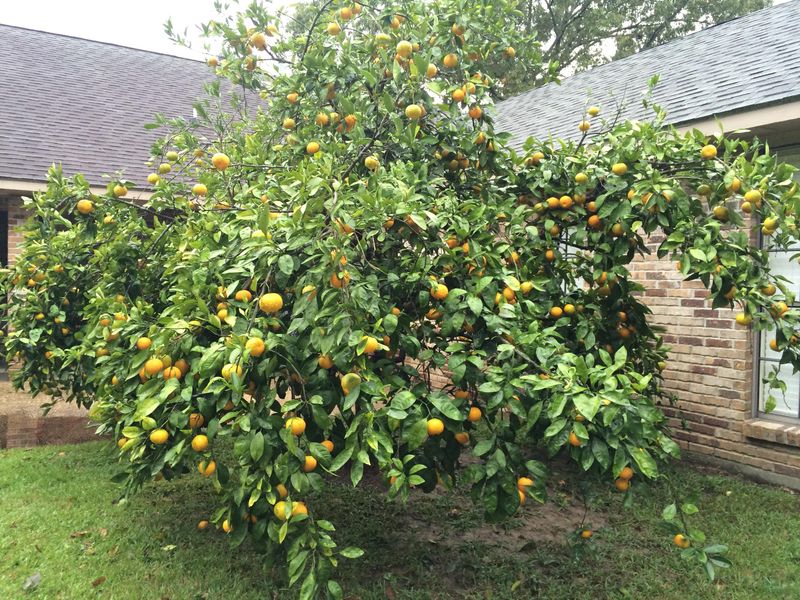
Fruit does not ripen by the calendar. It ripens by accumulated warmth, something horticulturists track as growing degree days.
Think of it like filling a bucket. Each warm day drops a little water in, and when the bucket reaches a certain line, the fruit turns sweet and orange. Louisiana filled that bucket in a hurry this year.
Summer nights stayed unusually mild across the southeastern parishes, and warm nights count just as much as hot afternoons. When the temperature refuses to drop below the mid-seventies after dark, the tree keeps working around the clock.
Your Louisiana Garden Changes Every Week. Your Plan Should Too.
Gardening in Louisiana changes quickly throughout the season. Every Friday you’ll receive a simple weekly plan showing exactly what to plant, prune, fertilize, harvest, and protect so you never miss the right timing.
Sugar production inside the fruit kept humming along instead of slowing down overnight. That steady accumulation pushed sugar levels up while acid levels dropped, which is the exact chemistry that signals ripeness.
Growers with refractometers, those little handheld gadgets that measure sugar content, started reporting readings in the acceptable range by late August. Normally those numbers show up in October.
For backyard growers, the practical lesson is simple. Stop trusting the color of the peel alone and start tasting. Satsuma skin can stay greenish while the inside is already sweet and ready.
Pick one from the sunniest side of the tree, peel it, and taste. If it is pleasant and juicy, your season has arrived, regardless of what the peel looks like. Taste is a more reliable indicator than the calendar this year.
3. A Mild Winter Left Trees With Extra Energy
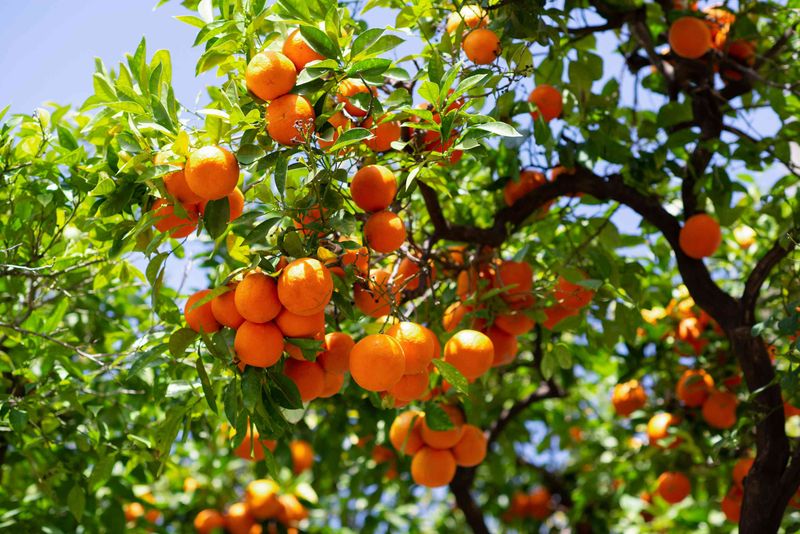
Trees that experience a mild winter tend to grow more vigorously in spring. Hard freezes are the traditional enemy of Gulf Coast satsumas.
A serious cold snap can damage wood, drop leaves, and force a tree to spend months rebuilding instead of producing.
Last winter stayed relatively gentle across most citrus-growing parishes. Trees held onto their leaves, their root systems kept working, and stored carbohydrates stayed banked instead of getting spent on recovery.
All that saved energy went straight into flowering and fruit development. A tree with full reserves blooms heavier and pushes fruit along faster than one limping back from freeze damage.
Growers around Belle Chasse and Buras noticed unusually thick canopies by April. Dense, healthy foliage means more leaves feeding each piece of fruit, and more leaves per fruit generally means earlier sweetness.
There is a practical angle here for anyone with a young tree. Protecting trunks with wraps or blankets during cold nights pays off the following season, not just during the freeze itself.
A tree that skips the recovery period gets a head start that compounds all year long. Think of it as banking sunshine.
Worth knowing: satsumas are among the more cold-hardy citrus varieties, handling brief dips into the low twenties on mature wood.
That toughness is exactly why they became Louisiana’s signature citrus rather than sweet oranges or grapefruit, which sulk after mild cold.
4. Rainfall Arrived At The Right Moments
Timing beats total when it comes to water. Satsumas care less about how much rain fell and more about when it fell.
Spring rains came steady and moderate this year across much of south Louisiana. Young fruit needs consistent moisture during cell division, the stage where the fruit decides how large it can eventually become.
Then the pattern shifted. Late summer turned drier in several parishes, and that mild moisture stress is exactly what nudges a citrus tree toward ripening.
When water gets a little scarce, the tree stops focusing on leafy growth and starts concentrating sugars in the fruit. Winemakers use the same trick with grapes, and citrus responds in a similar way.
The combination of a wet spring and a drier late summer created something close to ideal conditions for early sweetness. Fruit sized up first, then sugared up quickly.
Home growers can copy this rhythm on purpose. Water generously from bloom through midsummer, then ease back gradually as fruit reaches full size.
Do not cut water off entirely, because stressed trees drop fruit and split peels. Just reduce frequency and let the top few inches of soil dry between waterings.
Mulch helps enormously here, holding moisture steady during the wet phase and preventing wild swings during the dry one. A three-inch ring of pine straw, pulled back from the trunk, does the job beautifully in Louisiana soil and costs almost nothing.
5. Lighter Fruit Loads Meant Faster Ripening
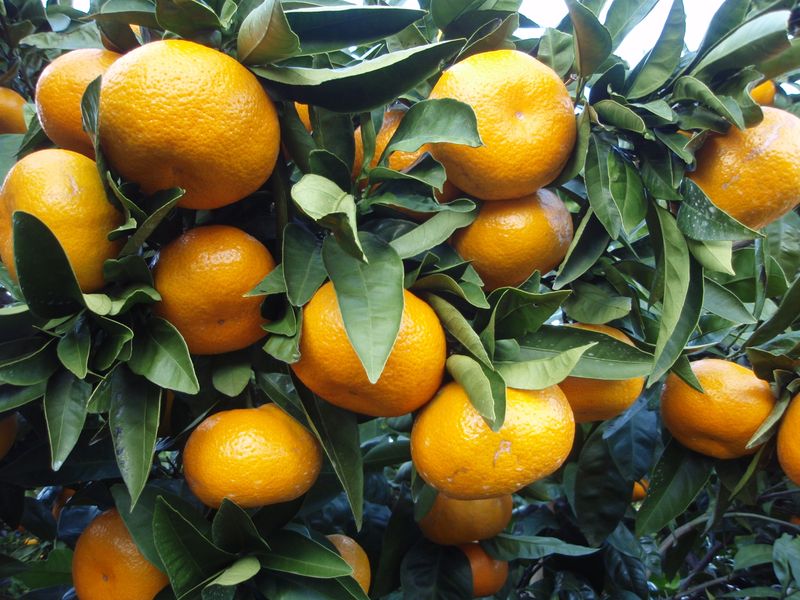
Fewer fruits per branch can mean faster ripening, a principle growers already apply through pruning and thinning.
Some Louisiana groves set a lighter crop this year, partly because last season was heavy and citrus trees naturally alternate between big years and modest ones. Growers call it alternate bearing, and it is completely normal.
When a tree carries fewer fruits, each one gets a larger share of the sugars the leaves produce. More resources per fruit translates directly into faster sizing and earlier color break.
Trees that thinned themselves through natural fruit drop in June ended up with well-spaced satsumas that ripened in unison. Crowded clusters, by contrast, tend to ripen unevenly and later.
Anyone growing a backyard tree can borrow this advantage on purpose. Thinning by hand in early summer feels wasteful, but it genuinely improves the fruit you keep.
Remove any satsumas that are touching each other, plus anything misshapen or scarred. Aim for one fruit roughly every six inches along a branch.
Your reward is larger, sweeter fruit that arrives sooner, plus branches that are less likely to snap under weight. Nobody enjoys propping up a splitting limb in October.
Thinning also helps the tree save enough energy to bloom well the following spring, which softens that boom-and-bust cycle.
One more perk: well-spaced fruit dries faster after rain, which keeps peel blemishes and fungal spotting to a minimum. Prettier fruit, earlier harvest, healthier tree, all from a little summer editing.
6. Growers Leaned On Earlier-Ripening Varieties
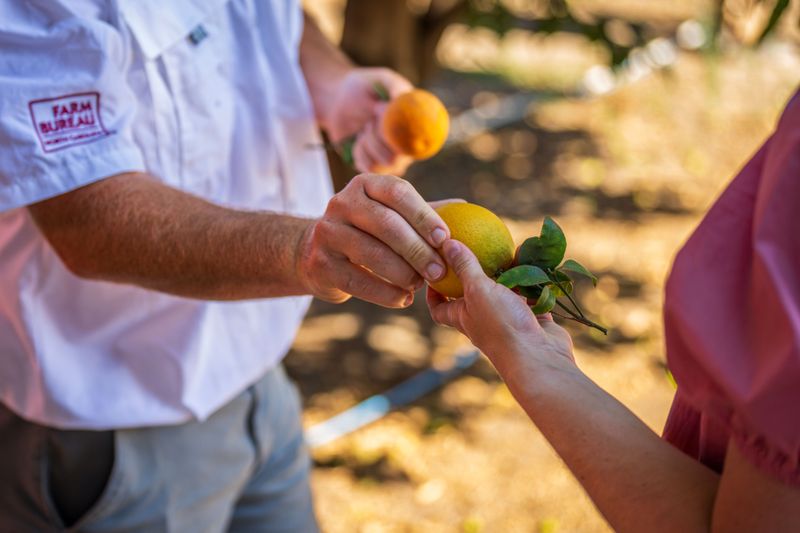
Not all satsumas run on the same schedule. Variety choice quietly reshaped the harvest calendar.
Louisiana growers have been planting more early-season selections over the past decade. Names like Early St. Ann, Brown Select, and LA Early show up in nursery orders far more often than they used to.
Owari, the old standby, traditionally ripens from late October into December. The newer early types tend to color up several weeks sooner, according to growers who plant both, which stretches the selling season considerably.
As those younger plantings reached bearing age, their fruit hit stands in September. Shoppers seeing satsumas that early assume the whole season shifted, when really the lineup changed.
LSU AgCenter has a long-running citrus breeding program focused on Gulf Coast conditions, including cold tolerance and maturity timing. Their work is showing up on porches right now.
If you are shopping for a tree this fall, ask the nursery specifically about ripening dates rather than just asking for a satsuma. Planting one early variety alongside a later one gives you fruit from September through December.
That staggered approach beats having forty pounds ripen in a single week and then scrambling to give them away.
Local nurseries in Hammond, Covington, and along the river road usually carry several options and can tell you what performs well nearby.
A tip worth remembering: satsumas do not need a second tree for pollination, so you can mix varieties purely for timing and taste.
7. Stronger Root Systems Fed The Fruit Sooner
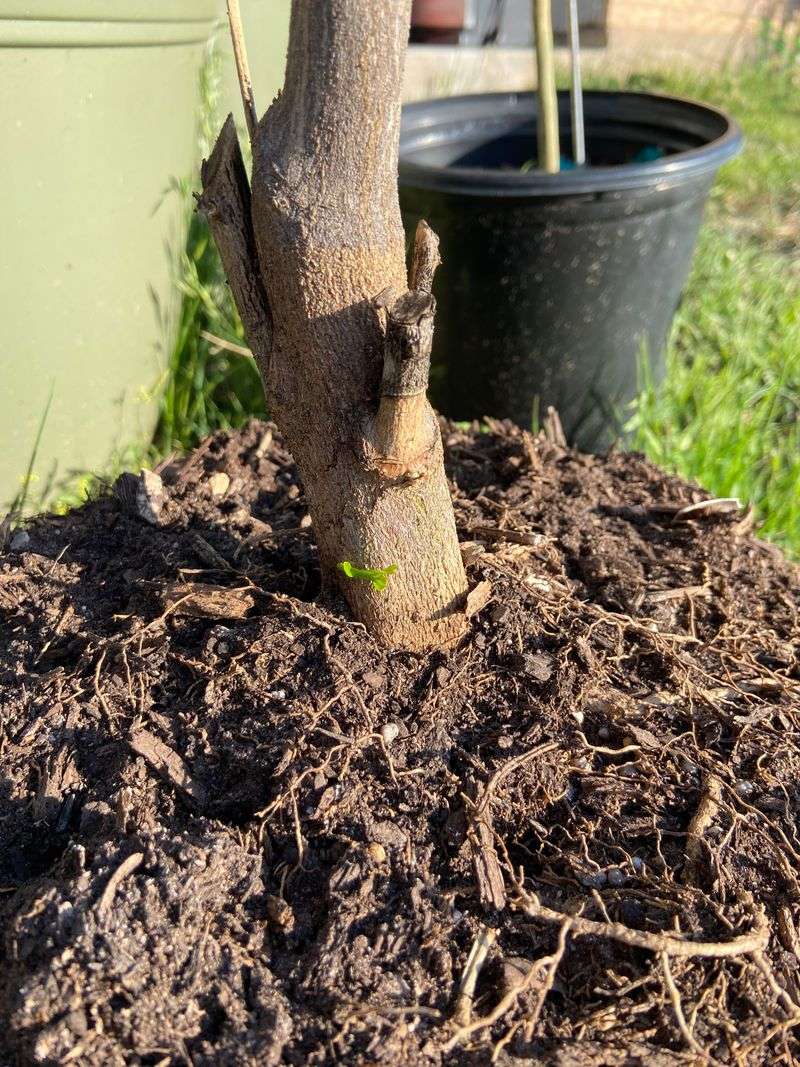
Underground work rarely gets credit, but roots decide a lot. Rootstock choice quietly influences how fast fruit matures.
Most Louisiana satsumas are grafted onto trifoliate orange or one of its hybrids. That rootstock handles heavy soils, resists certain pests, and encourages earlier fruiting compared to alternatives.
Newer plantings across the region increasingly use improved trifoliate selections that push trees into production a year or two sooner. Faster establishment means faster harvests down the line.
Mild winter soil temperatures also kept roots active longer than usual. Citrus roots slow down when soil chills, and this past year they barely took a break.
Active roots in February meant the tree could support heavy blooming in March without hesitation. Everything downstream happened on an accelerated schedule.
Backyard growers can support root health with a few easy habits. Keep mulch spread wide but away from the trunk, avoid piling soil around the graft union, and skip deep tilling near the drip line.
Citrus feeder roots sit shallow, often within the top foot of soil, and a shovel does real harm to them.
Fertilizing in split applications, once in late winter and again after fruit set, feeds those roots without overwhelming them.
Worth mentioning: the graft union should sit several inches above the soil line. Burying it invites trouble and slows the tree, which is the opposite of what anyone hoping for an early harvest wants from their citrus.
8. Market Demand Pulled Fruit Off Trees Ahead Of Schedule
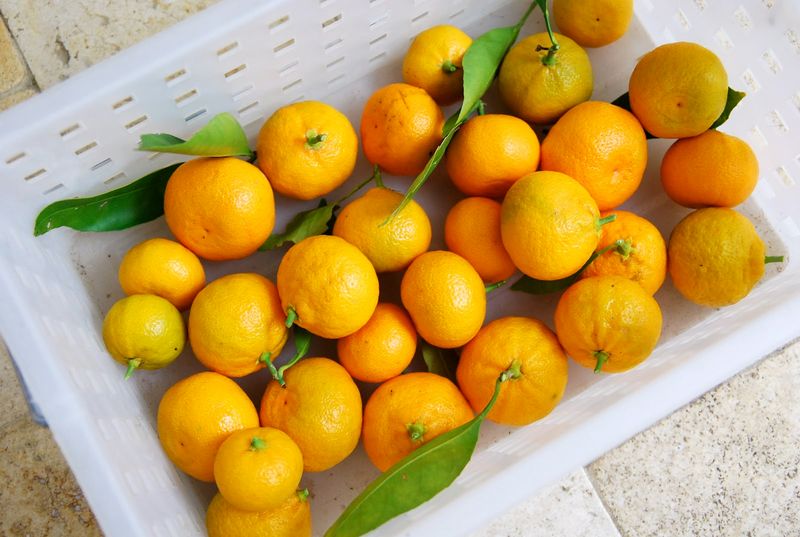
Market demand also plays a role in harvest timing. Part of the early season is simply about picking sooner.
Once shoppers spot satsumas at a farmers market in September, word travels fast through neighborhoods and social media. Growers respond to that excitement by harvesting the ripest fruit right away.
Early-season prices can sometimes run higher, which may benefit small family operations, though results vary by farm and market.
Louisiana citrus farms are typically family-run and small in scale compared to major citrus-producing states like Florida or California. Getting fruit to market first builds a customer base that returns all season.
Roadside stands from Braithwaite down to Port Sulphur opened their doors weeks ahead of the usual schedule this year. Some sold out of their first pickings within days.
For shoppers, early fruit comes with a small trade-off. September satsumas often have greener peels and slightly firmer texture than the fully mature ones you find in late fall.
They still taste wonderful, but the sweetness deepens as the weeks pass. Buying a small bag first lets you judge before committing to a full box.
Support the small stands if you can, since those growers weather storms, freezes, and pest pressure year after year. A strong season often means steady customer traffic for these small farms.