The Kentucky Lawn Repair Window That Closes Faster Than Most Homeowners Expect
There is a stretch of Kentucky weather that smells like cut grass and woodsmoke at the same time. Mornings turn cool, afternoons stay warm, and the soil holds heat like a stone patio at sunset.
Most neighbors assume they have months to patch those thin, scuffed spots in the yard. The calendar disagrees, and it disagrees quietly.
The truth is that Kentucky sits in a narrow transition zone where cool-season grasses get one short, generous stretch of ideal conditions. Miss it, and repairs limp along until the following year.
What follows is a plain-language look at that narrow stretch of time, why it shuts so quickly, and how to make the most of every single day inside it. Bring a rake and a little patience.
The Six-Week Sweet Spot Between Late August And Early October
Ask any turf specialist in Lexington when to fix a rough lawn, and the answer lands somewhere between the last week of August and the first week of October. That is roughly six weeks, and it moves a little depending on rainfall.
The magic comes from a rare combination. Soil temperatures still sit in the comfortable 60s and low 70s, which cool-season grass seed loves, while air temperatures drop enough to reduce stress on tender new blades.
Weeds also slow down during this stretch. Crabgrass and foxtail have finished their big push, so your new grass seedlings are not competing for every drop of water and every ray of sun.
Spring seems like the obvious choice to many homeowners, and it is a distant second. Seed planted in April has only a few weeks of pleasant weather before July heat arrives, and shallow roots rarely survive that heat with any real vigor.
Here is what makes the window snap shut so fast. Kentucky bluegrass and tall fescue need about four to six weeks of decent growing weather to build roots deep enough to handle winter.
Count backward from the first hard freeze, usually mid to late November across much of the state, and mid-October becomes the practical cutoff. Seed dropped after that often sprouts, sits, and then thins out badly by March.
Mark your calendar in July. Order seed in August. The reward is a thick, even lawn that looks established by the time daffodils appear.
Soil Temperature Matters More Than The Date On The Calendar
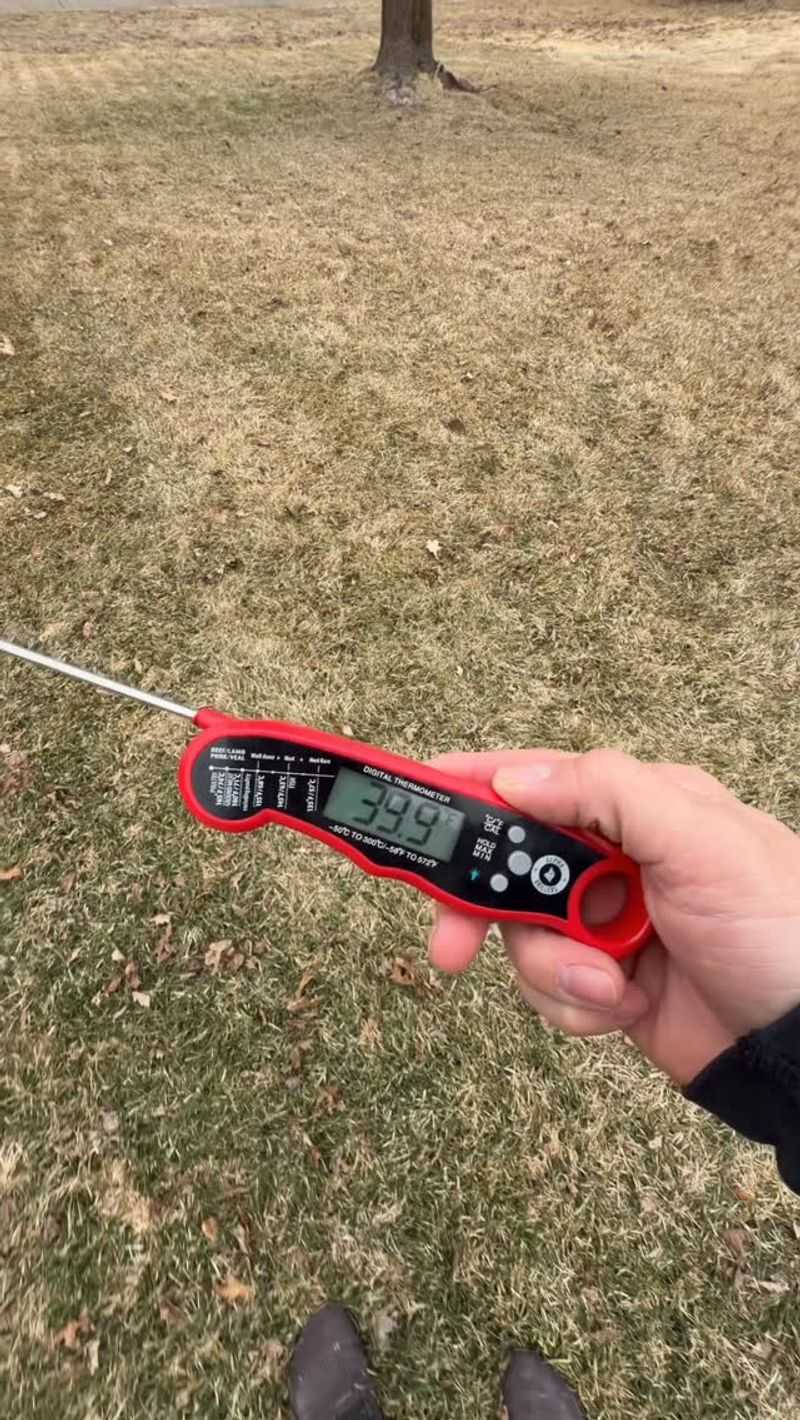
A cheap soil thermometer costs less than a bag of seed and settles more arguments than any weather app. Push it two inches into the ground, wait a minute, and you have real information.
Tall fescue and Kentucky bluegrass germinate best when soil sits between 60 and 75 degrees. Below 55, seeds slow down dramatically and may sit dormant until spring, which invites birds and washouts.
Air temperature fools people constantly. A crisp 62-degree morning in October can hide soil that still holds 70 degrees from a hot September, which actually works in your favor for seeding.
The reverse happens too. A warm Indian summer afternoon might feel like planting weather while shaded soil under maples has already cooled into the low 50s, especially in northern Kentucky and the eastern hills.
Your Kentucky Garden Changes Every Week. Your Plan Should Too.
Gardening in Kentucky changes quickly throughout the season. Every Friday you’ll receive a simple weekly plan showing exactly what to plant, prune, fertilize, harvest, and protect so you never miss the right timing.
Check readings in a few spots. South-facing slopes warm faster and cool slower, while low areas near creek bottoms and heavily shaded strips lag behind by several degrees.
Take your measurement in mid-morning for the most useful average. Doing it at noon on blacktop-adjacent turf gives a reading that flatters the whole yard unfairly.
Once soil drops steadily below 55 degrees, shift your energy elsewhere. Aeration, lime applications, and leaf cleanup all still pay off, and dormant seeding in December becomes a separate strategy with different rules.
Tracking soil warmth for a couple of seasons builds a personal calendar. After two years you will know your yard better than any regional chart could describe it.
Core Aeration And Overseeding Belong Together
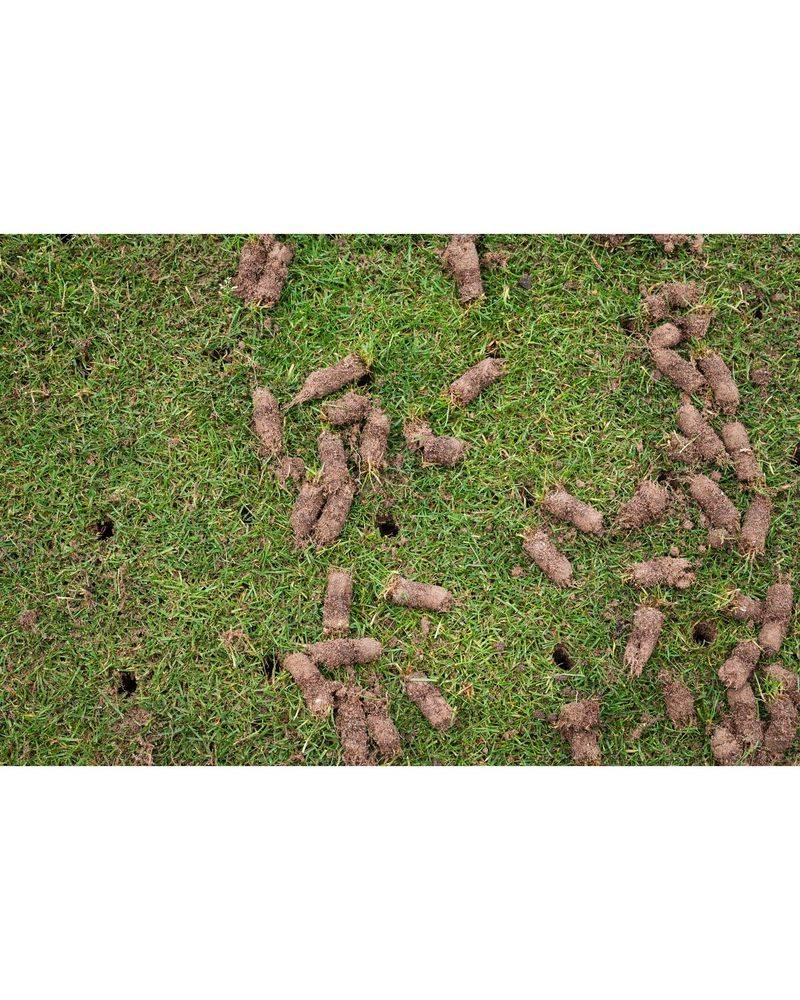
Kentucky clay compacts like a driveway. Add kids, dogs, and a riding mower, and the top few inches turn into something roots struggle to push through.
Core aeration pulls thousands of small plugs out of the ground, leaving open channels for air, water, and seed. Those little holes are also the safest nursery a grass seedling could ask for.
Timing the two jobs together doubles your results. Seed that falls into an aeration hole makes direct contact with soil, stays shaded from harsh sun, and holds moisture far longer than seed resting on top of thatch.
Go over the lawn twice in different directions if the ground is hard. You want roughly 20 to 40 holes per square foot, which looks messier than most people expect.
Water the yard a day or two before aerating. Bone-dry clay resists the tines and produces short, crumbly plugs that accomplish very little.
Leave the plugs where they land. They break apart within a couple of weeks and return organic matter and soil microbes back into the surface layer.
Skip the spike-style aerators and strap-on aerator sandals. Punching holes without removing soil actually squeezes the surrounding ground tighter, which works against the whole point.
Rentals run about 80 to 120 dollars for a half day at most Kentucky equipment yards, and hiring a crew often costs less than people assume. Either way, pairing aeration with seeding inside that early fall stretch gives the biggest return of any lawn task all year.
Grass Seed That Can Actually Use The Window
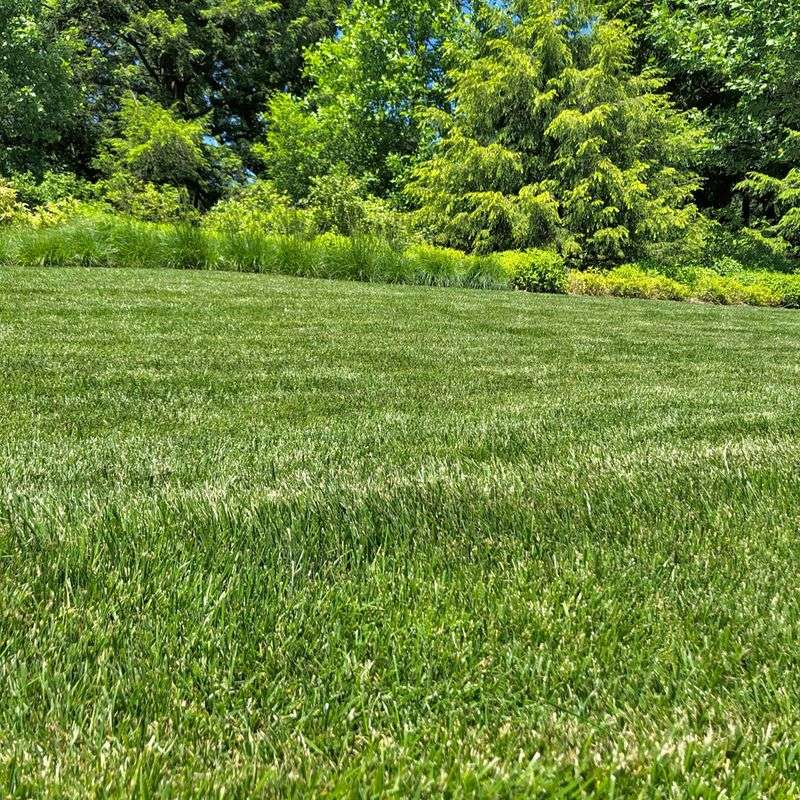
Not all green seed in a pretty bag belongs in a Kentucky yard. The cheap contractor mixes on end caps often lean heavily on annual ryegrass, which looks fast and fades by summer.
Turf-type tall fescue handles the state’s heat, humidity, and clay better than almost anything else. Its deep roots reach moisture during August dry spells when shallower grasses go crispy.
Kentucky bluegrass earns its name honestly and spreads by underground stems, so it repairs small bare patches on its own. It needs more water and a bit more babying, though.
Blends give you the best of both. Many local turf programs recommend roughly 80 to 90 percent tall fescue with 10 to 20 percent bluegrass for sunny to lightly shaded yards.
For heavy shade under old oaks and maples, fine fescues do better. They tolerate low light and lean soil, but they dislike heavy foot traffic.
Read the label on the back of the bag, not the marketing on the front. Look for named cultivars, a germination rate above 85 percent, weed seed under half a percent, and no listed noxious weeds.
Check the test date too. Seed older than about a year loses germination punch, and that shows up as thin, patchy results you cannot explain later.
Spread new seeding at roughly 6 to 8 pounds per thousand square feet for tall fescue, or half that when overseeding an existing lawn. Measuring your yard once saves guesswork every fall after that.
New Seedlings Depend On What The Window Started
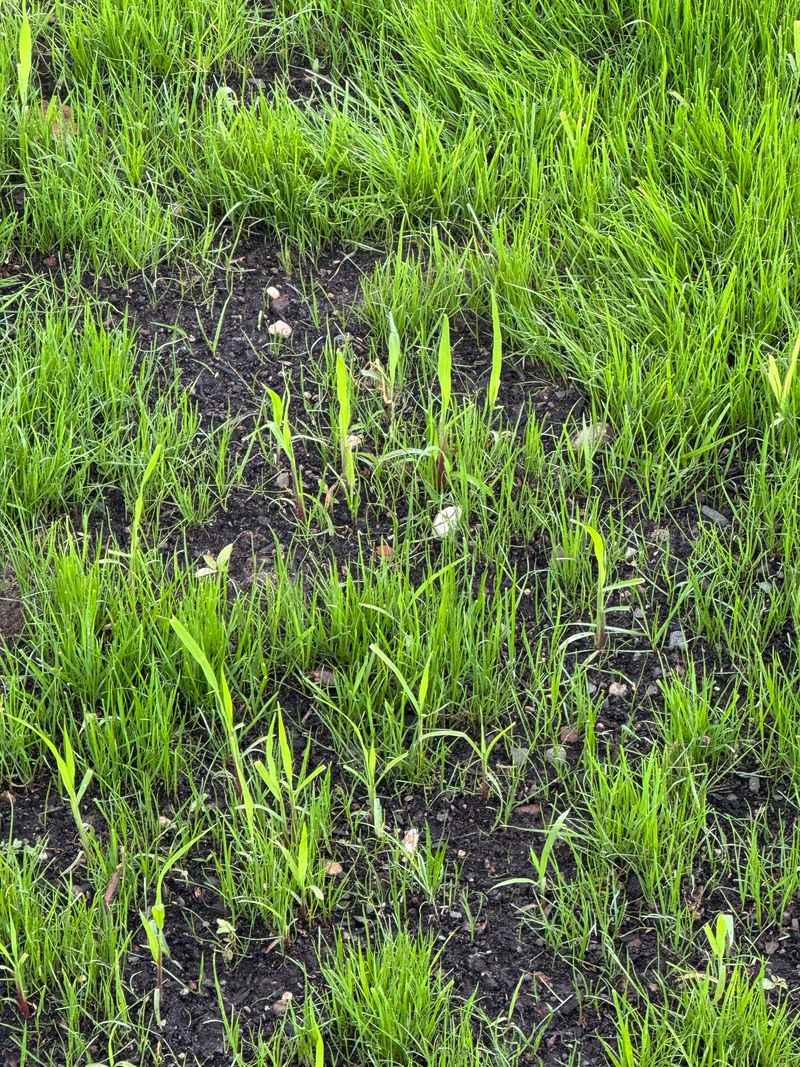
New seed needs steady moisture, and it forgives little once it dries out mid-sprout. The top half inch of soil should feel like a wrung-out sponge for the first two to three weeks.
That usually means brief watering two or three times a day in warm, breezy weather. Ten minutes in the morning, midday, and late afternoon often does the job.
Deep soaking too early creates puddles that float seed into low spots, leaving dark rivers and pale stripes across the yard. Once blades reach about an inch tall, water less often but longer.
By week five or six, most Kentucky lawns can shift to about one inch of water per week, including rainfall. A tuna can set on the grass measures that amount accurately.
Feeding matters just as much, and the order trips up plenty of well-meaning homeowners. Starter fertilizer goes down with the seed, not weeks later as an afterthought.
Look for a starter blend with phosphorus, since young roots use it heavily during their first month. A second feeding four to six weeks later pushes real thickening and stores energy in the crown for winter.
Kentucky soils often drift acidic over time, especially where rainfall runs heavy. A soil test through the county extension office removes the guesswork and points toward the right lime application.
Skip weed-and-feed products during this stretch, since the herbicide prevents grass seed from germinating. Hold off on broadleaf sprays until new grass has been mowed three or four times.
What To Do When You Miss The Window Entirely
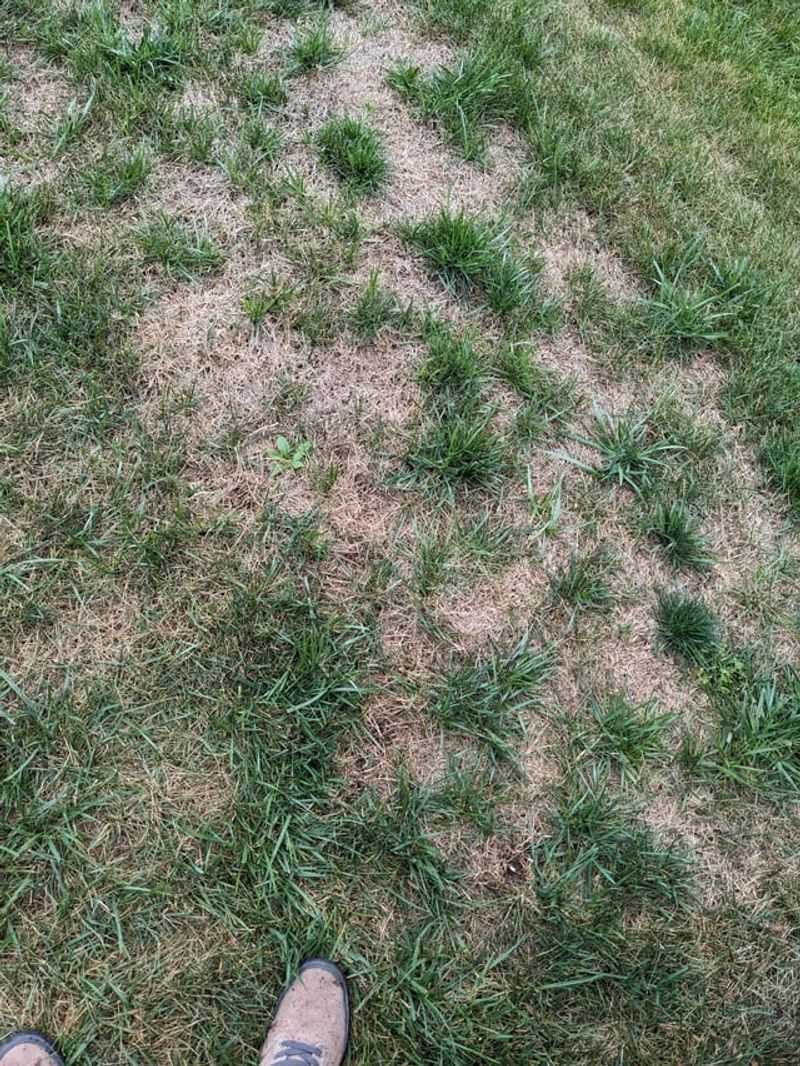
Life happens. A busy October, a broken mower, or a surprise heat wave can push seeding past the point of usefulness.
The worst move is forcing it anyway in November and hoping. Seed that germinates late produces weak seedlings that struggle through freeze and thaw cycles.
Dormant seeding offers a real alternative. Spread seed in late December through February onto bare, frozen or thawing soil and let winter freeze-thaw action work it into cracks naturally.
Rates run a bit higher for dormant seeding since losses are expected. Germination waits until soil warms in March, which gives you a head start on spring seeding without the guesswork.
Winter is also prime time for the unglamorous work. Soil testing, spreading lime, edging beds, sharpening mower blades, and clearing leaves all help next season enormously.
Fix the causes of thin turf too. Reroute a downspout, thin out a low tree limb blocking sun, or add stepping stones on a path everyone cuts across anyway.
If you must patch in spring, aim for late March through mid-April and commit to watering. Then plan on a light second repair the following fall to fill whatever summer takes back.
Set a reminder on your phone for August 15. That single alert has rescued more Kentucky lawns than any fancy product on the shelf.
Missing one year does not doom the yard. It just means the next window deserves a spot on the calendar in ink.