This Stunning Illinois Native Tree Deserves Far More Credit
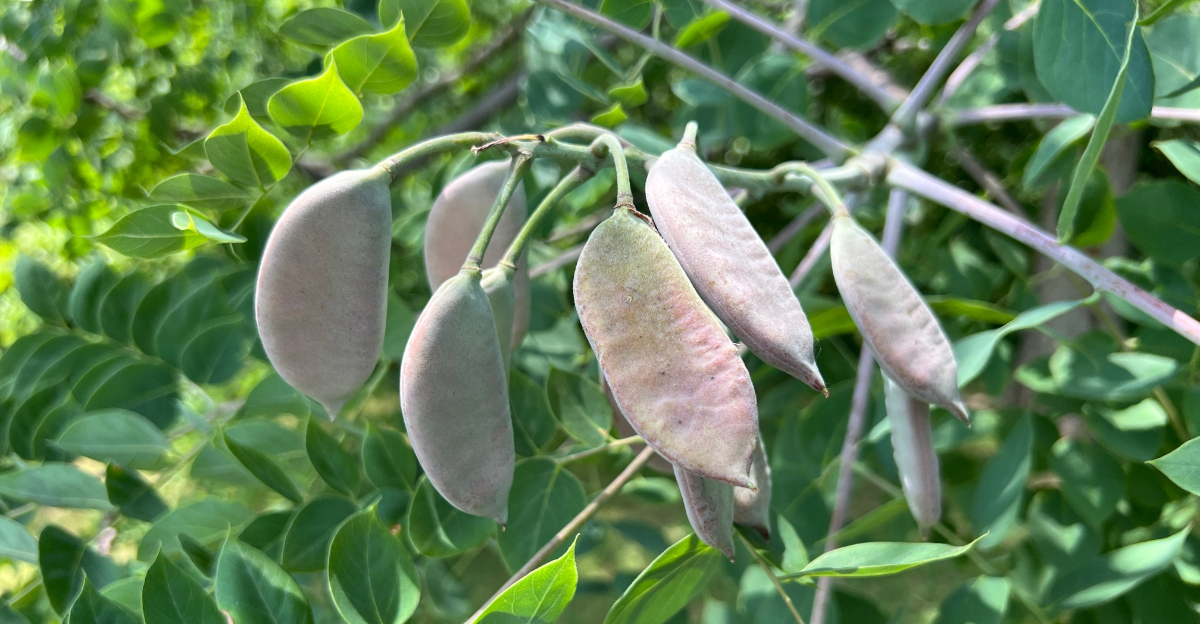
Illinois has plenty of trees that collect compliments, and this one rarely makes the list. It stands along fencerows and forgotten lot edges, doing quiet work nobody bothers to credit.
This native shrugs off drought, heavy clay, road salt, and the compacted city soil most shade trees cannot tolerate. After its first season, it asks for almost nothing from you.
Yet it stays absent from nursery lots and neighborhood planting lists, passed over for flashier options that demand constant attention, regular treatment, and far more water than they return in value.
For anyone who wants structure, resilience, and low upkeep in a single planting, this overlooked Illinois native deserves a much closer look.
This Overlooked Native Brings Bold Texture To Any Yard
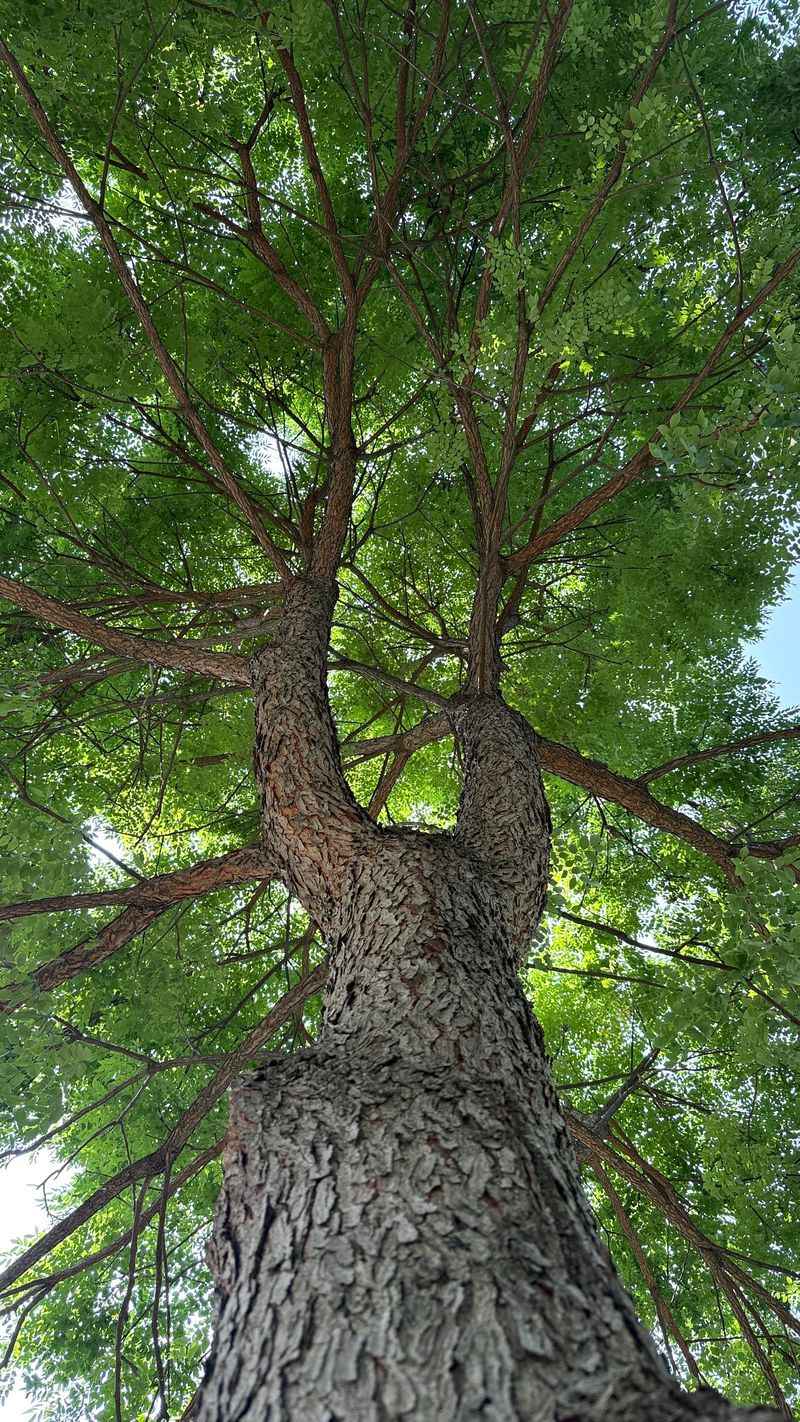
Picture a tree so dramatic it stops you mid-stride. This native produces enormous compound leaves that can stretch two to three feet long.
Each leaf holds dozens of tiny leaflets arranged in perfect rows. The overall effect looks almost tropical, yet the species is fully at home in the Midwest.
Few shade trees match its visual impact in a residential yard. Leaf size alone sets it apart from the maples and lindens that fill most residential streets.
The canopy spreads wide and casts a dappled shade that feels airy, not heavy. Sitting beneath it on a hot July afternoon feels noticeably cooler without the closed-in quality of a dense canopy.
Even a light breeze sets the leaflets moving, and the whole canopy seems to ripple at once. That constant motion gives the tree a presence that static, dense-leaved shade trees rarely have.
Because the leaves emerge late in spring, the tree allows extra sunlight to reach garden beds below. That late-leaf timing is actually a gift for shade gardeners.
The foliage turns a soft golden yellow each fall before dropping cleanly. The small leaflets scatter finely, though the thick leaf stems drop separately and need raking of their own.
Municipal planting lists in several Illinois cities now include it for parkways and commercial sites. Its bold silhouette holds up visually from spring leaf-out through deep winter.
Homeowners who want something unique without high maintenance keep coming back to this species. It rewards anyone willing to look past the usual nursery shortlist.
Its Unusual Seed Pods Set It Apart From Common Shade Trees
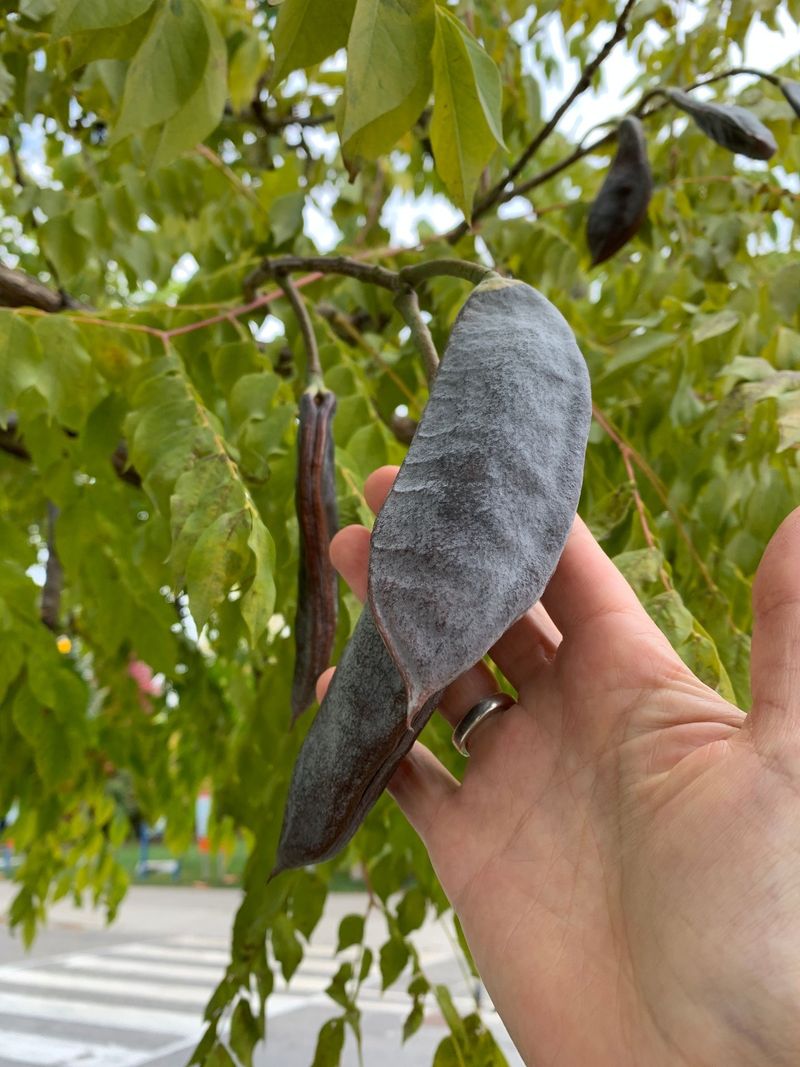
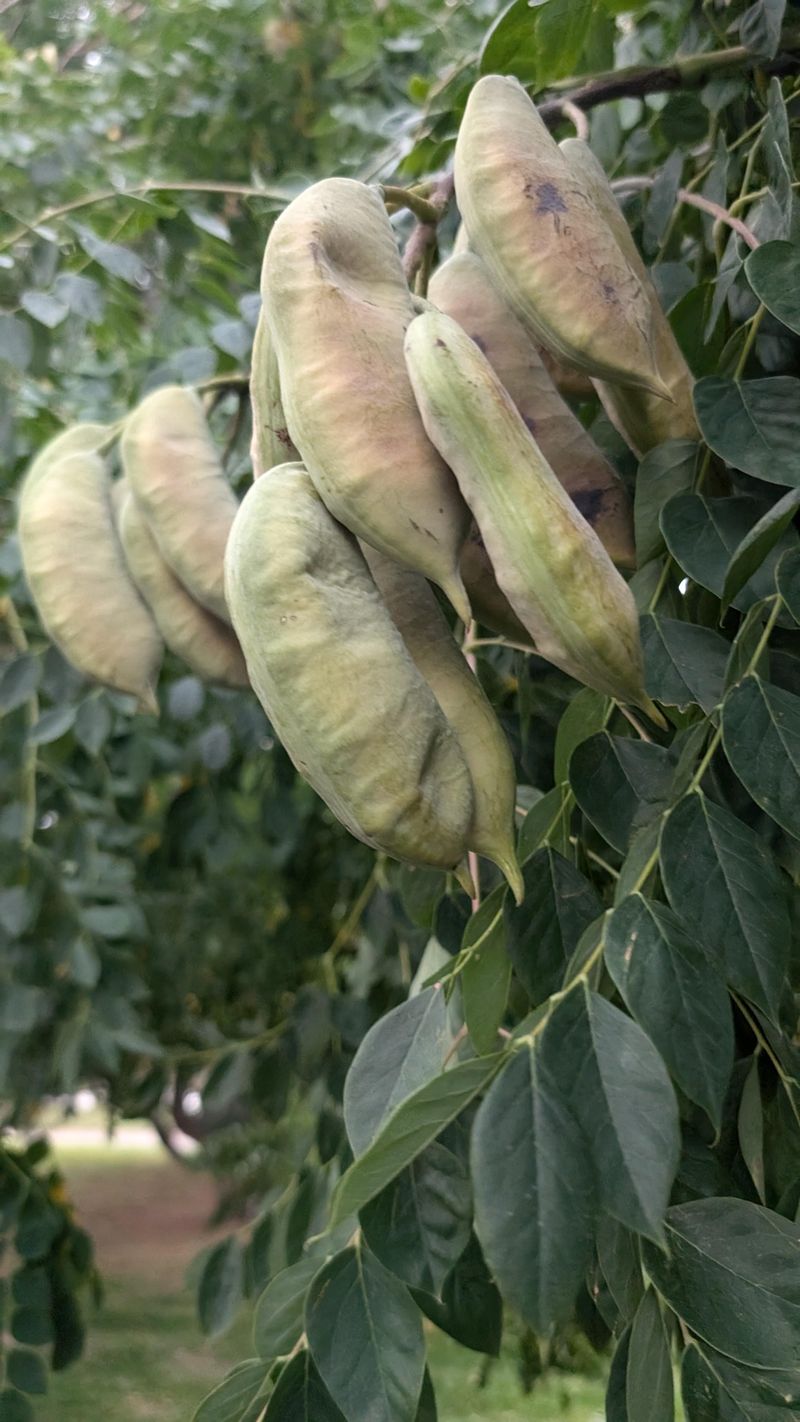
Typical tree seeds do not prepare you for what this species produces. Female trees produce thick, leathery pods that look almost prehistoric in their design.
Each pod can grow up to ten inches long and turns a deep reddish-brown by late fall. They hang on the branches well into winter, creating a striking visual display.
Early settlers noticed the large seeds inside and tried roasting them as a coffee substitute. The experiment gave the species its memorable common name.
The seeds are actually toxic when raw, so wildlife largely ignores them today. Extinct Pleistocene megafauna, mastodons among the likeliest candidates, are thought to have eaten the pods and moved the seeds.
That broken relationship is why researchers describe the coffeetree as a botanical anachronism. Its original seed disperser is long gone, which explains why wild populations are relatively rare.
Your Kentucky Garden Changes Every Week. Your Plan Should Too.
Gardening in Kentucky changes quickly throughout the season. Every Friday you’ll receive a simple weekly plan showing exactly what to plant, prune, fertilize, harvest, and protect so you never miss the right timing.
Shake one of the dried pods and the seeds rattle inside like beads in a gourd. The shells are tough enough that they hold their shape through snow, ice, and months of wind without splitting open.
In your yard, the pods become a natural conversation starter every winter. Neighbors will stop and ask what on earth that tree is dropping.
Female trees produce the pods while male trees stay pod-free. If you prefer a tidier landscape, ask your nursery for a male cultivar.
Either way, the pods add a sculptural quality few other Midwestern shade trees offer. They hold their shape well once dried, though the seeds and pulp are toxic and should stay out of reach of children and pets.
Kentucky Coffeetree Bark Adds Winter Interest Too
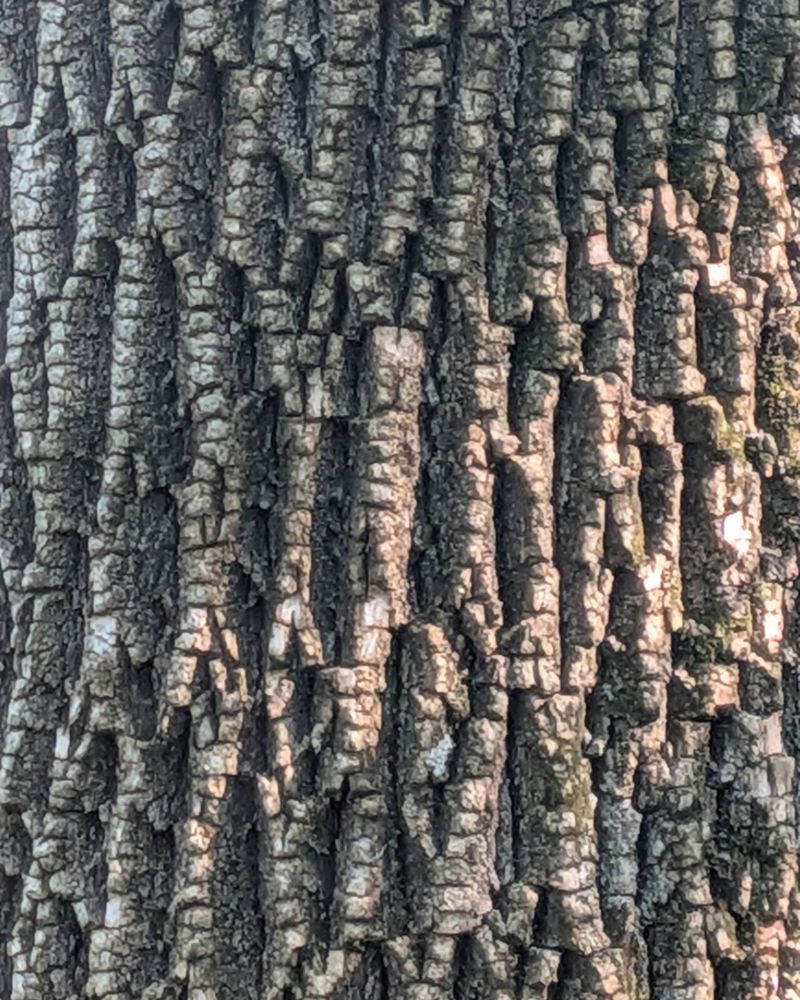
Winter reveals what summer hides. Once the leaves drop, the Kentucky coffeetree shows off bark that looks like it was carved by hand.
Narrow scaly ridges curl outward along the trunk, their edges lifting away from the surface. The gray-brown surface reads as rough and layered, closer to carved stone than tree bark.
Garden designers call this kind of year-round visual appeal “winter interest,” and this tree delivers it effortlessly. Placed near a window, it becomes a living piece of outdoor art from December through March.
The branching structure is equally impressive without leaves. Thick, chunky limbs spread out in bold zigzag patterns against a pale winter sky.
The contrast against snow is sharp enough that designers often place it within sight of a main window. The dark ridged bark against white snow looks almost like a black-and-white photograph.
Where many shade trees go visually quiet after leaf drop, this one keeps its structure on display. That four-season appeal is rare and hard to replace in a home landscape.
Mature specimens develop even deeper bark texture over decades. The older the tree gets, the more dramatic and beautiful the trunk becomes.
Planting one near an outdoor seating area puts that texture where you actually see it. Few natives earn their footprint in a yard across so much of the calendar.
Tough Roots Handle Drought And Urban Soil With Ease
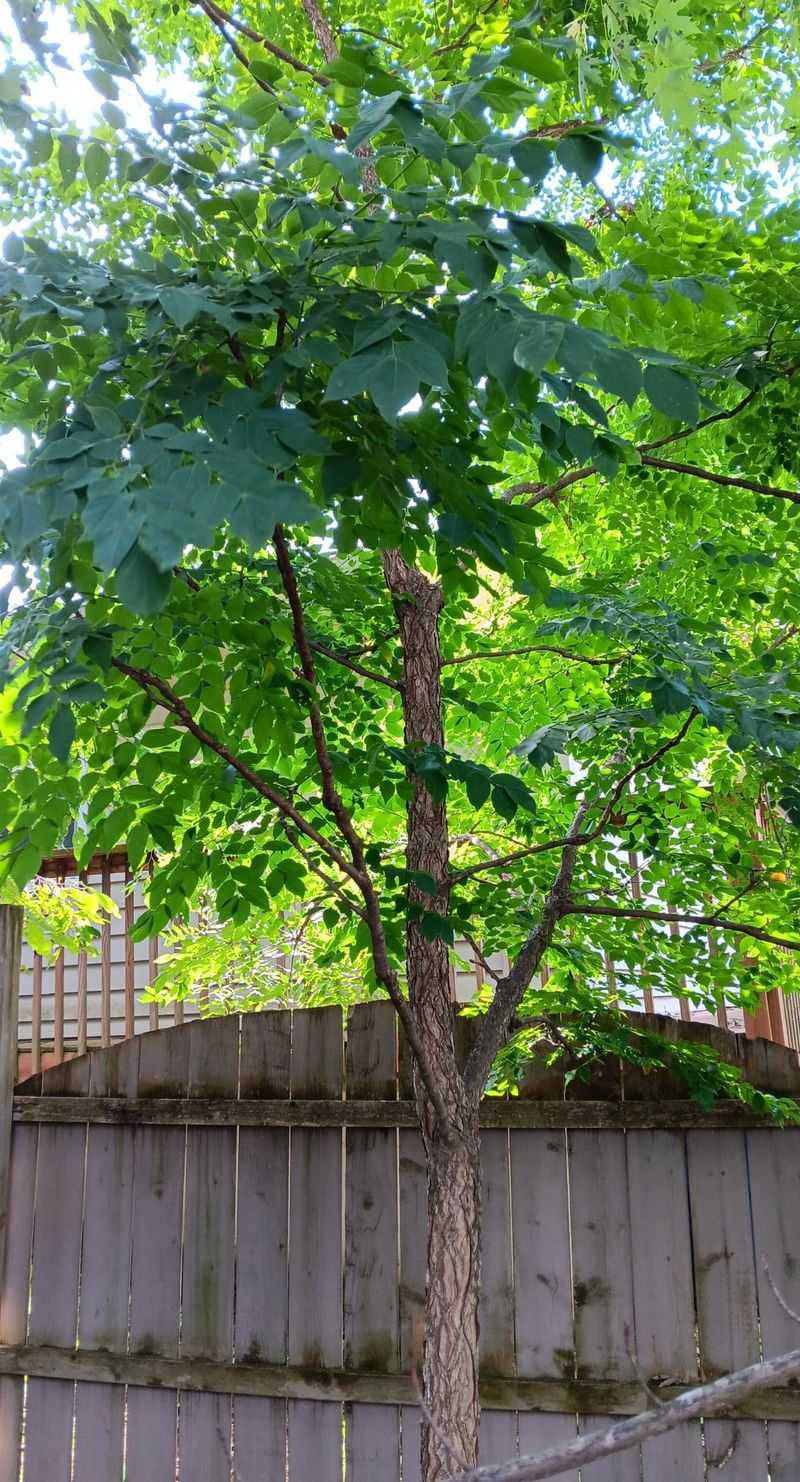
Most large shade trees are particular about soil conditions. This species is the opposite, holding on in spots where other trees struggle.
Compacted urban soils, roadside pollution, and extended dry spells barely slow it down. City planners in several Midwestern metros have started planting it in tough streetscape environments.
Its deep taproot system seeks out moisture far below the surface. That root architecture makes it remarkably self-sufficient, though establishment usually takes two to three seasons.
You will not be dragging the hose out every three days once this tree settles in. Once those roots reach depth, routine watering stops being part of the job.
The species also tolerates a wide pH range in soil, from slightly acidic to moderately alkaline. That flexibility matters in Illinois, where soil chemistry varies dramatically by region.
Wet spells are manageable as well. Coffeetree roots tolerate brief periods of standing water, though sustained saturation is another matter.
This combination of drought tolerance and flood resistance makes it genuinely adaptable. Few native trees check both boxes at the same time.
Homeowners with problem areas, slopes, clay-heavy patches, or dry corners near pavement, should consider this species first. Planting the right tree in a tough spot saves years of frustration and failed replacements.
Wildlife Benefits From Its Late Spring Blooms
Late bloomers get overlooked, but pollinators know better. The tree flowers in late May and June, after most spring-flowering trees have already finished.
The greenish-white clusters carry an odd, faintly lemony scent that draws in bees and butterflies. Timing is everything in the pollinator world.
Bumblebees and long-horned bees are the primary visitors, along with tiger swallowtails and ruby-throated hummingbirds. On a warm afternoon the panicles stay busy from mid-morning onward.
Beyond pollinators, the tree provides structural habitat for birds year-round. The chunky branching pattern offers excellent perching and nesting spots for a range of species.
The foliage serves as larval habitat for a handful of moth species, including the bicolored and bisected honey locust moths. Its contribution to the food web is narrower than an oak’s, since the leaves and raw seeds are toxic to most animals.
What the tree offers reliably is structure: sturdy branching that birds use through all four seasons. Those persistent pods stay largely untouched, which is part of why the species spreads so slowly on its own.
It adds variety that imported ornamentals cannot, even if it will never match a hickory or wild cherry for sheer wildlife traffic. Diversity of species matters as much as raw numbers in a backyard habitat.
For anyone building a yard around regional species, it fills a structural role most natives cannot. Regional species remain the most practical starting point for a working backyard habitat.
Planting And Care Tips For Home Landscapes
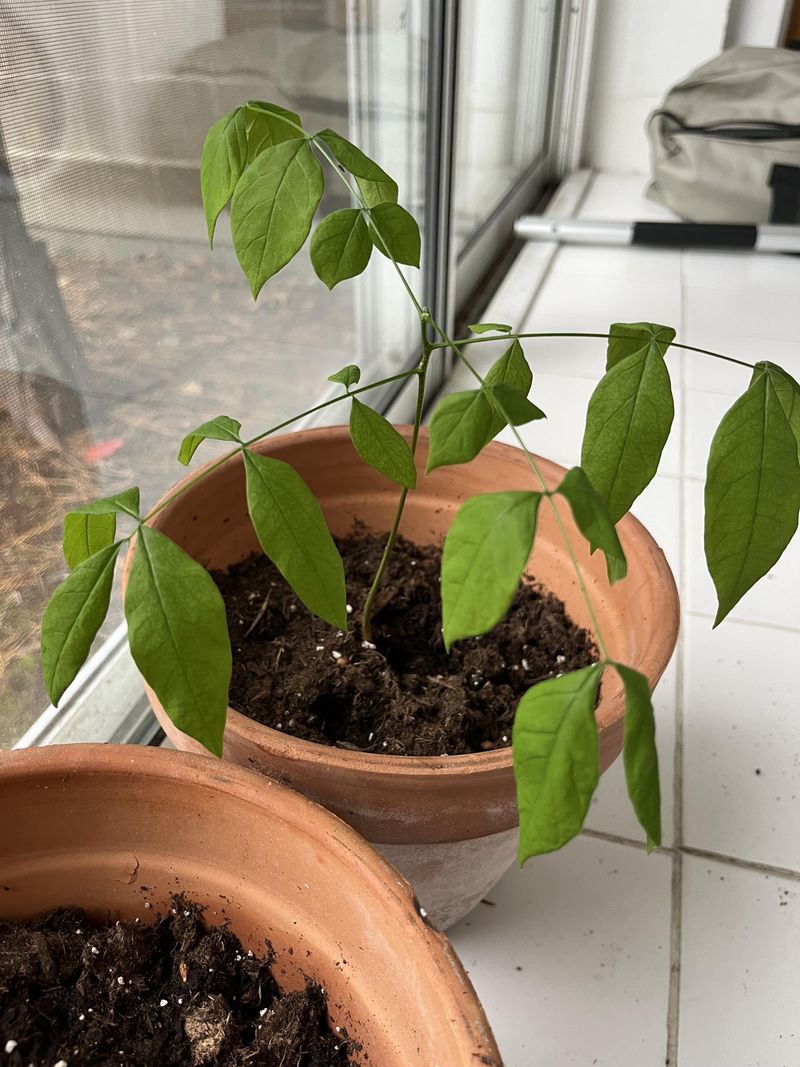
This tree does not demand perfection. Planting a Kentucky coffeetree is straightforward, provided you account for a mature spread of forty to fifty feet.
Choose a spot with full sun, at least six hours of direct light daily. The tree can tolerate partial shade but grows fastest and fullest in bright, open conditions.
Dig a hole twice as wide as the root ball and just as deep. Backfill with the native soil you removed, skipping any amendments unless your ground is extremely compacted.
Water deeply once a week during the first growing season to help roots anchor down. From the second season on, only extended dry spells call for supplemental water.
Mulching around the base helps retain moisture and keeps lawn mowers away from the trunk. Keep mulch a few inches away from the bark itself to prevent rot.
Pruning is minimal once the tree establishes its basic structure. Remove any crossing or damaged branches in late winter before new growth begins.
Nurseries that stock it sometimes carry ‘Espresso-JFS’, a male, pod-free selection with a more upright habit, though it still reaches full size. Ask specifically for Kentucky coffeetree by its botanical name, Gymnocladus dioicus, to avoid mix-ups.
This overlooked Illinois native rewards patient gardeners with decades of structure and resilience. Plant one this season and your yard gains a tree the neighbors will have to ask about.