The Illinois Lawn Job That Stops Working After The Third Week Of September
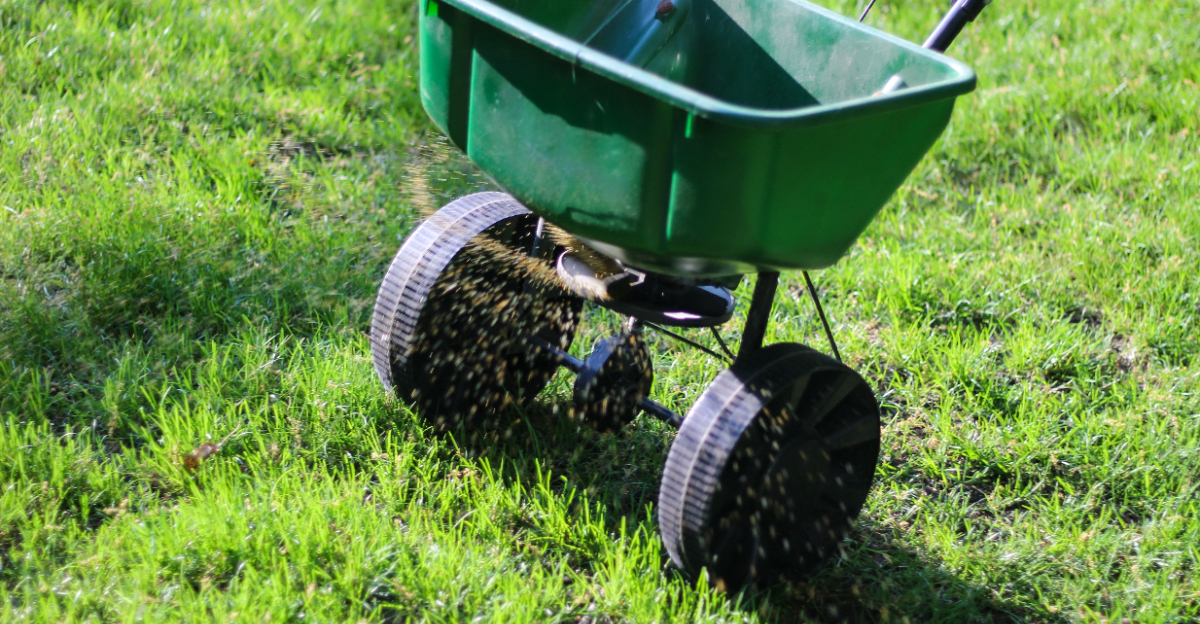
There is a moment every Illinois fall when the air smells like cut grass and woodsmoke at the same time. Right around then, one popular lawn chore quietly loses most of its power.
Homeowners rarely notice the switch. The bag looks the same, the spreader rolls the same, and the weather still feels pleasant on a Saturday morning.
What changed is underground, where the soil keeps its own calendar and stops cooperating. Miss that handoff, and you spend money in October for results you will not see in May.
Knowing the date is most of the trick. Here is what shifts after the third week of September, why it varies across the state, and which chores still earn their keep.
The September 20 Cutoff That Stops Illinois Seeding Cold
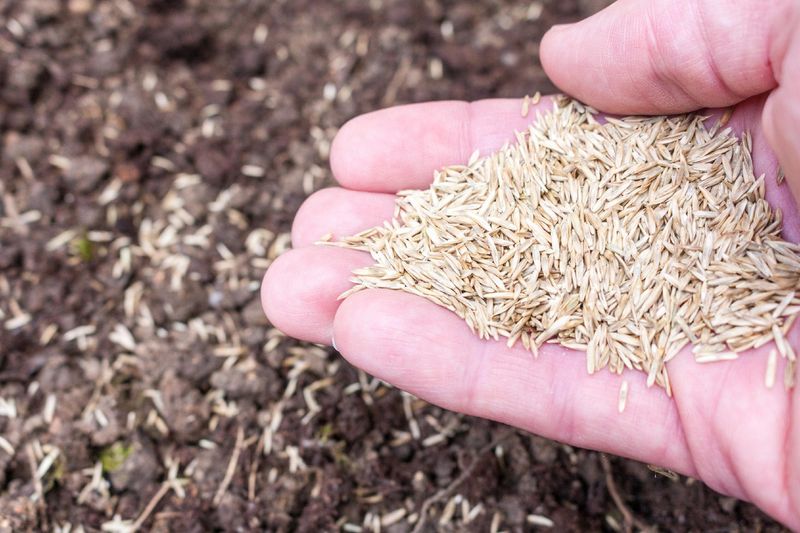
Ask a lawn crew in Naperville when they stop spreading grass seed, and you will likely get a date instead of a season. Somewhere around September 20, the spreaders get rinsed out and stored. That single line on the calendar separates a thick spring lawn from a patchy one.
Cool-season grasses like Kentucky bluegrass, tall fescue, and perennial ryegrass rule Illinois yards. Each germinates best when soil sits between 50 and 65 degrees and days stay long enough to fuel growth. Both of those conditions fade quickly once autumn settles in.
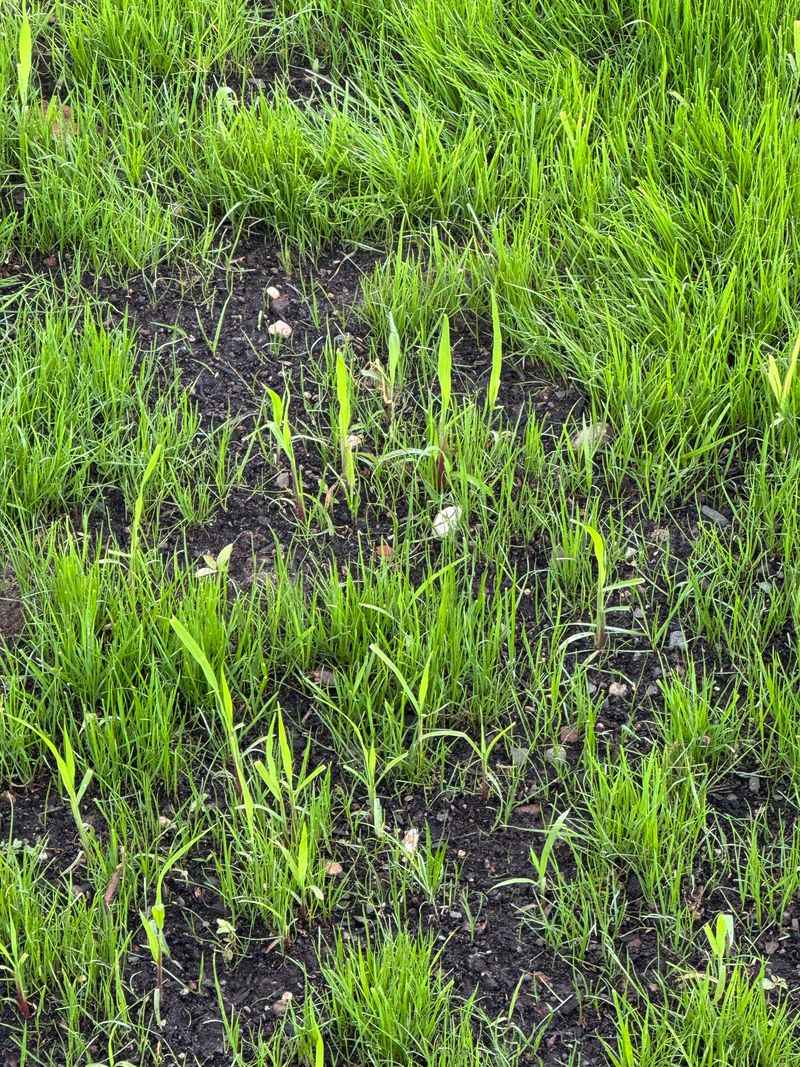
Seed sown on September 10 usually has time to sprout, spread sideways, and push roots two or three inches down. Seed sown on October 10 often sprouts, then stalls at the two-leaf stage. Those tiny plants sit through winter with almost nothing anchoring them.
University of Illinois Extension has pointed to an August 15 through September 15 window for years, with a short grace period after. Homeowners who miss it are not out of options, but the odds shift against them. Money spent on premium seed simply does not return the same turf.
Marking the date helps. Circle the third week of September on your garage calendar and treat it as a soft target date for bare-spot repair.
One bit of history: the phrase fall seeding season once stretched deep into October, back when mild Octobers felt routine. Weather swings both ways now, so finishing early beats gambling late.
Soil Temperature Slides Out Of The Germination Zone
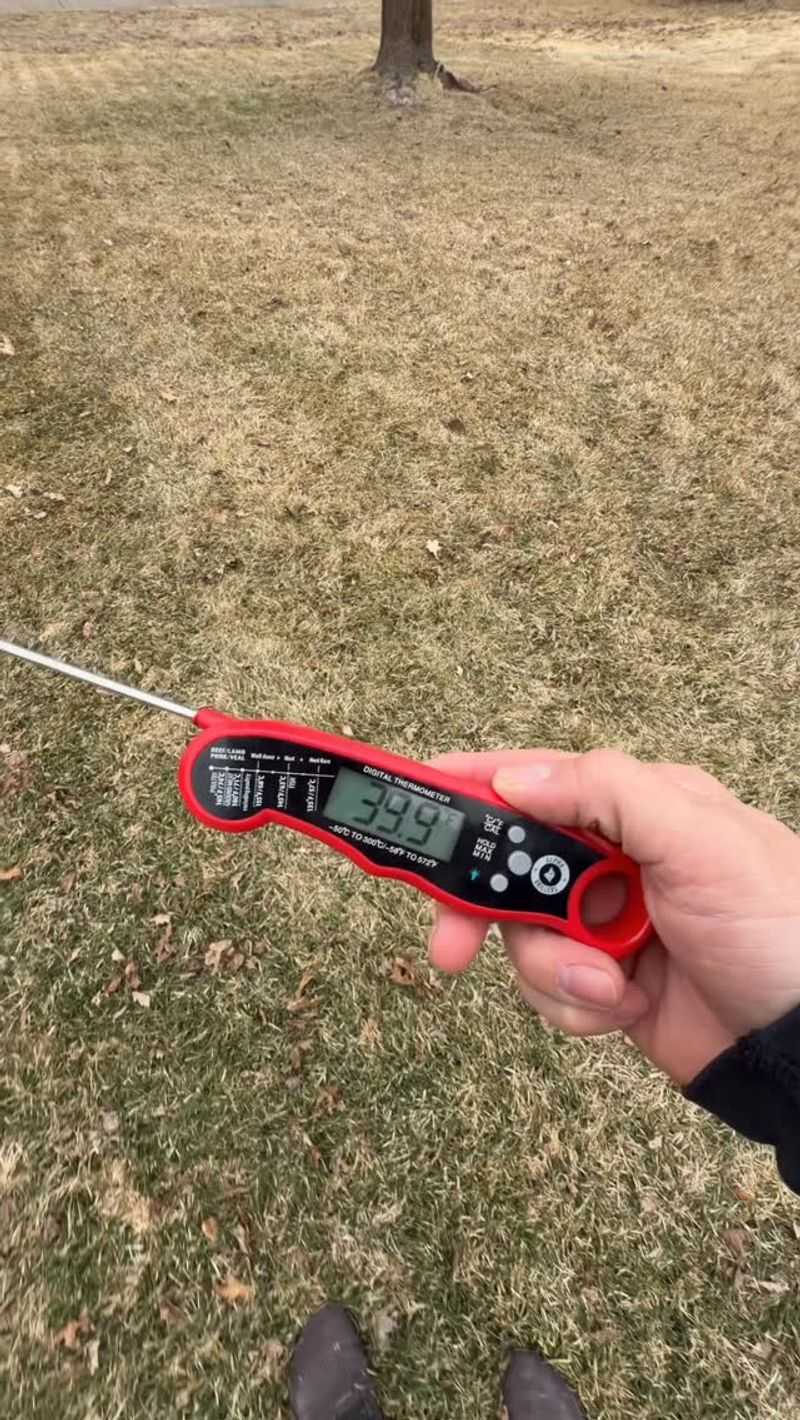
Air temperature gets all the attention, yet grass seed reads the soil instead. A thermometer pushed two inches into an Illinois lawn tells the real story.
Through early September, soil around Springfield often holds in the low 70s and drifts toward 60 by month’s end. That slide feels comfortable for germination at first. By mid October, readings near 50 degrees slow sprouting to a crawl.
Kentucky bluegrass is the slowpoke of the group, needing 14 to 21 days to emerge even under good conditions. Perennial ryegrass shows up in five to seven days, which is why late-season mixes lean on it heavily. Tall fescue lands somewhere in between.
Cold soil does more than delay sprouting. Seed sits in damp ground longer, which invites fungus and hungry birds. Some of it finally emerges during a warm spell, only to face a hard freeze days later.
Your Illinois Garden Changes Every Week. Your Plan Should Too.
Gardening in Illinois changes quickly throughout the season. Every Friday you’ll receive a simple weekly plan showing exactly what to plant, prune, fertilize, harvest, and protect so you never miss the right timing.
Checking soil temperature costs almost nothing. A compost thermometer or an instant-read kitchen probe works fine, and many Illinois weather stations post soil readings online for free.
One handy trick: take the reading around 8 a.m., before sunshine warms the surface. Morning numbers reflect what seed experiences overnight, which is when chilling stress tends to show up.
Once your two-inch reading holds under 55 degrees for several mornings in a row, seeding turns into a coin flip. Store the bag somewhere dry and mouse-proof, then plan a different project for the weekend.
Shrinking Daylight Slows Root Growth To A Crawl
Chicago loses roughly two and a half minutes of daylight every September day. By October 1, the city sees about eleven and a half hours of sun compared with fifteen in June.
Grass builds roots with sugar made during photosynthesis, so less light means a smaller sugar budget. Young seedlings spend that budget on leaves first and roots second. Fewer daylight hours means the root half of the job gets shortchanged.
The sun also rides lower in the sky, so shade from houses, fences, and maples stretches farther across the yard. A strip that baked in July might get only three hours of light in late October. Seed dropped there struggles even more.
Established grass handles the dimming fine because its roots already reach six inches or deeper. Seedlings have no such savings account. That gap explains why overseeding early beats overseeding late, even under identical weather.
Practical move: prioritize your sunniest bare patches while the window is still open. Shady repairs can wait for next August, when light and warmth line up again.
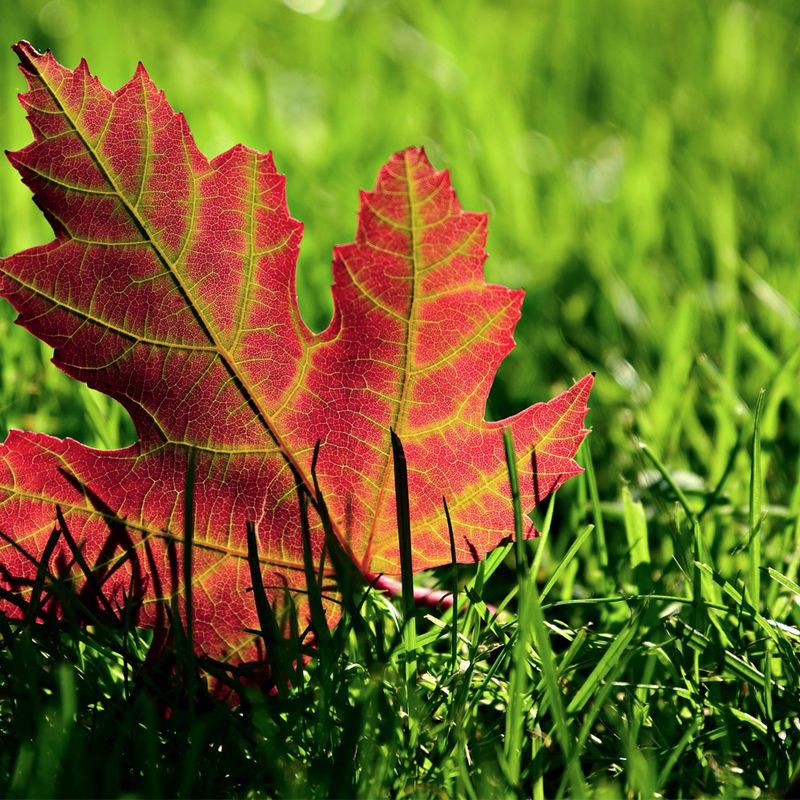
Raking matters here too. A blanket of maple leaves blocks nearly all light from young grass, and Illinois trees drop heavily through October. Clearing them weekly protects whatever seedlings you do have.
Mowing height plays a quiet role as well. Leaving blades near three inches lets existing turf capture more of the weak autumn light, which keeps the lawn denser and crowds out weeds.
Your Cutoff Date Shifts Across Northern And Southern Illinois
Illinois stretches nearly 400 miles from Rockford to Cairo, so one seeding date cannot fit the whole state. Yards in the far south get a bonus week or two.
Around Rockford and the Wisconsin border, the practical cutoff lands closer to September 10 through 15. Chicago suburbs usually hold on until about the 20th. Central towns like Bloomington and Decatur can stretch to the 25th in a mild year.
Down near Marion and Carbondale, first frost often waits until late October, which nudges the window into early October. Warmer soil there also speeds germination by several days.
Frost dates are the key measurement. Seedlings want roughly six to eight weeks of growing time before the ground firms up, so count backward from your county average.
Microclimates matter inside a single yard, too. A south-facing slope beside a brick wall may stay warm enough for another ten days, while a low, shaded corner chills early.
Lake Michigan adds a twist along the shoreline. Water holds heat into fall, so lakefront neighborhoods in Evanston and Waukegan often run a few degrees milder than inland towns twenty miles west.
Write your own date down. Look up your local frost average once, subtract eight weeks, and you have a personal target date that beats any general rule of thumb.
Neighbors offer a decent clue as well. When the crews on your street switch to leaf cleanup, seeding season in your zip code has likely wrapped up.
Late Seedlings And Winter Heave Are A Rough Match
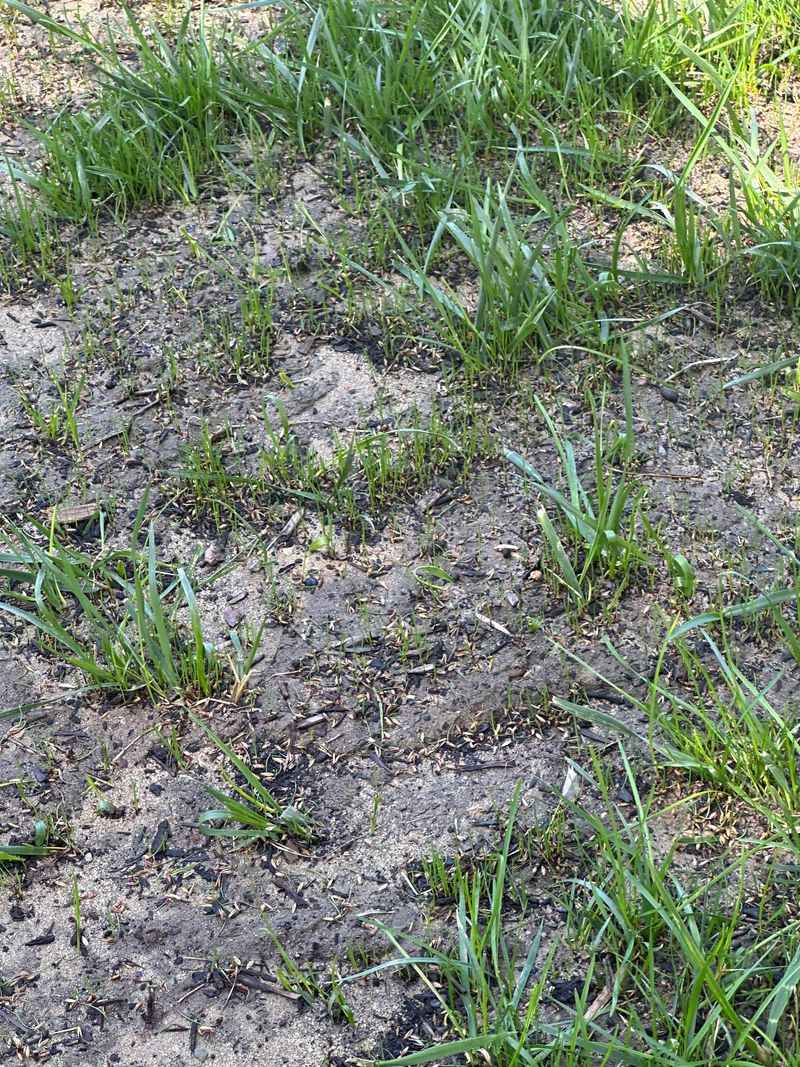
Picture a grass plant about the size of a toothpick trying to hang on through an Illinois January. That is roughly what October seed becomes.
Freeze-and-thaw cycles lift the soil, and shallow-rooted seedlings ride up with it. Roots snap or get exposed to dry wind. By April, those patches look thinner than they did in fall.
Kentucky bluegrass needs to produce side shoots called tillers before winter so it can spread and hold ground. Tillering takes weeks of warm soil. Seedlings that skip the step rarely fill in on their own.
Snow cover actually helps, working like a blanket over turf. Trouble arrives in winters with bare ground, cold wind, and no insulation, which happens plenty across central Illinois.
Road salt and plow piles pile on more stress along driveways and sidewalks. Mature turf shrugs off some of it, while brand-new grass has little tolerance.
If you already seeded late, give it backup. Keep foot traffic off those patches, hold off on herbicide there, and water until the ground firms up for the season.
Mulching lightly with straw or a seed blanket buys a few degrees and keeps seed from washing away during November rain. Results still vary, though the odds improve noticeably.
Come spring, plan to reseed the weakest areas in April or wait for the stronger August window. Judging results in mid-May rather than March keeps expectations fair, since cool-season grass often perks up late.
Aeration, Fertilizer, And Broadleaf Control Still Pay Off In October
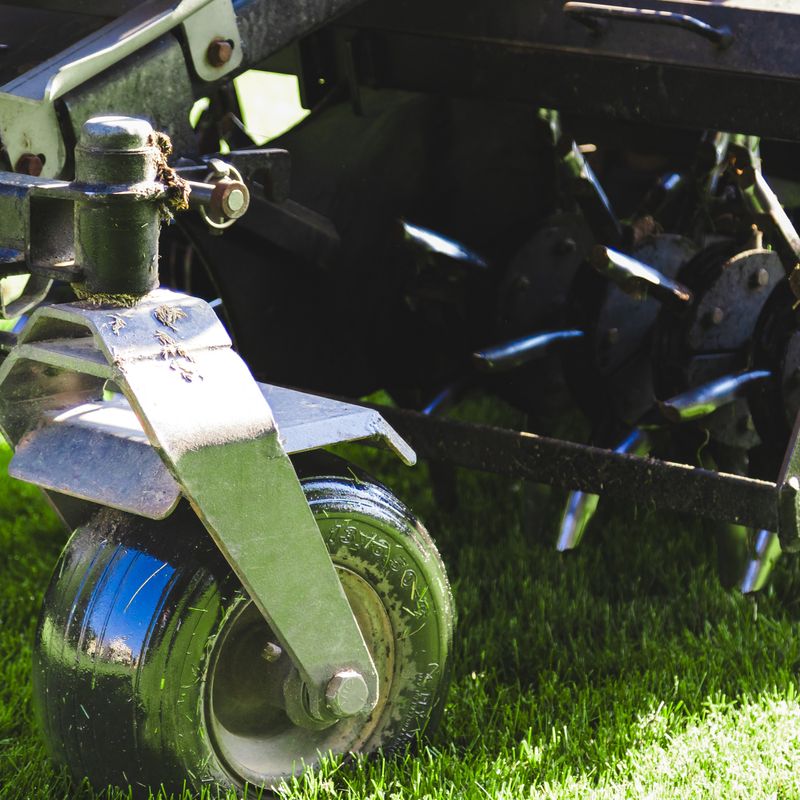
Here’s what still keeps producing results well past September: the spreader just carries something other than seed.
Core aeration performs nicely into mid October while soil stays soft and roots keep growing. Pulling plugs relieves compaction left by summer foot traffic. Existing grass answers by thickening on its own.
A fall nitrogen feeding may be the single best thing you do for an Illinois lawn. From late September through late October, roots store energy for spring even as top growth slows. Aim for about one pound of nitrogen per thousand square feet.
Broadleaf weeds are also easiest to handle now. Dandelion, clover, and creeping charlie pull nutrients down toward their roots in fall, carrying herbicide along for the ride.
Note the conflict: weed control and new seed make poor partners, since most products harm young grass. Skipping seeding actually frees you to treat weeds properly.
Leaf management rounds out the list. Mulching leaves with the mower returns nutrients and organic matter instead of hauling bags to the curb.
One more October chore worth booking: a soil test. Labs turn around faster in fall, and results tell you whether lime or phosphorus belongs in next year’s plan.
Sharpen the mower blade before the final cuts, too. Clean cuts help turf close out the season looking tidy and reduce ragged tips that brown at the edges.