The Foul-Smelling Thing Pushing Up Through Illinois Mulch Beds
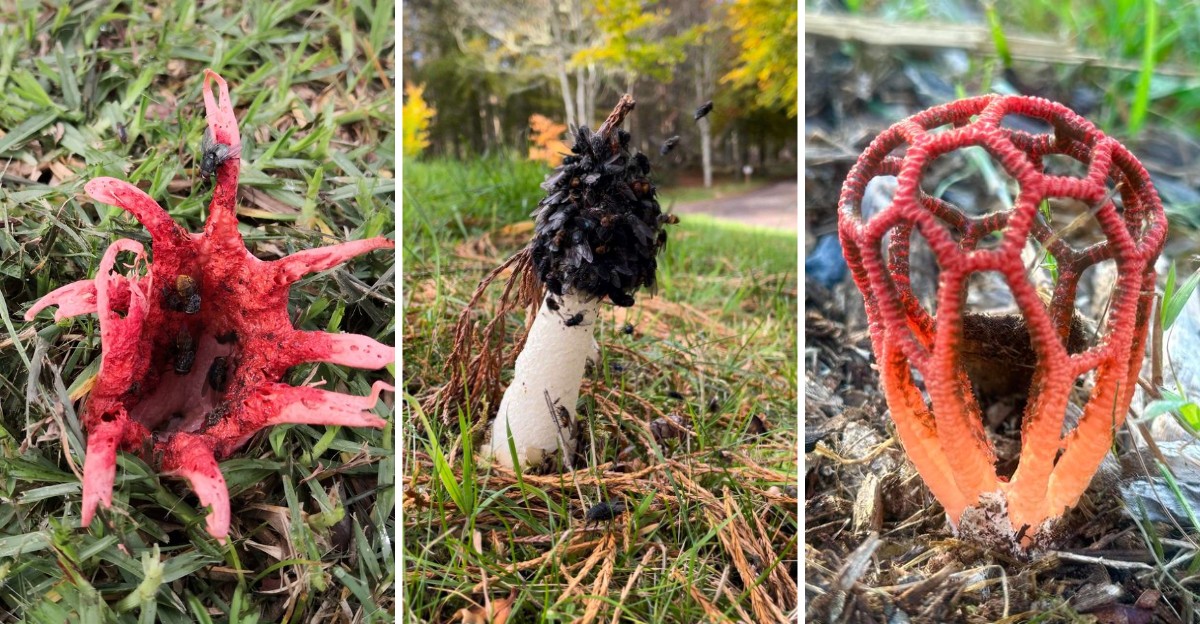
Something odd shows up in Illinois gardens each summer, usually a day or two after warm rain. Most people in the Midwest smell this visitor long before they ever manage to spot it.
The smell drifts across the lawn like forgotten garbage that sat in a closed car all afternoon. Neighbors start glancing suspiciously at each other’s trash cans, compost piles, and innocent family dogs.
Eventually you find the source near the hostas, pushing straight up through the mulch you spread in May. Yesterday that same spot held nothing but shredded bark and a couple of tired little weeds.
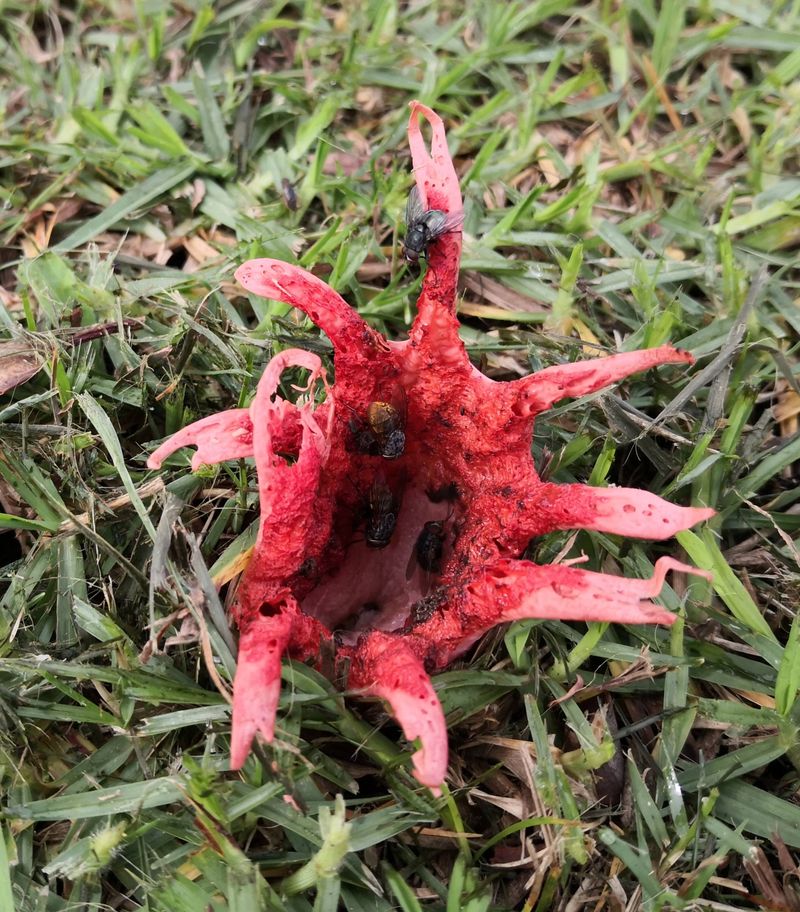
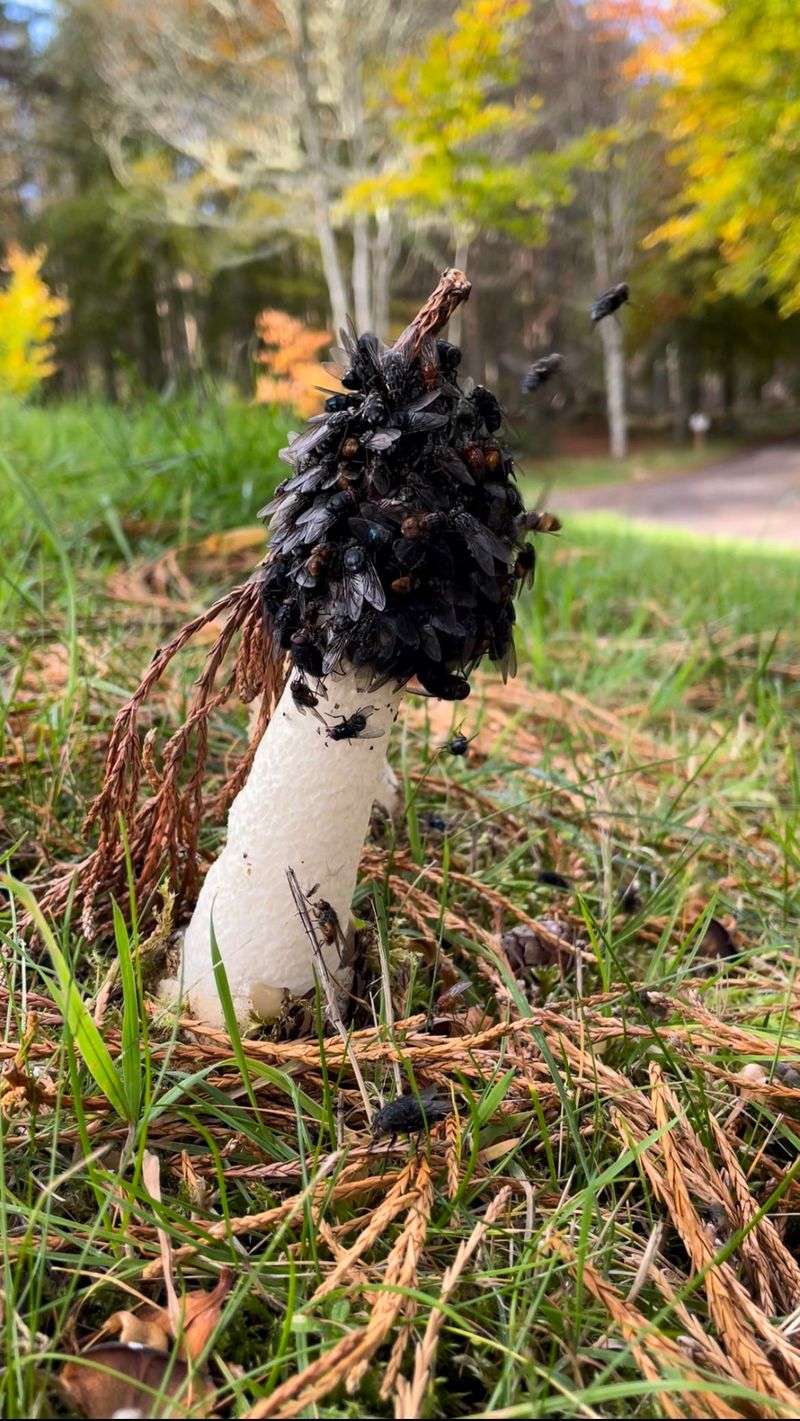
Flies show up within minutes, clearly delighted by whatever this thing is serving on its slimy tip. Flies treat the slime like an open buffet.
The Strange Fungus Behind That Rotten Odor In Your Mulch
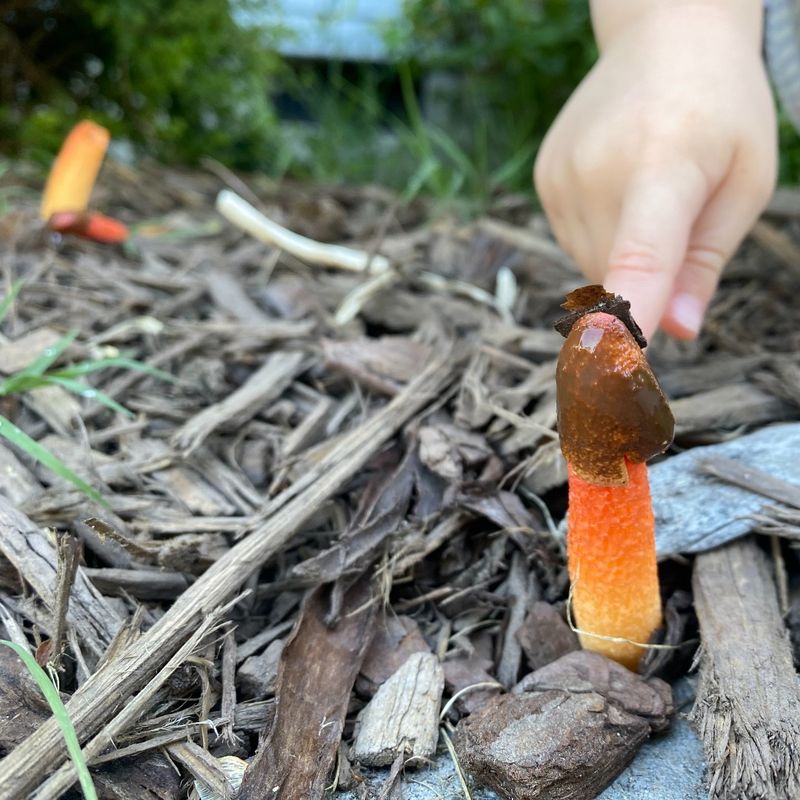
Gardeners across Illinois often blame a sewer leak first, then a stray animal, then their own compost. The real culprit is usually a stinkhorn mushroom hiding quietly below the bark.
Stinkhorns belong to a fungus family that spends most of its life invisible underground. Thin white threads called mycelium spread through mulch, feeding on wood and old plant scraps.
When conditions feel right, that hidden network pushes up a soft white egg resembling a golf ball. The egg splits open and a spongy stalk shoots upward surprisingly fast.
Illinois hosts several types, including the tall column stinkhorn and the lacy netted stinkhorn. Some look like orange fingers, while others resemble something far less polite.
The brown slime coating the tip carries the spores, and that slime produces the famous stench. Scientists compare the smell to rotting meat, sour garbage, or forgotten gym socks.
Kids often discover them first, usually with loud announcements and dramatic gagging noises from across the yard. Dogs, meanwhile, treat the discovery as a wonderful gift.
Stinkhorns appear in mulch beds, vegetable gardens, and shady spots beside foundations throughout the state. Chicago suburbs and southern Illinois yards report them equally often.
Nothing about a stinkhorn harms your hostas, shrubs, or lawn grass in any way. The fungus eats wood, not living roots or healthy garden plants.
Recognizing the odor as fungal activity saves you a plumber visit and plenty of unnecessary worry. Your nose reacts strongly, but your landscape stays perfectly fine.
Hot Rainy Stretches And The Sudden Overnight Arrival
Timing tells the whole story here, and Illinois weather sets the schedule. July and August deliver exactly the warm, soggy conditions these fungi have been waiting for.
Warm soil above seventy degrees plus steady moisture wakes the hidden mycelium from its slow routine. A heavy summer thunderstorm often triggers the whole performance within roughly two days.
Homeowners swear they appeared overnight, and honestly, that impression is close to accurate. Some species stretch from egg to full height in under four hours.
That speed comes from cells pumping water into a pre-built stalk folded inside the egg. Think of a camping tent popping open when you release the strap.
Spring visits happen too, especially during wet Mays in central Illinois flower beds. Fall brings a second round whenever September rain follows a muggy stretch.
Your Illinois Garden Changes Every Week. Your Plan Should Too.
Gardening in Illinois changes quickly throughout the season. Every Friday you’ll receive a simple weekly plan showing exactly what to plant, prune, fertilize, harvest, and protect so you never miss the right timing.
Newly mulched beds from spring cleanup tend to erupt first, since the wood still holds plenty of food. Older, thinner mulch usually produces far fewer smelly surprises.
Shady north-facing beds stay damp longest, making them reliable stinkhorn real estate year after year. Sunny, dry borders rarely put on the same show.
Watching the forecast gives you a genuine head start on the neighborhood smell complaints. Three humid days plus an inch of rain usually means company is coming.
Each individual stinkhorn lasts only a day or two before collapsing into a dark puddle. The population underground, however, keeps its schedule all season long.
Mark the pattern on a calendar for a season or two if curiosity strikes. Predicting the stink beats getting caught off guard by it barefoot.
Fresh Hardwood Mulch As A Hidden Food Source
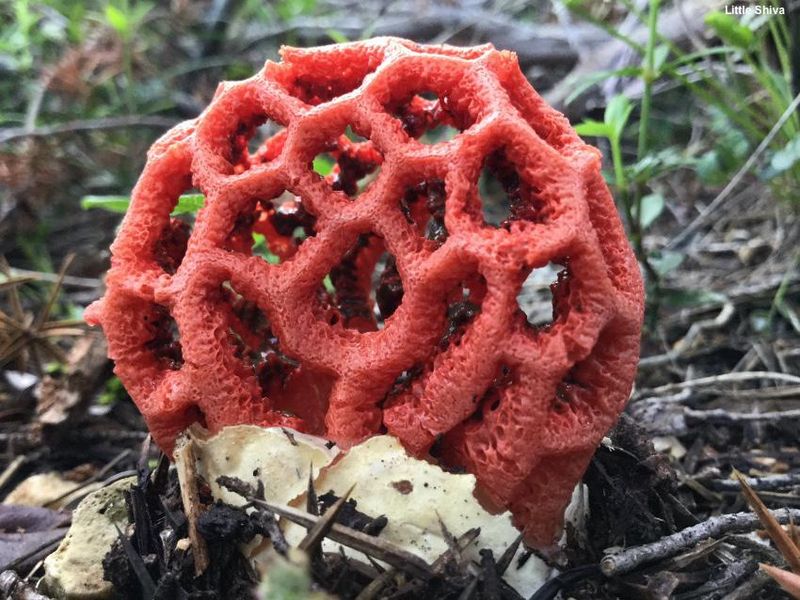
Blame the bark, not your gardening skills or your watering habits. Stinkhorns show up because shredded hardwood mulch is basically a buffet for wood-eating fungi.
Bagged mulch often arrives already carrying spores or fragments of living fungal thread. Nurseries, landscape yards, and big box stores all ship the same quiet hitchhikers.
Finely shredded mulch holds moisture like a sponge and breaks down quickly. Both qualities create ideal conditions for the fungus to spread underneath.
Thick applications make everything worse, and plenty of Illinois beds carry five inches of accumulated bark. Two or three inches is all most landscape plants actually need.
Wood chips from tree services, common after storm cleanups, feed stinkhorns especially well. Free mulch sometimes costs you in odor instead of dollars.
Buried landscape fabric traps moisture between soil and mulch, giving the fungus a damp hideout. Drainage matters more than most Illinois gardeners expect it to.
Old stumps, buried roots, and rotting fence posts serve as backup food sources. Removing that hidden wood reduces future outbreaks around the yard.
Composted mulch that sat in a pile for many months tends to sprout less. Fully broken down material offers the hungry fungus much less to eat.
Here is the upside that nobody mentions at the garden center. Fungi breaking down mulch release nutrients that quietly feed your perennials.
Switching to pine bark nuggets, cocoa hulls, or decorative gravel lowers the odds considerably. Chunkier materials dry faster and decompose at a much slower pace.
The Flies, The Slime, And The Clever Spore Trick
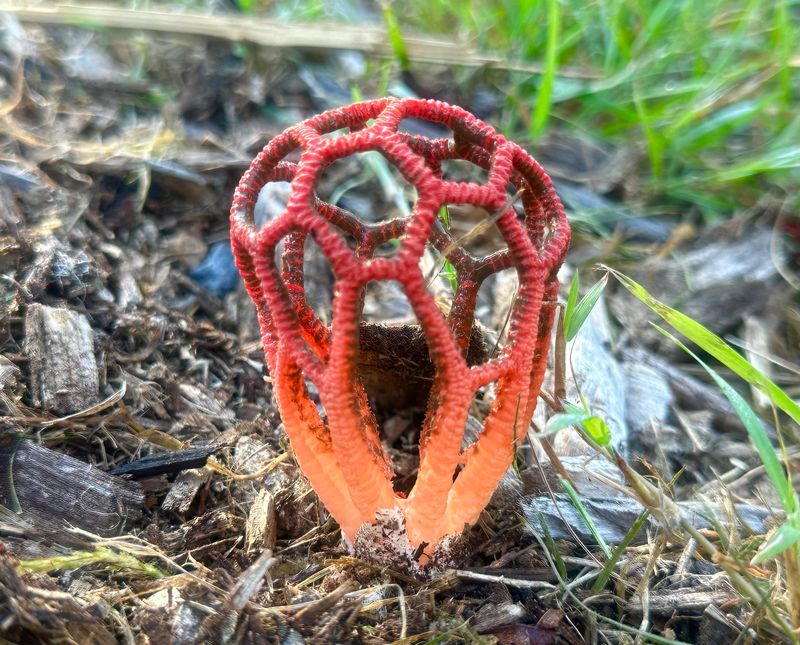
Most mushrooms release spores into the wind and simply hope for the best. Stinkhorns skipped that approach and hired a flying delivery service instead.
That sticky brown goo on the tip, called gleba, is packed with microscopic spores. The stench advertises it to blow flies and beetles from surprising distances.
Flies land expecting a rotten meal and leave with spores glued to their legs. Every landing spot afterward becomes a possible new colony somewhere nearby.
The slime disappears fast once insects find it, sometimes within a single hot afternoon. What remains looks like a pale, hollow, slightly sad stick.
Certain species attract gnats, while others pull in carrion beetles with thicker slime. Insect visitors vary by region and by the mushroom species involved.
Naturalists in the 1800s wrote long, dramatic letters about these fungi and their odor. Victorian naturalists reportedly hunted them down and burned them in secret.
Understanding the fly connection explains one very practical detail about cleanup timing. Removing a stinkhorn early, before insects arrive, limits how many spores travel.
Rain washes leftover slime into the soil, spreading spores in a quieter way. Wet Illinois summers end up helping this fungus twice over.
The flies themselves cause no harm, though they may drift toward your patio doors. Sweeping the area and rinsing nearby surfaces usually sends them elsewhere.
Some Illinois gardeners find the whole system oddly impressive once the disgust fades. The smell alone does all the advertising this fungus needs.
Common Cleanup Mistakes That Make The Problem Worse
Reaching for fungicide feels natural, and it wastes both money and an afternoon. Garden chemicals barely touch the mycelium spread deep through the mulch.
Mowing or chopping a mature stinkhorn scatters spore slime across a wider area. Pieces land on surrounding mulch and begin fresh colonies within weeks.
Tossing pulled mushrooms into the compost pile simply relocates the whole problem. That pile quickly becomes a head start for next season’s crop.
Hosing down the bed spreads slime and soaks the mulch. Extra water only encourages more eggs to pop within a few days.
Piling new mulch on top to hide the smell hands the fungus another meal. Fresh bark buys you maybe one quiet week before round two.
Ignoring the egg stage costs people the easiest win available all summer. Those firm white spheres come out clean, without slime or serious odor.
Bare hands work fine, though the smell clings to skin for hours afterward. Disposable gloves and a sealed plastic bag will save your evening.
Bleach poured into beds damages plant roots and soil life without solving anything. Salt causes similar harm and lingers in the ground for seasons.
Calling a plumber before checking the flower beds happens more often than expected. Sewer companies across Illinois field these confused calls every single summer.
Waiting for a hard freeze works, technically, but August in Illinois drags on. Patience has limits when dinner guests keep sniffing near your deck.
Safe Removal Steps For Beds, Lawns, And Pets
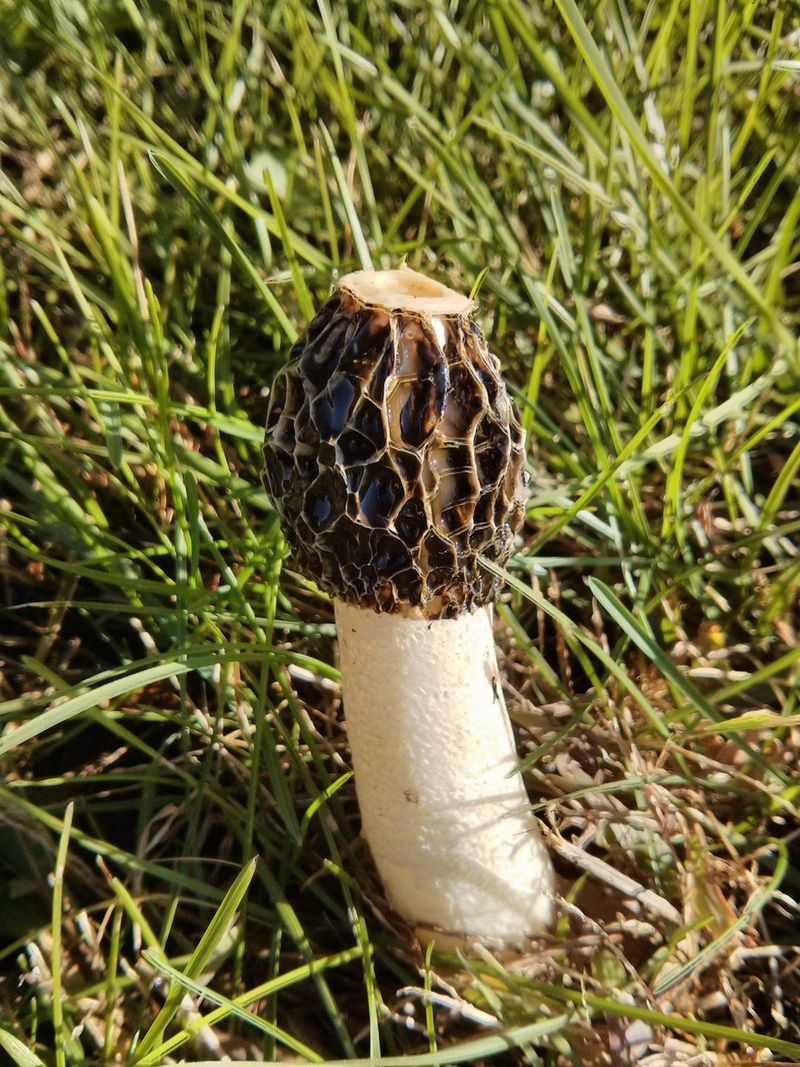
Early morning works best, since fresh stinkhorns stay intact before the flies swarm. Grab gloves, a small trowel, and a bag you can seal tightly.
Dig around the base and lift the whole structure, including the white cord beneath. Leaving that anchor behind lets a replacement grow back quickly.
Drop everything straight into the bag rather than carrying it across the yard. Sealed household trash beats the compost pile with this particular fungus.
Scan the surrounding mulch for those small white eggs hiding below the surface. Pulling them now prevents tomorrow morning’s unpleasant surprise near the porch.
Rake the bed afterward to loosen and dry the top layer of mulch. Air movement discourages the fungal threads waiting patiently underneath.
Pets deserve attention here, because dogs find stinkhorns fascinating for obvious smelly reasons. Most cases cause an upset stomach, though a vet call stays wise.
Children should skip the handling altogether, since identifying young mushrooms gets tricky. Teach a simple look but do not touch rule and move on.
Washing hands with soap afterward handles any lingering smell and sticky residue. A splash of white vinegar helps whenever soap alone falls short.
Tools get a quick rinse before returning to the shed, purely as courtesy. Nobody enjoys grabbing a trowel that smells like a roadside swamp in July.
Repeat the sweep every couple of days during humid stretches for best results. Ten minutes of work keeps the bed presentable through the summer.