7 Shade Flowers That Keep Blooming In Pennsylvania After The Summer Heat Fades
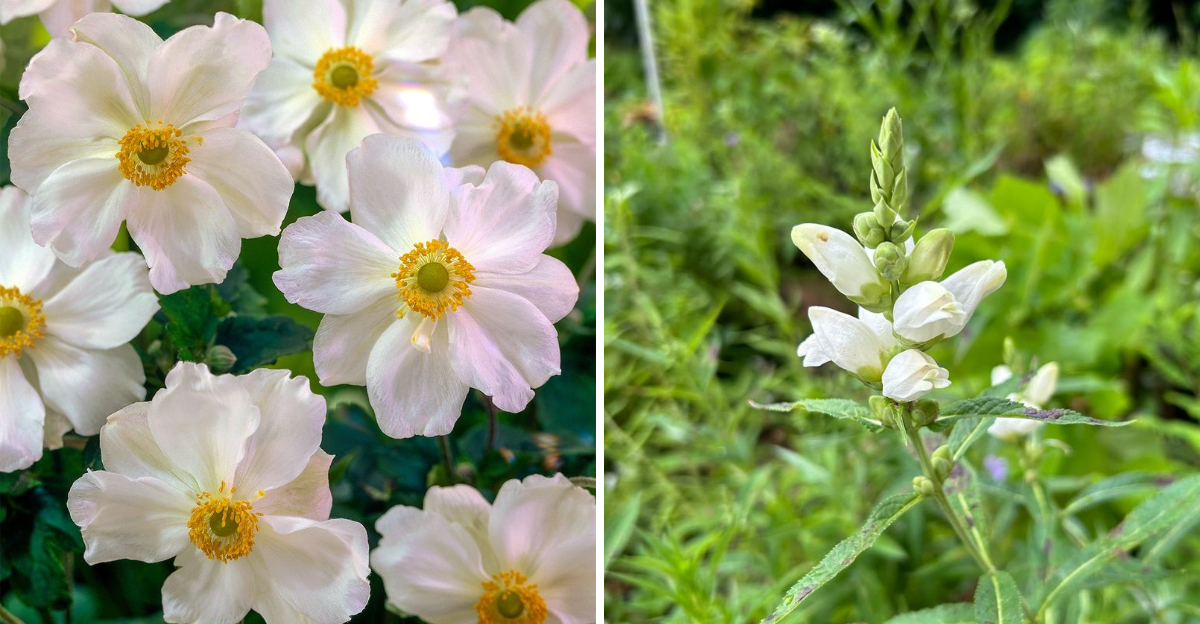
Shaded Pennsylvania garden beds have a way of looking their best in spring and then quietly fading into the background once summer heat arrives.
Most shade loving plants make their statement early and then coast through the rest of the season on foliage alone.
By the time the heat begins to fade in September, those shaded spots can feel like they have nothing left to offer. But certain shade flowers have a completely different schedule.
They come alive as temperatures ease. Cooler nights and the shift away from summer’s intensity trigger bloom cycles that carry real color through the shaded areas of the garden right when those spaces most need it.
These are not plants that peak in May and disappear. They’re plants that save some of their best performance for the end of the season.
Here are the shade flowers that keep blooming in Pennsylvania after the summer heat fades and why every shaded garden bed should have at least a few of them.
1. Cardinal Flower
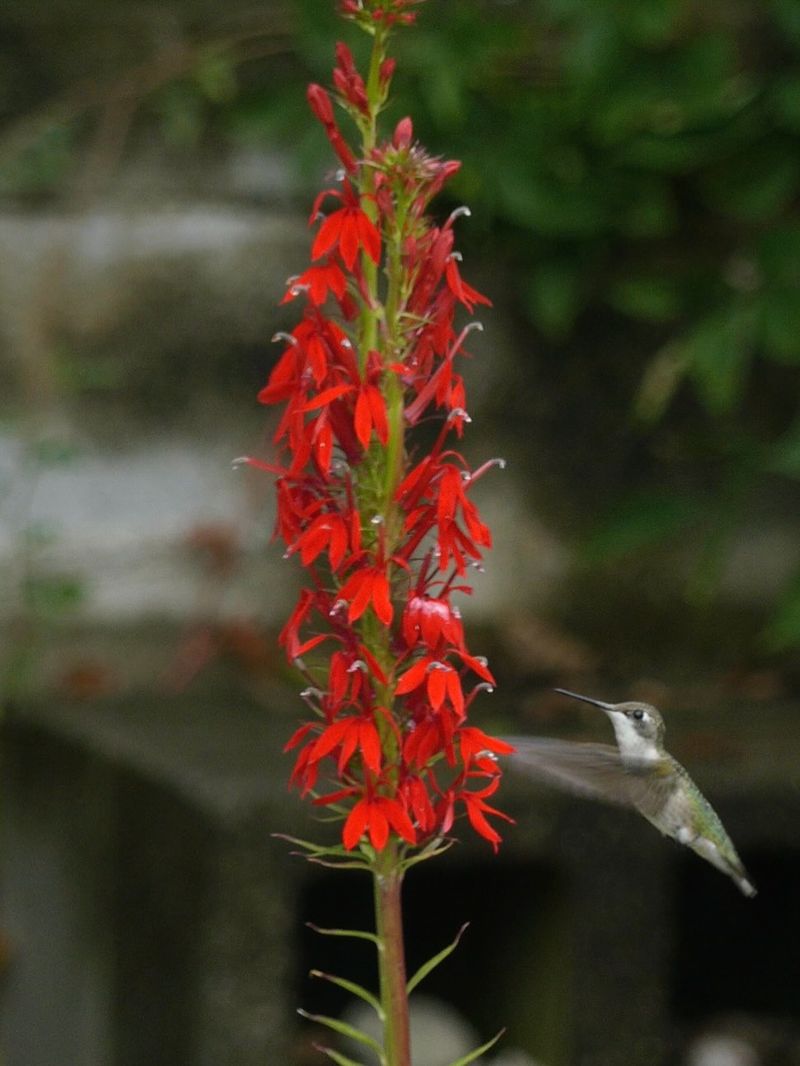
Few plants stop you in your tracks like the cardinal flower with its fiery red spikes. Native to Pennsylvania, it grows wild along stream banks and damp woodland edges.
Blooming from late summer into early fall, it lights up shady spots when other flowers slow down. Hummingbirds adore it, so expect some winged visitors near the end of the season.
The plant likes soil that stays moist, which makes it perfect for low areas that hold water. If your shady corner tends to stay damp, this flower will feel right at home.
It can reach three to four feet tall, so it works well at the back of a bed. Pair it with ferns or hostas for a layered, woodland look.
Cardinal flower prefers partial shade rather than deep darkness. A little morning sun with afternoon shade often gives the best results.
Water it during dry spells since it does not handle drought well. Mulch helps lock in moisture and keeps the roots cool and comfortable.
Did you know the plant got its name from the bright red robes worn by Catholic cardinals? That vivid color is hard to forget once you see it.
It is a short-lived perennial, but it self-seeds if the conditions suit it. That means you may find fresh plants popping up nearby each year.
Deer usually leave it alone, which is a relief for many Pennsylvania gardeners. For a splash of drama in the shade, this one earns its spot.
2. Astilbe
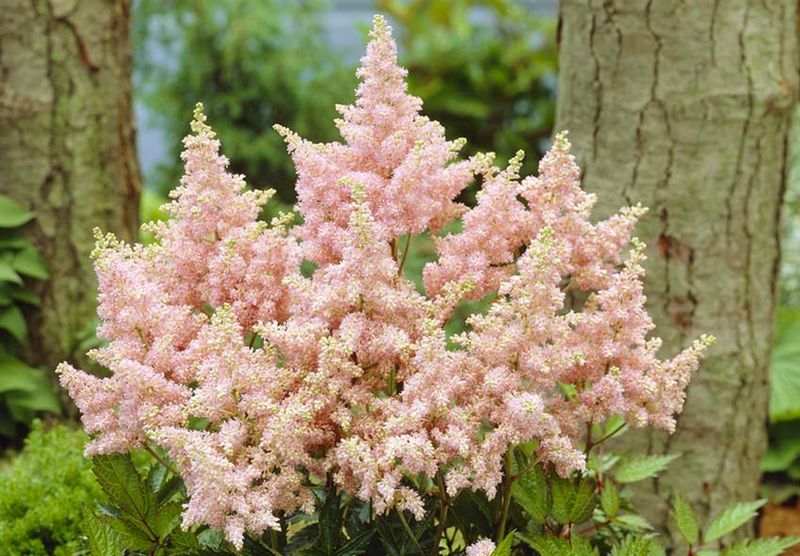
Soft, feathery plumes make astilbe look like colorful smoke rising from the ground. This plant brings a fluffy, romantic touch to dim garden corners.
Astilbe thrives in the cooler weather that follows Pennsylvania summers. While the heat can stress it, the milder days let it bounce back beautifully.
You will find blooms in pink, white, red, and lavender that rise above lacy, fern-like leaves. Even after flowering, the foliage keeps looking neat and tidy.
It loves shade and moist soil, so tuck it under trees or beside a shady path. Dry spells will fade the plumes quickly, so keep the water coming.
Your Pennsylvania Garden Changes Every Week. Your Plan Should Too.
Gardening in Pennsylvania changes quickly throughout the season. Every Friday you’ll receive a simple weekly plan showing exactly what to plant, prune, fertilize, harvest, and protect so you never miss the right timing.
Astilbe grows in tidy clumps that spread slowly over time. Every few years you can divide them to make more plants for free.
Pair it with hostas and ferns for a classic shade garden combo. The mix of textures keeps the space interesting from spring through fall.
Deer and rabbits tend to skip over astilbe, which is welcome news in wooded areas. That makes it a low-stress pick for country properties.
The dried plumes stay attractive long after blooming ends. Some gardeners leave them up for winter interest and a touch of texture.
Give it a spot with rich, organic soil for the strongest show. A layer of compost each spring keeps it happy and healthy.
For a shady bed that feels soft and dreamy well into the cooler months, astilbe delivers with barely any fuss.
3. Turtlehead
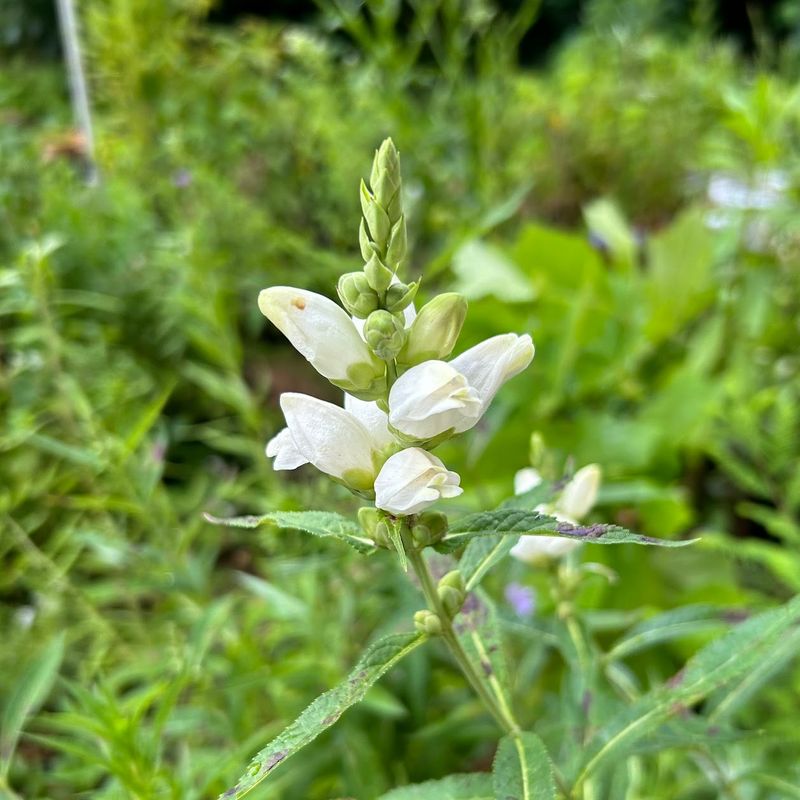
The odd little blooms on turtlehead really do look like a turtle poking its head out. That quirky shape makes it a fun conversation starter in any garden.
Native to Pennsylvania wetlands, this hardy perennial blooms from late summer into fall. It shrugs off cooler nights and keeps flowering when many plants call it quits.
Turtlehead favors moist, rich soil and partial shade. Boggy spots that stump other plants are exactly where it shines.
The flowers come in pink, rose, and white shades atop sturdy stems. Bees have to push their way inside, which makes for entertaining watching.
It grows two to three feet tall and forms neat, upright clumps. Plant several together for a fuller, more colorful display.
Because it likes wet feet, it pairs nicely with cardinal flower and Joe Pye weed. Together they create a lush, native rain garden.
Deer rarely bother it, so gardeners near woods can relax a bit. That resistance is a real bonus in rural Pennsylvania.
Turtlehead also serves as a host plant for the Baltimore checkerspot butterfly. Supporting local wildlife is a nice reason to add it.
Give it consistent moisture, especially during hot stretches. A layer of mulch helps hold water and keeps roots cool.
It spreads slowly by underground stems, so you can divide it to expand your patch. For late color in a damp, shady spot, this native gem quietly steals the show.
4. Japanese Anemone
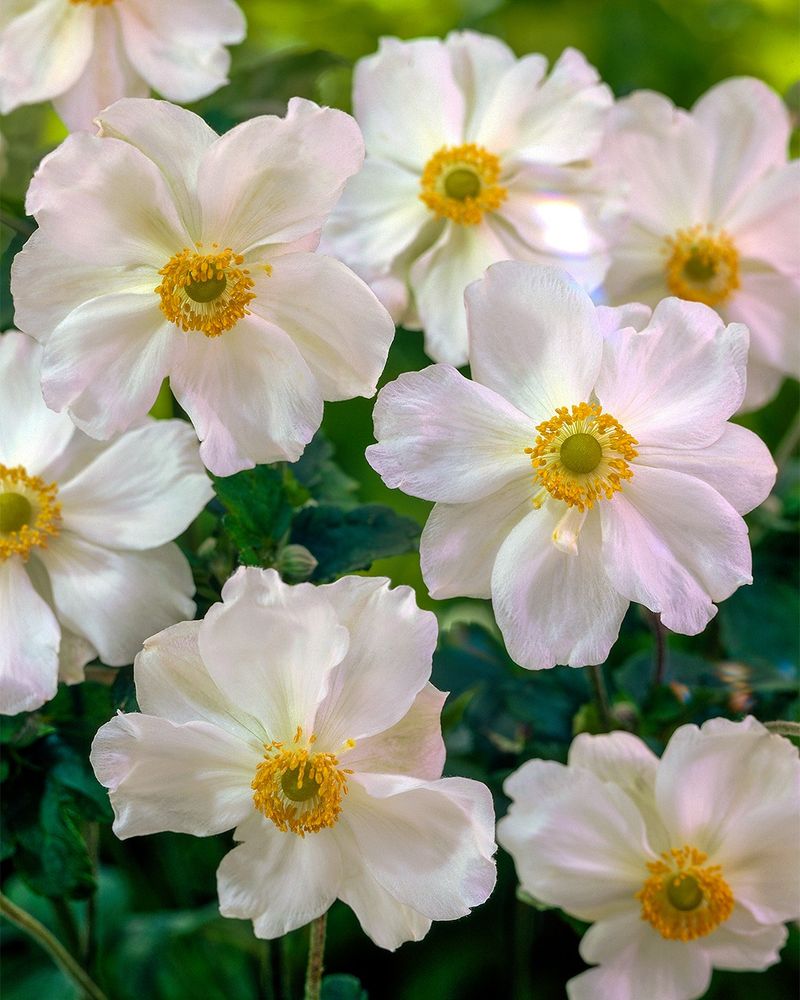
Just when the garden starts winding down, Japanese anemone bursts into bloom like a grand finale. Its dainty flowers dance on tall, wiry stems in the autumn breeze.
The blossoms come in soft pink and crisp white, each with a sunny yellow center. They bring a fresh, airy feel to shady beds late in the year.
This perennial handles partial shade with ease and appreciates the cooler fall weather. Morning sun with afternoon shade tends to keep it looking its best.
It grows two to four feet tall, so place it where the stems can sway freely. The gentle movement adds a lovely sense of motion to the garden.
Rich, well-drained soil that stays a bit moist suits it well. Once settled, it can spread and form a generous patch over time.
Give it room, because it likes to wander a little through the bed. If it gets too enthusiastic, simply dig up the extras in spring.
Pair it with hostas and ferns whose foliage fills in below the tall stems. The contrast makes the flowers pop even more.
Pollinators still buzzing around in fall appreciate the late nectar supply. It is a helpful stop before the cold settles in.
Deer usually leave it be, which keeps the display intact. That reliability makes it a favorite in many Pennsylvania yards.
For weeks of graceful color when most flowers have finished, Japanese anemone is a shade garden treasure worth planting.
5. Hardy Begonia
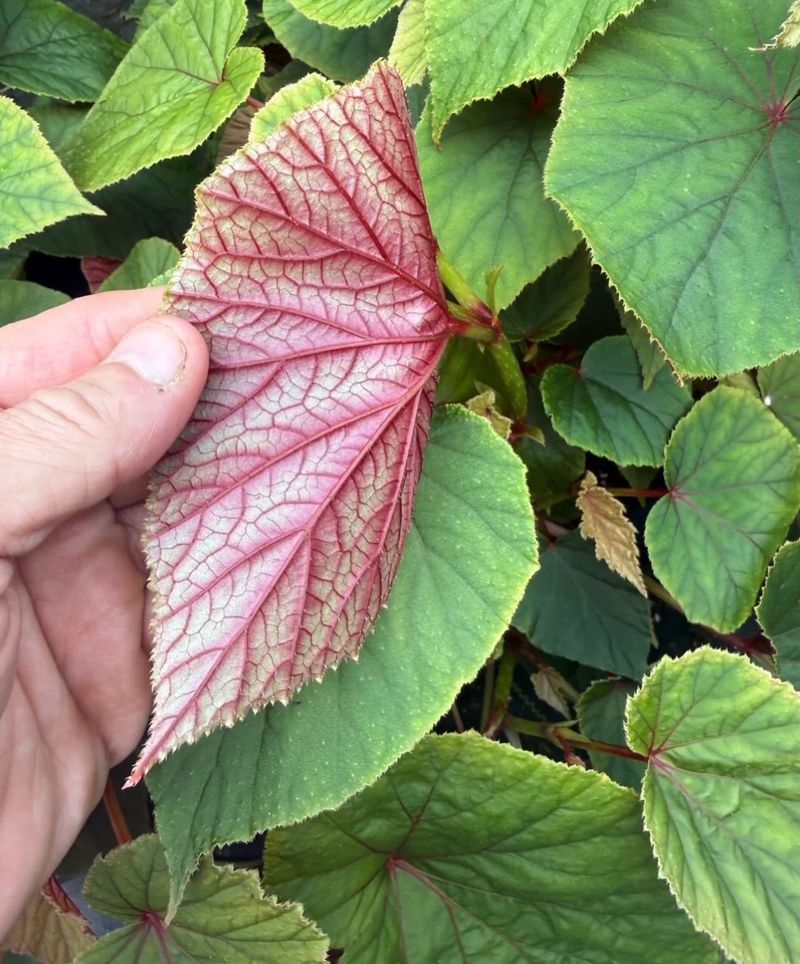
Most people think begonias belong in pots on a sunny porch, but the hardy begonia flips that idea upside down. This tough cousin thrives in shade and survives Pennsylvania winters.
From late summer through fall, it produces clusters of soft pink flowers on reddish stems. The blooms keep coming even as the days grow shorter.
The leaves are just as pretty, shaped like hearts with rosy red veins on the undersides. Backlit by low sunlight, they practically glow.
It prefers partial to full shade and moist, rich soil. Dry, sunny spots will make it sulk, so aim for cool and shady.
Growing about two feet tall, it fits nicely in the middle of a shade border. It plays well with ferns, hostas, and other woodland plants.
Hardy begonia spreads by little bulblets that drop from the stems. Each spring, new plants may appear where those bulblets landed.
It emerges late in spring, so do not panic if you see bare soil for a while. Patience pays off when it fills in later.
A layer of mulch protects the roots through cold Pennsylvania winters. That extra cover helps it return reliably year after year.
Deer tend to pass it by, which keeps the pretty leaves intact. That makes it easy to enjoy without constant worry.
For a shade flower that brings both blooms and gorgeous foliage well into fall, this surprising begonia earns a permanent place.
6. Toad Lily
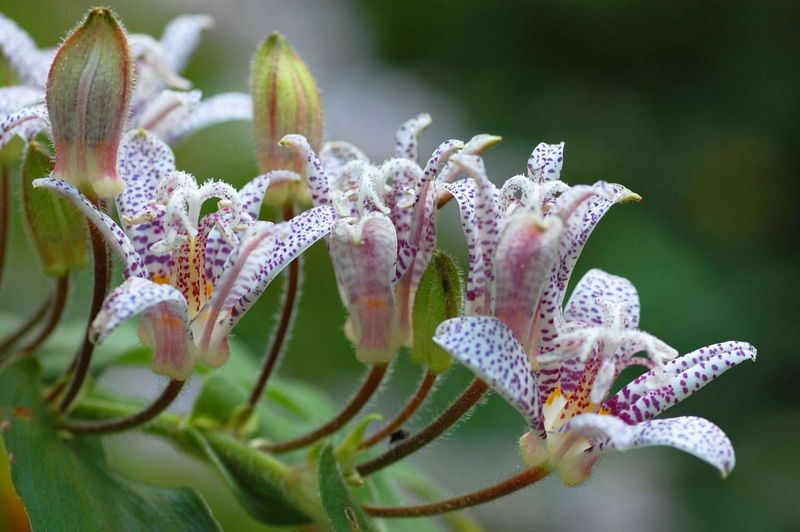
Bend down for a closer look at a toad lily and you will find flowers that look like tiny orchids. Speckled with purple spots, they seem almost too fancy for a shade plant.
These curious blooms appear in early fall, right when the garden could use a boost. The timing makes them a real treat for autumn strolls.
Toad lily loves full to partial shade and cool, moist soil. Those dim spots under trees are exactly where it feels at home.
The plant grows about two to three feet tall with arching stems. Flowers line the stems and open one by one over several weeks.
Its speckled petals reward anyone who takes the time to look closely. Place it near a path where visitors will notice the detail.
Rich soil with plenty of organic matter keeps it thriving. A yearly dose of compost helps it put on a stronger show.
Keep the soil from drying out, especially during warm early fall days. Mulch helps hold moisture and shields the roots.
The odd name comes from folklore, though the flowers are far prettier than any toad. That quirky reputation only adds to its charm.
Pair it with ferns and hostas for a lush woodland feel. The fine flowers stand out nicely against bold green leaves.
Deer generally leave it alone, letting the delicate blooms shine. For an unexpected splash of exotic color in the shade, toad lily is a delightful pick.
7. Bugbane
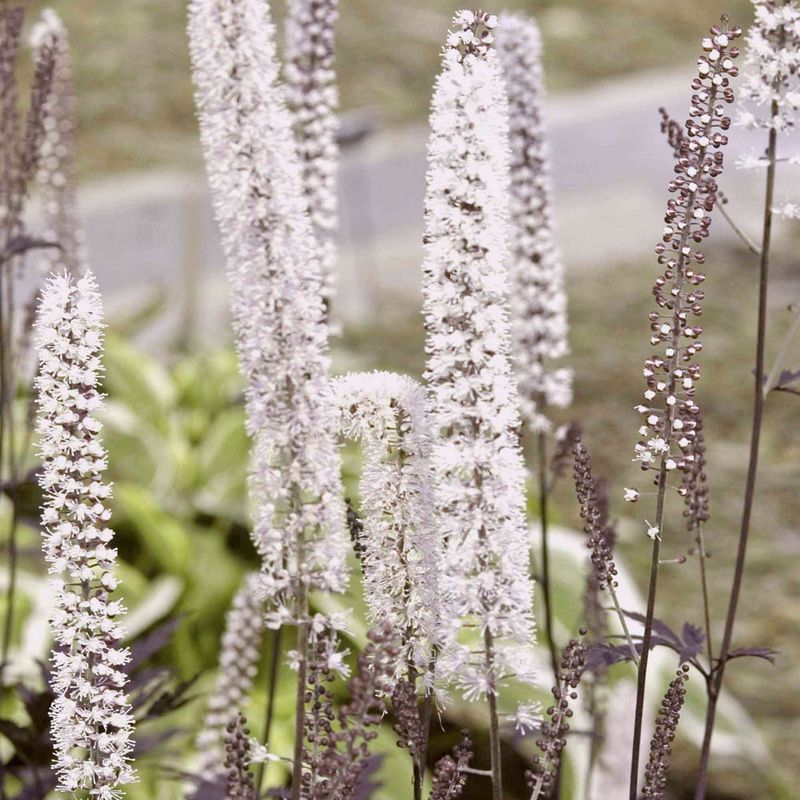
Tall white wands of bugbane rise above the shade like glowing candles in the fading light. They add height and drama when much of the garden has settled down.
The fluffy, bottlebrush blooms appear in late summer and fall. Their sweet fragrance drifts through the air and pulls in late-season pollinators.
Bugbane, now called Actaea, loves partial shade and moist, rich soil. Woodland edges and shady borders suit it perfectly.
Some varieties boast dark, almost black foliage that makes the white flowers pop. The contrast is striking against a backdrop of green.
It can climb four to six feet tall, so give it space to stretch. Use it at the back of a bed where its spires can tower.
The old name Cimicifuga reflects historical beliefs that the plant could repel insects, though it is not a modern pest-control method.
It grows slowly, so patience helps while it settles in. Once established, it returns dependably each year with little fuss.
Keep the soil consistently moist, since dry conditions stress the plant. A generous layer of mulch keeps roots cool and damp.
Deer typically avoid it, which protects that dramatic display. That resistance is a welcome trait in wooded Pennsylvania yards.
Pair it with ferns, hostas, and astilbe for a rich, layered look. The tall flower spikes give the whole bed a sense of structure.
For fragrant, towering blooms that carry the shade garden into fall, bugbane makes a memorable statement.