Can Your California Neighbor Plant A Tree That Blocks Your Solar Panels?
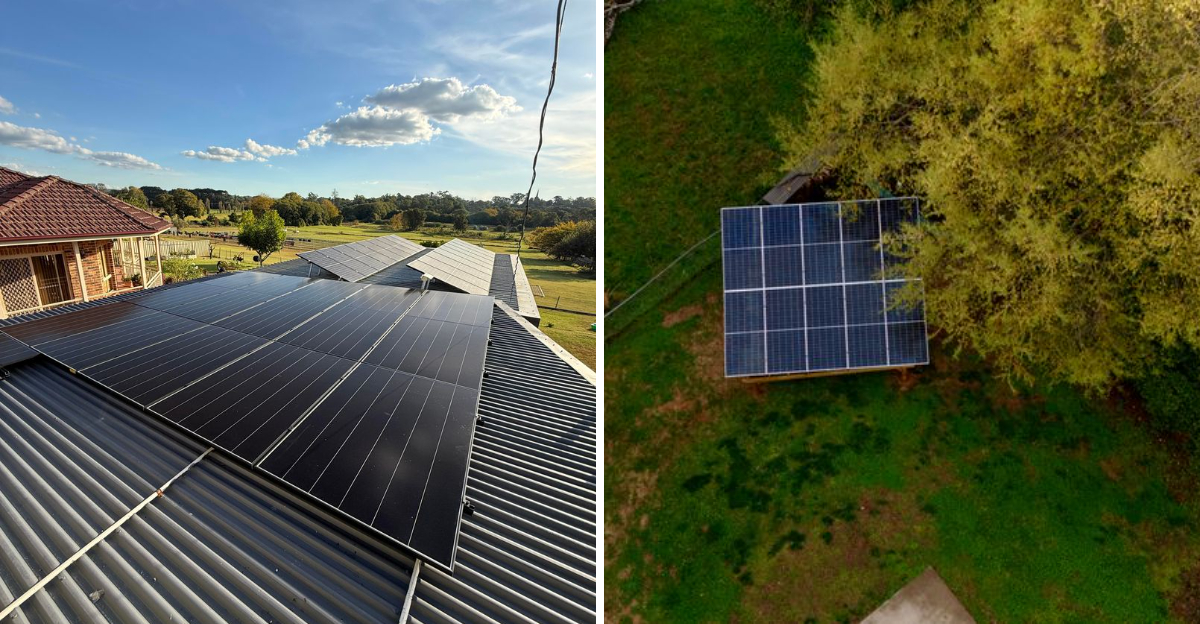
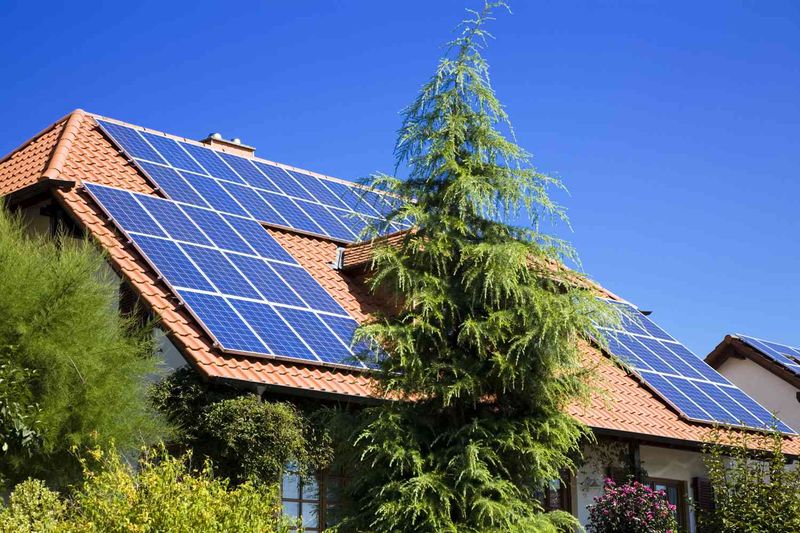
A tree next door can look harmless until its shadow reaches a row of California solar panels.
At first, the loss may barely register. A narrow branch crosses one module. A year later, the canopy covers more roof during the strongest part of the solar day.
That does not automatically mean your neighbor broke the law.
California gives some solar collectors protection from later trees and shrubs, but the rules are narrower than many homeowners expect.
The age of the tree matters. The amount of shade matters. So do the hours, the design of your system, and your city or county rules.
Can you force a neighbor to cut the tree back?
Sometimes the law may support that result. Other situations fall outside the state statute entirely.
Start with dates and measurements, not an angry note over the fence.
A few records can show where your rights begin, where your neighbor’s rights remain, and when a local ordinance changes the answer before a tree dispute gets expensive for either household.
1. Start With The Solar Shade Control Act
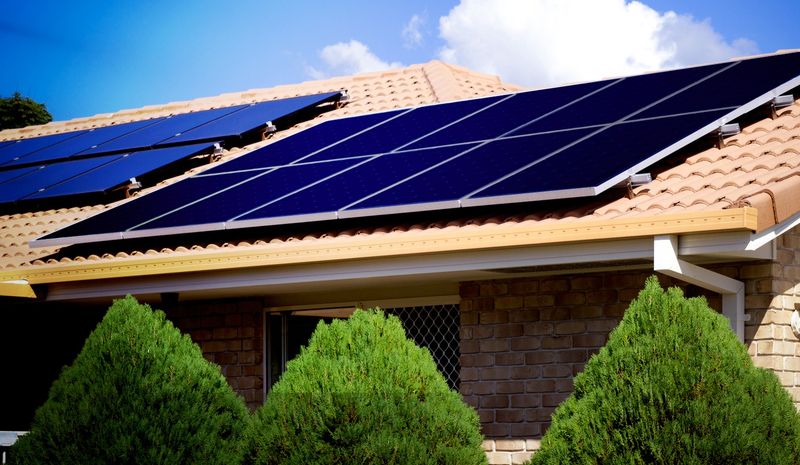
The state rule sounds simple until you read the limits around it.
California’s Solar Shade Control Act protects certain solar collectors from excessive shade caused by trees or shrubs on another property.
For covered situations, a neighboring owner cannot allow later vegetation to grow so that its shadow crosses more than 10 percent of the collector’s absorption area at any one time from 10 a.m. to 2 p.m., local standard time.
That does not create a blanket ban on new trees beside a solar home.
Your neighbor can still landscape the property. The legal problem starts only when a tree or shrub falls within the statute and crosses the shade limit during the protected hours.
Several exemptions can also remove a tree from the state rule entirely.
Start with the statute before you start with the tree-work request.
Save the solar installation date, identify the tree, and note where its shadow reaches the array. Those three facts can quickly separate a genuine Solar Shade Control Act issue from an ordinary neighbor dispute.
The law tries to protect both values. California expressly recognizes the benefits of trees and creates limited controls where vegetation interferes with solar energy.
That word limited does a lot of work here.
Solar panels get protection, but they do not receive an automatic veto over every branch next door.
2. Check Which Came First, Tree Or Panels
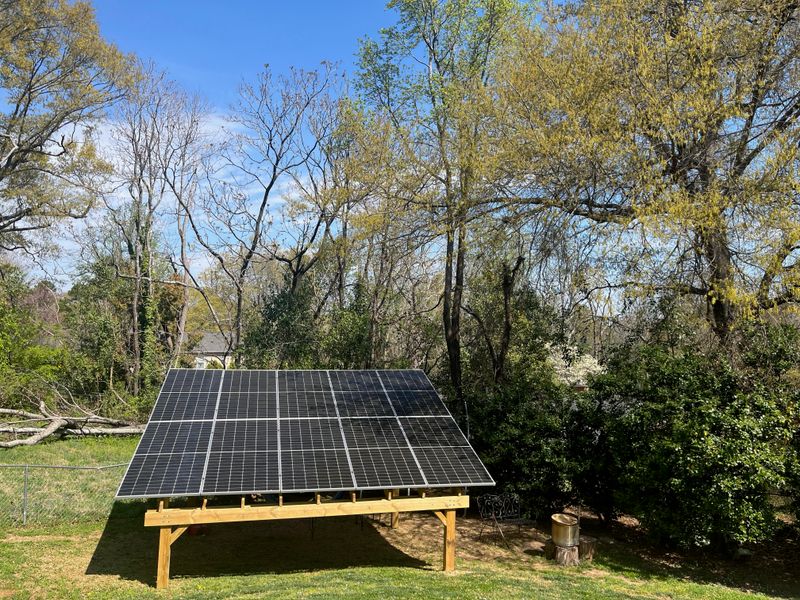
The oldest date in the dispute can change the whole answer.
A tree or shrub planted before the solar collector went in is exempt from the Solar Shade Control Act. That means a homeowner generally cannot install panels beside a mature preexisting tree and later use this statute alone to demand that the older tree lose its canopy.
Track the sequence carefully.
Find permits, contracts, utility interconnection records, dated installation photographs, or other documents that show when the collector arrived.
Then look for older real-estate photographs, landscape records, aerial images, receipts, or neighbor records that help establish the tree’s age.
Your California Garden Changes Every Week. Your Plan Should Too.
Gardening in California changes quickly throughout the season. Every Friday you’ll receive a simple weekly plan showing exactly what to plant, prune, fertilize, harvest, and protect so you never miss the right timing.
Replacement trees deserve attention too.
The statute also exempts a replacement for a tree or shrub that existed before the solar collector and later was lost or removed for protection of public health, safety, or the environment.
Trees on timberland and land devoted to commercial agricultural crops receive another listed exemption.
Do not turn a rough guess about tree age into a legal accusation.
Write down what you can actually prove and keep the uncertain parts separate.
A sapling added two years after the panels creates a very different legal result from an oak that shaded the roof ten years before the solar contract existed.
In this dispute, the family photo album may matter almost as much as the electric bill.
3. Measure Shade During Protected Hours
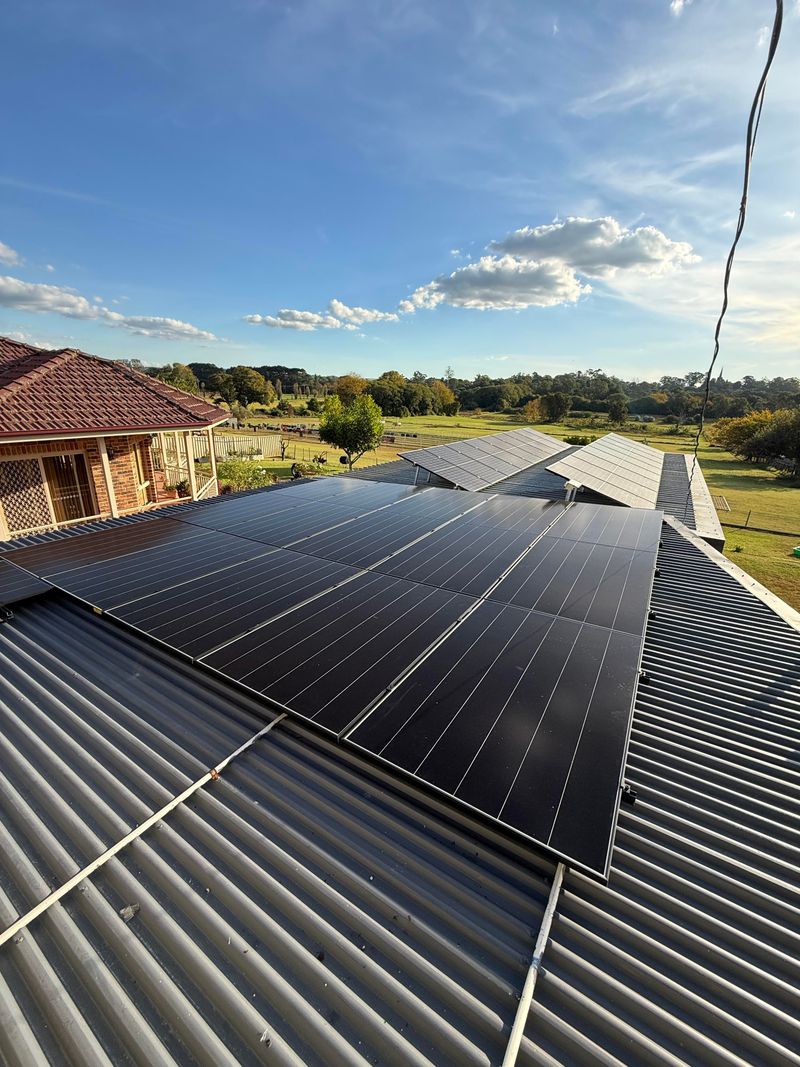
The shadow has to arrive during the hours the statute actually protects.
California sets the relevant period from 10 a.m. to 2 p.m., local standard time. A branch that shades the array only outside that period does not violate this particular shade limit, even though the lost production can still annoy the homeowner.
Pay attention to the phrase local standard time.
The statutory language matters, especially during months when California clocks observe daylight saving time. Use the statute’s exact time standard for any formal measurement rather than rely on a casual noon photograph.
Create a repeatable record instead.
Photograph the array from a safe location at several points across the protected period. Record the date and time for each image.
Save screenshots from the solar system portal for the same day, then compare them with clear days from earlier seasons when the tree cast less shade.
Never climb onto a roof solely to prove a neighbor dispute.
A solar contractor can inspect the array safely and use shade-analysis equipment that gives you a more useful record than a phone photo from the driveway.
Season also changes the shadow.
The sun’s position moves through the year, so one August observation does not describe every month.
Treat the clock as evidence, not scenery.
A dramatic evening shadow may look terrible yet still fall outside the state law’s protected window.
4. Know The Ten Percent Shade Limit
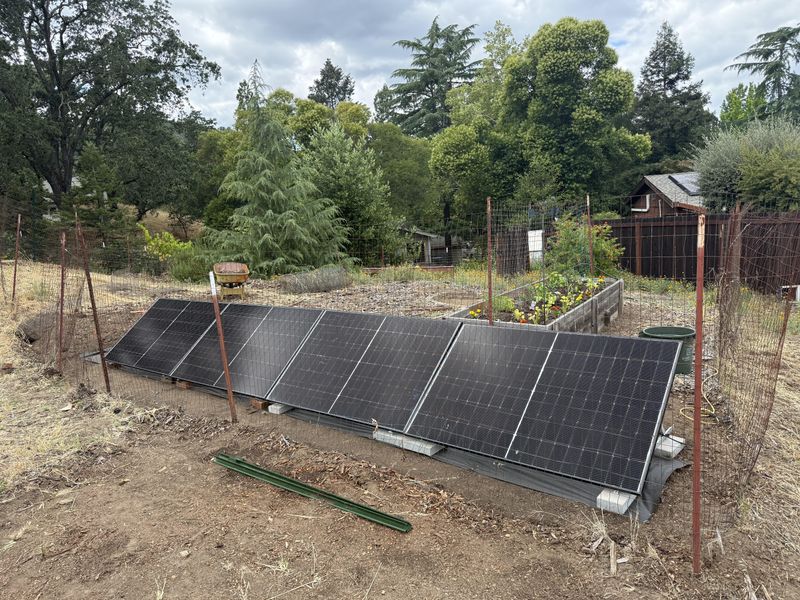
A little shadow does not automatically cross the legal line.
The statute uses a specific threshold: more than 10 percent of the solar collector’s absorption area shaded at any one time during the protected period.
The test concerns the collector area, not the percentage drop on your electric bill and not the portion of the roof that looks dark from the yard.
That distinction matters.
One narrow branch can reduce output from a panel system in ways that do not visually match the exact shaded area.
Solar electronics, panel layout, bypass diodes, and system design can affect production losses. The statute still uses its own area-based standard.
Get the geometry right before you quote the number to your neighbor.
A qualified solar professional can document which collector surface receives shade and estimate the area affected at the relevant time. Keep the report, photographs, array plan, and production records together.
Avoid a homemade percentage based on one blurry roof photo.
The statute says greater than 10 percent at any one time. It does not describe an all-day average that lets several smaller shadows add up into one number.
Your production report remains useful because it can show the practical effect of the tree.
It just answers a different question.
The legal threshold measures shade on the collector. Your solar app measures what happened to energy production. A strong file keeps those two pieces of evidence separate rather than force one chart to do both jobs.
5. Check Whether Your Solar System Qualifies
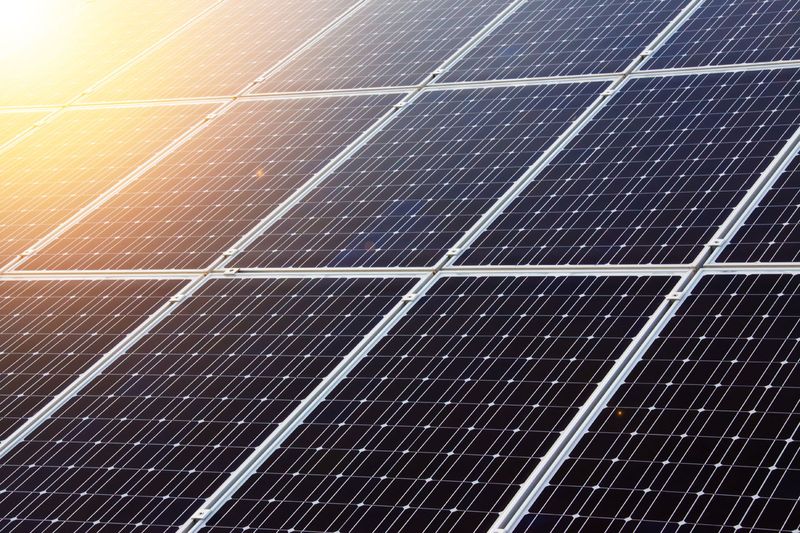
Before you lean on the shade rule, make sure the system fits the statute’s definition.
A covered solar collector generally means a fixed device or structure on a building roof that primarily transforms solar energy into thermal, chemical, or electrical energy.
The listed uses include water heat, space heat or cooling, and power generation.
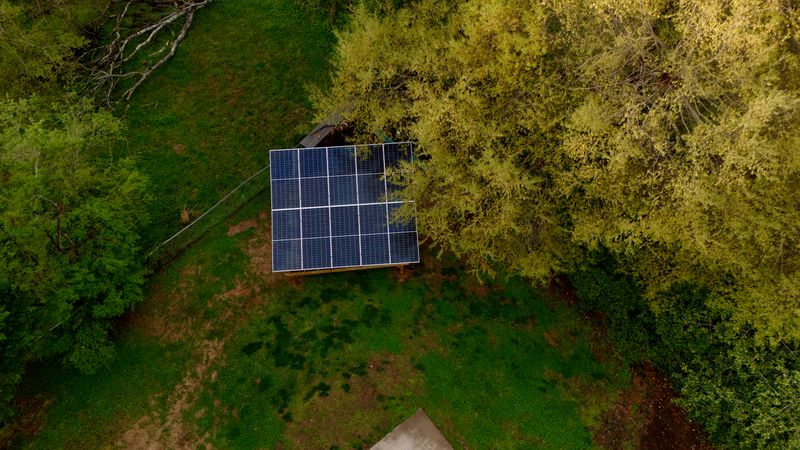
Some ground systems can qualify too, but the statute limits that category.
A ground collector can fall within the definition where rooftop installation cannot work because of roofing material, roof slope, structural shade, or building orientation.
The statute also excludes a collector designed and intended to offset more than the building’s electricity demand.
Location rules appear in the definition as well.
The collector must comply with local building and setback requirements. The statute also sets minimum property-line and height conditions, with a separate setback formula for a collector below the stated height.
Pull the permit set before you make assumptions.
The solar contract, approved plans, permit record, and final inspection can help show what was installed and where. A contractor can also identify the collector absorption area used for a shade assessment.
Most ordinary rooftop photovoltaic systems may look like obvious candidates, but legal coverage still depends on the statutory details.
Panels on the roof are only the start of the analysis, not the end.
Make the system prove its place in the rule before you ask the tree to move.
6. Review Local Tree And Solar Rules
Your ZIP code can change the rule before the chainsaw ever enters the conversation.
California lets cities and counties adopt their own ordinances on tree preservation or solar shade control. Where such an ordinance applies, the local rule governs.
A city can also exempt its jurisdiction from the state chapter, and the statute separately excludes a tree or shrub subject to a city or county ordinance.
That makes local research essential.
Search the current municipal or county code for solar access, solar shade, protected trees, heritage trees, street trees, tree-work permits, and removal permits.
Check the address carefully because an unincorporated property may fall under county rules rather than the nearby city’s code.
A protected tree can add another layer.
The correct remedy may involve a permit, arborist report, limited canopy work, mediation, or another local procedure rather than immediate removal. Do not promise a neighbor that state law automatically overrides a heritage-tree ordinance.
The state statute itself says otherwise.
Save a copy of the local provision that applies on the date of the dispute. Ordinances can change, and an old neighborhood blog post is weak evidence for a current property decision.
This is also the point where a local attorney can add real value.
California has one statewide chapter, but your actual tree dispute may turn on rules written much closer to home.
The fence line is local. The law can be too.
7. Send Written Notice Before Escalating
Two different written notices can appear in this law. Confuse them and the process gets messy fast.
Before installation, the owner of a building with a proposed solar collector may send a Solar Shade Control Notice by certified mail to owners of property that could be affected.
The statute makes that pre-installation notice optional and allows it no more than 60 days before installation.
A later dispute has a separate notice issue.
A tree or shrub that violates the shade limit becomes a private nuisance under this chapter after the person who maintains it receives written notice from the solar owner or agent that requests compliance, then fails to remove or alter the vegetation.
That makes a calm written record more useful than a heated conversation at the fence.
Describe the collector, the installation date, the tree, the observed shade, and the statutory concern. Attach clear documentation. Keep a copy and proof of delivery.
Do not stuff the first letter with threats.
A neighbor may agree to an arborist visit, selective branch work, or another practical solution once both sides can see the same measurements.
For a serious dispute, let a California property attorney review the notice before you rely on it as a legal step. The exact facts and local ordinance still matter.
Paperwork does not have to start a feud.
Done well, it can convert a vague complaint about shadows into a problem both households can actually measure.
8. Document Shade Before Taking Action
The strongest next move may be a folder, not a saw.
Collect the solar permit, installation date, array plan, production reports, shade photographs, tree-location sketch, and any reliable evidence of the tree’s age. Add the current city or county ordinance and notes from every conversation with the neighbor.
Keep observations consistent.
Use dates and times on photographs. Save original files rather than edited screenshots alone.
A solar contractor can document collector shade, while a certified arborist can assess tree condition and reasonable branch-reduction options without guesswork about the canopy.
Do not enter your neighbor’s property or authorize work on someone else’s tree.
Tree ownership, local permits, protected-tree rules, and the exact remedy can create issues beyond the Solar Shade Control Act. Local tree or solar-shade ordinances may control the dispute even where the state chapter looks relevant.
Try the practical route before litigation.
Share the measurements, discuss a qualified arborist, and record any agreed work in a signed note. Mediation can also give both owners room to protect solar production and tree health without a courtroom battle.
Bring in a California property attorney once the facts point toward a real statutory conflict, a valuable protected tree, or a neighbor who rejects a documented request.
The answer to the title is not a simple yes or no.
A neighbor can plant a tree. A later tree that shades a protected collector beyond the statutory limit can be another matter entirely.