What To Do With Georgia Blackberry Canes After This Year’s Harvest
Blackberry harvest may be over, but the canes left behind still have an important job to tell you. Knowing which stems produced fruit changes what you should do next.
That distinction matters because blackberry canes do not all follow the same schedule.
Some canes have finished their productive cycle, while newer growth is preparing for another season. Treating both groups alike can leave your patch crowded and harder to manage.
Instead, slow down before reaching for your pruners.
Georgia growers can use this post-harvest window to sort through the patch and make thoughtful choices. Once you recognize which canes deserve attention, the whole task becomes much simpler.
Give your blackberry patch the right care now, and you can set it up for stronger growth when the next growing season arrives.
1. Your Blackberry Patch Still Has Work To Do After Harvest
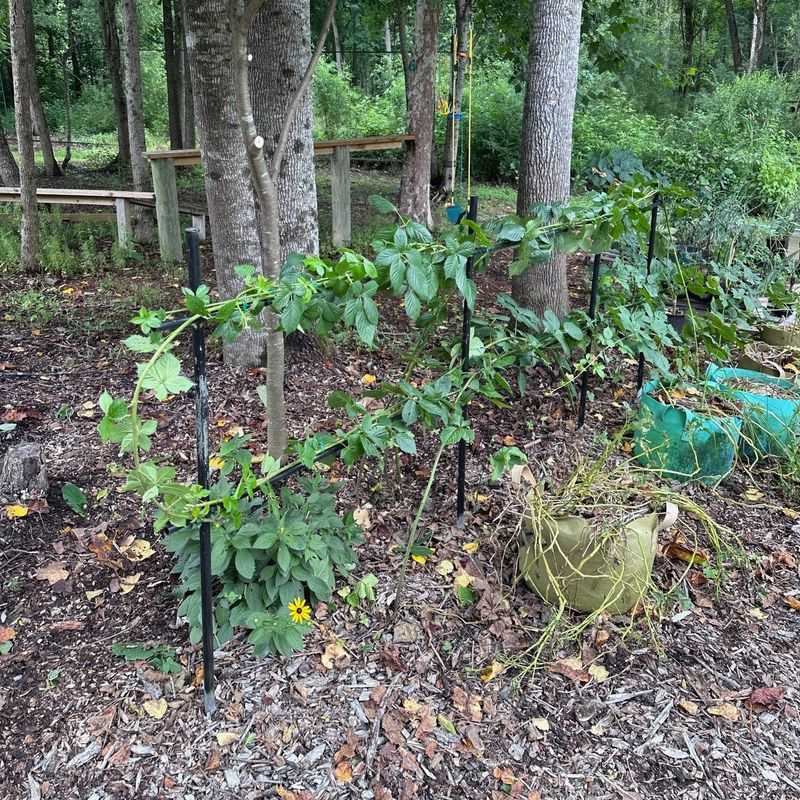
Harvest ending does not mean the blackberry patch has gone quiet. In fact, this is when the difference between this year’s growth and next year’s potential becomes much easier to see.
Blackberry plants carry canes of different ages at the same time. Some have just finished producing fruit, while others are still developing and preparing for the season ahead.
Learning to tell them apart is the key to making better post-harvest decisions.
Start by walking through the patch without making any immediate changes. Look at cane color, texture, position, and overall condition, and notice which stems held berries earlier in the season.
That quick inspection can also reveal areas where growth has become tangled or where individual canes look weak or damaged. Catching those details now gives you a clearer picture of what the patch needs before cooler weather arrives.
Georgia’s long growing season gives blackberry plants time to remain active after harvest.
Treat this period as a transition rather than an ending, and use it to understand what is happening in the patch before deciding which jobs should come next as the growing season gradually begins winding down outside.
2. Take Out The Canes That Produced Berries This Year
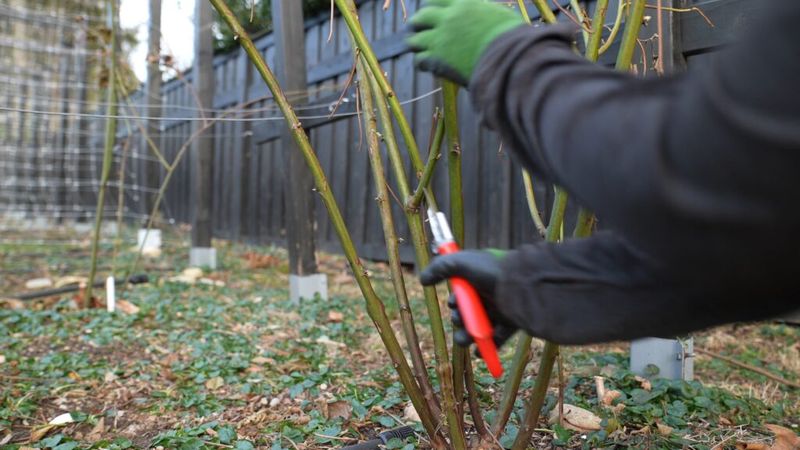
Spent canes have no second act.
Floricanes fruit once, then fade back. Cutting them out frees space for the rest of the patch.
Wait until the last berries come off, then work down the row.
Use clean bypass pruners or loppers. Cut each finished cane about an inch above the soil.
Old canes look woody, tan, and often peeling.
New canes stay green or reddish and feel firm. Once you see the difference, sorting takes only minutes.
Humidity hangs around Georgia patches well into September.
Crowded rows hold that damp air against the leaves. Pulling out old wood opens things up, which may ease disease pressure.
Weather still decides a lot, so treat pruning as one piece of the puzzle.
Drag cut canes away instead of dropping them between the plants. Old prunings left in the row can shelter pests and spores.
Haul them off, or burn them if your county allows it.
Composting is fine when the canes look clean. Skip the pile if you spot cankers, orange rust, or dark sunken spots.
Your Georgia Garden Changes Every Week. Your Plan Should Too.
Gardening in Georgia changes quickly throughout the season. Every Friday you’ll receive a simple weekly plan showing exactly what to plant, prune, fertilize, harvest, and protect so you never miss the right timing.
Thick gloves and long sleeves save your forearms on thorny types.
Thornless varieties such as Ouachita and Natchez make the work quicker. Check each crown before you shift to the next plant.
Most growers finish this cleanup in July or August.
Waiting into fall works too, but the row gets messier. Earlier cuts also make it easier to see the young canes.
3. Keep The New Canes Growing For Next Year’s Crop
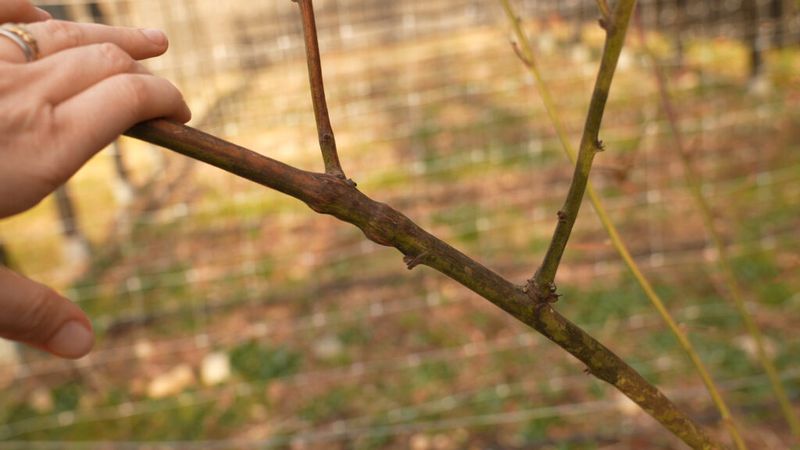
Next summer’s berries are already standing in your row.
Primocanes shot up this season and will fruit next year. Protect them now and the picking gets easier later.
Keep the strongest healthy primocanes while thinning out weak or badly crowded growth. How many canes you keep depends on the variety and how your blackberry patch is trained.
Fewer canes mean more light and simpler picking. Tip erect canes once they hit roughly three to four feet.
Snipping the top few inches pushes out side branches, called laterals. Those laterals carry much of next season’s fruit.
Trailing and semi-erect types get trained on wire instead, usually in winter.
Check your variety before you cut anything. Prime-Ark types fruit on first-year canes, so summer tipping changes how they behave.
Suckers wandering into the walkway can be mowed or pulled.
Rows kept near eighteen inches wide handle Georgia humidity better. Tight, narrow rows dry faster after a storm.
Watch for young canes rubbing against wire or stakes.
Scrapes on green bark open the door to trouble. One loose tie usually solves it.
Heavy fertilizer now is rarely helpful.
Late nitrogen pushes soft growth going into fall. A soil test gives a better answer than guessing.
Mark the canes you plan to keep with flagging tape.
Come winter pruning, you will remember your choices. Small notes save plenty of second-guessing.
4. Give New Canes The Support They Need
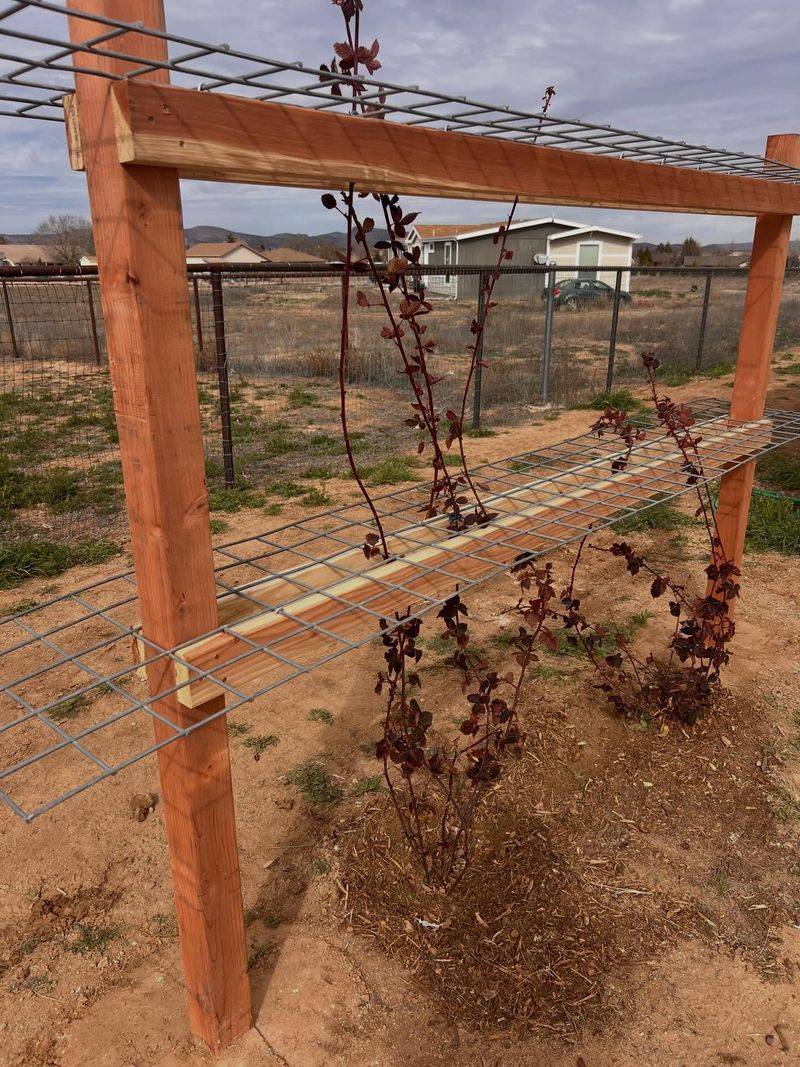
A loaded cane on the ground is a lost cane.
Support keeps fruit off the dirt. It also cuts breakage when summer storms blow through.
Two wires handle most backyard rows.
Run one near three feet and a second close to five. Tie canes loosely so they can still move in wind.
T-posts set every fifteen to twenty feet usually hold.
Wood posts last longer but cost more upfront. Either way, sink the end posts deep and brace them.
Afternoon thunderstorms roll across Georgia with little warning.
Wind shoves tall canes sideways and snaps them near the crown. Canes tied to a wire bend, then straighten back.
Soft twine, cloth strips, and plastic clips all work well.
Avoid wire ties that bite into green bark. Loosen or replace ties as canes thicken through late summer.
Fan the canes along the wire instead of bundling them together.
Spread canes catch more light and dry quicker after rain. Your hands will thank you at picking time.
Trailing varieties need canes wrapped along the top wire.
Green canes crack easily, so work slowly. Late evening handling is a bit safer than midday.
Sagging wire is worth tightening before cold weather.
Snow is rare, but ice and wind still test a trellis. A tight setup in fall means less repair in spring.
5. Keep Weeds From Crowding The Base Of The Plants
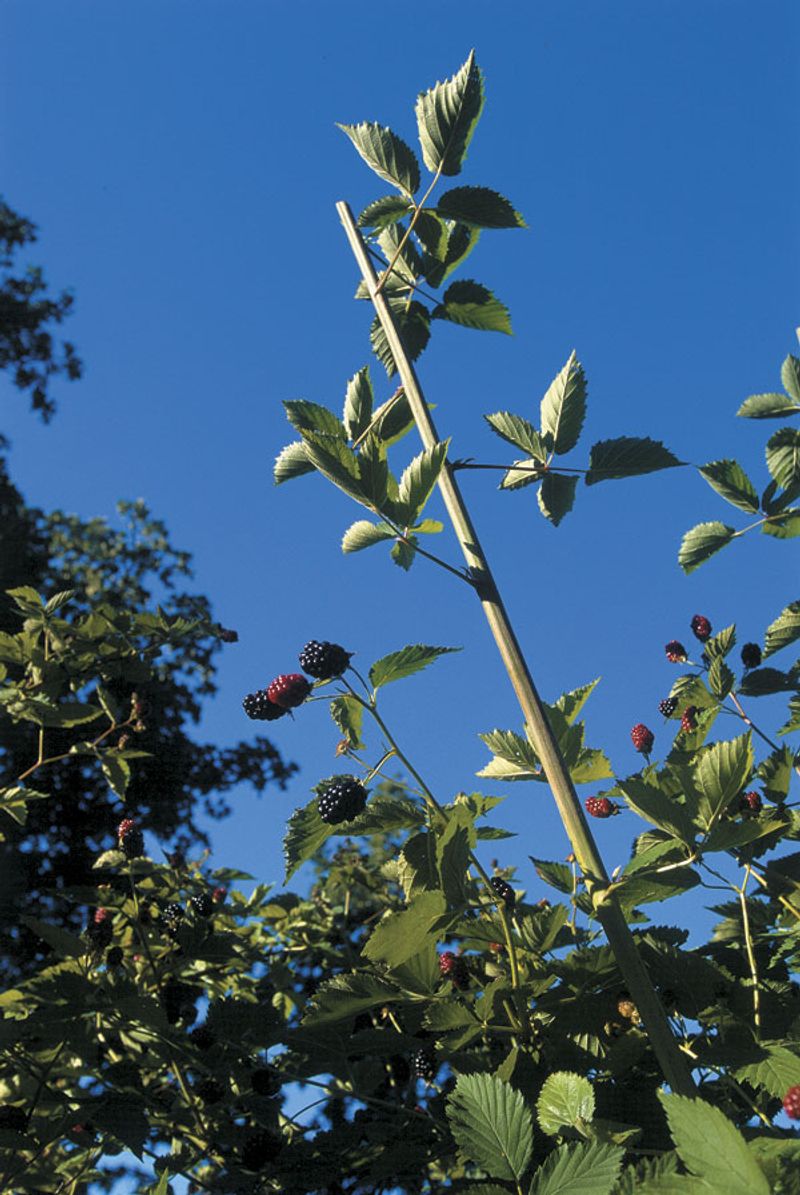
Bermudagrass will take over a blackberry row if you let it.
Weeds compete for water and nitrogen right where roots feed. They also hold moisture against the canes.
Pull grass and nutsedge by hand while the soil is damp.
Hoe shallow, no more than an inch or two. Blackberry roots run close to the surface and dislike deep digging.
String trimmers work in the aisle, not against the crown.
One careless pass can girdle a young cane. Slow down near the base and finish that part by hand.
Nutsedge in Georgia clay comes back from small underground tubers.
Pulling tops alone rarely ends it. Repeat removal every couple of weeks keeps it from spreading.
Cardboard topped with mulch smothers weeds in walkways.
Newspaper layers do the same on a smaller scale. Both break down and feed the soil over time.
Herbicides near berry plants call for real caution.
Read labels and follow directions exactly, since drift can damage canes. Extension offices can point you toward products cleared for brambles.
Keep a two-foot weed-free strip around each plant.
Clear ground makes it easier to spot suckers and pests. Less clutter, fewer surprises.
Weeds keep sprouting here long after harvest ends.
Cool-season grasses come up once nights turn mild. A quick pass in October saves work next spring.
6. Water The Patch During Long Dry Spells
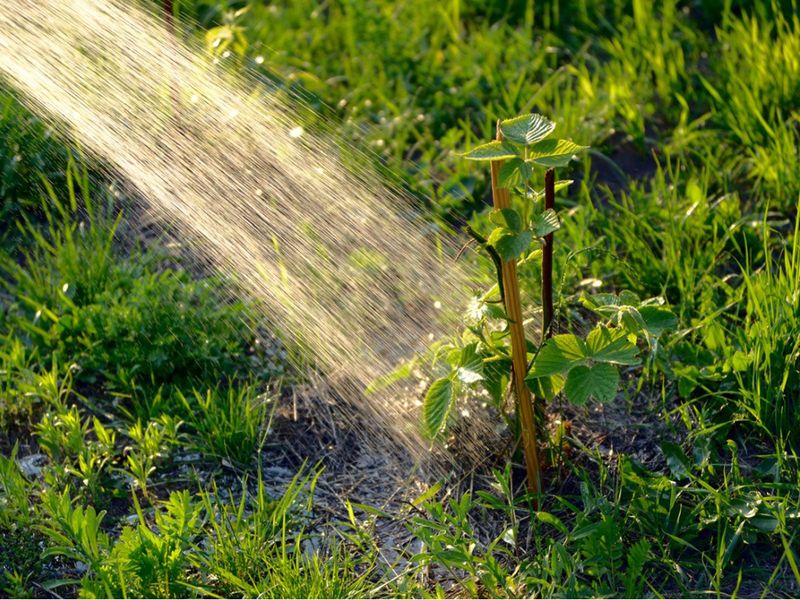
Fruit is gone, but the plants are not done working.
New canes keep growing and storing energy after harvest. Dry soil now can shrink next season’s berry count.
Aim for about an inch of water per week, rain included.
Sandy soil may need more, heavy clay a bit less. Poke two inches down with a finger before you water.
Drip line or soaker hose beats overhead sprinkling.
Wet leaves in humid weather can encourage disease. Water at the roots and keep foliage dry.
Late summer dry spells hit Georgia gardens most years.
Weeks can pass with heat and no real rain. A slow soak every few days works better than daily sprinkles.
Morning watering gives plants time to dry before dark.
Evening watering leaves things damp overnight. That is fine now and then, but not the best habit.
Wilting leaves and small, curling tips signal thirst.
Do not wait for those signs every time. Stress during cane growth can show up as fewer flower buds.
Container blackberries dry out much faster.
Pots may need water daily in August heat. Check them by weight or feel, not by calendar.
Skip watering when storms have already soaked the ground.
Soggy roots cause their own problems in clay soil. A cheap rain gauge takes the guesswork out.
Watering habits pay off long after the last berry.
7. Mulch Helps Protect The Roots As The Season Changes
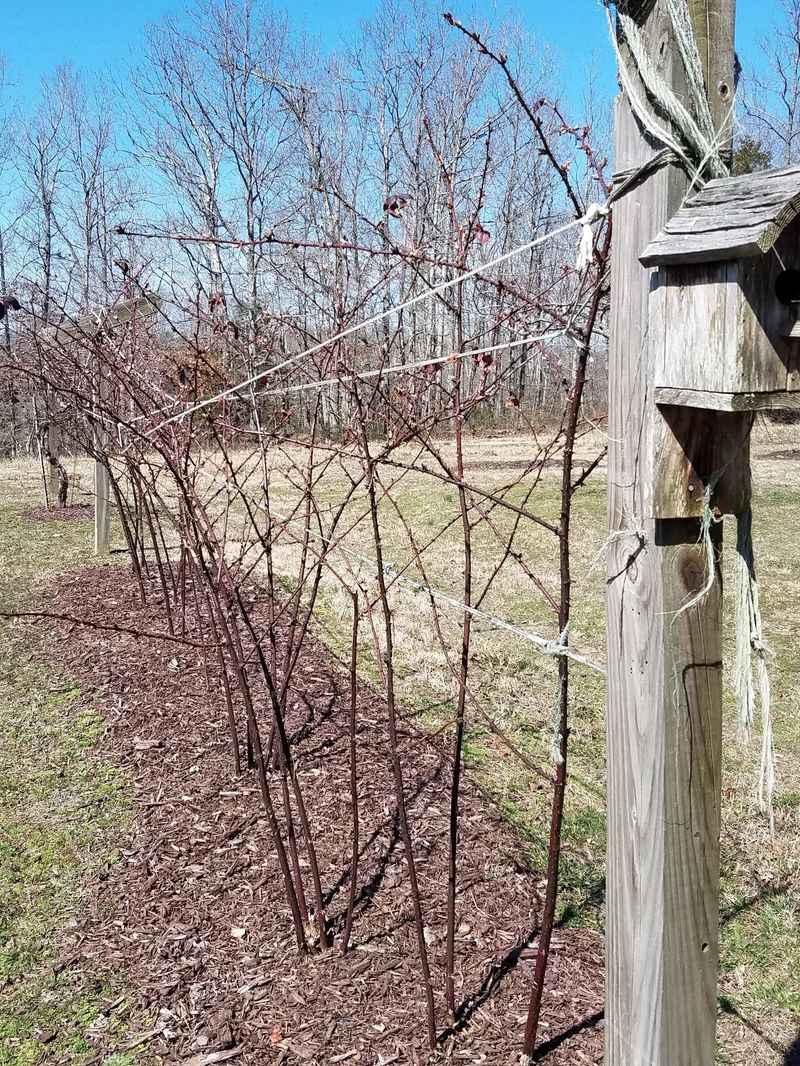
Bare soil around a berry crown swings hot and cold.
Mulch softens those swings. Blackberry roots sit shallow, so a few inches of cover helps.
Two to four inches is plenty.
Piling deeper traps moisture and invites rot at the crown. Leave a small gap right around the base.
Pine straw stays a favorite across much of Georgia.
It knits together, holds on slopes, and breaks down slowly. Wood chips and pine bark work well too.
Fall is a good time to top off thin spots.
Mulch added before cold snaps steadies soil temperature. Winters here run mild, though sudden drops still happen.
Fresh grass clippings can bring trouble.
Clippings from treated lawns may carry herbicide residue. Let them dry and compost first, or skip them.
Straw and hay often arrive loaded with weed seed.
Clean wheat straw is usually safer than field hay. Ask the seller what went into the bale.
Pull mulch back an inch or two before fertilizing in spring.
Nutrients reach roots faster on open soil. Push the layer back once you finish.
Voles sometimes tunnel under thick mulch.
Keep the layer thinner near the crown if you notice runs. Traps and a clear border strip help.
Refresh mulch once a year and the patch stays steadier.