Why Yellowjacket Swarms Are Increasing In North Carolina Yards And What Gardeners Can Do
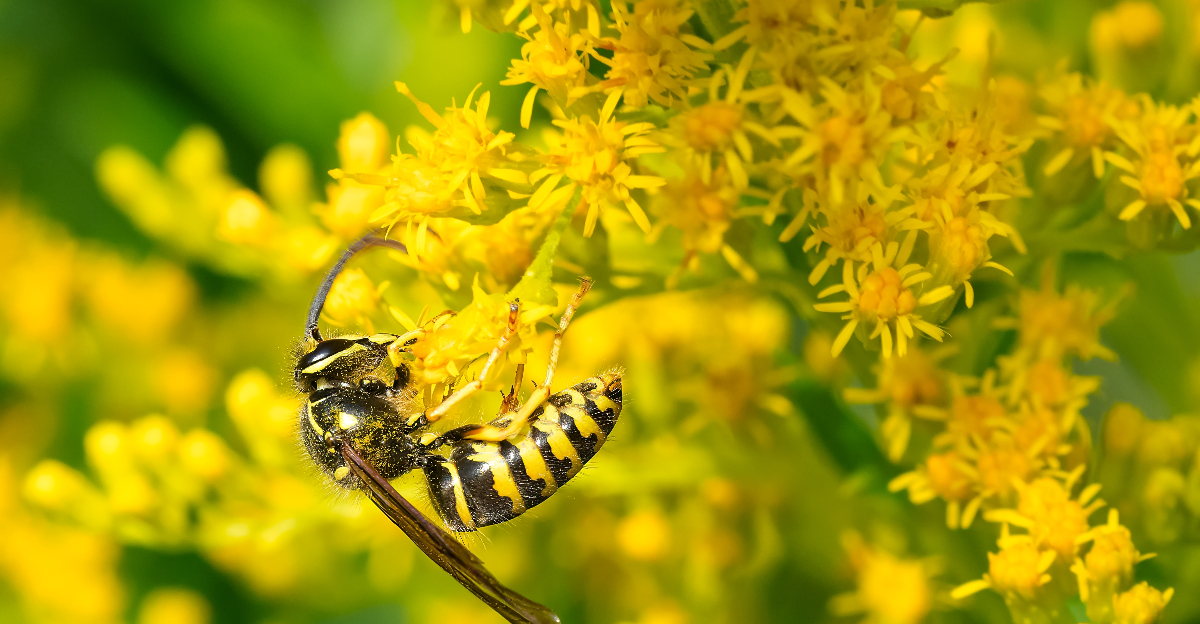
If you spend time gardening in North Carolina, chances are you’ve noticed yellowjackets showing up more often than they used to, and you’re not imagining it.
These striped insects have a way of turning up everywhere, hovering near patios, drifting through flower beds, and even investigating the trash cans by your back door.
What’s more unsettling is how bold they’ve become, seeming less bothered by human presence with each passing year.
It’s enough to make anyone think twice before relaxing outside during peak season. Understanding what’s actually driving this increase can go a long way toward helping you take back your yard without feeling like you’re constantly on edge.
There are real, identifiable reasons behind the rise, not just bad luck or a particularly buggy summer.
Below are nine factors contributing to the growing yellowjacket presence in North Carolina yards, along with practical steps you can take so you can start enjoying your outdoor space again without the constant buzz of worry.
1. Warmer Winters Are Helping More Queens Survive
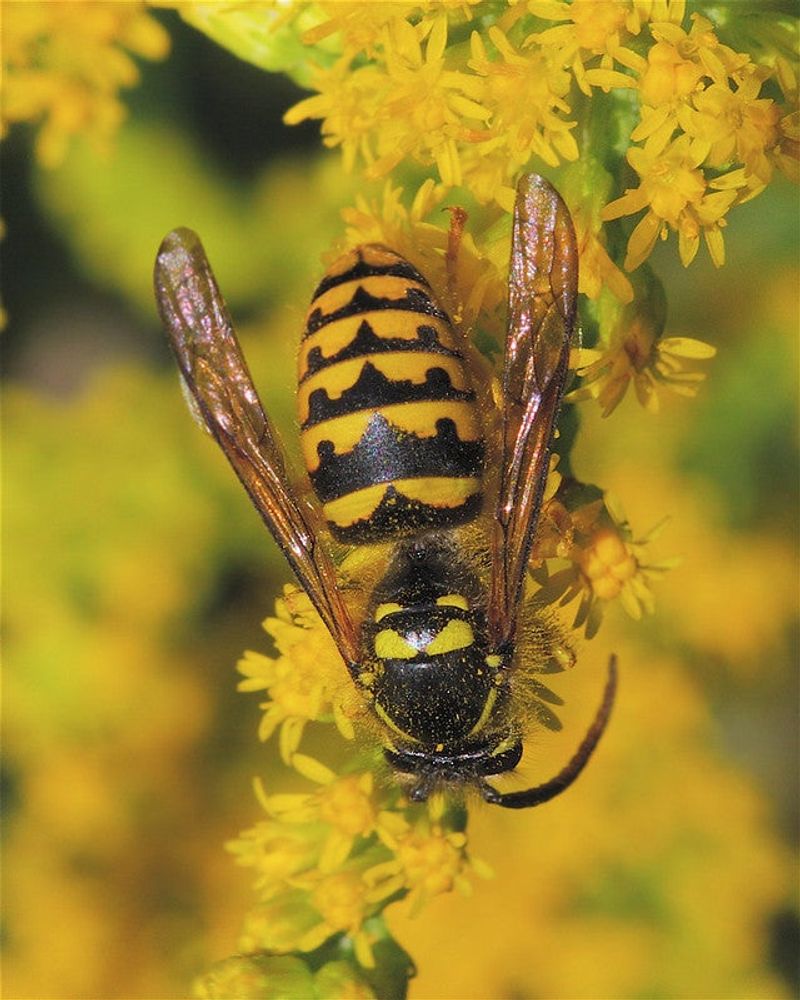
Milder winters across North Carolina have changed the game for yellowjackets. In the past, cold snaps reduced the number of queens that made it to spring. Now, with gentler temperatures, far more queens wake up ready to build new colonies.
Each surviving queen can start a fresh nest on her own. When dozens of them make it through the season, your neighborhood ends up with many more colonies by summer. That is a big part of why swarms feel heavier than they used to.
Gardeners can respond by staying alert in early spring. This is the time to scout your yard for lone queens searching for nesting spots. She may hover low near sheds, wood piles, or holes in the ground.
If you spot a queen before she settles, gently discouraging her can stop an entire colony from forming later. Fill in old rodent burrows, seal cracks in walls, and cover open pipes. These small fixes remove the cozy shelters queens look for.
Keeping your yard tidy in March and April pays off all summer. A queen who cannot find a safe spot often moves along to another property. That means less buzzing around your tomatoes come July.
Fun fact: only the queen lives through winter, while the rest of the colony fades in fall. So every warm winter directly boosts next year’s population. Watching for those first spring queens gives you a real head start.
2. Longer Growing Seasons Give Colonies Extra Time
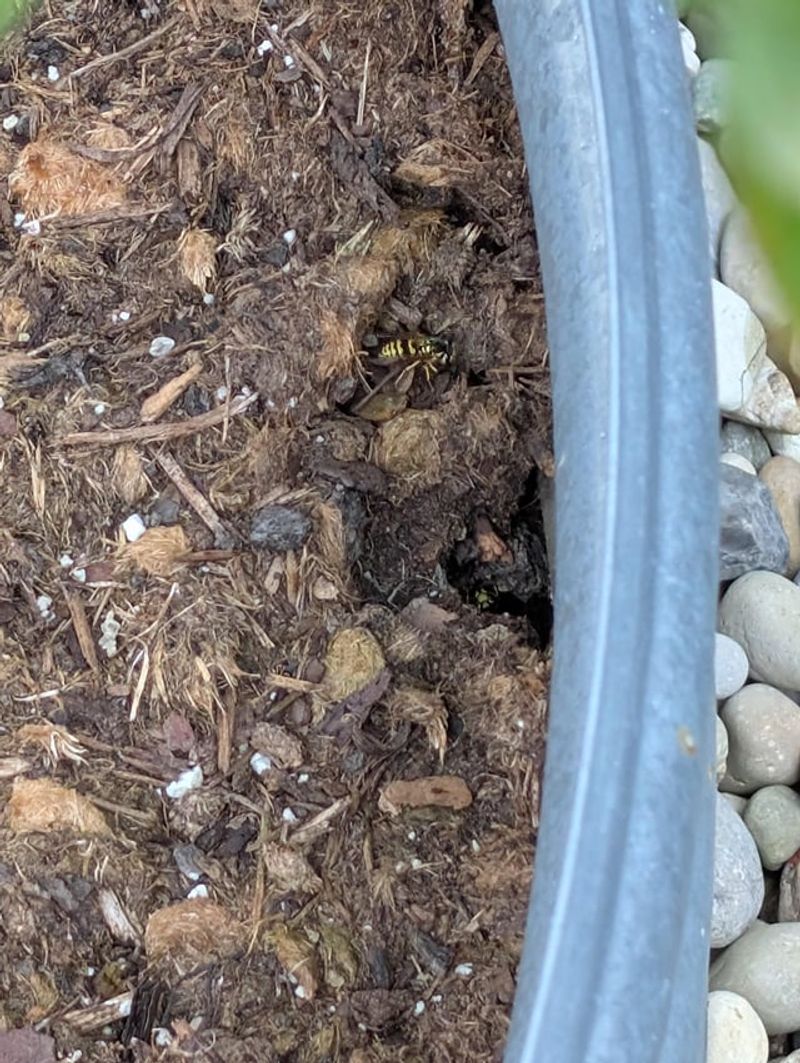
Growing seasons in North Carolina stretch longer than they did decades ago. Spring arrives sooner and fall lingers, which hands yellowjacket colonies extra weeks to grow. More time means more workers and much bigger nests by late summer.
A colony that used to peak at a few hundred insects can now swell into the thousands. Those larger groups need more food, so they spread farther across your yard looking for meals. That is when gardeners really start to notice them.
Your North Carolina Garden Changes Every Week. Your Plan Should Too.
Gardening in North Carolina changes quickly throughout the season. Every Friday you’ll receive a simple weekly plan showing exactly what to plant, prune, fertilize, harvest, and protect so you never miss the right timing.
You can work with this timing instead of against it. Early in the season, keep a close watch on quiet corners where colonies often begin. Catching a small nest is far easier than dealing with a huge one in September.
Plan your harvests carefully during the warm months. Picking ripe fruit and vegetables quickly keeps sweet treats away from foraging workers. Fallen apples, figs, and grapes act like a buffet, so gather them often.
Late summer is peak yellowjacket season, so schedule big outdoor projects for early morning or cooler evenings. Colonies are less active then, giving you calmer working conditions.
The longer season also means these insects stay busy well into October. Staying consistent with cleanup all the way through fall keeps their numbers in check.
Think of it as a marathon, not a sprint. Steady attention across the whole season beats one big cleanup. Your patience keeps colonies smaller and your garden more peaceful.
3. Sugary Drinks And Snacks Draw Them In
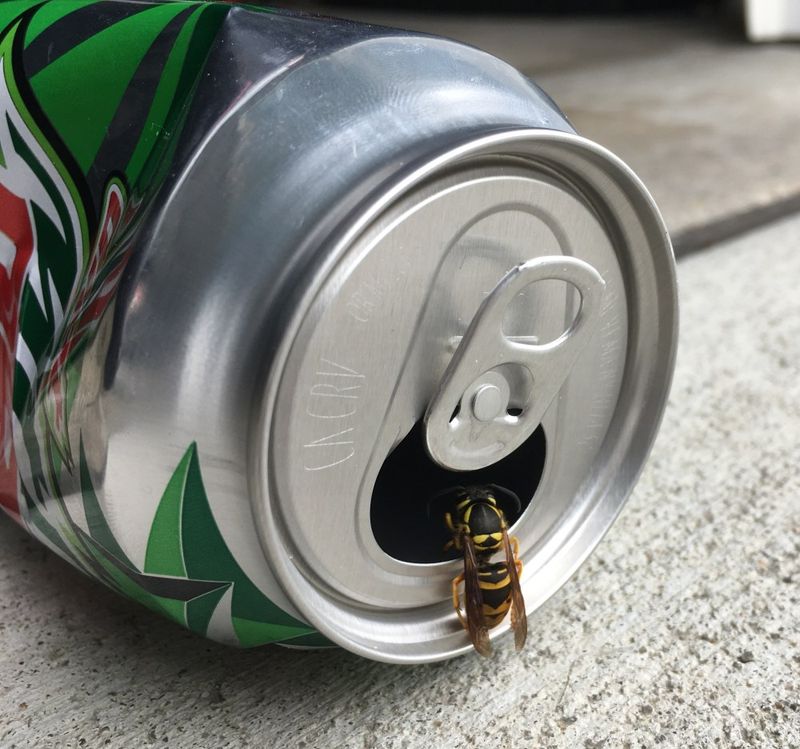
Yellowjackets have a serious sweet tooth, especially in late summer. Open soda cans, juice cups, and dropped fruit act like glowing signs that say come and eat. The more sugary items sitting around, the more visitors you invite.
Many North Carolina families spend warm evenings on the patio with drinks and desserts. That habit, while fun, quietly feeds the local colonies. Workers carry the sugar back to the nest, helping it grow even faster.
The fix here is simple and cheap. Keep drinks covered with lids when you eat outside, and use cups you can seal. A straw poking out of a can is a favorite landing spot, so check before every sip.
Wipe down tables right after meals to remove sticky spots. Even a small splash of lemonade can attract a steady stream of foragers within minutes. Quick cleanup breaks that cycle.
Trash cans deserve extra care too. Rinse cans and bottles before tossing them, and keep bins tightly closed. A loose lid turns your garbage into a snack station.
Try setting up a simple sugar water trap far from your seating area. Placing it near the back fence draws foragers away from where you relax. They head for the easy meal instead of your dessert.
Small habits add up quickly. When sweet rewards disappear from your patio, yellowjackets lose interest and drift elsewhere. Your outdoor meals suddenly feel a lot more pleasant.
4. Fewer Natural Predators Around The Yard
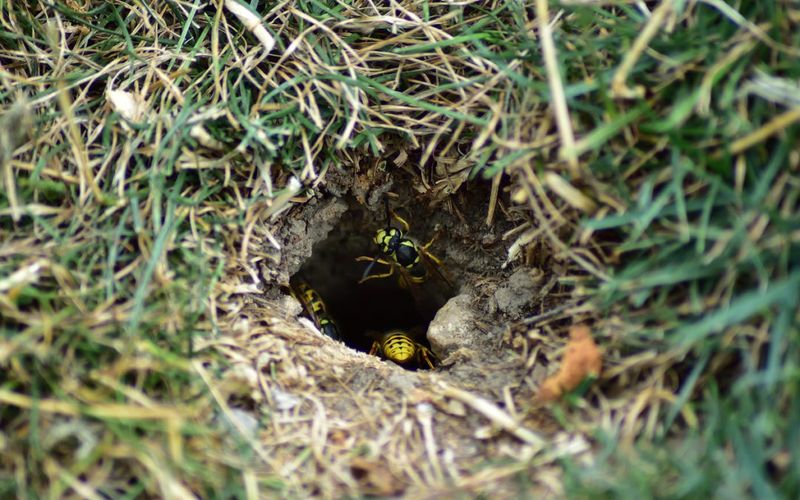
Nature has its own way of keeping yellowjacket numbers balanced. Skunks, raccoons, certain birds, and even some beetles feed on their nests and larvae. When these helpers vanish, colonies grow with far less trouble.
Suburban growth across North Carolina has pushed out many of these natural helpers. Fewer wild animals roam through neighborhoods, so nests that once got raided now stay whole. That gives colonies a real advantage.
Gardeners can invite more helpful wildlife back with a few thoughtful choices. Planting native shrubs and leaving a small brush pile creates shelter for birds and beneficial insects. A welcoming yard restores some of that natural balance.
Skip the wide-spread use of harsh chemicals whenever you can. Broad sprays often harm the very creatures that would otherwise handle pests for you. A gentler approach keeps your yard’s food web working.
Adding a birdbath or small water feature draws in insect-eating birds. These feathered visitors snack on flying pests all day long. More birds mean fewer bothersome buzzers near your beds.
Did you know skunks are one of the best natural nest raiders? They dig up underground colonies at night for a protein-rich meal. While you may not want skunks in the yard, their cousins in the wild do plenty of quiet work.
Building a garden that supports wildlife takes patience, but the payoff is huge. A balanced yard practically manages pests on its own, leaving you free to enjoy your plants.
5. Dry Spells Push Them Toward Your Garden
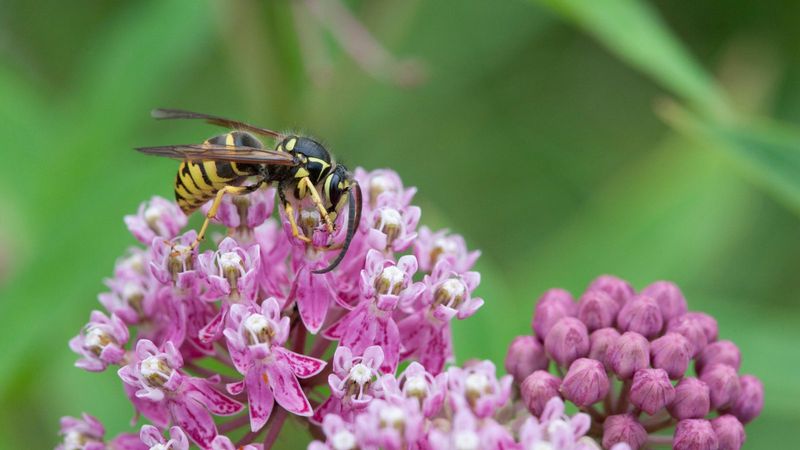
During dry stretches, water becomes as valuable to yellowjackets as food. They need moisture to cool their nests and feed their young. When natural puddles vanish, they head straight for gardens that still have water.
North Carolina summers can swing between soggy and bone dry. In those dry weeks, your watered vegetable beds, birdbaths, and hoses turn into hot spots for thirsty insects. That explains sudden crowds near your sprinklers.
You can turn this to your advantage with smart watering habits. Water your garden early in the morning so the surface dries before peak insect hours. Damp soil at noon acts like a magnet for them.
Fix leaky spigots and coil up dripping hoses. Even a slow trickle offers a steady drink that keeps foragers coming back. Cutting off easy water sources near your seating area makes a real difference.
Consider placing a dedicated water dish far from where you gather. A shallow pan with stones near the back fence gives them a spot away from you. They tend to stick with the closest reliable source.
Drip irrigation helps too, since it delivers water right to the roots instead of pooling on top. Less standing water means fewer thirsty visitors.
Balancing your plants’ needs with pest control feels tricky during a dry spell. Still, a few timing tweaks let you keep your garden green while gently steering yellowjackets somewhere else.
6. Piles Of Leaves And Debris Make Cozy Homes
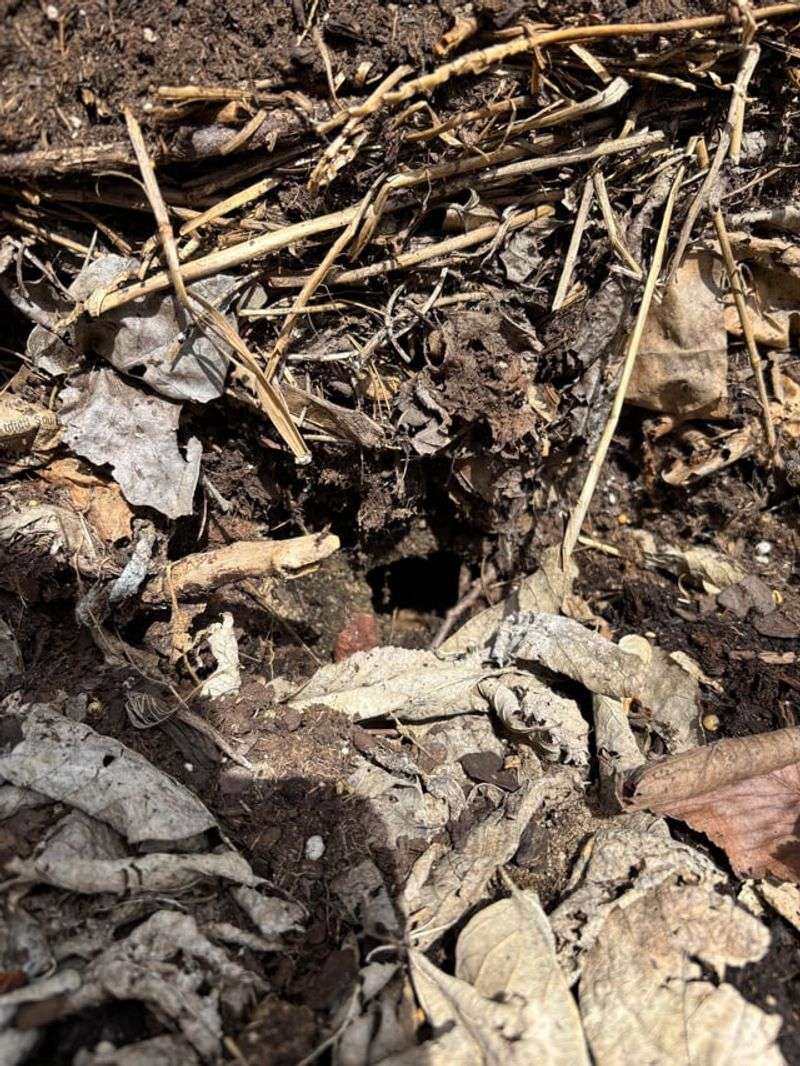
Clutter is an open invitation for nesting yellowjackets. Leaf piles, stacked firewood, hollow logs, and forgotten flower pots all offer perfect hidden shelters. The messier the corner, the more likely a colony moves in.
Many North Carolina yards have shady spots that rarely get cleaned out. Those quiet nooks feel safe and protected, exactly what a queen wants for her nest. She often builds where you least expect to look.
Regular cleanup is your strongest tool here. Rake up leaves, break down brush piles, and store firewood off the ground. Removing these hiding places forces colonies to look elsewhere.
Turn over empty pots and buckets so they cannot collect debris or shelter a nest. Even an overturned wheelbarrow can hide a growing colony. A quick weekly walk-through helps you catch problems early.
Pay attention to old sheds, decks, and fence posts too. Small gaps and hollow spaces make ideal indoor-style nests protected from weather. Sealing these openings closes the door on future tenants.
Wear gloves and long sleeves while cleaning shaded corners just in case. Move slowly and listen for buzzing before reaching into dense piles. Careful cleanup keeps you safe while you tidy up.
A neat yard does more than look nice. It removes the exact conditions yellowjackets crave, cutting down on nests before they ever grow large. Little bursts of tidying throughout the season keep your garden welcoming to you, not them.
7. Underground Burrows Offer Perfect Nesting Spots
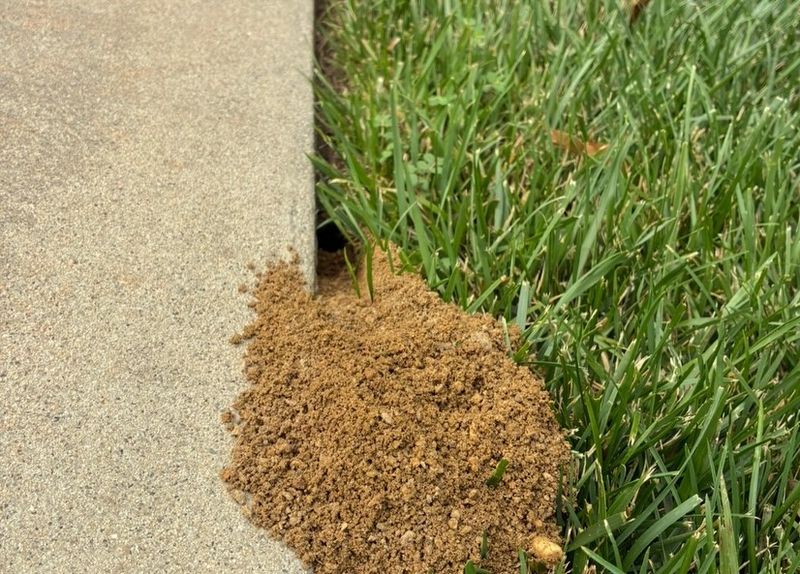
Many people picture wasp nests hanging in trees, but yellowjackets often build underground. They love abandoned rodent tunnels, gaps under stones, and soft soil where digging is easy. Your lawn may hide more nests than you realize.
North Carolina’s mix of clay and loose soil gives these insects plenty of options. Old mole runs and chipmunk holes become instant homes. Because the entrances are small, colonies can grow huge before you notice them.
Careful lawn checks help you find these hidden nests early. Watch for steady streams of insects flying in and out of a single ground hole. That traffic pattern is a clear giveaway.
Mark any suspicious holes and keep family members away from them. Mowing over an underground nest sends the whole colony into a frenzy. Slowing down near unfamiliar openings keeps everyone calmer.
Fill in unused rodent burrows with soil before spring arrives. Removing these ready-made tunnels takes away easy nesting real estate. A little prep now saves big headaches later.
If you find an active ground nest, avoid tackling it during the day. Foragers are most active then and quick to defend their home. Cooler evening hours are far safer for any careful action.
For large or worrisome nests, calling a licensed pest professional is the smart move. They have the right gear to handle ground colonies safely. Knowing your limits protects both you and your family.
8. Bright Blooms And Ripe Fruit Are Irresistible
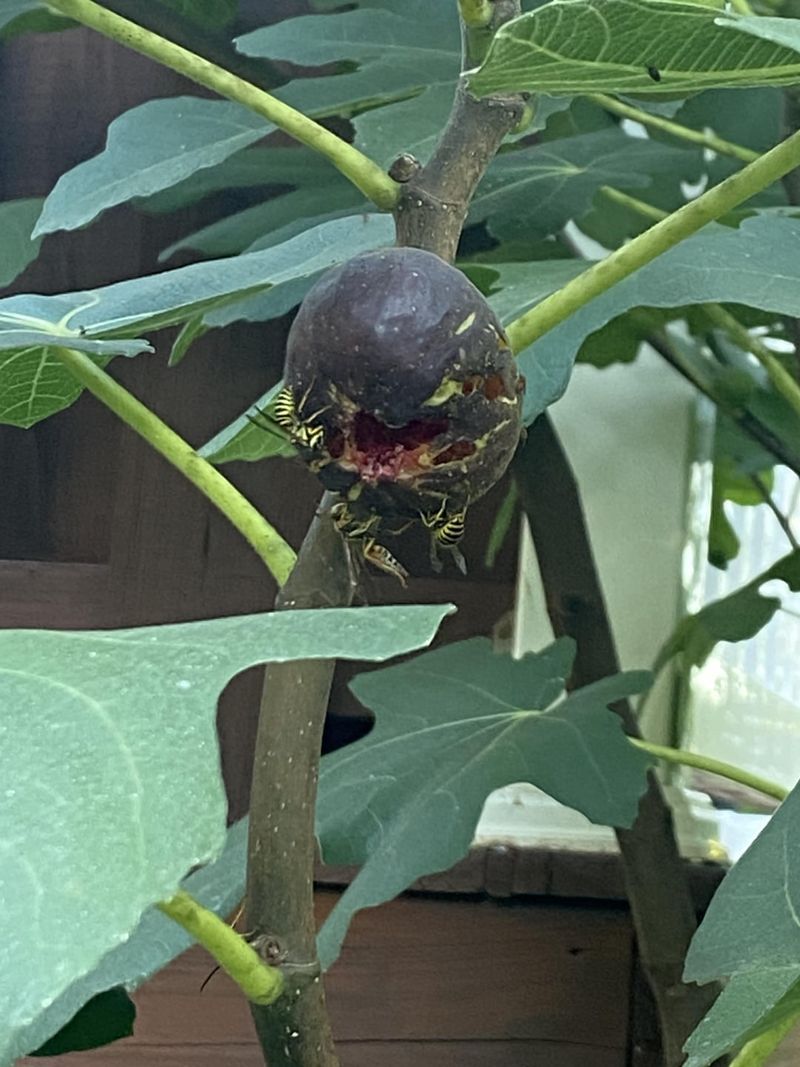
Your beautiful garden can accidentally roll out the welcome mat. Yellowjackets are drawn to sweet-smelling flowers, ripe berries, and juicy fallen fruit. The more color and fragrance you offer, the more visitors you attract.
Late-season gardens in North Carolina overflow with tempting treats. Figs, grapes, apples, and blackberries all release sugary scents that carry across the yard. Those aromas guide hungry foragers right to your beds.
Smart harvesting keeps the buffet short. Pick fruit as soon as it ripens and gather anything that drops to the ground. Leaving overripe produce out is like ringing a dinner bell.
Think about where you plant your sweetest crops. Placing fruit trees and berry bushes away from patios keeps foragers at a distance from where you relax. A little planning goes a long way.
You do not have to give up your flowers, though. Mixing in plants that yellowjackets tend to skip, like mint and marigolds, can help balance things out. Their strong scents are less appealing to the insects.
Keep compost bins sealed and away from seating areas too. Rotting fruit scraps send out powerful sugary signals. A tight lid keeps that scent locked inside.
Fun fact: yellowjackets actually help gardens a little by eating pest caterpillars early in the year. Their taste for sweets only takes over in late summer. Managing your ripe fruit gives you the best of both worlds.
9. Urban Growth Creates More Nesting Opportunities
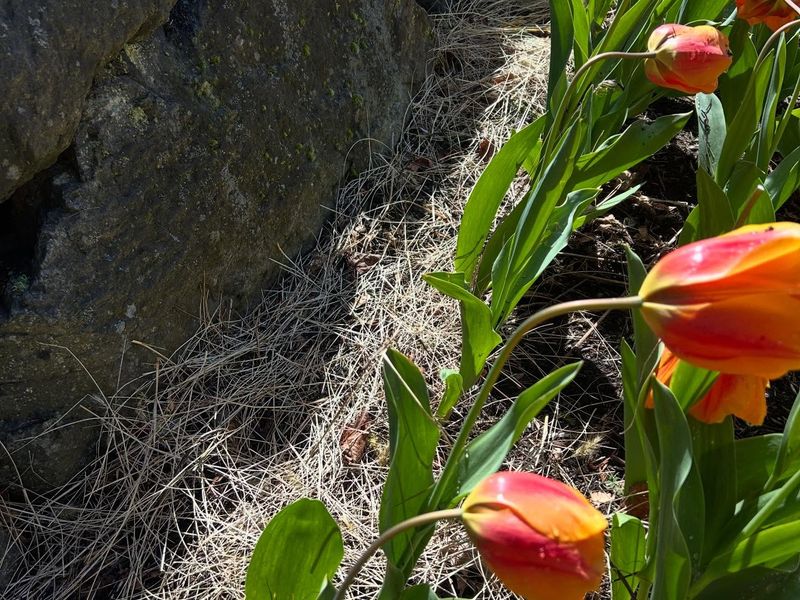
North Carolina keeps growing fast, and new neighborhoods pop up everywhere. All that building creates fresh hiding spots for yellowjackets in walls, decks, sheds, and fences. More structures mean more places to nest.
Construction also stirs up soil and removes natural habitats. When wild spaces shrink, these adaptable insects simply move into yards and gardens instead. Human areas offer food, water, and shelter all in one place.
Homeowners can push back with regular home inspections. Walk around your house each spring and check for gaps in siding, soffits, and roof edges. Sealing these openings blocks easy indoor-style nests.
Pay attention to sheds and outbuildings too. Small holes near the eaves make tempting entrances. A tube of caulk and some mesh screen handle most of these spots quickly.
New landscaping deserves a second look as well. Fresh mulch, retaining walls, and stacked stone can all shelter colonies. Keeping these features neat reduces hidden pockets.
Talk with your neighbors about pest awareness. Yellowjackets travel between yards, so a colony next door affects you too. Working together makes the whole street less inviting to them.
Staying watchful pays off as your area develops. Growth brings wonderful things, but it also reshapes the local insect scene. A few smart habits keep your slice of the neighborhood comfortable.
The more you understand these nine reasons, the easier your yard becomes to manage. With steady care and simple steps, you can enjoy your garden all season while keeping those buzzing crowds at bay.