These Root Vegetables Are Ready For September Planting In Georgia
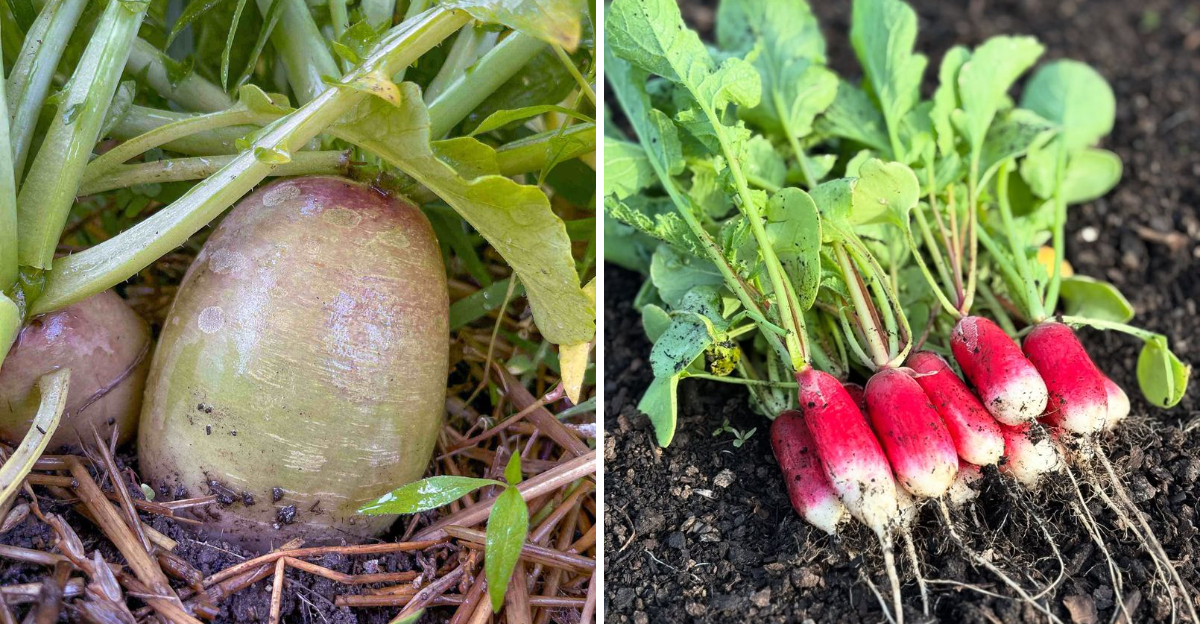
September opens a fresh planting window for gardeners who are not ready to leave the vegetable bed empty. Cooler weeks ahead give several root crops exactly the opportunity they need.
That seasonal change makes timing your next round of seeds especially worthwhile.
Georgia soil can remain warm enough for germination while gradually becoming friendlier to crops that develop best as temperatures ease. You can use that transition instead of waiting for fall to fully arrive.
Start with vegetables that can turn those changing conditions into steady underground growth.
The right choices can establish now and continue developing as the season moves forward. Planting at the right depth and spacing also gives those roots room to form properly.
Put September to work, and your garden can produce another satisfying harvest before winter.
1. Carrots Get Their Start Before Cooler Weather Settles In
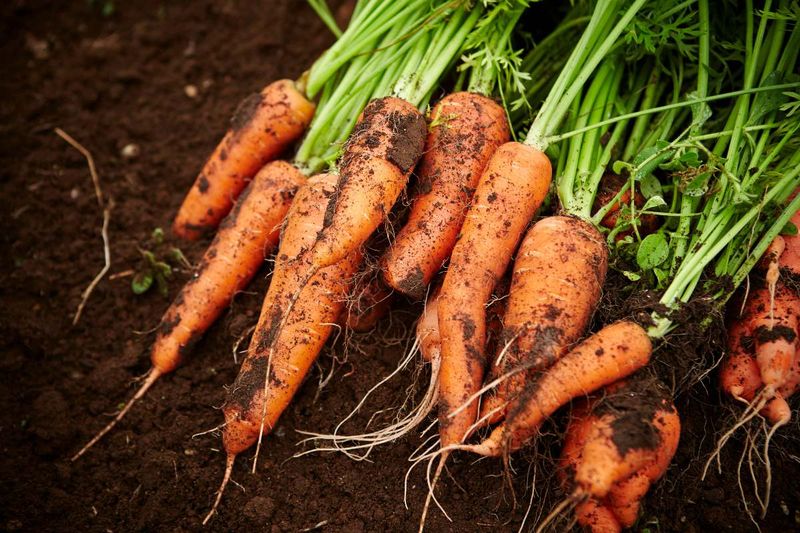
Carrot seeds are tiny, slow, and stubborn about germination. September rewards patience with some of the sweetest roots you will pull all year.
Sow seeds about a quarter inch deep in loose, rock-free soil. Heavy red clay is common across much of Georgia, so working in compost or planting in raised beds makes a real difference.
Keep the seedbed damp until sprouts appear.
That usually takes one to three weeks depending on soil temperature and moisture.
A light board or burlap laid over the row helps hold moisture during warm early September days. Just check daily and remove it the moment green shows.
Thin seedlings to roughly two inches apart once they reach a couple inches tall. Crowded carrots twist around each other and stay skinny.
Shorter varieties like Danvers, Chantenay, or Nantes tend to handle compact soil better than long slender types. Imperator carrots need deep, sandy beds to reach full length.
Most fall carrots need 65 to 80 days from seeding to harvest. Cool nights push sugars into the root, which is why fall carrots often taste better than spring ones.
Mulch lightly after thinning to keep soil temperatures even. Uneven watering can cause splitting.
Harvest can stretch into late fall and early winter in milder areas. Light frost rarely hurts them, and many gardeners leave roots in the ground and pull as needed.
2. Beets Develop Well As Summer Heat Begins To Ease
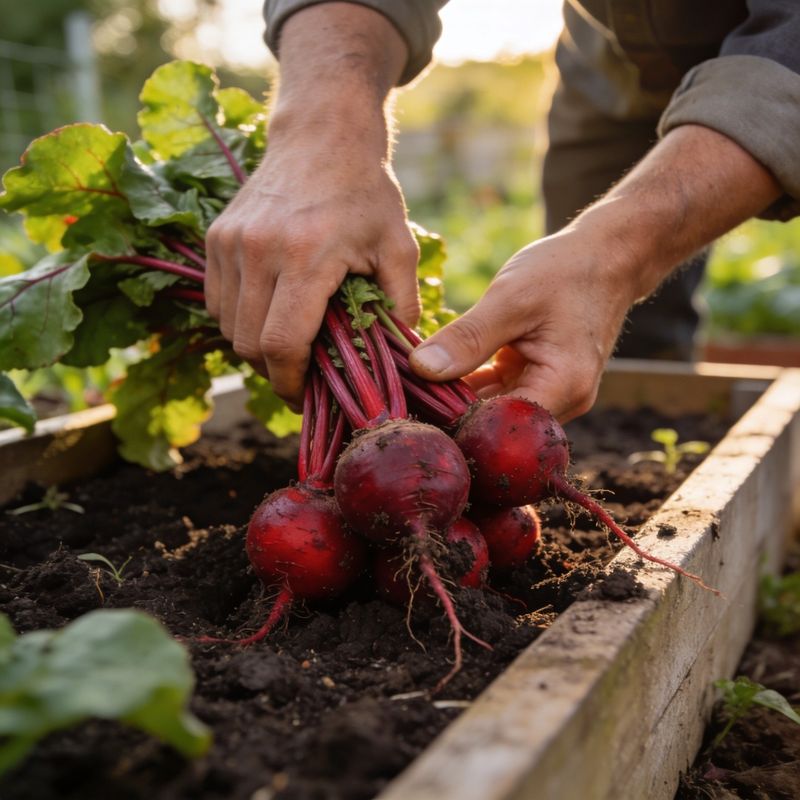
Two crops from one seed makes beets hard to beat. You get tender greens early and sweet roots later.
Each beet seed is actually a cluster containing several embryos.
Expect multiple sprouts from one spot, which means thinning is not optional.
Space rows about a foot apart and thin plants to three or four inches. Snipped seedlings go straight into salads.
Soil pH matters here more than with most roots. Beets prefer a range near 6.0 to 7.0, and acidic southern soil often needs lime, so a soil test through your county extension office is worth the small fee.
Boron deficiency shows up as dark spots inside the root. Compost usually keeps that in check.
Water steadily through September. Dry spells followed by heavy soaking can leave roots woody or cracked.
Your Georgia Garden Changes Every Week. Your Plan Should Too.
Gardening in Georgia changes quickly throughout the season. Every Friday you’ll receive a simple weekly plan showing exactly what to plant, prune, fertilize, harvest, and protect so you never miss the right timing.
Detroit Dark Red, Bull’s Blood, and Chioggia all perform reliably in the Southeast. Golden varieties germinate a bit slower but taste mild.
Harvest usually falls between 50 and 65 days after sowing. Roots around two inches across have the best texture.
Larger beets are still edible but can turn fibrous near the center. Pull a test root before harvesting the whole row.
Cold weather sweetens them noticeably. Gardeners in north Georgia often report better flavor after the first few chilly nights.
3. Radishes Bring One Of The Quickest Autumn Harvests
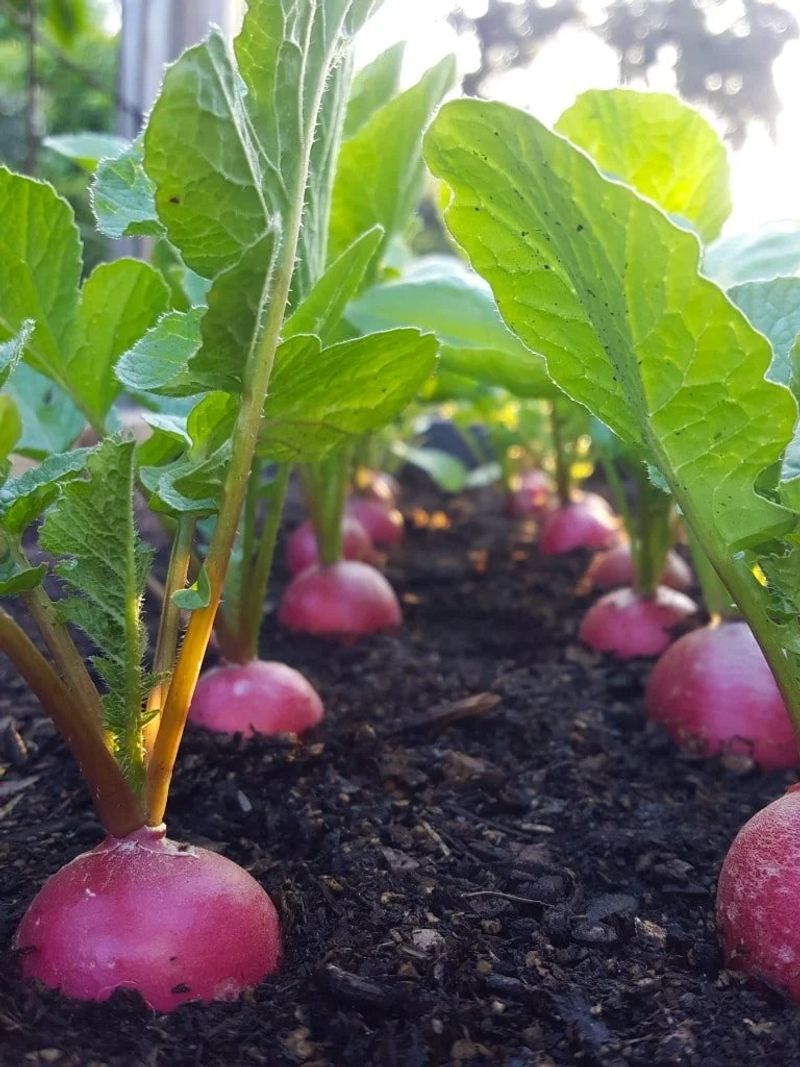
Three to four weeks. That is often all it takes from seed to salad with fall radishes.
Speed makes them ideal for impatient gardeners and for kids who want to see results.
Cherry Belle and Early Scarlet Globe are common picks.
Sow seeds half an inch deep and thin to about two inches apart. Skipping the thinning step leads to all tops and no bulb.
Warm soil early in the month can make roots taste sharp and peppery. Later plantings usually come out milder.
Try sowing a short row every ten days instead of one big planting. Staggered sowing keeps fresh radishes coming through October and November.
Consistent moisture keeps the texture crisp. Dried-out beds tend to produce pithy, hollow centers.
Radishes also work well tucked between slower crops. Many Georgia gardeners plant them alongside carrots since radishes come out long before carrots need the space.
Watch for flea beetles chewing pinholes in the leaves. Light damage rarely affects the root, though heavy feeding slows growth.
Pull them promptly once sized up. Leaving radishes in the ground too long turns them woody and overly hot.
Greens are edible too, sauteed or added to soup. Nothing about a radish crop needs to go to waste.
4. Turnips Take Advantage Of Mild September Conditions
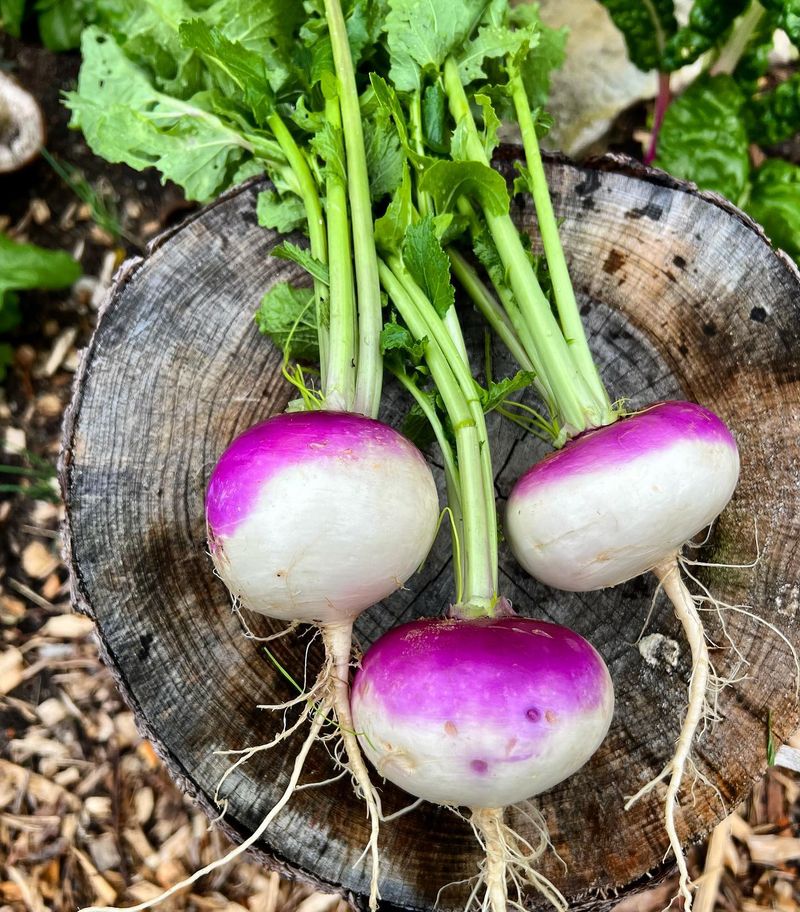
Few vegetables carry as much southern history as the turnip. Roots and greens both earn their keep on the table.
Purple Top White Globe remains the standard variety across the region. Seven Top is grown mostly for greens.
Broadcast or row-sow seeds shallowly, then thin to four inches for full-sized roots. Tighter spacing works if greens are the goal.
Germination is fast, often within a week when soil stays moist. That quick start helps plants get ahead of weeds.
Turnips handle a range of soils better than carrots do. Still, loose ground gives rounder, smoother roots.
Harvest roots at two to three inches across, usually 40 to 60 days after planting. Bigger turnips can turn tough and strong-flavored.
Cold nights improve the taste considerably. Frost tends to mellow the bite and bring out sweetness.
Aphids and cabbage worms sometimes show up on the foliage. A quick spray of water or row cover early on keeps numbers down.
Cut greens a few leaves at a time and the plant keeps producing.
That approach stretches one planting across several meals.
Gardeners in south Georgia can often keep harvesting turnips into December during mild winters. Results vary with weather and location, so watch your local forecast rather than the calendar alone.
5. Rutabagas Need Extra Time To Develop Their Large Roots
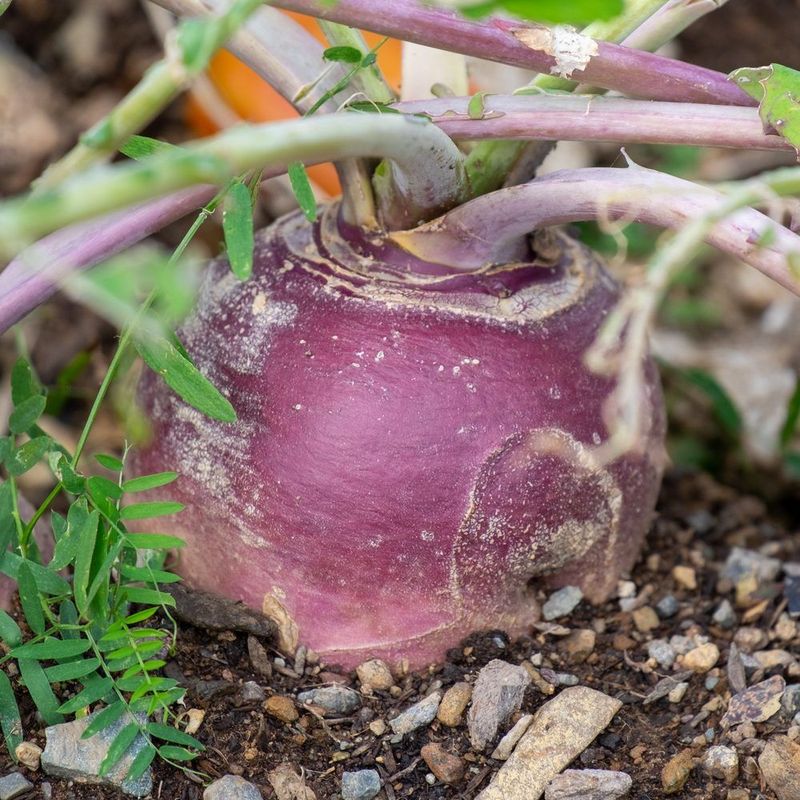
Plant rutabagas last and you will regret it.
These roots want the longest runway of any crop on this list.
Most varieties need 90 to 110 days to size up properly. Early September sowing gives them room to finish before deep cold arrives.
American Purple Top is the variety most southern gardeners reach for. Laurentian is another dependable option.
Sow seeds half an inch deep, then thin plants to six or eight inches. Crowding stunts the roots badly.
Soil should be deep and loosened well. Compacted clay produces small, misshapen rutabagas.
Steady moisture prevents woody texture and cracking. A two-inch mulch layer helps hold water during dry stretches in October.
Rutabagas are heavier feeders than turnips. A balanced fertilizer worked in before planting usually covers their needs.
Roots reach four to five inches across at maturity. Pull one and check before committing to a full harvest.
Flavor improves after frost, which is a genuine advantage in Georgia where light freezes typically start in November across much of the state.
Store harvested roots in a cool spot with high humidity. Trimmed of tops, they keep for weeks and sometimes months.
Anyone who has only tasted grocery store rutabaga should try a homegrown one. The difference in sweetness is noticeable.
6. Daikon Radishes Produce Long Roots Beneath Loose Garden Soil
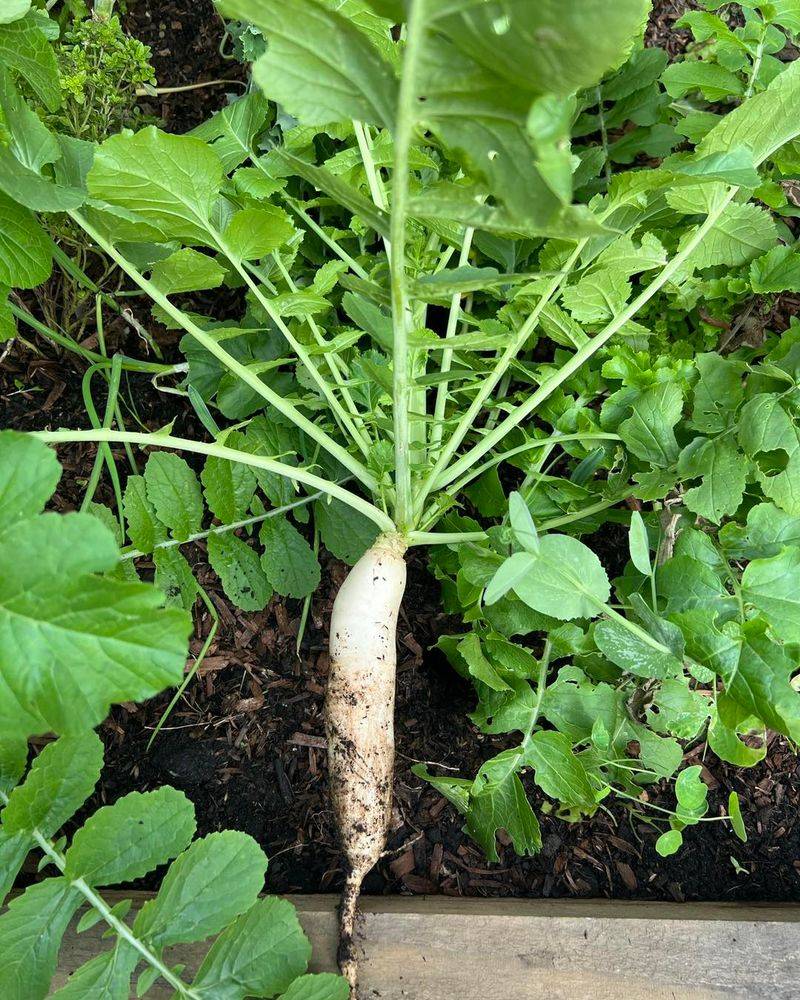
A daikon can grow over a foot long and still snap clean when you bite it. Depth is the whole game with this crop.
Loose, deep soil is essential. Compacted ground forces roots to fork or stay stubby.
Some gardeners plant daikon specifically to break up hard clay. Roots that decompose in place leave channels behind, which is why they are sometimes called tillage radishes.
Sow seeds three-quarters of an inch deep and thin to four to six inches apart. Crowded plants stay thin.
Maturity typically runs 50 to 70 days depending on variety. Minowase and Miyashige are widely available.
Water regularly through the growing period. Inconsistent watering can produce hollow or overly pungent roots.
Fall planting suits daikon far better than spring. Heat and long days push them toward flowering instead of root growth.
Harvest by loosening soil alongside the root with a fork before pulling. Yanking straight up often snaps them in half.
Flavor sits somewhere between mild radish and turnip. Grated raw, roasted, or fermented into kimchi, they hold up well.
Cold tolerance is decent, though hard freezes can damage exposed shoulders. Mounding a little soil over the tops offers some protection during colder Georgia nights.
7. Watermelon Radishes Develop Their Best Roots In Cooler Weather
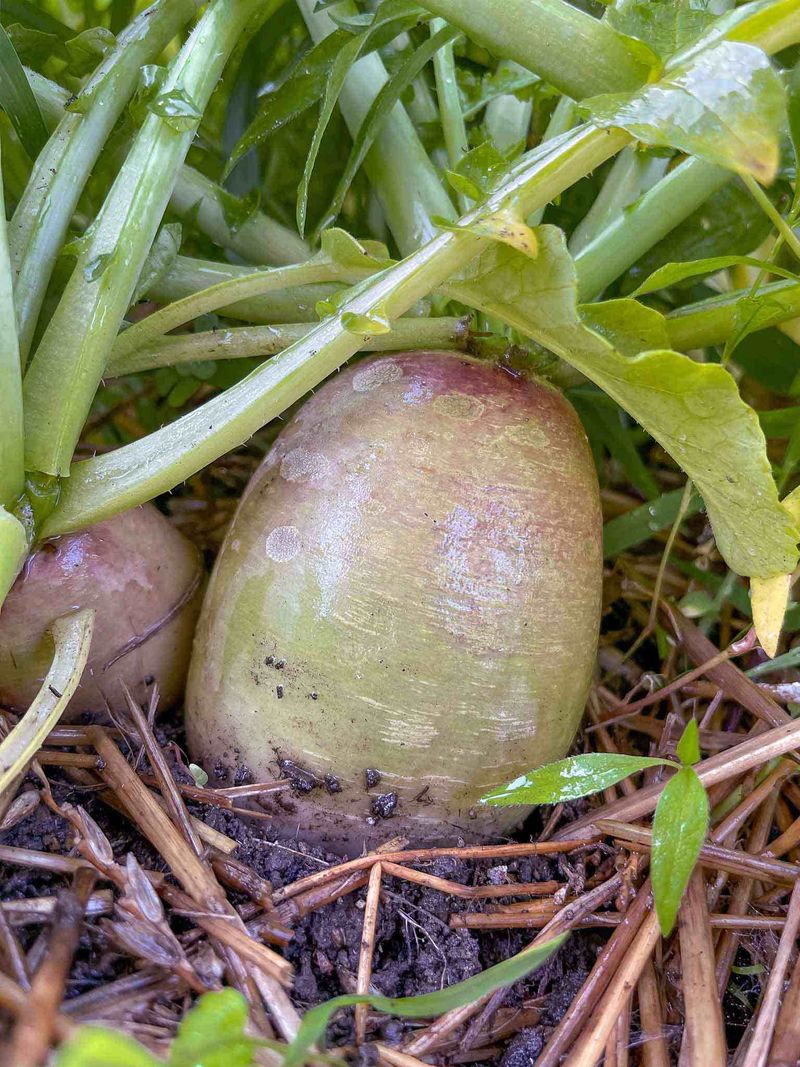
Cut one open and the color stops you cold.
Pale green skin hides a bright pink center that looks like a miniature watermelon.
Also sold as Red Meat or Beauty Heart, it belongs to the daikon family despite the round shape. Size runs two to four inches across.
Cool weather is not optional for good results. Warm conditions produce harsh flavor and disappointing color.
Sow in early to mid September so roots finish during genuinely cool weather. Later plantings often work fine in south Georgia.
Space plants four to six inches apart. Tight spacing keeps them small and dense.
Expect 55 to 70 days to maturity. Patience pays off here since flavor sweetens as temperatures drop.
Soil should stay evenly moist without staying soggy. Wet feet invite rot in heavy clay beds.
Harvest before roots grow oversized. Anything much past four inches tends to go fibrous and lose that clean, mild taste.
Slice thin for salads or pickle them for color. Raw slices hold their pink hue better than cooked ones.
Storage is straightforward. Trim the tops, keep roots in the refrigerator, and they hold texture for a couple of weeks.
Growth habit resembles a standard radish, so anyone who has grown Cherry Belle already knows the routine.
8. French Breakfast Radishes Offer A Quick Early Fall Crop
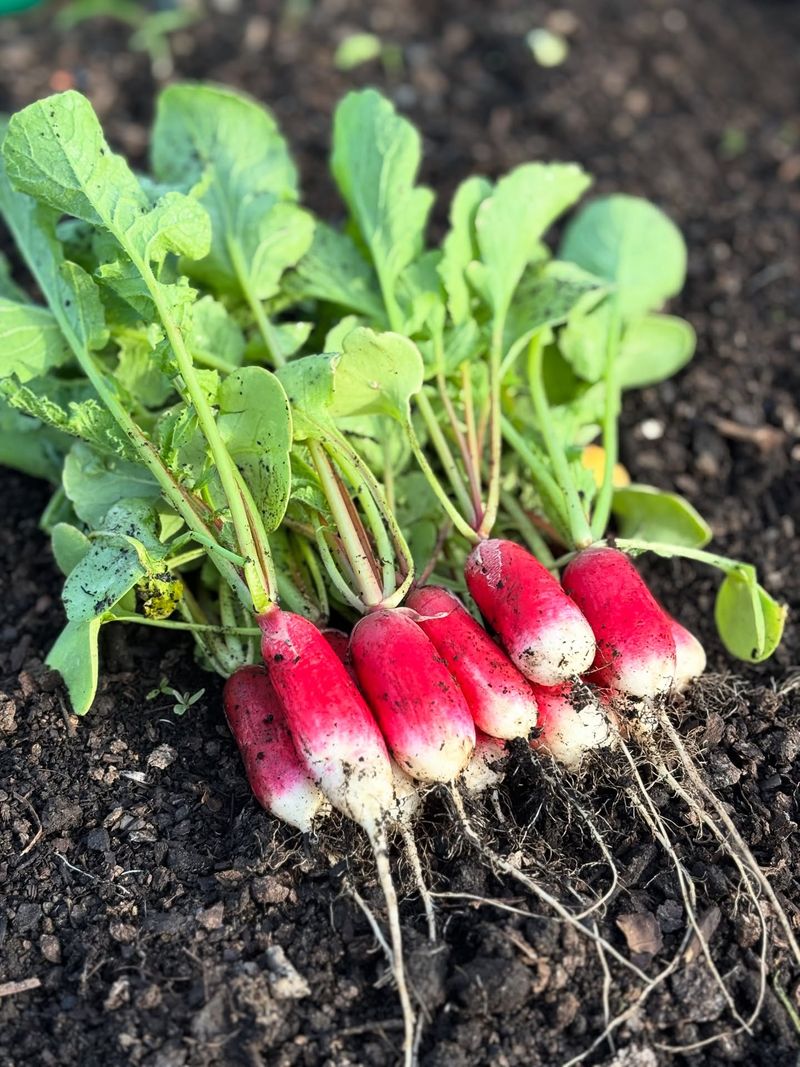
Oblong, red on top, white at the tip. French Breakfast radishes look different from the round ones most people grow.
Flavor leans mild with only a faint bite. That makes them popular with folks who find standard radishes too sharp.
Maturity comes fast, generally 22 to 30 days. Sow in mid September and you may be pulling roots by early October.
Seeds go in half an inch deep with two inches between plants. Rows can sit as close as eight inches apart.
Soil needs to stay damp for the best texture. Drought stress makes them hot and stringy in a hurry.
Harvest while roots are around three inches long. Leaving them longer risks splitting and pithiness.
Succession planting works beautifully with this variety. A fresh row every week or two keeps the supply steady through fall in Georgia.
Traditional French serving style involves butter and salt on sliced radish with bread. It sounds odd until you try it.
Partial afternoon shade helps if early September still runs warm. Cooler roots taste better.
Watch for cracking after heavy rain following a dry spell. Even watering prevents most of it.
Little space is required, so containers and small beds work fine.
A window box can produce a respectable handful.