A Neighbor’s Tree Fell On Your Virginia Property, Who Covers The Damage
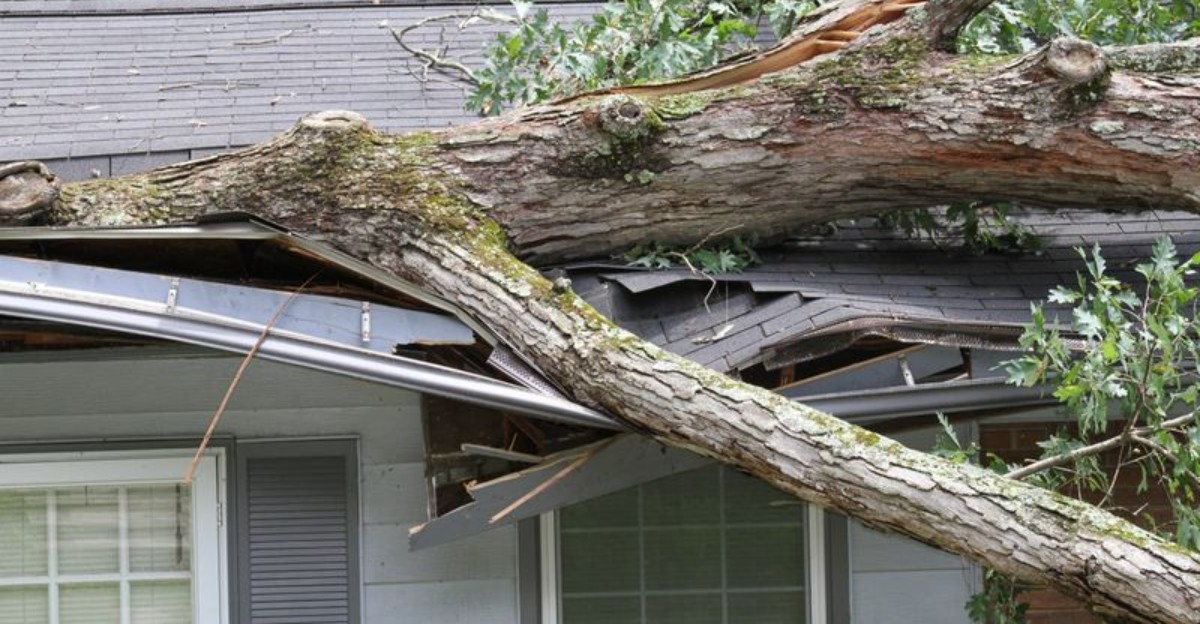
Few sounds are more alarming than waking to a crashing tree and finding the massive oak from next door across your fence, shed, driveway, or home. The first question most homeowners ask is simple: who pays for the damage?
The answer is not always as straightforward as it seems. The fact that the tree came from your neighbor’s property does not automatically decide who covers the costs.
Insurance coverage, whether the fall was caused by a storm, and whether anyone ignored a known tree hazard can all change the outcome. Understanding the basics can make a stressful situation much easier to handle.
Here is what Virginia homeowners should know when a neighbor’s tree falls onto their property, plus the steps that can help protect you before and after it happens.
Your Homeowners Insurance Usually Handles The Damage
Brace yourself for the twist that catches most homeowners off guard. In many cases, the property owner whose land was damaged files through their own insurance first, unless negligence changes the situation.
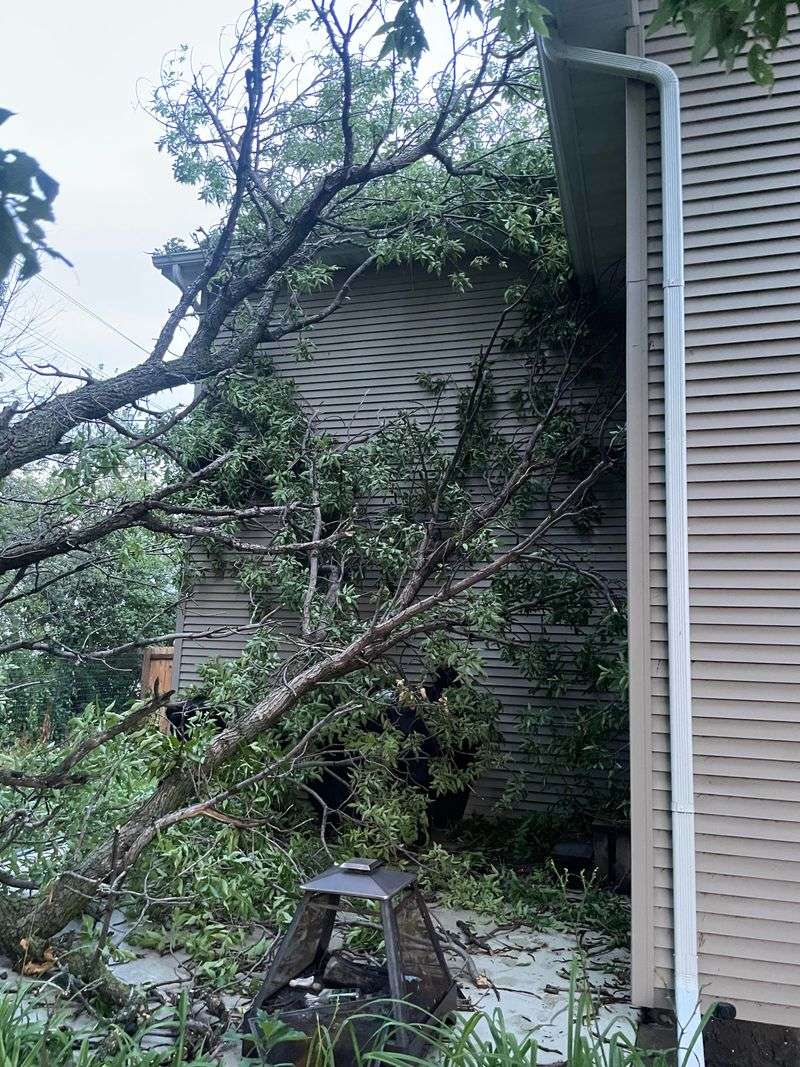
The general rule works like this: each property owner handles damage that happens on their own land. So if that maple from next door flattens your fence, your carport, or your parked car, you would typically call your own insurance company first.
Your policy protects your dwelling and other structures on your lot. Coverage kicks in when the tree fell because of a covered peril, such as strong wind, lightning, or hail.
Deductibles still apply, which is the part nobody enjoys. If your deductible is 1,000 dollars and repairs total 4,000 dollars, you pay the first chunk and your insurer covers the rest.
Vehicles follow a separate track. Damage to your car usually falls under the comprehensive portion of your auto policy, not your homeowners coverage.
Filing quickly helps your claim move along. Snap photos before anything gets moved, then call your agent the same day if you can.
Plenty of homeowners get frustrated by this setup, and honestly, that reaction makes sense. Still, the system exists so repairs start fast instead of stalling while two neighbors argue over blame.
Your insurer may later try to recover money from your neighbor’s carrier if negligence shows up. That process happens behind the scenes and does not delay your repairs.
The Tree Owner May Pay When Negligence Is Involved
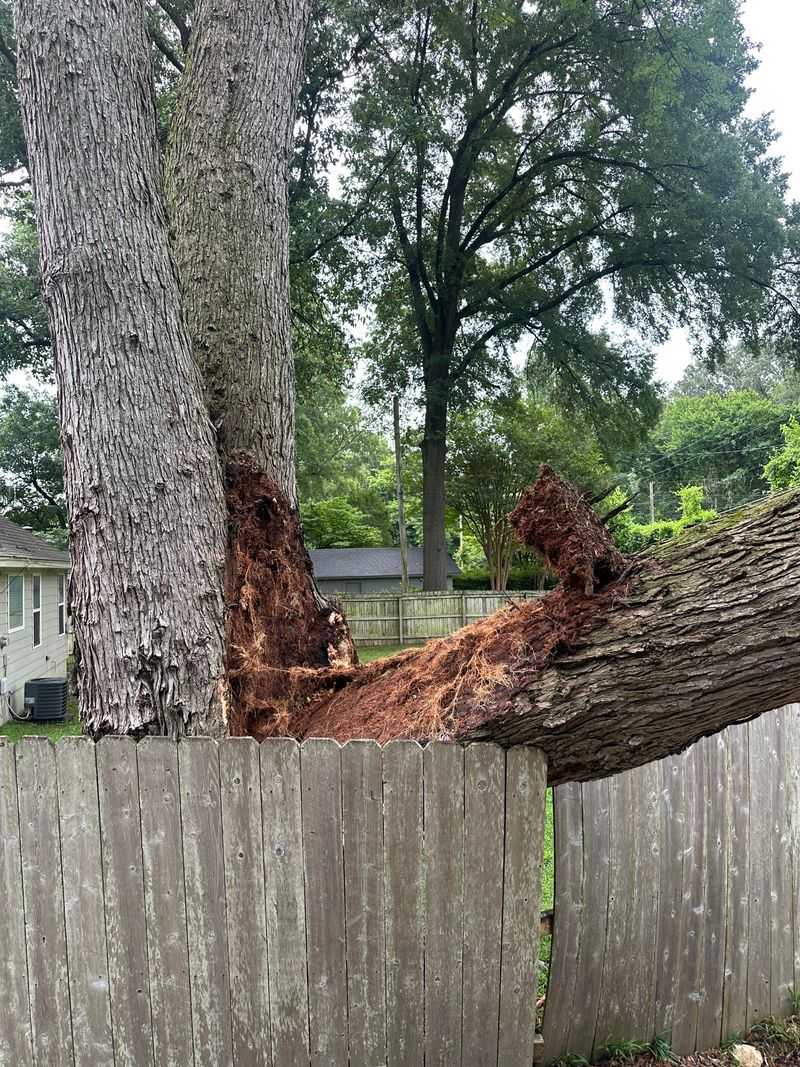
Here’s where the story changes. Negligence is the magic word that can shift the bill onto your neighbor’s shoulders.
Picture a tree that stood hollow and leaning for two years, with mushrooms sprouting from its base and bare branches all summer. If your neighbor knew about that condition and shrugged it off, responsibility may land squarely on them.
Proving negligence takes more than a hunch. You generally need evidence that the tree showed clear signs of decay or instability before it fell.
You also need to show your neighbor knew, or reasonably should have known, about the hazard. A friendly chat is nice, but a written notice creates the paper trail that actually counts.
Your Virginia Garden Changes Every Week. Your Plan Should Too.
Gardening in Virginia changes quickly throughout the season. Every Friday you’ll receive a simple weekly plan showing exactly what to plant, prune, fertilize, harvest, and protect so you never miss the right timing.
Send a letter, keep a copy, and consider certified mail for delivery proof. That single envelope can be the difference between paying your own deductible and getting reimbursed.
An arborist report strengthens your position even further. A professional opinion describing rot, cracks, or root problems carries real weight with insurance adjusters.
Once negligence is established, your neighbor’s liability coverage may step in to pay for repairs. Their insurer might also cover your deductible, which feels like a small victory.
Timing matters throughout Virginia, since a tree that looked fine last spring can decline fast. Keep an eye on the ones hanging over your home and speak up early rather than hoping for the best.
Storm Damage Changes Who Covers The Costs
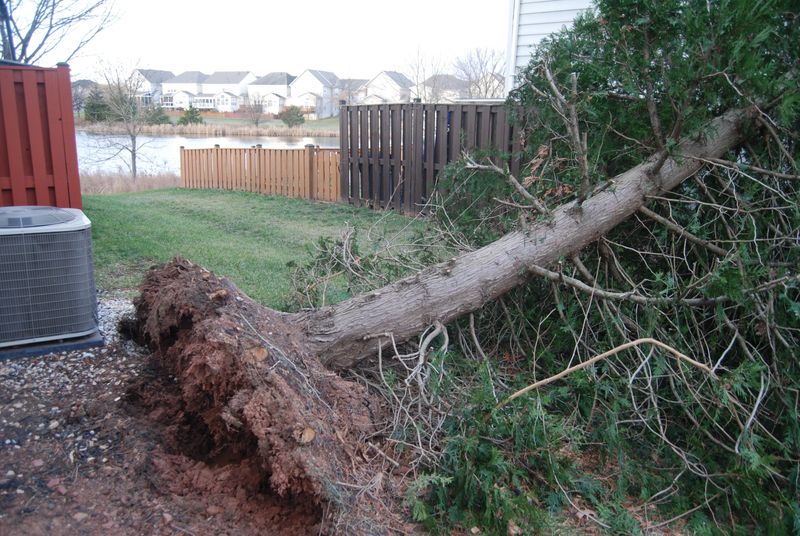
Mother Nature gets a legal nickname in these cases, and it is a memorable one. Courts often call a storm-related fall an Act of God.
The phrase covers events driven by natural forces that nobody could predict or prevent. Think of a derecho ripping through, an ice storm coating every branch, or a hurricane tail whipping up the coast.
When a perfectly healthy tree goes down in weather like that, the wind is treated as the cause. The tree owner is generally off the hook because there was nothing reasonable they could have done.
That means your policy handles the repairs on your property. Your neighbor’s healthy tree plus a violent storm equals your claim, unless negligence enters the picture.
Virginia sees plenty of this, from summer thunderstorms rolling across the Piedmont to nor’easters battering Hampton Roads. Saturated soil after days of rain makes even sturdy trees vulnerable.
Health of the tree becomes the central question after a storm. A green, solid trunk points toward an unavoidable event, while a punky, hollow trunk points somewhere else entirely.
Photograph the stump and the break point before cleanup crews arrive. Those pictures show whether the wood was sound or crumbling inside.
Named storms sometimes trigger a separate, higher deductible on your policy. Checking that detail before hurricane season saves you a nasty surprise later.
Cleanup Costs Depend On The Damage Left Behind
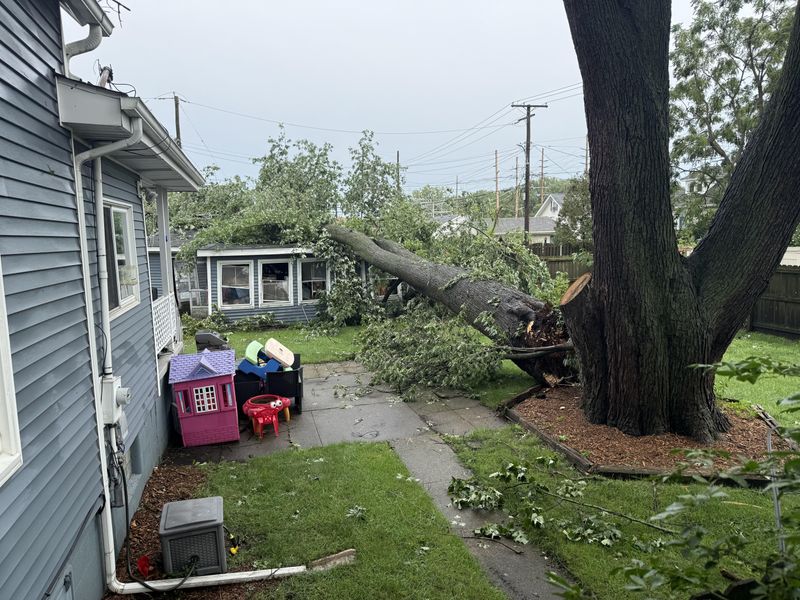
Repairs are only half the headache. Hauling away several tons of wood is its own expensive project, and coverage here gets picky.
Insurance usually pays for removal when the tree strikes a covered structure. Your house, garage, shed, or fence all qualify, which is helpful news.
Limits, though, tend to be modest. Many policies include a limited amount of coverage for tree removal, but the exact limit depends on your policy.
Big trees can easily blow past that number. Removal quotes for a mature hardwood on a roof often run into the thousands, leaving you covering the difference.
What if the tree misses everything and just sprawls across your lawn? In that case, removal typically is not covered at all.
Exceptions exist when the trunk blocks your driveway or an accessible entrance. Those situations affect access, so insurers often make room for them.
If no structure took a hit, cleanup generally falls to whoever owns the land where the tree came to rest. Yes, even when the trunk started next door.
Get two or three quotes from licensed, insured tree services before signing anything. Storm chasers show up fast, and not all of them carry proper coverage.
Ask about stump grinding separately, since it is often billed as an extra line item.
Know When A Dangerous Tree Becomes A Liability
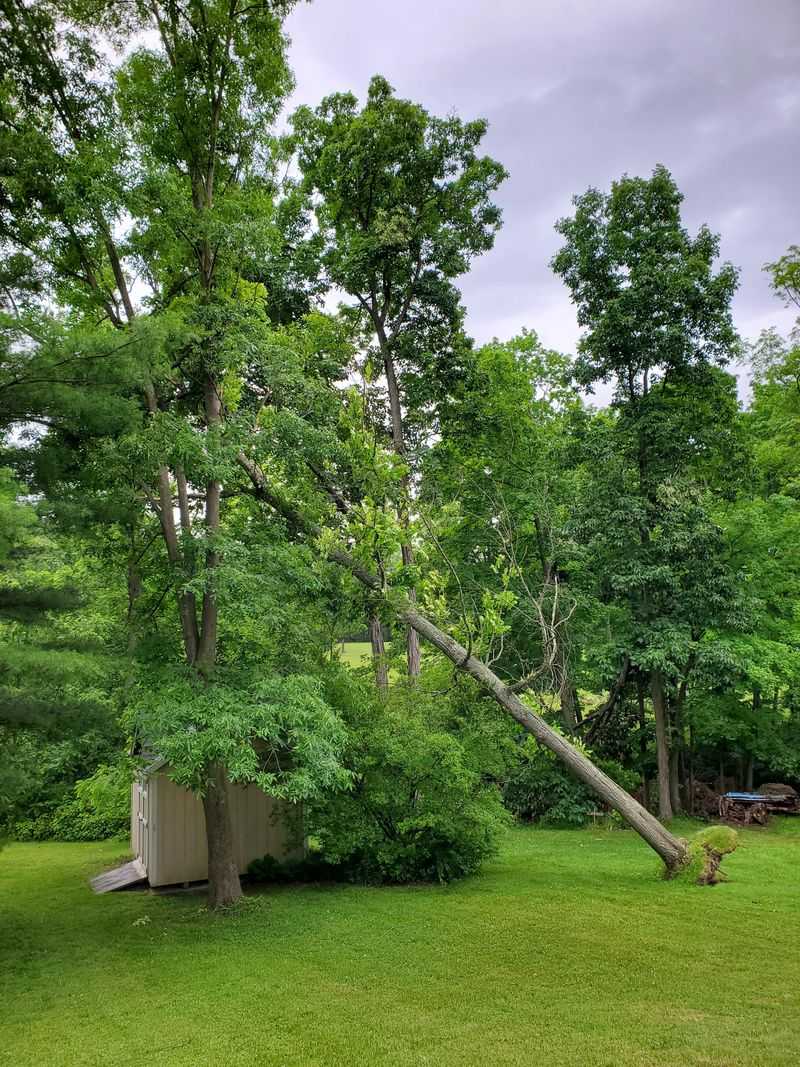
A shade tree can go from neighborhood treasure to legal problem in a single season. Once it turns hazardous, Virginia may treat it as a nuisance.
Warning signs are easier to spot than most people think. Look for visible decay, fungal shelves on the trunk, big hollow cavities, split forks, or heavy lean with exposed roots.
Branches with no leaves during peak summer are another red flag. So is a pile of sawdust at the base, which often signals insects working inside.
Responsibility attaches once the owner knows, or reasonably should know, about the risk. From that moment, they are expected to take sensible steps like pruning or removal.
Ignoring the problem opens the door to legal remedies. An affected property owner can ask a court for an injunction ordering the tree be trimmed or taken down.
Some localities have rules for hazardous trees affecting public areas, so check with your local government about applicable codes.”
Other localities have similar codes, especially for trees near sidewalks and streets. A quick call to your county or city office costs nothing.
Courts rarely love these disputes, so judges appreciate evidence over emotion. Photos, arborist findings, and written notices carry far more influence than a heated argument over the fence.
Document Tree Problems Before They Become Bigger Issues
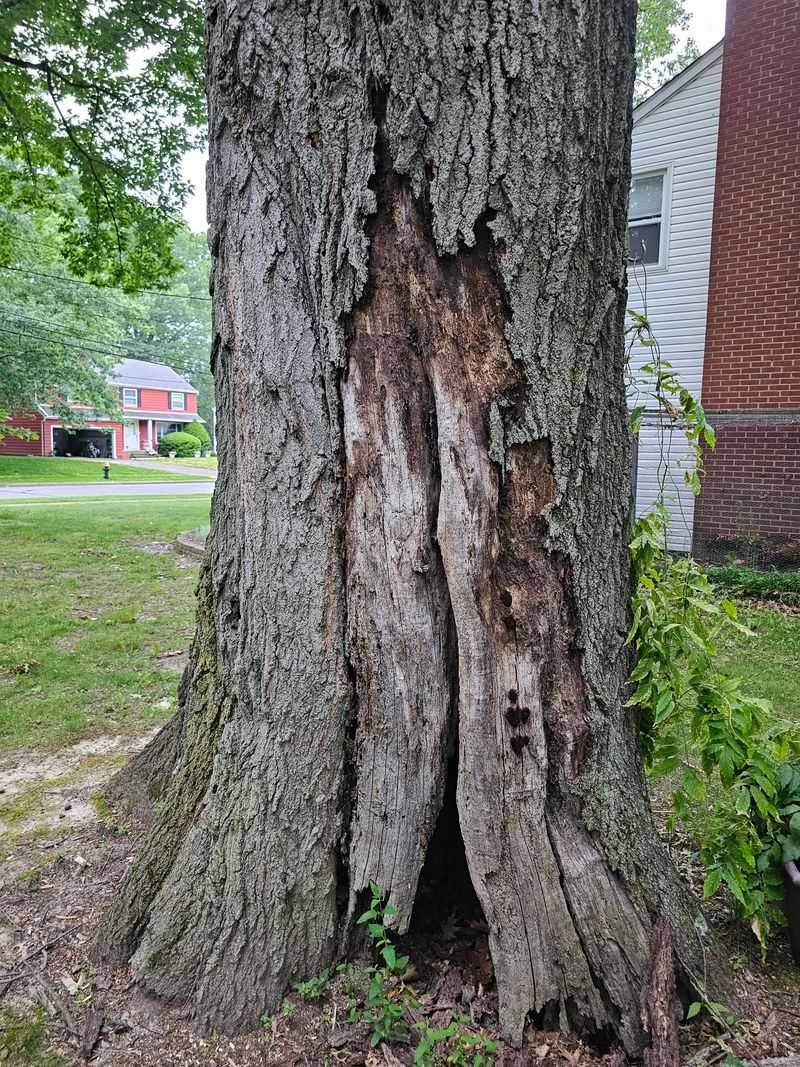
Think of your phone camera as a legal tool. Every dated photo you take of a questionable tree becomes evidence you might need later.
Shoot the whole tree first, then move in close. Capture soft spots, mushroom growth, cracks, hollow openings at the base, and any roots lifting out of the soil.
Video works beautifully for showing lean and sway on a windy afternoon. Narrate what you see so the recording has context.
Repeat the process every few months. A series of photos showing steady decline tells a much stronger story than one snapshot.
Written communication matters just as much. Put your concerns in a letter, keep a copy, and send it certified so delivery is documented.
Polite wording works better than accusations. Something like a simple note about the leaning limb over your garage keeps things neighborly while still creating a record.
Bringing in a certified arborist raises your credibility considerably. Professionals credentialed through the International Society of Arboriculture can inspect the tree and write a formal assessment.
That report often costs a couple hundred dollars, which is small compared to roof repairs. It also gives your neighbor an objective voice to trust instead of just your opinion.
Store everything in one folder, digital or paper. Homeowners who organize early rarely scramble when a claim or dispute finally comes along.
Check Your Coverage Before A Tree Emergency Happens
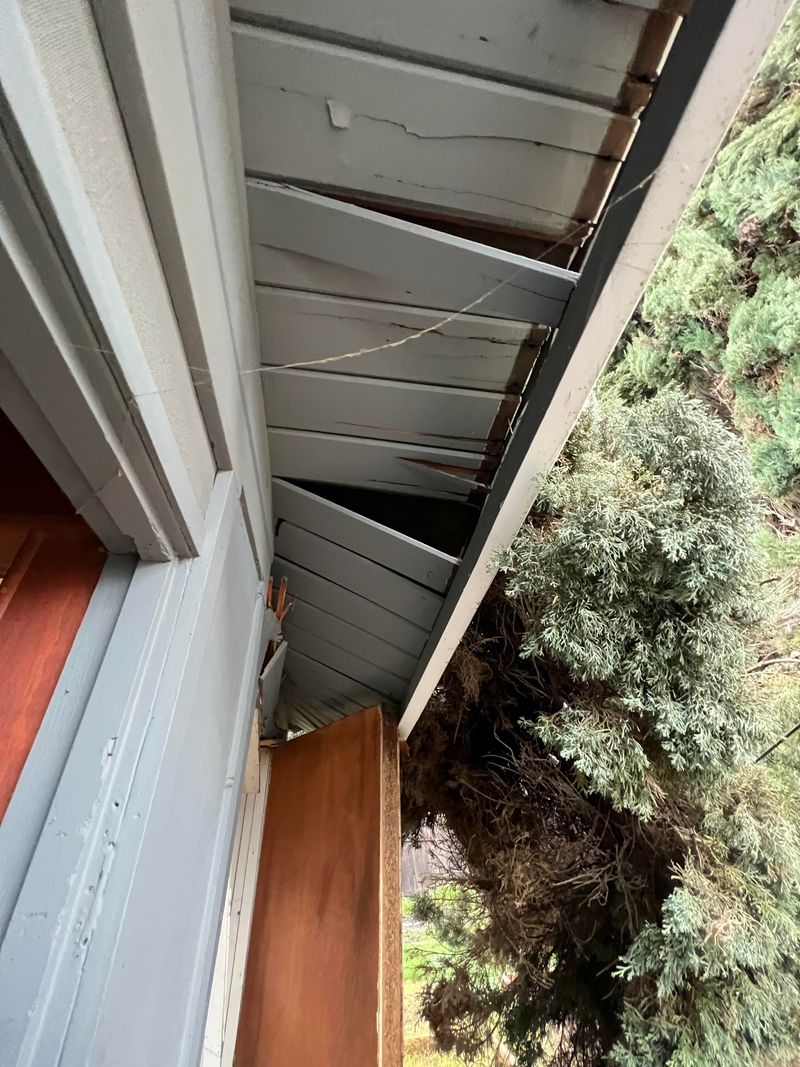
Reading an insurance policy ranks below folding laundry on most to-do lists. Twenty minutes with yours, though, can save thousands.
Start with the covered perils section. Wind, lightning, and hail usually appear there, and those are the events that trigger tree damage coverage.
Next, confirm what structures are protected. Your main home falls under one category, while fences, sheds, and detached garages often sit under a separate limit.
Find your deductible and write it down somewhere you will remember. Then hunt for the debris removal sublimit, commonly capped between 500 and 1,000 dollars per tree.
Watch for named storm deductibles, which can be a percentage of your home’s value rather than a flat dollar amount. Coastal Virginia policies frequently include that clause.
One gap surprises almost everybody: standard policies generally do not pay to remove a healthy or risky tree as a precaution. Preventive trimming comes out of your own pocket.
Consider that expense an investment anyway. Spending a few hundred dollars on pruning beats a five-figure roof repair.
Call your agent with questions and ask for plain answers. Good agents will walk through hypothetical scenarios with you happily.
Review your coverage yearly, ideally before spring storm season arrives. Homes change, trees grow taller, and policies quietly shift their terms.
Talk With Your Neighbor Before Problems Grow
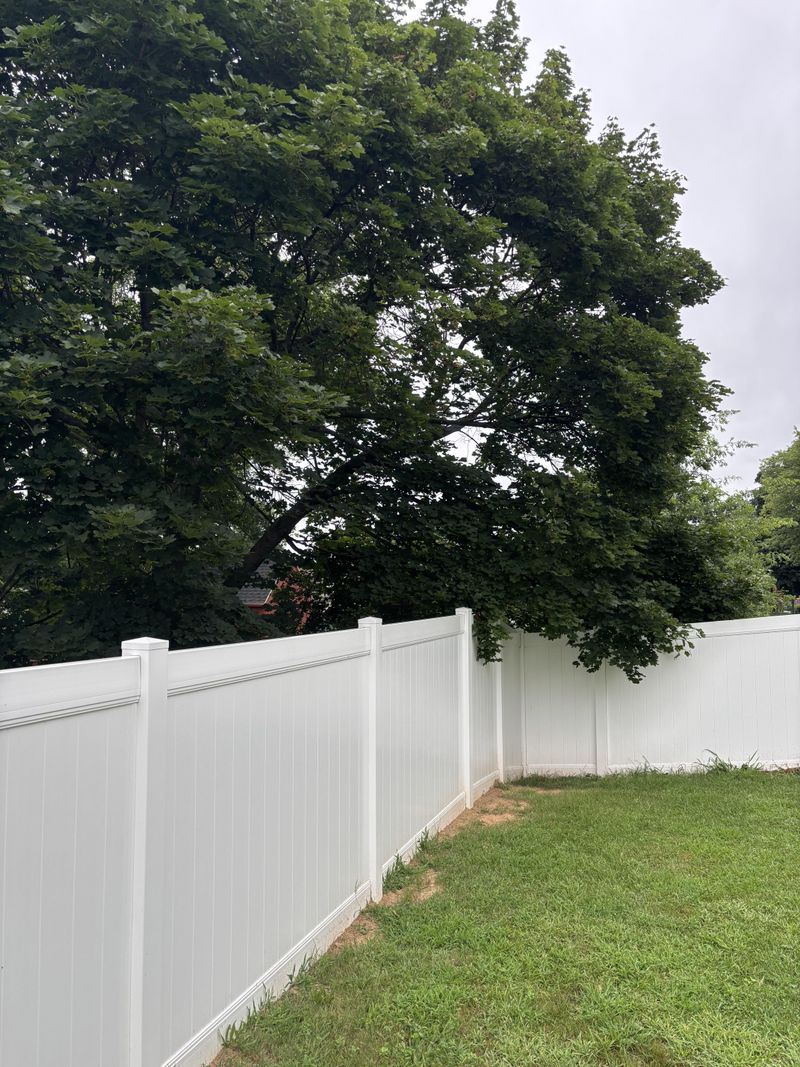
Sometimes the cheapest fix involves a cup of coffee and ten minutes of honest conversation. Most tree disputes never reach a courtroom because someone simply asked nicely.
Lead with curiosity instead of complaints. Mentioning that you noticed the trunk looks hollow near the bottom invites cooperation rather than defensiveness.
Many neighbors genuinely have not looked at the tree from your angle. What you see hanging over your bedroom is invisible from their kitchen window.
Offering to split the cost of an inspection or pruning can break a stalemate fast. Shared expense feels fairer than one person shouldering everything.
Virginia generally allows you to trim branches and roots that cross onto your property, but only up to the property line and without harming the tree’s health.
Stay on your side while doing it, and avoid harming the tree’s overall health. Crossing the line or damaging the trunk can flip liability onto you.
When friendly talk goes nowhere, move to a formal written notice. Certified mail signals seriousness without escalating into open conflict.
Legal options like a nuisance claim or injunctive relief remain available as a final resort. Filing suit is rarely fun, so save it for genuine standoffs.
Neighborly goodwill has real value. Protecting your property and your relationships at the same time is absolutely doable with patience.