Skip The Pansies And Plant These Cool-Season Flowers In Georgia This Fall
Every fall, garden centers fill entire tables with pansies, and plenty of front beds end up looking identical.
Pansies earn that popularity, since they handle cold well and bloom through much of winter. Still, planting the same flats every year can make your yard look like the rest of the street.
Several other cool-season flowers can give you color through the colder months with a different look.
Some add height that pansies cannot, while others bring textures rarely seen in a typical fall bed.
Many of them handle frost just as well, and a few pick up stronger color as temperatures drop. That makes them worth a spot beside pansies or instead of them.
Next time you visit a Georgia garden center, look past the pansy tables for a change.
1. Snapdragons Bloom This Fall And Often Again In Spring
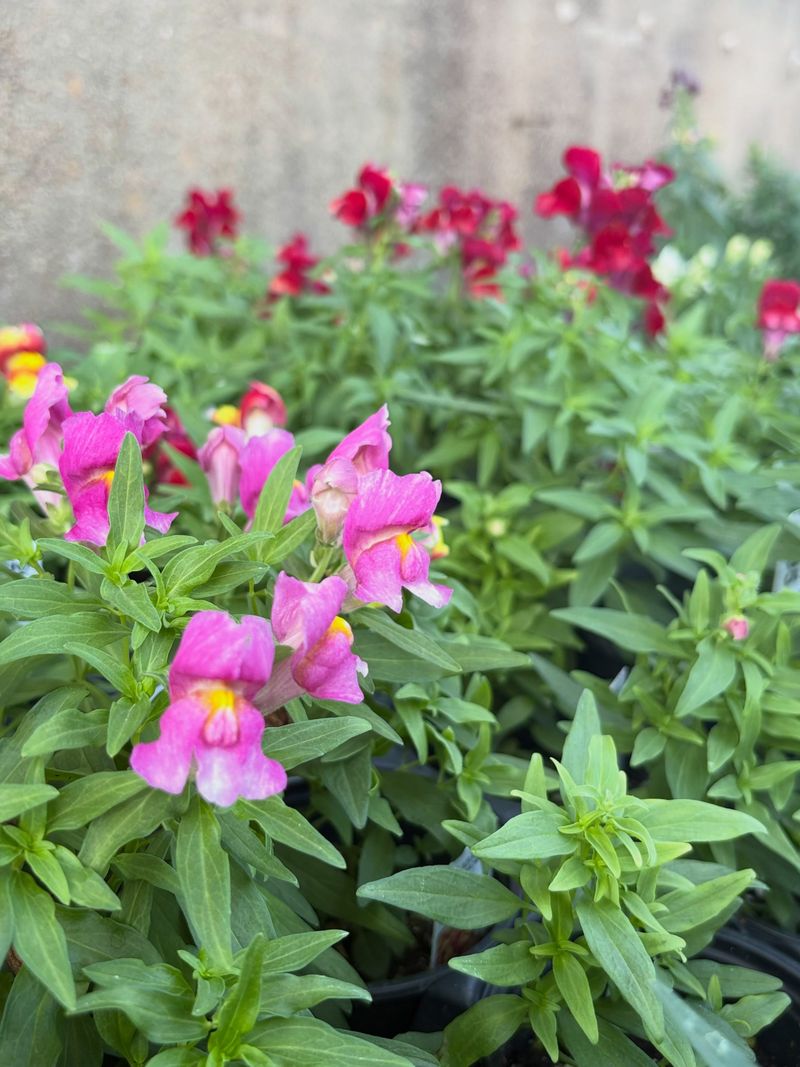
Snapdragons give you two shows for the price of one planting. Set them out in early to mid fall, and they usually bloom before the coldest weather arrives.
Once winter settles in, the plants tend to slow down and rest rather than give up.
Across much of Georgia, snapdragons can handle temperatures into the low 20s without much trouble. A really hard freeze may brown the flower spikes, but the base of the plant often pulls through.
Spring is when they really shine again, sending up fresh stems as the days warm.
Try to plant them in a spot with at least six hours of sun. Shady beds tend to give you leggy stems and fewer flowers.
Pinching the tips of young plants encourages them to branch out and form more spikes.
Kids love squeezing the blooms to make the little dragon mouths open and close. It is a small thing, but it makes the garden feel playful.
Water deeply after planting, then ease off once the roots settle in.
Taller types may need staking in windy spots, especially by spring. Dwarf varieties stay compact and work well in pots or along the front of a bed.
Once summer heat builds, the plants usually fade, and that is your cue to pull them.
By then, warm-season flowers are ready to take over and keep the bed colorful through the hotter months.
2. Dianthus Keeps Flowering Through Mild Winter Stretches
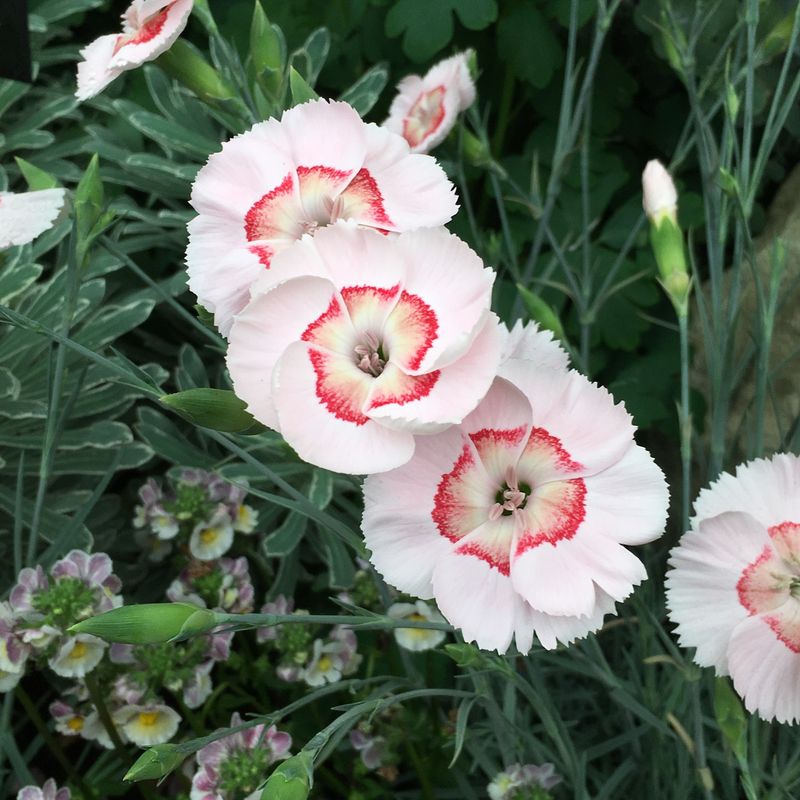
Few things feel better than spotting fresh flowers in the middle of January. Dianthus can pull that off when the weather stays mild for a week or two.
Its frilly blooms come in pink, red, white, and mixed patterns that look almost hand-painted.
Gardeners in central and south Georgia tend to see the most winter flowering. Colder mountain areas may get fewer blooms until spring, which is normal.
Good drainage matters more than almost anything else with this plant.
Soggy clay can cause root rot, so raised beds or amended soil help a lot. Mixing in some compost or fine pine bark loosens heavy ground.
Full sun keeps the plants tight and covered in buds.
Snip off faded flowers every so often to keep new ones coming. It only takes a minute, and the plants look much tidier afterward.
Your Georgia Garden Changes Every Week. Your Plan Should Too.
Gardening in Georgia changes quickly throughout the season. Every Friday you’ll receive a simple weekly plan showing exactly what to plant, prune, fertilize, harvest, and protect so you never miss the right timing.
Some types carry a light, spicy scent that you notice when you lean close.
Dianthus pairs nicely with snapdragons or ornamental kale in mixed beds. The gray-green leaves add contrast even when the plant is not blooming.
Certain varieties act like short-lived perennials, while others are best treated as annuals depending on your conditions.
Even when flowering slows during colder stretches, the neat foliage can keep beds looking finished. Once mild weather returns, established plants often respond with another flush of colorful buds.
3. Sweet Alyssum Spreads A Honey-Like Scent Along Bed Edges
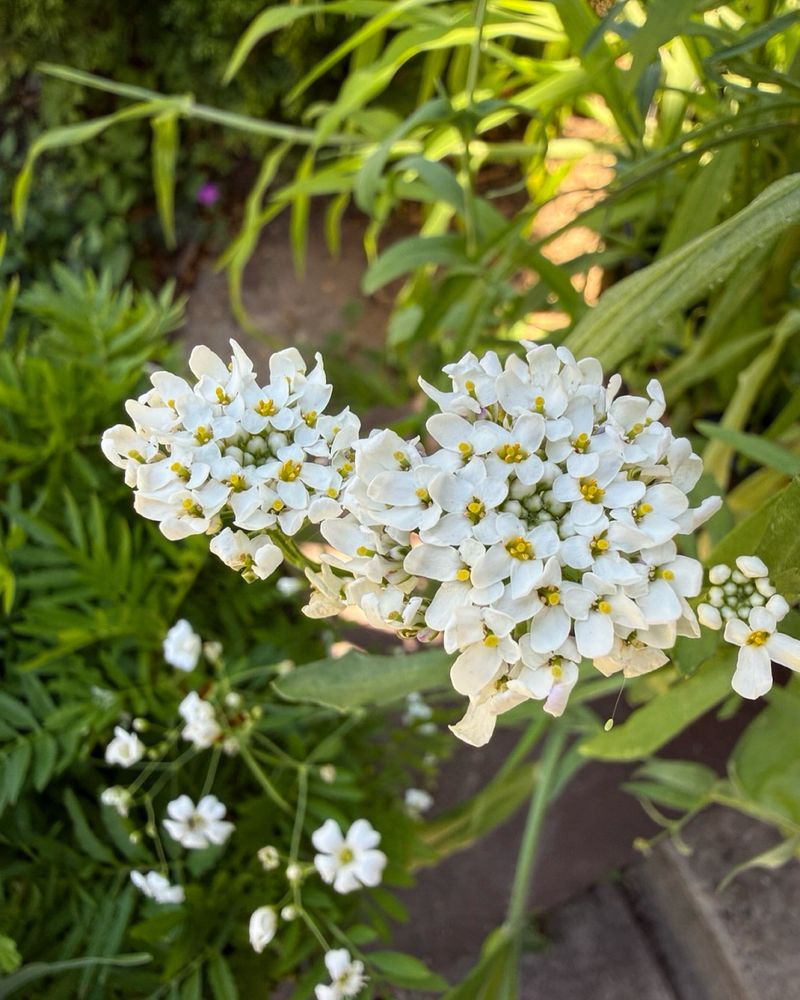
Walk past a patch of sweet alyssum on a sunny afternoon and you might stop in your tracks. That soft, honey-like smell drifts up from flowers no bigger than a pencil eraser.
Those tiny blooms pack together into low mounds that look like a fluffy carpet.
White is the classic color, though purple and rose types are easy to find. Mixing two colors along a path can look really charming.
Edging is where alyssum fits best.
Tuck it along sidewalks, in front of taller flowers, or spilling over the side of a container. It grows only a few inches tall, so it will not block anything behind it.
Bees and other small pollinators often visit on warm winter days.
Cool weather suits it well, and heavy frost can set it back for a while. In Georgia, plants often recover and fill back in when temperatures rise again.
Give it full sun or a little afternoon shade.
If the plants start to look thin, trim them back by about a third. Fresh growth usually follows within a few weeks.
Once hot, humid weather arrives, sweet alyssum often struggles, so plan to swap it out by early summer.
Until then, occasional trimming can help the low mounds stay compact and full. Planting several together creates a thicker display and makes that sweet fragrance easier to notice.
4. Cheerful Calendula Handles Light Frost, With Edible Petals To Boot
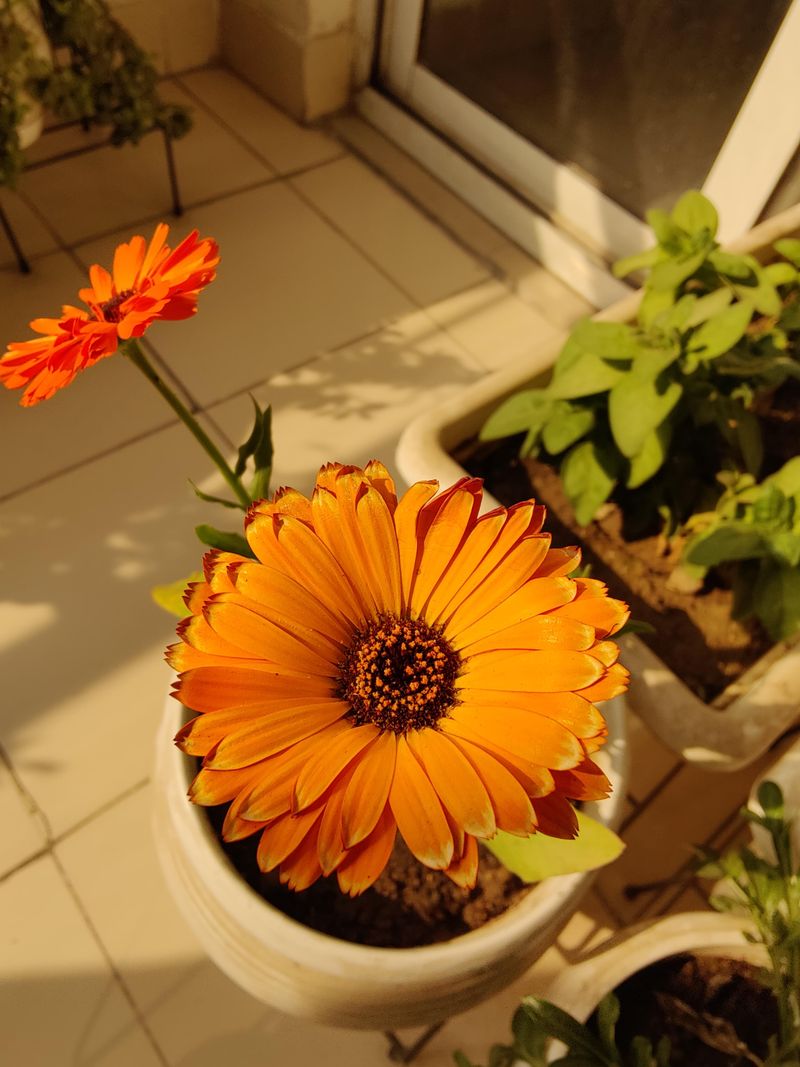
Bright orange flowers in December sound unlikely, yet calendula makes it happen. Its sunny petals can lift a gray winter yard almost instantly.
Gardeners sometimes call it pot marigold, though it is not the same as the common marigold.
Light frost usually does not bother it much. A deep freeze into the teens can damage the plants, so covering them on those nights is a smart move.
Here is a bonus that vegetable growers appreciate.
Calendula petals are edible and can add color to salads or rice dishes. Only eat flowers you grew yourself without pesticides, and try a small amount first.
Seeds are large and easy to handle, which makes this a nice pick for kids.
You can sow them directly in the ground in early fall across most of Georgia. Transplants from a nursery work just as well if you want blooms sooner.
Sun and average soil keep it happy.
Picking flowers often encourages the plant to make more. Leave a few to form seeds near the end of spring, and you may find volunteers next year.
Aphids sometimes show up in warm spells, but a strong spray of water often knocks them off.
Regularly checking the undersides of the leaves can help you catch them before numbers build up. With simple care, calendula can keep adding cheerful color through much of Georgia’s cool season.
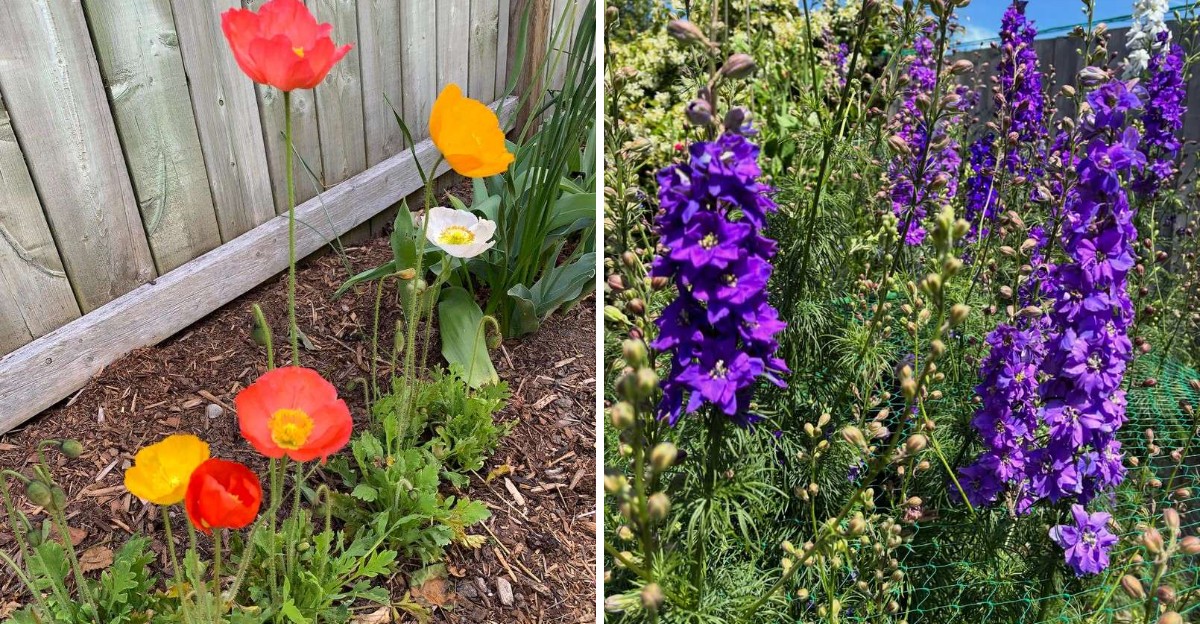
5. Iceland Poppies Planted This Fall Bring Color In The Cool Season
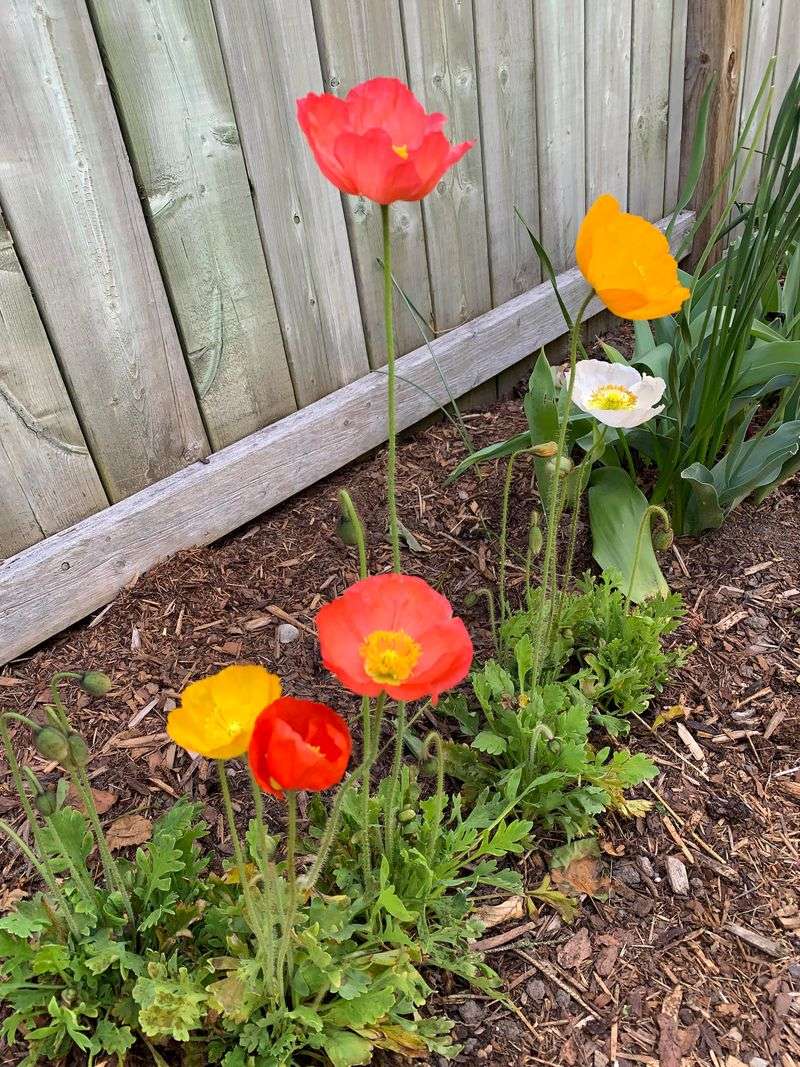
Tissue-paper petals on wiry stems make Iceland poppies look almost too fragile for winter. Looks can fool you, because these flowers actually prefer cool weather.
Colors range from soft peach to lemon yellow and bright coral.
Starting with nursery transplants is the easiest route. Poppy seeds are tiny and can be tricky to grow, especially for beginners.
Plant them in fall so the roots can get established before cold nights hit.
Flowering often picks up in late winter and early spring as days lengthen. In warmer parts of Georgia, you may see some blooms even earlier during mild spells.
Full sun and well-drained soil give them the best chance.
Iceland poppies make lovely cut flowers if you pick them when buds are just starting to crack open. Searing the cut stem ends briefly with a flame or dipping them in hot water may help them last longer in a vase.
Wet, heavy soil is their biggest problem.
Hot weather usually ends their run by late spring. Enjoy them while they last and plan something heat-loving to take their place.
Removing faded flowers can keep the planting looking tidy while cooler conditions continue. Once temperatures climb, replace tired plants with summer flowers that can handle Georgia’s heat.
Clearing the fading plants also opens valuable space for the next round of seasonal color. Their brief display makes Iceland poppies especially rewarding during Georgia’s cooler months.
6. Foxglove Planted This Fall Sends Up Tall Spires Next Spring
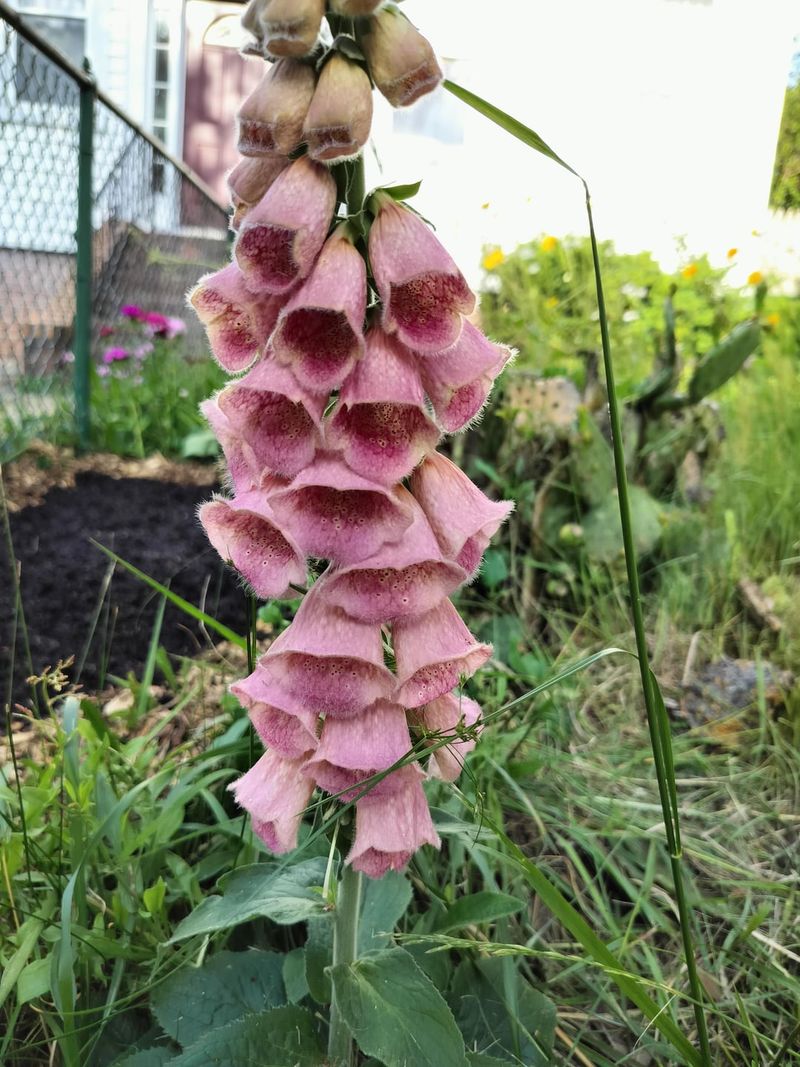
Patience pays off big with foxglove. You plant a flat rosette of leaves in fall, and by spring it can shoot up spires several feet tall.
Bell-shaped flowers line each stalk in shades of purple, pink, cream, and white.
Bumblebees love crawling right inside those bells. Watching them disappear into a flower is a fun spring moment.
Morning sun with afternoon shade tends to work well across Georgia.
Rich, moist soil that drains well helps the plants stay strong through winter. Mulch around the base can protect roots during cold snaps.
Safety matters here, so keep that in mind before planting.
All parts of foxglove are toxic if eaten, which makes it a poor choice near curious pets or small children. Wearing gloves while handling it is a sensible habit.
Most garden types are biennials or short-lived perennials, so fall planting of larger plants gives you blooms the following spring.
Taller spires may lean after heavy rain. A thin stake placed early can keep them upright without looking clunky.
Letting a few flowers go to seed may give you new seedlings, though results vary from yard to yard.
Those volunteers can appear in unexpected spots and give the bed a more natural look the following season. Leave a little open space around established plants if you want fallen seeds to have room to sprout.
7. Clove-Scented Stock Does Well In Warmer Parts Of The State
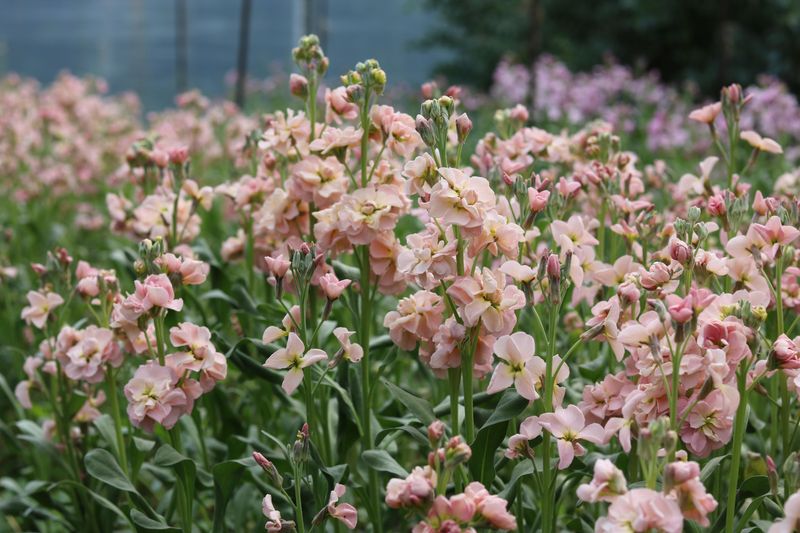
One whiff of stock and you will understand why florists love it. Its spicy, clove-like fragrance can fill a corner of the yard on a calm evening.
Thick spikes of ruffled blooms come in lavender, pink, white, and deep purple.
Gardeners in south and coastal Georgia often have the best luck with it. Northern areas with harder freezes may lose plants unless they cover them on very cold nights.
Cool temperatures are what stock really wants.
Plant it in fall in a sunny spot with loose, fertile soil. Steady moisture helps, but standing water can rot the roots.
Placing it near a doorway or patio lets you enjoy the scent every time you walk by.
Cut stems last well indoors and can perfume a whole room. Change the vase water every couple of days to keep them fresh.
Some varieties grow tall, while dwarf types stay compact enough for pots.
Frost cloth or an old sheet works fine as a cover when temperatures drop below the mid-20s. Remove it in the morning once things warm up.
Warm spring days usually signal the end of its season.
Once the heat settles in, plants often fade quickly and can be cleared to make room for warm-season flowers. Enjoy the blooms while the weather stays mild, because stock performs best during Georgia’s cooler months.
8. Scatter Larkspur Seeds In Fall For A Cottage Garden Look
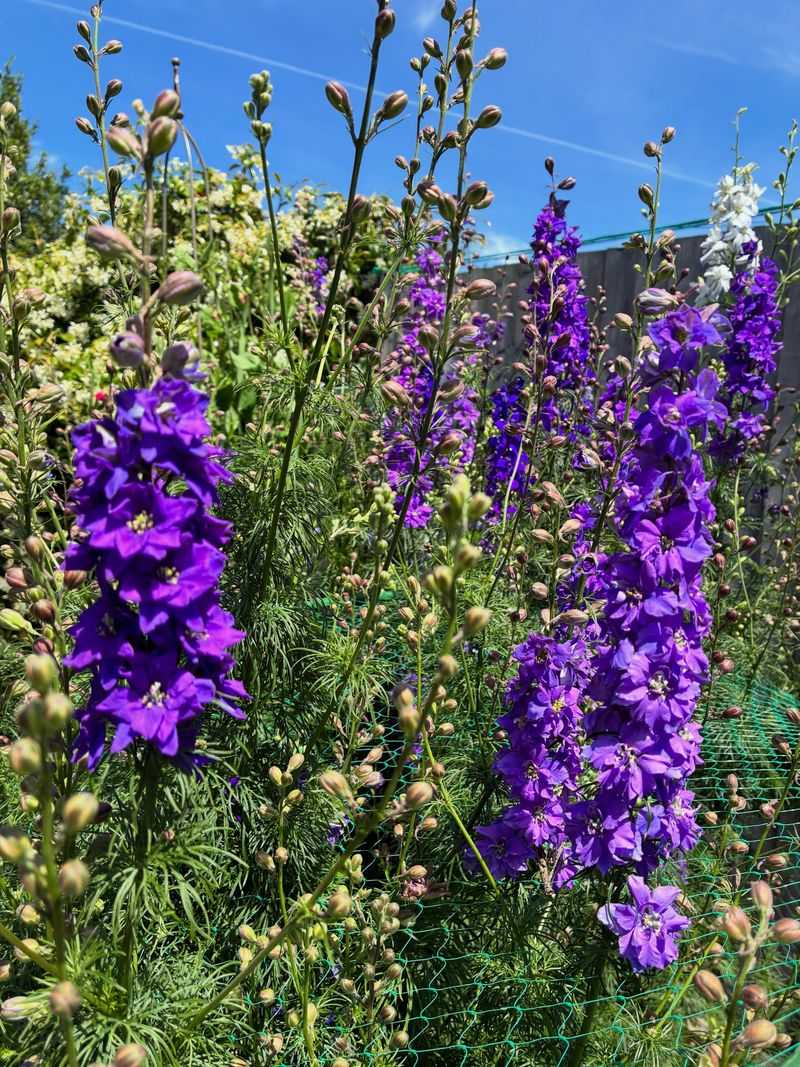
Toss a handful of seeds now and get a garden that looks effortlessly charming come May. Larkspur is about as low-fuss as flowers get.
Its feathery foliage and tall spikes of blue, pink, or white flowers give beds a relaxed, old-fashioned feel.
Fall sowing matters because the seeds need a stretch of cool weather to sprout well. Spring sowing in Georgia often comes too late for strong results.
Simply rake the soil lightly, scatter the seeds, and press them in gently.
A thin covering of soil is enough, since darkness helps them germinate. Keep the area damp until you see tiny seedlings appear.
Seedlings may sit quietly through winter, and that is perfectly normal.
Growth speeds up as spring warms, with blooms often showing up in mid to late spring. Plants can reach two to four feet tall depending on the variety and soil.
Larkspur is toxic if eaten, so plant it away from pets and small kids.
Let some flowers dry on the stems before cleaning up. Dropped seeds frequently come back on their own the next year, creating a garden that changes a little each season.
Over time, those self-sown seedlings can fill small gaps and make the planting look fuller without much extra work.
Leave a little open soil around the plants so fallen seeds have a better chance to settle in and sprout.