The One Thing Michigan Ornamental Grasses Need In September Before They Flop This Winter
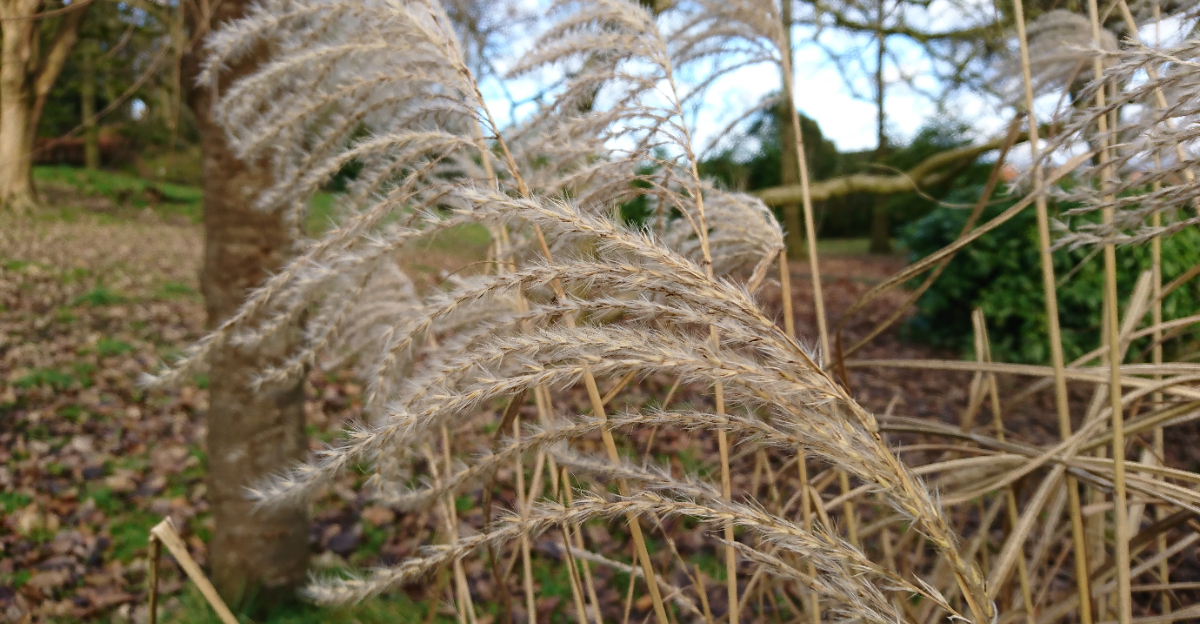
Every Michigan winter puts on the same quiet show. Snow settles, the light goes flat, and the tall grasses out front either stand like sculpture or sprawl across the sidewalk in a tangled heap.
Most gardeners blame the weather when a clump collapses under a wet January snowfall. The real story started months earlier, on a mild September afternoon when the border still looked perfect and nothing seemed wrong.
There is one small shift these plants are quietly waiting for right about now, and plenty of us hand them the exact opposite. It usually comes from good intentions and a helpful spirit, which is what makes the whole thing so easy to overlook.
By the time the first real snow falls, the grasses have already decided how they’ll wear it. Upright and dusted white, or collapsed under their own weight. That decision gets made in September, quietly, while nobody’s watching.
Less Nitrogen Is More This September
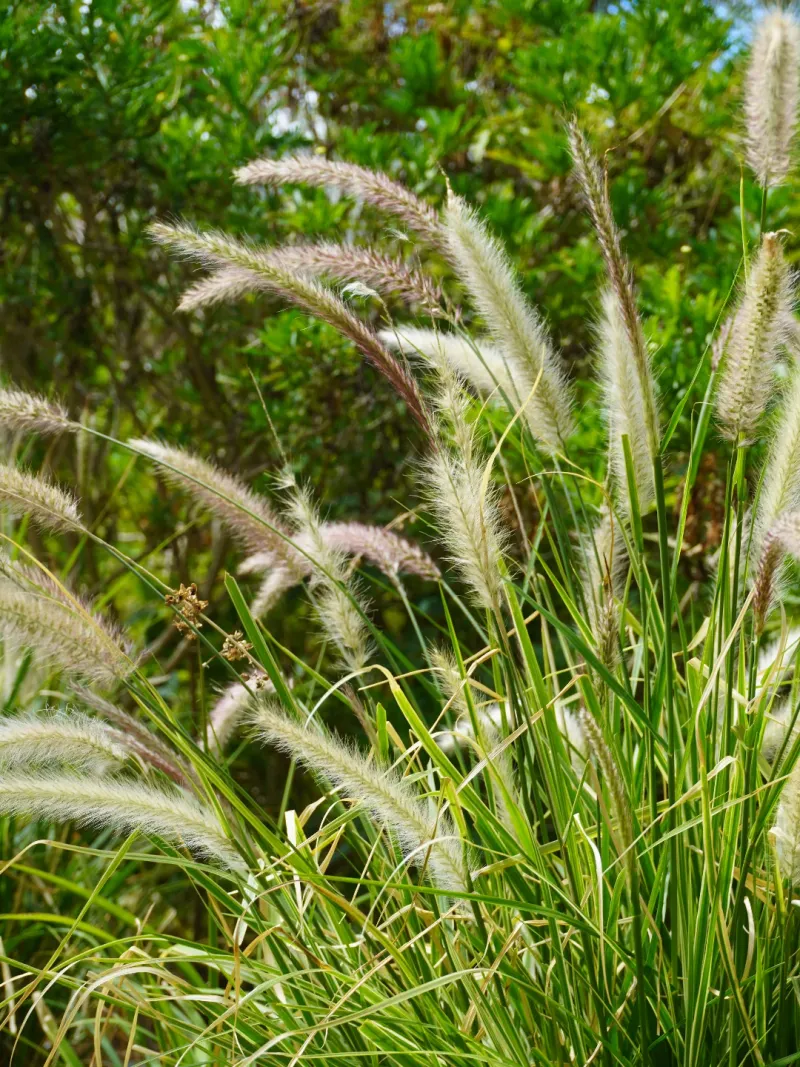
When it comes to these grasses in September, less is more, and specifically less nitrogen. Skip the fall feeding near the bed, and the plant handles the rest of the process on its own.
From roughly Labor Day through the first week of October, warm-season grasses across Michigan stop pushing new growth and start moving sugars down into their crowns. Stems thicken and toughen instead of stretching upward during those weeks.
Nitrogen is the main thing that can interrupt that shift, so the plant needs those weeks free of any late feeding. A single enthusiastic pass with the spreader near the bed is enough to undo it.
Zone 5 and 6 gardens in the southern part of the state get a longer runway than the Upper Peninsula. Watch your own thermometer, since hardening begins once overnight lows settle into the low fifties.
Panicum, miscanthus, little bluestem, and prairie dropseed all follow this rhythm closely. Feather reed grass and other cool-season types run on a slightly different clock, though skipping fertilizer in September still helps them stand taller through winter.
Miss the window and a late feeding cannot really be undone once applied. Nitrogen taken up in October pushes tissue that has already committed to its texture for the season ahead, whatever the calendar says next.
Circle the first two weeks of September on the calendar. What you skip during those days matters more than anything you add.
The Hidden Cost Of Extra Nitrogen
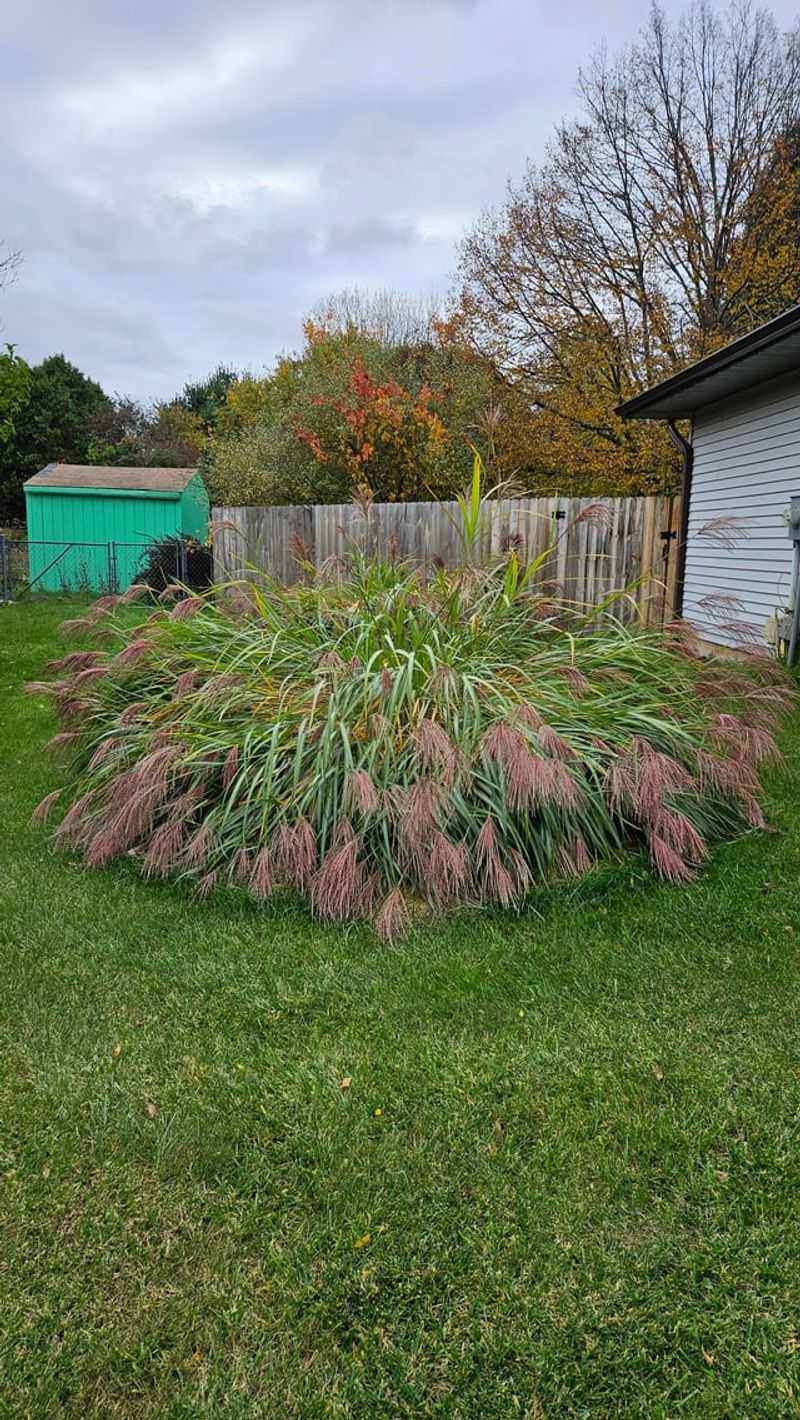
Grass stems get their backbone from lignin, a stiffening compound that builds up as the growing season winds down. Cool nights, shorter days, and a plant left to its own devices all nudge that process along.
Extra nitrogen works against this directly. A well-fed clump keeps producing lush, water-heavy tissue that skips much of the hardening and stays soft going into winter.
Lake-effect snow makes the consequences worse in Michigan than in drier climates. Wet snow lands heavy, and a January thaw can soak an unhardened clump right before temperatures drop again.
Nitrogen has this effect regardless of where it comes from. A fall lawn feed drifting past the edge of a bed acts on the grass the same way a direct application would.
Your Michigan Garden Changes Every Week. Your Plan Should Too.
Gardening in Michigan changes quickly throughout the season. Every Friday you’ll receive a simple weekly plan showing exactly what to plant, prune, fertilize, harvest, and protect so you never miss the right timing.
None of this is really about the snow itself, even though snow gets the blame every time. The message was written back in September, in how much nitrogen the plant was still taking up.
Seen this way, flopping stops looking like bad luck and starts looking like a predictable outcome. You are not fighting the weather so much as adjusting how much feeding the plant received during its final weeks of growth.
Shade and crowding can nudge stems the same direction on their own. But even a sunny, well-spaced clump will stay soft if nitrogen keeps arriving after mid-August, no matter how good the light happens to be.
This is really the entire mechanism behind a flopped border. One input, arriving late, undoes an otherwise favorable fall.
The Late-Season Feeding Habit That Undermines Winter Posture
Ask around Michigan garden centers in September and you will hear the same quiet confession: the fall lawn feed got a little enthusiastic near the bed edge. Nitrogen does not respect edging or good intentions.
Grasses answer a late nitrogen boost by pushing tender, water-filled growth right when they should be firming up instead. Those fresh blades look wonderful in October, then buckle under the first heavy snowfall of the season.
Compost blankets cause a similar problem, since compost is itself a nitrogen source once it breaks down. Rich material spread over a crown in September feeds the plant right as it needs to be starving off new growth.
Slow-release granules pose their own risk here. A summer application timed to keep releasing through fall can still be feeding the crown in October, long after the bag was emptied.
None of these habits come from carelessness, which is part of why they slip past so easily. They are kind gestures aimed at the wrong month, and the clump quietly pays for that kindness in January.
Recognizing nitrogen as the one lever involved makes the fix much simpler. Everything else about a flopped clump traces back to feeding that arrived too late in the year.
Even a single enthusiastic pass with the spreader near a grass bed can undo weeks of otherwise good timing. It takes surprisingly little nitrogen to send a hardening clump back into soft growth.
Giving Them A Lean, Dry Finish Instead
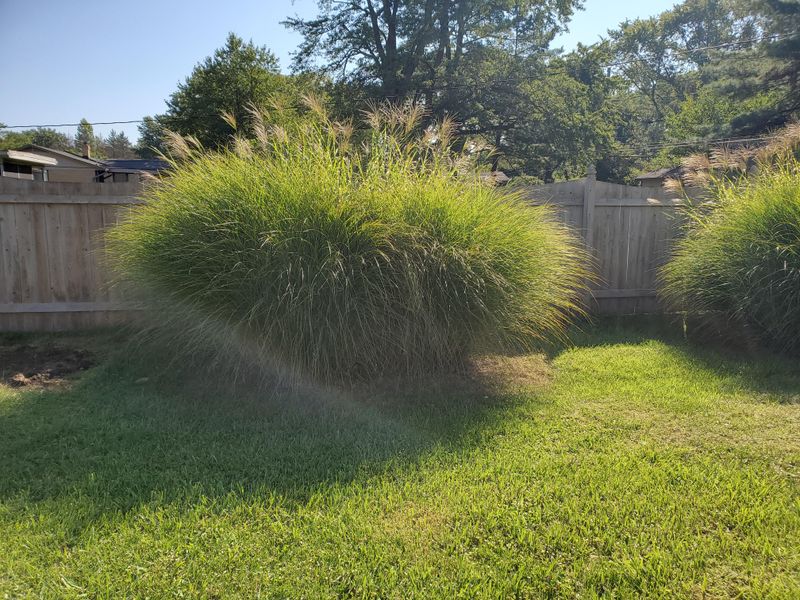
So what do these grasses actually need from you in September? Restraint on exactly one front: nitrogen, cut off well before the first frost arrives.
Stop granular or liquid feeding by mid-August, and keep fall lawn fertilizer a few feet away from grass clumps. A drop spreader near beds beats a broadcast model every time for this reason.
Skip compost topdressing over the crown until spring, since that habit reintroduces the same nitrogen problem from a different direction. If soil needs improving, work amendments into the surrounding bed instead of piling them against the stems.
Check any slow-release product’s label for its feeding window before applying it near ornamental grasses at all. A release schedule that runs into October defeats the point even if the bag went down in June.
Leave the foliage standing rather than tidying it back. Those blades keep feeding the crown naturally through October and form a bundled column that helps the whole clump support itself once frost sets in.
Hold off on new plantings into richly amended holes this late in the season too. Extra fertility there produces fast top growth on a root system that has not caught up yet, which sets the same problem in motion for next winter.
None of this asks for extra effort, only less of it. A September with no fertilizer near the grasses is the entire assignment, and it costs nothing beyond a bit of restraint.
Signs That Hardening Off Is Complete
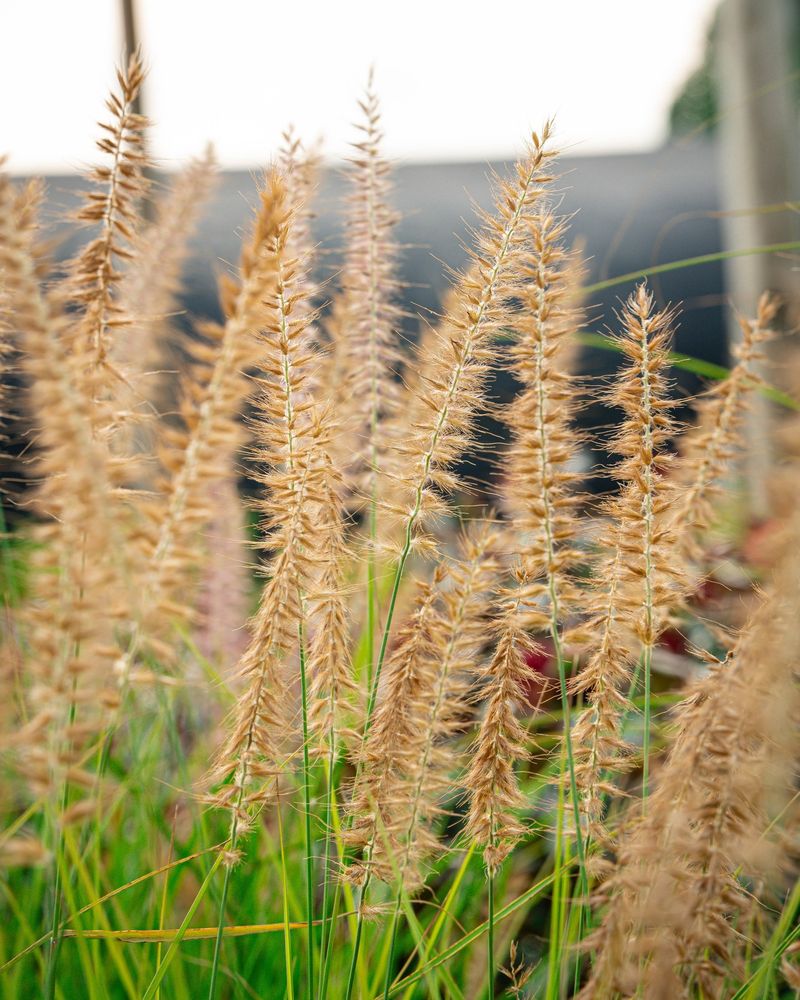
A quick test in late September tells you plenty without any guesswork. Bend a stem gently between your fingers, and one that springs back with a slight crackle has hardened, while a limp, juicy stem is still actively growing on borrowed nitrogen.
Color offers a second clue worth checking alongside the bend test. Stems that have hardened off tend to look a shade duller than the glossy, deep green growth that late feeding tends to produce.
New growth at the tips is the clearest tell of all. A clump still pushing soft, pale shoots in late September usually points to a nearby nitrogen source, from a bed feeding or lawn drift.
Density is another honest signal. A clump that looks unusually lush and full for the season, rather than settling into its normal fall color, is likely still being fed from somewhere.
Treat this stretch as a gentle taper rather than neglect of the plant. You are letting it finish the season on its own schedule instead of a fertilizer schedule, and that patience is really the whole point.
Sun-cured, stiff stems by early October are the reward for holding back. That firmness is the entire goal of everything skipped since mid-August.
Keep a short note in a Michigan garden journal about which clumps hardened early and which lagged. Patterns tend to show up fast once you compare a few unfed Septembers side by side.
The February Payoff Of A Lean September
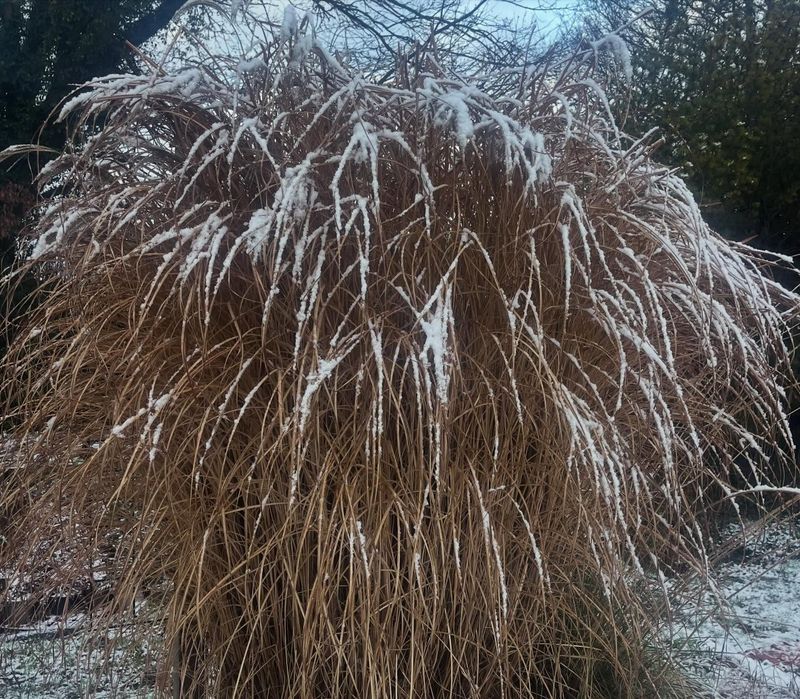
By midwinter, the payoff shows up right from the kitchen window. Hardened clumps stand upright with snow caps balanced on top, catching low afternoon light while over-fed neighbors have already flattened.
Birds notice the difference too. Juncos and sparrows work the base of standing grasses for seed and shelter during cold snaps, something a collapsed clump cannot offer nearly as well.
Come March, upright stems are far easier to deal with than a flattened mess. One pass with hedge shears through a bundled clump beats an hour of raking soggy, matted foliage out of the mulch.
The crown benefits from this too, in a way that carries into spring. A stem that hardened off properly sheds water away from the center, helping the plant move through freeze and thaw cycles in noticeably better shape.
Spring growth tends to be more even after a fertilizer-free finish the previous fall. There are fewer soft spots at the base, and fresh, sturdier blades push up from a tighter, healthier crown.
None of this adds work to your fall routine, which is the part people find hardest to believe. It simply means skipping the last feeding or two in September.
Neighbors will often ask what you did differently once their own clumps have flattened. The honest answer, that you simply fed them less, tends to surprise people who assume more attention produces sturdier plants.