Tiny Invisible Bites Are Showing Up In Tennessee Backyards, And Nobody Can See What’s Causing Them
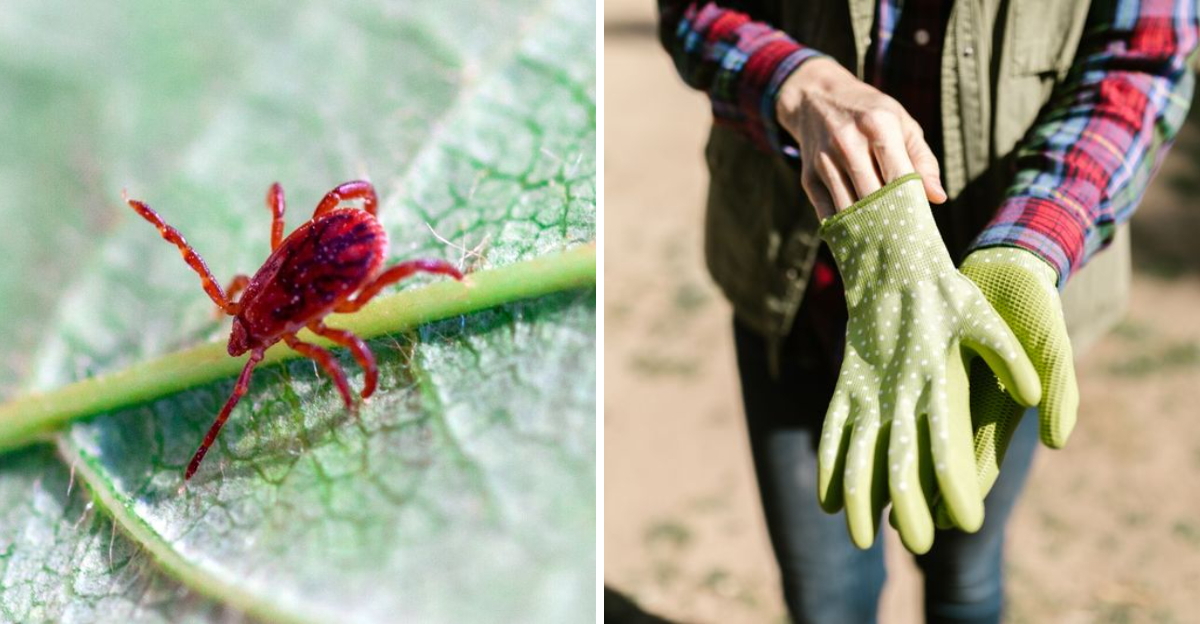
Your ankles flare up hours after you finish mowing, unnoticed. Nobody in your house saw an insect land on you. Tennessee yards turn uncomfortable the moment your bare ankles meet tall grass.
Neighbors point fingers at mosquitoes, fleas, sand flies, even weeds. Truth often hides somewhere smaller than a printed period on this page. Grass blades taller than your ankle quietly shelter this creature by design.
Brush edges and shady corners give it room to linger near you. Shade near your favorite outdoor spot becomes a gathering point for it. Welts rise in clusters and itch along your sock line for days.
Summers in Tennessee keep this pest active long after the mower stops. Understanding how it bites quietly changes how you treat your own yard.
The bite itself goes unnoticed, but the itching arrives hours later. Once you understand its trick, you cannot view your lawn the same way.
Meet The Speck Behind The Welts

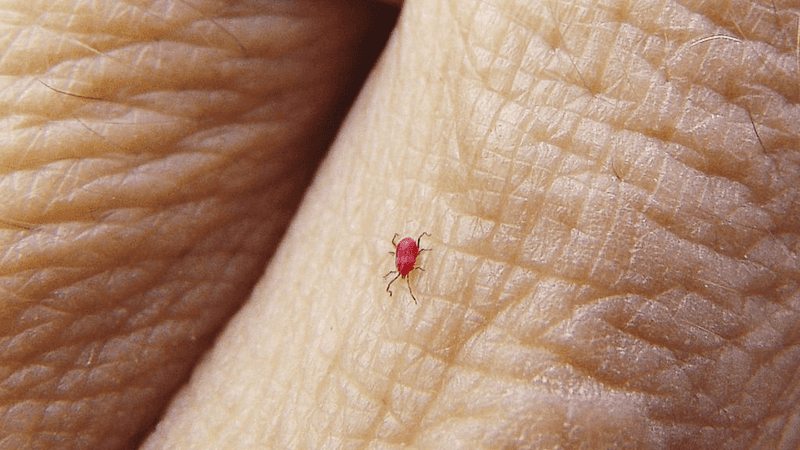
Picture a mite so small that roughly five of them could line up across the head of a pin. That is a chigger, the larval stage of a harvest mite, and it measures about 1/150th of an inch.
Grown-up harvest mites are harmless vegetarians that feed on soil matter. Only the six-legged babies bother people, and they do it during a short window of their lives.
Tennessee sits in prime chigger country. Warm, humid summers stretching into September give these mites a long active season across the state, from the Cumberland Plateau to backyards outside Memphis.
Because they are nearly transparent when unfed, spotting one on your skin is close to impossible without a magnifying glass. Some longtime Middle Tennessee residents still refer to them as red bugs, an old regional nickname.
A useful trick: place a square of black cardboard upright in tall grass on a warm morning. Chiggers climb toward the top edge, and after a few minutes you may see faint pinkish-orange dots moving along it.
Knowing what you are up against changes how you treat your yard. Spraying for mosquitoes will not touch them, and flea powder aimed at pets misses the mark too.
Once you accept that the offender is a mite rather than a flying insect, your approach shifts toward grass height, shade, and clothing. That is where real progress begins.
They Do Not Burrow, And Feeding Works Differently Than You Think
Here is the myth almost everyone in the South repeats: chiggers burrow under your skin and stay there. Not true, and painting your bites with nail polish will not smother anything.
What actually happens is stranger. A chigger attaches to a spot where skin is thin or where clothing presses tight, then releases saliva packed with enzymes.
Those enzymes break down skin cells into a soupy liquid the mite slurps up. Your body reacts by hardening the tissue around the feeding site, forming a straw-like tube called a stylostome.
That tube is the real reason the itching drags on for a week or more. Even after the mite drops off, usually within a few days, the tube stays behind and your immune system keeps fussing over it.
Your Tennessee Garden Changes Every Week. Your Plan Should Too.
Gardening in Tennessee changes quickly throughout the season. Every Friday you’ll receive a simple weekly plan showing exactly what to plant, prune, fertilize, harvest, and protect so you never miss the right timing.
Blood is not on the menu at all. Chiggers want cell fluid, which explains why the welts look different from mosquito bumps.
Most people brush or wash the mite away long before it finishes feeding, yet the reaction still shows up hours later.
That delay is why nobody connects the itch to the yard work they did that afternoon. Understanding the science saves you from folk remedies that do more harm than good.
Bleach, gasoline, and hot matches have all been suggested over the years, and all of them can injure skin. Cool compresses and anti-itch cream work better, and they will not leave a scar behind.
Why The Bites Cluster At Your Sock Line And Waistband
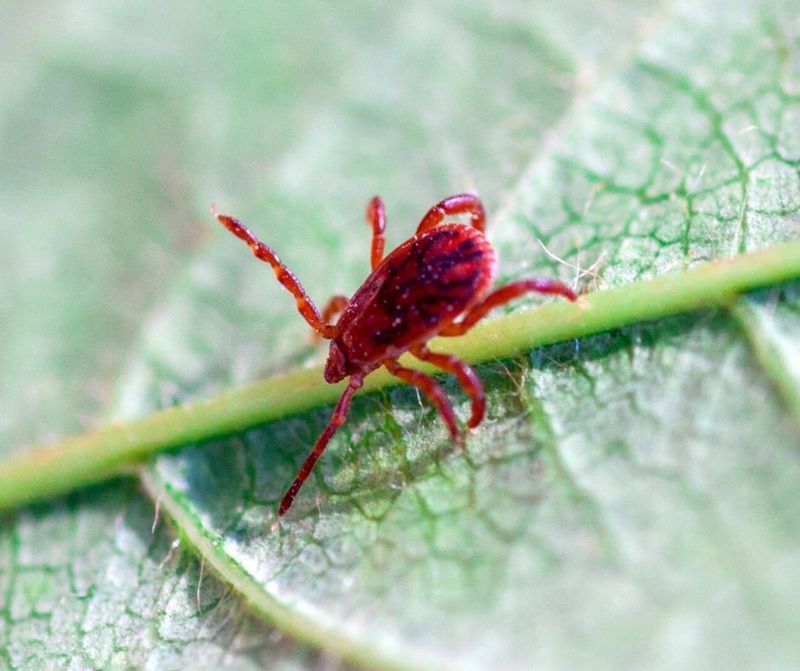
Take a look at where your welts landed. Odds are they form a ring around your ankles, behind your knees, along your waistband, or under the elastic of your underwear.
Chiggers cannot fly or jump. They wait on grass blades and low weeds, then grab onto shoes and pants as you brush past.
From there they crawl upward, sometimes traveling for an hour or two before settling. Anywhere clothing presses snugly against skin, they stop and start feeding.
That pattern is your best clue for telling chiggers apart from other backyard biters. Mosquito bites scatter randomly on exposed arms and necks, while flea bites usually stay low on the ankles in loose groupings.
The delay adds to the confusion. Itching typically starts three to six hours after contact and peaks around day two, so the yard connection feels far away by then.
Kids often get hit hardest because they sit and roll in the grass. Their bites frequently show up around the waist and thighs, which worries parents who assume something happened indoors.
A practical response: shower with warm water and soap within an hour or two of coming inside. Scrubbing with a washcloth removes mites that have not attached yet.
Toss the clothes straight into hot water. Chiggers can survive a cool rinse and hang around on fabric in the hamper, waiting for the next person who grabs those jeans.
The Backyard Hot Spots You Might Not Expect

Chiggers are picky about real estate. They cluster in patches, which is why one family member gets covered and another walks the same yard untouched.
Shady, damp, and overgrown areas are their favorites. Think the strip of tall grass along a fence, the leaf litter under a maple, or the brushy edge where the mowed lawn meets the woods.
Blackberry brambles and honeysuckle tangles are classic Tennessee hideouts. So are woodpiles, unused garden beds, and the cool ground beneath a deck.
Mid-morning is peak activity time, when temperatures climb into the warm, humid range typical of a Tennessee September.
September afternoons in Tennessee still hit that range easily, which keeps the season rolling well past Labor Day.
Small mammals help spread them around. Field mice, rabbits, and chipmunks carry mites to new corners of a property, seeding fresh patches near sheds and compost piles.
Try this before your next cookout: walk your yard and note where the ground stays damp and the grass grows past ankle height. Those are the zones to avoid or treat.
Sunny, closely mowed turf is far less welcoming. Chiggers dry out quickly in direct sun, so open lawn is generally safe ground for bare feet.
Mapping your own hot spots takes ten minutes and saves weeks of scratching. Once you know where they gather, you can steer chairs, blankets, and playsets to friendlier ground.
Dress Defensively Before Heading Out
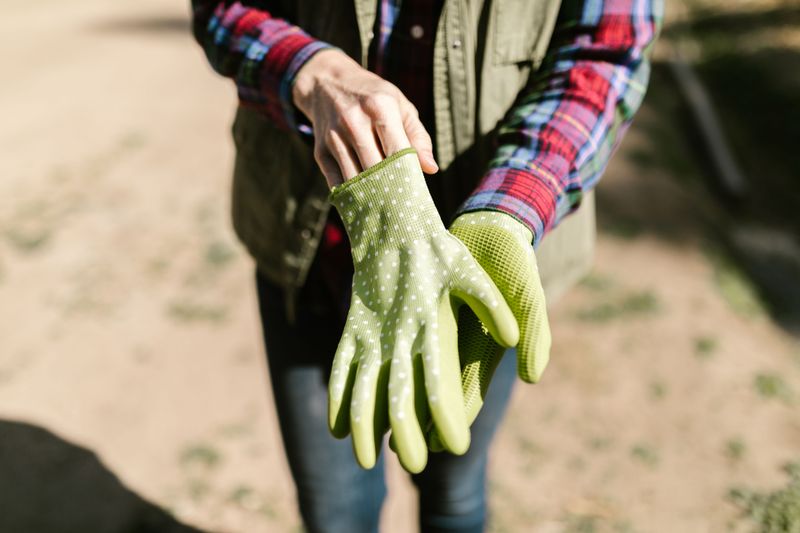
A long-standing approach to late summer yard work was simple: tuck everything. Pants into socks, shirt into pants, and no gaps anywhere.
It looks goofy, and it works remarkably well. Since chiggers climb upward looking for skin, a sealed pant leg turns your ankle into a stopping point.
Repellent adds a second layer of defense. Products with DEET applied to shoes, socks, and pant cuffs discourage mites from ever starting the climb.
Permethrin is the heavyweight option. Sprayed on clothing and boots, then allowed to dry fully, it stays effective through several washes and handles ticks at the same time.
Choose smooth, tightly woven fabric when you can. Loose knits and fuzzy socks give tiny legs plenty to grip, while slick nylon makes the trip harder.
Some gardeners keep a dedicated pair of yard pants by the back door. They go on for chores and straight into the wash afterward, which keeps mites out of the bedroom.
A quick sulfur dust around cuffs is an old Appalachian remedy some still swear by, though its effectiveness isn’t well documented. The smell is memorable, so save it for solo weeding sessions rather than family picnics.
Timing matters too. If you can push mowing and trimming to a cooler morning or a dry stretch, mite activity drops noticeably.
Most of this requires only basic precautions, not specialized equipment. A little planning at the door beats a week of clawing at your ankles under the covers.
Taming The Yard So The Itching Stays Under Control

Cutting the grass shorter is one of the most widely recommended steps for reducing chigger activity. Chiggers depend on humidity trapped by tall vegetation.
Regular mowing lets sunlight reach the soil and dries out the ground layer. That alone thins populations dramatically over a few weeks.
Next, focus on the edges. Trim brush along fences, clear leaf piles, and pull weeds from beds where they crowd against walkways.
Creating a buffer helps a lot. A three-foot strip of gravel or wood chips between the lawn and the woods gives mites a hot, dry barrier they struggle to cross.
Discourage the wildlife taxi service. Sealing gaps under sheds and moving birdseed away from seating areas reduces the rodents that ferry mites around.
If a spot stays stubborn, targeted treatment can help. Bifenthrin or carbaryl products labeled for lawns work best when sprayed on the specific patches rather than the whole property.
Read the label and follow the waiting period before letting pets and kids back on treated grass. Reapplication schedules vary by product, so always follow the specific instructions on the label for best results.
Test your progress with the black cardboard trick again. Fewer dots means your work paid off. By late September, cooler nights typically start slowing these mites down in much of the state, though timing varies by region.