Fig Trees Are Producing A Second Round Of Fruit This Year In Louisiana, And Here’s Why
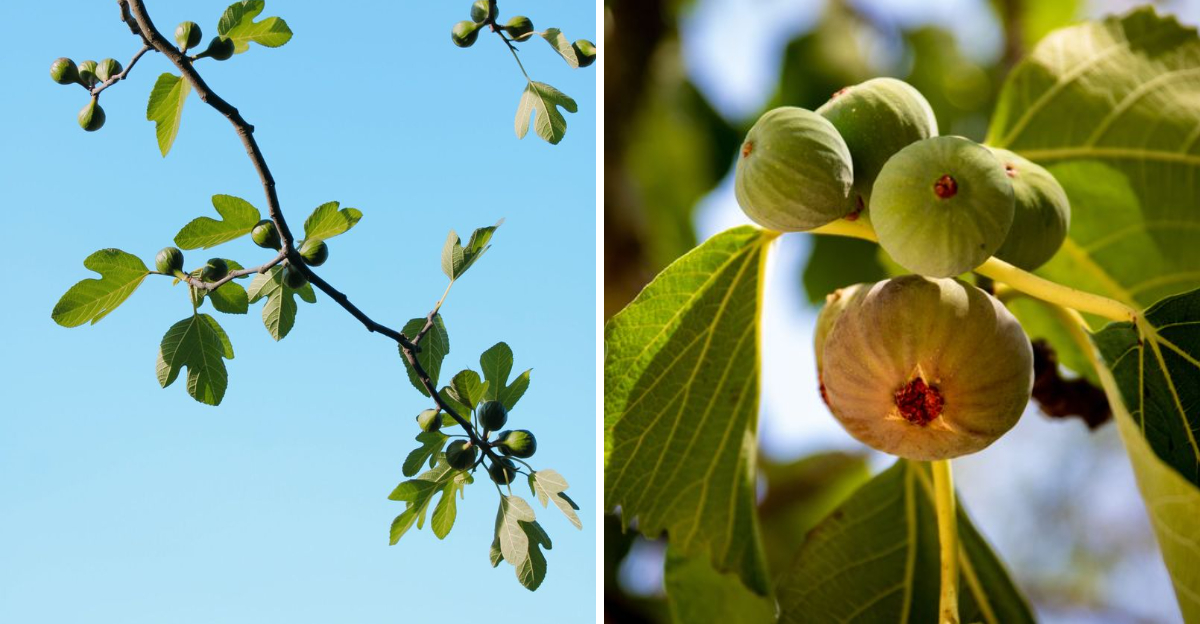
Branches on your fig tree are budding out of season this year. Louisiana gardeners like you keep sending blurry photos to prove it. Green knobs are pushing out on your branches where dormancy should sit.
Neighbors peek over fences, sure your eyes are playing tricks. Warm, syrupy fruit scent still clings to your yard air. Strange timing bent this season in your favor.
Temperatures refused to drop on your usual schedule this fall. Rain landed at exactly the wrong moment for your tree’s rest. Pruning choices from your last spring quietly set this up.
Humidity across Louisiana gave your tree reason to keep growing. Fruit trees near you are rewriting their own internal calendar. Science, not luck, explains your surprising bonus harvest this year.
Understanding it now shapes how you prune your tree later. Feeding and watering choices you make decide whether this repeats. You’ll want to know why now.
1. A Mild Winter Gave Trees A Head Start
Warm winters in south Louisiana tend to benefit fig trees. When freezes stay light and short, the branches that grew last summer come through the cold season intact instead of getting nipped back.
Those surviving branches matter more than folks realize. Figs form their first crop, sometimes called the breba crop, on old wood from the previous year. If that wood is damaged, the tree skips straight to its main summer crop and you get one harvest.
This past winter, many parishes barely dipped below freezing for long stretches. Trees leafed out early, kept their older stems, and had extra energy stored in their roots ready to spend.
Gardeners in Baton Rouge and along the bayous reported buds swelling weeks ahead of schedule. That early start gave trees a longer working season, which is a big deal for a plant that fruits based on how much time and warmth it gets.
The result is a tree running two production lines instead of one. It ripened the usual summer figs, then had enough steam left to set another wave on the new growth it pushed during summer.
If you want to encourage this, protect trunks and lower branches with mulch or burlap during cold snaps.
Wrapping young trees for a few chilly nights can preserve the wood that carries next season’s earliest fruit. A little winter babysitting pays off with jars of preserves you did not expect.
2. Summer Rain Showed Up Right On Time
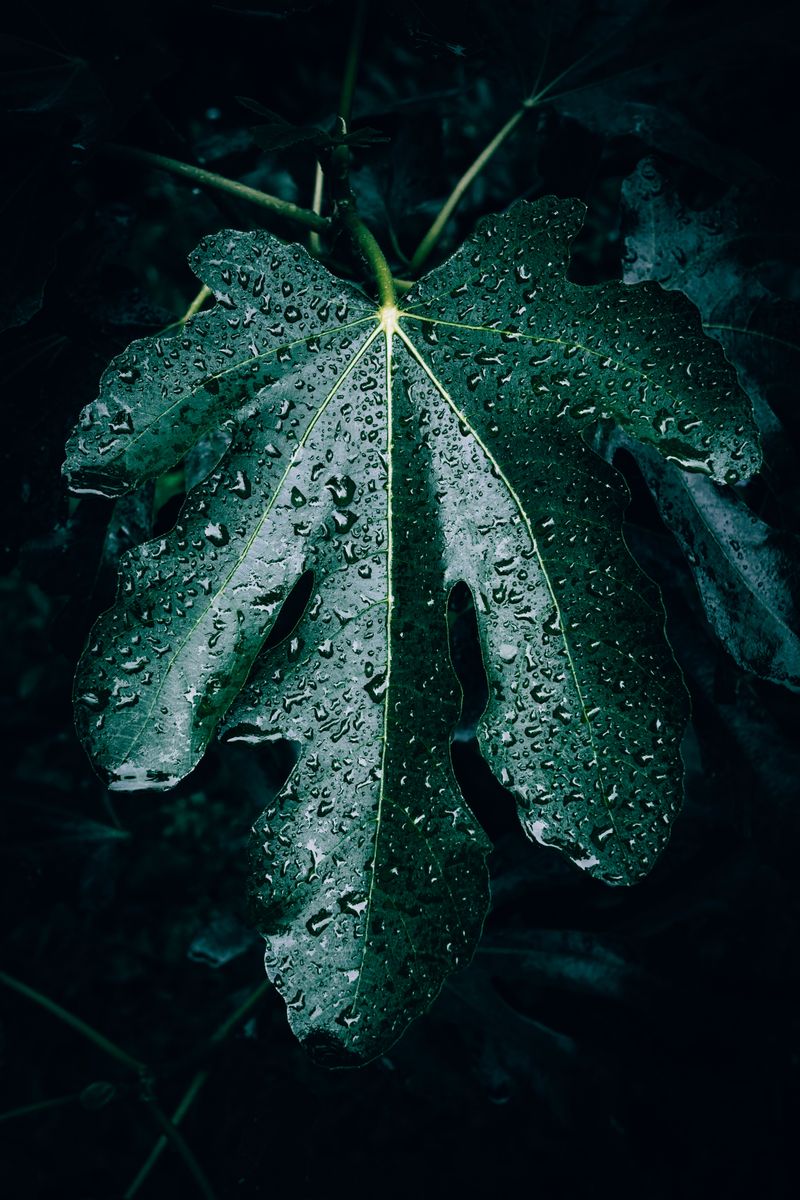
Ask any old-timer along the Gulf and they will tell you figs are thirsty trees. Their roots run shallow and wide, so they feel dry spells fast and sulk when the soil bakes.
What made this year different was timing. Rain arrived in steady waves during July and August instead of dumping all at once in May and then disappearing for weeks.
Consistent moisture kept fig trees from going into shutdown mode. Normally, when the ground dries out, a tree drops immature fruit and stops pushing new shoots to conserve water for survival.
Your Louisiana Garden Changes Every Week. Your Plan Should Too.
Gardening in Louisiana changes quickly throughout the season. Every Friday you’ll receive a simple weekly plan showing exactly what to plant, prune, fertilize, harvest, and protect so you never miss the right timing.
Instead, trees kept growing tender new stems right through the hottest weeks. Fresh growth means fresh nodes, and fresh nodes are exactly where a second round of figs can form.
Humidity helped too. Louisiana air holds moisture like a sponge, and that slows how quickly leaves lose water through their pores, easing stress on the whole plant.
For your own tree, the lesson is simple. A deep soaking once or twice a week during dry stretches beats a light daily sprinkle that only wets the top inch of soil.
Three to four inches of mulch spread out to the drip line locks in that water and keeps roots cooler. Pine straw works beautifully here and is easy to find.
Steady water is the quiet reason some yards produced twice while the tree down the street quit in July.
3. Late Freezes Reset The Fruiting Clock
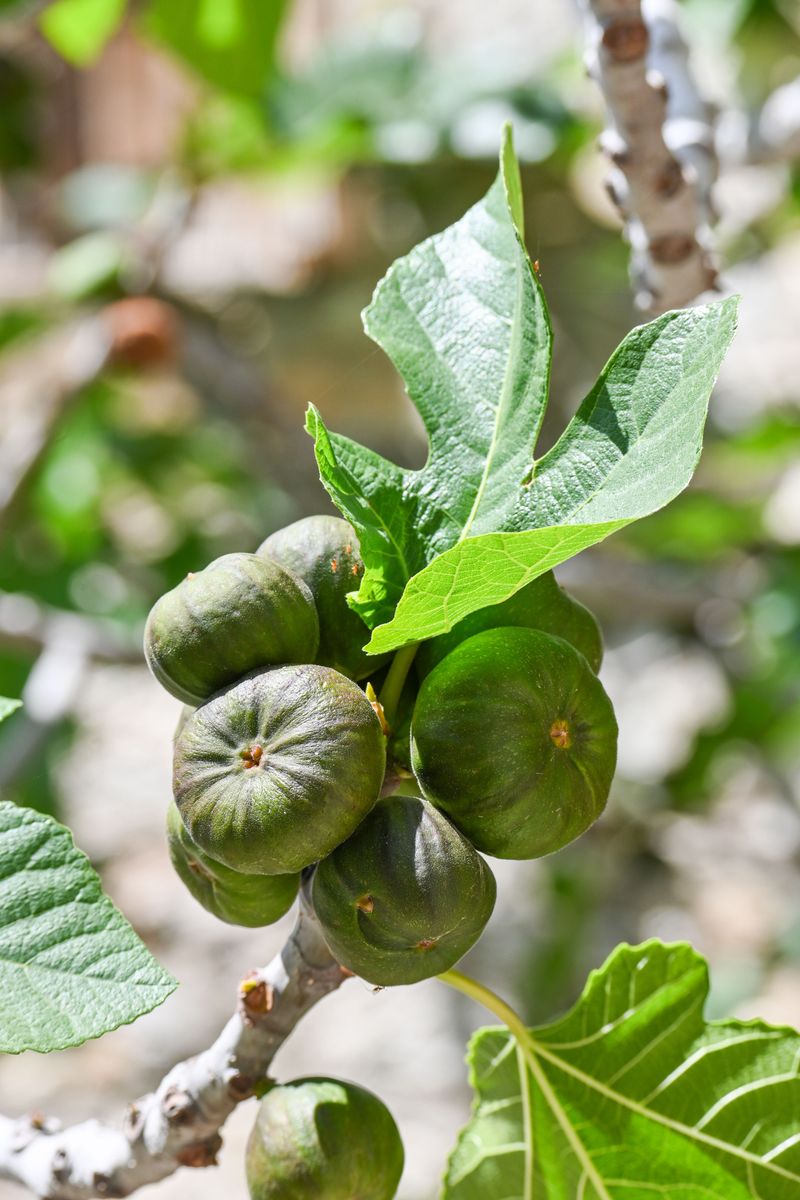
Here is a twist that confuses a lot of gardeners. Sometimes a surprise cold snap in late winter actually sets the stage for a bigger show later on.
When frost pinches back the tips of branches, the tree responds by pushing a burst of vigorous shoots from lower buds. Those shoots grow fast and long during spring warmth.
Fast shoots equal lots of new leaf nodes. Since main-crop figs form on current-season wood, more nodes translate directly into more places for fruit to appear.
Trees hit by a light freeze often run behind schedule at first. Their main harvest lands in mid or late summer rather than June, which pushes the whole cycle later into fall.
With Louisiana’s long growing season stretching into November, that delay leaves room for a follow-up flush. The tree simply keeps producing because the weather has not told it to stop.
Parts of north Louisiana saw exactly this pattern, and gardeners there noticed figs ripening well past their usual window. Some picked into October with notably strong results.
You can mimic the effect on purpose. Trimming back a portion of the branch tips in late winter encourages that same rush of new growth without depending on the weather to do it for you.
Go easy though. Removing more than a third of the canopy stresses the tree and can shrink your harvest instead of stretching it.
4. Celeste And LSU Varieties Love Long Seasons
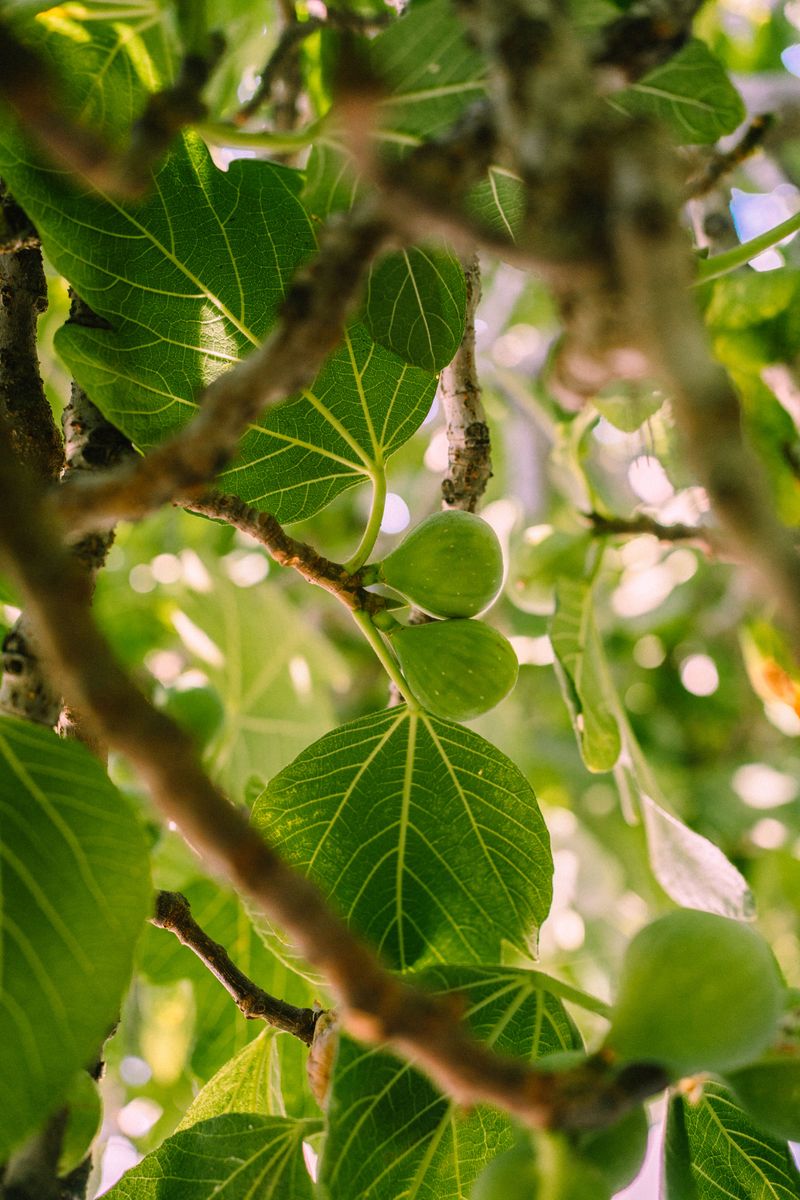
Not all fig trees behave the same way, and Louisiana happens to grow some high-performing varieties. Celeste, LSU Purple, LSU Gold, and Champagne were bred or selected for Gulf Coast conditions.
LSU Purple in particular has a reputation for being a repeat performer. Developed through the LSU AgCenter breeding program, it is known to set fruit more than once in a season when conditions cooperate.
Celeste tends to ripen early and finish clean, then surprise growers with a scattered late flush. Its small, sugary fruit resists splitting, which matters in a place where afternoon downpours are routine.
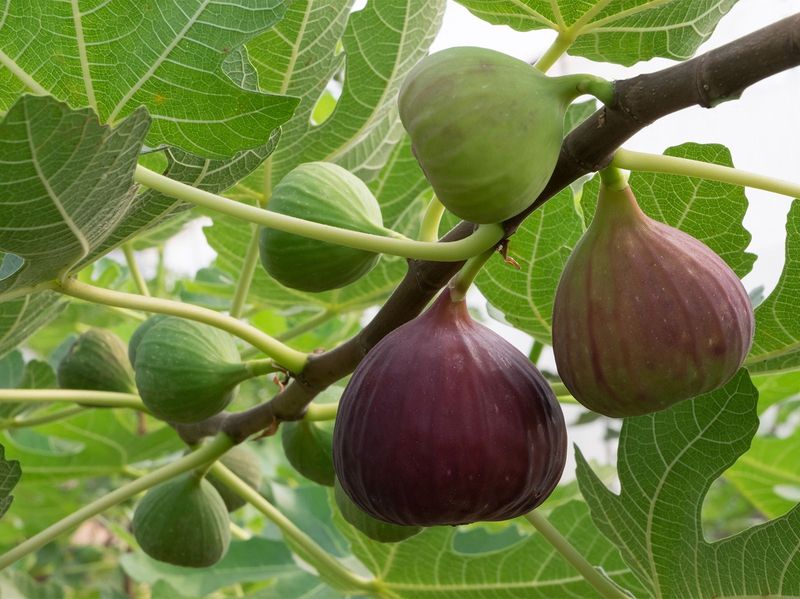
Brown Turkey, common in older yards, also has a habit of producing a modest breba crop followed by the main summer harvest. Two crops from one tree is baked into its nature.
Knowing your variety helps you predict what to expect. If you inherited a tree with the house, take a photo of the leaf shape and fruit color and ask your parish extension office.
Planting a mix is a smart move for anyone who wants figs across a wider window. Pair an early ripener with a later type and your kitchen counter stays busy for months.
For context, the LSU AgCenter has a long history of breeding fig varieties suited to humidity and heat, though exact dates vary by source. That decades-long effort is part of why so many Louisiana yards are overflowing right now.
5. Extended Warmth Kept Trees Awake Longer
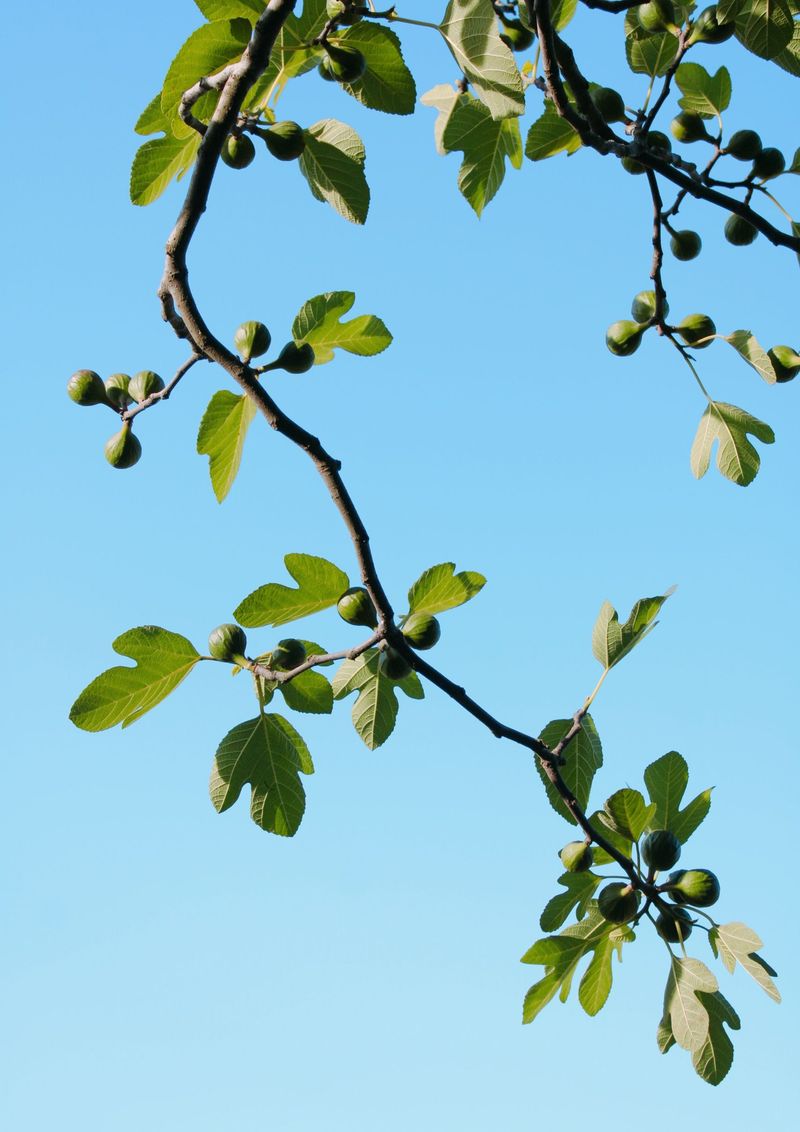
Fig trees rely on sunlight to fuel their growth. The longer the warm weather runs, the longer they keep the machinery humming.
Louisiana routinely stays warm into late October, and this year the heat stretched even further. Nighttime lows stayed comfortable well past the point when trees usually start slowing down.
Cool nights are one of the signals that tells a fig tree to wind down and prepare for dormancy. Without that signal, the tree keeps photosynthesizing and keeps building sugars.
Extra sugar has to go somewhere. Some goes into root storage, but a good chunk goes straight into swelling whatever tiny fruit is still hanging on the branches.
That is how figs the size of peas in September turn into plump, ripe fruit by mid October. Growers who assumed those little knobs would drop found themselves picking baskets instead.
Total heat accumulation, sometimes measured as growing degree days, appears to be running above average in parts of the state this year, based on early reports. More heat units mean faster fruit development from start to finish.
If your tree still has small figs hanging on as fall arrives, resist the urge to strip them off. Give them water and a sunny spot and many will finish.
Just skip the fertilizer at that point. Feeding late pushes tender growth that struggles when the first real cold front finally rolls through.
6. Pruning Habits Changed The Outcome
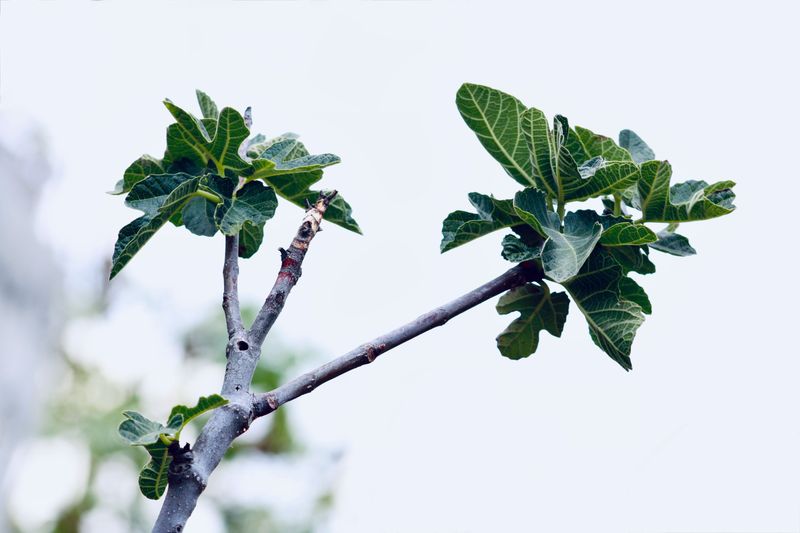
Two neighbors, same variety, same soil, wildly different results. The difference often comes down to who reached for the pruning shears and when.
Figs fruit on new wood for their main crop, so a thoughtful trim in late winter encourages the tree to pump out fresh shoots. Those shoots carry the summer harvest.
Light summer pruning can trigger a bonus round. Snipping the tips off a few vigorous branches in June nudges side buds awake, and those side branches sometimes set fruit before fall.
Timing is the tricky part. Cutting too much too late leaves soft growth exposed when temperatures drop, and the tree uses stored energy less efficiently.
Overgrown trees create their own problem. Dense canopies block sunlight from inner branches, and shaded wood produces smaller, fewer figs no matter how good the weather gets.
Opening the center of the tree lets light reach more leaves. Better light means better sugar production, which supports a heavier and longer harvest.
One Lafayette gardener recalls that thinning out crossing branches one winter noticeably extended her picking window the following year. Nothing fancy, just better airflow and sunlight.
Keep your cuts clean and use sharp tools. Ragged wounds invite trouble, and figs heal best when the cut is smooth and made just above a healthy bud. Skip heavy pruning in fall entirely and save the real work for February.
7. Soil Health And Feeding Made A Difference
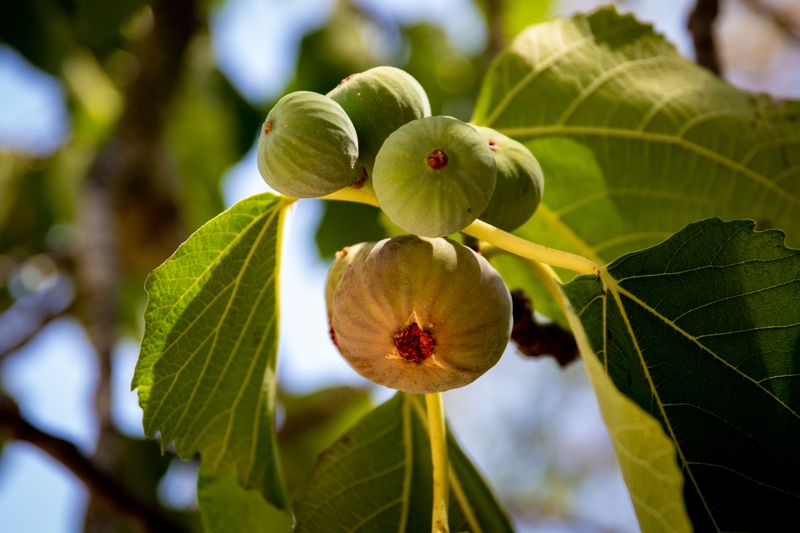
Behind every high-performing fig tree is soil doing quiet work. Louisiana ground varies wildly, from heavy river clay to sandy loam up north, and figs respond to both.
What they crave is steady, moderate nutrition rather than a big blast of nitrogen. Too much nitrogen gives you dense leaf growth and fewer figs.
Balanced feeding in early spring supports flowering and fruit set. A slow-release fertilizer around 8-8-8, spread at the drip line, works well for established trees.
Trees that got a compost topdressing this year had an edge. Organic matter improves how soil holds water during dry spells and how it drains during summer floods.
Potassium deserves special mention because it directly supports fruit quality and sugar content. Wood ash or a potassium-rich amendment can help if a soil test shows a shortage.
Speaking of tests, the LSU AgCenter offers affordable soil analysis for a modest fee. A bag of dirt can explain years of mediocre harvests. Twenty dollars and a bag of dirt can explain years of mediocre harvests.
Mulch does double duty by feeding the soil as it breaks down and shielding those shallow fig roots from heat. Keep it a few inches off the trunk itself.
Healthy soil is also why some trees found the reserves to fruit a second time. A tree running on empty simply cannot pull that off, no matter how nice the weather turns.
8. What To Do With The Bonus Harvest
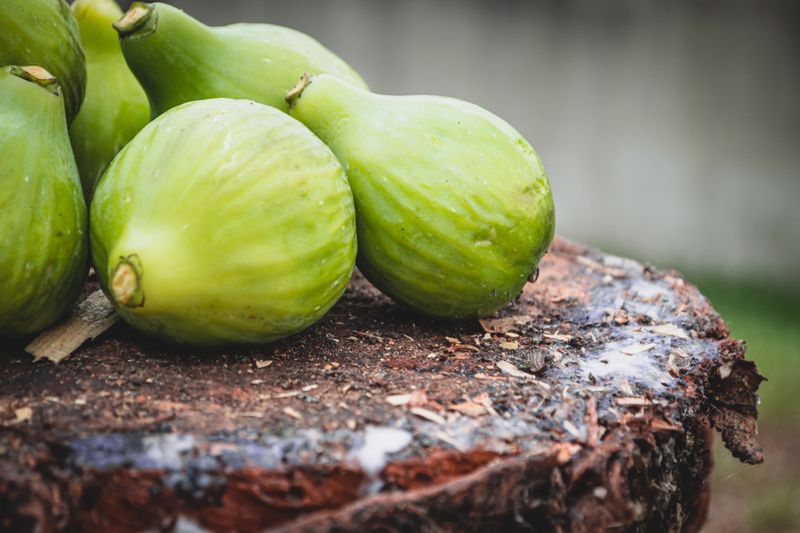
Suddenly you have more figs than counter space. It’s a welcome surplus for any Louisiana gardener in October.
Fresh figs bruise easily and hold for only two or three days in the refrigerator. Pick them when they droop slightly on the stem and feel soft under gentle pressure.
Preserves are the classic answer, and the traditional Louisiana version uses equal parts fruit and sugar with a slice of lemon. Some families toss in a few strawberry gelatin crystals, a shortcut passed down through generations.
Freezing works beautifully and takes almost no effort. Spread whole figs on a sheet pan, freeze until firm, then bag them for smoothies and cobblers all winter.
Drying is another option if you have a dehydrator. Halved figs dried at low heat turn chewy and sweet, perfect alongside cheese on a holiday board.
Late-season figs sometimes taste milder than summer fruit because cooler nights slow sugar buildup. Roasting them concentrates the flavor and fixes that problem fast.
Share the surplus while you can. Neighbors, church potlucks, and coworkers will happily take a bag off your hands, and fig bread makes a memorable gift.
Save a few soft ones for the birds too. Mockingbirds will find your tree regardless, so consider it rent for the entertainment they provide.