Louisiana Is Seeing A Fall Resurgence Of One Of North America’s Most Venomous Caterpillars
Your fingers brush a leaf, and sudden tingling replaces calm. A soft, furry shape waits on the branch above you. Touch it, and sharp discomfort spreads up your arm quickly. This tiny hitchhiker hides serious venom beneath its fuzz.
Kids near you grab it like a toy first. Gardeners across Louisiana warn you about a fresh September surge. Yard crews near you get caught off guard often. Porch railings and fence posts near your home hide them well.
Heat and thick humidity push this pest closer to you across Louisiana. Its sting hits you like an unexpected jolt, not a bite. Discomfort spreads quickly, and irritation reaches beyond your palm.
Doctors see your neighbors show up with cases like this. Curiosity pulls your hand toward it again and again. Knowing its hiding spots changes how you react outdoors. What happens next truly depends entirely on what you do right now.
The Fuzzy Troublemaker Behind The Buzz
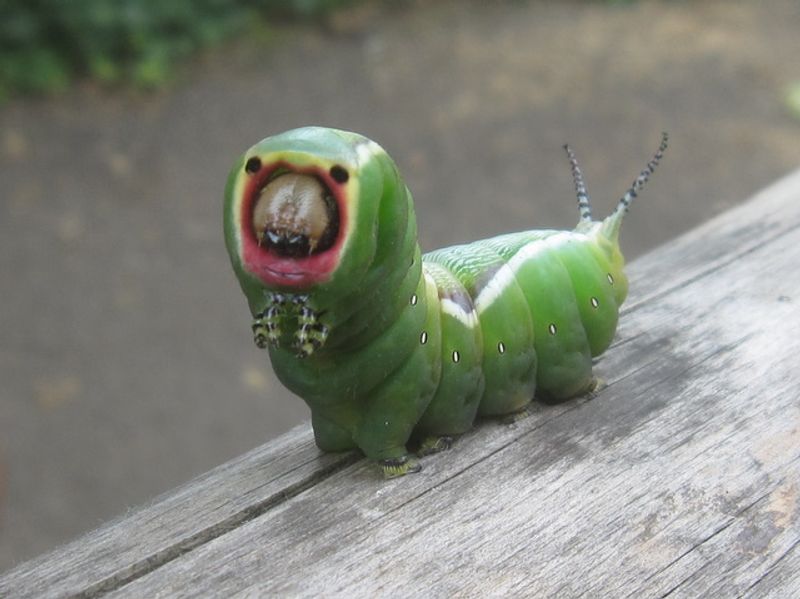
Imagine a tiny toupee with legs. That is honestly the best way to describe the puss caterpillar, known to scientists as Megalopyge opercularis.
The name comes from its resemblance to a small house cat, since the body is blanketed in fine hairs that range from pale gray to cinnamon orange. Some have a darker stripe running down the back, and the tail end tapers into a little pointed tuft.
Underneath that soft coat sits the real story. Hidden among the harmless hairs are hollow spines connected to venom glands, and those spines break off in skin on contact.
Adults measure roughly an inch to an inch and a half long, which makes them easy to overlook on bark or a leaf underside. They move slowly, almost gliding, because their stubby prolegs stay tucked beneath the fur.
Louisiana sees them because the state offers ideal host plants, warm weather, and plenty of hardwood canopy. Oaks and elms are favorites, though citrus, roses, and ornamental shrubs get visits too.
What surprises folks is how tempting they look. Children in particular reach out, expecting something velvety, and get caught off guard instead.
The grown-up version is called the southern flannel moth, a fuzzy cream and orange moth that poses no threat at all. Only the larval stage carries venom.
Learning this face is step one. Once you can spot the shape and the shag, you stop treating it like a cute curiosity.
Why September Brings A Round Two In The Bayou State
Two generations a year is the short answer. Puss caterpillars in the Gulf South typically hatch in late spring and again in late summer, which puts the second batch right on our doorstep in September and October.
The first wave often goes unnoticed because the larvae are small and the foliage is thick. By the second round, the caterpillars are larger, hungrier, and much more likely to wander onto fences, mailboxes, and patio furniture as they search for a spot to spin cocoons.
Your Louisiana Garden Changes Every Week. Your Plan Should Too.
Gardening in Louisiana changes quickly throughout the season. Every Friday you’ll receive a simple weekly plan showing exactly what to plant, prune, fertilize, harvest, and protect so you never miss the right timing.
Louisiana’s long warm season stretches the calendar. Mild autumns give the fall generation extra weeks to feed and roam, and that overlap is exactly when reports to poison control tend to climb.
Weather plays a role too. A wet summer followed by steady heat encourages lush leaf growth on oaks and elms, and more food means more survivors reaching full size.
Natural checks like parasitic wasps and certain birds usually keep numbers modest. When those helpers have an off year, populations swell and suddenly people are seeing several caterpillars in a single afternoon.
Outbreak years are not new. Louisiana and Texas have seen periodic surges in caterpillar activity over the decades, according to entomologists who track regional pest patterns.
Timing matters for you personally. Yard cleanup, tailgating, football practice, and fall gardening all peak during the same weeks these caterpillars are on the move. Mark September through early November as the season to stay alert.
What That Sting Actually Feels Like
People who have been stung rarely forget it. The usual description is a sudden burning throb, sharper than a wasp, that radiates up the arm or leg within minutes.
A telltale sign shows up quickly on the skin. Many victims develop a red grid or checkerboard pattern of raised welts, matching the rows of spines that made contact.
Pain often peaks in the first hour and can linger for several hours afterward. Swelling, itching, and a hot tingling sensation frequently follow.
Some folks get more than local symptoms. Reported reactions include headache, nausea, stomach pain, fever, and swollen lymph nodes near the sting site.
Severity depends on how much venom transfers and how sensitive the person is. A brush against a bare forearm can hurt far more than a bump through a sleeve.
Children and older adults tend to react more strongly, partly because of body size and partly because thinner skin lets spines embed easily. Anyone with allergies or breathing conditions should be watched closely.
Serious outcomes are uncommon but not impossible. Chest tightness, difficulty breathing, or spreading hives call for immediate emergency care.
Doctors sometimes see patients who thought they had a spider bite. Mentioning a fuzzy caterpillar helps the medical team narrow things down fast.
Recovery typically takes a day or two, though some reactions may linger longer depending on severity. Discomfort fades, the rash lightens, and the memory of that furry little thing sticks around much longer.
First Aid Steps Worth Memorizing Before You Need Them

Tape is your best friend here. Pressing a strip of cellophane or duct tape onto the sting site and peeling it away lifts out broken spines, and repeating with fresh strips helps clear the rest.
Do that before anything else. Rubbing or scratching pushes spines deeper and releases more venom into the skin.
Wash the area gently with soap and water once the tape work is done. Cool compresses or an ice pack wrapped in cloth bring real relief to the burning.
A paste of baking soda and water soothes many people. Over-the-counter antihistamines and hydrocortisone cream can calm itching and swelling.
Pain relievers such as acetaminophen or ibuprofen help take the edge off. Keep the limb slightly elevated if swelling shows up.
Watch the person for the next few hours. Trouble breathing, chest discomfort, severe swelling, or fainting means a trip to the emergency room without delay.
The Louisiana Poison Center offers free guidance by phone, and it’s worth saving the current number in your phone. Staff there walk callers through symptoms and tell you whether a clinic visit makes sense.
Tetanus status is worth checking if the skin was broken. Secondary infection is possible when welts get scratched open.
Keeping tape and an ice pack in a garden tote turns a painful surprise into a manageable one. Preparation costs almost nothing and pays off the moment someone hollers from the yard.
Places Around Your Yard Where They Like To Hang Out

Look up, then look under. Puss caterpillars spend much of their time on the undersides of leaves in oaks, elms, hackberries, sycamores, and pecans, which happen to shade half the neighborhoods in south Louisiana.
Ornamental plants get visited too. Roses, ivy, citrus trees, and azaleas near the house are common spots, especially where branches touch walkways.
Trouble usually starts when a caterpillar drops or crawls onto something people touch. Porch railings, patio cushions, lawn chairs, garden hose reels, and playground equipment all show up in sting reports.
Clothing left outside deserves a shake. Towels on a line, work gloves on a fence post, and shoes by the back door have all hidden unwelcome passengers.
Fall yard work raises the odds. Raking under oaks, trimming hedges, and hauling brush put your hands and forearms right where these larvae travel.
Tailgate season adds another layer. Folding chairs set up beneath campus oaks in Baton Rouge or Lafayette sit directly in the drop zone.
Check before you sit or grab. A quick visual scan of the seat, the armrest, and the ground beneath a tree takes about five seconds.
Cocoons are another clue. Grayish, oval, papery cases tucked into bark crevices or fence corners signal that caterpillars have been active nearby.
Knowing the hangouts shifts your habits without ruining your fall. You still enjoy the yard, just with slightly sharper eyes.
Smart Ways To Coexist Without Getting Zapped
Gloves and sleeves solve most of the problem. Thick gardening gloves, long pants, and a long-sleeved shirt create a barrier that spines struggle to reach through.
Teach kids the look-don’t-touch rule early. A simple phrase like fuzzy means leave it alone sticks better than a long lecture.
Removal should be hands-free. A stick, a trowel, or a piece of stiff cardboard can flick a caterpillar off a railing and into the grass or a bucket.
Spraying the entire yard with insecticide is excessive for a few larvae. Spot treatment on a heavily infested branch makes more sense, and many people simply prune the affected foliage instead.
Broad spraying also harms the wasps, beetles, and birds that naturally keep these populations in check. Those helpers do free work for you year after year.
Remember the moth stage is harmless and even beneficial as a pollinator. Southern flannel moths look like flying cotton balls and pose no risk.
Sweep porches and hose down outdoor furniture during peak weeks. Fewer resting spots means fewer surprise encounters.
If you spot several on a single tree, a call to your parish LSU AgCenter extension office gets you local guidance. Agents track regional activity and can advise on timing.
Sharing what you know helps the whole block. One conversation with a neighbor can spare a kid a very memorable September afternoon, and that is a pretty good trade.