The Florida Guide To Vibrant And Healthy Soil During The Summer Rainy Season
Every Florida summer starts the same way. The sky turns the color of wet slate, the air goes thick and sweet, and then the afternoon opens up.
Within minutes, your yard becomes a shallow lake. An hour later, steam curls off the driveway like a kettle.
All that water does something sneaky underground, and most gardeners have no idea it is happening. Nutrients drift away, tiny helpers struggle to breathe, and roots start sulking in the muck.
This soggy stretch can actually be the season your soil gets stronger. Here are eight practical moves that keep the ground under your plants loose, lively, and ready for whatever the clouds send next.
1. Test Your Soil Before The Storms Take Over
Guessing about your soil is a little like seasoning soup blindfolded. You might get lucky, but usually you end up with a mess.
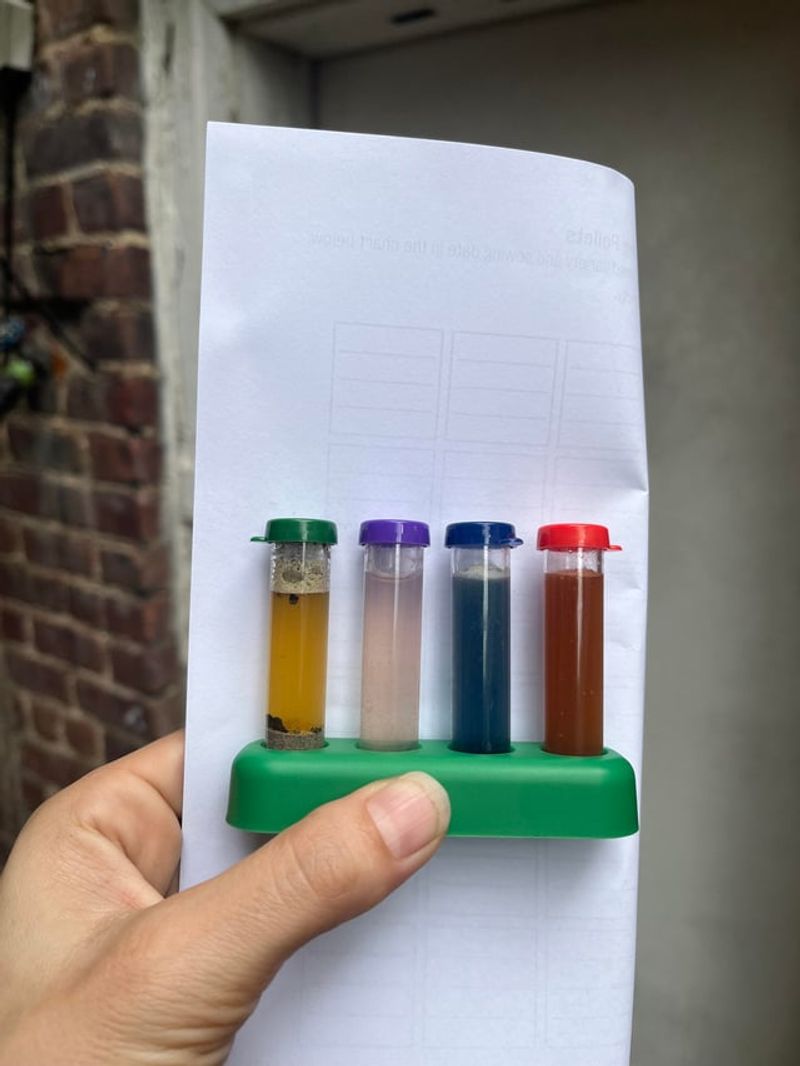
A simple soil test tells you pH and which nutrients are short. In Florida, results swing wildly from one neighborhood to the next.
Coastal sand near the beach often runs alkaline because of crushed shell. Inland areas can lean acidic, especially under pines and oaks.
Your county Extension office handles low-cost tests, and home kits work fine for a quick pH reading. Take samples from four or five spots, mix them in a clean bucket, then send in one scoop.
Timing matters more than folks expect. Testing in late spring, right before daily storms arrive, gives you time to adjust while the soil is still workable.
Once rain starts falling every afternoon, spreading amendments gets messy and much of what you add washes sideways instead of soaking down. Early prep saves both money and effort.
Pay close attention to the pH number. Most vegetables and ornamentals pull nutrients best between 6.0 and 6.8.
If your reading sits at 7.8, iron and manganese lock up and leaves turn pale no matter how much fertilizer you toss down. Elemental sulfur nudges that number lower over several weeks.
Keep your results in a notebook or phone photo. Comparing this year to last year shows if your compost habit is actually working, and that kind of proof feels pretty satisfying come August.
2. Build Up Organic Matter To Hold Sandy Soil Together
Florida sand has one talent: letting water leave in a hurry. Pour a gallon in and it vanishes before you can blink.
Organic matter changes that story. Compost, aged manure, and shredded leaves act like tiny sponges tucked between sand grains.
Aim to work two to three inches of compost into the top six inches of any planting bed. In sandy soil, organic matter breaks down fast in our heat, so plan on refreshing it twice a year rather than once.
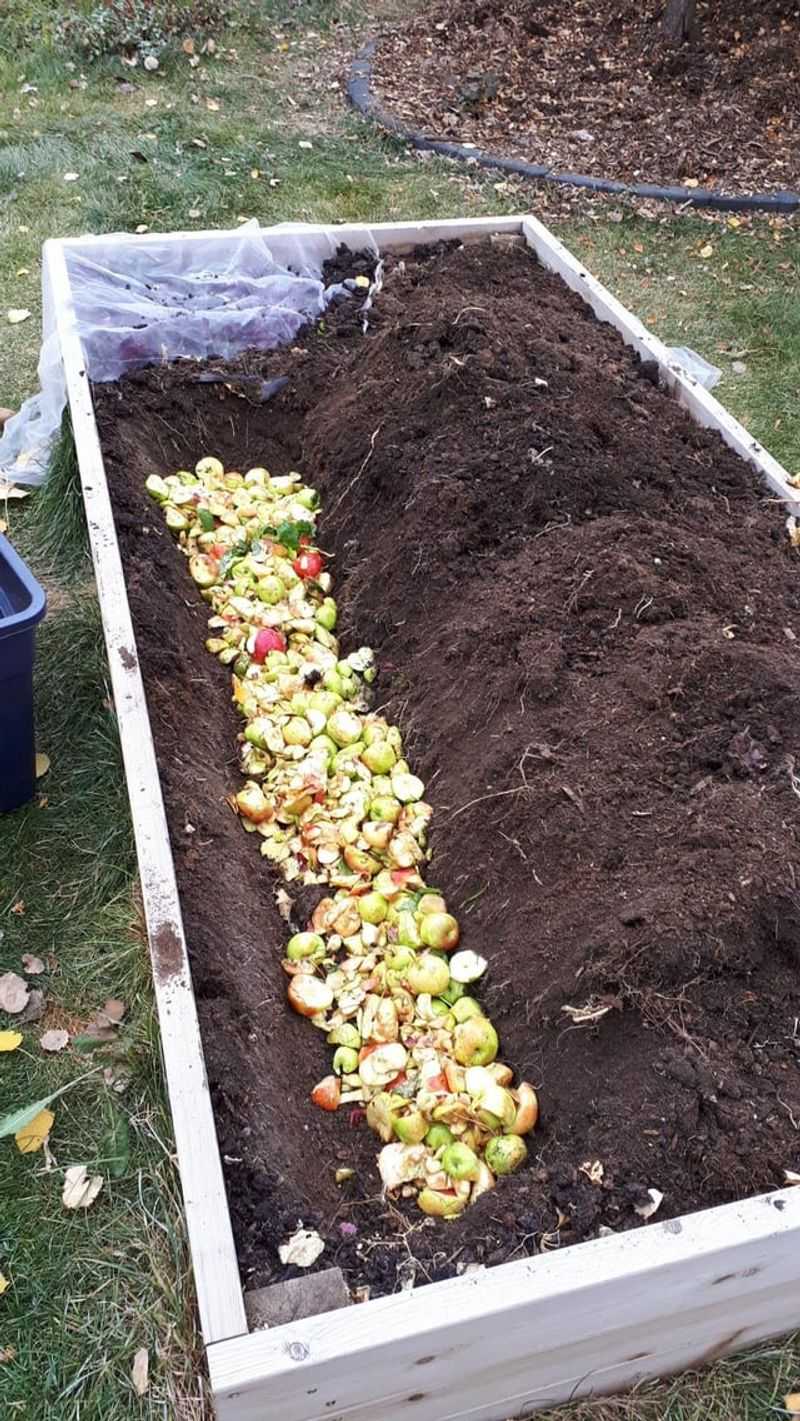
Homemade compost beats bagged material for cost and quality. Grass clippings, coffee grounds, vegetable scraps, and fallen oak leaves make a fine mix.
Skip the meat and dairy unless you enjoy visits from raccoons. Turn the pile weekly during the rainy months so it stays airy instead of turning into a sour, waterlogged lump.
Your Florida Garden Changes Every Week. Your Plan Should Too.
Gardening in Florida changes quickly throughout the season. Every Friday you’ll receive a simple weekly plan showing exactly what to plant, prune, fertilize, harvest, and protect so you never miss the right timing.
Here is a fun bit of history: part of Central Florida sits on an ancient dune ridge from when sea levels ran far higher. You are essentially gardening on an old beach, which explains a lot.
Organic matter also feeds the underground crowd. Fungi, bacteria, and earthworms multiply when they have something to eat, and their activity creates crumbly structure that resists compaction.
That structure is what lets heavy rain soak in rather than sheet across the surface. Over two or three seasons, well-amended beds start holding moisture through dry spells too, which cuts your watering chores in half.
3. Mulch Smart To Stop Rain From Beating Down Bare Ground
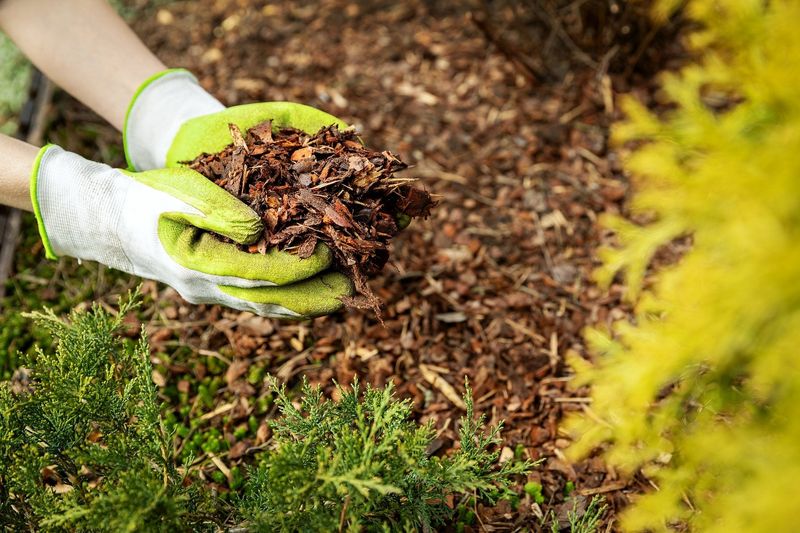
Watch a downpour hit bare soil sometime. Each drop lands like a tiny hammer, packing the surface into a hard crust.
Mulch takes that beating instead. A two to three inch blanket softens the impact and keeps your soil where you put it.
Pine bark, pine straw, and melaleuca mulch all perform well in Florida yards. Melaleuca has a bonus story behind it, since harvesting it helps control an invasive tree that was planted here on purpose back in the early 1900s.
Cypress mulch is common but comes from wetland trees, so many gardeners choose alternatives. Oak leaves raked from your own yard cost nothing and work beautifully.
Depth deserves attention. Piling mulch six inches high sounds thorough but actually blocks air movement and holds too much moisture against roots during a wet stretch.
Three inches is plenty. Pull it back two or three inches from trunks and stems so bark can breathe and rot stays away.
Rainy season mulch does double duty. Besides shielding soil from raindrop impact, it slows runoff long enough for water to soak in, and it keeps soil temperatures from spiking on those sunny gaps between storms.
Check your mulch every few weeks in summer. Heavy rain shifts it into low spots and rapid decomposition thins the layer faster than you would expect.
A quick rake and a fresh topping in July keeps everything working through the rest of the season.
4. Fix Drainage Problems Before Roots Sit In Water
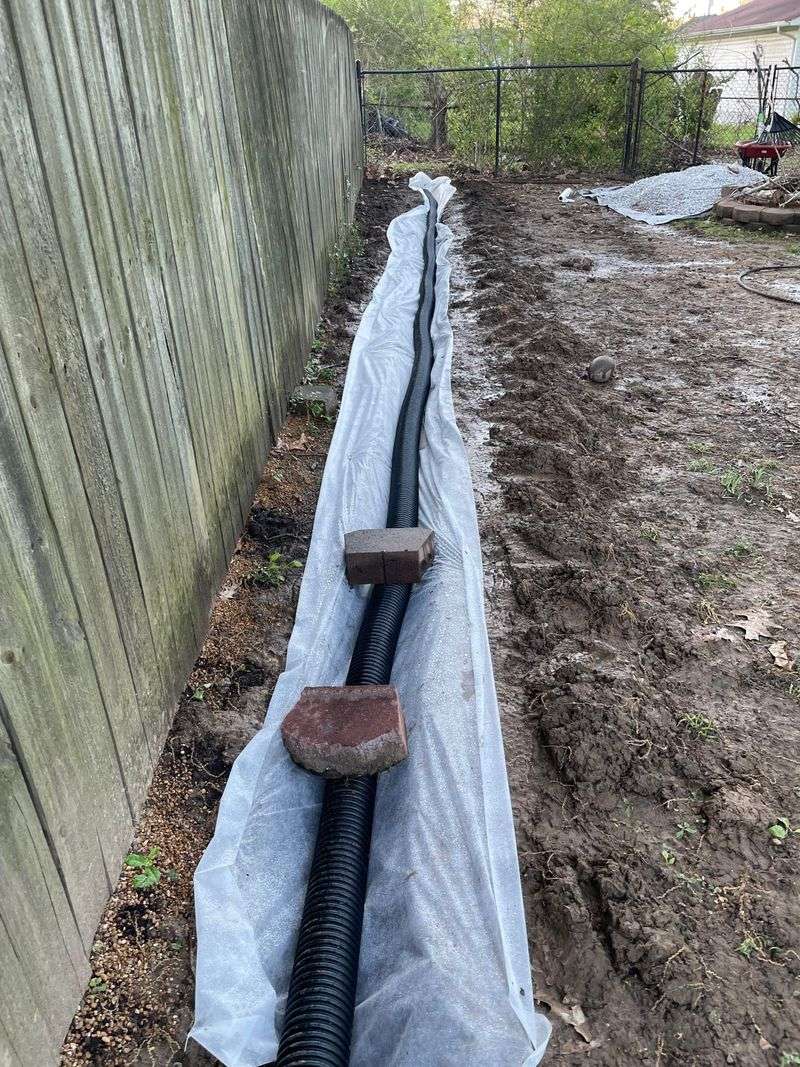
Puddles that linger for more than a day are sending you a message. Roots need air pockets in soil, and standing water fills every one of them.
Most Florida drainage trouble comes from two sources. Either a compacted layer sits a foot down, or the yard simply has nowhere to send water.
Grab a shovel and dig a hole about a foot deep in the problem area. Fill it with water and time how long it takes to drain.
Anything slower than about an hour per inch signals a real issue. Sometimes you will hit a gray, sticky layer, which is often hardpan or clay lens left behind by construction equipment.
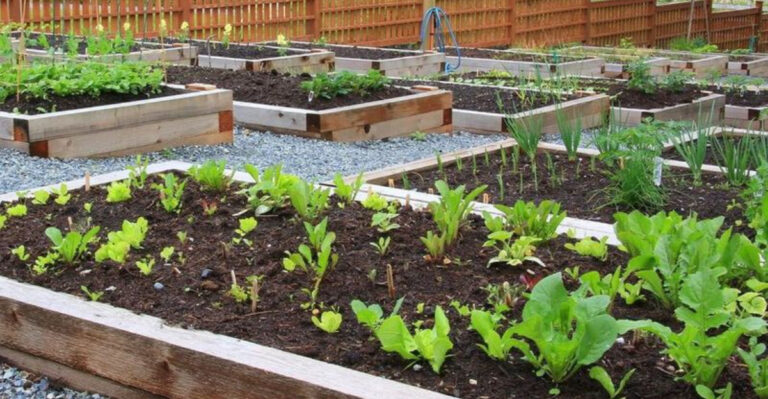
Raised beds solve this without heavy machinery. Eight to twelve inches of height lifts roots above the waterlogged zone, and you control what fills the box.
For larger areas, a shallow swale gently guides runoff toward a rain garden planted with things that tolerate wet feet, like blue flag iris or swamp sunflower.
Breaking up compaction helps too. A garden fork pushed in and wiggled every eight inches opens channels without flipping the soil layers upside down.
Avoid working soggy soil, though. Digging in mud smears the structure and creates a slick, airless mess that takes months to recover.
Wait for a two-day dry window, then get to work. Your plants will show their thanks with greener leaves by the following month.
5. Time Fertilizer Around Downpours To Avoid Waste
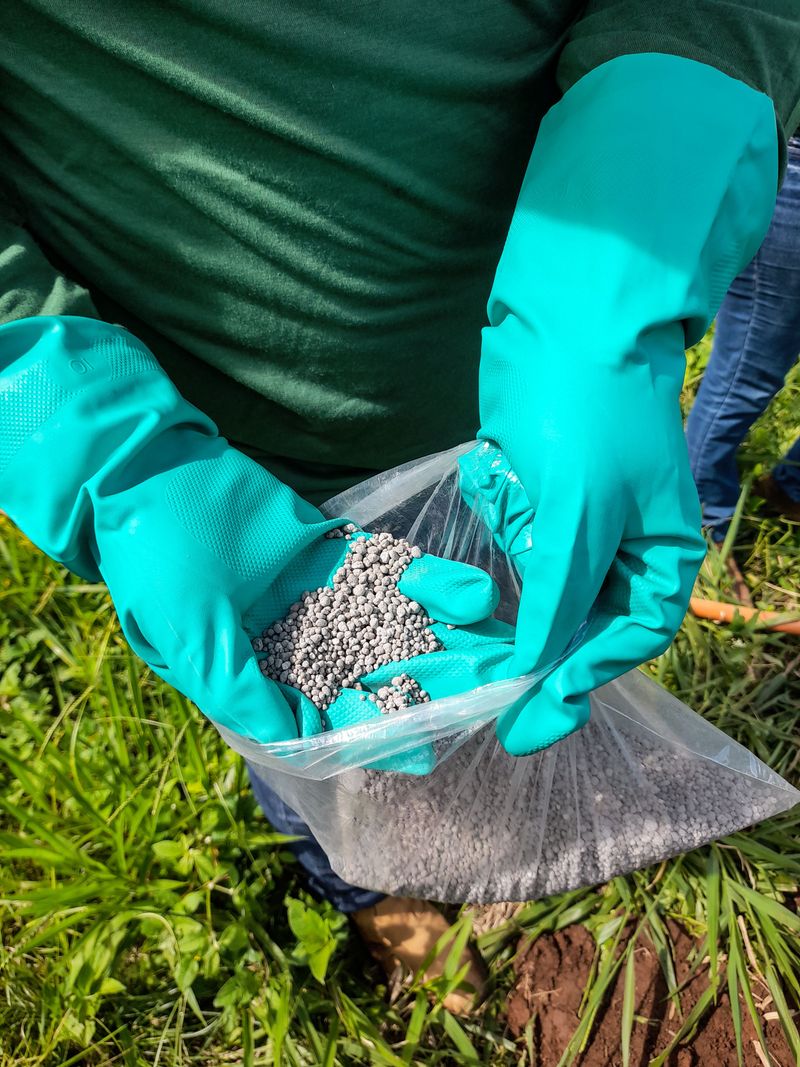
Tossing fertilizer down before a thunderstorm is basically donating it to the nearest drainage ditch. Nitrogen moves through sand like water through a colander.
Florida rain is generous, which means leaching is the main way nutrients disappear. Sandy soil holds very little in reserve.
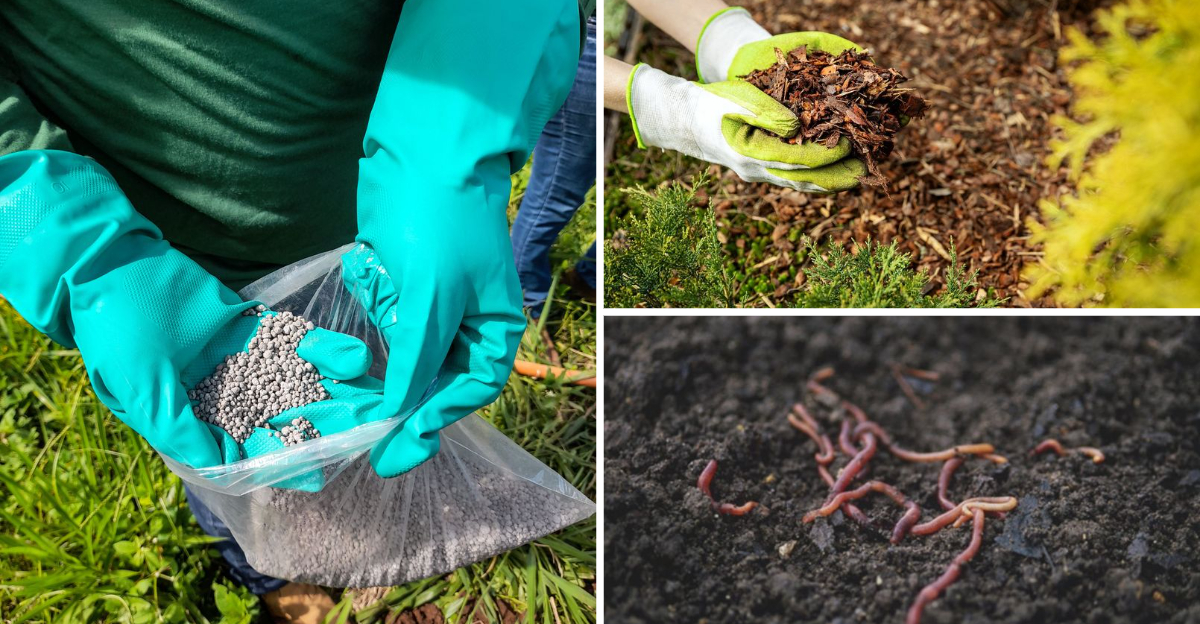
Slow-release and controlled-release products are your friends here. Coated granules dribble out nutrients over eight to twelve weeks instead of dumping everything at once.
Look for terms like polymer-coated or sulfur-coated on the bag. They cost a bit more per pound but far less gets flushed away, so the real value is better.
Several Florida counties have summer fertilizer restrictions, usually running June through September. Rules exist because runoff feeds algae blooms in springs, rivers, and the Indian River Lagoon.
Check your county website before you shop. Fines are real, and honestly the restrictions push people toward better habits anyway.
Apply light and often rather than heavy and rarely. Half rate every six weeks beats a full dose in one shot when rain is falling daily.
Watch the forecast and aim for a day with no storms predicted for at least twenty-four hours. Water it in lightly with a hose so granules settle into the soil instead of sitting on top.
Compost and organic amendments release nutrients more slowly, so they weather storms better. Pairing them with a modest granular program gives steady feeding without the washout.
6. Grow Cover Crops To Shade And Feed The Soil
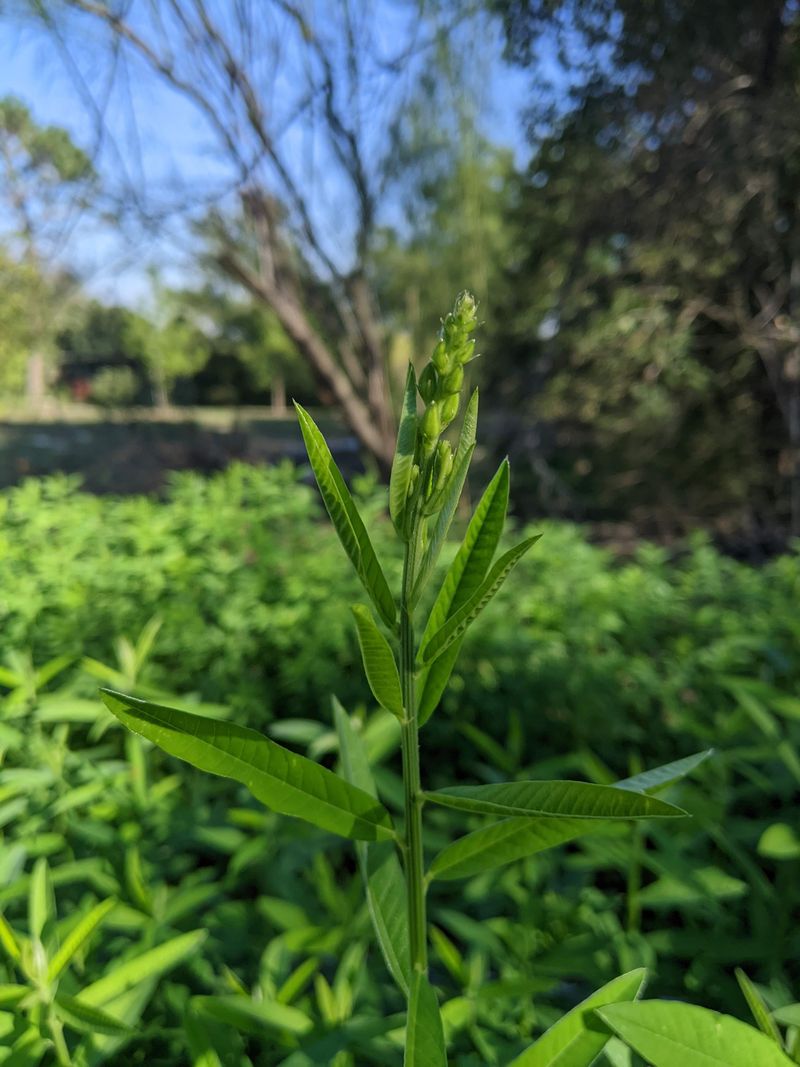
Empty summer garden beds are wasted real estate. Bare soil bakes, crusts over, and grows weeds you did not invite.
Cover crops turn that idle space into a soil factory. They shade the ground, hold nutrients in living tissue, and add organic matter when you cut them down.
Sunn hemp is a Florida summer standout. It shoots up five feet or more in about sixty days and fixes nitrogen from the air into its roots.
Cowpeas, velvet beans, and buckwheat also handle our heat and humidity. All of them appreciate the daily rain that makes vegetables miserable.
Sow seed thickly in June once your spring tomatoes and peppers finish. Rake it in shallowly, water once, and the storms handle the rest.
Cut the crop down before it sets seed, usually around eight or nine weeks. Chop the stems into pieces and either leave them as mulch or work them into the top few inches.
Growers noticed something else about sunn hemp: it suppresses root-knot nematodes, those microscopic troublemakers that plague Florida vegetable beds. Free pest management with your soil building sounds like a fair deal.
By the time fall planting rolls around in September or October, that bed will look and smell different. Darker color, better crumble, and a noticeable earthy scent all signal that the underground community got a solid meal while you took the summer off.
7. Keep Soil Microbes Thriving Through The Wet Months
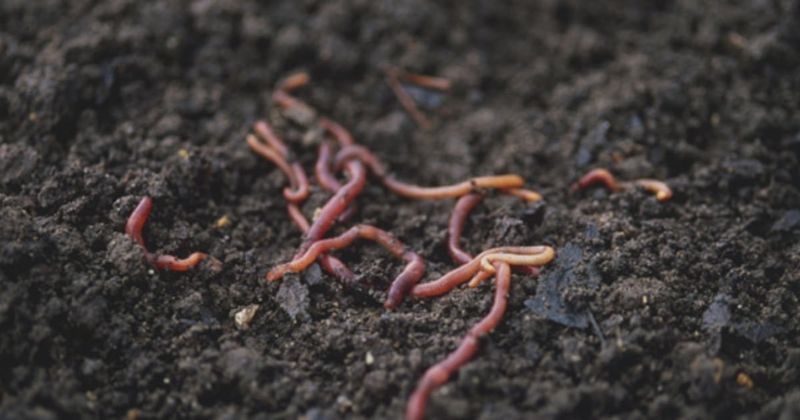
A single teaspoon of healthy soil can hold more microorganisms than there are people on Earth. That crowd is doing serious work on your behalf.
Bacteria and fungi unlock nutrients that plants cannot reach alone. Mycorrhizal fungi in particular stretch root systems by many times their natural size.
Waterlogged soil throws that community out of balance. Air-loving microbes slow down while the ones that produce sour, swampy smells take over.
You can smell the difference. Good soil has a fresh, earthy scent, while oxygen-starved soil smells like rotten eggs or a stagnant pond.
Feeding microbes is refreshingly simple. Add compost, leave some plant roots in the ground after harvest, and avoid tilling more than necessary.
Every pass with a tiller shreds fungal networks that took months to build. Broadfork or hand fork loosening keeps most of that web intact.
Compost tea and worm castings both bring in fresh microbial life. Castings are especially handy since they release nutrients gently, which suits a rainy stretch where fast fertilizers vanish.
Chemical choices matter too. Broad-spectrum fungicides and heavy salt-based fertilizers knock back beneficial organisms along with the targets.
Use them thoughtfully and spot-treat rather than blanket-spray. Diversity above ground supports diversity below, so mixing plant types in your beds gives different microbes different root exudates to feed on.
Give it a full season of care and you will notice plants shrugging off stress they used to struggle with.
8. Guard Against Erosion On Slopes And Open Beds
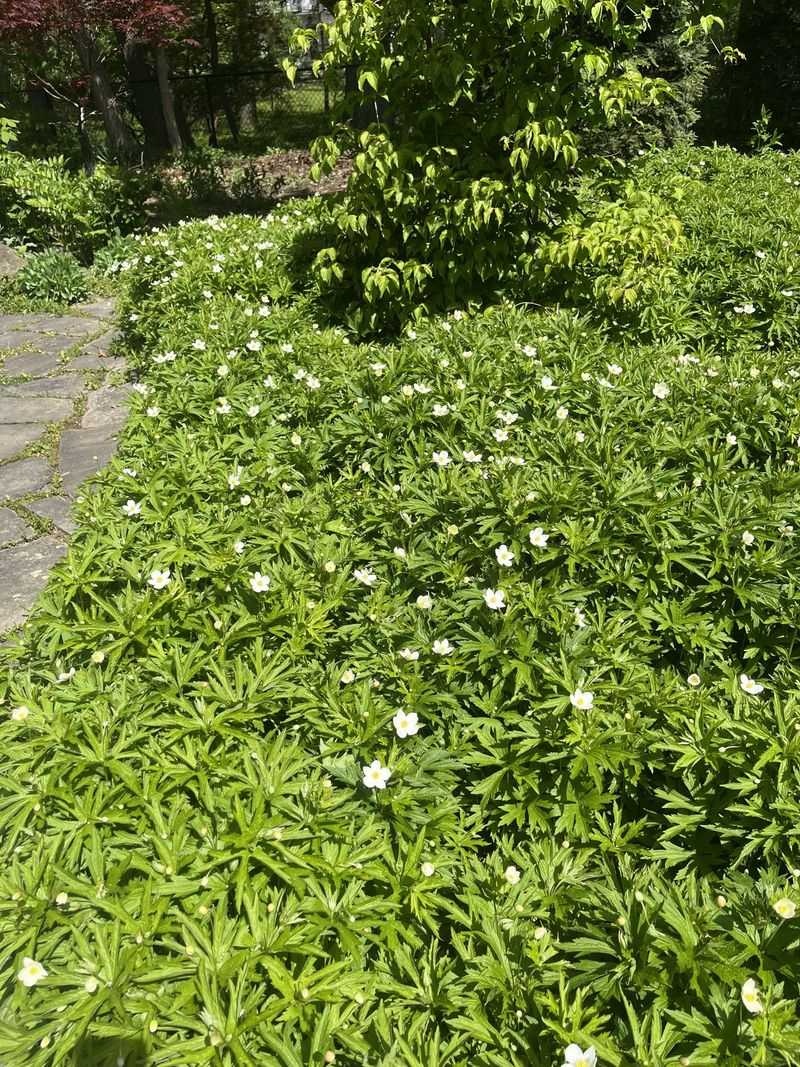
Erosion happens quietly, then all at once. One serious storm can strip an inch of your best topsoil off a slope and deposit it on the sidewalk.
Florida yards are not famously hilly, but even gentle grades move soil. Driveway edges, retention pond banks, and raised bed shoulders are the usual trouble spots.
Groundcovers work harder than any product you can buy. Sunshine mimosa, perennial peanut, and frogfruit knit roots together and spread on their own.
Native grasses like muhly grass and Fakahatchee grass anchor steeper banks with deep, fibrous root systems. Once established, they need almost no help from you.
For quick coverage on a fresh slope, jute or coir netting holds soil while seeds germinate underneath. The material breaks down naturally within a year or two.
Stone edging, timber terraces, and simple berms slow water enough to prevent channeling. Look for little rivulets after a storm, because those become gullies if ignored.
Downspouts deserve inspection too. A gutter dumping straight onto a bed carves a crater fast, so add a splash block or extend the pipe toward turf.
Something worth remembering: topsoil takes centuries to form naturally. Losing it to a Tuesday afternoon thunderstorm is a genuinely bad trade.
Walk your property during the next heavy rain, umbrella in hand. Watching where water actually travels teaches more in ten minutes than any diagram ever could.