A Midsummer-Into-Fall Sowing In Arizona Gives You A Second Harvest – Here’s How To Time It
Growing vegetables in Arizona does not stop when summer peaks. The low desert around Phoenix and Tucson runs on a different calendar than most of the country, with a cool-season planting window that opens in late summer and stretches well into winter.
Gardeners who learn to count backward from their local frost date and choose the right crops can often pull a genuine second harvest from the same beds. The timing takes a little math and some patience, but the payoff is real.
Low-Desert Arizona Has a Second Growing Window
Most gardening calendars are written for places with one planting season. Arizona’s low desert, especially the Phoenix and Tucson metro areas, actually runs on two distinct windows: a warm-season period in early spring and a cool-season period that opens in late summer and carries through winter.
Treating that second window as its own separate growing season, rather than an afterthought to summer, is the key shift that makes a second harvest possible in Arizona.
University of Arizona Cooperative Extension guidance identifies these two main planting periods for gardens below 3,000 feet, and the cool-season window is where most of the fall and winter production happens. Leafy greens, root vegetables, brassicas, and cool-tolerant herbs all fit comfortably into this period when they are planted at the right time and in the right conditions in Arizona.
The catch is that this second window does not open automatically in midsummer. Planting too early, while soil and daytime temperatures are still extreme, can prevent germination and stress young transplants before they ever get a foothold.
The defensible promise is not that midsummer sowing broadly works across Arizona, but that correctly timed late-summer and early-fall planting can often deliver another harvest in low-desert Arizona conditions.
This guide is written specifically for Phoenix- and Tucson-area gardeners working below 3,000 feet in elevation. Arizona’s higher-elevation cities, including Prescott and Flagstaff, face earlier frosts, shorter fall runways, and different heat patterns.
The dates and crops discussed here do not translate cleanly to those areas. If you garden above 3,000 feet in Arizona, treat this as background context and consult planting resources matched to your elevation before acting on any specific timing advice.
Count Backward From an Approximate First Frost
The planning formula for Arizona’s second growing window is straightforward: take your expected first frost date, subtract the crop’s listed days to maturity, then subtract additional time for germination or transplant recovery, and the result is your approximate planting target. Running that calculation in reverse keeps you from planting a crop that simply cannot finish before cold weather arrives in Arizona.
That formula has some important fine print. Days-to-maturity figures on seed packets do not all start from the same point.
Some count from the day you sow seed in the ground, others from the day seedlings emerge, and still others from the day you set a nursery transplant into the bed. If a packet gives days from transplanting and you plan to direct sow, you need to add germination time on top of that number.
Your Arizona Garden Changes Every Week. Your Plan Should Too.
Gardening in Arizona changes quickly throughout the season. Every Friday you’ll receive a simple weekly plan showing exactly what to plant, prune, fertilize, harvest, and protect so you never miss the right timing.
University of Arizona Cooperative Extension planting and harvest timing guidance provides Arizona-specific fall windows that already account for local conditions, which is a more reliable starting point than a generic national seed packet for Arizona gardeners.
Beyond the maturity figure itself, build in a buffer. A two-week cushion is a reasonable conservative allowance, based on fall-planting planning frameworks, but local experience in your specific Arizona yard should sharpen that estimate over time.
Arizona’s lingering summer heat, alkaline soil conditions, and occasional monsoon disruptions can all slow establishment more than the packet suggests.
One practical rule: if you are using nursery transplants, look for days-from-transplanting data rather than days-from-seed. If you are direct sowing, add germination time, which can range from a few days for radishes to two or more weeks for slower crops, before counting backward from your frost marker.
Variety matters too. A broccoli labeled 60 days and one labeled 90 days require very different planting dates in Arizona, even in the same garden bed.
Always check the specific variety you plan to grow rather than relying on a generic crop average.
Use the Frost Marker That Fits Your Yard
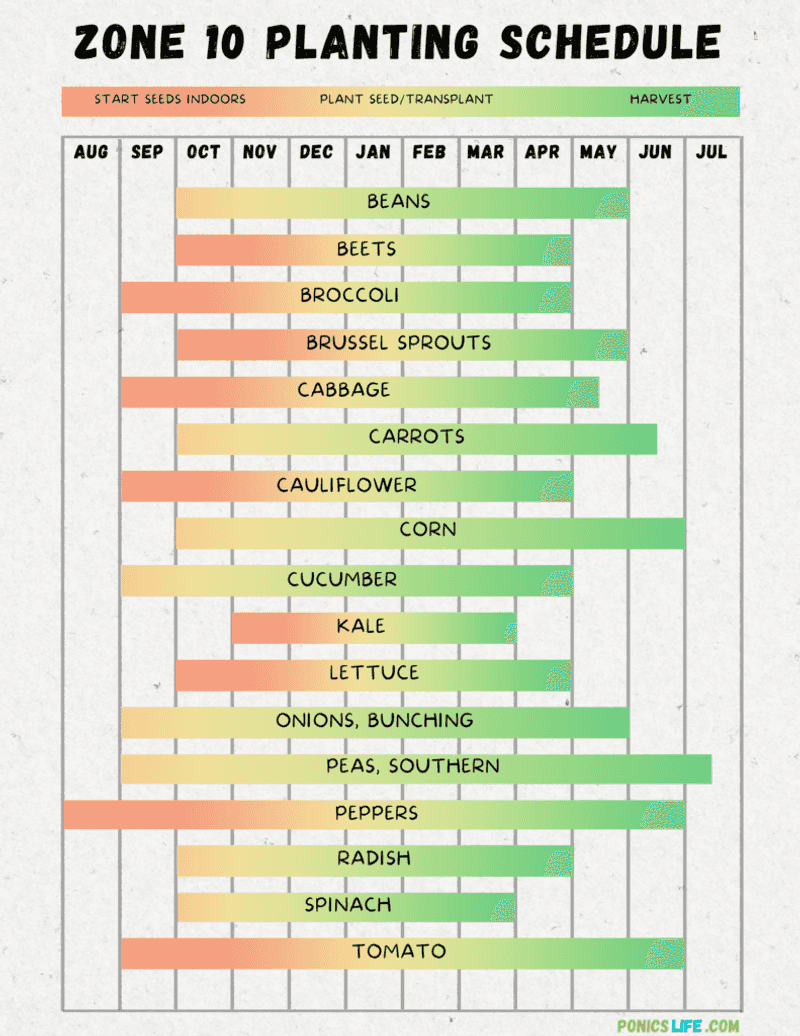
Arizona cannot be treated as a single climate zone, and using the wrong frost date for your location can throw off every other calculation in your fall planting plan. National Weather Service freeze date data for southeast Arizona shows meaningful variation even within the low desert: Tucson’s 1991-2020 average first occurrence of 32 degrees Fahrenheit is December 3, while some higher or colder locations in southeastern Arizona see freezing temperatures in October or November.
In the Phoenix area, University of Arizona Extension notes that Buckeye averages a first frost around November 21, while central Phoenix often does not see freezing temperatures until around December 12.
Those figures are averages across many years, not promises for any particular season. Your specific yard in Arizona may behave differently depending on whether it sits in a low frost pocket, on an exposed slope, or in a dense urban neighborhood that holds heat overnight.
A corner of your garden that dips into a low depression can freeze several degrees colder than a spot just a few feet away on higher ground. Adjust your personal frost marker conservatively, especially if you have seen early freezes in your yard before.
Frost-sensitive crops such as tomatoes, peppers, beans, squash, cucumbers, and melons face a real harvest or protection deadline when freezing temperatures arrive in Arizona. But many cool-season crops, including kale, chard, lettuce, carrots, beets, and most brassicas, tolerate light frost and can keep growing after a brief cold night.
For those crops, the first frost is a planning marker rather than a hard stop. Knowing which of your Arizona crops fall into which category lets you prioritize protection for the tender ones and relax a little about the hardy ones when cold weather approaches.
Choose Crops That Fit the Remaining Runway
Once you have your Arizona frost marker and your planting formula in hand, the next step is matching crops to the time you actually have left. Not every cool-season vegetable fits every Arizona fall window, and selecting crops with realistic maturity timelines is where the second harvest either comes together or falls apart.
Working from University of Arizona Cooperative Extension planting and harvest guidance, here is how common Arizona fall crops group by time required before expected first frost. Radishes are the fastest option, needing roughly four to six weeks.
Beets, bok choy, broccoli, chard, collards, kale, and lettuce generally need six to eight weeks. Leeks fall in the eight-to-ten-week range.
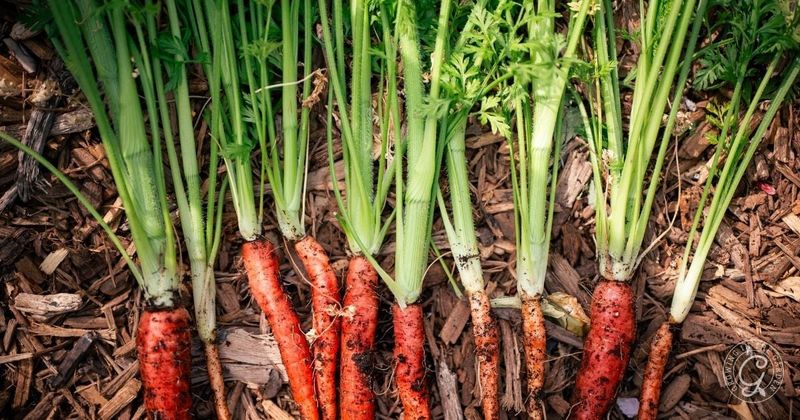
Turnips can take up to nine weeks. Carrots typically need eight to twelve weeks, a wider range that reflects how much variety matters with this crop in Arizona.
Garlic cloves are planted two to three weeks before frost and are harvested the following spring, so they work on a completely different timeline. Brussels sprouts sit at the long end, needing roughly 85 to 100 days, which means they must go in early to have any chance in Arizona’s fall window.
Every one of those ranges is a starting point, not a guaranteed Arizona deadline. Whether a figure applies from seed or from transplant depends on the specific crop and variety.
Broccoli started from a nursery transplant in Arizona will mature faster than broccoli direct-seeded at the same time. Carrots, on the other hand, do not transplant well and are almost always direct-seeded in Arizona beds, so their full eight-to-twelve-week range applies from the day the seed goes into the ground.
Short-season varieties consistently offer more flexibility in Arizona. A broccoli that matures in 60 days gives you more scheduling room than one that needs 90, and that difference can matter a great deal when October heat is slow to break or when an early cold snap threatens in November.
Check the variety name and its specific maturity figure before buying, and prioritize shorter timelines when your Arizona planting window is tight.
Let Desert Heat Ease Before You Sow
Counting backward from the first frost gives you a planting target on paper, but the desert does not always cooperate with the calendar. In Arizona’s low desert, the first real obstacle for fall crops is often not cold weather but leftover summer heat.
Soil temperatures above the 65-to-85-degree Fahrenheit range that supports most common vegetables can prevent seeds from germinating reliably and stress young transplants before they establish. Running your frost math correctly and then planting into 100-degree soil in Arizona is a recipe for failure.
Pima County Extension guidance describes late September as a suitable time to begin fall vegetable crops in Arizona as temperatures, especially overnight temperatures, begin to decline. Its October guidance goes further, recommending direct sowing of arugula, beets, broccoli, carrots, Brussels sprouts, cabbage, cauliflower, chard, spinach, kale, lettuce, leeks, and bok choy early in the month.
Those are Tucson-area reference points, not statewide Arizona deadlines, but they illustrate the principle: wait for conditions to moderate before sowing, even if your frost math says you could have started earlier.
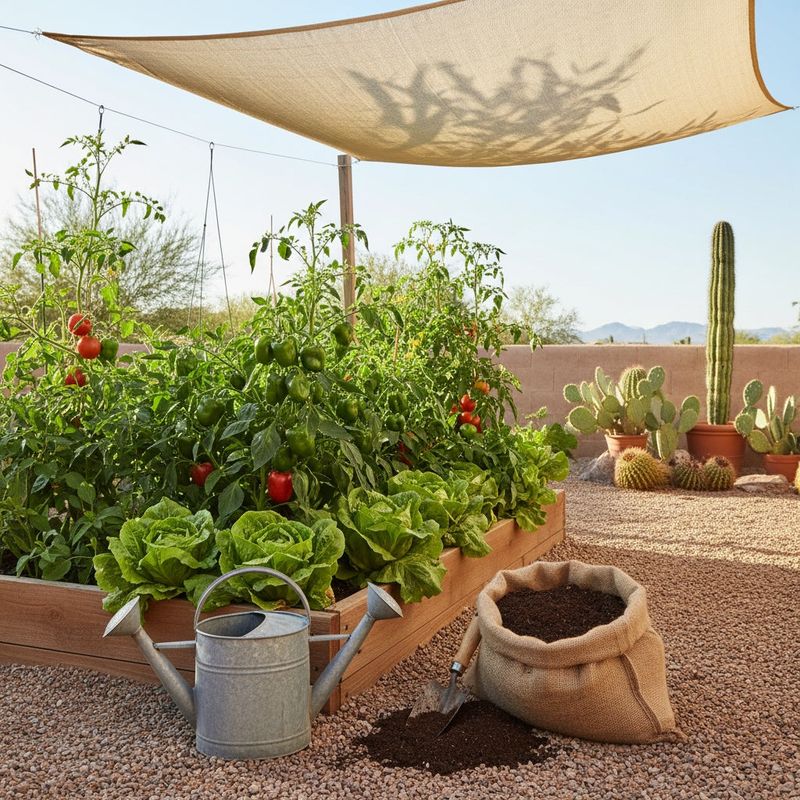
Several tools can help bridge the gap in Arizona. Shade cloth stretched over beds can drop soil temperature meaningfully during the hottest part of the day.
A layer of mulch helps hold moisture and insulates the soil surface against afternoon heat. Frequent, light irrigation keeps seedbeds moist enough for germination without waterlogging Arizona’s often poorly draining alkaline soils.
Arizona’s monsoon season, which typically runs from mid-June through September, can bring welcome rain, but it does not replace active watering management. Monsoon storms are uneven across Arizona yards, and seedbeds between storms can dry out faster than they look.
Heavy rain can also compact bare soil, disrupt seedbeds, and create conditions that favor fungal disease in Arizona gardens. Treating monsoon rain as a supplement rather than a substitute keeps establishment on track.
Gain Time With Hardened Transplants and Prepared Soil
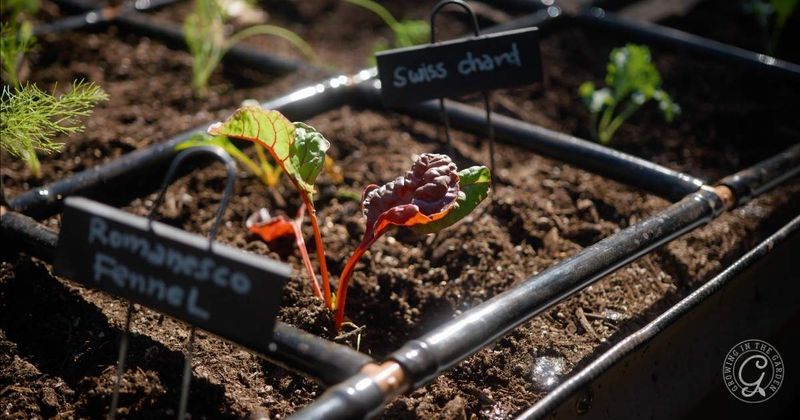
Nursery transplants can give Arizona gardeners a meaningful head start on the fall season, putting several weeks of growth in the ground from day one. The advantage disappears quickly, though, if those seedlings go from a shaded nursery bench directly into Arizona’s intense sun and dry heat without any transition.
Hardening off, the process of gradually exposing transplants to outdoor sun, wind, and temperature swings over several days, reduces the shock that can set plants back by two weeks or more in Arizona conditions.
University of Arizona Cooperative Extension recommends transplanting in the evening or on a cloudy day to reduce the immediate stress of full Arizona sun on roots that are not yet settled. Watering transplants well at planting and keeping the soil consistently moist during the first week gives roots the best chance to spread before the plant has to support full leaf growth.
Wilting in the first day or two is common and not always fatal in Arizona, but extended wilting after the first week usually signals a deeper problem with root establishment or soil moisture.
For crops that do not transplant well, direct sowing avoids the shock entirely. Carrots, beets, lettuce, radishes, spinach, peas, and many beans are commonly direct-sown in Arizona beds, which sidesteps the transplant recovery period and keeps the planting timeline simpler.
The tradeoff is that direct-seeded crops need consistent surface moisture from germination through emergence, which requires more frequent attention during Arizona’s dry fall periods.
Arizona soil presents its own set of challenges regardless of whether you are transplanting or direct sowing. Many low-desert soils are alkaline, low in organic matter, and compacted in ways that restrict root growth and water movement.
Working suitable compost into beds before planting improves both structure and nutrient availability in Arizona’s challenging conditions. Where caliche, the calcium carbonate hardpan common across much of Arizona, sits close enough to the surface to block roots or trap water, physical removal or penetration of that layer is necessary before planting.
Soil testing before adding any amendments tells you what your specific Arizona bed actually needs rather than guessing.
Treat Fall Tomatoes as a Narrow Exception
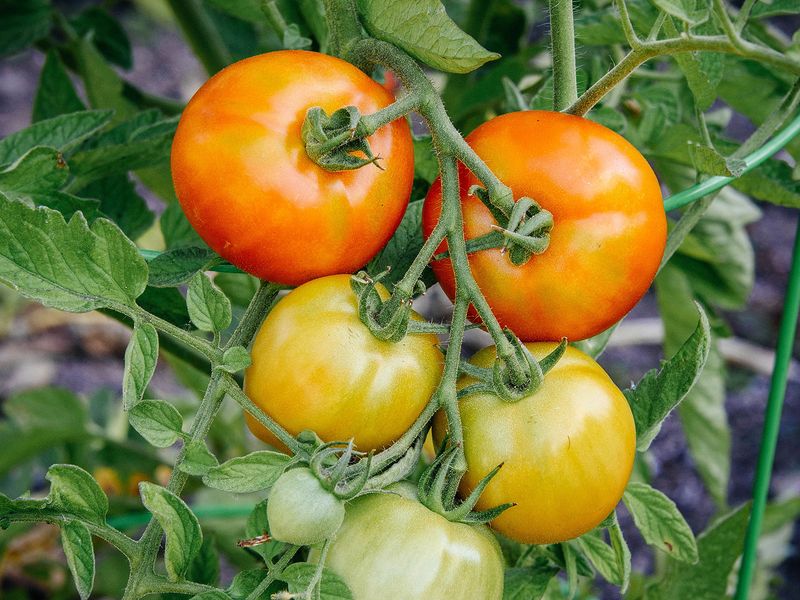
Fall tomatoes in Arizona attract a lot of optimism, and sometimes that optimism is justified. Early-maturing varieties, those finishing in roughly 45 to 70 days, can produce after summer heat begins to ease, with the autumn window in southern Arizona running roughly from September into late November.
That is a real opportunity, but it is narrower and more variety-dependent than the cool-season crops covered in the rest of this guide.
Temperatures above 90 degrees Fahrenheit reduce tomato pollen viability and fruit set, which is why planting tomatoes during Arizona’s hottest weeks often produces lush foliage with very little fruit. That 90-degree threshold applies specifically to tomatoes.
Squash, beans, peppers, and other warm-season crops each have their own heat tolerances and should not be assumed to share the same limitation. For Arizona tomatoes specifically, the practical implication is that plants set out too early in summer will grow but may not fruit reliably until temperatures drop, compressing the productive window considerably.
The same backward-counting method applies to fall tomatoes in Arizona, but with less margin for error. Start with your local frost date, count back 60 to 70 days for an early-maturing variety, add a week or two of buffer, and then ask honestly whether the resulting planting date falls in a period when Arizona temperatures are likely to support establishment.
If the math puts your transplant date in early August, you may be racing heat at one end and frost at the other, with a narrow band of productive weather in between.
When a frost threat arrives in Arizona, tender crops like tomatoes need to be harvested or covered before freezing temperatures hit. Frost cloth can help on light frost nights, but it is not a guarantee against hard freezes.
The practical sequence that runs through every section of this Arizona guide comes down to the same steps: find your local frost marker, count backward with a buffer, wait for heat to ease, and protect or harvest before the cold arrives. Most of the time in Arizona’s low desert, the cool-season crops make that sequence far more forgiving.