These Are The Cool-Season Flowers To Start Now For Arizona Fall Color
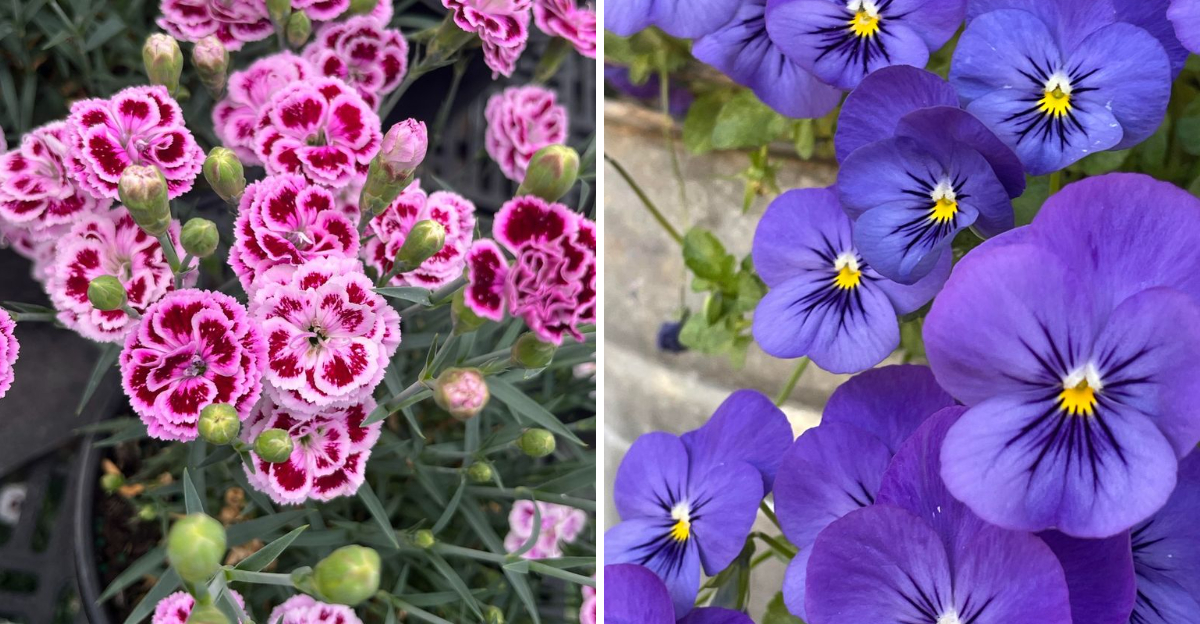
August can make an Arizona flower bed look like the last place anything new should begin.
The soil is hot. Afternoon sun feels relentless. Even established plants can look tired by dinner.
Yet fall color starts before fall actually arrives.
Cool-season flowers need time to germinate, root, or simply be ready for transplanting once temperatures finally ease.
In Phoenix and Tucson, that often means starting seeds under protection now rather than putting tender seedlings straight into scorching beds. At higher elevations, the calendar moves faster.
So which flowers deserve attention this month?
Snapdragons, calendula, alyssum, dianthus, pansies, petunias, and violas all fit Arizona’s cooler-season color palette, but they do not share one planting date.
Elevation changes everything.
August is the setup month in the low desert and a more active planting month higher up.
Get the timing right now, and autumn beds can shift from sunbaked and empty to bright, cool-season color just as the rest of the country starts packing gardens away for winter for another long blooming season.
1. Start Snapdragons For Cooler Weather
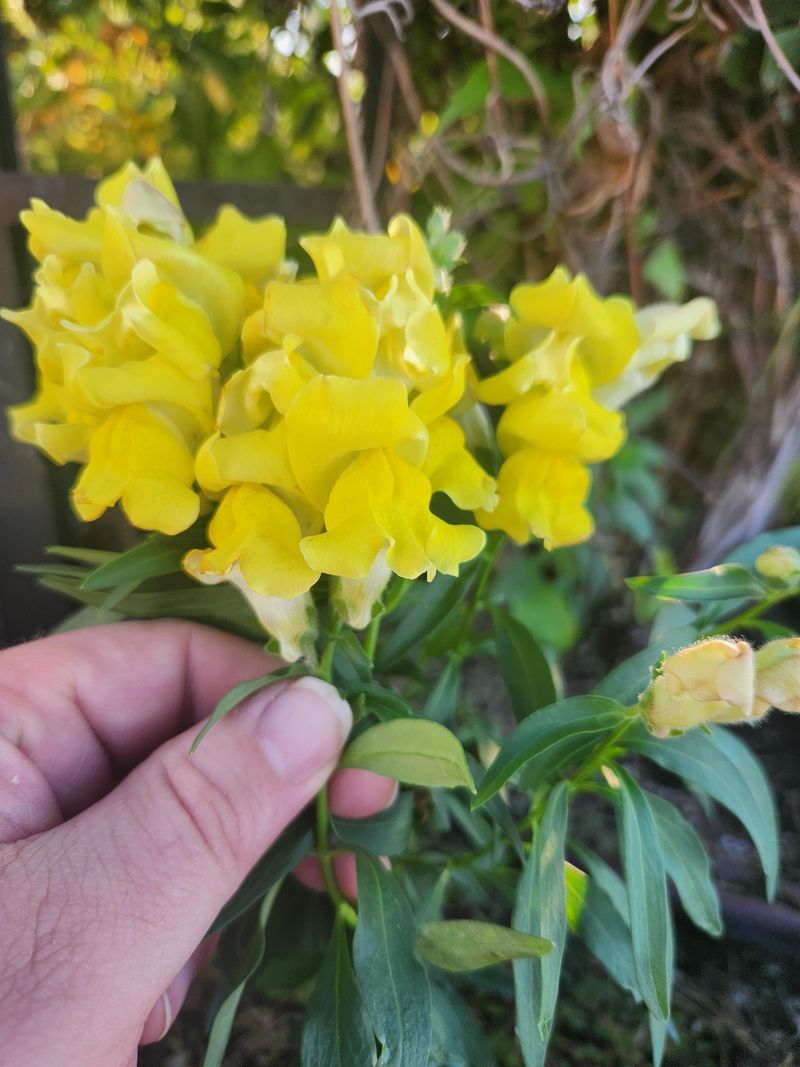
A seed tray in a bright, protected spot can get your fall flower season moving while the yard still feels like an oven.
Snapdragons are classic cool-season performers in Arizona’s low desert, but August heat makes direct outdoor establishment a gamble.
Starting seed indoors or beneath protective shade gives young plants time to build roots before Phoenix and Tucson beds become friendlier in early fall.
Keep seedlings bright without exposing them to punishing afternoon sun. The growing medium should stay evenly moist, not saturated, and good airflow matters during monsoon humidity.
Once temperatures begin easing, gradually acclimate the plants to stronger outdoor light rather than moving them from indoor comfort straight into full desert sun.
Drainage deserves attention before transplant day.
Snapdragons dislike sitting in soggy soil, so loosen compacted beds and improve drainage where needed. Raised beds and containers can make that easier, especially in yards with heavy soil.
Higher-elevation gardeners can move faster. Prescott generally cools earlier than the low desert, while Flagstaff follows an entirely different seasonal rhythm because of its elevation.
Once established in suitable conditions, snapdragons can provide months of cool-season color, and taller forms double as cut flowers.
August is not the month to roast them outside.
It is the month to quietly build the plants that will steal the show once Arizona finally turns down the thermostat.
2. Sow Calendula For Fall Color
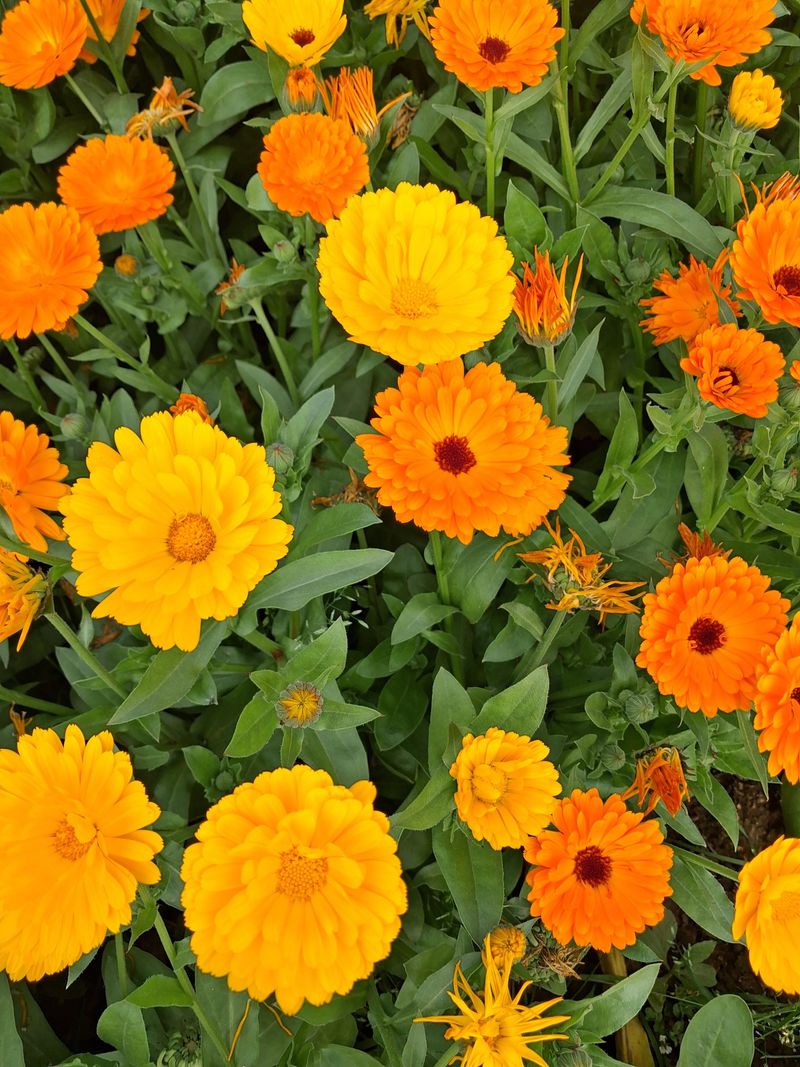
Orange and yellow blooms in November can start with a very small August seed tray.
Calendula is one of the friendlier cool-season flowers to raise from seed, but low-desert gardeners get better odds by keeping the first stage away from scorching garden soil.
Start seed indoors or in bright protected shade now, then save direct outdoor sowing for cooler conditions.
Use a loose seed-starting mix and keep it evenly moist while germination begins. Good airflow helps during humid monsoon stretches, especially when trays sit on a sheltered porch.
Once seedlings have several true leaves, begin hardening them off gradually.
Your Arizona Garden Changes Every Week. Your Plan Should Too.
Gardening in Arizona changes quickly throughout the season. Every Friday you’ll receive a simple weekly plan showing exactly what to plant, prune, fertilize, harvest, and protect so you never miss the right timing.
Give them a little more outdoor exposure each day rather than moving them straight into an exposed bed. When fall temperatures moderate, set them into sunny, well-drained soil and water consistently during establishment.
Calendula does not need a heavily fertilized bed to perform. Rich soil can push leafy growth when flowers are what you actually want.
Once blooming begins, regular deadheading keeps the show moving. The flowers can also draw beneficial insects around vegetable beds, making calendula useful beyond its color.
Gardeners around Prescott may be able to sow or transplant outside earlier than Phoenix gardeners because nights cool sooner.
The low desert needs more patience.
That is fine.
A packet started now can become a row of little orange suns later, without asking August to behave like October before it is ready.
3. Get Sweet Alyssum Ready For Edges
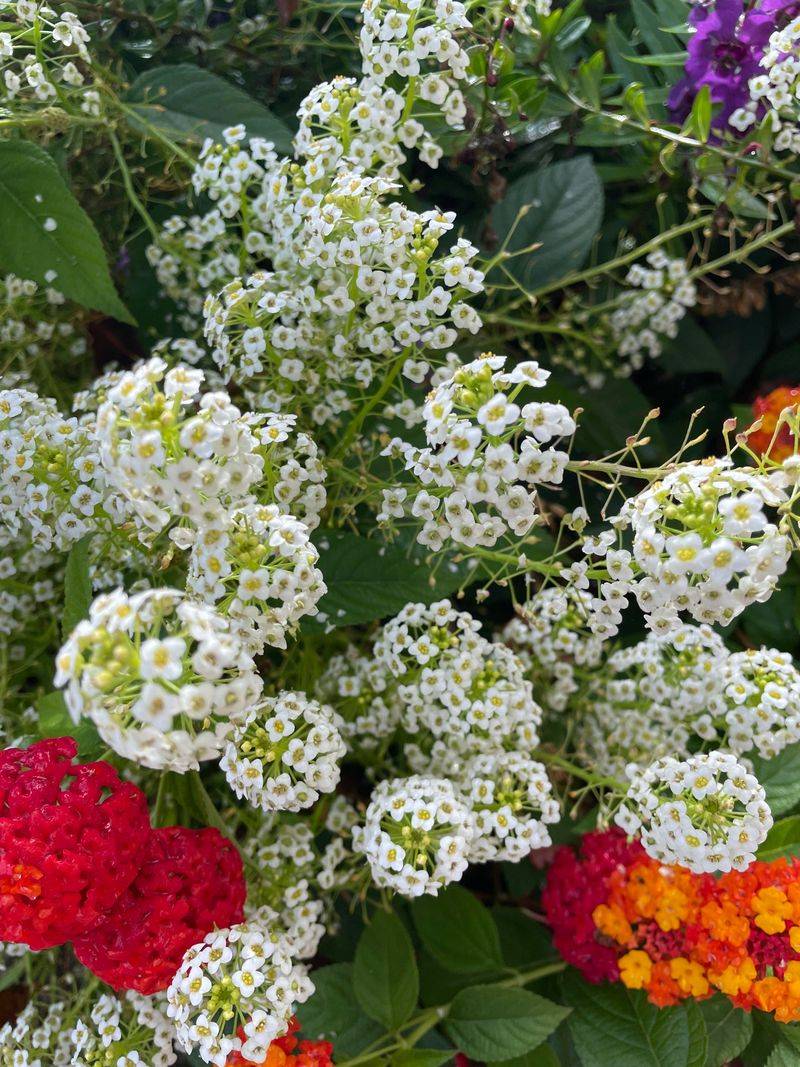
An empty patio pot can be doing useful work in August without sitting in full sun.
Sweet alyssum makes an excellent cool-season edging and container plant, but fresh seedlings do not need to prove their toughness against a low-desert afternoon.
Starting seed in a cooler protected location now gives you small plants ready for the fall transition.
Its tiny seeds need shallow sowing and consistent moisture while they germinate.
Bright indirect light works well at first. Once seedlings strengthen, increase their light gradually while keeping them away from the harshest afternoon exposure.
Outdoor planting becomes much easier once nights begin cooling and container mix stops holding so much daytime heat. At that stage, alyssum can handle full sun to partial shade and appreciates well-drained soil.
Avoid treating the pot like a swamp.
Regular moisture helps new plants establish, but constantly wet roots can create trouble. A container with open drainage holes makes the job much easier.
Once settled, sweet alyssum spills naturally over edges and fills spaces between larger bedding plants. The tiny flowers carry a honey-like fragrance that makes a small planting feel much more noticeable than its height suggests.
Plants can become lanky later in the season. A light trim encourages fresh growth and another flush of flowers.
August gives you the head start.
Autumn gives you the waterfall of blooms.
For such a tiny flower, alyssum knows how to occupy a surprising amount of visual real estate.
4. Start Dianthus Before Cool Nights
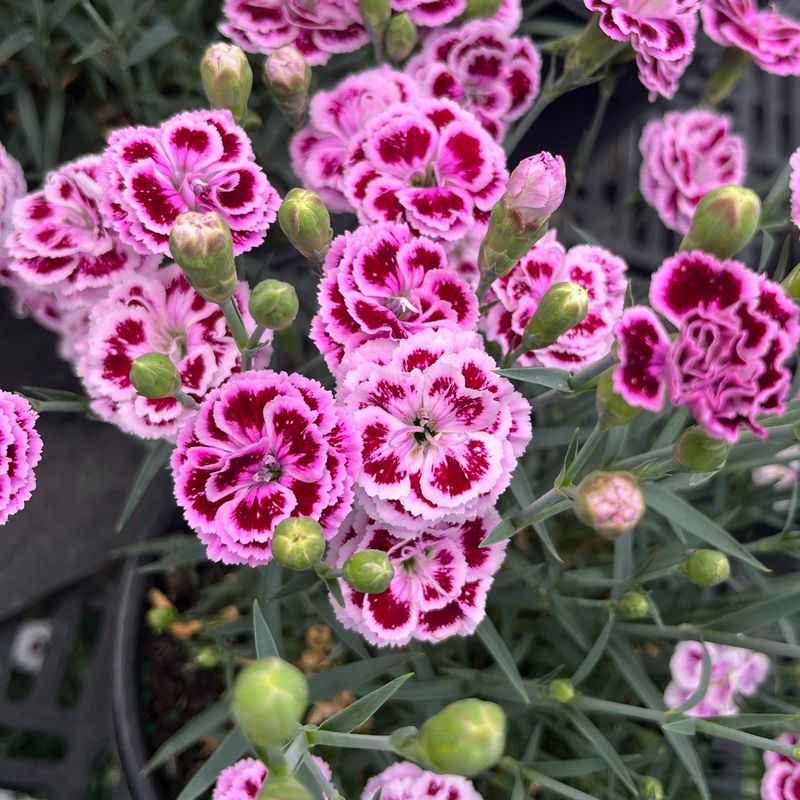
A few weeks of root growth now can make dianthus look much more confident when fall planting season arrives.
Low-desert gardeners can start seed in August under protected conditions rather than waiting until the first cool evening to begin from scratch. That head start produces stronger transplants for the period when outdoor beds finally become comfortable.
Keep young plants in bright light with protection from severe afternoon heat.
Drainage is the bigger long-term concern. Dianthus dislikes wet roots, so containers or raised beds filled with loose, fast-draining mix can be easier to manage than compacted clay.
Do not push the seedlings with constant fertilizer.
Steady growth is more useful than soft, stretched growth before transplanting. Water when the medium begins to lose moisture, but avoid keeping it permanently saturated.
When temperatures ease, harden plants off gradually and move them into full sun or a site with some early-fall afternoon protection. Once established in cooler weather, they can handle stronger light far better.
Prescott gardeners can often move outdoor planting forward because nights cool sooner. Flagstaff requires its own local timing because frost arrives much earlier than in Phoenix or Tucson.
The reward is a compact mound of flowers with a spicy fragrance that is easy to overlook until you walk past it.
Dianthus does not need August to feel like fall.
It only needs you to use August to get ready for it.
5. Plan Pansies For The Fall Shift
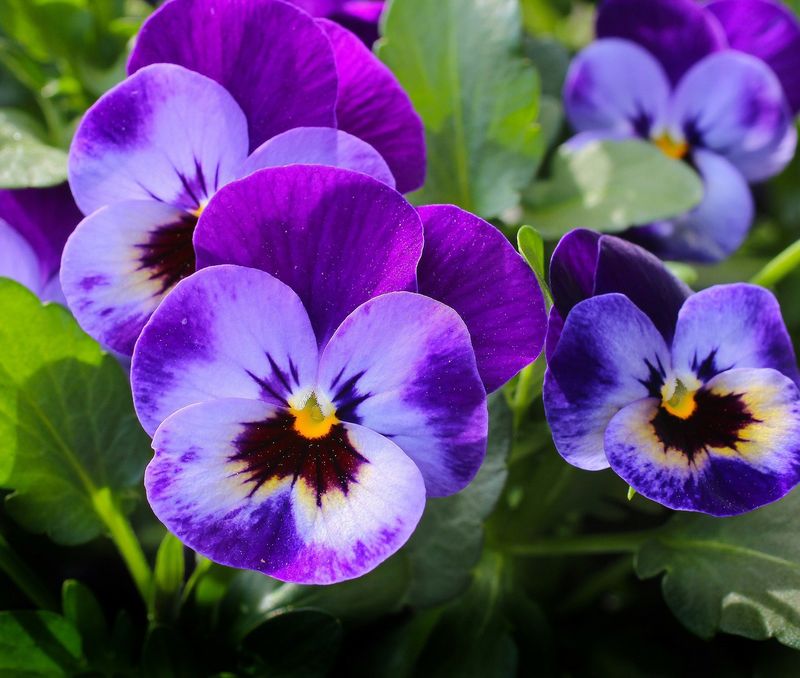
A flat of pansies planted into blazing low-desert soil is optimism taken a little too far.
These flowers love Arizona’s cooler season, but August is preparation time around Phoenix and Tucson rather than the moment to fill exposed beds.
Use the month to order seed, start carefully controlled indoor sowings, prepare containers, or decide which nursery transplants you want once temperatures finally cooperate.
Bed preparation now saves time later.
Loosen compacted soil, mix in finished organic matter where appropriate, and make sure irrigation reaches the future root zone evenly. Containers should drain freely and sit ready for the cooler planting window.
Pansies prefer consistent moisture once planted, especially during establishment, but they do not appreciate waterlogged soil.
Sun exposure also changes as the season advances. A location that feels brutally bright in August can become excellent once autumn lowers the heat load and shortens the day.
Higher-elevation gardeners have a different problem. Fall arrives sooner, but winter does too. That makes local frost timing more important than copying the Phoenix calendar.
Low-desert gardeners get the luxury of waiting.
That patience usually produces sturdier plants than forcing them into hot soil simply because the nursery already has color on display.
Pansies are tough in cool weather.
August heat is not the test they were hired to pass.
Prepare now, then let the temperature decide when the actual planting begins.
6. Use Petunias After Heat Eases
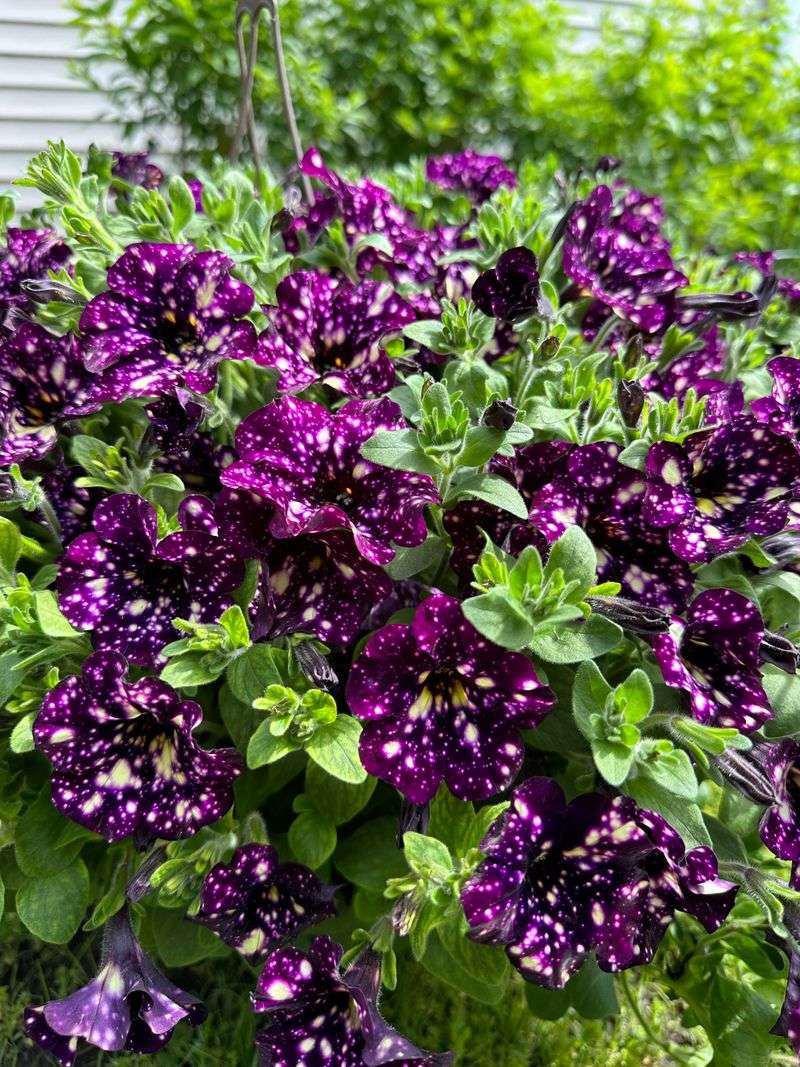
A shaded porch full of empty containers can become the staging area for one of Arizona’s best fall color shows.
Petunias thrive during the cooler part of the low-desert year, but fresh transplants can struggle when August soil and container mix stay intensely hot. Arizona Extension includes petunias among the flowers used during the desert’s cool season.
This month is better used for preparation and protected starts than for rushing blooming plants into the most exposed part of the yard.
Check containers first.
Old potting mix that has compacted or stopped draining well is worth replacing or refreshing before fall planting. Clear drainage holes and decide where each pot can receive strong light without being trapped beside a heat-reflecting wall.
Gardeners starting petunias from seed need patience because the seed is tiny and seedlings develop slowly. Nursery transplants are often the easier route for an autumn display.
Once outdoor heat moderates, move plants into sunny beds or containers and keep moisture reasonably consistent during establishment.
Spreading forms can spill over walls and pots, while more compact types fill beds with dense color.
At higher elevations, the fall window can be brief because cold arrives sooner, so local timing matters greatly.
Phoenix gardeners can afford to wait for better weather.
The flowers will make up for lost time once they stop feeling like they were planted inside an air fryer.
7. Start Violas For Cooler Beds
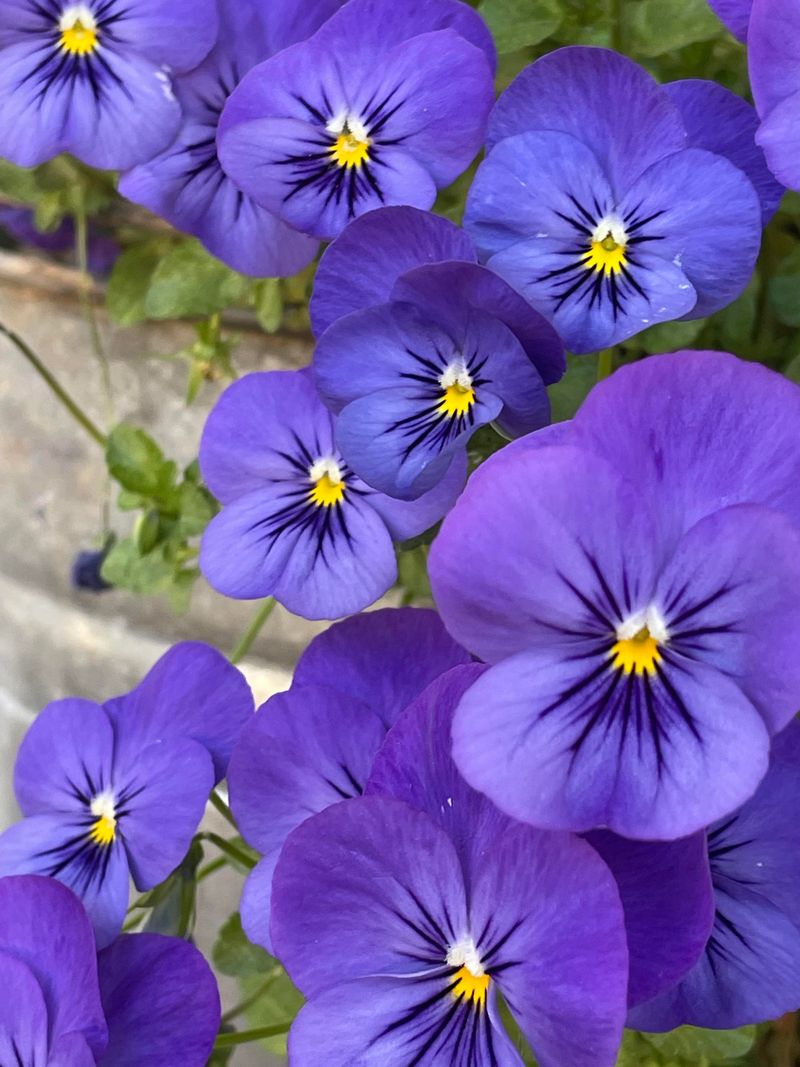
Small flowers can make the quickest transition from summer survival mode to fall charm.
Violas are closely related to pansies, but their smaller blooms and compact habit make them especially useful for borders, window boxes, and containers.
In the low desert, August is a good month to start seed in a climate-controlled or otherwise protected setting while outdoor beds remain too hot.
Keep germinating trays evenly moist and out of direct desert sun.
Once seedlings emerge, bright light helps them stay compact. Give them airflow and avoid soaking the mix continuously, especially during periods of higher monsoon humidity.
The goal is a sturdy transplant, not the fastest possible growth.
When autumn temperatures become more comfortable, harden plants off gradually before moving them into beds.
Violas can grow in full sun during the cool season, while some light shade may help during the warmer edges of fall and spring.
Their small size makes them useful between larger flowers such as snapdragons or around the rims of mixed containers.
Some plants may reseed when allowed to mature, adding the occasional volunteer in a later season.
Higher elevations again need a different schedule. Outdoor planting can begin sooner, but the approach of freezing weather narrows the useful fall window.
In Phoenix or Tucson, there is less urgency.
Start the plants now.
Let the desert cool before asking them to become outdoor performers.