Why Georgia Gardeners Should Wait To Cut Back Hibiscus This Fall
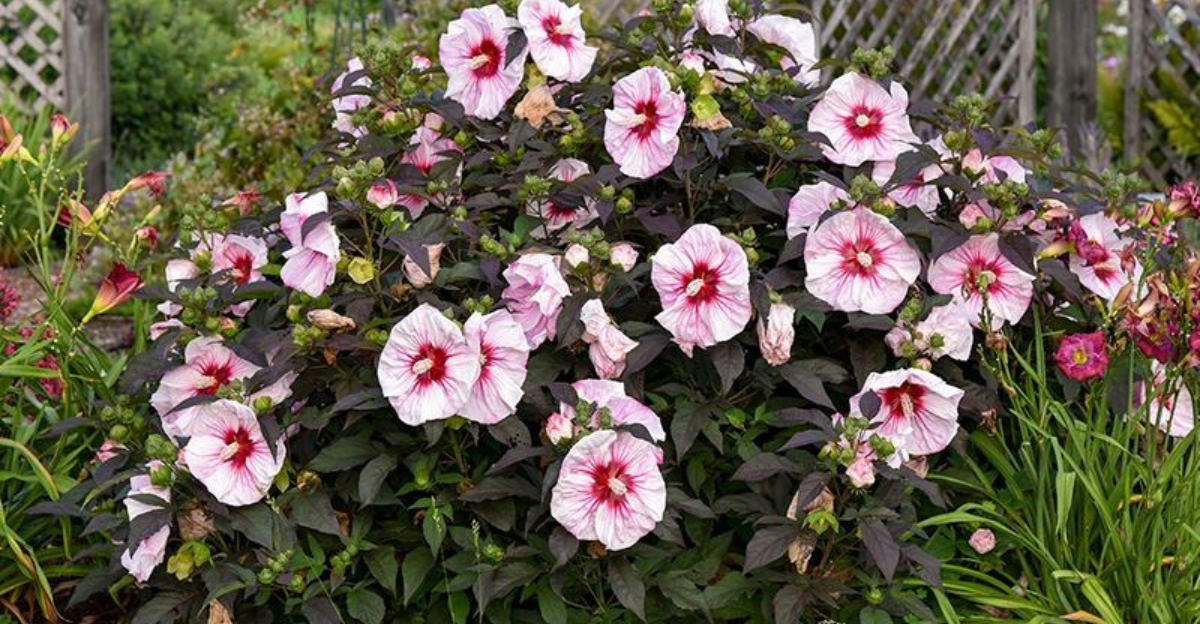
Faded hibiscus stems can make the garden look ready for a fall cleanup, and cutting everything back may feel satisfying. Your plant, however, may benefit from being left alone longer.
That untidy growth still has a purpose as the season changes.
Removing it too soon can take away material that helps protect the plant as colder weather arrives. For Georgia gardeners, patience can be more useful than a perfectly cleaned flower bed.
So leave the pruners aside when those stems first start looking rough.
There will be a better time to remove old growth without rushing the plant through its seasonal change. Until then, letting the stems remain can be the simpler choice.
Your hibiscus may not look polished for a while, but waiting now can support a stronger return next year.
1. Healthy Hibiscus Stems Still Have Work To Do
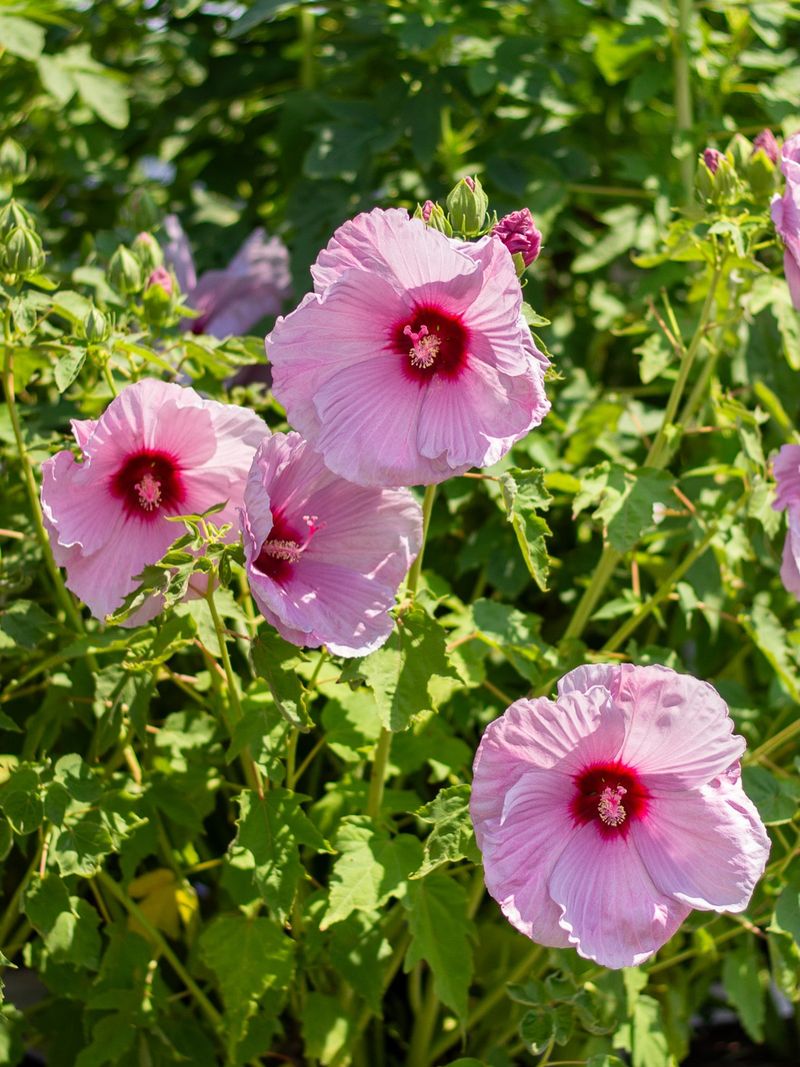
Green stems mean the plant is still busy. Even when the blooms are gone, hibiscus keeps moving food down into its root system.
That process takes weeks, not days. Leaves and stems pull in sunlight and send stored energy underground for winter.
Cut those stems off early and you interrupt the transfer.
The roots end up with less fuel stored away. Next spring, the plant may still come back, but often slower and with fewer stems.
Look closely at your plant before reaching for pruners. If the stems are firm and the leaves still hold some green, the work is not finished.
Across Georgia, hardy hibiscus often stays partly green well into November. Warm autumns here stretch that window longer than gardeners expect.
Give the plant that extra time.
Tropical hibiscus behaves a little differently since it stays evergreen, but the idea holds. Heavy pruning in fall pulls energy away from a plant that is trying to settle down.
Waiting also lets you see which stems are actually worth keeping.
Once cold weather arrives, weak or damaged canes become obvious. You will prune more accurately in late winter than you would guessing in October.
Patience here is not laziness. It is letting the plant finish what it started before you step in.
2. Early Cutting Can Remove Growth The Plant Still Needs
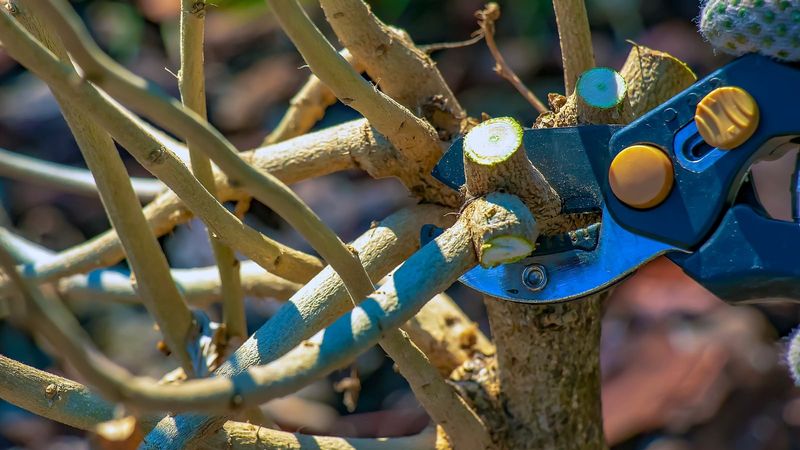
Snip too soon and you may cut off next year’s head start. Hibiscus stores buds and energy in places that are easy to overlook in fall.
Hardy hibiscus rebuilds from crown buds near the soil line. Those buds form while the plant is still feeding itself late in the season.
Shortening the stems early can slow that process down.
With tropical hibiscus, the risk looks different. Cutting in October or November often triggers fresh shoots during a warm stretch.
Tender new growth has no cold protection at all.
Georgia’s autumn temperatures swing hard. A seventy degree week can flip to a hard freeze within days, and soft shoots take the hit.
You end up with damaged tips and a plant that spent energy for nothing.
There is also the matter of shape. Pruning a plant that is half dormant makes it harder to judge where to cut.
Your Georgia Garden Changes Every Week. Your Plan Should Too.
Gardening in Georgia changes quickly throughout the season. Every Friday you’ll receive a simple weekly plan showing exactly what to plant, prune, fertilize, harvest, and protect so you never miss the right timing.
Stems that look fine in fall may show damage after winter, which means you would prune twice anyway.
Skip the extra work.
If a stem is broken or leaning into a walkway, trim just that one. Spot cleanup is fine, but a full cutback in fall rarely helps.
Save the real pruning for a time when the plant can actually use it.
3. Cooler Weather Will Naturally Slow The Plant Down
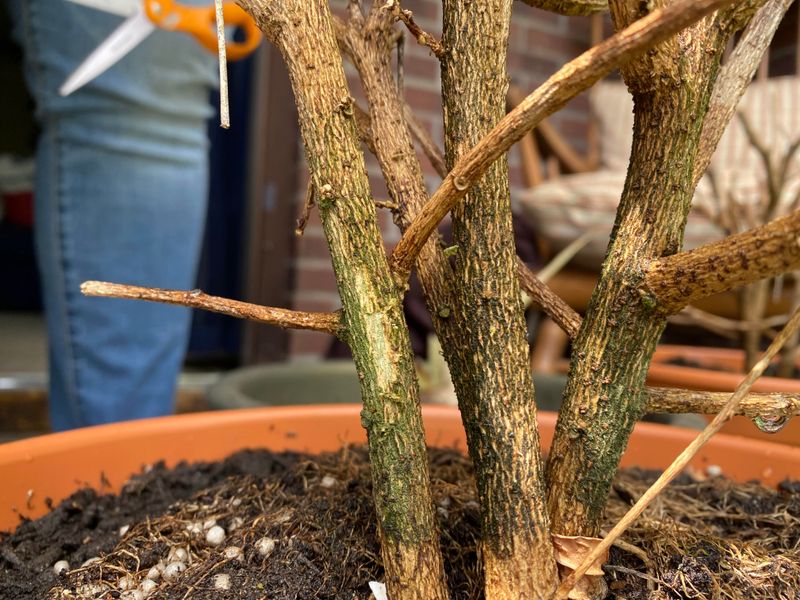
Cold does the job for you. Once nights drop consistently into the forties, hibiscus starts shutting down on its own schedule.
No pruners needed for that part.
Leaves yellow, then drop. Stems firm up and stop pushing new growth, which is exactly what you want before winter.
Letting the process happen naturally keeps the plant from getting confused.
Northern parts of Georgia cool off earlier than the coastal plain, so dormancy timing varies quite a bit across the state. Gardeners near the mountains may see decline weeks before someone closer to Savannah.
Watch your own yard instead of a calendar.
A hard frost will finish off the top growth of hardy hibiscus fairly quickly. Stems turn tan and brittle, and that is your signal the season is over.
Tropical hibiscus in containers should move indoors or into a protected spot before frost hits.
Even then, resist the urge to shear it back. A light trim to fit through a doorway is reasonable, but nothing drastic.
Temperature swings make fall unpredictable here.
One year frost comes in early November, the next it holds off until December. Following the plant’s cues beats guessing based on last season.
Nature handles the shutdown better than we do.
4. Leave The Old Stems Standing Through Winter
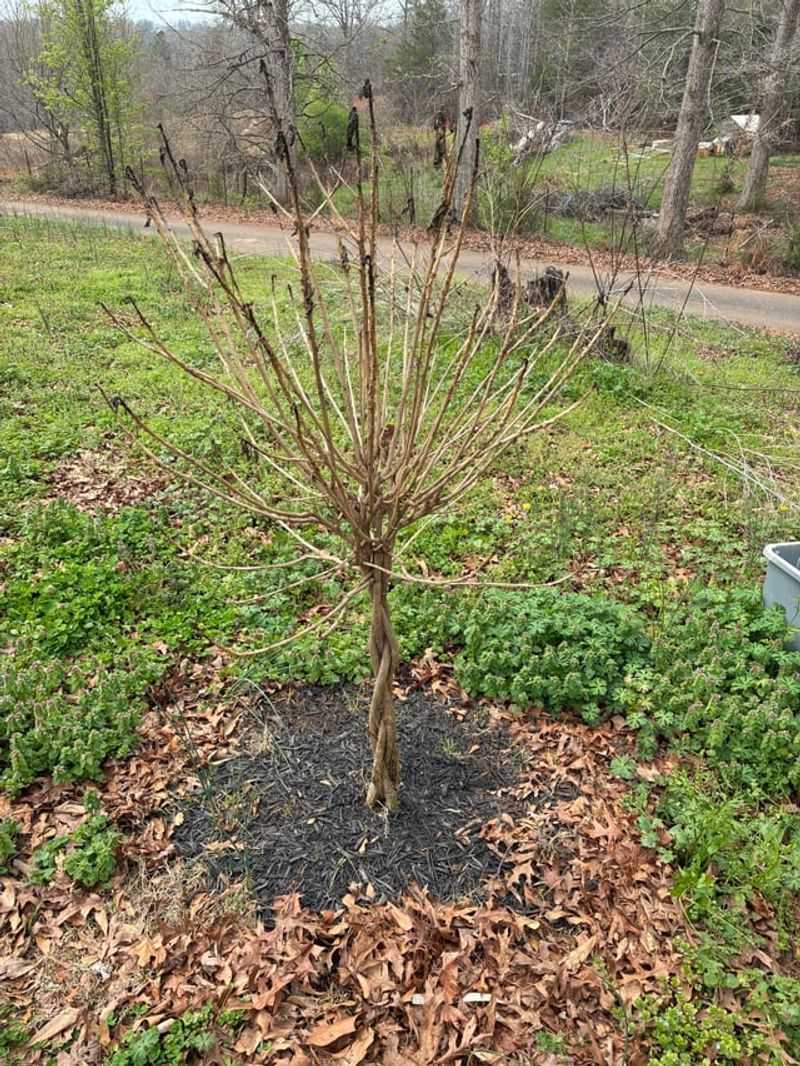
Standing stems earn their keep. Those tan, hollow canes shield the crown from wind and sudden temperature drops.
They also trap leaves, which adds a free layer of insulation right where the roots need it.
Wildlife gets something out of the deal too. Hollow hibiscus stems give small native bees a place to shelter during cold months.
Seed pods left on the plant feed birds through winter.
Bare beds look neat, but they leave the soil exposed. Wind and heavy rain hit the crown directly when nothing is standing above it.
Winter rain in Georgia can be surprisingly heavy, and mulch washes out faster on bare ground.
Old stems slow that runoff a little.
There is a practical reason too. Come spring, those stems mark exactly where the plant sits.
Hardy hibiscus is famously late to wake up, and gardeners dig into the crown every year thinking nothing is there.
Leaving markers prevents that mistake.
If the look bothers you, cut the stems to about twelve inches instead of removing them. You keep the marker and the crown protection while tidying the view.
Skip the shredding and bagging until late winter.
The garden may look a little rough for a few months, but the plant comes through in better shape.
5. Cut Back Old Growth Before Spring Begins
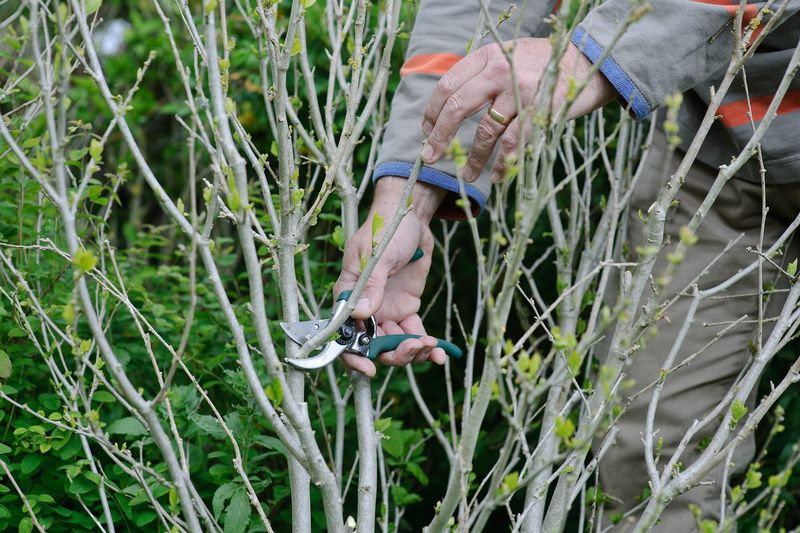
Late winter is the sweet spot. Sometime between mid February and mid March, the old canes come down and the bed gets cleaned up.
By then the risk of triggering tender growth has mostly passed.
Cut hardy hibiscus stems to roughly four to six inches above the ground. New shoots come from the crown, so leaving a short stub is plenty.
Use loppers if the canes are thick, since they get woody and tough.
Timing shifts depending on where you garden in Georgia. Warmer southern counties can prune earlier than colder northern zones, sometimes by two or three weeks.
Watch for the first swelling buds at the base.
Tropical hibiscus handles a shaping cut around the same window, once nights stay reliably above the mid forties. Trim about a third of the growth to encourage branching.
Clean tools help avoid spreading problems between plants.
Toss the old canes in the compost pile if they look healthy. Anything spotted or moldy should go in the trash instead.
A quick feeding after pruning gives the plant something to work with.
Balanced fertilizer works fine, applied once new growth appears rather than before. Feeding too early on cold soil mostly goes to waste.
One clean session beats several rushed ones.
6. A Layer Of Mulch Helps Protect The Roots
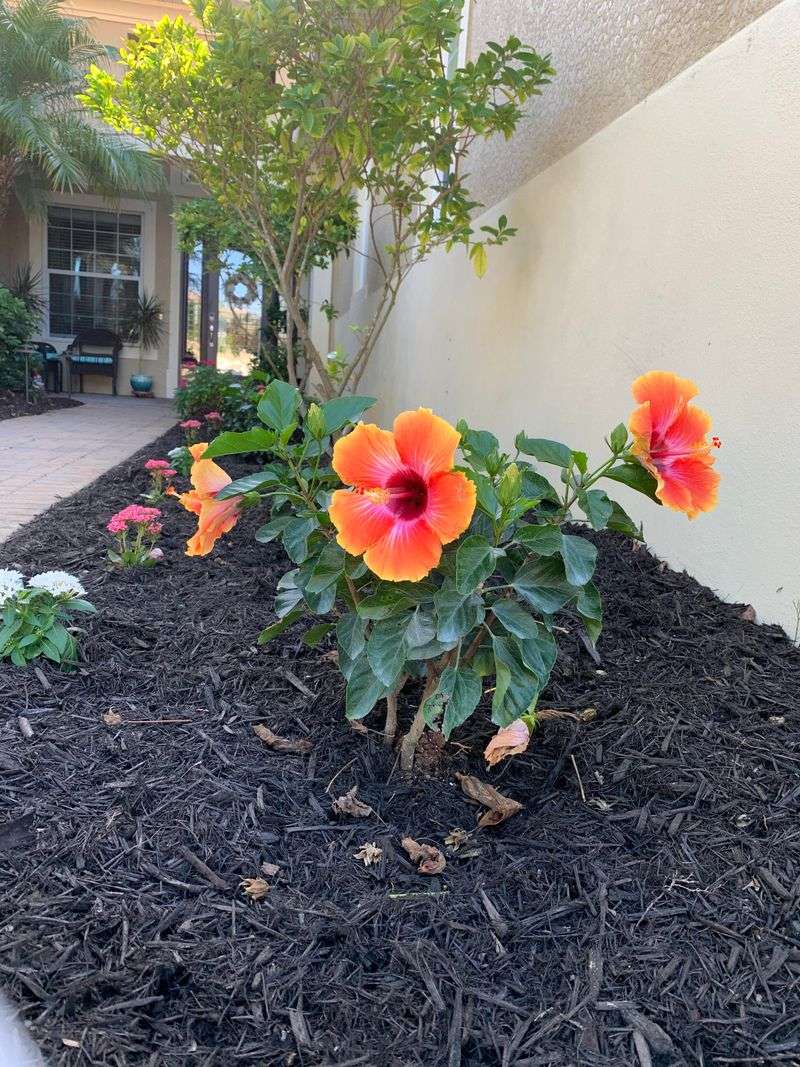
Mulch is cheap insurance. A few inches spread over the root zone steadies soil temperature through winter’s back and forth swings.
Freeze and thaw cycles are rough on shallow roots.
Pine straw works well and is easy to find across Georgia. Shredded bark or chopped leaves do the job too, so use whatever you already have.
Aim for two to three inches, spread evenly.
Keep the material pulled back an inch or so from the crown itself. Piling mulch directly against stems traps moisture and invites rot.
A small gap makes a real difference.
Container hibiscus needs extra help since pots freeze from all sides. Grouping pots together against a wall cuts wind exposure quite a bit.
Wrapping the pot in burlap adds another layer.
Timing matters here as well. Apply mulch after the ground has cooled, usually late November or early December in most of the state.
Mulching too early can keep soil warm and delay dormancy.
Come spring, pull the mulch back slightly so the soil warms faster. Hardy hibiscus already sprouts late, and a thick blanket slows it further.
Rake it into place again once shoots are up.
Results vary with soil type and drainage, but mulch rarely hurts when applied correctly.
7. New Growth Will Return From The Ground In Spring
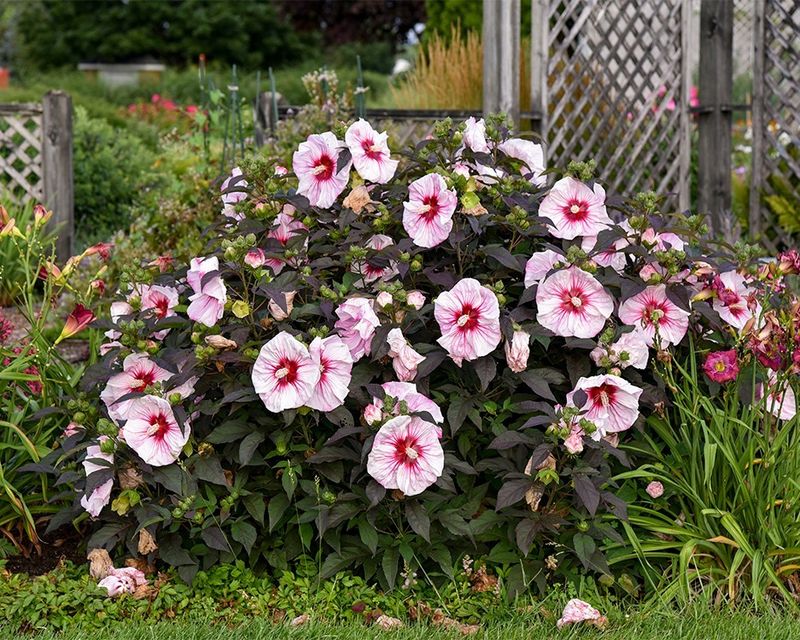
Patience pays off in May. Hardy hibiscus is one of the last perennials to show up, and that lateness fools people every single year.
Shoots often push through well after everything else has leafed out.
Look for reddish or purple tips poking through the mulch. They grow fast once soil temperatures climb into the sixties.
A plant that looked gone in April can hit four feet by July.
Georgia’s long growing season works in your favor here. Warm summers give hibiscus plenty of time to build stems and set buds before flowering.
Blooms usually arrive mid to late summer.
Do not replace a plant too quickly. Gardeners dig up healthy crowns in April, convinced nothing survived, when the shoots were only weeks away.
Wait until at least mid May before making that call.
Water matters during the wake up period. Hibiscus likes consistent moisture, and dry spring soil slows emergence noticeably.
Deep watering once or twice a week beats daily sprinkling.
Flowers form on new wood, which is why cutting the old canes back hard in late winter causes no harm at all.
The plant rebuilds from scratch every season.
Skip the fall pruning, mulch well, and let spring do what it does. Results depend on your soil and winter, but the odds improve a lot with a little restraint.