The Pennsylvania Yard Features That Bring Mice Indoors As Temperatures Drop
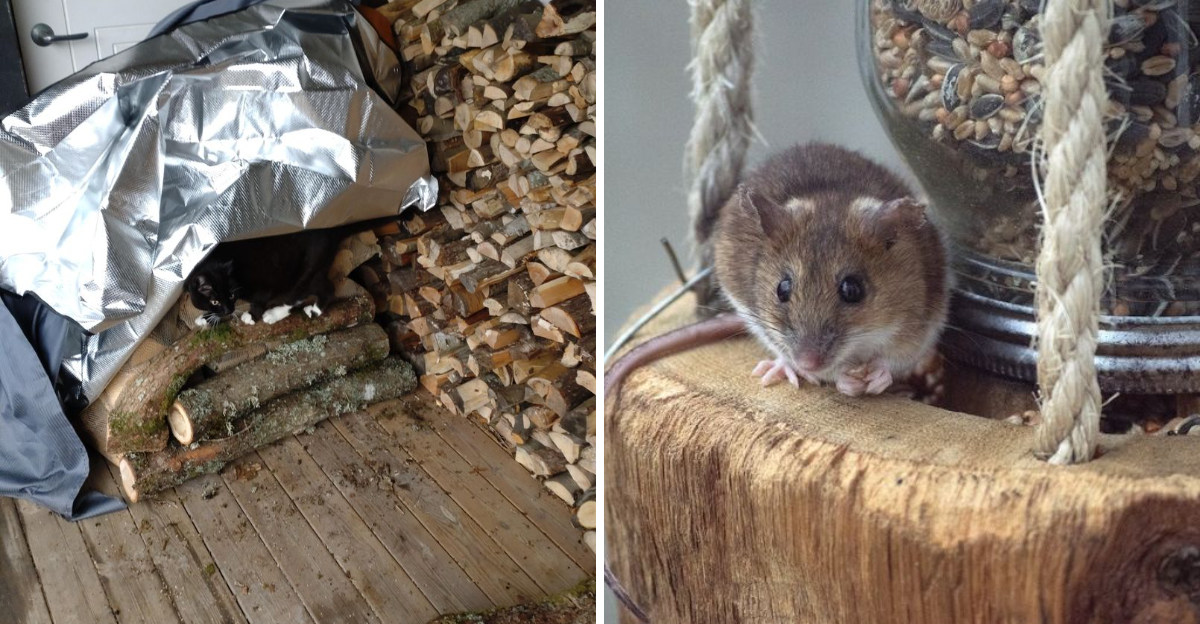
As temperatures drop, mice may become more likely to seek shelter inside. Many Pennsylvania homeowners treat it as an inevitable seasonal reality rather than something with identifiable causes and real solutions.
But mice don’t enter homes randomly. They follow signals, and in many cases those signals are coming directly from features in the yard that are making the transition from outside to inside shorter, easier, and more rewarding than it needs to be.
Your yard might be part of the problem. Certain common yard features create conditions that draw mice toward the house and in some cases provide shelter and resources that establish them right at the foundation before they find a way in.
Understanding which features are doing this gives you a meaningful advantage in managing mouse pressure before it becomes an indoor problem.
1. Overgrown Shrubs And Bushes Against The House

Thick bushes that hug your home’s foundation look pretty, but they act like a secret highway for mice. The dense branches give small rodents cover from hawks and cats while they search for a way inside.
Mice love hiding spots that stay dark and quiet. When shrubs touch your siding, they create a shady bridge that leads mice right to cracks near your foundation. From there, a gap the size of a dime is all it takes for one to slip in.
Pennsylvania winters push mice to find shelter fast. Overgrown plants trap warmth and block wind, making the base of your bushes a cozy resting spot. Once mice settle in that close, your warm house becomes the next stop.
Trimming your shrubs is one of the easiest fixes. Keep at least a foot of open space between the plants and your walls. That open gap removes the hidden cover mice depend on and exposes them to predators.
Rake up fallen leaves and dry branches under the bushes too. Cluttered ground gives mice extra nesting material and food scraps to nibble on. A clean, trimmed base makes the area far less inviting.
Check the foundation behind trimmed shrubs for small holes or cracks. Seal any openings with steel wool and caulk so mice cannot squeeze through. Steel wool works well because mice cannot chew through it easily.
Keeping plants tidy protects your home and helps the shrubs grow stronger. A little pruning each fall goes a long way toward keeping unwanted visitors outside.
2. Stacked Firewood Piles Near The Foundation
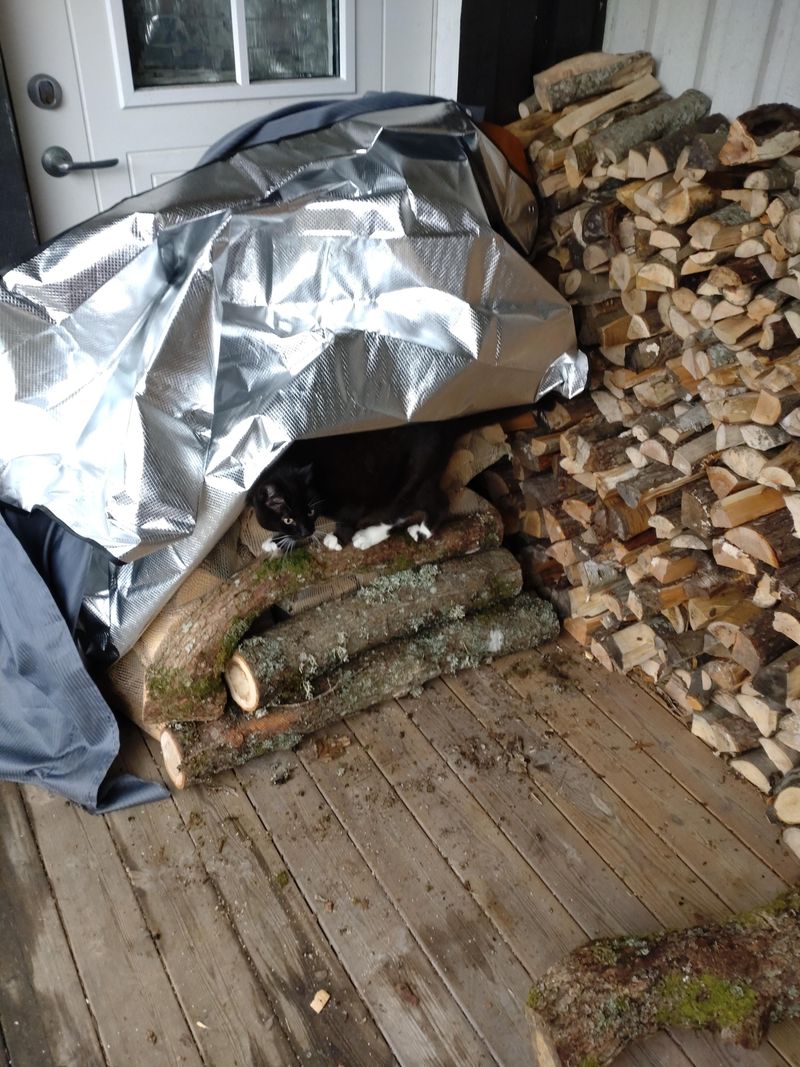
Firewood stacked right against your house is basically a mouse hotel with a warm view. The spaces between logs give mice perfect tunnels to hide, sleep, and raise their young.
During Pennsylvania’s cold months, that woodpile stays dry and shielded from snow. Mice tuck themselves deep into the gaps where nothing can reach them. When your wall is inches away, moving indoors is easy.
Wood piles also attract insects, and insects are food for mice. A steady snack supply keeps rodents coming back and settling in for the season. The closer the pile sits to your door, the higher your risk.
Your Pennsylvania Garden Changes Every Week. Your Plan Should Too.
Gardening in Pennsylvania changes quickly throughout the season. Every Friday you’ll receive a simple weekly plan showing exactly what to plant, prune, fertilize, harvest, and protect so you never miss the right timing.
Move your firewood at least twenty feet away from the house. That distance forces mice to cross open ground where they feel exposed and unsafe. Predators can spot them more easily too.
Raise the wood off the ground using a metal rack or blocks. Keeping logs a foot high removes the damp, hidden ground layer mice crave. Air also flows better, which helps the wood dry faster.
Only bring in a few logs at a time when you need them. Storing large amounts of wood inside a garage or basement can carry mice indoors with it. Shake each log gently before hauling it inside.
Inspect the pile now and then for droppings or shredded nesting bits. Spotting activity early lets you act before the mice move closer. A well-placed woodpile keeps your fire cozy without inviting rodents along for the ride.
3. Bird Feeders Dropping Seed On The Ground
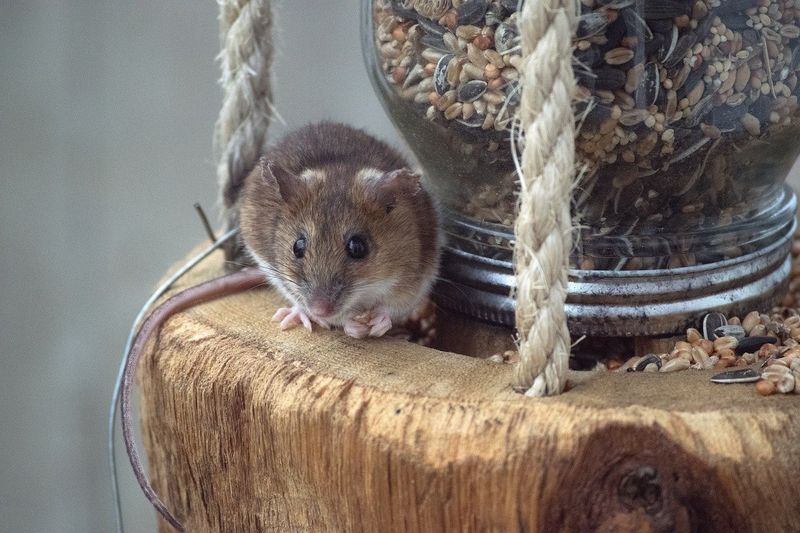
Bird feeders bring cheerful cardinals and chickadees to your yard, but they also ring the dinner bell for mice. Every seed that falls to the ground becomes a free meal for hungry rodents.
Mice are night eaters, so they often clean up the scattered seed after the birds go to sleep. A messy feeder area can feed dozens of them without you ever noticing.
As temperatures drop in Pennsylvania, natural food gets scarce. A reliable seed pile keeps mice hanging around your yard, and a full belly gives them the energy to explore your home for shelter.
Place feeders far from your house, ideally near the edge of your property. Putting them close to walls or windows makes it simple for mice to jump from the food source into your foundation.
Use a wide tray or catch pan under each feeder to grab falling seed. Empty and clean it regularly so nothing rots or piles up. A tidy feeding station cuts down on ground scraps.
Choose no-mess seed blends that skip the shells and hulls. Less waste hits the ground, which means fewer leftovers for rodents to enjoy after dark.
Store your extra birdseed in thick metal or hard plastic containers with tight lids. Mice chew right through paper bags and thin plastic to reach the treasure inside.
Sweep up spilled seed every few days, especially before winter arrives. Keeping the ground clean lets you feed the birds you love without accidentally feeding a mouse colony next to your house.
4. Tall Grass And Unmowed Lawn Edges
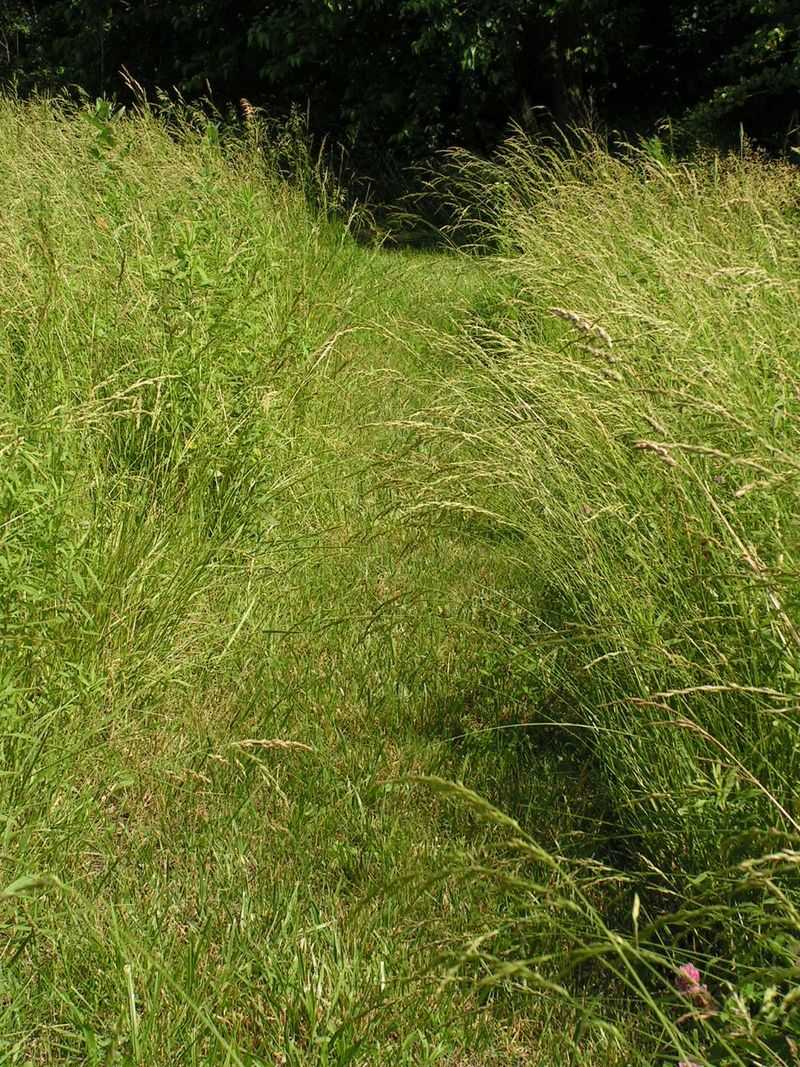
Long grass swaying at the edge of your lawn might seem harmless, but to a mouse it looks like a safe, leafy jungle. Tall blades hide rodents from view while they scurry around searching for food and warmth.
Mice feel nervous in open spaces where owls and foxes can spot them. Overgrown grass and weedy borders give them the cover they need to move freely and build nests close to your home.
Come autumn in Pennsylvania, tall grass also collects seeds and dropped plant matter. That mix of shelter and snacks turns your lawn edges into a rodent hangout right before winter sets in.
Mowing your lawn regularly is a simple defense. Short grass leaves mice out in the open and forces them to look elsewhere for cover. A neat yard is far less welcoming.
Pay special attention to the areas along fences, sheds, and walls. Weeds tend to grow taller in these spots because mowers can’t reach them easily. Trim these edges by hand or with a string trimmer.
Pull weeds and clear out any tangled ground plants near your foundation. Reducing dense ground cover near the foundation can limit some of the shelter available to mice.
Keep a mowed strip of short grass between wild areas and your home. That open zone acts like a safety buffer that rodents dislike crossing.
Staying on top of yard work through late fall pays off big. A clean, closely cut lawn removes the cozy hiding spots mice rely on and pushes them away from your walls.
5. Cluttered Sheds And Storage Areas
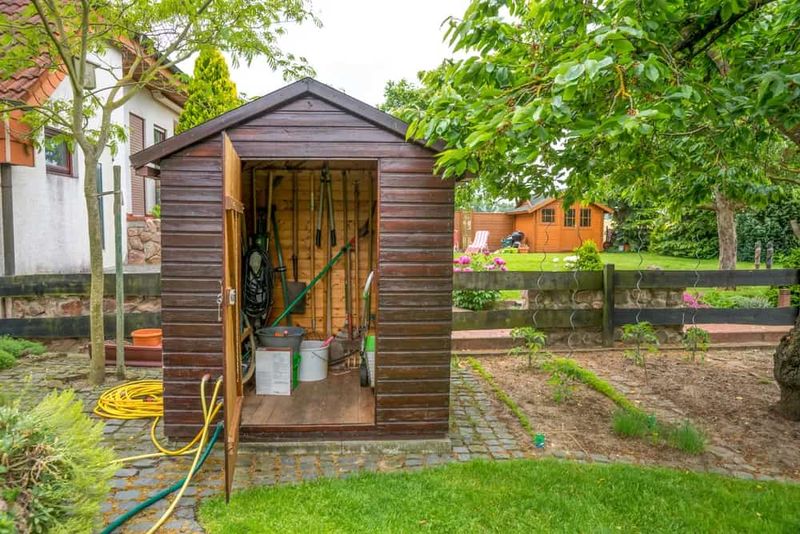
A packed shed full of boxes and forgotten junk is a dream home for a mouse. All those quiet corners and stacked items create endless hiding places safe from wind and cold.
Rodents love clutter because it means less disturbance. Cardboard boxes, old cushions, and piles of rags give them soft material to shred and build cozy nests for their families.
When Pennsylvania temperatures drop, an unheated shed still beats being outside. Mice settle in first, and from there they often travel to attached garages or nearby homes looking for even more warmth.
Decluttering your storage space takes away the appeal fast. Toss out things you no longer need and keep the floor as clear as possible. Fewer hiding spots mean fewer squatters.
Swap cardboard boxes for sealed plastic bins with tight lids. Mice chew through cardboard easily, but sturdy plastic keeps your belongings and any stored food out of reach.
Lift stored items off the ground using shelves or pallets. Keeping things elevated removes the dark floor-level tunnels that rodents prefer to travel through.
Check the walls and doors of your shed for gaps and cracks. Seal openings with caulk or weatherstripping and add a door sweep at the bottom to block sneaky entry points.
Sweep the floor and look for droppings while you organize. Spotting signs early helps you act before a small problem grows into a full nest.
A tidy, sealed shed protects your tools and keeps mice from using it as a stepping stone toward your house all winter long.
6. Leaf Piles And Yard Debris
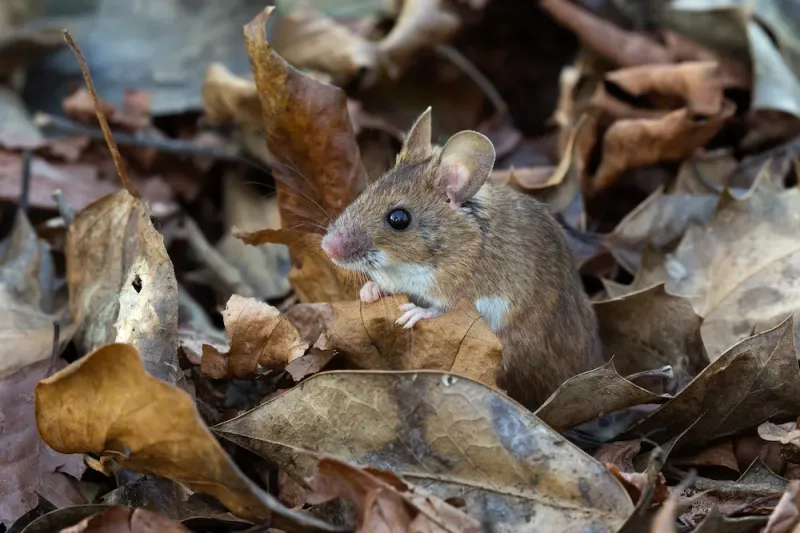
Those big piles of crunchy autumn leaves are fun to jump in, but mice find them just as inviting. A mound of damp leaves holds heat and hides rodents from anything that might chase them.
Under the surface, leaf piles stay warm and moist even when the air turns frosty. Mice burrow in and build nests, feeding on insects and seeds trapped in the debris.
Pennsylvania yards fill with leaves fast once October rolls around. Piles left sitting near the house give mice a warm base camp just steps from your foundation and its little gaps.
Raking and removing leaves promptly cuts off this cozy shelter. Don’t let piles sit for weeks while you plan to bag them later. The longer they stay, the more likely mice move in.
Bag your leaves or add them to a compost bin placed far from the house. Keeping debris away from your walls removes the warm cover rodents look for near entry points.
Clear out other yard junk too, like grass clippings, brush piles, and fallen branches. Any messy heap can become a hideout when the weather gets cold.
Pay attention to leaves that collect against your foundation and in window wells. These spots trap moisture and hide mice right where they can slip inside.
Keeping gutters clear helps prevent water and debris from accumulating around the house and makes it easier to spot potential access points. Flushing them out keeps that route closed.
Staying ahead of falling leaves keeps your yard neat and takes away one of the easiest winter shelters mice count on.
7. Gaps Around Pipes, Vents, And Utility Lines
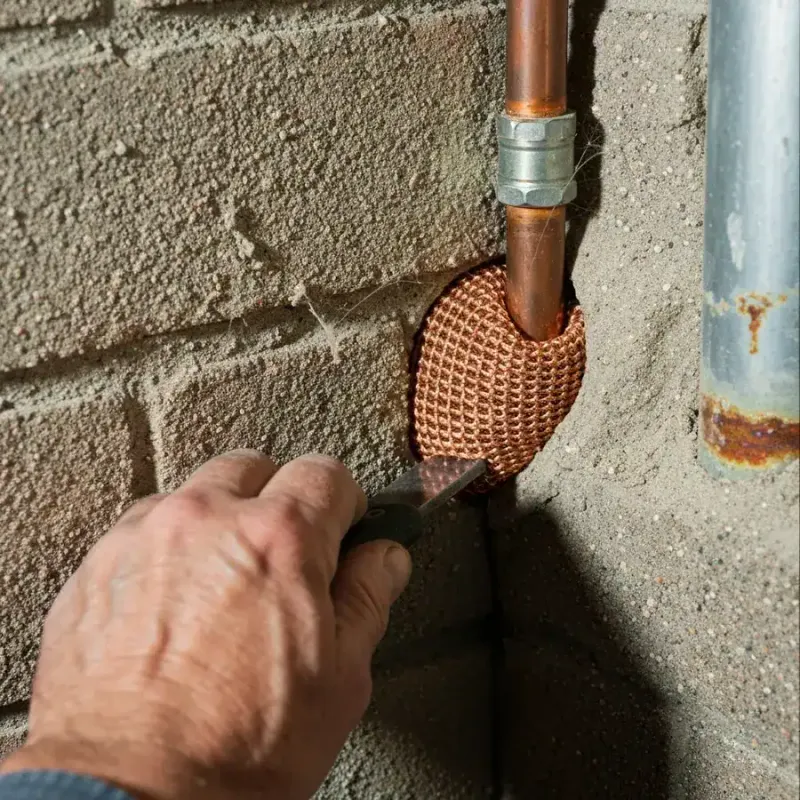
Every pipe, cable, and vent that enters your home leaves a small opening, and mice treat those openings like open doors. A gap you can barely see is often plenty of room for a rodent to squeeze through.
Mice have soft, flexible bodies that fit through spaces as small as a quarter inch. Once they find a gap around a water line or dryer vent, they slip right into your walls.
When Pennsylvania winters bite, these entry points become the fastest route to warmth. Mice follow the scent of heat leaking out and use utility lines as ladders leading indoors.
Inspecting your home’s exterior is the first step to stopping them. Walk around and look closely where pipes, wires, and vents meet the walls. Grab a flashlight to spot hidden gaps.
Fill small openings with steel wool packed tightly into the space. Mice can’t chew through the metal fibers, which makes it a reliable barrier around cables and pipes.
Seal over the steel wool with caulk or expanding foam for a finished, weatherproof patch. This combo blocks both rodents and cold drafts at the same time.
Cover larger vents and openings with sturdy metal mesh or hardware cloth. Choose a fine grid so even young mice can’t wiggle past it.
Check dryer vents and make sure their flaps close properly when not in use. A stuck-open flap is an easy welcome mat for a curious mouse.
Sealing these gaps before the cold hits keeps your home tight, warm, and far less appealing to rodents searching for a way inside.